In an era where digital privacy and display technology converge, the lattice privacy screen integrated with LED displays has emerged as a groundbreaking solution. This innovative technology enhances user privacy while maintaining the vibrant visual quality of LED screens, making it indispensable in various professional and personal environments. This article delves into the mechanics, applications, benefits, and future potential of lattice privacy screens paired with LED displays, offering a comprehensive understanding for technology enthusiasts, business professionals, and consumers alike.
Understanding Lattice Privacy Screens
What Is a Lattice Privacy Screen?
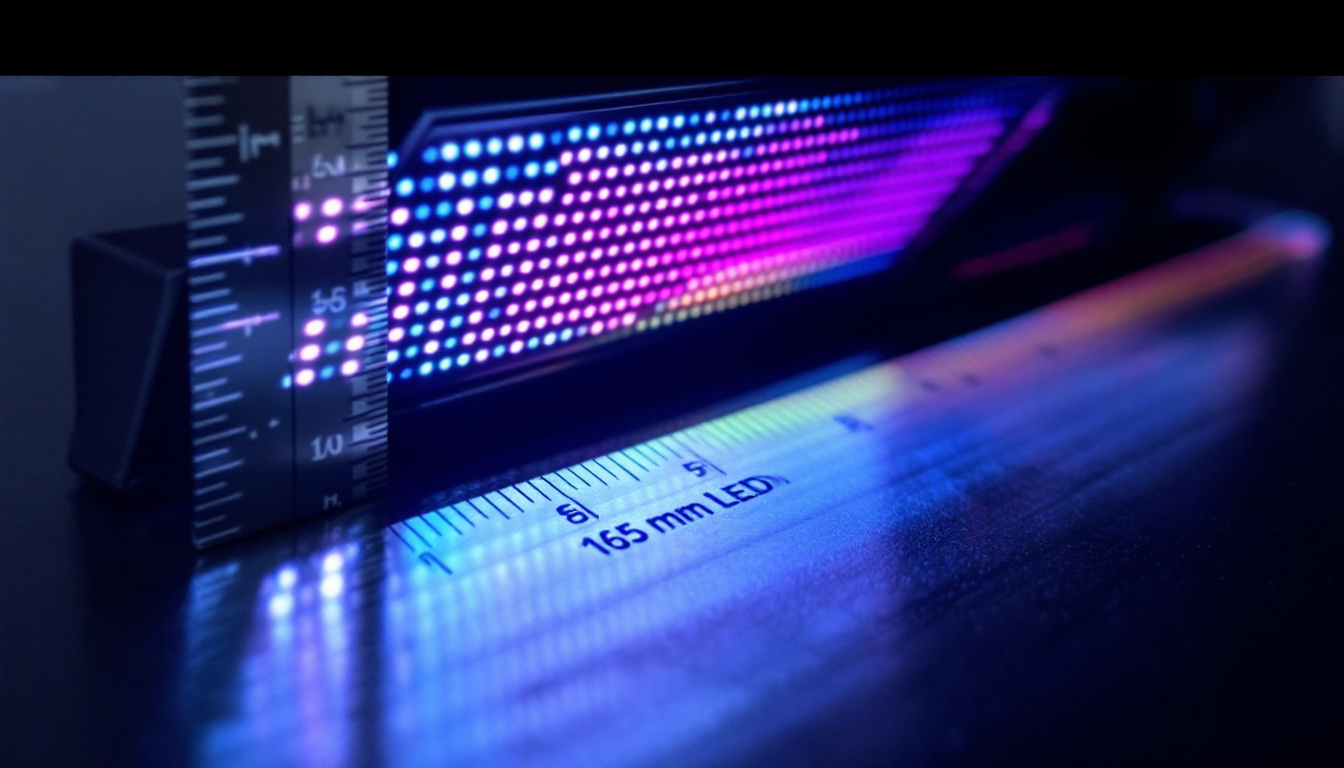
A lattice privacy screen is a specialized overlay designed to restrict the viewing angle of a display, ensuring that the content is visible only to the person directly in front of the screen. Unlike traditional privacy filters that use polarized films or micro-louver technology, lattice privacy screens employ a microscopic grid or lattice structure that manipulates light paths to limit visibility from side angles.
This lattice structure is engineered to work seamlessly with LED displays, which are known for their brightness, color accuracy, and energy efficiency. By integrating a lattice privacy screen, the LED display maintains its visual integrity for the intended viewer while significantly reducing the risk of visual hacking or shoulder surfing. The use of lattice privacy screens is becoming increasingly popular in environments such as open offices, public spaces, and even in personal devices, where privacy is a growing concern. As more individuals and organizations recognize the importance of safeguarding sensitive information, these screens offer an effective solution without compromising the quality of the visual experience.
How Does It Work?
The core principle behind lattice privacy screens lies in controlling the directionality of emitted light. The microscopic lattice acts like a series of tiny optical barriers that channel light forward, minimizing lateral light leakage. This means that when viewed from an angle, the screen appears dark or blurred, effectively obscuring sensitive information.
Unlike conventional privacy filters that may reduce screen brightness or cause color distortion, lattice privacy screens are designed to preserve the LED display’s luminance and color fidelity. This is achieved through precise engineering of the lattice dimensions and materials, allowing for high transparency and minimal light absorption. Furthermore, advancements in material science have led to the development of ultra-thin lattice screens that add minimal bulk to devices, making them ideal for sleek laptops and smartphones. As technology continues to evolve, we can expect even more innovative designs that enhance both privacy and user experience, ensuring that individuals can work or browse confidently in shared environments without the fear of prying eyes. The integration of such privacy solutions not only protects personal data but also fosters a more secure and productive atmosphere in workplaces and public settings alike.
Applications of Lattice Privacy Screens in LED Displays
Corporate and Financial Sectors
In industries where confidentiality is paramount, such as finance, legal services, and corporate management, lattice privacy screens provide an essential layer of security. Employees often handle sensitive data on their screens, including financial reports, client information, and strategic plans. The lattice privacy screen ensures that this information remains visible only to authorized personnel, reducing the risk of data breaches caused by inadvertent exposure.
According to a 2023 survey by Cybersecurity Ventures, over 60% of data breaches in corporate environments are attributed to human error, including visual hacking. Implementing lattice privacy screens can significantly mitigate this risk by physically preventing unauthorized viewing. Furthermore, these screens can enhance employee confidence, allowing them to focus on their tasks without the constant worry of prying eyes. As remote work becomes more prevalent, the need for portable privacy solutions is also increasing, making lattice privacy screens a versatile choice for professionals on the go.
Healthcare Industry
Healthcare professionals frequently access patient records and confidential medical information on digital displays. Privacy regulations such as HIPAA in the United States mandate strict controls over patient data visibility. Lattice privacy screens on LED medical monitors help comply with these regulations by restricting screen visibility to the attending healthcare provider.
Moreover, the high brightness and clarity of LED displays combined with lattice privacy technology ensure that medical images and data are viewed accurately, supporting better diagnostics and patient care without compromising privacy. The integration of lattice privacy screens in healthcare settings can also facilitate better communication among medical staff, as they can freely discuss sensitive cases without the risk of eavesdropping from unauthorized personnel. This not only enhances the quality of care but also fosters a culture of trust and confidentiality within the healthcare environment.
Public and Shared Spaces
In public environments such as airports, libraries, and co-working spaces, individuals often use laptops and tablets for work or personal tasks. Lattice privacy screens offer a practical solution to protect sensitive information in these settings. The technology allows users to maintain productivity without fear of exposing confidential data to passersby.
Additionally, businesses deploying digital signage or interactive kiosks can use lattice privacy screens to control viewing angles, ensuring that only intended audiences see the displayed content while preventing unauthorized viewing from adjacent areas. This is particularly beneficial in high-traffic locations where sensitive information may be displayed, such as in banking kiosks or information terminals in government buildings. By utilizing lattice privacy screens, organizations can enhance the user experience while safeguarding sensitive data, ultimately leading to increased customer trust and satisfaction.
Advantages of Lattice Privacy Screens for LED Displays
Enhanced Privacy Without Compromising Display Quality
One of the most significant benefits of lattice privacy screens is their ability to maintain the high-quality visuals of LED displays. Traditional privacy filters often reduce brightness by up to 50% and can distort colors, leading to eye strain and reduced user satisfaction. In contrast, lattice privacy screens preserve up to 90% of the display’s original brightness and color accuracy, offering a comfortable and clear viewing experience.
Durability and Easy Integration
Lattice privacy screens are typically made from robust materials such as tempered glass or high-grade polymers, providing additional protection against scratches and impacts. Their thin profile allows for easy integration into existing LED display assemblies without significant modifications or added bulk.
Many manufacturers offer lattice privacy screens as either built-in components or attachable accessories, making them adaptable to various device types, from laptops and monitors to large-format LED video walls.
Energy Efficiency and Reduced Eye Strain
Because lattice privacy screens enable users to view displays clearly at lower brightness settings, they contribute to energy savings and extend device battery life. Lower brightness levels also reduce eye fatigue during prolonged use, which is particularly beneficial in professional settings where screen time is extensive.
Technical Considerations and Installation
Compatibility with LED Display Technologies
LED displays come in various forms, including OLED, Mini-LED, and Micro-LED. Each technology has unique characteristics affecting how light is emitted and perceived. Lattice privacy screens must be carefully engineered to complement these differences.
For instance, OLED displays emit light individually from each pixel, allowing for deeper blacks and higher contrast ratios. Lattice privacy screens designed for OLED must ensure that the lattice structure does not interfere with these properties. Similarly, Mini-LED displays, which use smaller LEDs for backlighting, require lattice designs that maintain uniform light distribution.
Installation Best Practices
Proper installation of lattice privacy screens is crucial to achieve optimal privacy and display performance. Screens should be aligned precisely with the LED panel to avoid visual artifacts or reduced clarity. Professional installation is recommended, especially for large or integrated displays.
Users should also consider environmental factors such as ambient lighting and viewing distance. While lattice privacy screens are effective at restricting side views, extremely bright environments or reflective surfaces may impact performance. Adjusting screen brightness and positioning can help mitigate these issues.
Future Trends and Innovations
Advancements in Nanotechnology and Materials Science
Research in nanotechnology is paving the way for even more sophisticated lattice privacy screens. By manipulating materials at the nanoscale, manufacturers can create lattices that offer enhanced privacy with minimal impact on display brightness and color accuracy.
Emerging materials such as graphene and advanced polymers promise greater durability, flexibility, and optical performance. These innovations could lead to privacy screens that are thinner, lighter, and more adaptable to curved or flexible LED displays.
Integration with Smart Display Technologies
As smart displays become more prevalent, lattice privacy screens are expected to integrate with adaptive technologies. For example, privacy settings could dynamically adjust based on user proximity or environmental conditions, optimizing privacy without manual intervention.
Artificial intelligence (AI) and sensor technologies may also enable displays to detect unauthorized viewers and automatically activate privacy modes, enhancing security in real time.
Conclusion
The lattice privacy screen represents a significant advancement in display privacy technology, especially when paired with the vibrant and energy-efficient qualities of LED displays. By combining microscopic lattice structures with cutting-edge LED technology, this solution addresses the growing demand for data security in an increasingly digital world.
From corporate offices and healthcare facilities to public spaces and personal devices, lattice privacy screens offer a practical and effective means to protect sensitive information without sacrificing display quality. As technology continues to evolve, these screens are poised to become a standard feature in privacy-conscious environments, supported by ongoing innovations in materials science and smart display integration.
For businesses and individuals seeking to enhance digital privacy, understanding the capabilities and benefits of lattice privacy screens on LED displays is essential. This knowledge empowers informed decisions that safeguard information while embracing the future of display technology.
Discover LumenMatrix’s Advanced LED Solutions
As you consider the benefits of lattice privacy screens for your LED displays, LumenMatrix stands at the forefront of this technology, offering a wide range of innovative LED display solutions. Whether you’re looking to enhance privacy in corporate settings, healthcare, or public spaces, LumenMatrix provides Indoor and Outdoor LED Wall Displays, Vehicle LED Displays, and more, all designed to deliver exceptional visual experiences without compromising on privacy. Check out LumenMatrix LED Display Solutions today and take the first step towards securing your digital displays with sophistication and style.