Jumbotron: LED Display Explained
In the world of large-scale visual communication, the term “Jumbotron” has become synonymous with giant LED displays that captivate audiences in stadiums, concerts, public squares, and even corporate events. These impressive screens are more than just oversized televisions; they represent a fusion of cutting-edge technology, engineering, and design that enable vibrant, dynamic content to be displayed on a massive scale.
This article delves into the technology behind Jumbotron LED displays, exploring how they work, their applications, and the factors that make them an essential tool for modern visual communication.
What Is a Jumbotron?
The term “Jumbotron” originally referred to a specific brand of large-scale video display technology developed by Sony in the 1980s. Over time, however, it has evolved into a generic term used to describe any large LED video screen, particularly those used in outdoor or large indoor venues. These impressive displays have become a staple in sports arenas, concert venues, and public events, captivating audiences with vibrant visuals and dynamic content.
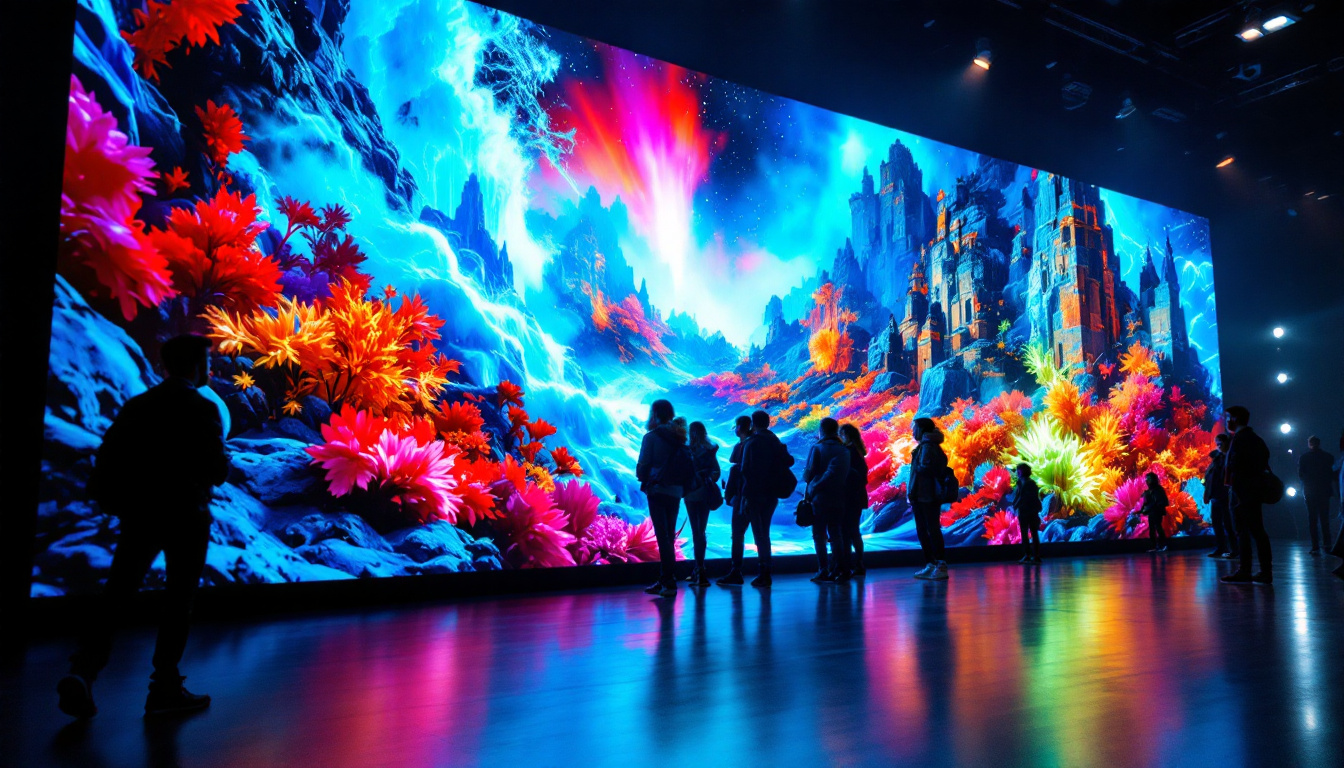
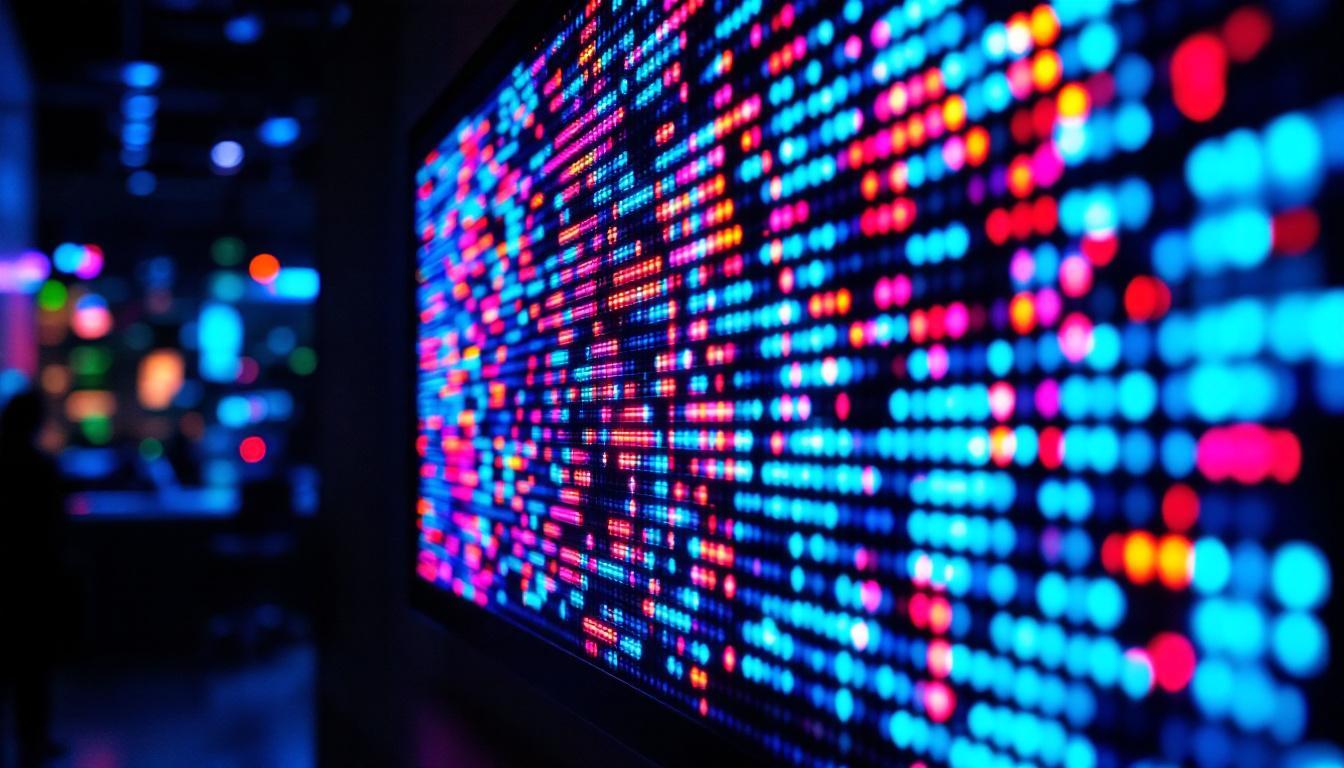
Typically, a Jumbotron is a massive LED display panel composed of thousands of tiny light-emitting diodes (LEDs) arranged in a grid. These LEDs light up in different colors and intensities to create images and videos visible from hundreds of feet away. The size of these displays can range from a few square meters to several hundred square meters, depending on the application. The versatility of Jumbotrons allows them to be used not only for broadcasting live events but also for advertising, public service announcements, and interactive experiences that engage viewers in real-time.
The Evolution from CRT to LED
Before LED technology became the standard, large displays often relied on cathode-ray tube (CRT) technology or projection systems. These older systems were bulky, energy-intensive, and limited in brightness and resolution. The advent of LED technology revolutionized large-scale displays by offering brighter images, better color accuracy, lower power consumption, and greater durability. The shift to LED not only enhanced the visual experience but also allowed for more creative and innovative uses of display technology, such as integrating them into architectural designs or using them as part of immersive installations.
Today’s Jumbotrons use light-emitting diodes arranged in modular panels that can be combined to create virtually any size or shape of display. This modularity also simplifies maintenance and upgrades, making LED Jumbotrons the preferred choice for modern venues. Furthermore, advancements in technology have led to the development of high-definition and even 4K resolution displays, providing stunning clarity and detail. As a result, Jumbotrons are not just limited to traditional video playback; they can also support interactive features, allowing audiences to participate in polls, games, or social media interactions, thereby enhancing the overall experience of events.
How Does a Jumbotron LED Display Work?
Understanding how a Jumbotron works requires a look at the fundamental components and the way they interact to produce vivid images visible from great distances.
LED Pixels and Modules
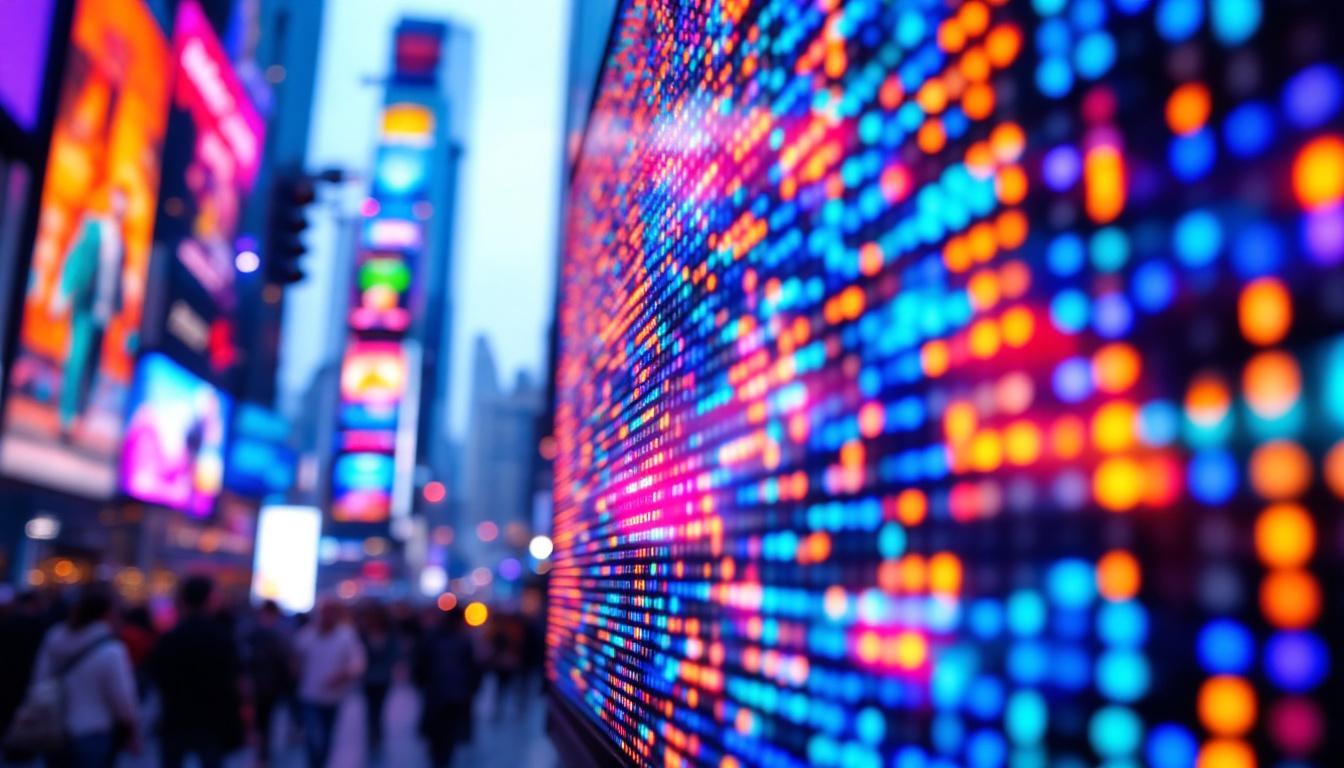
At the heart of every Jumbotron are the LEDs themselves. Each LED acts as a pixel, the smallest unit of the image. Most Jumbotrons use RGB (Red, Green, Blue) LEDs, which combine these three primary colors at varying intensities to produce a full spectrum of colors.
These LEDs are mounted on panels or modules, which are then assembled to form the complete display. The density of LEDs—often referred to as pixel pitch—is a critical factor determining the resolution and clarity of the image. Pixel pitch is measured in millimeters and indicates the distance between the centers of two adjacent pixels. A smaller pixel pitch means higher resolution and sharper images, especially important for displays viewed up close. For instance, a Jumbotron with a pixel pitch of 10mm may be suitable for large venues where viewers are at a distance, while a pixel pitch of 4mm is ideal for closer viewing, such as in sports arenas or concert halls.
Control Systems and Signal Processing
The visual content displayed on a Jumbotron is managed by sophisticated control systems. These systems receive input from various sources such as video cameras, computers, or broadcast feeds and process the data to control the brightness and color of each LED pixel.
Advanced video processors ensure synchronization across the entire display, manage color calibration, and optimize image quality. They also handle scaling and aspect ratio adjustments to fit content perfectly on the screen. This technology allows for dynamic content, enabling operators to switch between live feeds, pre-recorded videos, and even interactive graphics seamlessly. Furthermore, many modern Jumbotrons can integrate with social media platforms, allowing real-time updates and audience engagement through user-generated content displayed on the screen.
Brightness and Visibility
One of the defining features of a Jumbotron is its brightness. Outdoor displays often need to be visible even in direct sunlight, which requires extremely high brightness levels—sometimes exceeding 5,000 nits (a unit of luminance). This ensures that images remain clear and vibrant regardless of ambient lighting conditions.
Additionally, Jumbotrons incorporate sensors that automatically adjust brightness based on the time of day or weather conditions, optimizing visibility while conserving energy. This adaptive brightness technology not only enhances the viewing experience but also extends the lifespan of the LEDs by reducing wear and tear. Moreover, the use of high-quality materials in the construction of Jumbotrons ensures that they are weather-resistant and durable, capable of withstanding harsh environmental conditions such as rain, snow, and extreme temperatures, making them a reliable choice for outdoor advertising and event displays.
Applications of Jumbotron LED Displays
Jumbotron LED displays have become ubiquitous across various sectors due to their versatility and impact. Below are some of the most common and innovative applications.
Sports and Entertainment Venues
Perhaps the most iconic use of Jumbotrons is in sports stadiums and arenas. These displays provide live video feeds, replays, scores, and advertisements, enhancing the spectator experience. For example, the Dallas Cowboys’ AT&T Stadium features one of the largest center-hung video boards in the world, measuring over 160 feet wide and 72 feet tall.
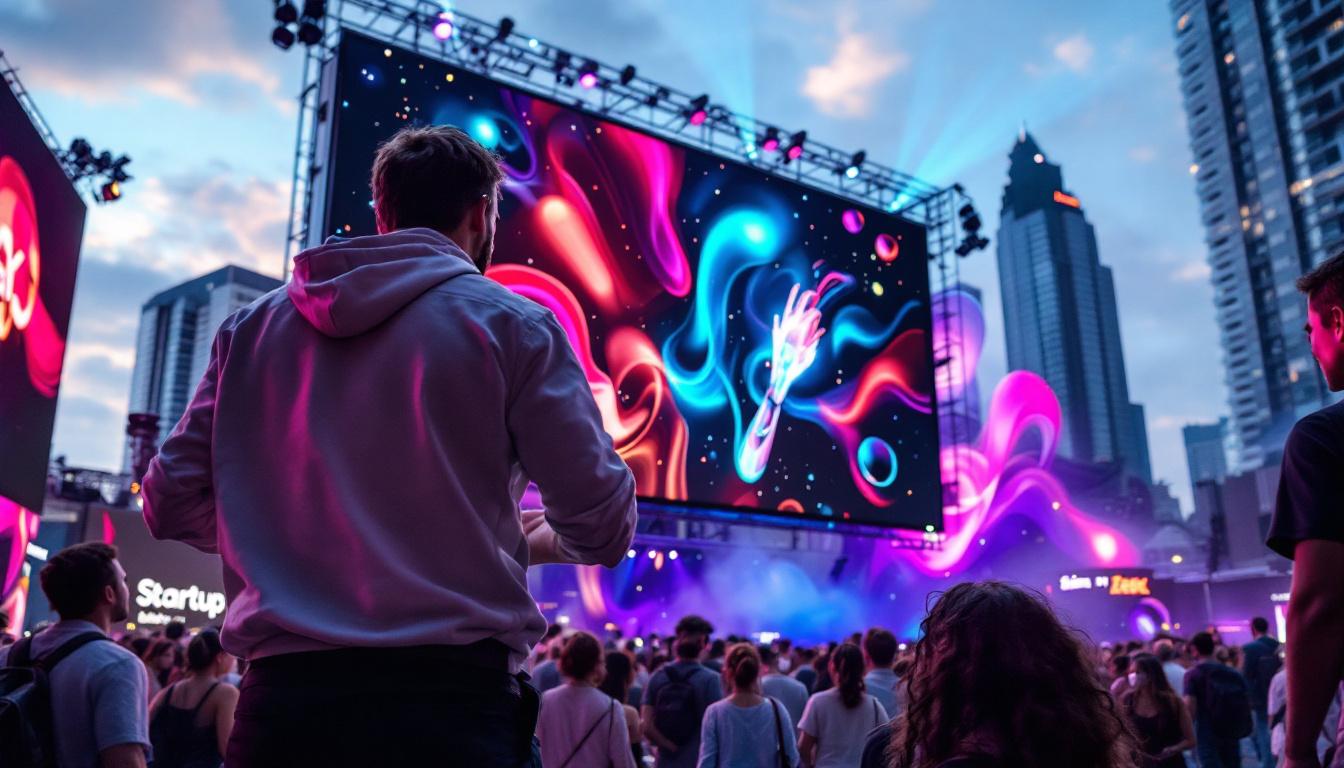
Concerts and festivals also utilize Jumbotrons to project performers and visual effects, ensuring that even attendees far from the stage can enjoy the show.
Advertising and Public Information
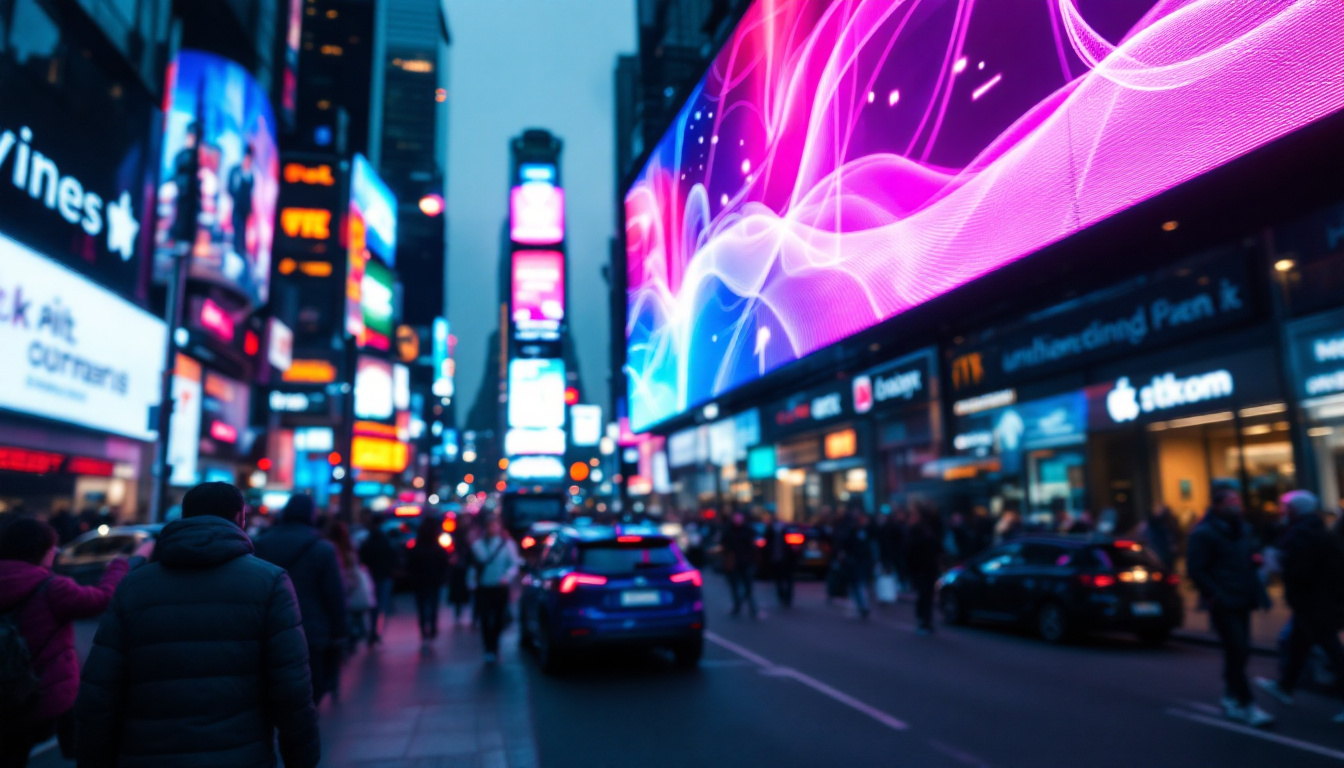
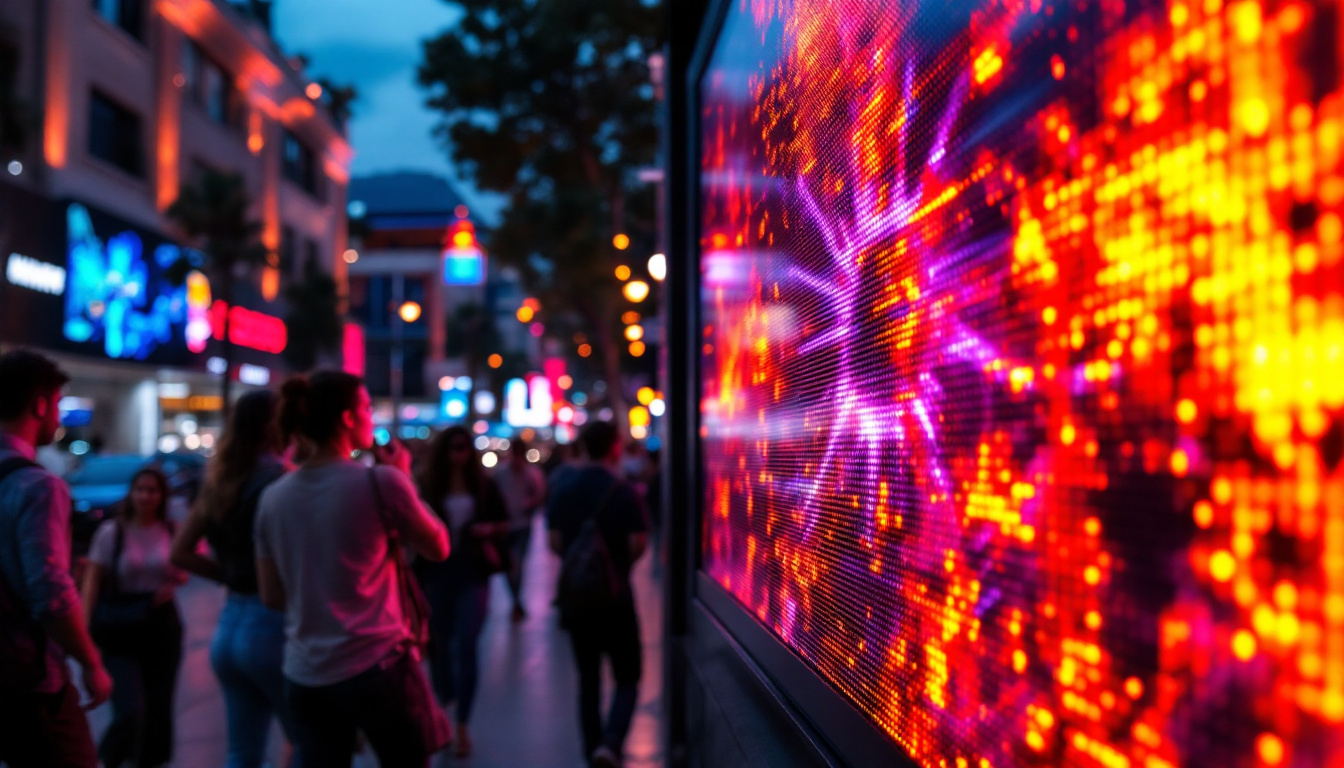
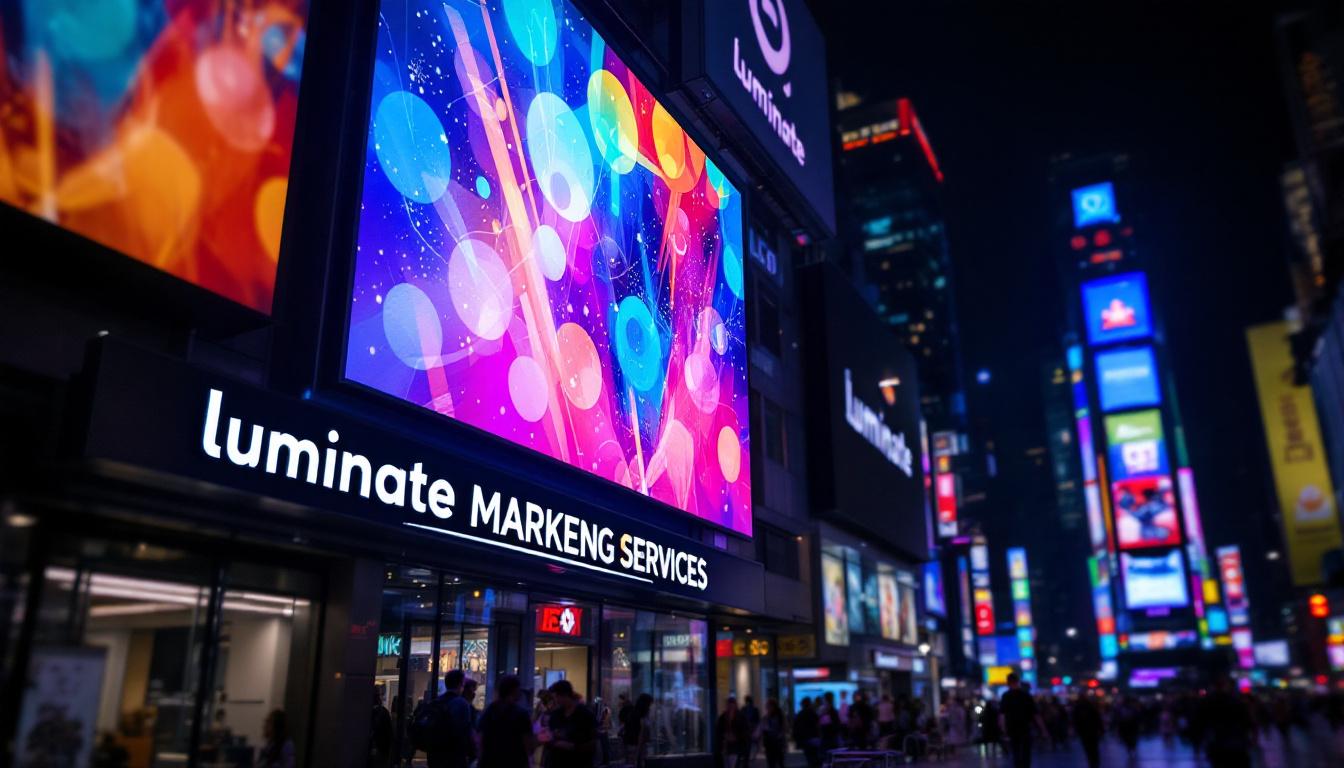
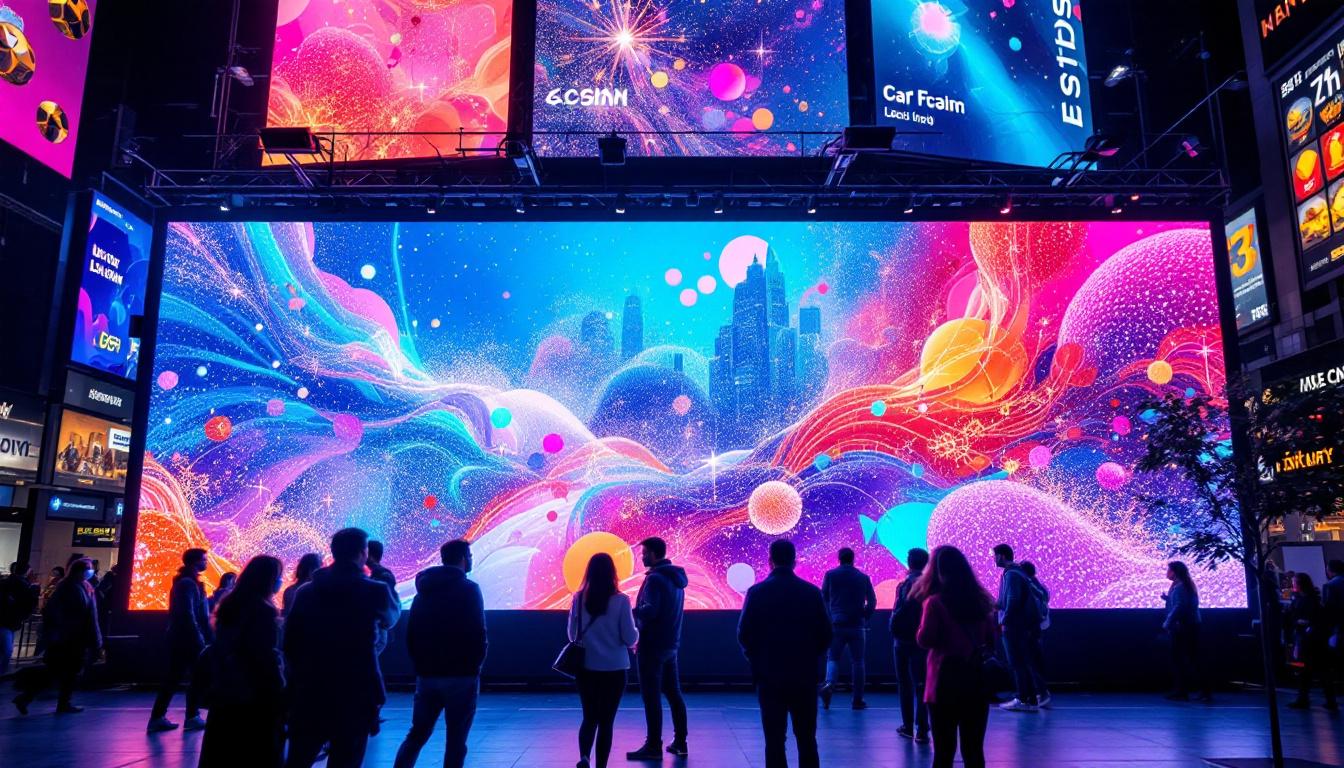
In urban environments, Jumbotrons serve as powerful advertising platforms. Times Square in New York City is a prime example where massive LED billboards deliver dynamic advertisements to millions of pedestrians daily. The ability to update content in real-time allows advertisers to tailor messages to specific audiences and events.
Beyond advertising, these displays are used for public information, such as emergency alerts, transit updates, and community announcements, making them vital tools for communication in densely populated areas.
Corporate and Event Use
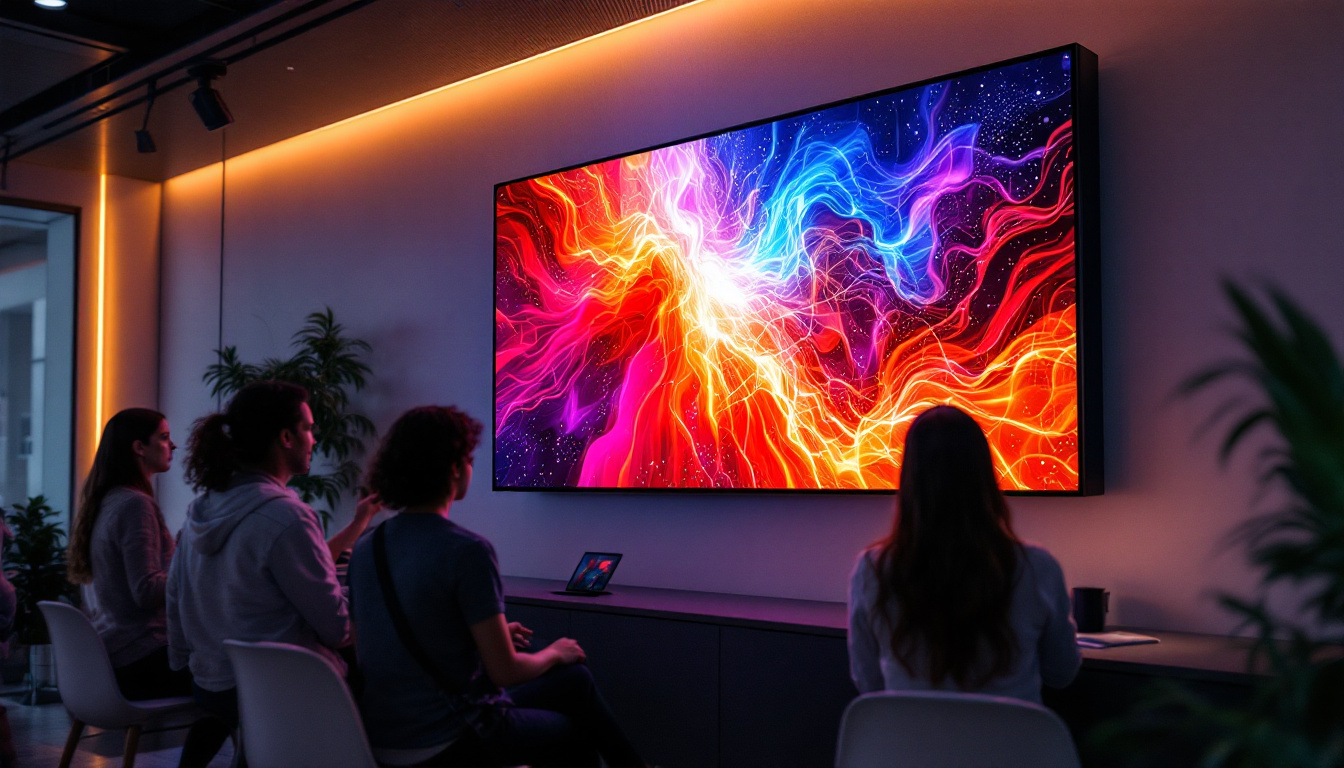
Corporate events, trade shows, and conferences increasingly incorporate Jumbotron LED displays to create immersive presentations and interactive experiences. The flexibility in size and shape allows companies to customize displays to fit their branding and event themes.
Moreover, the high resolution and brightness make these displays ideal for showcasing product launches, keynote speeches, and multimedia content.
Key Factors to Consider When Choosing a Jumbotron LED Display
For organizations and event planners considering a Jumbotron installation, several critical factors influence the choice of display technology and configuration.
Resolution and Pixel Pitch
The intended viewing distance heavily influences the required resolution. For venues where audiences are close to the screen, a finer pixel pitch (e.g., 3mm or less) is essential to avoid visible pixelation. Conversely, for large outdoor displays viewed from hundreds of feet away, a larger pixel pitch (up to 20mm) may suffice and can reduce costs.
Brightness and Weather Resistance
Outdoor Jumbotrons must withstand harsh weather conditions, including rain, wind, and extreme temperatures. Displays are typically rated with an IP (Ingress Protection) code that indicates their resistance to dust and water. A rating of IP65 or higher is common for outdoor installations.
Brightness capabilities must also match the environment. For example, a display intended for a shaded indoor arena will not require the same brightness as one exposed to direct sunlight.
Maintenance and Durability
LED displays require regular maintenance to ensure optimal performance. Modular designs facilitate easy replacement of faulty panels or LEDs without dismantling the entire screen. Additionally, high-quality LEDs have long lifespans, often exceeding 100,000 hours of operation, reducing the frequency of replacements.
Cost Considerations
While prices have decreased significantly over the past decade, Jumbotron LED displays still represent a substantial investment. Costs depend on size, resolution, brightness, and additional features such as interactive capabilities or integrated sound systems. Budgeting should also account for installation, maintenance, and potential upgrades.
The Future of Jumbotron LED Displays
As LED technology continues to advance, the capabilities and applications of Jumbotron displays are expanding rapidly.
Higher Resolutions and Flexible Displays
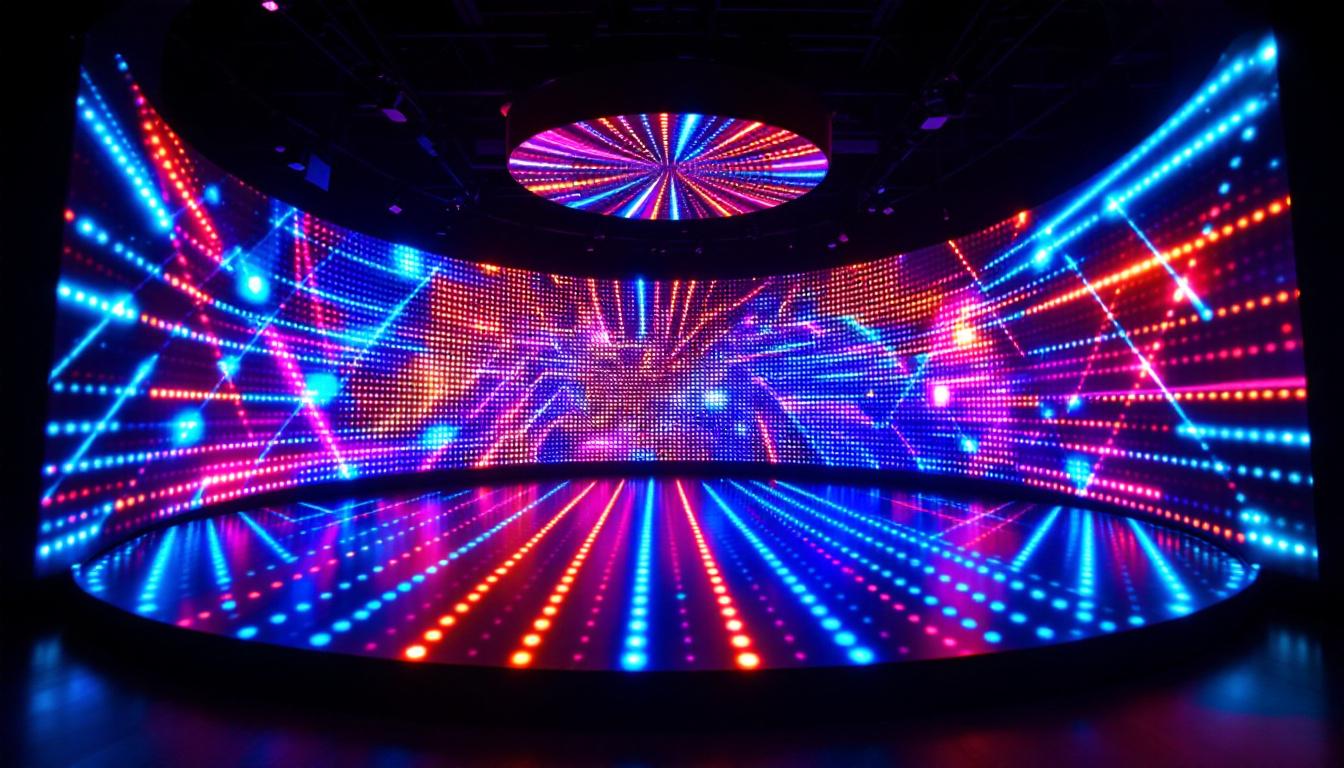
Emerging technologies are pushing pixel pitches below 1mm, enabling ultra-high-definition displays suitable for close-range viewing. Flexible and curved LED panels are also becoming more common, allowing creative and immersive display shapes that were previously impossible.
Integration with Augmented Reality and Interactivity
Future Jumbotrons may incorporate augmented reality (AR) elements, blending digital content with the physical environment to create engaging experiences. Touch-sensitive and gesture-controlled displays are also under development, opening new possibilities for audience interaction.
Energy Efficiency and Sustainability
With growing emphasis on sustainability, manufacturers are focusing on reducing power consumption and improving the recyclability of LED components. Solar-powered and energy-harvesting display systems are being explored to minimize environmental impact, especially for outdoor installations.
Conclusion
Jumbotron LED displays have transformed the way large audiences experience visual content, combining technological innovation with creative expression. Their ability to deliver bright, high-resolution images on a massive scale makes them indispensable in sports, entertainment, advertising, and corporate communications.
Understanding the technology behind these displays, their applications, and the factors influencing their design can help organizations make informed decisions when investing in this powerful medium. As LED technology continues to evolve, the future promises even more dynamic, interactive, and sustainable Jumbotron experiences.
Discover LumenMatrix LED Display Solutions
Ready to elevate your visual communication with the latest in LED display technology? LumenMatrix is at the forefront of innovation, offering a wide array of LED display solutions tailored to your needs. From vibrant Indoor and Outdoor LED Wall Displays to dynamic Vehicle and Sports LED Displays, our products are designed to captivate and engage your audience. Experience the future of digital signage with our Custom, All-in-One, and Transparent LED Displays, and see how our cutting-edge solutions can transform your space. Check out LumenMatrix LED Display Solutions today and bring your vision to life with unparalleled clarity and impact.