In the world of sports, entertainment, and public events, scoreboards play a crucial role in delivering real-time information to audiences. Among the various types of scoreboards, LED displays have become the gold standard due to their brightness, durability, and versatility. However, when it comes to investing in an LED scoreboard, one of the most common questions is: How much does a scoreboard cost?
This comprehensive guide will explore the factors that influence the price of LED scoreboards, break down the components involved, and provide insights into what you can expect to pay depending on your needs. Whether you’re a school athletic director, a sports facility manager, or a community event organizer, understanding the costs behind LED scoreboards will help you make an informed decision.
Understanding LED Scoreboards: What Are They?
LED scoreboards are electronic display systems that use light-emitting diodes (LEDs) to present scores, timers, and other relevant information during sporting events or public gatherings. Unlike traditional scoreboards that rely on mechanical or incandescent bulbs, LED technology offers brighter displays, better energy efficiency, and longer lifespans. These advancements have revolutionized how information is conveyed in real-time, enhancing the spectator experience and keeping fans engaged throughout the event.
Modern LED scoreboards can be customized to display not only scores but also animations, advertisements, player stats, and even live video feeds. This flexibility makes them highly desirable for a wide range of venues, from high school gyms to professional stadiums. The ability to integrate social media feeds or highlight reels directly into the scoreboard display further enriches the experience, allowing fans to feel more connected to the action on the field and the community surrounding the event.
The Advantages of LED Scoreboards
LED scoreboards offer several advantages over older technologies:
- Brightness and Visibility: LEDs provide vivid colors and high brightness levels, making the scoreboard easily visible even in direct sunlight.
- Durability: LED displays are rugged and weather-resistant, suitable for both indoor and outdoor use.
- Energy Efficiency: LEDs consume less power compared to traditional bulbs, reducing operational costs.
- Customization: The ability to display various types of content beyond just scores adds value for event organizers and advertisers.
Moreover, the integration of advanced software allows for real-time updates and remote management of the scoreboard, making it easier for operators to make adjustments on the fly. This capability is particularly beneficial during fast-paced events where quick changes may be necessary, such as in basketball or football games. Additionally, many LED scoreboards are equipped with features that enhance safety, such as countdown timers that help manage game time and prevent delays, ensuring a smooth flow of the event.
As technology continues to evolve, LED scoreboards are becoming increasingly sophisticated. Some models now feature touch-screen interfaces, allowing users to interact with the display directly, which can be particularly engaging for younger audiences. Furthermore, the incorporation of analytics tools enables teams and venues to gather data on audience engagement and advertising effectiveness, paving the way for more targeted marketing strategies and improved fan experiences in the future.
Key Factors Influencing the Cost of an LED Scoreboard
When evaluating the cost of an LED scoreboard, several factors come into play. These elements can significantly affect the final price, so understanding them is essential before making a purchase.
1. Size and Resolution
The physical size of the scoreboard is one of the most significant cost drivers. Larger scoreboards require more LED modules, which increases material and manufacturing costs. Additionally, the resolution—or the pixel pitch—determines how clear and detailed the display will be.
Pixel pitch refers to the distance between individual LED pixels, measured in millimeters. A smaller pixel pitch means higher resolution and sharper images but also increases the cost. For example, a scoreboard with a 10mm pixel pitch will be more affordable but less detailed than one with a 4mm pixel pitch.
2. Indoor vs. Outdoor Use
Outdoor LED scoreboards must be designed to withstand weather conditions such as rain, wind, and extreme temperatures. This requires additional protective features like waterproof casings, UV-resistant coatings, and better cooling systems, all of which add to the cost.
Indoor scoreboards, while still requiring quality components, generally cost less because they don’t need as robust weatherproofing.
3. Features and Functionality
The complexity of the scoreboard’s features also affects pricing. Basic scoreboards display only scores and timers, while advanced models can show animations, video replays, advertisements, and interactive content.
Additional features such as wireless control systems, integration with sports timing software, and remote management capabilities will increase the price but offer greater convenience and versatility.
4. Brand and Quality
Reputable manufacturers with proven track records often charge premium prices for their products. Investing in a high-quality scoreboard from a trusted brand can ensure better reliability, longer warranty periods, and superior customer support.
Cheaper alternatives may save money upfront but could result in higher maintenance costs and shorter lifespans.
5. Installation and Maintenance
Installation costs can vary widely depending on the complexity of the setup, the location, and the need for structural modifications. Outdoor scoreboards mounted on poles or stadium walls may require cranes or specialized labor, adding to the overall expense.
Ongoing maintenance, including software updates, repairs, and cleaning, should also be factored into the total cost of ownership.
Typical Price Ranges for LED Scoreboards
While prices can vary significantly based on the factors discussed, it’s helpful to have a general idea of what different types of LED scoreboards cost in today’s market.
Small to Medium-Sized Scoreboards
For schools, community centers, and small sports facilities, LED scoreboards typically range from $5,000 to $25,000. These models usually feature basic scoring functions, timers, and limited customization options.
For example, a standard basketball scoreboard with a 6-foot by 3-foot display and a 10mm pixel pitch might cost around $8,000 to $12,000. Adding wireless controls or custom team logos may increase the price.
Large and High-Resolution Scoreboards
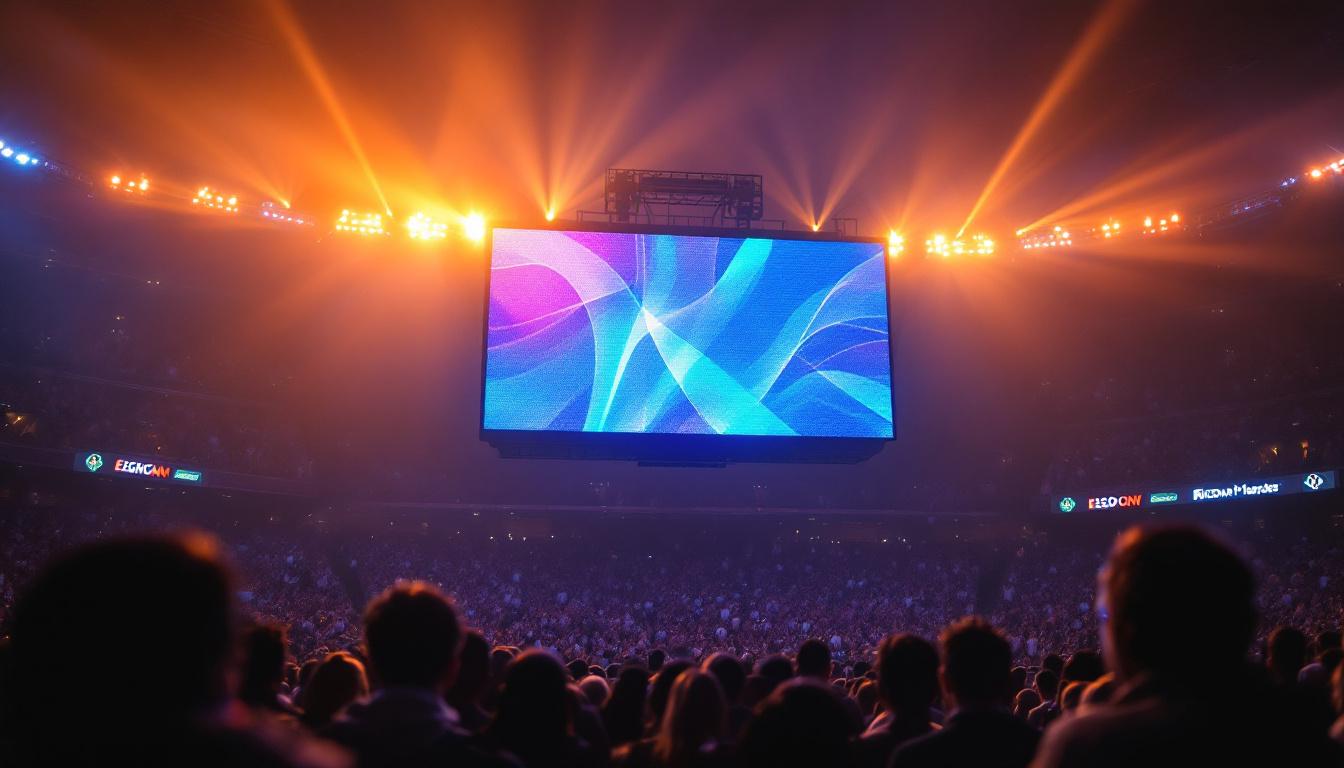
Professional sports venues and larger arenas often require expansive scoreboards with high resolution and advanced features. These can range from $50,000 to over $500,000 depending on size, pixel pitch, and functionality.
A full LED video scoreboard for a football stadium, measuring 30 feet by 15 feet with a 4mm pixel pitch and video capabilities, can easily exceed $200,000. Incorporating advertising panels and multiple display zones further raises the cost.
Rental and Temporary Scoreboards
For events or organizations that need scoreboards temporarily, renting LED displays is an option. Rental prices typically range from $500 to $3,000 per day depending on size and features.
This option is ideal for tournaments, festivals, or seasonal sports leagues that do not require permanent installations.
Breaking Down the Cost: What Are You Paying For?
Understanding the components that make up the cost of an LED scoreboard can help clarify why prices vary and what to expect.
LED Modules and Panels
The core of any LED scoreboard is its LED modules—small panels containing the LEDs arranged in a grid. These modules are manufactured to precise specifications and quality standards, and their price depends on resolution and size.
Control System
The control system includes the hardware and software used to operate the scoreboard. This can range from simple wired controllers to sophisticated wireless systems with real-time data integration. Advanced control systems add to the overall cost but improve usability.
Structural Components
Frames, mounting brackets, and protective casings are necessary to secure and protect the scoreboard. For outdoor units, these components must be weatherproof and durable, which increases manufacturing costs.
Installation Services
Professional installation ensures the scoreboard is safely and correctly mounted, wired, and tested. Depending on the location and complexity, installation can account for 10-20% of the total project cost.
Maintenance and Warranty
Many manufacturers offer warranty packages and maintenance plans that cover repairs and technical support. While these services add to the upfront cost, they provide peace of mind and can reduce long-term expenses.
How to Choose the Right LED Scoreboard for Your Budget
Choosing the right scoreboard involves balancing your needs with your budget. Here are some tips to guide the decision-making process:
Assess Your Venue and Usage
Consider the size of your venue, typical viewing distances, and whether the scoreboard will be indoors or outdoors. A smaller indoor scoreboard with basic features might suffice for a high school gym, while a large outdoor stadium requires a more robust and visible display.
Determine Essential Features
Identify which features are critical. Do you need video playback? Advertising capabilities? Wireless control? Prioritize must-haves versus nice-to-haves to avoid overspending on unnecessary functions.
Request Multiple Quotes
Contact several reputable manufacturers and suppliers to compare prices and offerings. Ask for detailed quotes that include installation and warranty costs to get a full picture of the investment.
Consider Long-Term Costs
Factor in energy consumption, maintenance, and potential upgrades. Sometimes paying more upfront for a high-quality scoreboard can save money over time through lower operating costs and greater reliability.
Emerging Trends in LED Scoreboard Technology
The LED scoreboard industry continues to evolve, driven by advancements in technology and changing user expectations.
Higher Resolution and Pixel Density
Newer LED modules offer smaller pixel pitches, enabling ultra-high-definition displays. This trend allows scoreboards to double as dynamic video boards, enhancing fan engagement.
Integration with Mobile and Cloud Platforms
Modern scoreboards can connect to mobile apps and cloud-based systems, allowing remote control and real-time data updates. This integration streamlines operations and offers new marketing opportunities.
Energy-Efficient and Sustainable Designs
Manufacturers are focusing on reducing power consumption and using recyclable materials to meet environmental standards and reduce operating costs.
Conclusion
Investing in an LED scoreboard is a significant decision that depends on numerous factors including size, resolution, features, and installation requirements. Prices can range from a few thousand dollars for basic models to several hundred thousand dollars for large, high-tech displays.
Understanding the components that influence cost and aligning your purchase with your venue’s needs will help ensure you select the right scoreboard that delivers value, durability, and an enhanced experience for your audience.
With the rapid advancement of LED technology, scoreboards are becoming more versatile and accessible than ever before. Whether for a local sports team or a professional stadium, an LED scoreboard is an investment that can elevate the excitement and engagement of any event.
Discover the Future of LED Scoreboards with LumenMatrix
Ready to take your audience’s experience to the next level? LumenMatrix is at the forefront of LED display technology, offering a wide array of solutions that cater to your unique needs. From vibrant Indoor LED Walls to dynamic LED Sports Displays, our products are designed to captivate and engage. Elevate your venue with our cutting-edge displays and see the difference for yourself. Check out LumenMatrix LED Display Solutions today and join the visual revolution.