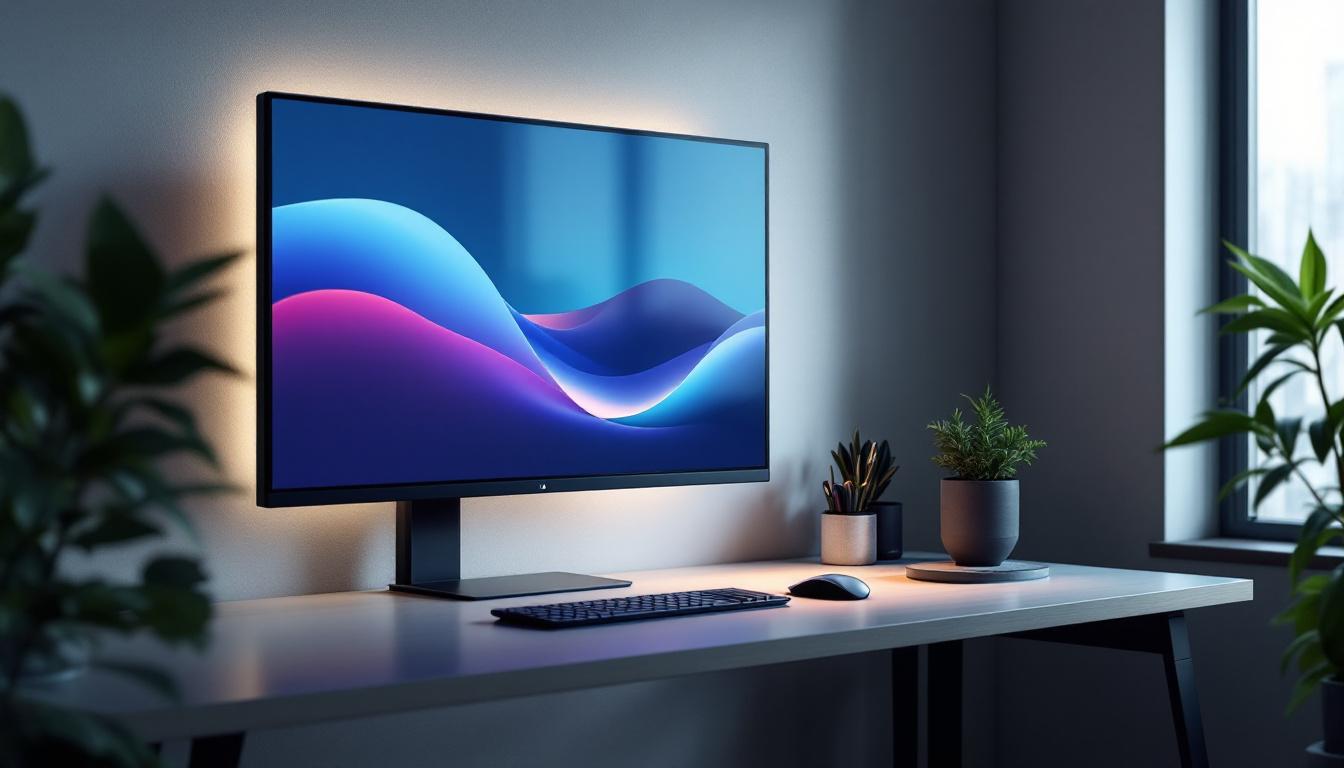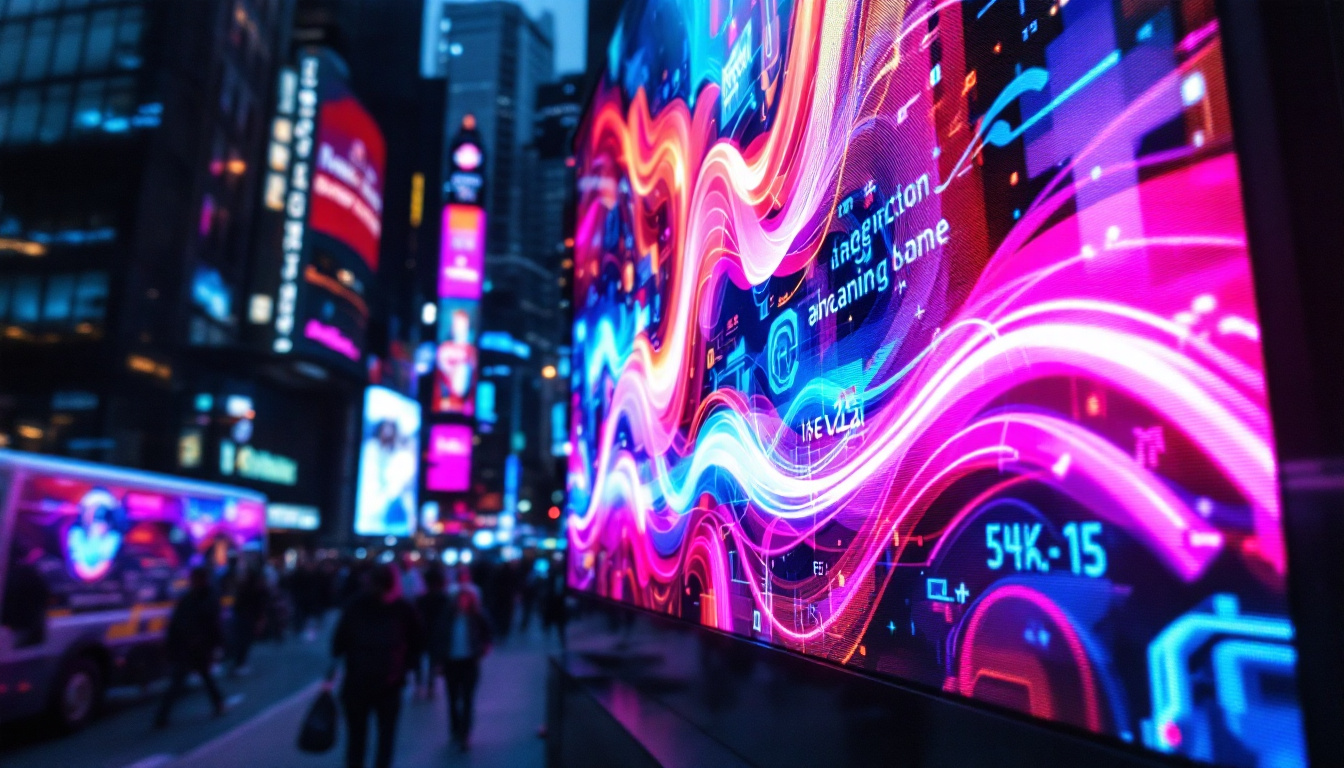
In the rapidly evolving world of display technology, understanding the nuances of monitor specifications is crucial for making informed purchasing decisions. Among these specifications, the contrast ratio stands out as one of the most significant factors influencing image quality, particularly for LED monitors. Whether you are a professional photographer, a gamer, or someone who simply values a vibrant and sharp display, grasping what contrast ratio means and how it impacts your viewing experience is essential.
This comprehensive guide delves into the concept of contrast ratio, explains why it matters for LED monitors, and explores how to identify the best options available on the market. By the end, readers will have a clear understanding of how contrast ratio affects display performance and how to choose a monitor that offers the best visual experience for their needs.
Understanding Contrast Ratio: What Does It Mean?
The Basics of Contrast Ratio
Contrast ratio is a measurement that compares the luminance of the brightest white to the darkest black a monitor can produce. Essentially, it tells you how much difference there is between the lightest and darkest parts of an image. A higher contrast ratio means deeper blacks and brighter whites, resulting in a more dynamic and visually striking image.
For example, a contrast ratio of 1000:1 means that the brightest white is 1000 times brighter than the darkest black. This ratio is a critical factor in determining how well a monitor can display details in shadows and highlights, which is particularly important for tasks requiring color accuracy and image depth. In applications such as photo editing, graphic design, and video production, a high contrast ratio allows professionals to see subtle variations in color and detail that might otherwise be lost, enhancing the overall quality of their work.
Moreover, the impact of contrast ratio extends beyond professional use; it significantly affects everyday activities such as gaming and watching movies. Gamers, for instance, benefit from a monitor with a high contrast ratio as it enhances the visual experience, making dark scenes more immersive and vibrant. Similarly, when watching films, a good contrast ratio can bring out the nuances in cinematography, allowing viewers to appreciate the artistic choices made by filmmakers.
Static vs. Dynamic Contrast Ratio
It is important to distinguish between static (native) and dynamic contrast ratios. Static contrast ratio refers to the difference between the brightest and darkest states the monitor can display at any given moment. This is the more reliable figure when evaluating display quality.
Dynamic contrast ratio, on the other hand, measures contrast by adjusting the backlight dynamically depending on the content displayed. While manufacturers often advertise high dynamic contrast ratios (sometimes exceeding 1,000,000:1), these figures can be misleading because they do not reflect the monitor’s consistent performance under normal conditions. In practice, dynamic contrast ratios can lead to exaggerated claims that do not translate into real-world viewing experiences. For consumers, it is crucial to focus on static contrast ratios when making purchasing decisions, as these numbers provide a more accurate representation of how a display will perform across various types of content.
Additionally, the technology behind displays has evolved, with advancements such as OLED and Mini-LED offering improved contrast ratios compared to traditional LCDs. OLED displays, for instance, can achieve true blacks by turning off individual pixels, resulting in an infinite contrast ratio. This capability not only enhances the viewing experience but also allows for a more extensive color gamut, making images appear more lifelike. As technology continues to progress, understanding these differences in contrast ratios becomes increasingly important for consumers looking to invest in high-quality displays that meet their specific needs and preferences.
Why Contrast Ratio Matters for LED Monitors
LED Technology and Its Impact on Contrast
LED (Light Emitting Diode) monitors use LED backlighting to illuminate the display panel, which can be an LCD or OLED. This backlighting technology significantly influences contrast ratio performance. LEDs offer several advantages over older CCFL (Cold Cathode Fluorescent Lamp) backlights, including better energy efficiency, thinner designs, and improved brightness control.
However, the type of LED backlighting—whether edge-lit or full-array local dimming—plays a crucial role in contrast capabilities. Full-array local dimming LED monitors can turn off individual LED zones to achieve deeper blacks and higher contrast ratios, whereas edge-lit models generally have more limited contrast performance due to uniform backlighting.
Contrast Ratio and Visual Experience
A high contrast ratio enhances the visual experience by delivering richer colors and more detailed images. For users who watch movies, play games, or work with graphic design, this means more immersive and realistic visuals. Dark scenes in movies appear truly black instead of grayish, and subtle details in shadows become discernible.
Moreover, a good contrast ratio reduces eye strain by providing clear differentiation between elements on the screen, making text easier to read and images more comfortable to view over extended periods.
How to Evaluate Contrast Ratio When Choosing a Monitor
Look Beyond Manufacturer Specifications
While contrast ratio numbers are often highlighted in marketing materials, they can sometimes be exaggerated or measured under idealized conditions. It is advisable to consult independent reviews and professional testing results to get an accurate sense of a monitor’s real-world contrast performance.
Websites such as RTINGS.com and DisplayNinja offer detailed analyses of contrast ratios measured using standardized testing methods, providing a more trustworthy benchmark than manufacturer claims alone.
Consider the Panel Type
The type of panel used in a monitor greatly affects contrast ratio. Common panel technologies include:
- IPS (In-Plane Switching): Known for excellent color accuracy and wide viewing angles, IPS panels typically have contrast ratios around 1000:1. They offer consistent colors but may have less deep blacks compared to other types.
- VA (Vertical Alignment): VA panels generally provide better contrast ratios, often in the range of 2000:1 to 6000:1, delivering deeper blacks and stronger contrast. They are a popular choice for users prioritizing contrast.
- TN (Twisted Nematic): TN panels usually have lower contrast ratios and poorer color reproduction but offer faster response times, making them suitable for competitive gaming where speed is critical.
- OLED (Organic Light Emitting Diode): Although technically different from LED-backlit LCDs, OLED monitors offer near-infinite contrast ratios because each pixel emits its own light and can turn off completely to display true black.
Assess Backlighting Technology
As mentioned earlier, the backlighting method influences contrast. Monitors with full-array local dimming (FALD) can achieve significantly better contrast than edge-lit models. When shopping for LED monitors, look for those that specify local dimming capabilities if contrast is a priority.
Top LED Monitors with Excellent Contrast Ratios in 2024
1. Samsung Odyssey Neo G8
The Samsung Odyssey Neo G8 is a 32-inch 4K gaming monitor that uses Mini-LED backlighting with full-array local dimming. It boasts an impressive static contrast ratio of approximately 2500:1, delivering deep blacks and vibrant highlights. Its Quantum HDR 2000 certification ensures bright and detailed HDR content, making it a top choice for gamers and content creators alike.
2. LG UltraFine OLED Pro 32EP950
For professionals demanding the highest contrast and color accuracy, the LG UltraFine OLED Pro 32EP950 is a standout. As an OLED display, it offers near-infinite contrast ratios, with true blacks and exceptional color fidelity. This monitor is ideal for photo and video editing where precise color grading is essential.
3. ASUS ProArt PA32UCX
The ASUS ProArt PA32UCX is a 32-inch professional monitor featuring a 1000-nit peak brightness and full-array local dimming LED backlight. It achieves a static contrast ratio around 1000:1, combined with excellent color accuracy and HDR support. This model is favored by creative professionals who require reliable and consistent image quality.
4. Dell UltraSharp U2723QE
The Dell UltraSharp U2723QE utilizes an IPS panel with a contrast ratio of about 2000:1, thanks to its innovative IPS Black technology. This monitor offers a balance of excellent color reproduction, wide viewing angles, and improved contrast, making it suitable for office work, content creation, and casual media consumption.
Additional Factors Affecting Perceived Contrast
Ambient Lighting Conditions
The environment in which a monitor is used greatly affects how contrast is perceived. In brightly lit rooms, reflections and glare can wash out blacks and reduce the effective contrast ratio. Using a monitor with an anti-reflective coating and controlling ambient lighting can help maintain optimal contrast perception.
Calibration and Color Profiles
Proper calibration ensures that the monitor displays colors and contrast as accurately as possible. Many high-end monitors come factory-calibrated, but users can further refine settings using calibration tools to match their specific environment and requirements.
Viewing Distance and Angle
Viewing distance and angle also influence perceived contrast, especially with certain panel types like IPS, which can exhibit contrast shifts when viewed off-axis. Positioning the monitor correctly and choosing the right panel technology can mitigate these issues.
Conclusion: Choosing the Best Contrast Ratio LED Monitor for Your Needs
Understanding contrast ratio and its implications for LED monitors is fundamental to selecting a display that meets your visual expectations and professional demands. While a high contrast ratio generally correlates with better image quality, it is essential to consider the type of panel, backlighting technology, and real-world performance rather than relying solely on manufacturer specifications.
For gamers and HDR enthusiasts, monitors with Mini-LED backlighting and local dimming offer some of the best contrast experiences available. Creative professionals may benefit from OLED technology or high-contrast VA panels to ensure accurate and vivid color reproduction. Meanwhile, users seeking a versatile display for everyday use can find excellent options within IPS panels enhanced with contrast-boosting technologies.
Ultimately, the best contrast ratio monitor is one that balances contrast performance with other critical factors such as resolution, color accuracy, refresh rate, and budget. By approaching your purchase with a comprehensive understanding of contrast ratio and LED display technology, you can confidently select a monitor that delivers stunning visuals and a satisfying viewing experience.
Discover Your Perfect LED Display with LumenMatrix
Ready to experience the pinnacle of contrast and color in LED displays? LumenMatrix is at the forefront of LED display technology, offering a wide range of innovative solutions that bring your visual content to life. Whether you’re looking for an Indoor LED Wall Display, a dynamic Outdoor LED Wall Display, or specialized options like Vehicle LED Displays and LED Sports Displays, LumenMatrix has the cutting-edge technology to elevate your visual communication. Don’t settle for less—enhance your brand visibility and captivate your audience with our state-of-the-art LED display modules. Check out LumenMatrix LED Display Solutions today and transform the way you share your message.