Touch Screen 32 Inch TV: LED Display Explained
In today’s rapidly evolving technology landscape, touch screen TVs have emerged as a versatile solution for both entertainment and interactive applications. Among various sizes, the 32-inch touch screen TV strikes a balance between compactness and functionality, making it a popular choice for homes, offices, and educational environments. This article delves into the intricacies of 32-inch touch screen TVs, focusing on the LED display technology that powers these devices. By understanding the technology, features, and practical applications, consumers and professionals alike can make informed decisions when selecting the ideal touch screen TV.
Understanding LED Display Technology in 32 Inch TVs
What is an LED Display?
LED, or Light Emitting Diode, displays are a type of flat-panel display technology that uses an array of light-emitting diodes as pixels to produce images. Unlike traditional LCDs that rely on cold cathode fluorescent lamps (CCFL) for backlighting, LED displays use LEDs, which offer several advantages including better energy efficiency, improved brightness, and enhanced color accuracy.
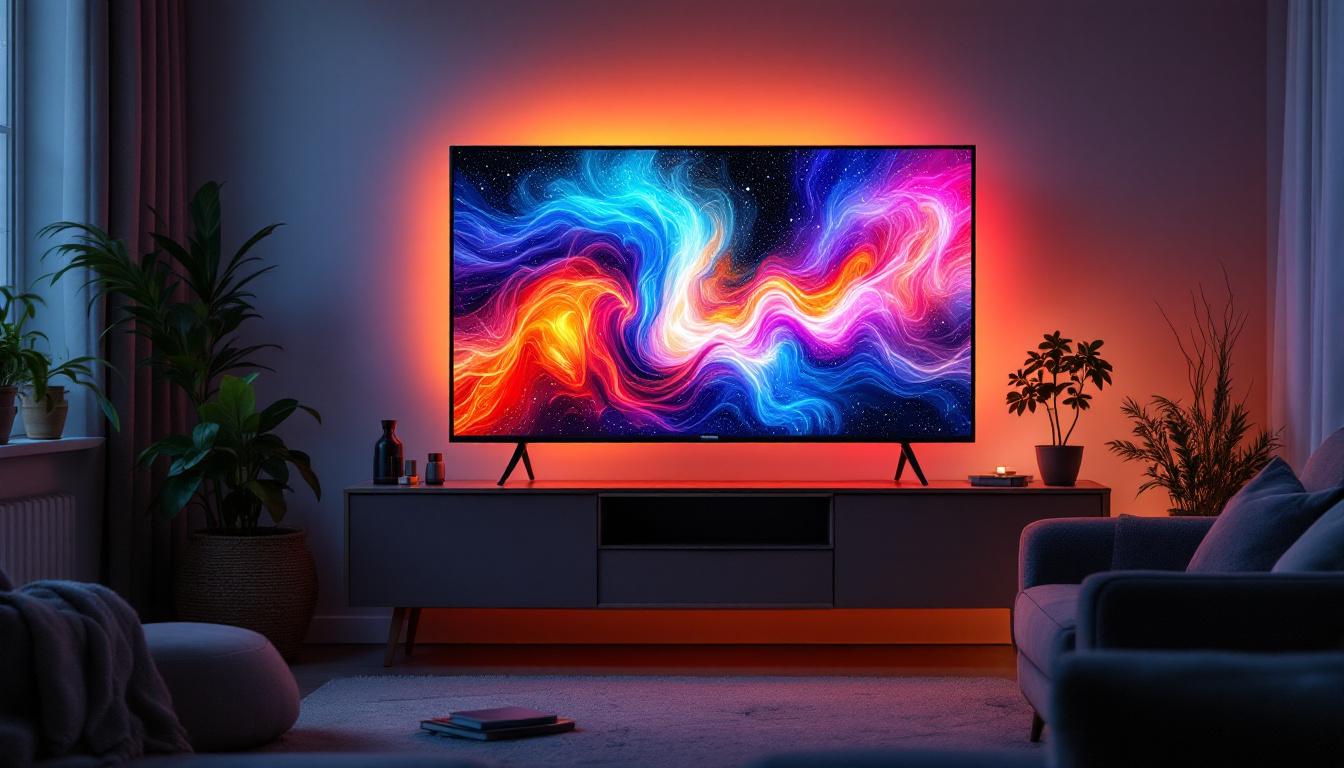
In a 32-inch TV, the LED display typically consists of millions of tiny LEDs arranged behind or along the edges of the screen. These LEDs illuminate the liquid crystal layer, allowing the TV to produce vibrant images with sharp contrast. This technology has become the standard for modern TVs due to its superior performance and slim design. Additionally, LED displays are known for their longevity, often lasting significantly longer than traditional display technologies, which makes them a cost-effective choice for consumers in the long run. The advancements in LED technology have also led to the development of various enhancements, such as HDR (High Dynamic Range), which allows for a broader range of colors and brightness levels, further elevating the viewing experience.
Types of LED Backlighting
There are primarily two types of LED backlighting used in 32-inch TVs: edge-lit and full-array. Edge-lit LED TVs position LEDs along the edges of the screen, which allows for thinner panels but can sometimes result in uneven brightness. Full-array LED TVs, on the other hand, have LEDs spread evenly across the back of the panel, offering better uniformity and local dimming capabilities, which enhance contrast and black levels.
For touch screen 32-inch TVs, full-array LED backlighting is often preferred in professional settings where image quality and precision are critical. However, edge-lit models remain popular for home use due to their sleek design and affordability. In addition to these two types, there are also variations such as mini-LED technology, which utilizes smaller LEDs to provide even greater control over local dimming and contrast. This innovation has made it possible to achieve deeper blacks and brighter highlights, making it an exciting option for those who prioritize picture quality. Furthermore, as the technology continues to evolve, we are witnessing the emergence of OLED (Organic Light Emitting Diode) displays, which offer even richer colors and deeper blacks by allowing each pixel to emit its own light, eliminating the need for backlighting altogether.
The Touch Screen Component: How It Works
Capacitive vs. Resistive Touch Technology
The touch functionality of a 32-inch TV is enabled by either capacitive or resistive touch technology. Capacitive touchscreens detect touch through the electrical properties of the human body, offering high sensitivity, multi-touch capability, and durability. This makes capacitive touchscreens ideal for interactive applications such as gaming, presentations, and educational tools.
Resistive touchscreens, by contrast, operate through pressure applied to the screen surface. While they are generally less expensive and can be used with gloves or styluses, resistive screens tend to have lower sensitivity and do not support multi-touch gestures as effectively. For most modern 32-inch touch screen TVs, capacitive technology is the preferred choice due to its responsiveness and user experience.
Integration with LED Displays
Integrating touch technology with LED displays requires precision engineering to maintain image clarity and touch accuracy. The touch sensor layer is typically laminated directly onto the LED panel, minimizing parallax and ensuring that touch inputs correspond exactly to the displayed image. This seamless integration is crucial for applications where precision is paramount, such as digital kiosks, interactive whiteboards, and point-of-sale systems.
Manufacturers also incorporate anti-glare coatings and enhanced durability features to ensure that touch screen 32-inch TVs perform well in various lighting conditions and withstand frequent use.
Advantages of a 32 Inch Touch Screen LED TV
Perfect Size for Versatility
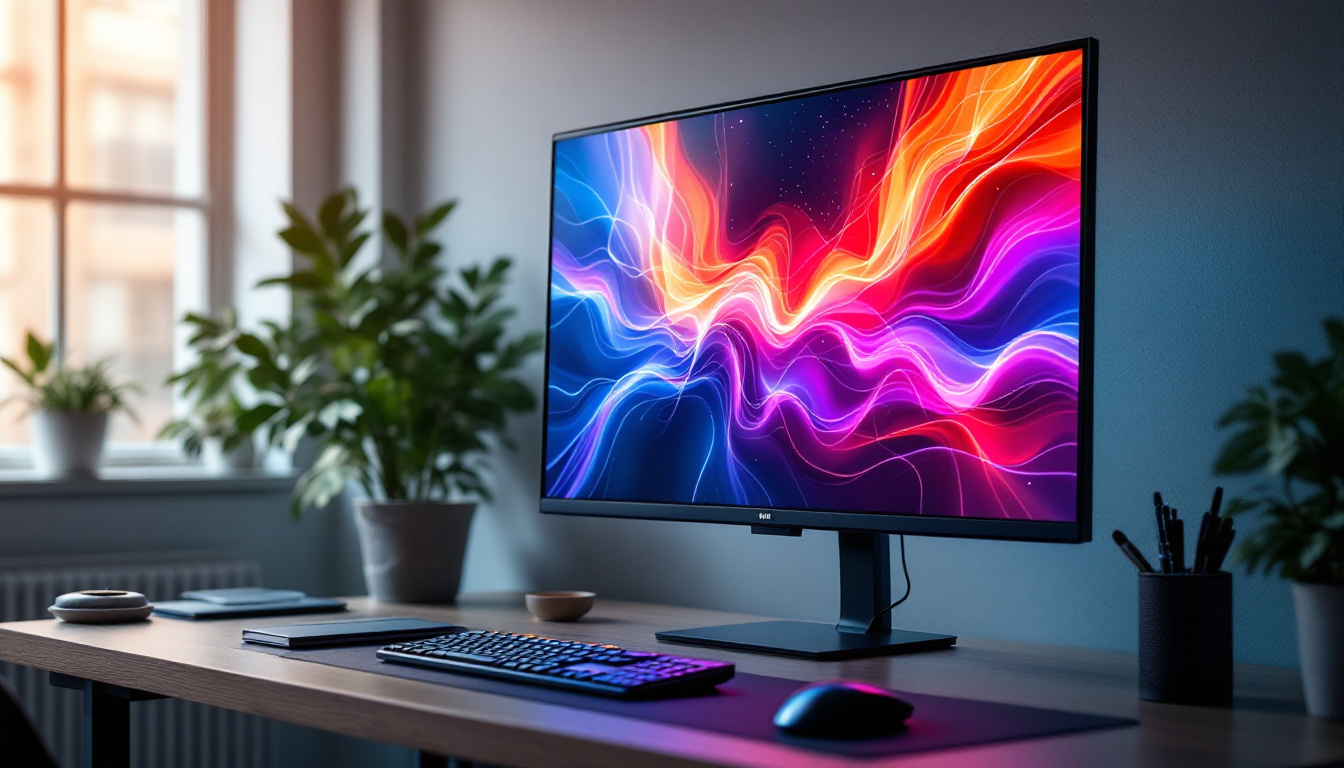
The 32-inch form factor is a sweet spot for many users. It is large enough to provide an immersive viewing experience, yet compact enough to fit comfortably in smaller rooms, offices, or classrooms. This size is particularly advantageous for environments where space is limited but interactive display capabilities are desired.
For instance, in conference rooms, a 32-inch touch screen TV can serve as an interactive presentation tool without dominating the space. In kitchens or bedrooms, it offers a convenient way to access smart home controls, stream media, or browse the internet with touch interaction.
Enhanced User Interaction
Touch screen capability transforms a traditional TV into an interactive device, enabling users to navigate menus, launch apps, and interact with content directly on the screen. This eliminates the need for external input devices like keyboards or mice, streamlining user experience and making technology more accessible to all age groups.
In educational settings, touch screen 32-inch TVs facilitate collaborative learning by allowing multiple users to interact with content simultaneously. This interactivity encourages engagement and can improve information retention.
Energy Efficiency and Picture Quality
LED technology is known for its energy efficiency compared to older display technologies such as plasma or CCFL-backlit LCDs. A 32-inch LED TV typically consumes significantly less power, which translates to lower electricity bills and a reduced environmental footprint.
Moreover, LED displays offer superior picture quality with higher brightness levels, better contrast ratios, and more vivid colors. These attributes are essential for clear visibility in brightly lit rooms and for delivering an enjoyable viewing experience.
Applications of 32 Inch Touch Screen LED TVs
Home Entertainment and Smart Living
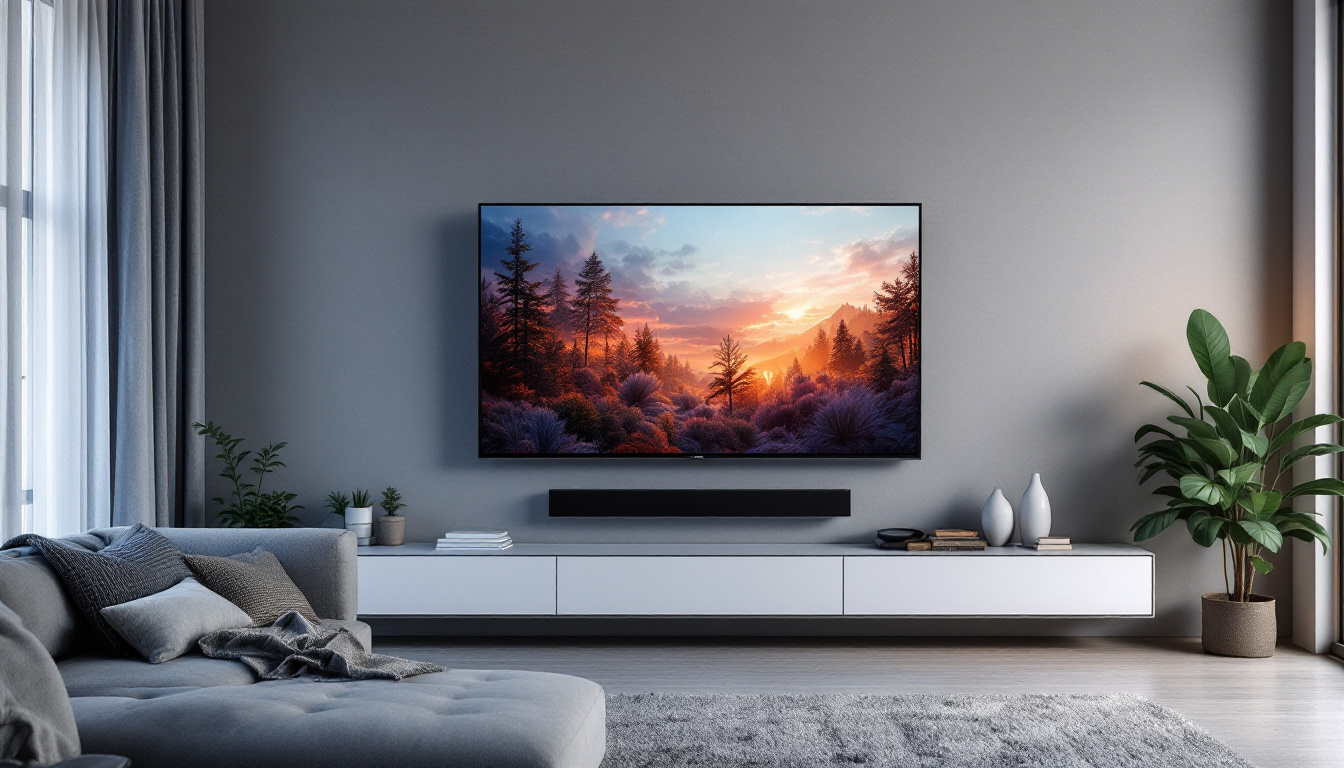
In the home environment, 32-inch touch screen LED TVs serve as compact entertainment hubs. They support streaming services, gaming, and smart home controls, all accessible through intuitive touch gestures. The integration with voice assistants and smart home ecosystems further enhances their utility.
For users with limited space or those seeking a secondary TV in bedrooms or kitchens, the 32-inch touch screen model offers a perfect blend of functionality and convenience.
Business and Professional Use
Businesses increasingly rely on touch screen LED TVs for interactive presentations, digital signage, and customer engagement. In retail settings, these TVs can display product information, promotions, and enable customers to browse catalogs interactively.
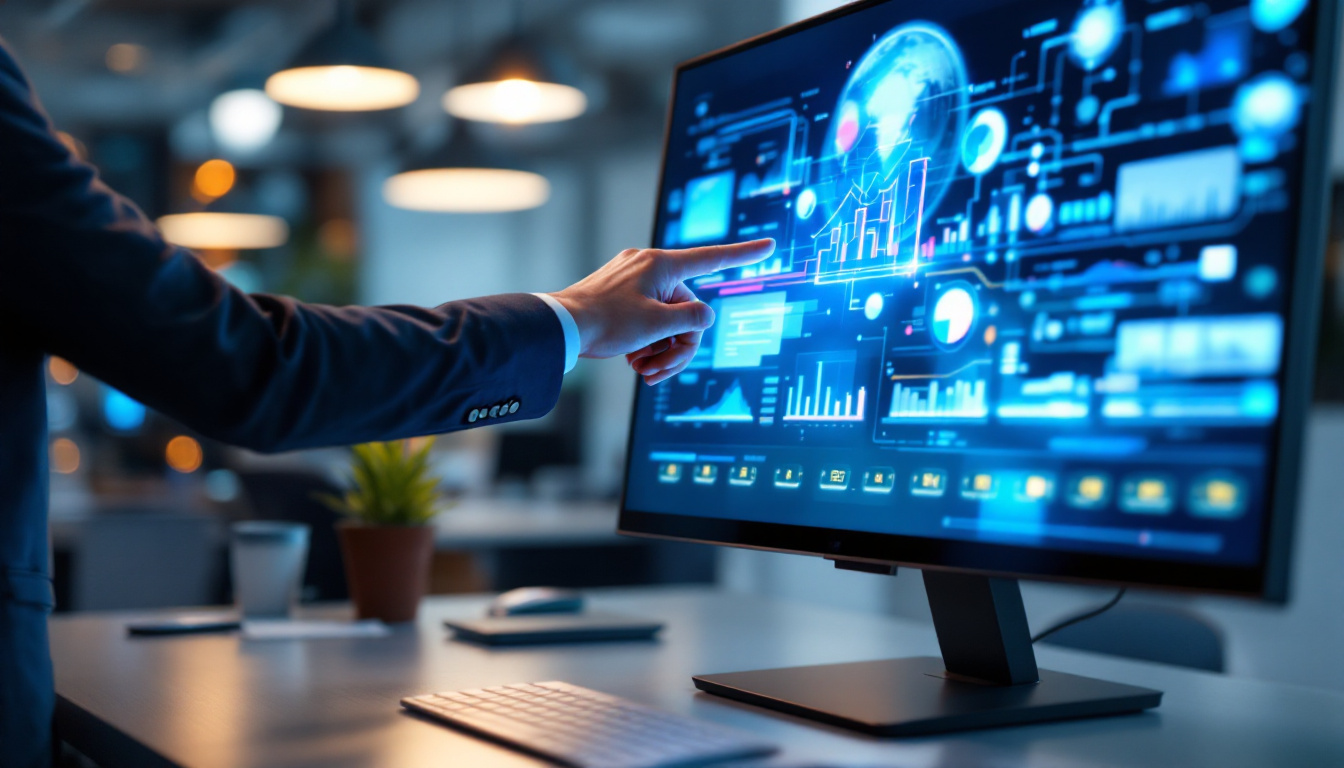
In offices, a 32-inch touch screen TV can act as a collaborative tool during meetings, enabling participants to annotate documents, brainstorm ideas, and control presentations seamlessly. Its portability and size make it a flexible asset across various professional scenarios.
Education and Training
Educational institutions benefit from the interactive nature of touch screen TVs. The 32-inch size is ideal for small classrooms or training rooms, where it can replace traditional whiteboards or projectors. Teachers can present multimedia lessons, engage students with interactive quizzes, and facilitate group activities using touch-enabled displays.
Training centers also leverage these devices for hands-on learning experiences, particularly in technical fields where visual interaction enhances comprehension.
Choosing the Right 32 Inch Touch Screen LED TV
Key Features to Consider
When selecting a 32-inch touch screen LED TV, several factors should guide the decision-making process:
- Touch Technology: Opt for capacitive touch for better responsiveness and multi-touch support.
- Resolution: Full HD (1920×1080) resolution is recommended for sharp images and clear text.
- Brightness and Contrast: Higher brightness (at least 250 nits) and good contrast ratios improve visibility in various lighting conditions.
- Connectivity: Ensure the TV has multiple HDMI ports, USB inputs, and wireless capabilities like Wi-Fi and Bluetooth.
- Durability: Look for scratch-resistant screens and robust build quality, especially for high-traffic environments.
- Software Compatibility: Check if the TV supports popular operating systems or can integrate with third-party applications relevant to your needs.
Budget and Brand Considerations
Prices for 32-inch touch screen LED TVs vary widely depending on features, brand reputation, and build quality. While premium models offer advanced features such as 4K resolution, enhanced touch sensitivity, and professional-grade durability, mid-range options often provide sufficient performance for everyday use.
Brands with a strong track record in display technology and customer support are preferable to ensure reliability and access to firmware updates or technical assistance. Reading user reviews and consulting expert evaluations can provide valuable insights before making a purchase.
Future Trends in Touch Screen LED TVs
Advancements in Display Technology
The future of 32-inch touch screen TVs is closely tied to ongoing innovations in display technology. Emerging trends include the integration of OLED (Organic Light Emitting Diode) panels, which offer even better contrast and color accuracy than traditional LED displays. Although currently more expensive, OLED technology is expected to become more accessible, potentially revolutionizing the market.
Additionally, micro-LED technology promises improved brightness, energy efficiency, and lifespan, which could further enhance the performance of compact touch screen TVs.
Enhanced Interactivity and AI Integration
Artificial intelligence (AI) is increasingly being embedded into smart TVs, enabling personalized content recommendations, voice control, and advanced gesture recognition. Future 32-inch touch screen TVs may incorporate AI-driven interfaces that adapt to user preferences and provide more intuitive interaction methods beyond touch.
Moreover, improvements in multi-touch and haptic feedback technologies will enrich the tactile experience, making touch screen TVs more engaging and accessible.
Conclusion
The 32-inch touch screen LED TV represents a convergence of compact design, interactive functionality, and high-quality display technology. Its versatility makes it suitable for a wide range of applications—from home entertainment to professional and educational environments. Understanding the underlying LED technology and touch screen mechanisms helps users appreciate the capabilities and limitations of these devices, enabling smarter purchasing decisions.
As technology continues to advance, touch screen TVs will become even more integrated into daily life, offering richer interaction and superior visual experiences. Whether for casual viewing, collaborative work, or interactive learning, the 32-inch touch screen LED TV stands out as a practical and innovative choice in the evolving digital landscape.
Discover Interactive LED Excellence with LumenMatrix
Ready to elevate your viewing and interactive experiences with the latest in touch screen LED technology? Look no further than LumenMatrix, a pioneer in crafting immersive LED display modules tailored for a variety of applications. From the comfort of your home to the dynamic environment of professional settings, LumenMatrix offers an extensive range of solutions including Indoor and Outdoor LED Wall Displays, Vehicle LED Displays, and innovative LED Transparent Displays. Embrace the future of visual communication and check out LumenMatrix LED Display Solutions today to transform your space with unparalleled clarity and engagement.