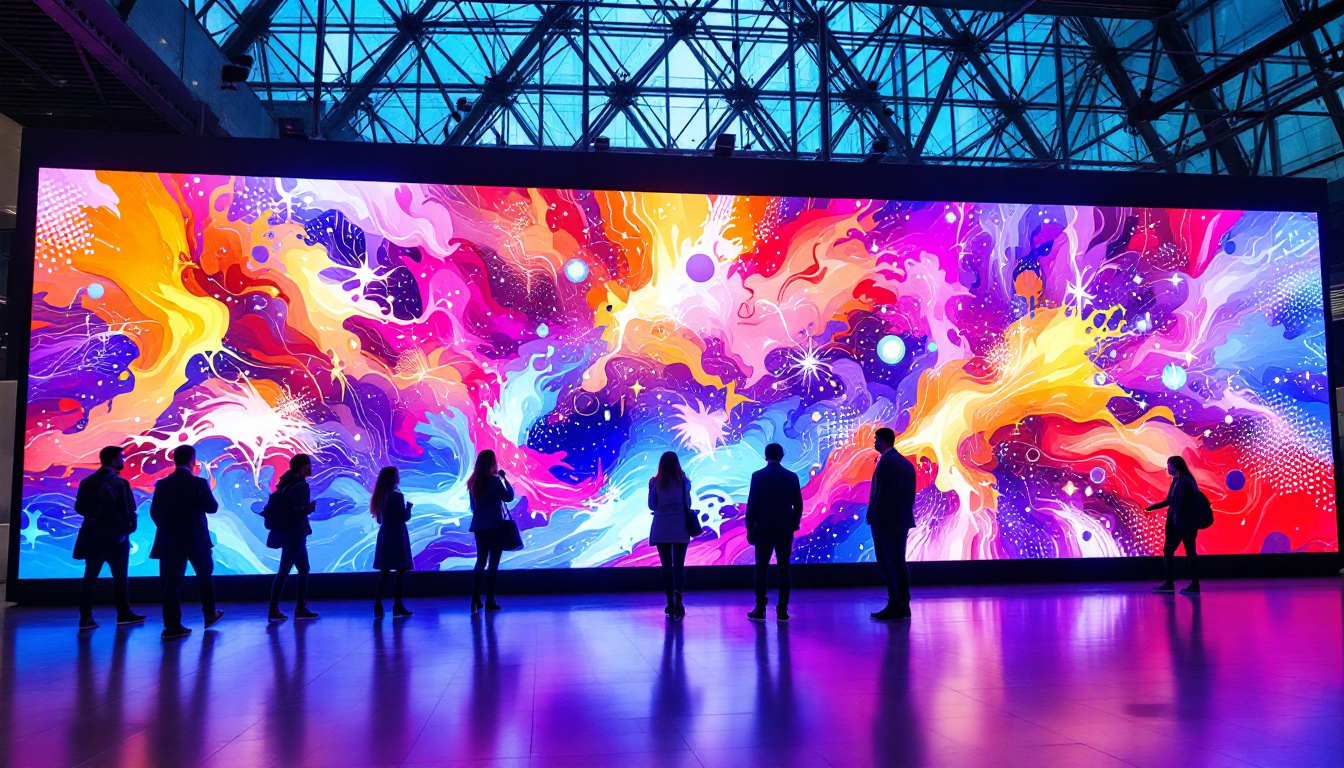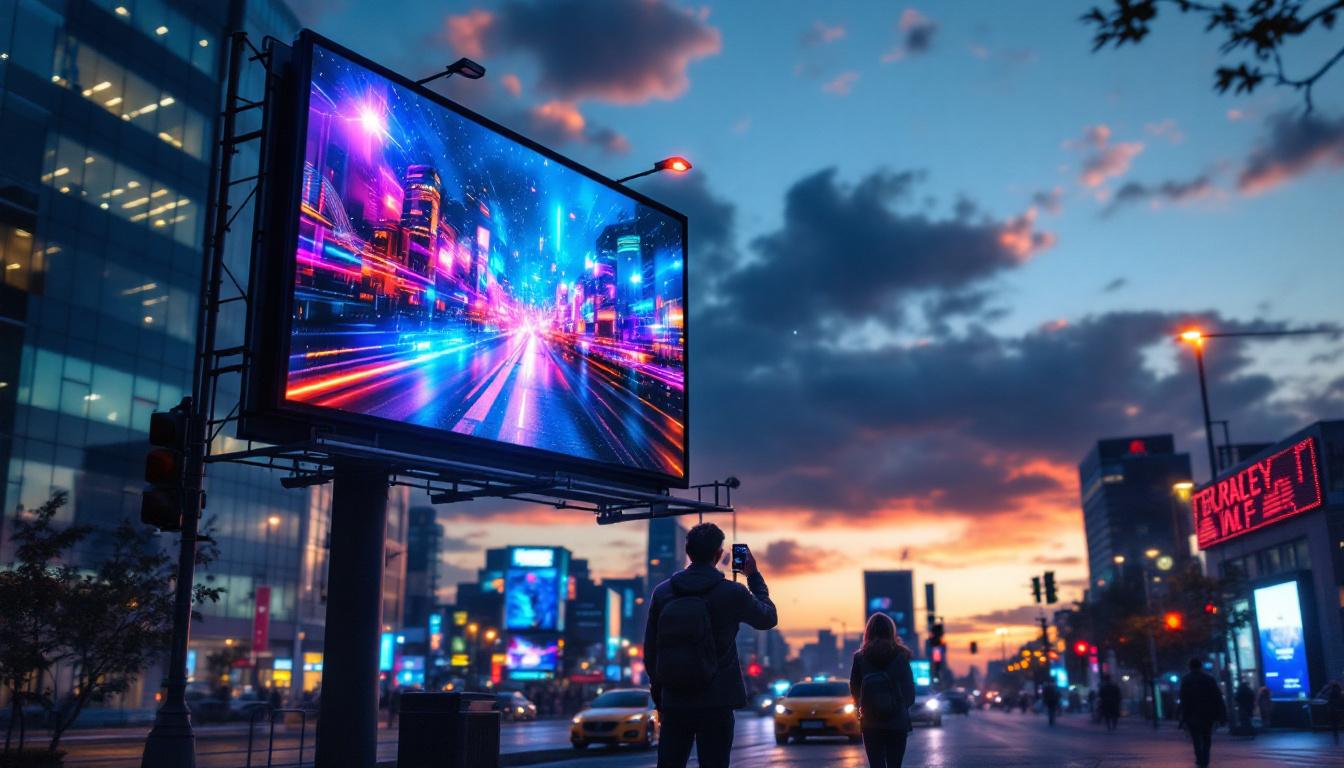
In today’s fast-paced digital world, advertising has evolved dramatically from static print ads to dynamic, eye-catching digital displays. Among the most prominent advancements in outdoor advertising are electric billboards powered by LED technology. These vibrant, high-resolution displays have revolutionized how brands communicate with their audiences in public spaces, offering unmatched visibility, flexibility, and engagement.
This comprehensive article explores the technology behind LED electric billboards, their advantages, applications, and the future trends shaping this exciting industry.
Understanding LED Technology in Electric Billboards
What Are LED Displays?
LED stands for Light Emitting Diode, a semiconductor device that emits light when an electric current passes through it. Unlike traditional incandescent or fluorescent bulbs, LEDs are highly energy-efficient, durable, and capable of producing bright, vivid colors. These characteristics make LEDs ideal for large-scale outdoor displays such as billboards.
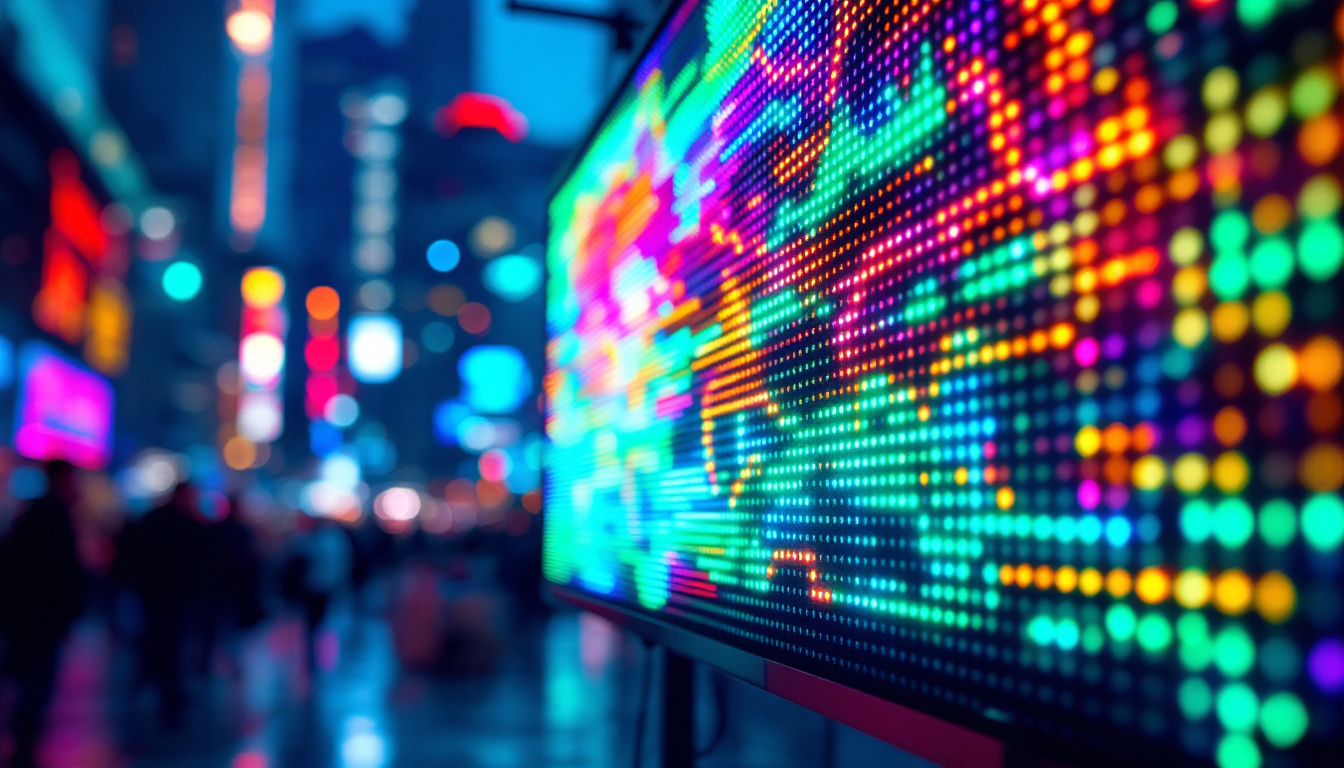
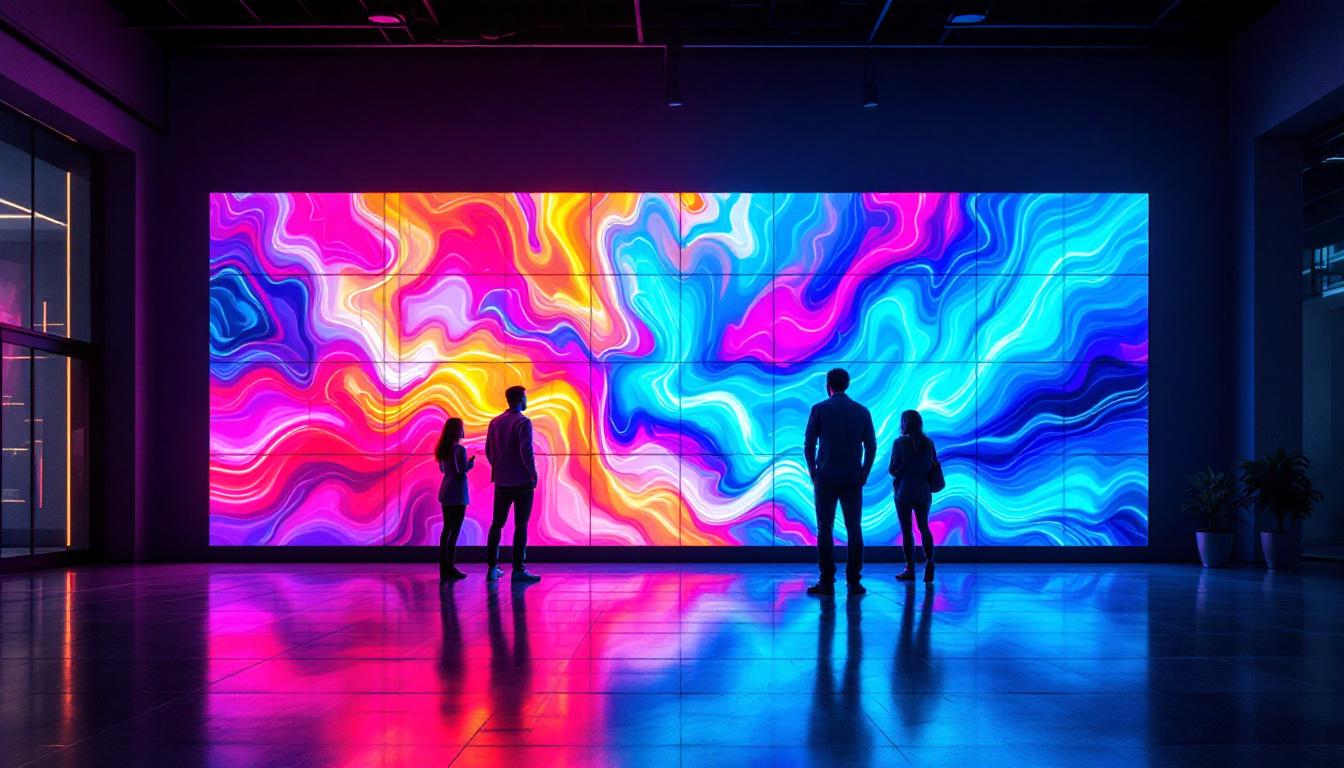
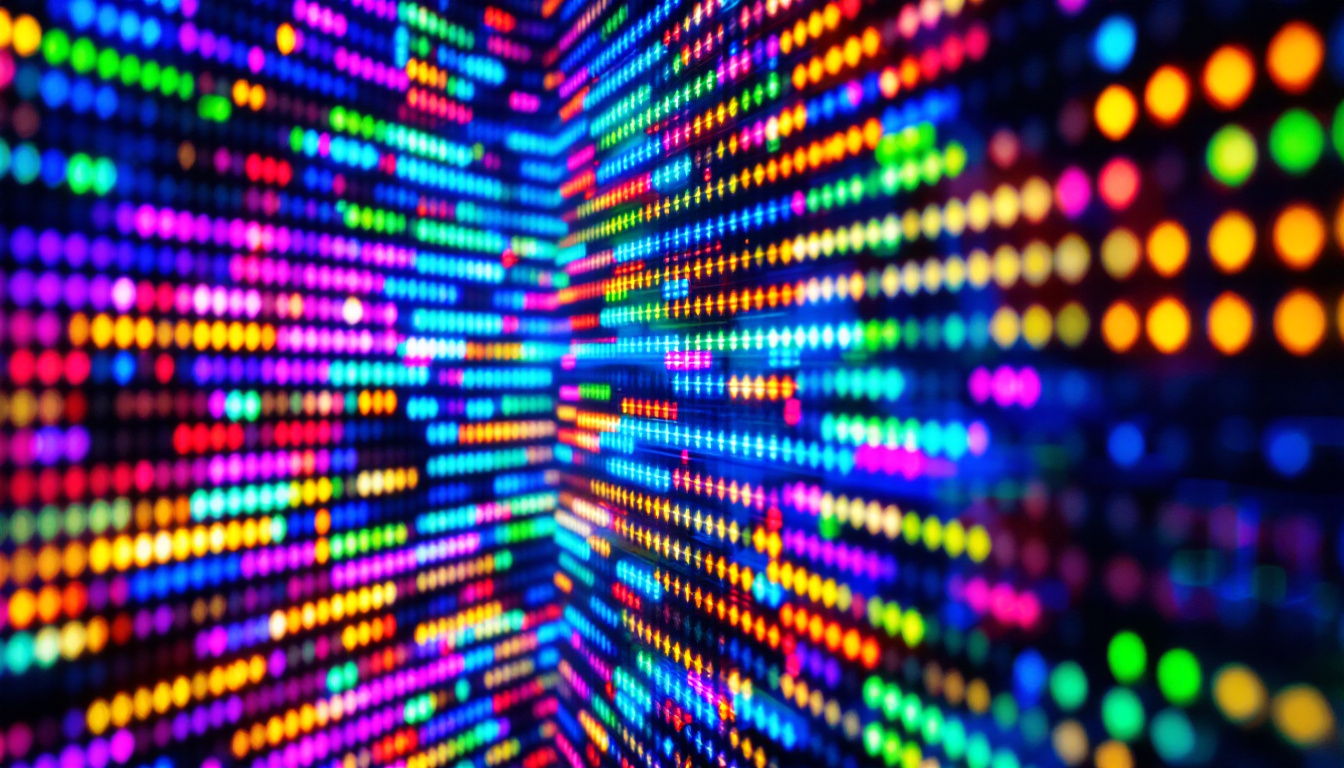
Electric billboards utilize thousands, sometimes millions, of tiny LEDs arranged in a grid to form images, text, and videos. Each LED acts as a pixel, and by controlling the intensity and color of each diode, the display can create dynamic, high-resolution content visible from great distances. This technology not only enhances the visual appeal of advertisements but also allows for real-time updates, making it easier for businesses to engage with their audience effectively.
Types of LED Displays Used in Billboards
There are several types of LED displays commonly used in electric billboards, each suited for different environments and purposes:
- Surface-Mounted Device (SMD) LEDs: These LEDs have multiple diodes in a single package, allowing for finer pixel pitch and higher resolution. SMD displays are popular for billboards that require close viewing distances and detailed images.
- Through-Hole LEDs: These are traditional LEDs mounted through holes on the circuit board. They tend to be brighter and more durable but have a larger pixel pitch, making them suitable for billboards viewed from longer distances.
- Flexible LED Displays: Emerging technology allows LEDs to be mounted on flexible substrates, enabling curved or irregularly shaped billboards, expanding creative possibilities for advertisers.
How LED Billboards Work
Electric billboards operate by receiving digital signals from a control system that manages the content displayed. This system can be programmed to change ads at scheduled intervals or in real-time, allowing for highly targeted and timely messaging. Advertisers can utilize data analytics to determine the best times to display specific ads, ensuring that their messages reach the intended audience when they are most likely to engage.
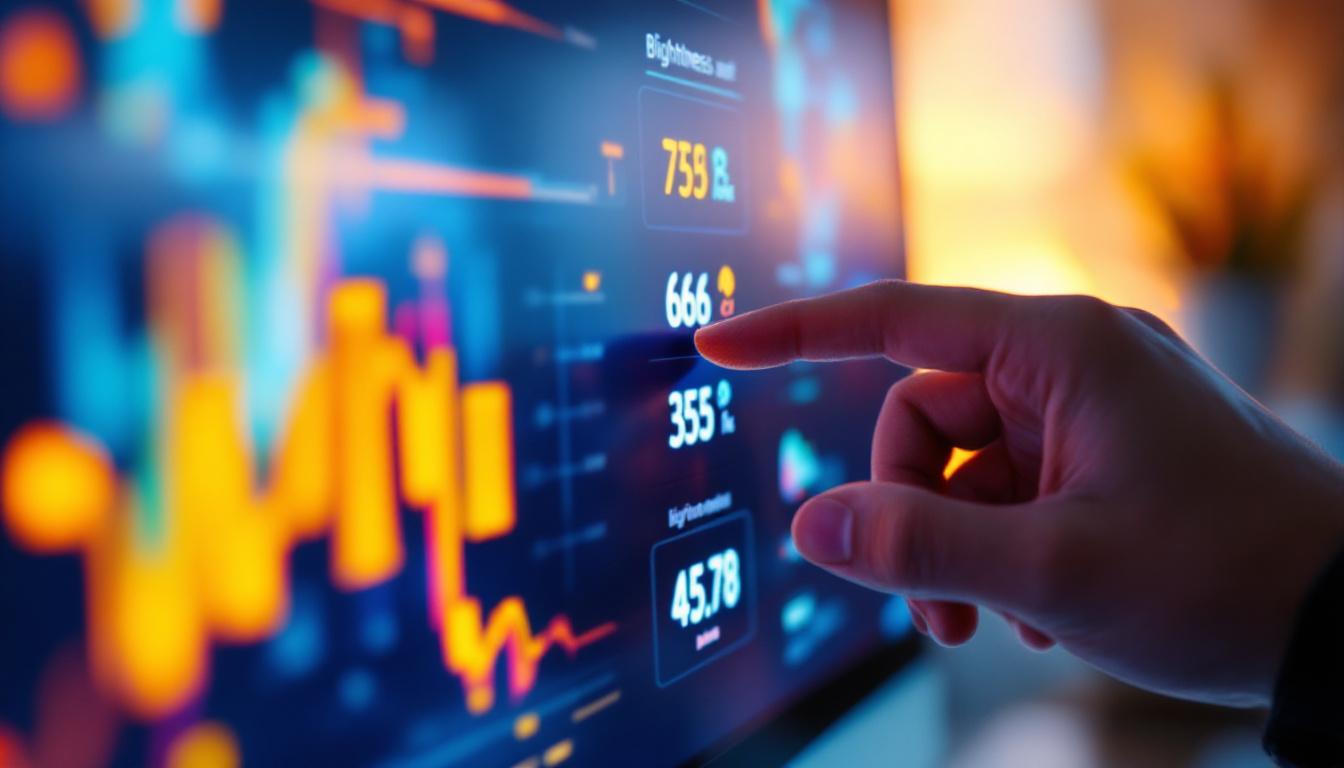
The LEDs light up in various colors and intensities based on the input signal, creating images and videos that are bright enough to be seen clearly even in direct sunlight. Advanced LED billboards also incorporate sensors to adjust brightness automatically depending on ambient light conditions, improving visibility while conserving energy. Additionally, many modern billboards are equipped with network connectivity, enabling remote monitoring and troubleshooting, which enhances operational efficiency and reduces downtime.
Moreover, the integration of smart technology in LED billboards is revolutionizing advertising strategies. Features such as audience measurement tools can analyze foot traffic and demographics, allowing advertisers to tailor their content to specific groups. This level of customization not only increases the effectiveness of campaigns but also enhances the overall viewer experience, making advertisements more relevant and engaging. As the technology continues to evolve, the potential for interactive features, such as QR codes or augmented reality elements, could further transform how audiences interact with billboard content.
Advantages of LED Electric Billboards
High Visibility and Impact
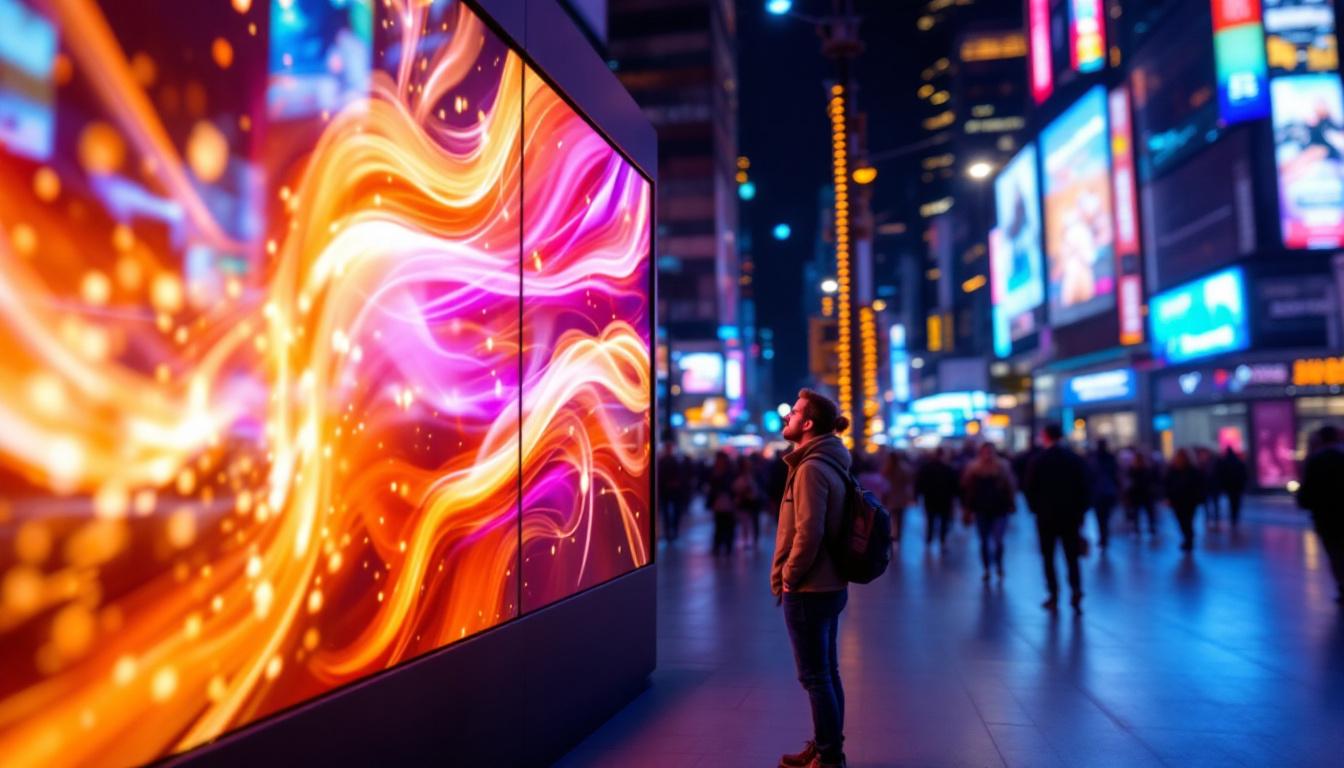
One of the most significant benefits of LED billboards is their exceptional brightness and color vibrancy. Unlike traditional billboards that rely on printed materials, LED displays can produce dynamic content with motion, animation, and video, which naturally attract more attention from passersby.
Studies show that digital billboards can increase brand recall by up to 47% compared to static signs. Their ability to stand out in crowded urban environments makes them invaluable for advertisers seeking to maximize their reach and engagement.
Energy Efficiency and Sustainability
Despite their brightness, LED billboards are remarkably energy-efficient. LEDs consume up to 75% less energy than incandescent lighting and last significantly longer, reducing maintenance costs and environmental impact.
Modern LED billboards often incorporate energy-saving features such as automatic dimming and scheduled power cycles. This not only lowers operational costs but also aligns with growing corporate commitments to sustainability and green advertising practices.
Flexibility and Real-Time Content Updates
Unlike traditional billboards that require physical replacement of printed materials, LED billboards allow advertisers to update content instantly. This flexibility enables the display of multiple ads throughout the day, targeted messaging based on time or audience demographics, and rapid response to market trends or events.
For example, a retail chain can promote morning coffee specials during breakfast hours and switch to lunch deals by noon, maximizing the relevance and effectiveness of their advertising.
Durability and Weather Resistance
LED billboards are designed to withstand harsh outdoor conditions, including rain, wind, and extreme temperatures. Their robust construction and protective coatings ensure long-term reliability, minimizing downtime and maintenance efforts.
Many LED modules are rated with Ingress Protection (IP) standards, guaranteeing resistance to dust and water, which is critical for outdoor installations exposed to the elements.
Applications of LED Electric Billboards
Outdoor Advertising and Brand Promotion
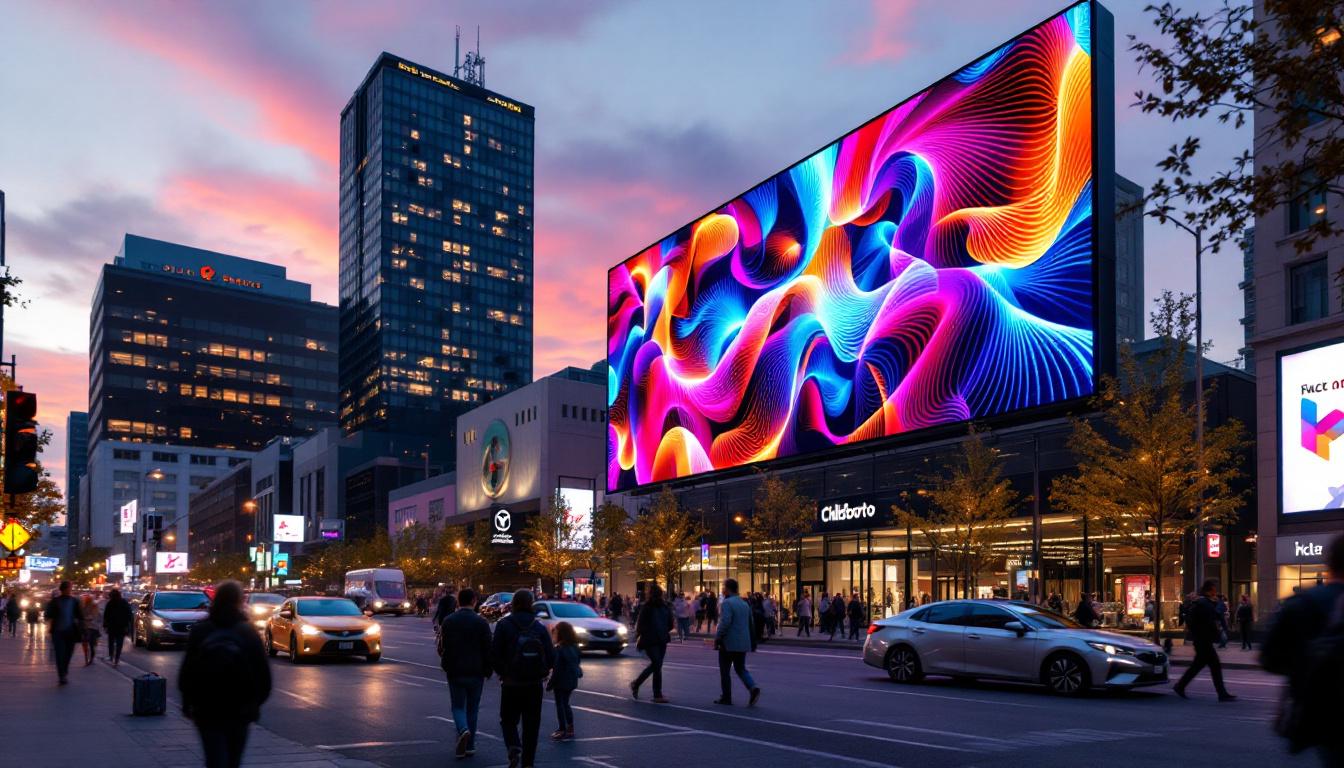
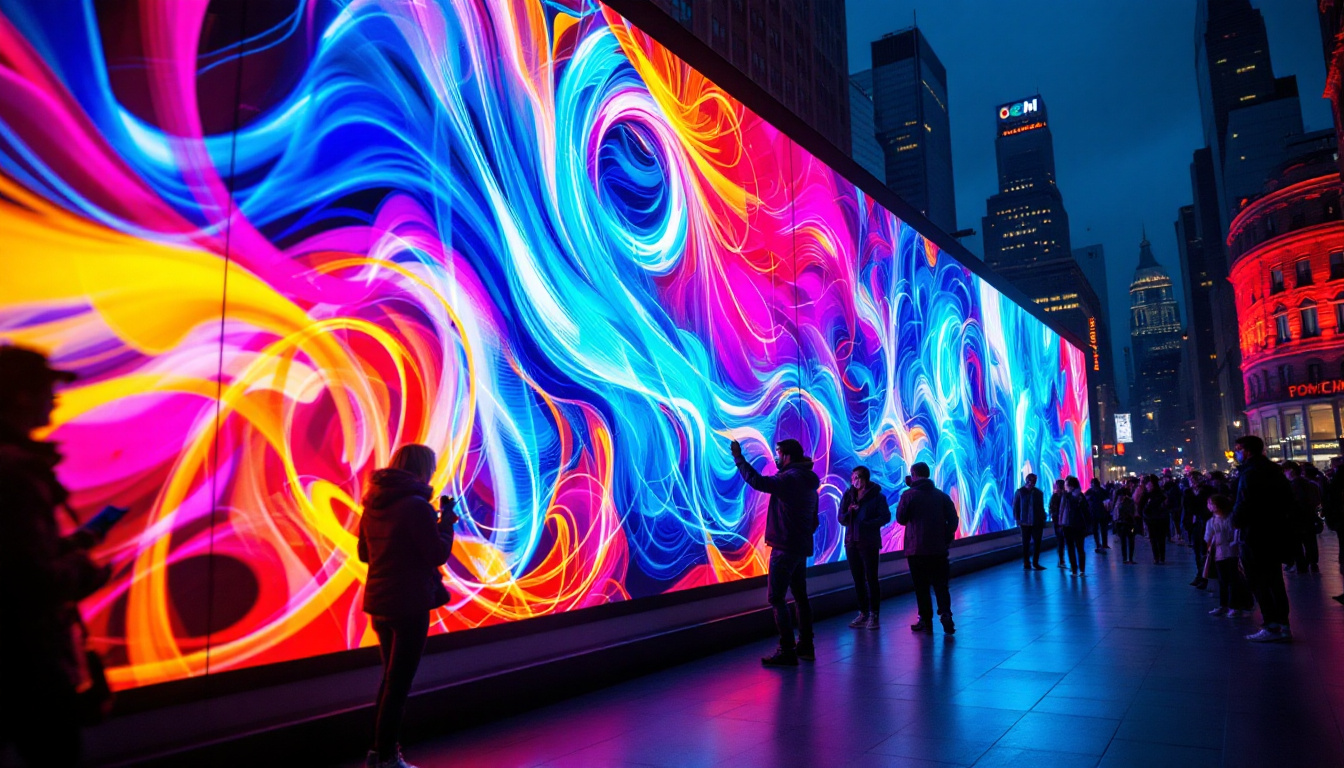
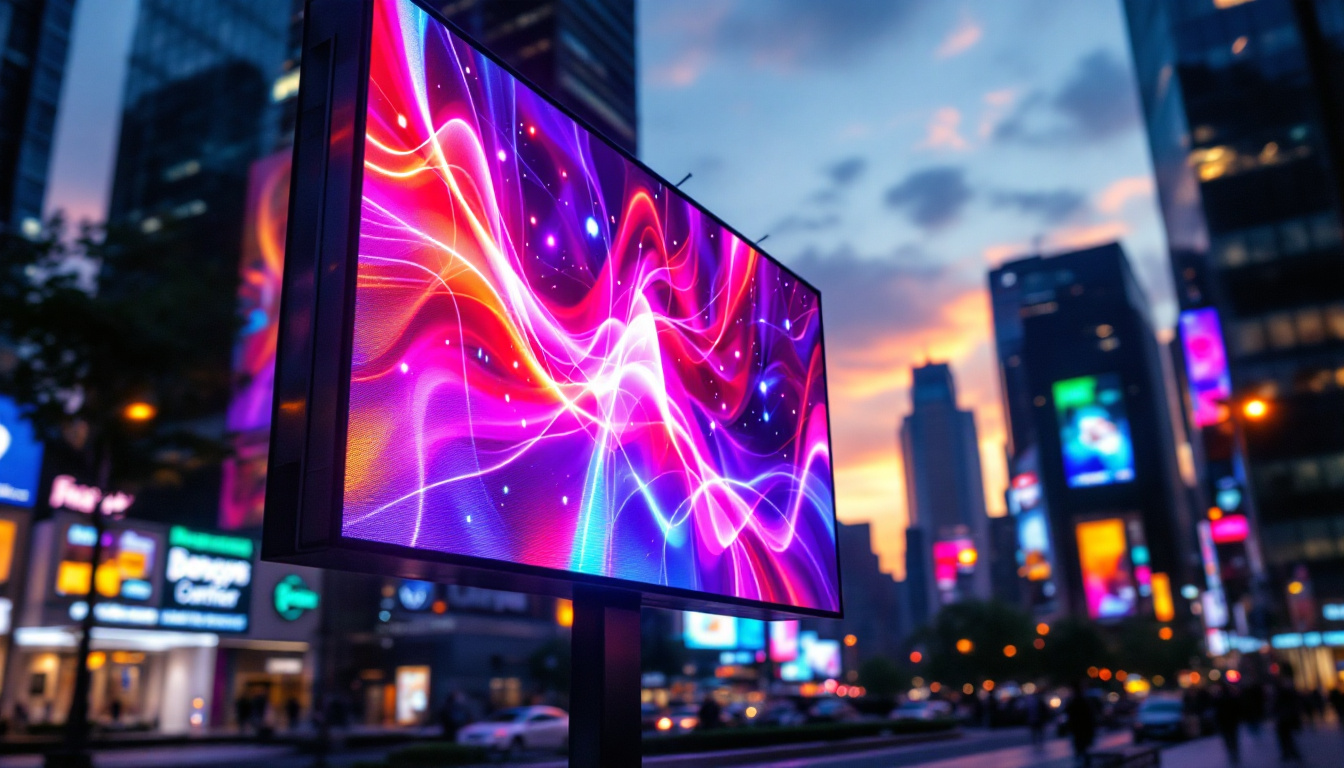
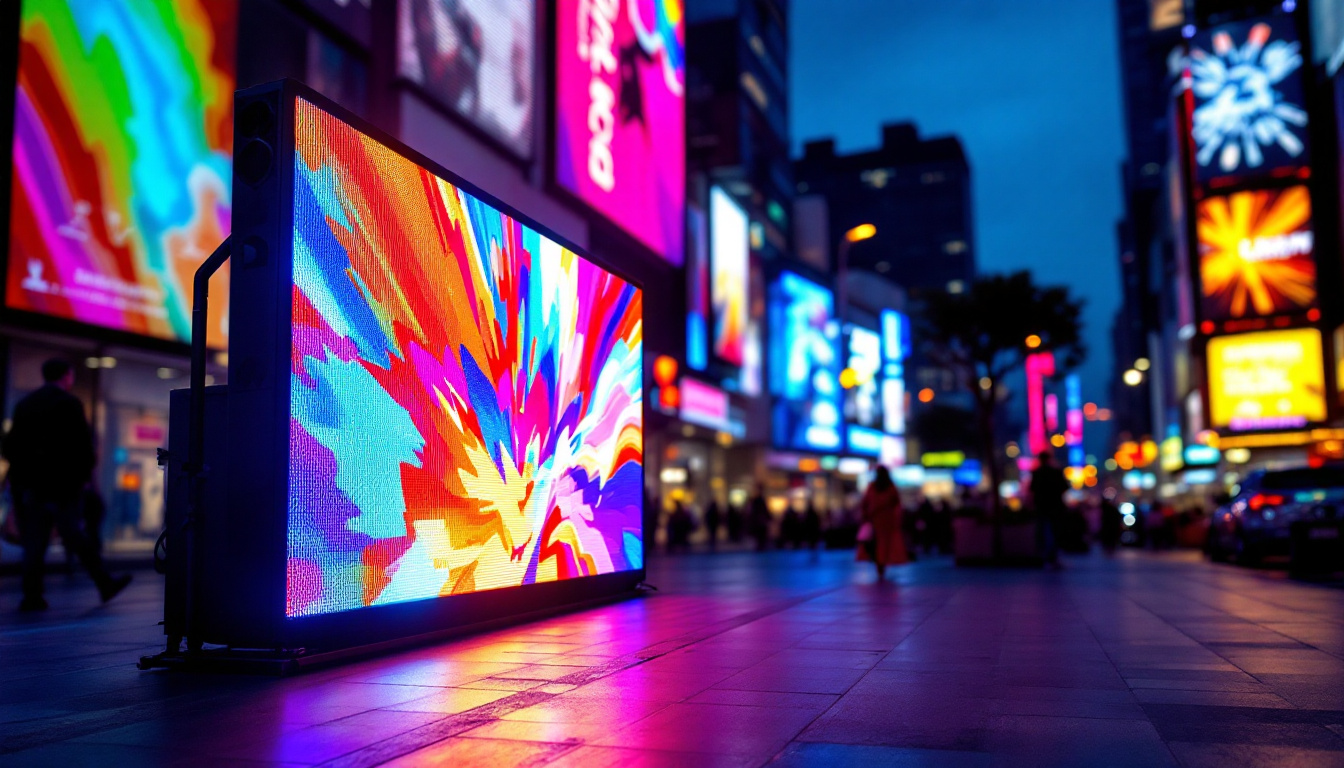
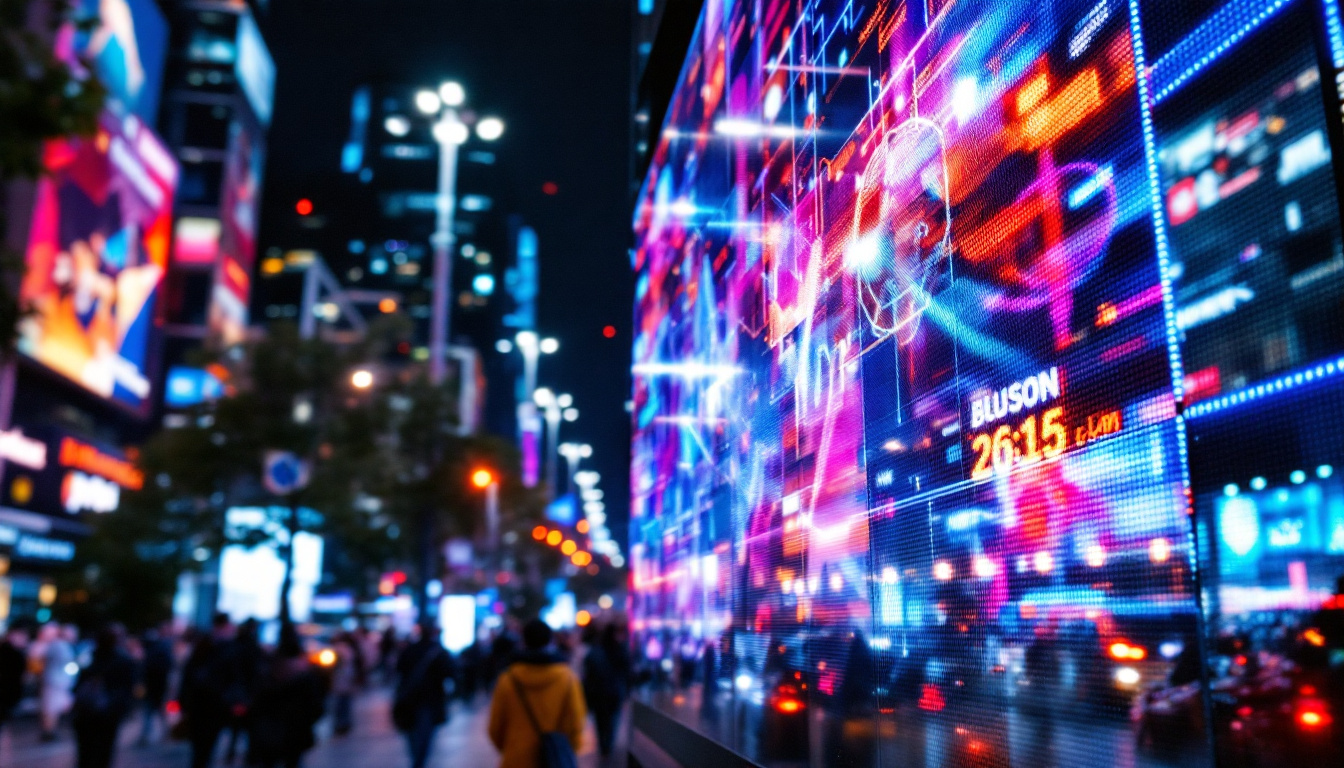
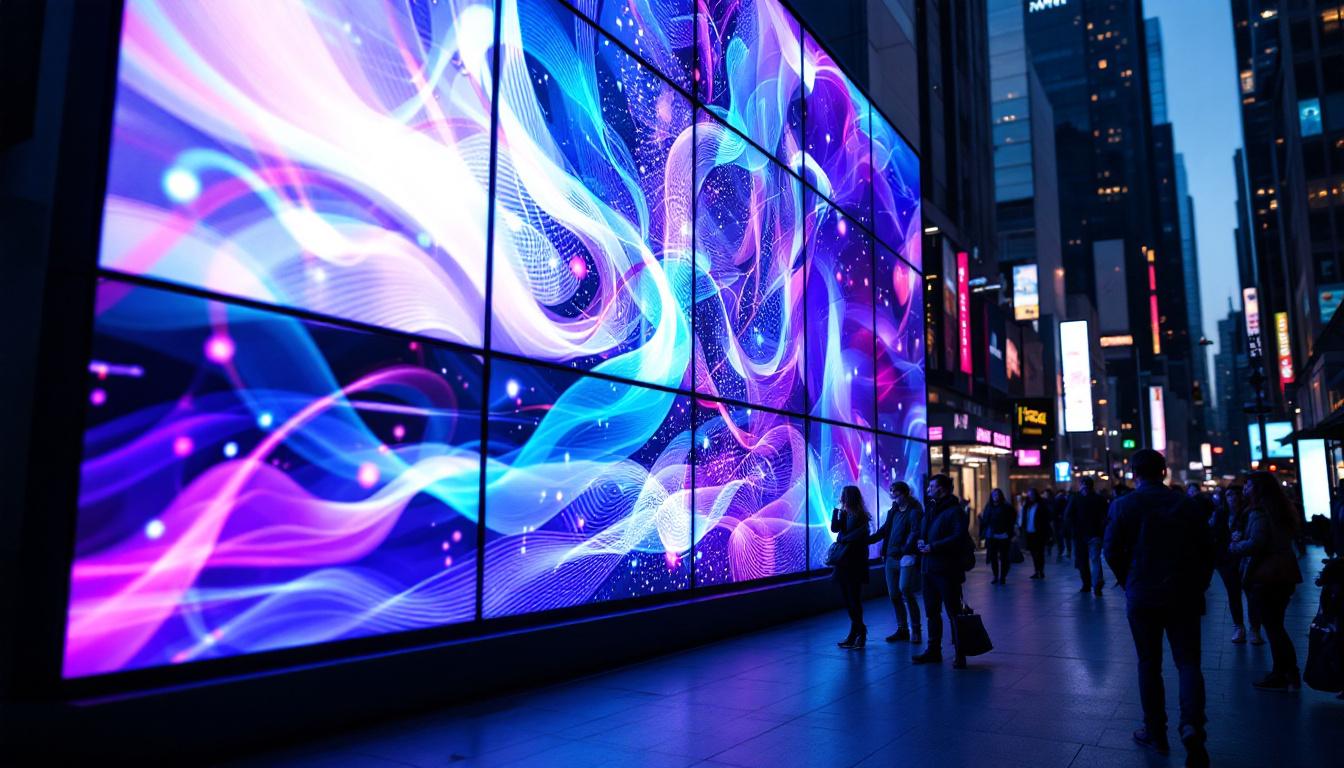
The primary use of LED electric billboards is outdoor advertising. From busy highways to city centers, these displays provide brands with a powerful platform to reach large audiences. Their ability to showcase vibrant, animated content makes them ideal for launching new products, promoting events, or reinforcing brand identity.
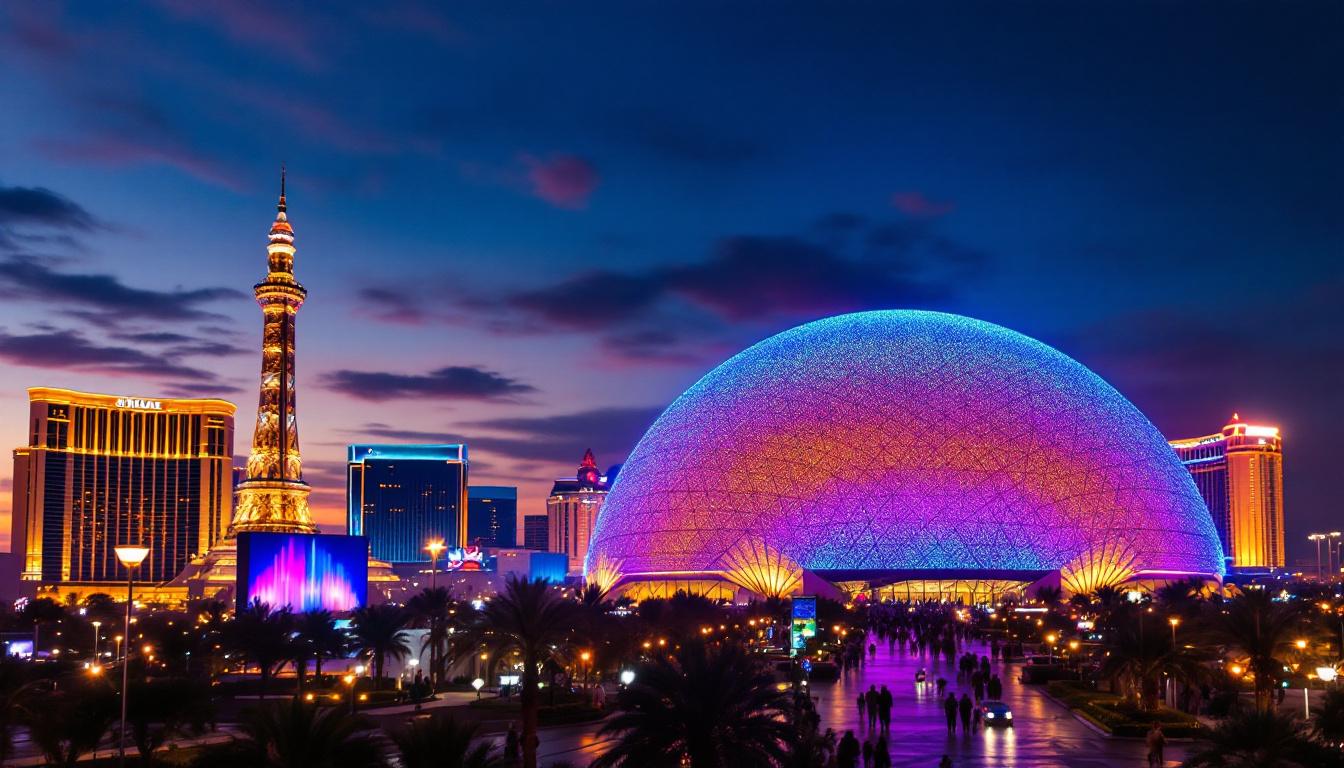
Major cities worldwide have embraced LED billboards as part of their urban landscape. Times Square in New York City, Piccadilly Circus in London, and Shibuya Crossing in Tokyo are iconic examples where LED billboards contribute to the vibrant atmosphere and commercial activity.
Public Information and Safety Messaging
Beyond commercial advertising, LED billboards serve an important role in disseminating public information. Governments and municipalities use these displays to broadcast emergency alerts, traffic updates, weather warnings, and community announcements.
During natural disasters or public health crises, the ability to quickly update content and reach a broad audience can be lifesaving. LED billboards provide a reliable and visible medium for such critical communications.
Event Promotion and Entertainment
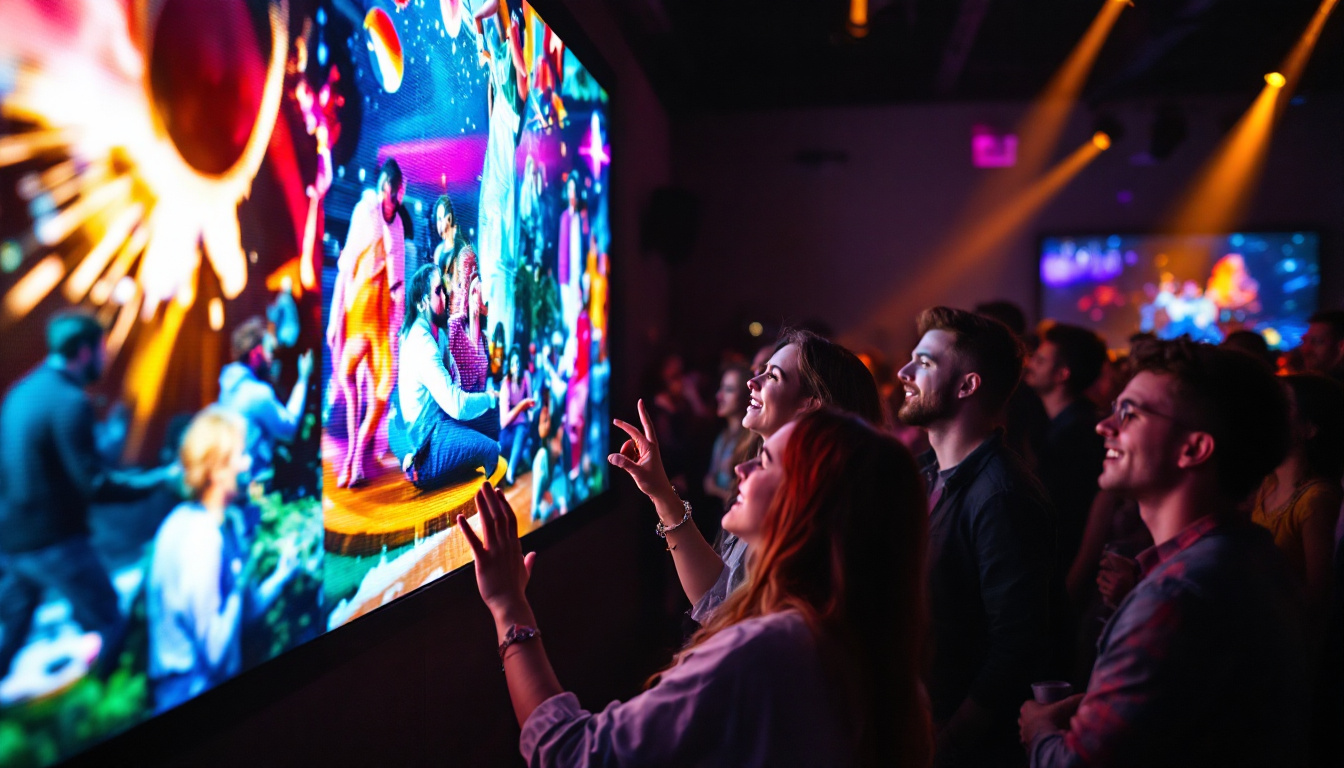
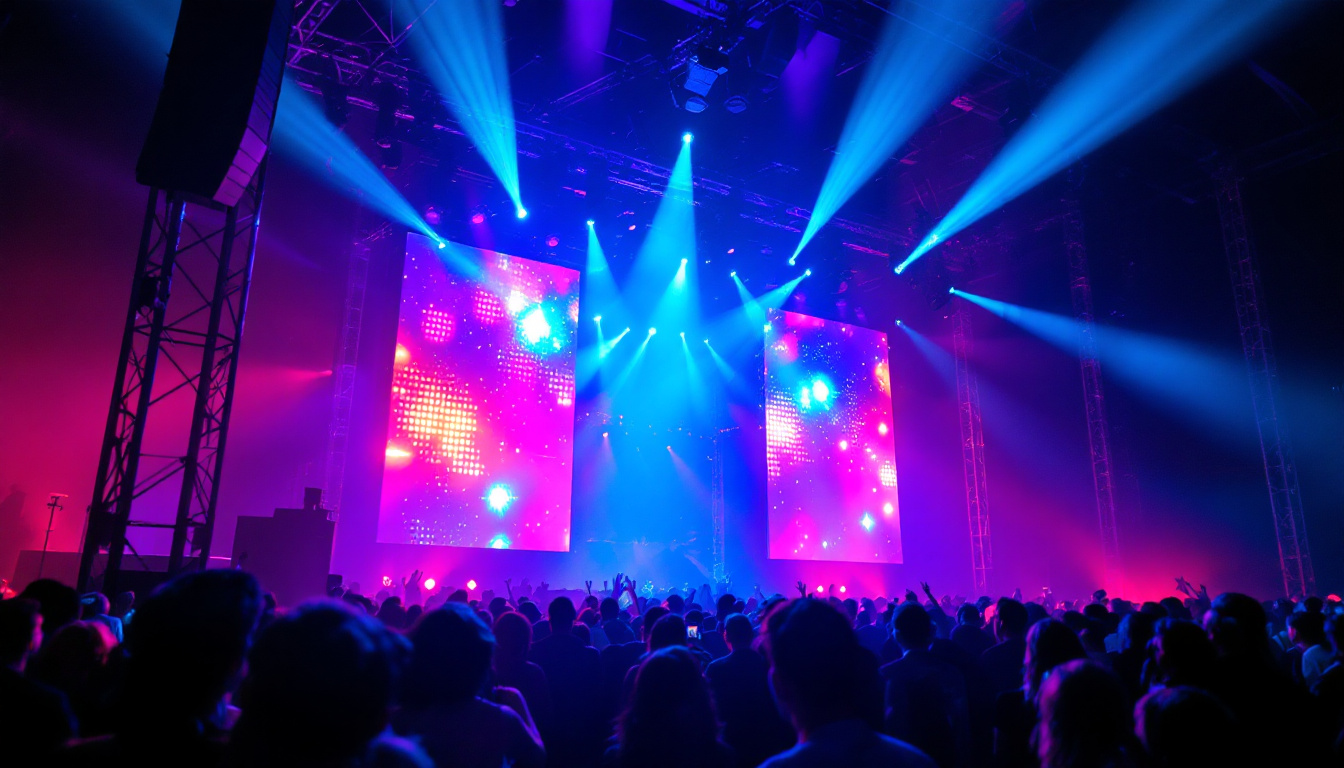
Sports arenas, concert venues, and festivals utilize LED billboards to enhance the attendee experience. These displays can show live event feeds, sponsor advertisements, and interactive content, adding excitement and engagement to the event atmosphere.
Additionally, LED billboards are increasingly integrated with social media and mobile apps, allowing audiences to participate in real-time polls, contests, or share user-generated content, creating a more immersive and interactive environment.
Challenges and Considerations in LED Billboard Deployment
Initial Investment and Installation Costs
While LED billboards offer long-term benefits, the upfront costs can be significant. High-quality LED panels, control systems, and installation expenses require substantial capital investment. However, many advertisers and municipalities view this as a worthwhile expense given the increased impact and flexibility of digital displays.
Advancements in manufacturing and increased competition have gradually reduced costs, making LED billboards more accessible to smaller businesses and communities.
Light Pollution and Regulatory Compliance
One of the concerns associated with LED billboards is light pollution, especially in residential areas or near roadways. Excessive brightness can cause glare, distract drivers, and disrupt local ecosystems.
To address these issues, many jurisdictions have established regulations governing billboard brightness, operating hours, and placement. Compliance with these rules is essential to avoid fines and community backlash. Modern LED billboards often include dimming technology and sensors to ensure they operate within legal limits.
Content Management and Security
Managing digital content requires reliable software platforms and trained personnel. Advertisers must ensure that content is appropriate, timely, and aligned with brand guidelines. Additionally, as connected devices, LED billboards can be vulnerable to hacking or unauthorized access, posing risks to brand reputation and public safety.
Implementing robust cybersecurity measures and regular system updates is critical to safeguard digital billboards from potential threats.
The Future of LED Electric Billboards
Integration with Smart City Technologies
As cities become smarter and more connected, LED billboards are expected to play a key role in urban information networks. Integration with sensors, traffic management systems, and public transportation can enable billboards to display hyper-localized content, such as real-time transit schedules or personalized advertisements based on pedestrian flow.
This convergence of technologies will enhance the utility and relevance of electric billboards, transforming them into interactive urban hubs.
Advancements in Display Resolution and Interactivity
Ongoing improvements in LED technology are pushing the boundaries of resolution and color accuracy. MicroLED and miniLED innovations promise even sharper images and more energy-efficient displays, enabling billboard content to rival that of cinema screens.
Moreover, the incorporation of touch sensors, augmented reality (AR), and artificial intelligence (AI) will allow billboards to engage audiences in novel ways, such as personalized advertisements or interactive games, creating memorable brand experiences.
Sustainability and Circular Economy Initiatives
Environmental concerns will continue to shape the development of LED billboards. Manufacturers are exploring recyclable materials, modular designs for easy upgrades, and energy harvesting technologies to minimize ecological footprints.
Incorporating solar panels or other renewable energy sources into billboard structures is becoming more common, aligning the advertising industry with global sustainability goals.
Conclusion
Electric billboards powered by LED technology represent a transformative force in outdoor advertising and public communication. Their brightness, flexibility, and durability make them an effective tool for capturing attention and delivering impactful messages in a variety of contexts.
While challenges such as cost, regulation, and security remain, continuous technological advancements and growing demand for dynamic content ensure that LED billboards will remain at the forefront of visual communication. As cities evolve and audiences seek more engaging experiences, electric billboards will undoubtedly continue to illuminate the urban landscape with innovation and creativity.
Illuminate Your Brand with LumenMatrix
Ready to elevate your advertising to new heights? Discover how LumenMatrix can transform your brand’s visibility and audience engagement. As a pioneer in LED display technology, we offer a wide array of innovative solutions, from Indoor and Outdoor LED Wall Displays to specialized options like Vehicle, Sports, and Floor LED Displays. Embrace the future of visual communication with our Custom, All-in-One, and Transparent LED Displays. Experience the difference with LumenMatrix and let your message shine with unparalleled clarity. Check out LumenMatrix LED Display Solutions today and start creating unforgettable visual experiences.