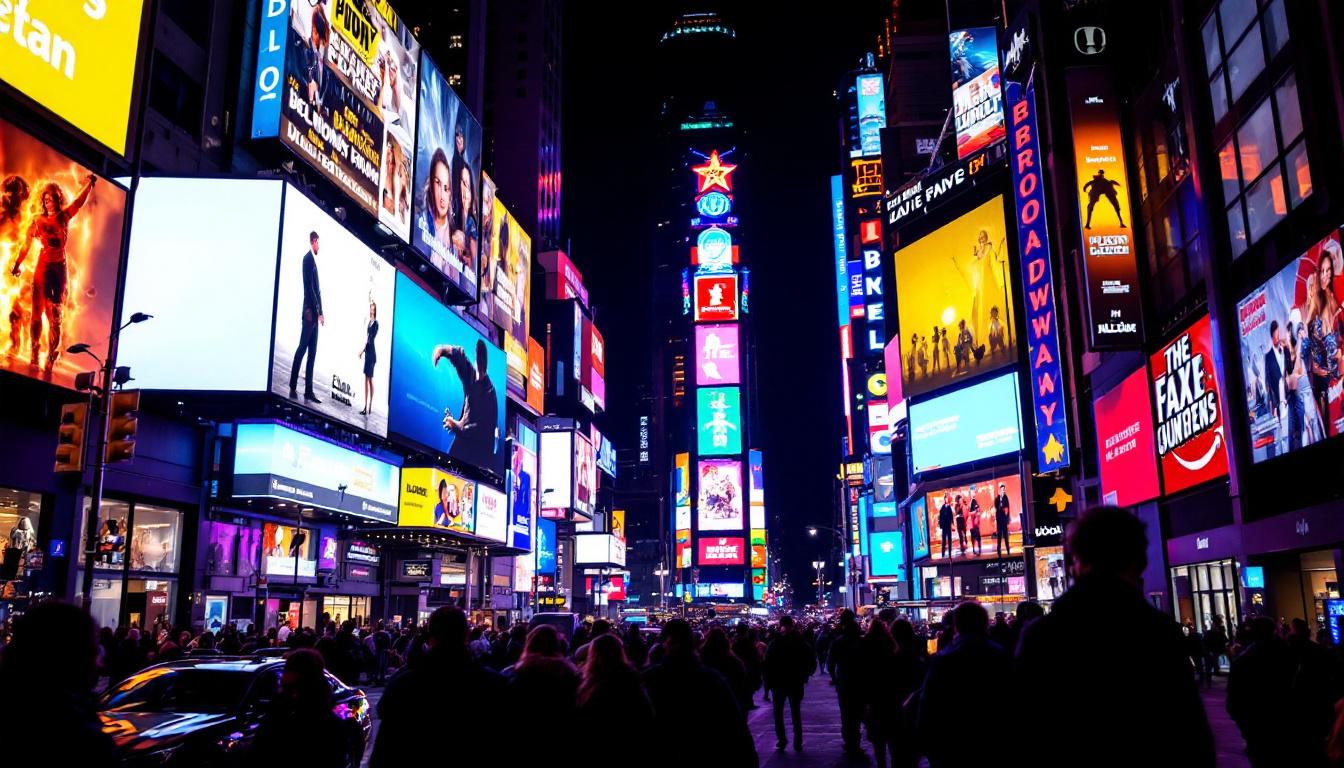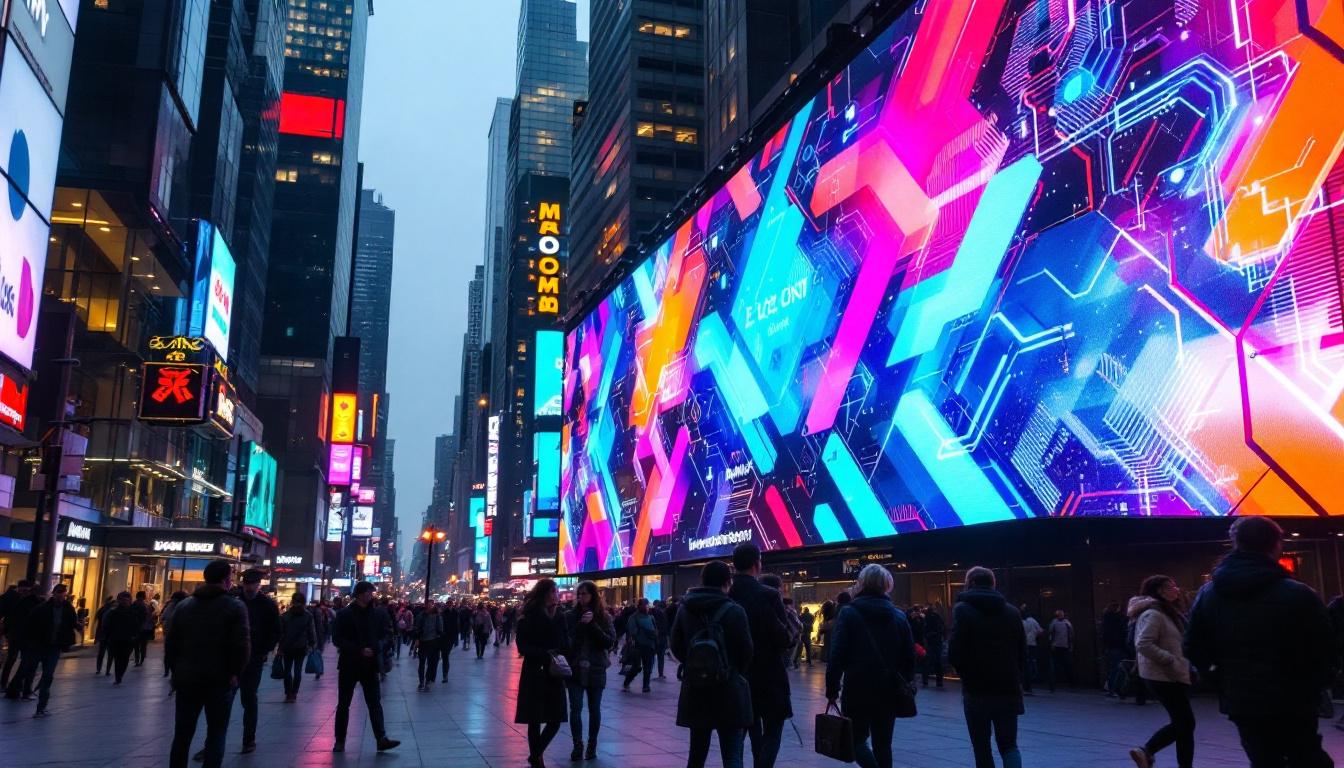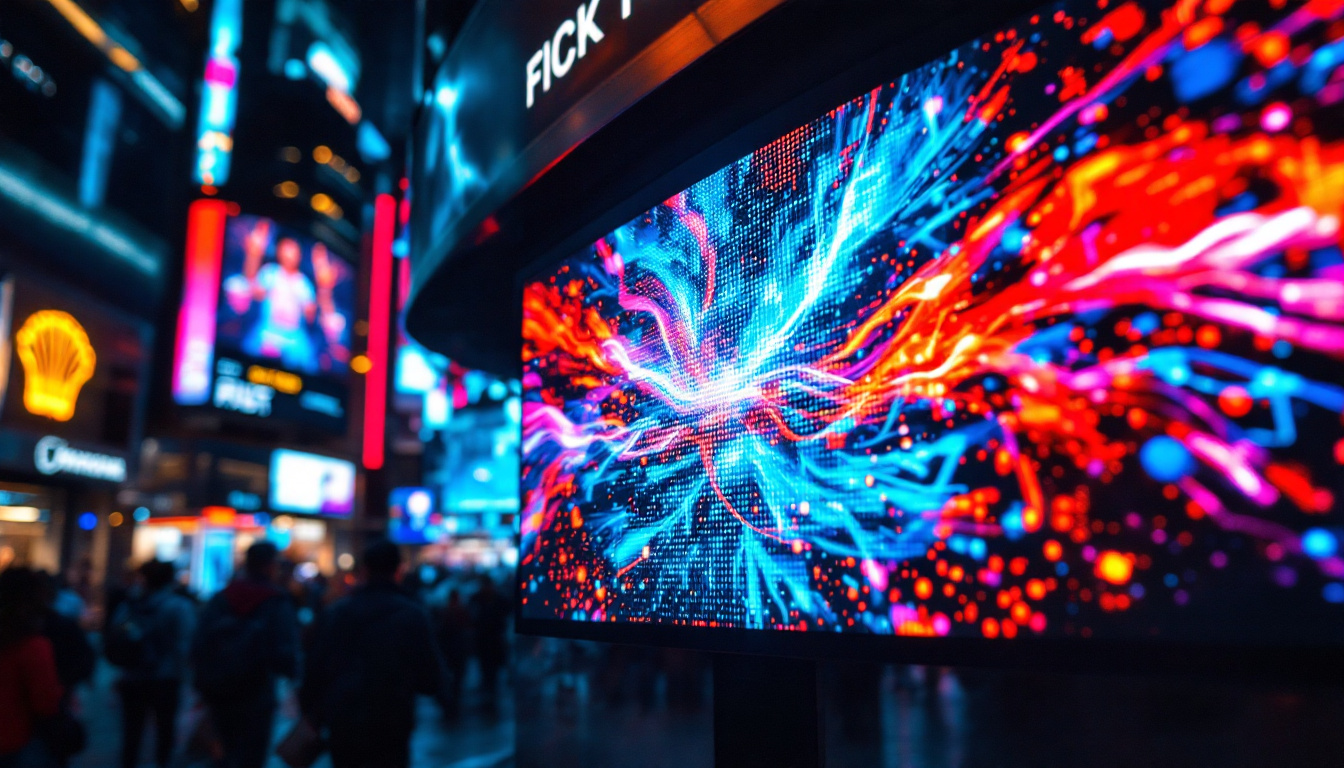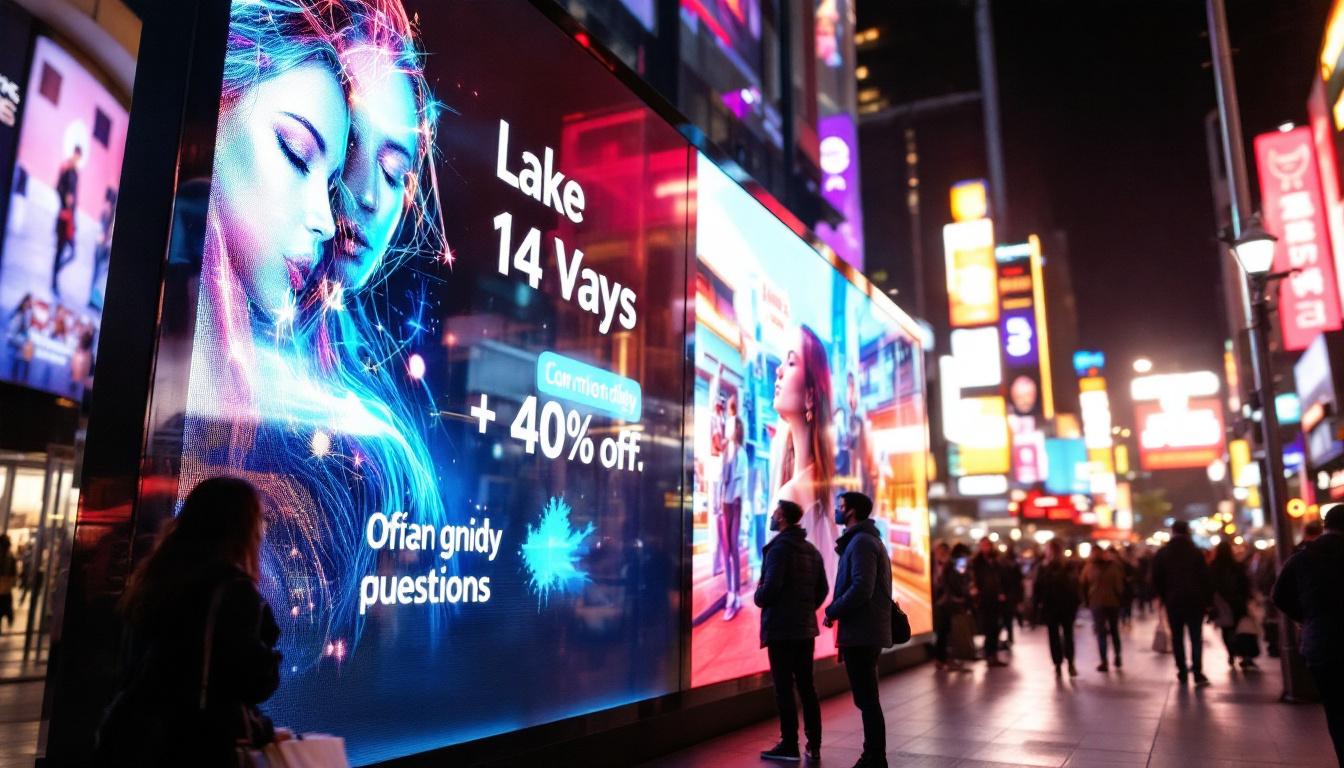
In the fast-paced world of marketing, grabbing consumer attention is more challenging than ever. Outdoor advertising has evolved significantly, with mobile LED displays emerging as a powerful tool for brands aiming to connect with audiences dynamically and effectively. This article delves into the technology, advantages, applications, and future trends of mobile LED displays in outdoor advertising, offering a comprehensive understanding for marketers, business owners, and advertising professionals.
Understanding Mobile LED Displays
What Are Mobile LED Displays?
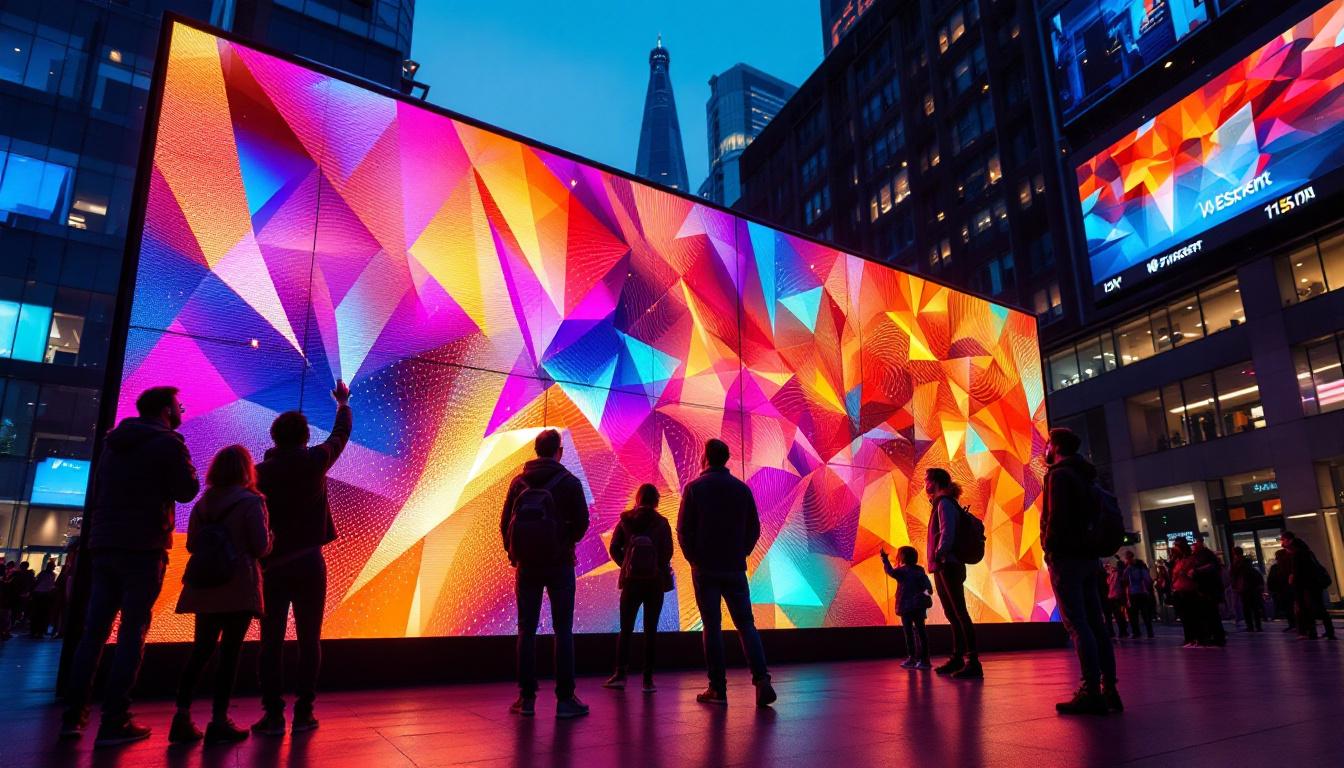
Mobile LED displays are digital screens mounted on vehicles or portable structures that can be moved to various locations. Unlike traditional static billboards, these displays use light-emitting diode (LED) technology to showcase vibrant, high-resolution images and videos. The mobility factor enables advertisers to reach diverse audiences across different geographic areas, making campaigns more flexible and targeted. This adaptability is particularly beneficial for events, festivals, and sporting occasions, where foot traffic can be unpredictable and concentrated in specific areas for limited time frames.
LED technology involves tiny semiconductor diodes that emit light when an electric current passes through them. This allows for bright, colorful visuals that remain clear even under direct sunlight, a crucial feature for outdoor advertising. The modular nature of LED panels also means displays can be customized in size and shape to fit various vehicles and setups. Furthermore, the energy efficiency of LED technology contributes to lower operational costs, making it an attractive option for businesses looking to maximize their advertising budgets while minimizing their environmental footprint.
Key Components of Mobile LED Displays
A typical mobile LED display system includes several critical components:
- LED Panels: The core visual element, composed of numerous LED pixels that create the display image.
- Control System: Software and hardware that manage content playback, brightness, and scheduling.
- Power Supply: Often powered by the vehicle’s battery or an independent generator to ensure continuous operation.
- Mounting Structure: Secure frames or trailers designed to hold the LED panels and withstand outdoor conditions.
These components work together to deliver seamless, eye-catching advertising content that can be updated in real-time or scheduled for specific times and locations. Additionally, many mobile LED displays are equipped with advanced features such as remote monitoring and diagnostics, which allow operators to troubleshoot issues and optimize performance from afar. This technological integration not only enhances the reliability of the displays but also provides valuable data analytics, helping advertisers understand audience engagement and the effectiveness of their campaigns.
Moreover, the versatility of mobile LED displays extends beyond advertising. They are increasingly being used for live event broadcasting, public service announcements, and even interactive experiences that engage viewers in real-time. For instance, during concerts or sports events, these displays can provide instant replays, highlight reels, and audience participation elements, creating a more immersive experience for attendees. This multifunctionality positions mobile LED displays as a powerful tool in both marketing and community engagement, making them a staple in modern advertising strategies.
The Advantages of Mobile LED Advertising
High Visibility and Engagement
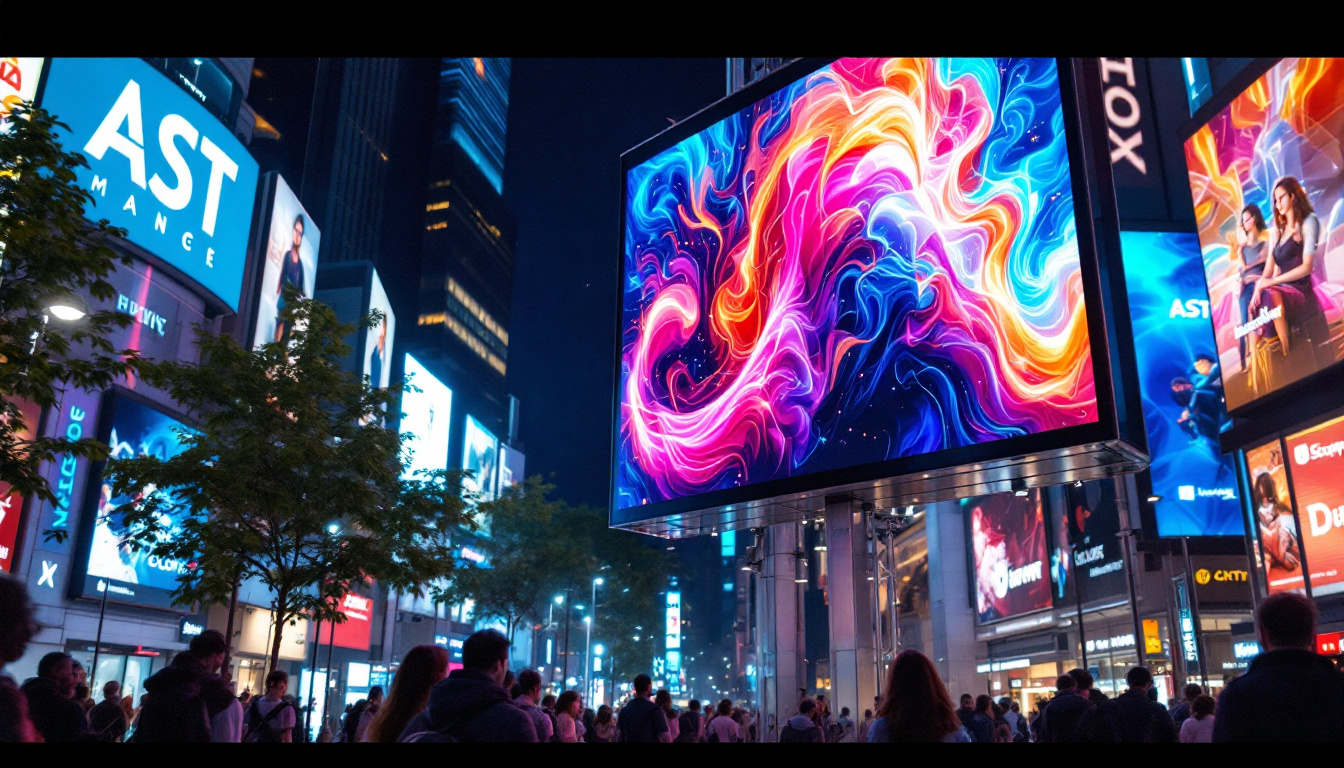
One of the most significant benefits of mobile LED displays is their ability to attract attention through bright, dynamic content. Studies show that digital billboards can increase brand recall by up to 47% compared to static billboards. The vibrant colors and motion graphics naturally draw the eye, making it easier for advertisers to communicate their message effectively.
Moreover, the mobility of these displays allows brands to engage with audiences in high-traffic areas, events, or locations where traditional billboards are not feasible. This flexibility enhances the reach and frequency of advertising campaigns, which are critical factors in marketing success. For instance, during major sporting events or festivals, mobile LED displays can be strategically positioned to capture the attention of thousands of attendees, creating an immersive advertising experience that resonates with potential customers. The ability to rotate messages in real-time also ensures that the content remains fresh and relevant, keeping the audience engaged.
Cost-Effectiveness and Flexibility
While the initial investment in mobile LED displays may be higher than traditional signage, the long-term benefits often outweigh the costs. Digital content can be changed instantly without the need for printing or physical installation, reducing operational expenses and turnaround times. This immediacy allows brands to respond to market trends or current events, making their advertising more timely and impactful.
Additionally, mobile LED advertising can be tailored to specific audiences by moving the display to targeted locations or adjusting content based on time of day, weather, or local events. This level of customization increases campaign effectiveness and return on investment (ROI). For example, a restaurant could promote a happy hour special during the late afternoon when foot traffic is high, or a retail store might showcase a flash sale during a local parade. Such adaptability not only maximizes visibility but also enhances customer engagement by delivering relevant messages when they are most likely to be noticed.
Environmental and Sustainability Considerations
Compared to paper-based advertising, mobile LED displays reduce waste by eliminating the need for printed materials. Many modern LED systems are designed to be energy-efficient, using low-power LEDs and smart brightness controls to minimize electricity consumption. This not only benefits the environment but also helps businesses save on energy costs over time.
Furthermore, some companies integrate solar panels or hybrid power solutions to further reduce the environmental footprint of mobile advertising vehicles. This aligns with the growing consumer preference for sustainable business practices and can enhance brand reputation. By showcasing a commitment to sustainability, brands can foster a deeper connection with eco-conscious consumers, potentially leading to increased loyalty and advocacy. Additionally, as regulations around environmental impact become more stringent, adopting green technologies in advertising can position companies as leaders in responsible marketing practices, setting them apart in a competitive landscape.
Applications of Mobile LED Displays in Outdoor Advertising
Event Promotion and Sponsorship
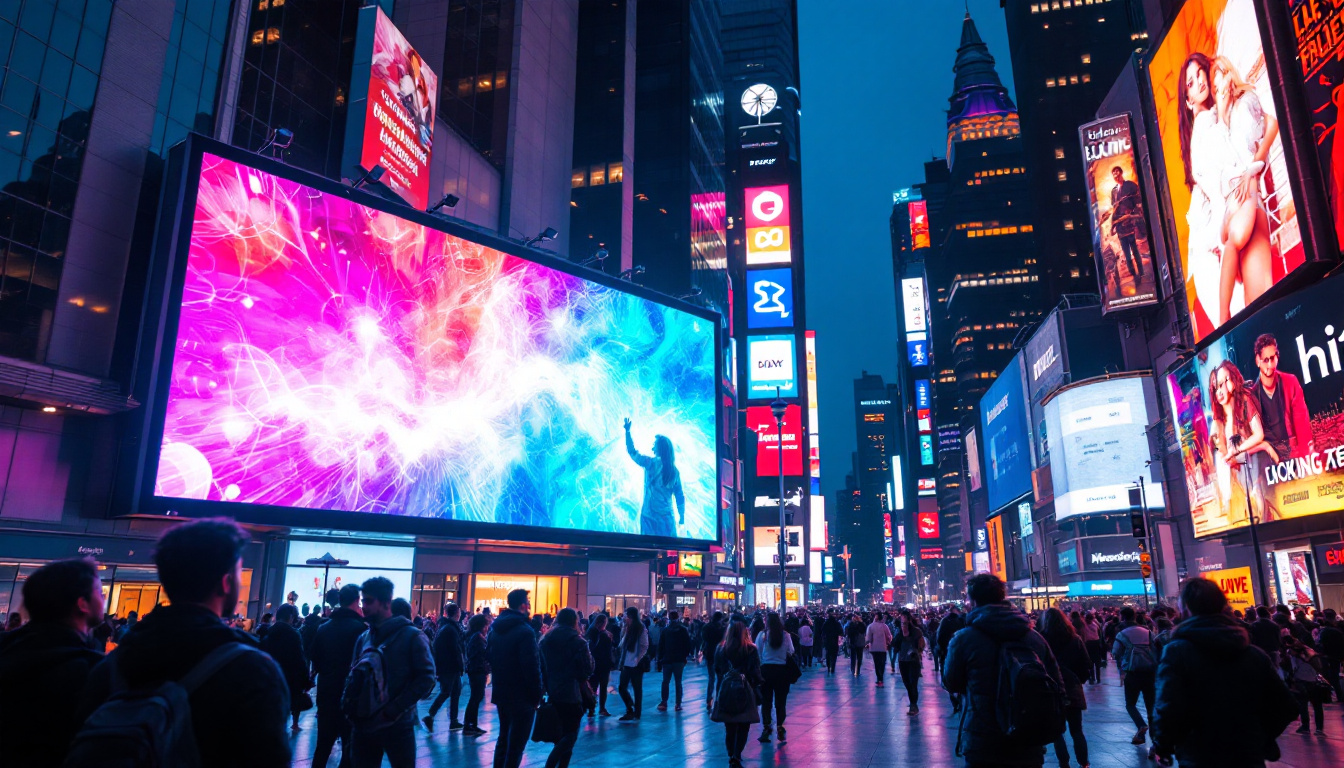
Mobile LED displays are widely used in promoting concerts, festivals, sports events, and product launches. Their ability to display live updates, countdowns, and interactive content makes them ideal for creating excitement and engagement among attendees.
For example, during major sporting events such as marathons or football games, mobile LED trucks can roam the venue or surrounding areas, broadcasting sponsor messages and live scores. This dynamic presence helps brands maximize visibility and connect with enthusiastic audiences in real-time.
Retail and Product Advertising
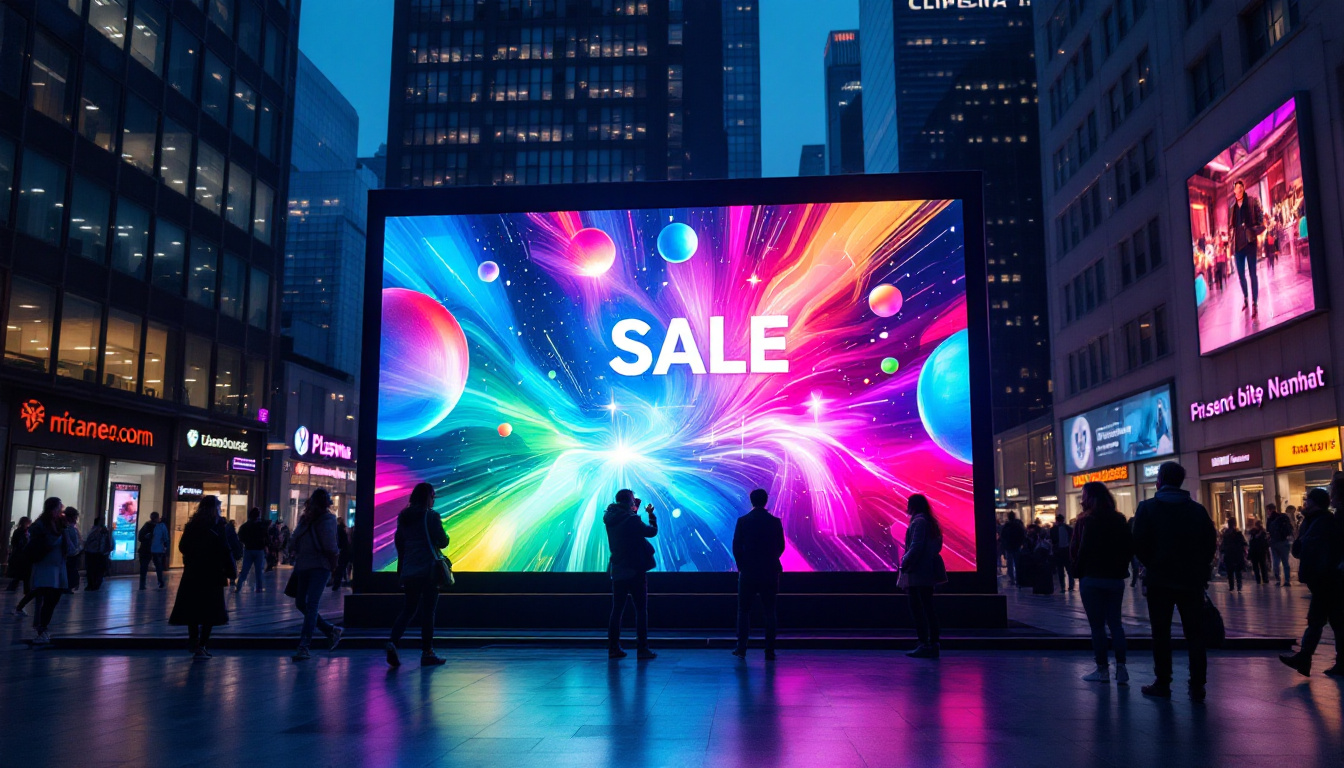
Retailers leverage mobile LED displays to announce sales, new product arrivals, or special promotions. By positioning these displays near shopping districts, malls, or busy streets, businesses can drive foot traffic and increase sales conversions.
Some brands also use mobile LED displays as part of experiential marketing campaigns, combining digital visuals with interactive elements such as QR codes or social media integrations to deepen customer engagement.
Political and Social Campaigns
Political candidates and advocacy groups utilize mobile LED displays to spread their messages during election seasons or awareness drives. The ability to change content quickly and move to different neighborhoods allows for targeted communication that can adapt to evolving campaign strategies.
These displays also support community outreach by broadcasting public service announcements, emergency alerts, or health advisories in a visually compelling manner.
Technical Considerations and Best Practices
Resolution and Pixel Pitch
The effectiveness of a mobile LED display largely depends on its resolution and pixel pitch—the distance between individual LED pixels. A smaller pixel pitch results in higher resolution and sharper images, which is essential for close viewing distances.
For mobile advertising, where viewers may be relatively close, pixel pitches between 4mm and 10mm are common. Selecting the right resolution ensures that content remains clear and legible, enhancing viewer experience and message retention.
Brightness and Weather Resistance
Outdoor LED displays must deliver high brightness levels to remain visible under direct sunlight. Typical brightness ranges from 5,000 to 8,000 nits, adjustable based on ambient light conditions.
Weather resistance is equally important. Mobile LED units should have robust enclosures with IP65 or higher ratings to protect against rain, dust, and temperature extremes. This durability ensures reliable operation and longevity, even in challenging outdoor environments.
Content Management and Scheduling
Modern mobile LED displays come equipped with sophisticated content management systems (CMS) that allow advertisers to upload, schedule, and modify content remotely. This capability supports dynamic campaigns that can respond to real-time events or audience behaviors.
Best practices include designing content optimized for digital screens—using bold fonts, high-contrast colors, and concise messaging—to maximize impact within the limited viewing time typical of outdoor advertising.
Future Trends in Mobile LED Outdoor Advertising
Integration with Artificial Intelligence and Data Analytics
Emerging technologies are transforming mobile LED advertising into a more intelligent and personalized medium. Artificial intelligence (AI) can analyze audience demographics, traffic patterns, and environmental factors to optimize content delivery and placement.
For instance, AI-powered systems can adjust advertising messages based on the time of day, weather conditions, or even the mood of the crowd, enhancing relevance and engagement. Data analytics also provide valuable insights into campaign performance, enabling continuous improvement.
Augmented Reality and Interactive Features
Augmented reality (AR) integration is poised to revolutionize mobile LED advertising by blending digital content with the physical environment. Interactive displays can invite passersby to engage with advertisements through smartphones or gesture controls, creating memorable brand experiences.
These interactive campaigns not only increase engagement but also generate valuable user data and social media buzz, amplifying campaign reach beyond the immediate location.
Advancements in Energy Efficiency and Sustainability
As sustainability becomes a central concern, innovations in energy-efficient LEDs, renewable power sources, and recyclable materials will continue to shape the mobile LED advertising industry. Solar-powered mobile displays and battery technologies with longer life cycles are already being tested and implemented.
These advancements not only reduce operational costs but also align with corporate social responsibility goals, appealing to environmentally conscious consumers.
Conclusion
Mobile LED displays represent a dynamic and versatile evolution in outdoor advertising, combining cutting-edge technology with strategic mobility to capture audience attention effectively. Their high visibility, flexibility, and ability to deliver real-time, targeted content make them invaluable for modern marketing campaigns across various industries.
Understanding the technical aspects, applications, and future trends of mobile LED advertising equips businesses and advertisers to harness this medium’s full potential. As technology advances and sustainability becomes paramount, mobile LED displays are set to remain at the forefront of outdoor advertising innovation.
Illuminate Your Brand with LumenMatrix
Ready to electrify your outdoor advertising strategy with the brilliance of LED technology? LumenMatrix is at the forefront of this dynamic evolution, offering a wide array of LED display solutions tailored to your unique marketing needs. From vibrant Vehicle LED Displays that take your message on the move to captivating Outdoor LED Wall Displays designed to withstand the elements, our products are engineered to maximize your brand’s visibility and audience engagement. Embrace the future of visual communication with LumenMatrix and transform the way you connect with your audience. Check out LumenMatrix LED Display Solutions today and watch your brand shine like never before.