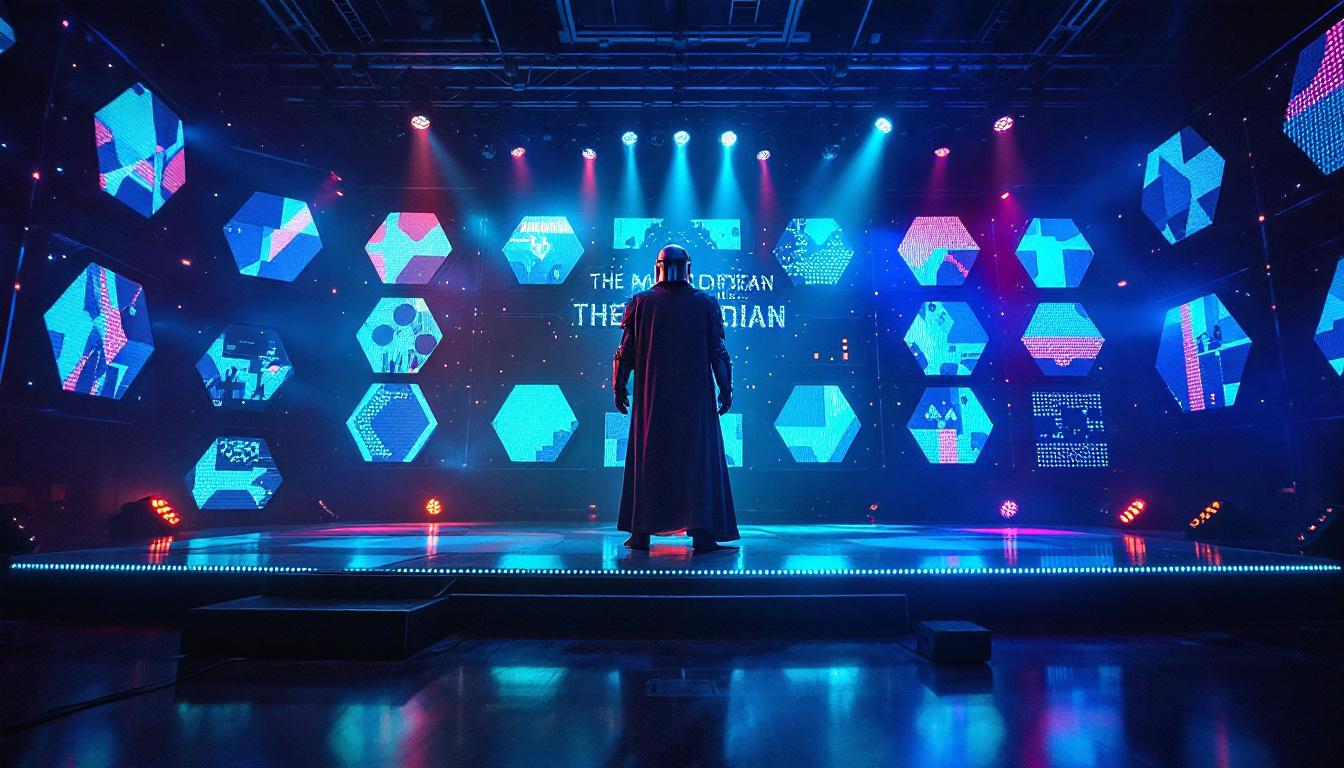
The Mandalorian, the groundbreaking Star Wars series that premiered on Disney+, has captivated audiences worldwide with its cinematic quality and immersive storytelling. One of the most talked-about aspects of the show is its revolutionary filming technique, which employs massive LED displays to create realistic environments in real-time. This article delves into where The Mandalorian is filmed and provides an in-depth explanation of the LED display technology that has transformed modern filmmaking.
The Filming Location: Manhattan Beach Studios
The Mandalorian is primarily filmed at Manhattan Beach Studios, located in Manhattan Beach, California. This studio has become synonymous with cutting-edge production techniques, thanks to its state-of-the-art facilities tailored for virtual production.
Manhattan Beach Studios offers expansive sound stages equipped with the latest technology, including the iconic StageCraft LED volume, which is central to The Mandalorian’s visual effects. The decision to film here was strategic, combining proximity to Hollywood’s talent pool with access to advanced technical resources.
Why Manhattan Beach Studios?
The choice of Manhattan Beach Studios was influenced by several factors. Firstly, the studio’s infrastructure supports large-scale LED volumes, which require significant space and power. Secondly, the location allows for close collaboration between the creative teams and technical experts, facilitating rapid problem-solving and innovation.
Moreover, being in California means that the production benefits from the region’s extensive network of visual effects companies, post-production houses, and experienced crews, all of which contribute to the seamless integration of live-action and digital elements.
In addition to its technological advantages, Manhattan Beach Studios boasts a rich history of hosting high-profile productions. The studio has been home to a variety of successful films and television shows, making it a familiar ground for many industry professionals. This legacy not only enhances the studio’s reputation but also attracts top talent eager to work in an environment that has produced award-winning content.
The studio’s commitment to sustainability also plays a role in its appeal. With a growing emphasis on eco-friendly practices in the film industry, Manhattan Beach Studios has implemented various green initiatives, such as energy-efficient lighting and waste reduction programs. This focus on sustainability resonates with modern filmmakers who are increasingly conscious of their environmental impact, making it an ideal choice for productions like The Mandalorian that aim to set a positive example in the industry.
Understanding the LED Display Technology
The hallmark of The Mandalorian’s production is its use of an LED display wall, often referred to as the “Volume.” This technology represents a paradigm shift from traditional green screen techniques, offering filmmakers unprecedented control and realism.
What is the LED Volume?
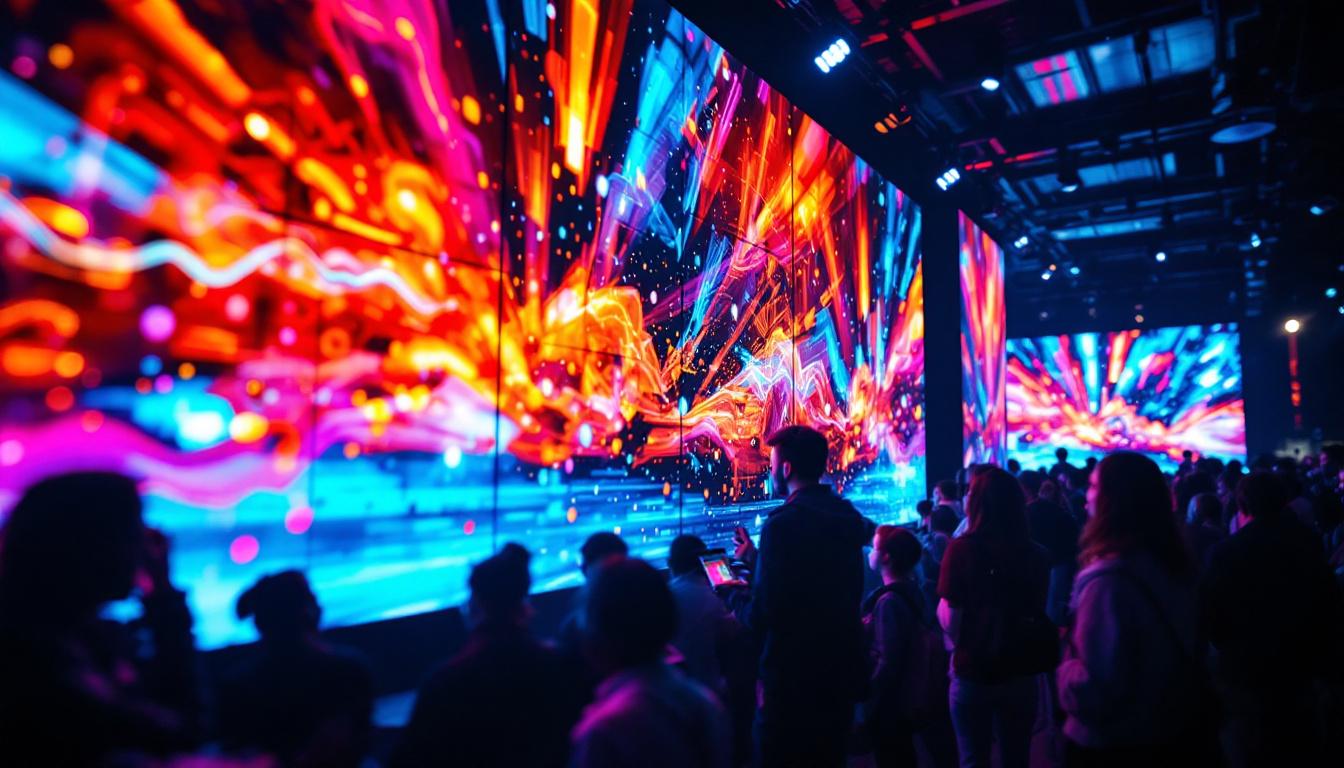
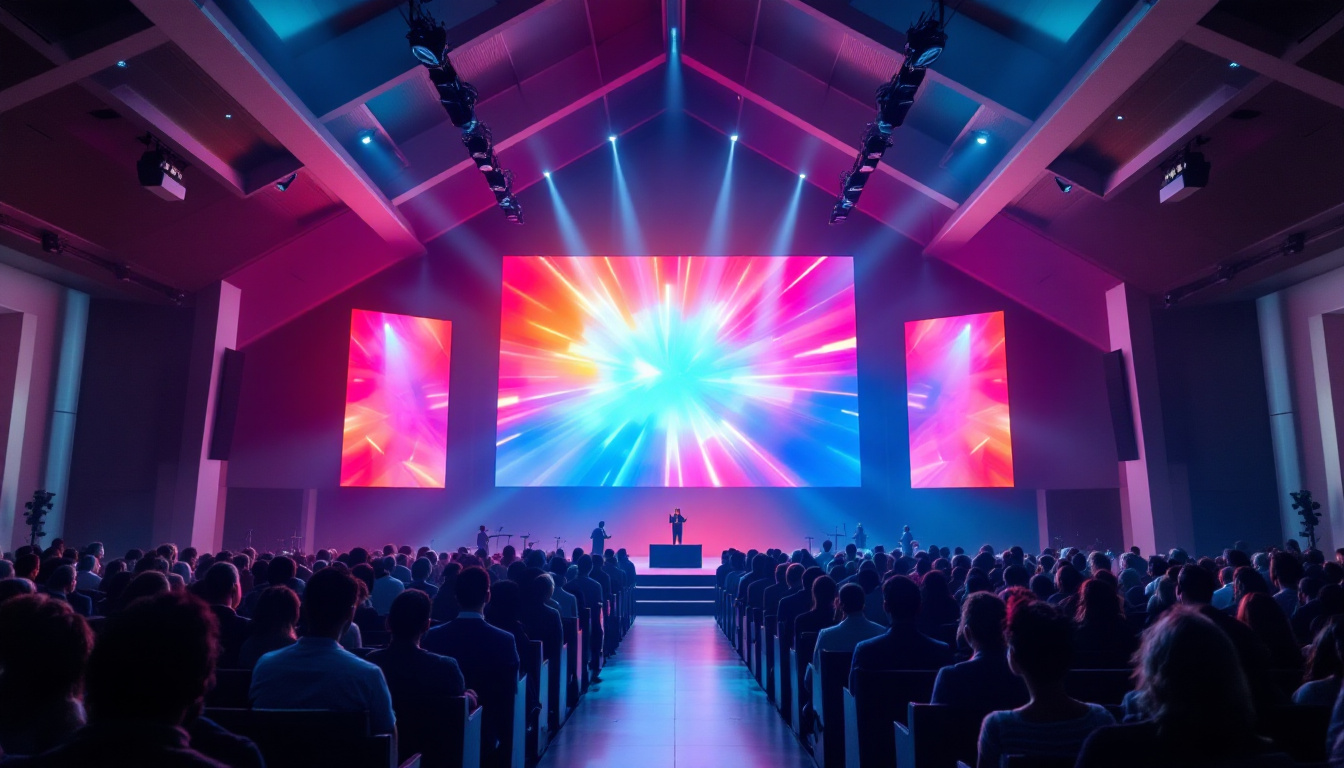
The LED Volume is a massive, curved wall composed of thousands of high-resolution LED panels. These panels display photorealistic backgrounds generated in real-time using game engine technology, primarily Unreal Engine by Epic Games.
Unlike green screens, which require actors and directors to imagine the environment, the LED Volume surrounds them with actual visuals. This immersive setup allows for natural lighting, reflections, and parallax effects that change dynamically as the camera moves.
Real-Time Rendering with Unreal Engine
Unreal Engine plays a critical role in rendering the virtual environments displayed on the LED walls. The engine processes complex 3D scenes and updates them in real-time based on the camera’s position and movement.
This real-time rendering means that as the camera pans or tilts, the background shifts accordingly, creating a convincing sense of depth and perspective. This dynamic interaction between physical and digital elements enhances the believability of the scenes and aids actors in delivering more authentic performances.
Advantages Over Traditional Green Screen Filming
The use of LED display technology offers numerous benefits compared to conventional green screen methods, fundamentally changing how filmmakers approach visual effects.
Enhanced Lighting and Reflections
One of the most significant advantages is the natural lighting provided by the LED panels. Since the backgrounds emit light that matches the scene, actors and physical props are illuminated accurately, reducing the need for extensive post-production lighting adjustments.
This also means that reflective surfaces, such as helmets or armor worn by characters like the Mandalorian himself, realistically mirror the environment, adding a layer of authenticity that green screens cannot replicate.
Improved Actor Performance and Direction
Actors benefit immensely from seeing the environment around them, as opposed to performing in front of a blank green screen. This immersion helps with spatial awareness and emotional engagement, leading to more natural performances.
Directors and cinematographers can also make real-time decisions about framing, camera movement, and lighting, as they can see the composite image live on set. This reduces guesswork and accelerates the shooting process.
Cost and Time Efficiency
While the initial setup of an LED volume is expensive, the technology can reduce overall production costs by minimizing the need for location shoots, extensive travel, and complex post-production compositing.
For The Mandalorian, this meant that scenes set on distant planets or exotic landscapes could be filmed entirely indoors, regardless of weather or time constraints. This flexibility significantly shortened production timelines and allowed for greater creative experimentation.
Technical Specifications of The Mandalorian’s LED Volume
The LED volume used in The Mandalorian is a marvel of engineering, combining hardware and software to deliver seamless virtual environments.
Size and Resolution
The volume spans approximately 270 degrees around the set, with a ceiling component to provide overhead visuals. The LED panels boast a pixel pitch of around 2.6 millimeters, offering ultra-high resolution that ensures crisp, detailed backgrounds even in close-up shots.
The total size of the volume is roughly 70 feet wide and 30 feet high, providing ample space for actors, props, and camera movement.
Camera Tracking and Synchronization
Integral to the system is a sophisticated camera tracking setup that monitors the position and orientation of the camera in real-time. This data is fed into the rendering engine, which adjusts the background imagery accordingly.
Synchronization between the LED panels and the camera ensures that parallax and perspective are accurate, preventing visual discrepancies that could break the illusion.
Lighting Integration
The LED volume also works in concert with traditional lighting rigs. The emitted light from the panels supplements physical lights, creating a balanced and realistic illumination environment.
Advanced color calibration tools ensure that the light from the screens matches the scene’s mood and time of day, enhancing the overall cinematic quality.
Impact on the Film and Television Industry
The Mandalorian’s success with LED volume technology has sparked widespread interest across the entertainment industry, signaling a new era in virtual production.
Adoption by Other Productions
Following The Mandalorian, numerous high-profile projects have adopted similar LED volume setups. Productions like “The Batman” and “Westworld” have integrated virtual production techniques to enhance their visual storytelling.
This trend is expected to continue, with studios investing heavily in LED volume stages worldwide. The technology offers a sustainable alternative to traditional location shoots, reducing carbon footprints and logistical challenges.
Training and Skill Development
The rise of virtual production has created demand for specialized skills, including real-time rendering, LED calibration, and camera tracking. Film schools and training programs are increasingly incorporating these topics into their curricula to prepare the next generation of filmmakers.
Additionally, collaborations between technology companies and studios are fostering innovation and expanding the capabilities of LED volume systems.
Challenges and Limitations
Despite its many advantages, LED volume technology is not without challenges.
High Initial Costs
The setup and maintenance of LED volumes require significant investment. The cost of LED panels, computing hardware, and software licenses can be prohibitive for smaller productions.
However, as the technology matures and becomes more widespread, prices are expected to decrease, making it more accessible.
Technical Complexity
Operating an LED volume demands a high level of technical expertise. Coordinating real-time rendering, camera tracking, and lighting requires a skilled team and meticulous planning.
Unexpected technical issues can cause delays, so productions must allocate time and resources for troubleshooting and calibration.
Limitations in Environmental Effects
While LED volumes excel at creating visual backgrounds, they cannot replicate certain physical environmental effects such as wind, rain, or temperature variations. These elements still require practical effects or post-production enhancements.
The Future of Virtual Production
The Mandalorian’s pioneering use of LED display technology marks a significant milestone in the evolution of filmmaking. As virtual production tools continue to advance, the line between physical and digital worlds will blur even further.
Integration with Augmented Reality (AR) and Artificial Intelligence (AI)
Future developments may see LED volumes integrated with AR technologies, allowing for even more interactive and dynamic environments. AI-driven rendering and automation could streamline workflows and enable real-time creative adjustments on set.
Global Expansion of LED Volume Studios
Studios around the world are investing in virtual production facilities, democratizing access to these technologies. This expansion will foster diverse storytelling by enabling filmmakers from different regions to create high-quality content without the constraints of traditional location shooting.
Environmental Sustainability
As the industry seeks to reduce its environmental impact, virtual production offers a promising path forward. By minimizing travel and physical set construction, LED volumes contribute to greener filmmaking practices.
Conclusion
The Mandalorian’s filming at Manhattan Beach Studios using LED display technology represents a revolutionary step in cinematic production. This innovative approach enhances visual realism, improves actor performance, and streamlines production processes.
While challenges remain, the benefits of LED volume technology are reshaping the film and television landscape, paving the way for more immersive and efficient storytelling. As this technology evolves, audiences can look forward to increasingly spectacular and believable worlds brought to life on screen.
Explore Cutting-Edge LED Display Solutions with LumenMatrix
As you’ve seen with The Mandalorian’s breathtaking visuals, LED display technology is revolutionizing the way stories are told on screen. If you’re inspired to elevate your own productions or enhance your brand’s visibility with similar state-of-the-art visual experiences, look no further than LumenMatrix. With a wide array of solutions including Indoor and Outdoor LED Wall Displays, Vehicle and Sports LED Displays, and even Custom and All-in-One LED solutions, LumenMatrix is at the forefront of LED innovation. Check out LumenMatrix LED Display Solutions today and join the forefront of the visual revolution.