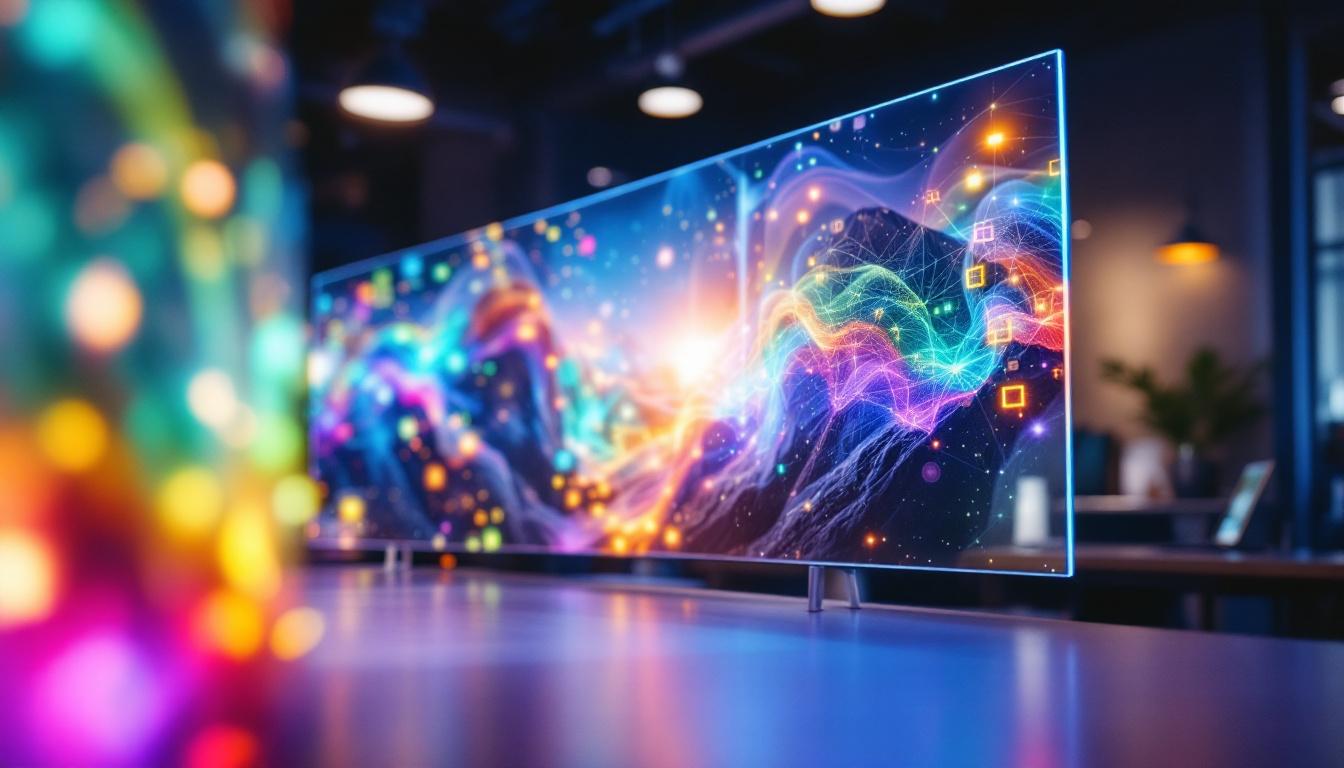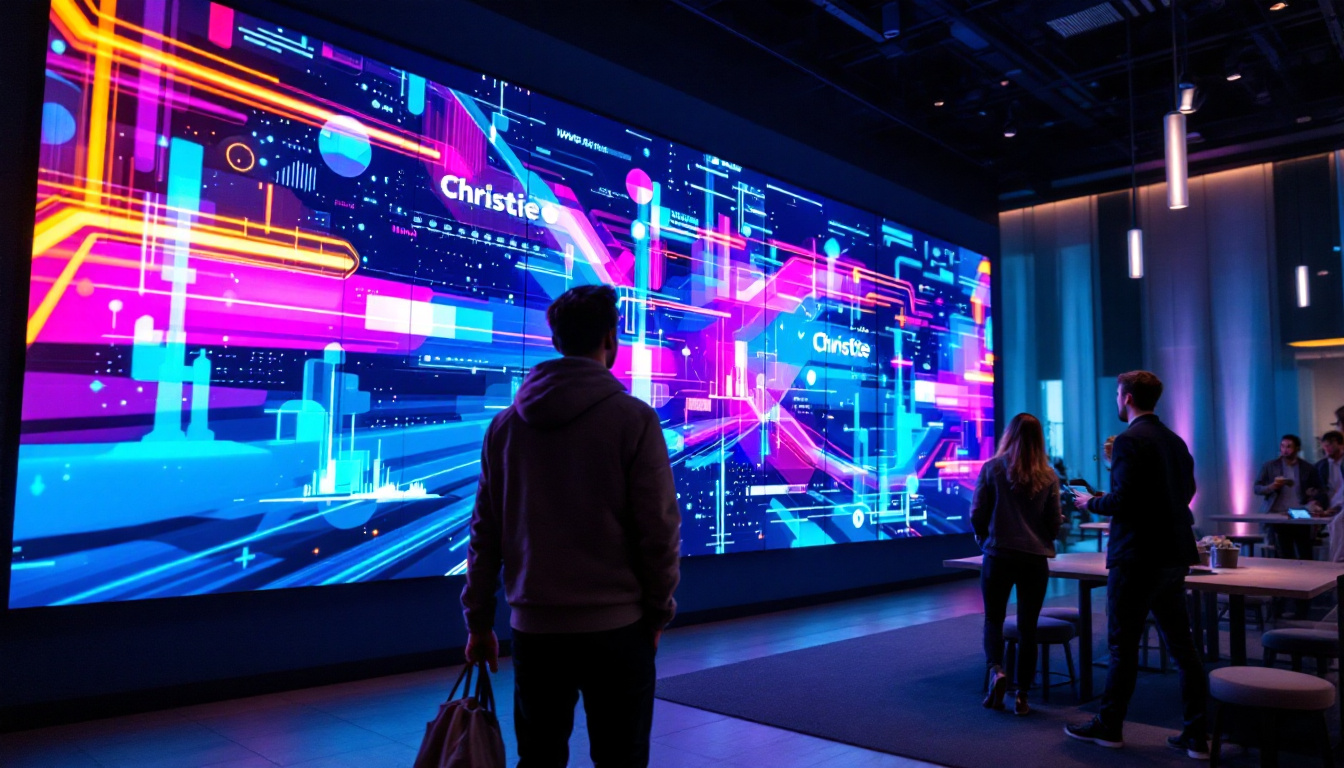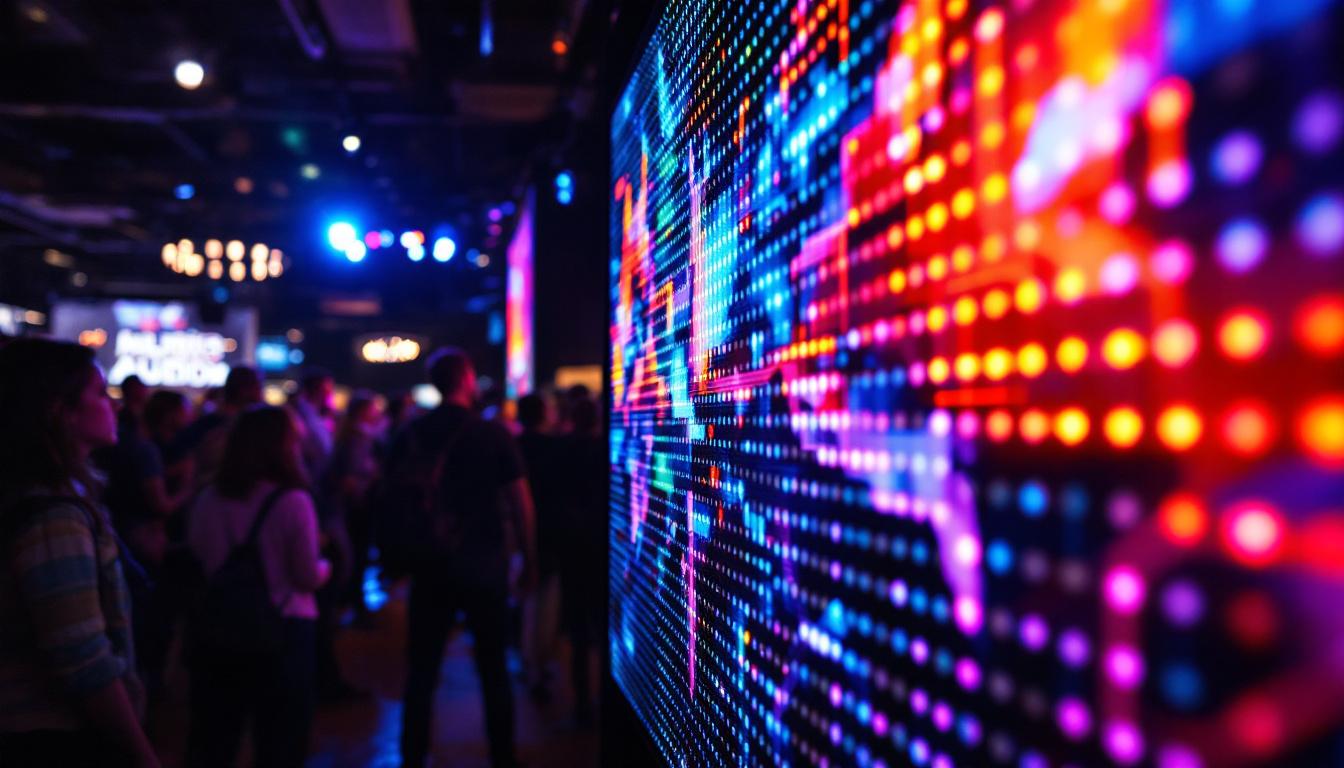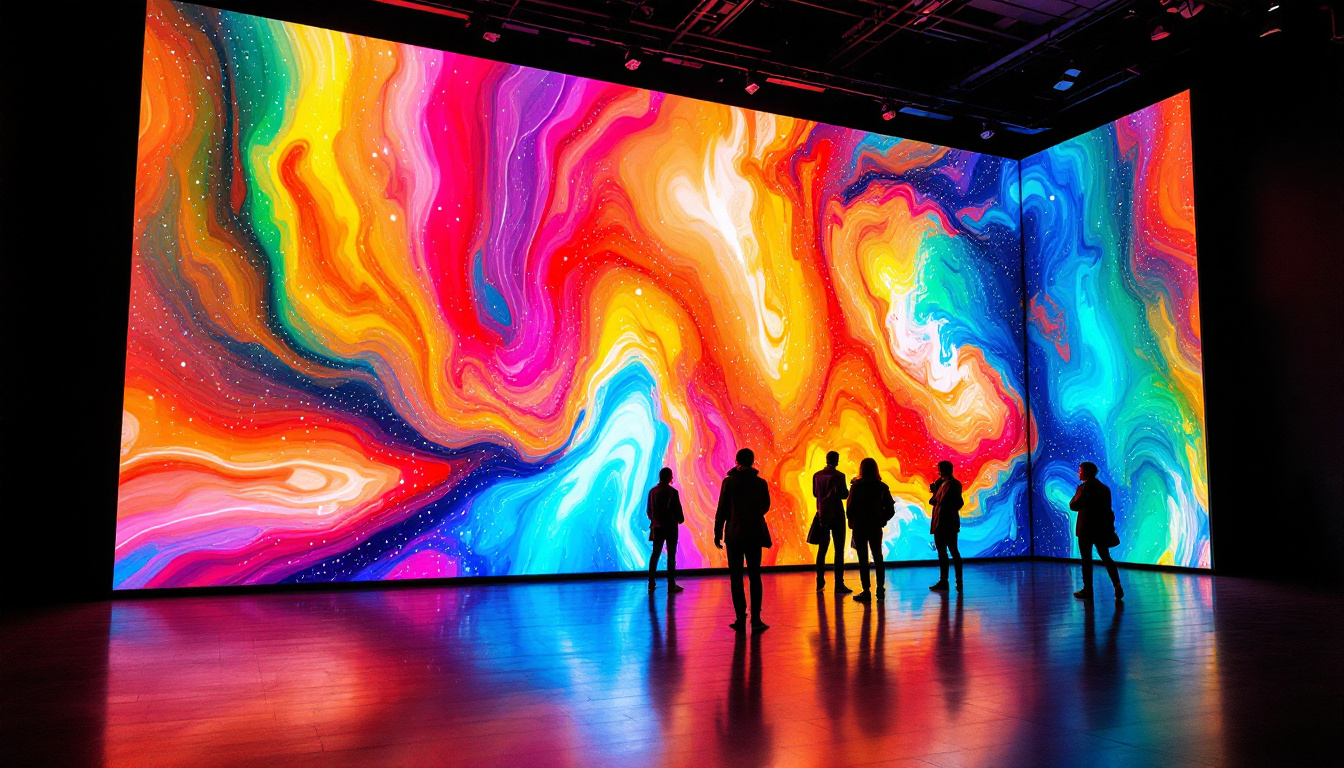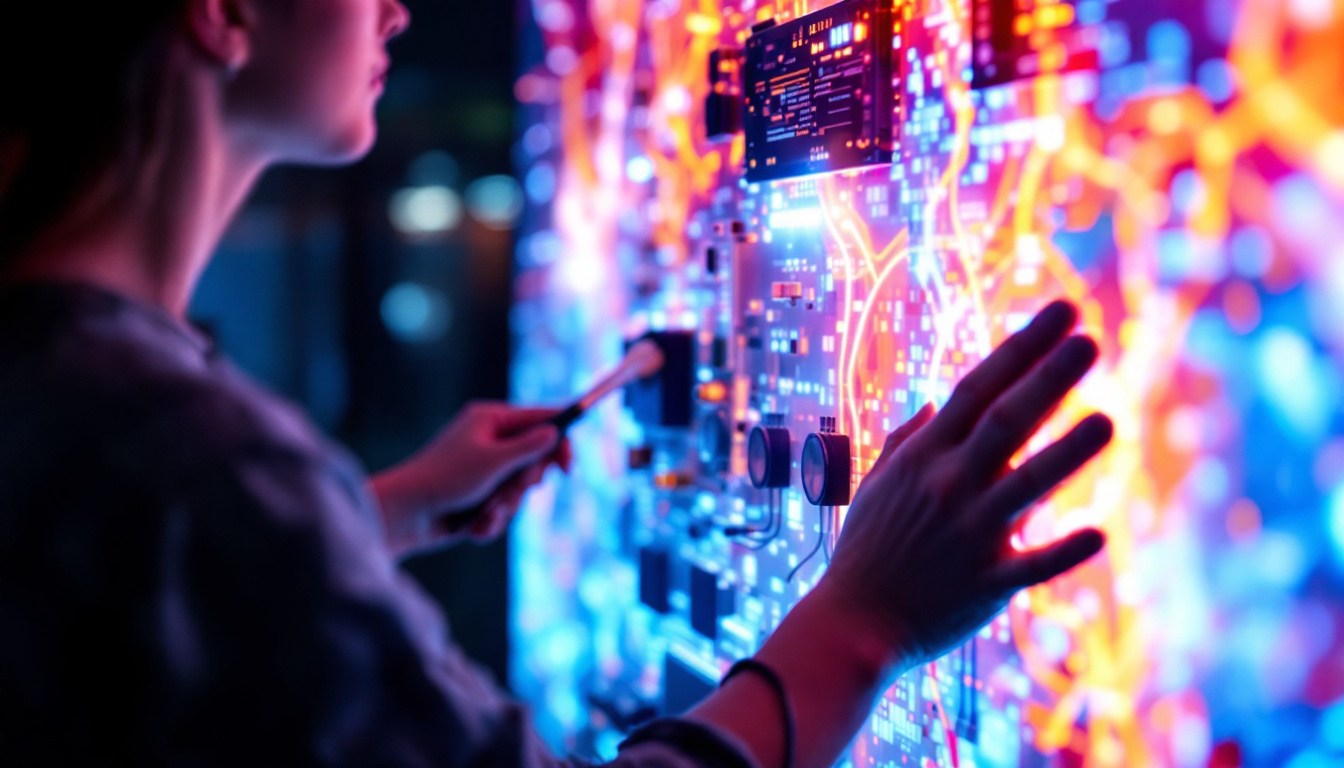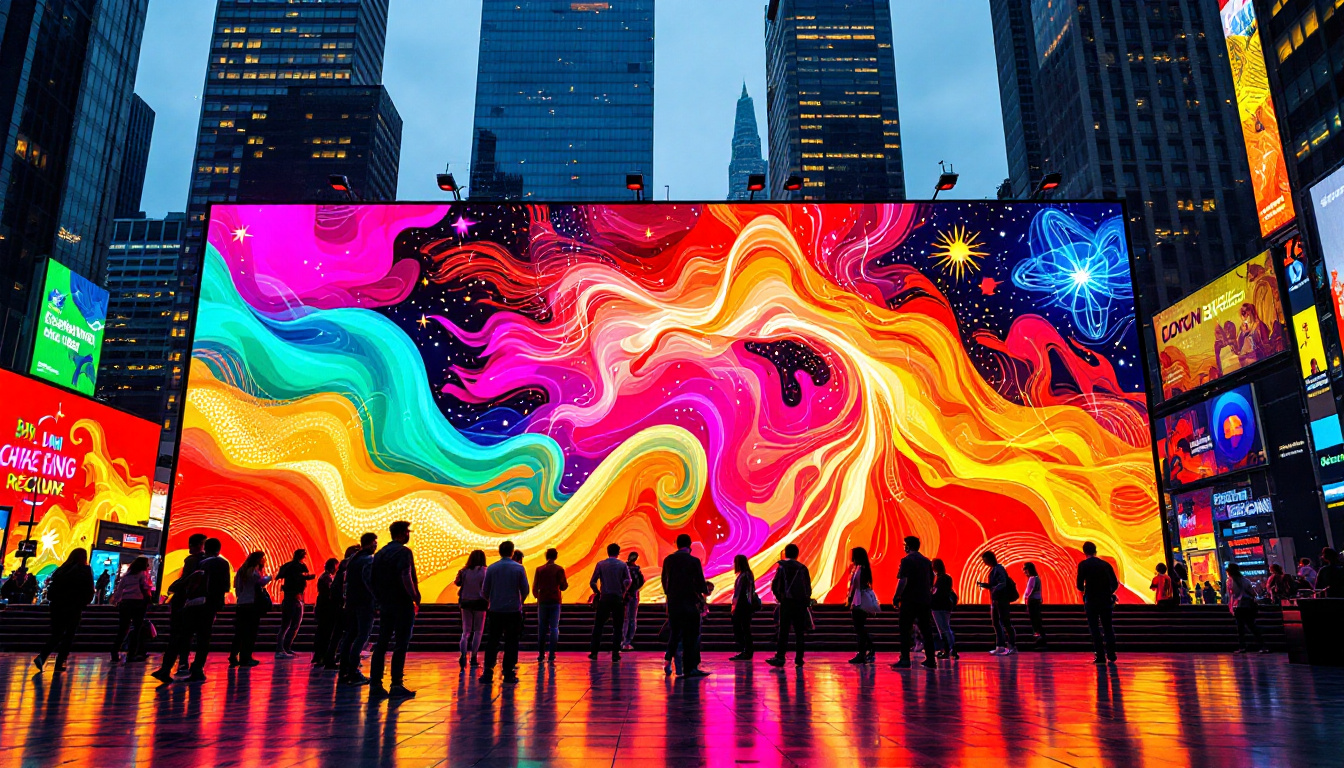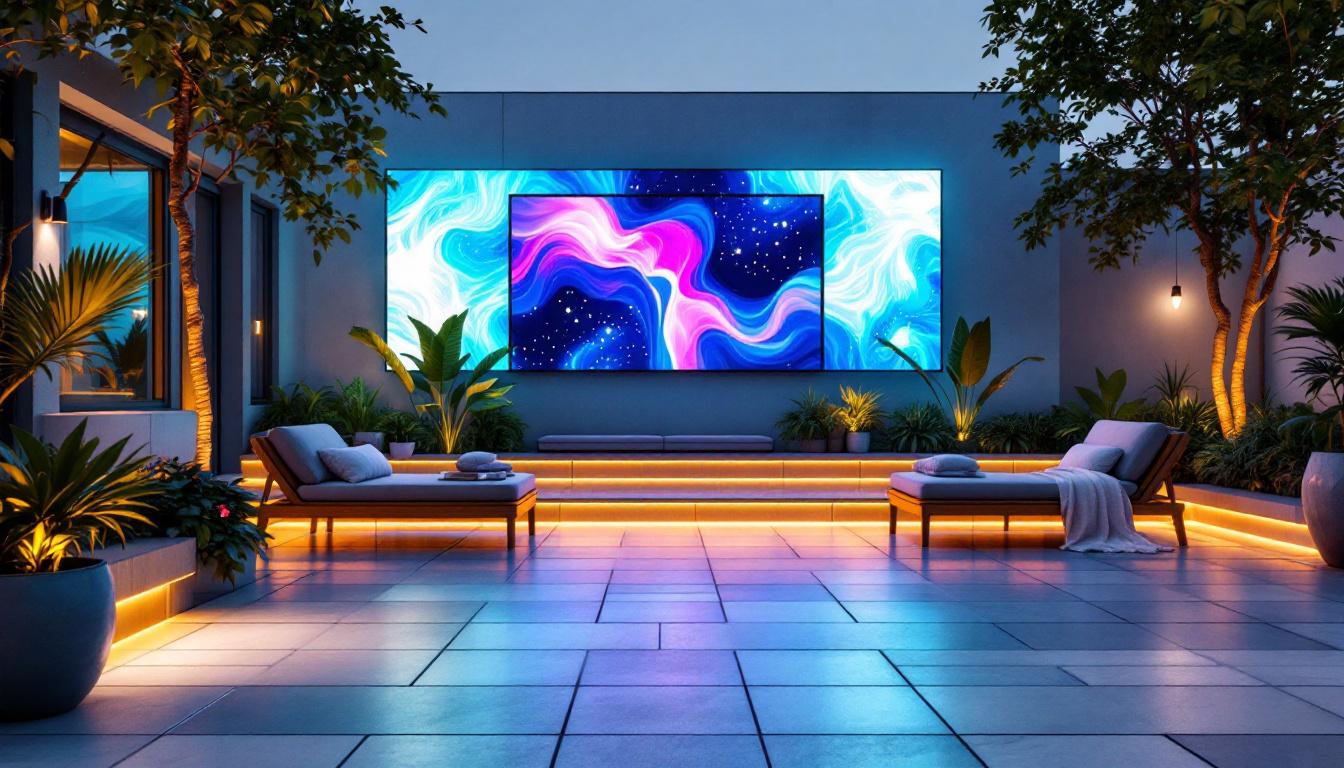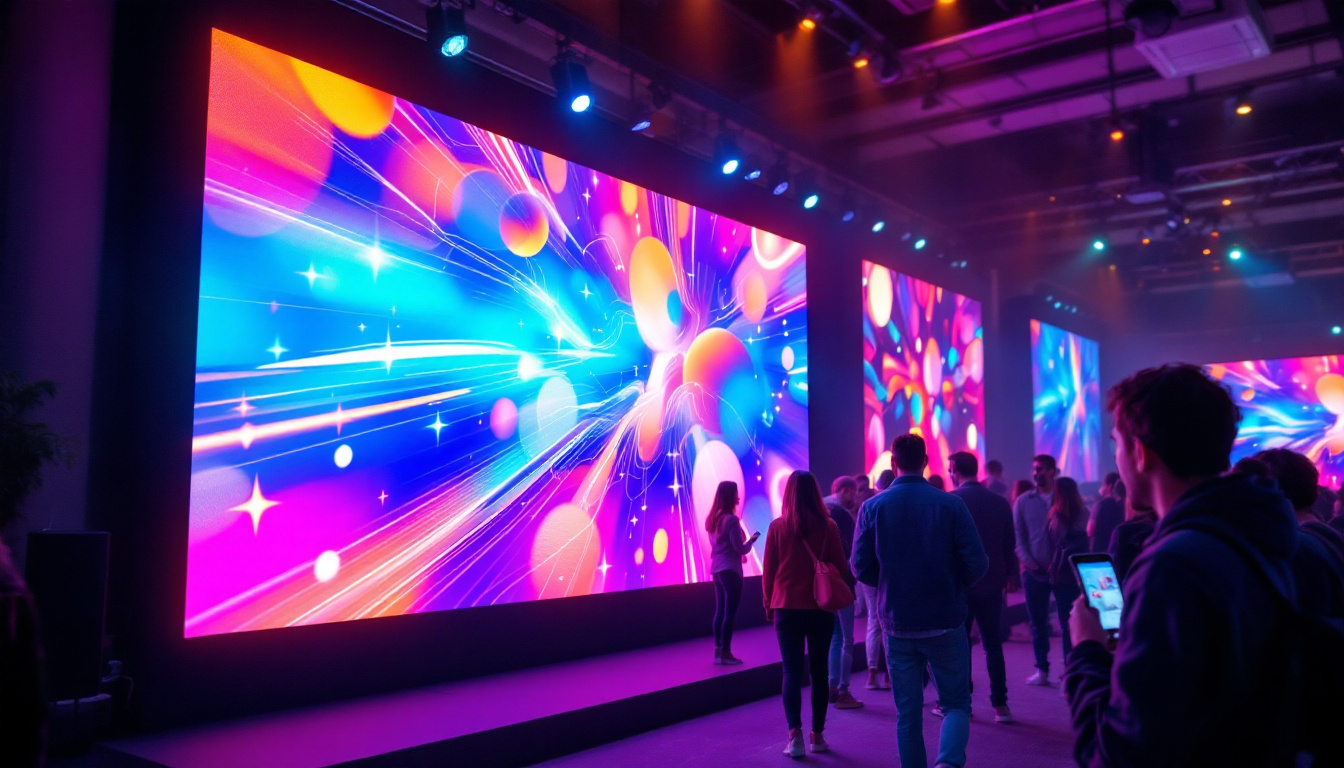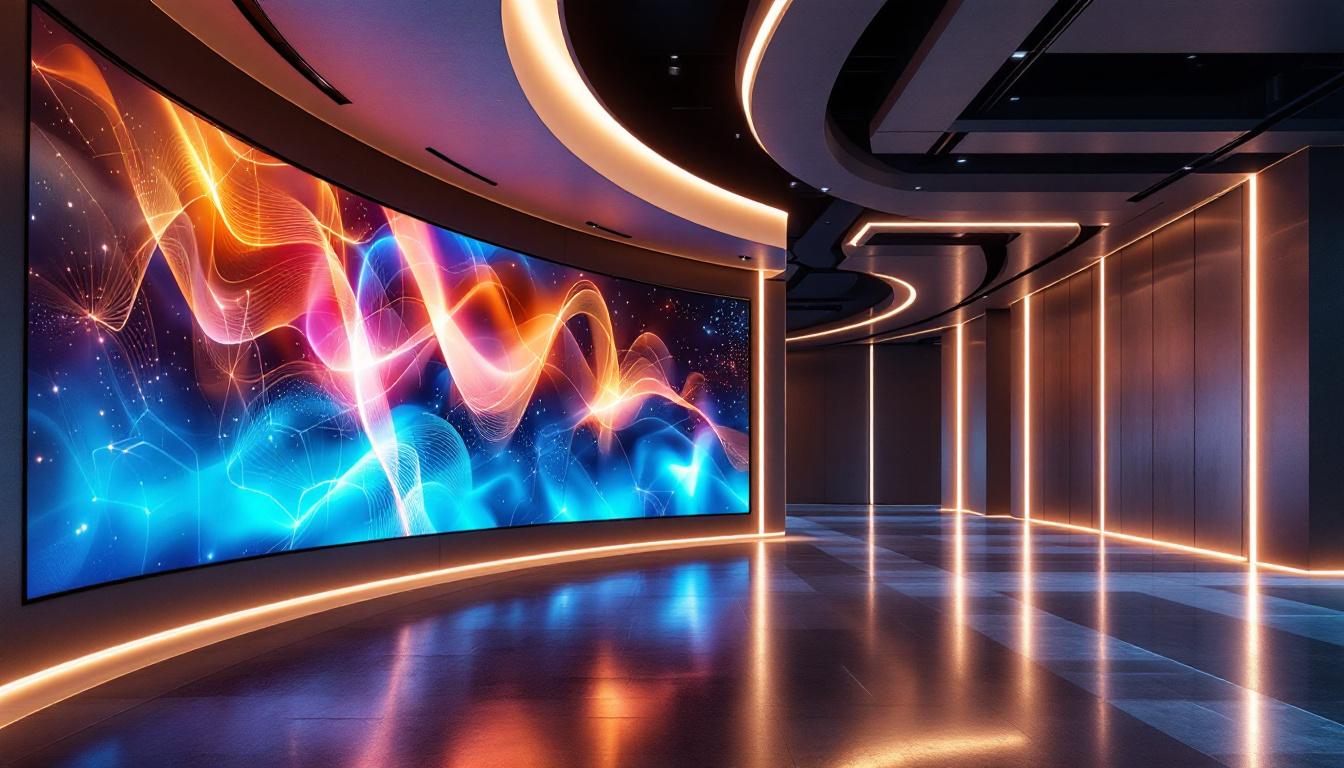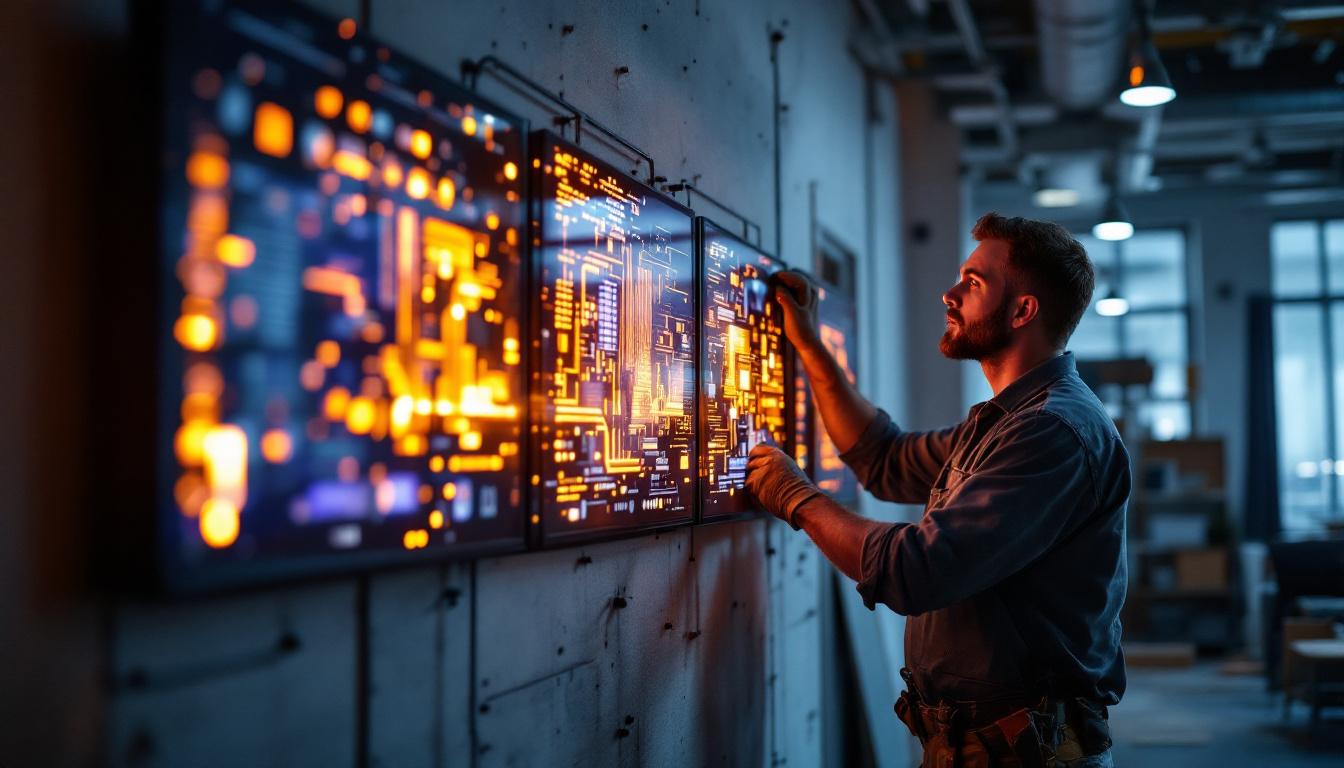
In the evolving world of interior design and architecture, integrating technology seamlessly into spaces has become a top priority. One of the most innovative ways to combine function and aesthetics is through the use of LED displays built into interior walls. These dynamic installations not only serve as captivating visual elements but also offer practical applications ranging from advertising and information dissemination to immersive art and interactive environments.
This article explores the process of building an interior wall that incorporates an LED display, breaking down the technical, structural, and design considerations. Whether you are a designer, architect, or technology enthusiast, understanding how to construct such walls will empower you to create spaces that are both modern and functional.
Understanding LED Displays in Interior Walls
Before diving into the construction process, it’s essential to understand what an LED display is and why it’s a popular choice for interior walls. LED (Light Emitting Diode) displays consist of an array of tiny light sources that can be individually controlled to produce images, videos, and animations. They are known for their brightness, energy efficiency, and long lifespan.
In interior settings, LED displays are often used for digital signage, art installations, or ambient lighting. Unlike traditional screens, LED walls can be customized to fit large or irregular surfaces, offering unparalleled flexibility in design. According to recent market research, the global LED display market is expected to grow at a compound annual growth rate (CAGR) of over 10% through 2027, reflecting increasing adoption in commercial and residential interiors alike. This trend is driven by the growing need for dynamic visual communication in retail spaces, corporate environments, and even homes, where aesthetics and functionality converge.
Types of LED Displays Suitable for Interior Walls
Choosing the right type of LED display is critical to the success of your project. The most common types include:
- Indoor LED Panels: Designed specifically for indoor use, these panels have higher pixel density for close-range viewing and lower brightness compared to outdoor models.
- Fine Pitch LED Displays: Featuring smaller pixel pitches (the distance between LEDs), these displays offer sharper images and are ideal for environments where viewers are close to the wall.
- Flexible LED Screens: These can bend or curve, allowing for creative wall designs that break away from traditional flat surfaces.
Understanding these options helps tailor the LED display to the intended use and space constraints. Additionally, the integration of LED displays into interior designs can enhance the overall atmosphere of a space. For instance, in a retail setting, a vibrant LED display can attract customers and convey brand messages effectively, while in a corporate office, it can serve as a dynamic backdrop for presentations or collaborative workspaces. The versatility of LED technology allows for seamless integration with other design elements, such as lighting and furniture, creating a cohesive and immersive environment.
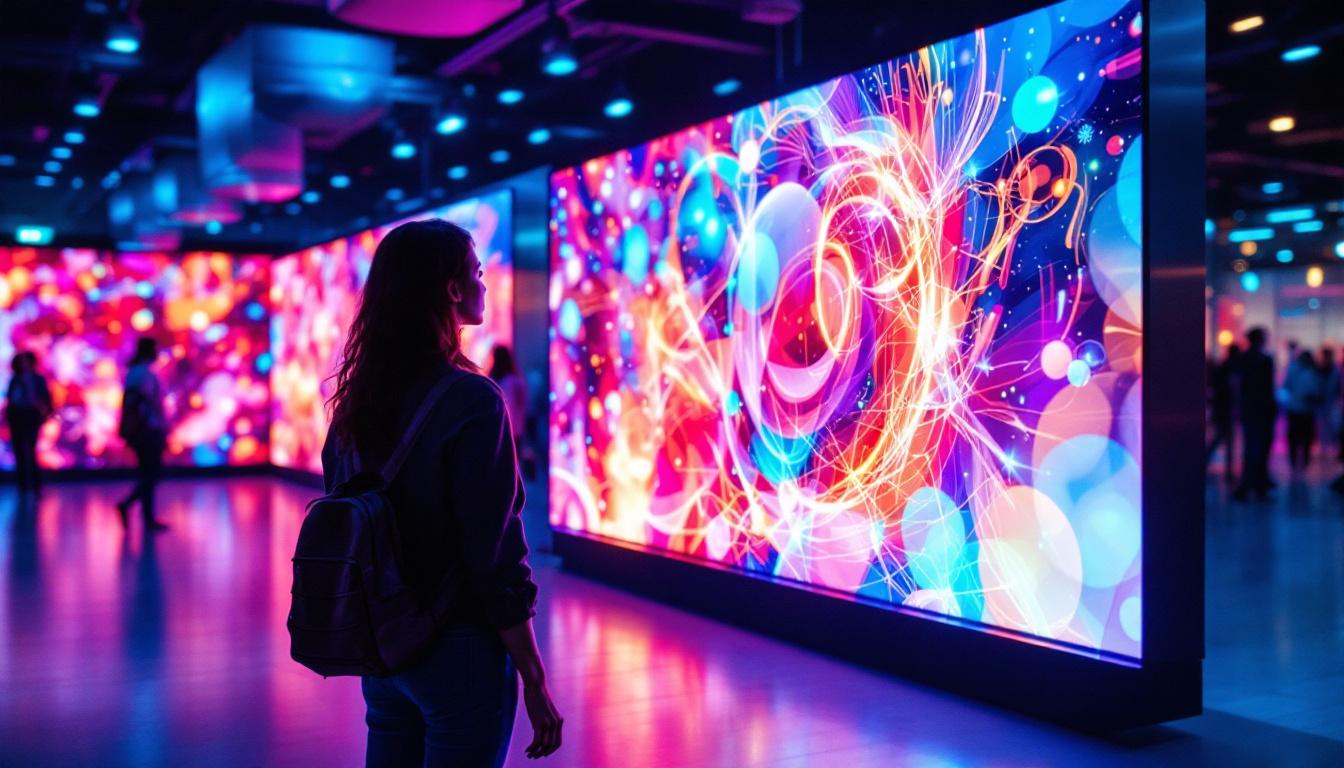
Moreover, advancements in LED technology have led to the development of smart displays that can interact with users through touch or motion sensors. This interactivity opens up new possibilities for engagement, allowing businesses to create unique experiences that captivate their audience. For example, a museum might utilize touch-sensitive LED panels to provide visitors with interactive exhibits, while a restaurant could implement motion-activated displays to showcase menu items in an engaging manner. As the technology continues to evolve, the potential applications for LED displays in interior design are virtually limitless, making them an exciting choice for both designers and clients alike.
Planning and Design Considerations
Building an interior wall with an LED display requires meticulous planning. This phase ensures that the final installation meets both aesthetic and functional requirements.
Assessing the Space and Purpose
Start by analyzing the room’s dimensions, lighting conditions, and viewing distances. For example, a lobby wall designed to showcase promotional content will have different requirements than a conference room wall used for presentations or an art piece.
Consider the ambient light: LED displays perform best when they can outshine surrounding light sources without causing glare. Dimming controls and anti-reflective coatings can help optimize visibility. Additionally, the choice of content is crucial; vibrant colors and dynamic visuals may be more effective in a high-traffic area, while subtle animations or static images might be more appropriate for quieter environments. Understanding the target audience and their interaction with the display can significantly influence design decisions.
Structural Requirements
The wall must be engineered to support the weight and dimensions of the LED panels. While LED panels are generally lightweight, a large installation can add significant load. Consulting with a structural engineer ensures the wall framework is safe and durable.
Additionally, the wall should allow for ventilation and heat dissipation. LEDs generate heat, and insufficient airflow can reduce their lifespan and performance. Incorporating ventilation gaps or active cooling systems is advisable for larger installations. It’s also worth considering the materials used in the wall construction; materials with good thermal conductivity can help in managing heat, while also providing a sturdy base for the LED panels. Furthermore, the aesthetic finish of the wall should complement the overall design theme of the space, ensuring that the display integrates seamlessly with its surroundings.
Electrical and Connectivity Planning
Power supply and data connectivity are critical for LED displays. Plan for sufficient electrical circuits, considering the power consumption of the LED panels and any associated equipment like controllers and cooling fans.
Data cables must be routed discreetly within the wall, with easy access points for maintenance. Wireless control options are emerging but currently, wired connections remain the most reliable for large-scale displays. It is also essential to account for surge protection and backup power solutions to prevent downtime during critical presentations or events. Moreover, integrating smart technology can enhance the functionality of the display; for instance, incorporating sensors that adjust brightness based on ambient light or scheduling software that automates content changes can elevate the user experience and streamline operations.
Step-by-Step Construction Process
Once the design and planning are complete, the construction phase can begin. This section outlines the key steps involved in building an interior wall with an integrated LED display.
1. Framing the Wall
The first step is to build the wall framework, typically using metal studs or timber, depending on the building code and structural requirements. The frame should be perfectly level and plumb to ensure the LED panels align correctly.
Reinforce the frame where the LED panels will mount, and include spaces for electrical conduits and ventilation. Precision at this stage prevents costly adjustments later.
2. Installing Electrical Infrastructure
Before covering the frame, install all necessary electrical wiring and data cabling. This includes power lines, network cables, and any control system wiring. Use conduit pipes to protect cables and facilitate future upgrades or repairs.
Ensure compliance with local electrical codes and safety standards. Engage a licensed electrician to perform and inspect the work.
3. Mounting the LED Panels
LED panels typically come with mounting brackets or rails. Secure these to the wall frame, verifying alignment and spacing according to the manufacturer’s specifications.
Attach the LED modules carefully, connecting power and data cables as you progress. Use a modular approach so individual panels can be replaced or serviced without dismantling the entire wall.
4. Calibration and Testing
Once installed, the LED display requires calibration to ensure uniform brightness, color accuracy, and seamless image rendering across panels. Specialized software tools are used to adjust settings and diagnose any issues.
Test the display under various lighting conditions and input sources to confirm performance meets expectations.
5. Finishing Touches
Conceal the supporting framework and wiring with drywall, trim, or custom finishes that complement the interior design. Ensure ventilation openings remain unobstructed.
Consider integrating ambient lighting or acoustic treatments to enhance the overall environment.
Maintenance and Longevity of LED Interior Walls
Proper maintenance extends the life and performance of LED walls. Regular cleaning, software updates, and inspections are essential.
Cleaning and Upkeep
Dust and dirt can accumulate on LED surfaces, reducing brightness and clarity. Use soft, dry cloths or approved cleaning solutions to gently clean the panels. Avoid abrasive materials or harsh chemicals.
Software and Hardware Maintenance
Keep the display’s control software updated to benefit from new features and security improvements. Monitor hardware for signs of wear, such as flickering LEDs or connectivity issues, and replace faulty modules promptly.
Energy Efficiency Considerations
Modern LED displays are energy-efficient, but large installations can still consume significant power. Implementing smart power management, such as dimming during low usage periods, helps reduce operational costs and environmental impact.
Applications and Benefits of Interior LED Walls
Integrating LED displays into interior walls unlocks numerous possibilities across various sectors.
Commercial and Retail Spaces
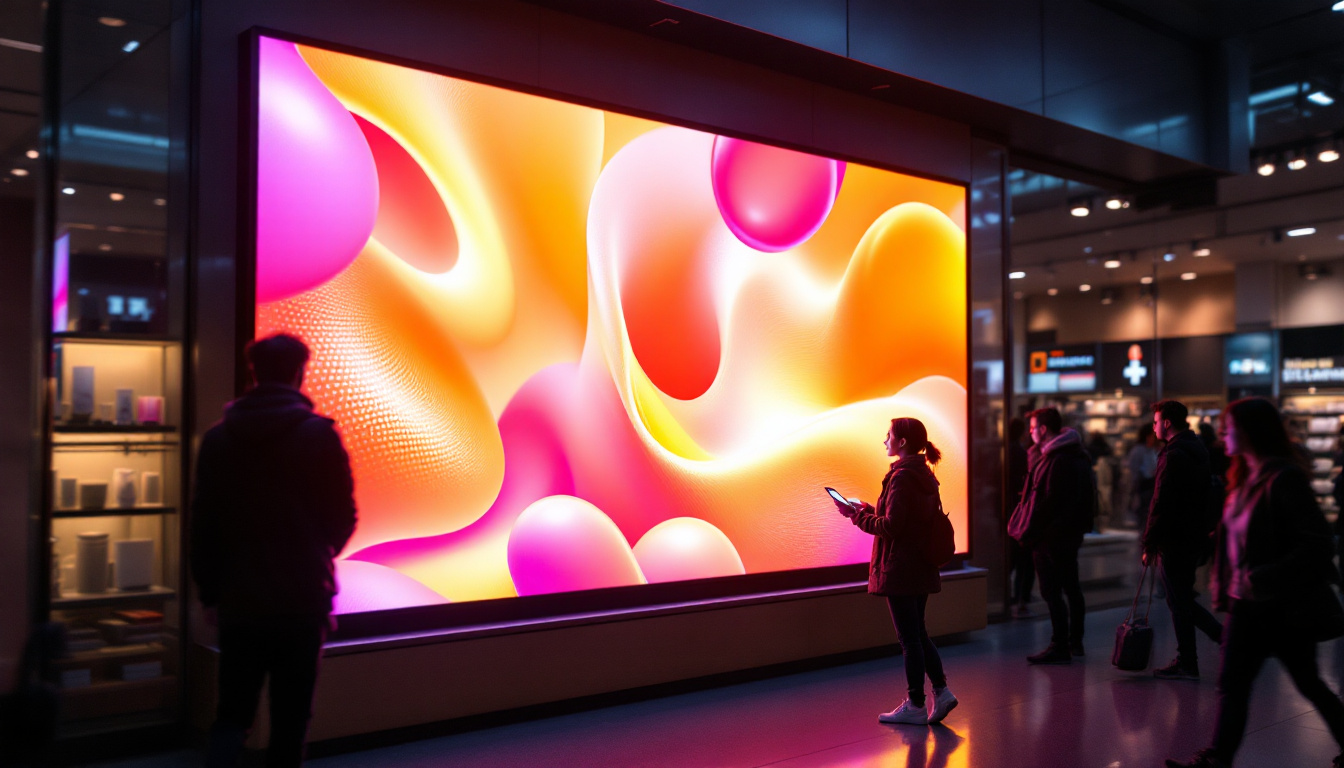
Retailers use LED walls to attract customers with dynamic advertisements and interactive displays. Studies show that digital signage can increase customer engagement by up to 30%, making LED walls a powerful marketing tool.
Corporate and Educational Environments
In offices and educational institutions, LED walls enhance presentations, foster collaboration, and create immersive learning experiences. Their flexibility allows for real-time data visualization and virtual meetings.
Hospitality and Entertainment
Hotels, restaurants, and entertainment venues leverage LED walls to create memorable atmospheres and showcase multimedia content. Customizable designs allow for themed environments that adapt to different events.
Residential Use
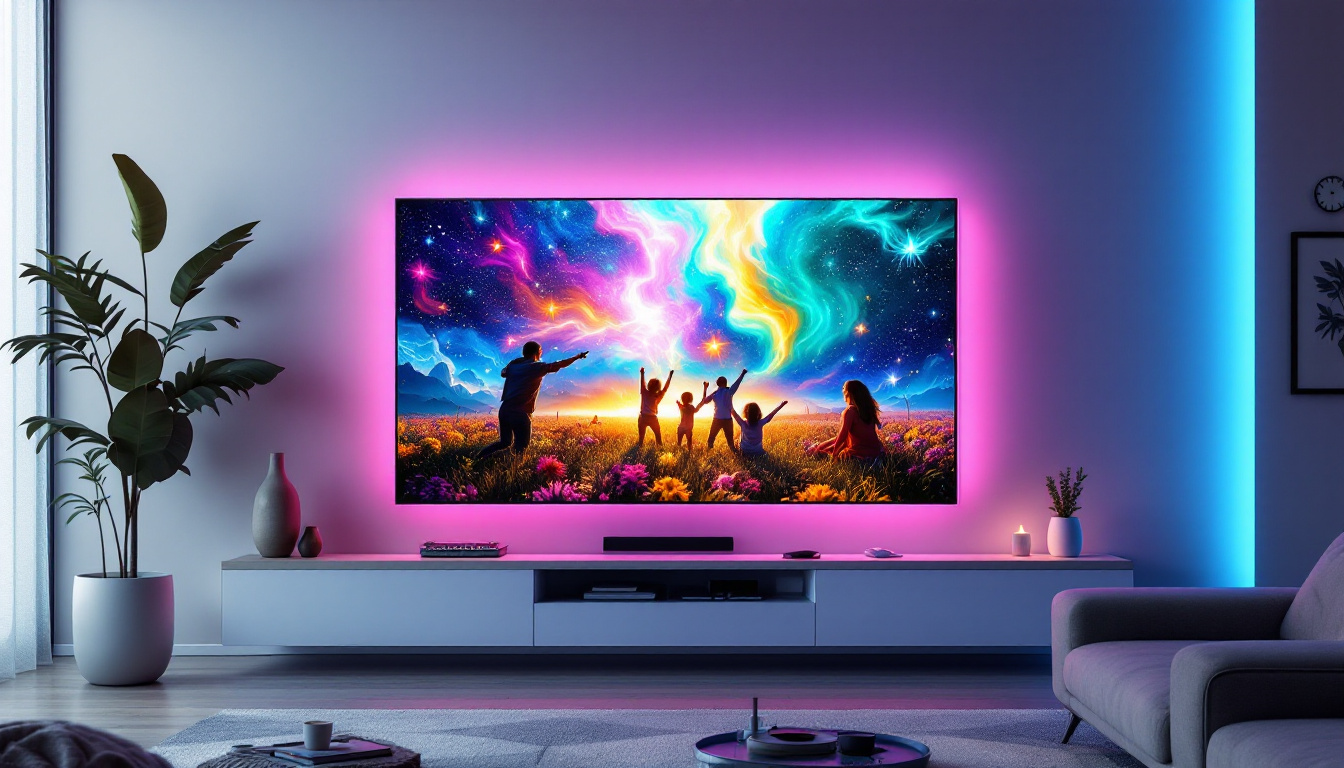
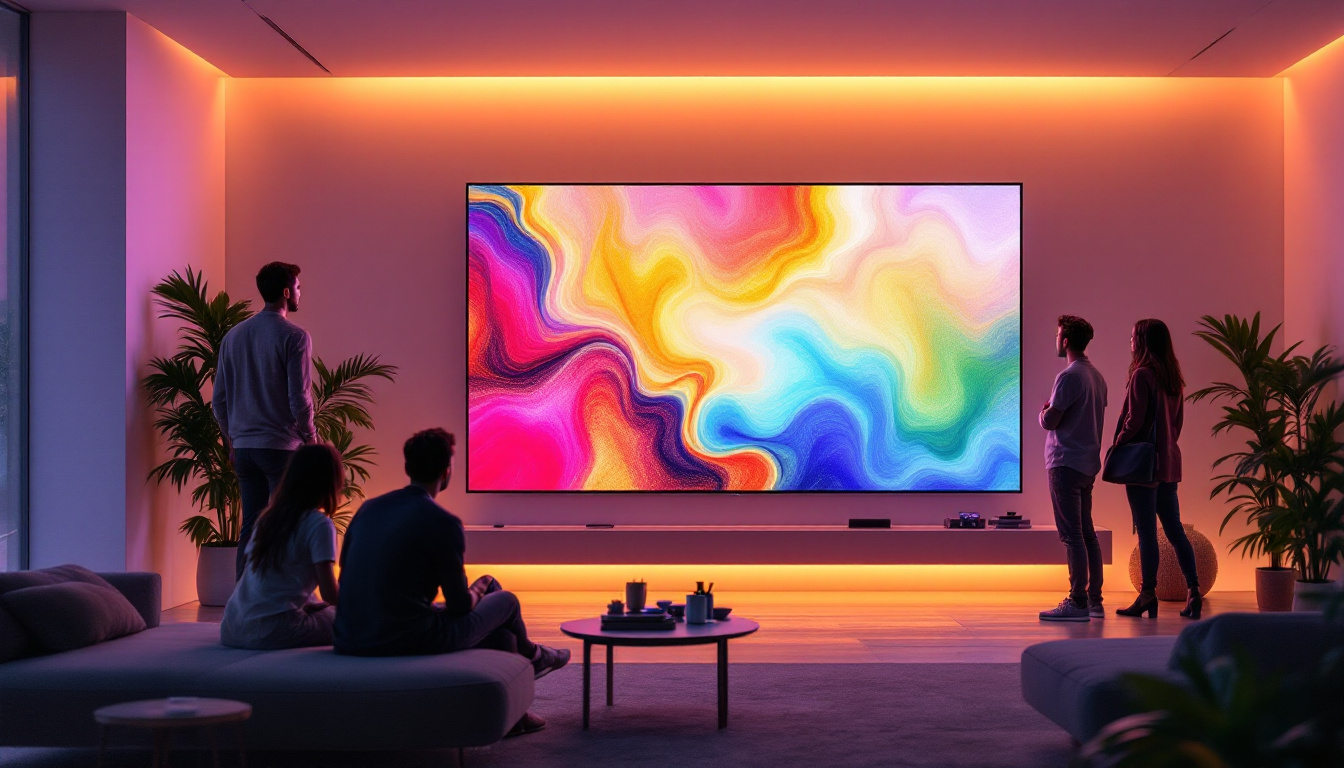
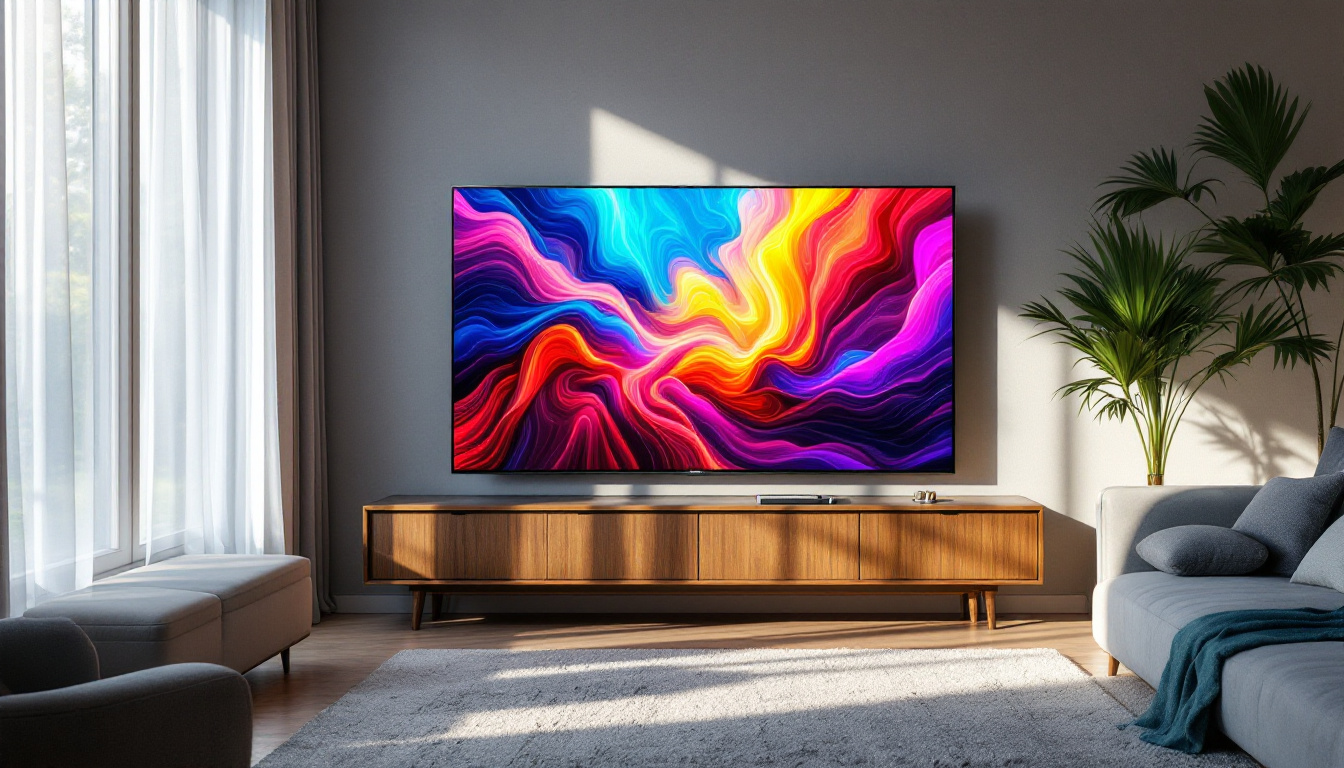
Although less common, LED walls are gaining popularity in luxury homes for home theaters, gaming rooms, and art displays, offering a futuristic aesthetic and versatile functionality.
Conclusion
Building an interior wall with an integrated LED display is a multidisciplinary endeavor that combines architecture, engineering, and digital technology. With careful planning, precise construction, and ongoing maintenance, LED walls can transform interior spaces into vibrant, interactive environments.
As LED technology continues to advance, the possibilities for creative and functional interior walls will expand, making this an exciting area for designers and technologists alike. Whether for commercial, educational, or residential applications, understanding the process and considerations involved is key to harnessing the full potential of LED displays in interior walls.
Discover LumenMatrix LED Display Solutions
Ready to elevate your space with the vibrant, interactive environments described in this article? LumenMatrix is at the forefront of LED display technology, offering a wide range of solutions tailored to your needs. From Indoor LED Wall Displays to Custom LED Displays and beyond, our products are designed to captivate audiences and amplify your message with unparalleled clarity. Don’t miss the opportunity to transform your commercial, educational, or residential spaces. Check out LumenMatrix LED Display Solutions today and start your journey towards a more engaging and visually dynamic environment.