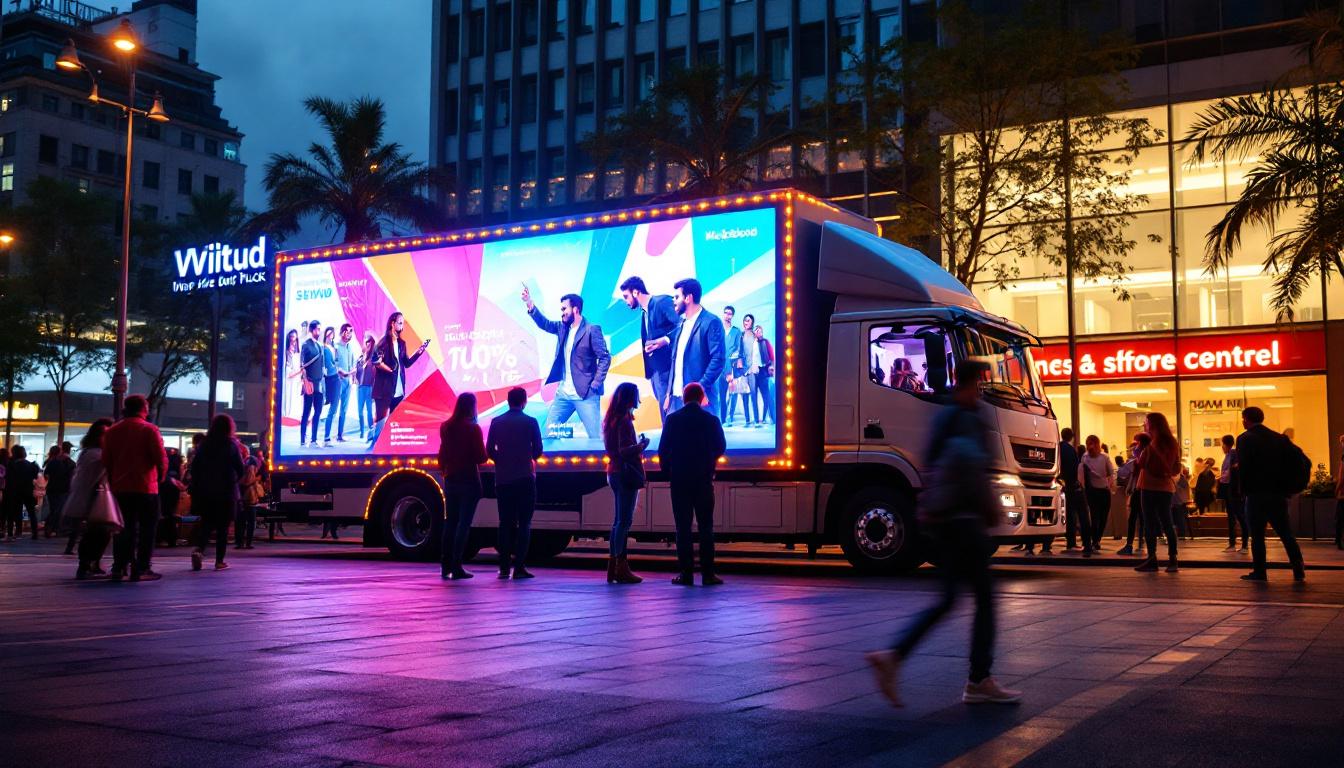
In an era where digital advertising continues to evolve rapidly, mobile ad trucks equipped with LED displays have emerged as a dynamic and impactful marketing solution. These vehicles combine mobility with high-visibility digital signage, allowing brands to reach audiences in diverse locations with vibrant, attention-grabbing content. This article explores the technology behind mobile ad trucks with LED displays, their benefits, applications, and best practices for maximizing their advertising potential.
Understanding Mobile Ad Trucks and LED Displays
What Is a Mobile Ad Truck?
A mobile ad truck is essentially a vehicle outfitted with large digital screens, typically LED displays, designed for advertising purposes. Unlike static billboards, these trucks can move to different locations, bringing advertisements directly to target audiences in high-traffic areas, events, or strategic urban spots. They offer brands flexibility and immediacy that traditional outdoor advertising cannot match. The mobility of these trucks allows advertisers to capitalize on real-time events, such as concerts, festivals, or sporting events, ensuring that their messages reach potential customers when they are most engaged and receptive.
In addition to their mobility, mobile ad trucks can also be equipped with sound systems, enabling them to deliver audio messages alongside visual content. This multi-sensory approach enhances the effectiveness of the advertising, capturing the attention of passersby and creating a memorable experience. Advertisers can also tailor their campaigns to specific demographics by choosing locations and times that align with their target audience, making mobile ad trucks a versatile tool in modern marketing strategies.
The Role of LED Displays in Mobile Advertising
LED (Light Emitting Diode) displays are the core technology behind mobile ad trucks. These screens are composed of thousands of tiny LEDs that emit light in various colors, creating bright, high-resolution images and videos. Their brightness and clarity make them ideal for outdoor use, even in direct sunlight, ensuring that advertisements remain visible and impactful throughout the day. The dynamic nature of LED displays allows for the rotation of multiple advertisements, giving brands the opportunity to showcase a range of products or messages in a single location, maximizing exposure and engagement.
Modern LED displays are also energy-efficient and durable, capable of withstanding various weather conditions. This reliability is crucial for mobile ad trucks that operate in diverse environments and need to maintain consistent performance. Furthermore, advancements in technology have led to the development of flexible and lightweight LED panels, enabling even greater versatility in display configurations. Some mobile ad trucks now feature interactive screens that allow viewers to engage with the content, such as participating in polls or contests, which not only enhances audience interaction but also provides valuable data for advertisers to analyze consumer behavior and preferences.
Key Advantages of Using Mobile Ad Trucks with LED Displays
High Visibility and Engagement
One of the primary advantages of mobile ad trucks is their ability to capture attention through vivid, moving visuals. Studies show that digital signage can increase brand awareness by up to 47.7% compared to static signs. The dynamic content on LED screens naturally draws the eye, making it easier for brands to communicate messages effectively.
Furthermore, mobile ad trucks can be positioned in areas with high foot or vehicle traffic, such as shopping districts, sports events, festivals, or busy intersections. This strategic placement enhances the likelihood of engagement, as the moving display stands out amid the urban clutter.
Flexibility and Targeted Reach
Unlike fixed billboards or posters, mobile ad trucks offer unparalleled flexibility. Advertisers can tailor campaigns to specific times and locations, targeting demographics more precisely. For example, a food delivery service might deploy mobile ad trucks near office complexes during lunch hours, while a concert promoter could focus on nightlife districts in the evening.
This mobility also allows brands to test different markets and adjust messaging based on real-time feedback, optimizing campaign effectiveness without the need for multiple static installations.
Cost-Effectiveness Compared to Traditional Media
While the initial investment in mobile ad trucks and LED technology can be significant, the overall cost-effectiveness is notable. Traditional billboards often require long-term contracts and incur additional costs for printing and installation. Mobile ad trucks eliminate many of these expenses by offering reusable, programmable digital displays.
Moreover, the ability to run multiple campaigns on the same truck reduces per-campaign costs. Brands can also avoid wasted impressions by targeting specific locations and times, improving the return on advertising spend.
Technical Components of Mobile Ad Truck LED Displays
LED Panel Specifications
The quality of an LED display depends on several technical factors, including pixel pitch, resolution, brightness, and refresh rate. Pixel pitch—the distance between the centers of two adjacent LEDs—determines the display’s clarity and viewing distance. Smaller pixel pitches (e.g., 4mm to 10mm) provide higher resolution and are suitable for close-up viewing, while larger pitches are better for distant viewing.
Brightness is another critical parameter, measured in nits. Outdoor LED displays typically require brightness levels between 5,000 and 8,000 nits to remain visible under direct sunlight. High refresh rates (above 1,000 Hz) ensure smooth video playback without flickering, which is essential for maintaining viewer engagement.
Control Systems and Content Management
Mobile ad trucks use sophisticated control systems to manage the LED displays. These systems allow operators to upload, schedule, and switch content remotely via wireless networks. Content management software often supports various media formats, including images, videos, animations, and live feeds.
Advanced setups may incorporate GPS tracking and audience analytics, enabling advertisers to monitor campaign performance and adjust strategies in real-time. This data-driven approach enhances targeting precision and campaign ROI.
Power Supply and Durability
LED displays on mobile ad trucks require a reliable power source, typically provided by onboard generators or batteries. Energy-efficient LED technology helps extend operating times and reduce fuel consumption. Additionally, the displays and truck components are built to withstand vibrations, weather exposure, and temperature fluctuations, ensuring consistent performance during mobile operations.
Applications and Use Cases of Mobile Ad Trucks
Event Marketing and Promotions
Mobile ad trucks are particularly effective for event marketing. Whether promoting concerts, sports games, festivals, or product launches, these trucks can be deployed to generate buzz and direct attendees to event locations. Their ability to display dynamic content such as countdowns, live social media feeds, and interactive messages enhances audience engagement.
Political Campaigns and Public Announcements
Political candidates and public agencies frequently use mobile ad trucks to disseminate messages during election seasons or public awareness campaigns. The mobility allows them to cover multiple neighborhoods and reach diverse voter groups efficiently. LED displays can broadcast speeches, slogans, and real-time updates, making communication more immediate and impactful.
Retail and Product Advertising
Retailers and brands leverage mobile ad trucks to promote sales, new product launches, or seasonal offers. By positioning trucks near shopping centers or busy streets, advertisers can attract spontaneous shoppers and drive foot traffic. The ability to quickly update content means promotions can be timely and relevant, responding to market trends or competitor activity.
Best Practices for Effective Mobile Ad Truck Campaigns
Designing Compelling Content
Content is king when it comes to mobile advertising. Given the limited viewing time as trucks move through traffic, messages must be concise, visually striking, and easy to understand at a glance. Using bold colors, large fonts, and high-contrast images enhances readability.
Incorporating motion graphics and video can increase engagement, but it is important to avoid overly complex animations that may distract or confuse viewers. Calls to action should be clear and include simple contact information or QR codes for immediate interaction.
Strategic Route Planning
Maximizing the impact of a mobile ad truck campaign depends heavily on route planning. Identifying high-traffic areas, peak times, and target demographics ensures that the truck reaches the intended audience effectively. Collaboration with local authorities may be necessary to secure permits and comply with regulations.
Using GPS and traffic data can help optimize routes to avoid congestion and maximize exposure during key periods, such as rush hours or special events.
Monitoring and Measuring Campaign Performance
To assess the effectiveness of mobile ad truck campaigns, advertisers should leverage available analytics tools. These may include GPS tracking, audience measurement technologies, and engagement metrics such as QR code scans or website visits linked to the campaign.
Regularly reviewing performance data allows for timely adjustments to content, routes, or scheduling, improving overall campaign outcomes and justifying investment.
Challenges and Considerations
Regulatory and Legal Constraints
Advertising on mobile ad trucks is subject to local regulations that vary by city and country. Restrictions may include limits on where and when trucks can operate, brightness levels, and content restrictions. It is essential for advertisers to research and comply with these rules to avoid fines or disruptions.
Environmental and Safety Concerns
While mobile ad trucks offer many benefits, they also raise environmental and safety considerations. The vehicles contribute to traffic and emissions, and bright LED screens can potentially distract drivers or pedestrians. Responsible operation, including adherence to safety guidelines and minimizing idling times, helps mitigate these issues.
Technical Maintenance and Reliability
Maintaining the LED displays and vehicle systems is critical to ensure uninterrupted advertising. Technical failures can lead to lost impressions and damage to brand reputation. Regular inspections, software updates, and prompt repairs are necessary components of a successful mobile ad truck operation.
The Future of Mobile Ad Trucks with LED Displays
Advancements in LED technology, data analytics, and connectivity are shaping the future of mobile advertising. Emerging trends include integration with 5G networks for real-time content updates, augmented reality (AR) enhancements to create immersive experiences, and AI-driven targeting to personalize advertisements based on location and audience behavior.
As cities become smarter and consumers more digitally connected, mobile ad trucks will continue to evolve, offering increasingly sophisticated and interactive ways for brands to engage audiences on the move.
Conclusion
Mobile ad trucks equipped with LED displays represent a powerful fusion of mobility and digital signage technology. Their ability to deliver bright, dynamic content directly to target audiences in varied locations makes them an attractive option for advertisers seeking flexibility, high engagement, and measurable results. Understanding the technology, strategic deployment, and operational considerations is key to harnessing the full potential of this innovative advertising medium.
As digital marketing landscapes continue to shift, mobile ad trucks stand out as a versatile and impactful tool that can adapt to the needs of modern brands and consumers alike.
Illuminate Your Brand with LumenMatrix
Ready to take your advertising to the next level? Discover how LumenMatrix’s advanced LED display technology can transform your mobile marketing efforts. With a wide array of solutions from Indoor and Outdoor LED Wall Displays to innovative Vehicle LED Displays and beyond, LumenMatrix is at the forefront of creating immersive visual experiences that captivate and engage. Elevate your brand’s presence and connect with your audience like never before. Check out LumenMatrix LED Display Solutions today and light up the path to impactful visual communication.