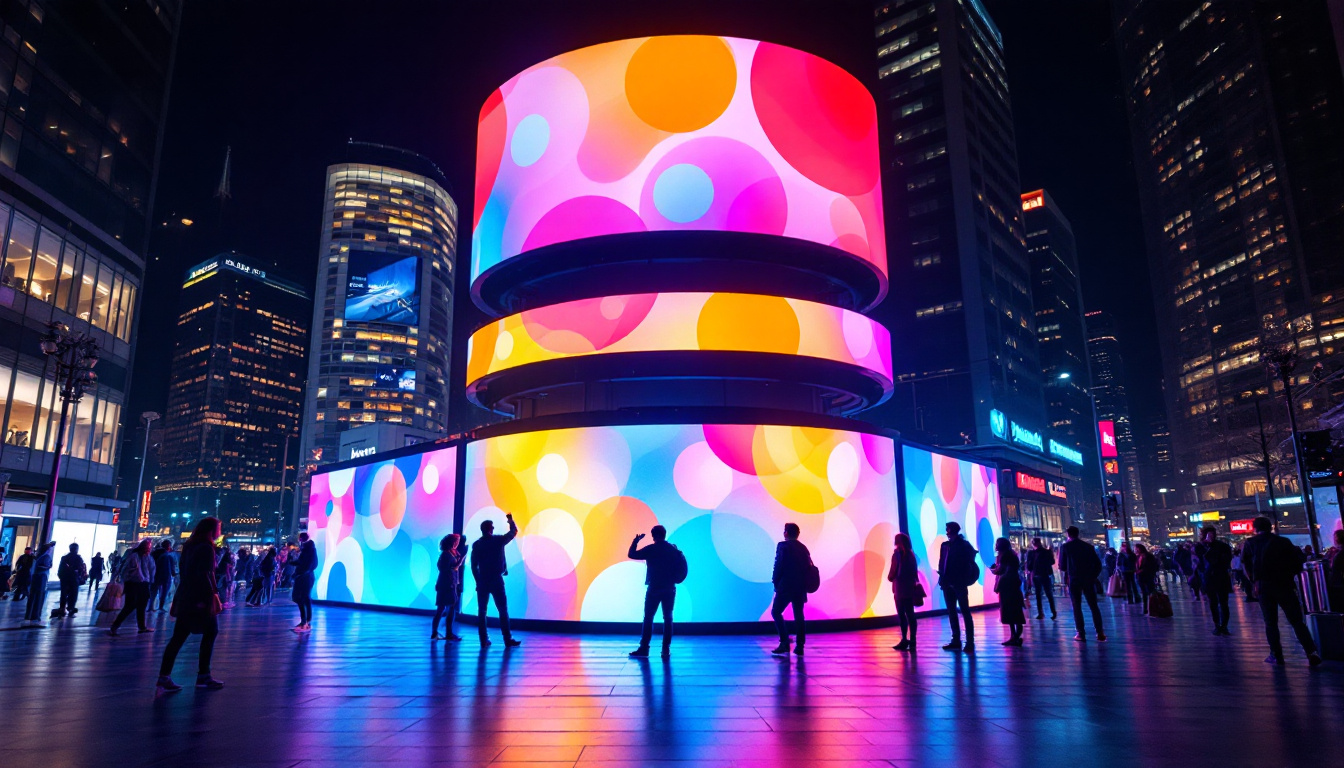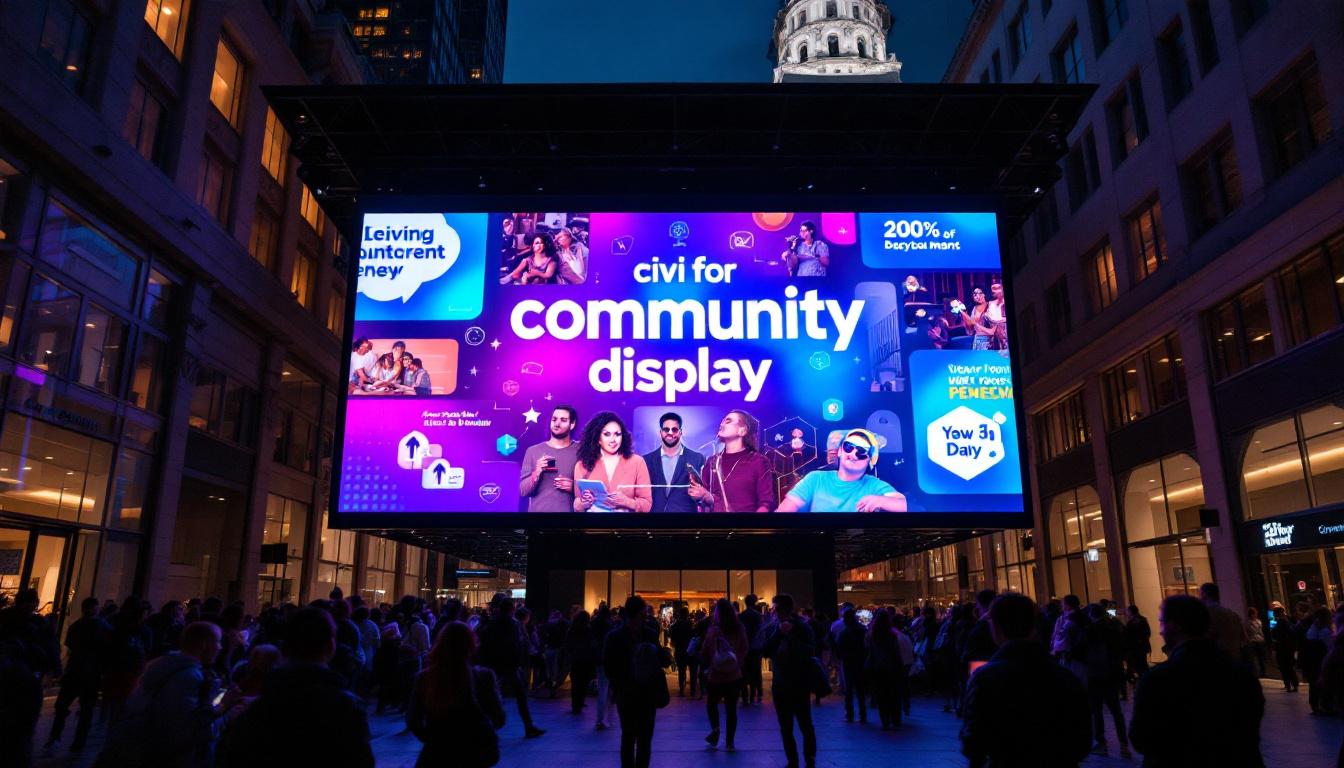
In recent years, LED display technology has become an increasingly vital tool for local governments across the United States. From public safety alerts and community event announcements to real-time traffic updates and emergency notifications, LED displays offer a versatile and effective medium for communication. This article explores the role of LED displays in local government operations, their benefits, implementation considerations, and future trends shaping their use in public administration.
Understanding LED Display Technology
LED, or Light Emitting Diode, displays are electronic visual displays that use an array of LEDs as pixels to present information. Unlike traditional display technologies such as LCD or neon signs, LED displays are known for their brightness, energy efficiency, and durability, making them ideal for outdoor and public use.
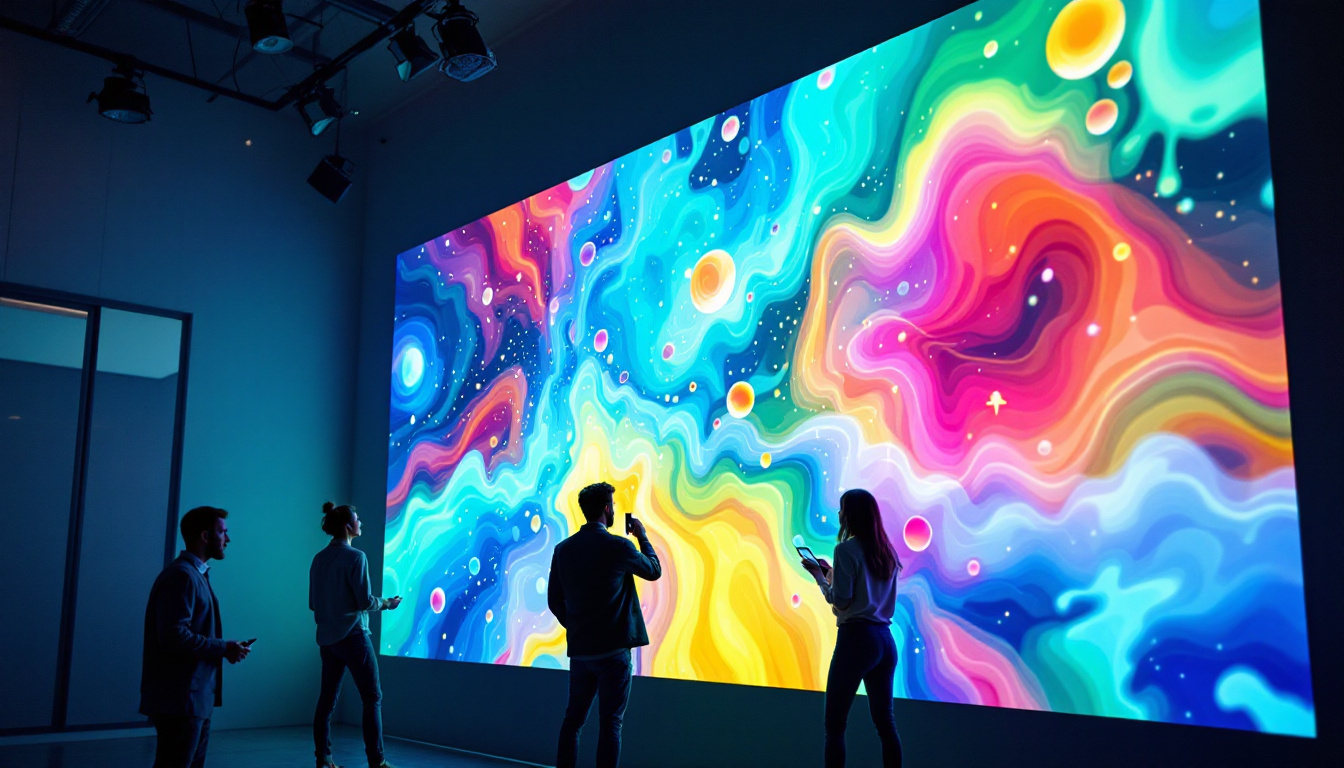
LED displays come in various formats, including single-color, dual-color, and full-color screens. Full-color LED displays are particularly popular for local governments due to their ability to show dynamic content such as videos, animations, and detailed graphics, enhancing the engagement and clarity of public messages. This versatility allows municipalities to communicate vital information effectively, from traffic updates to event announcements, ensuring that citizens are well-informed and engaged with their community.
Technical Advantages for Public Use
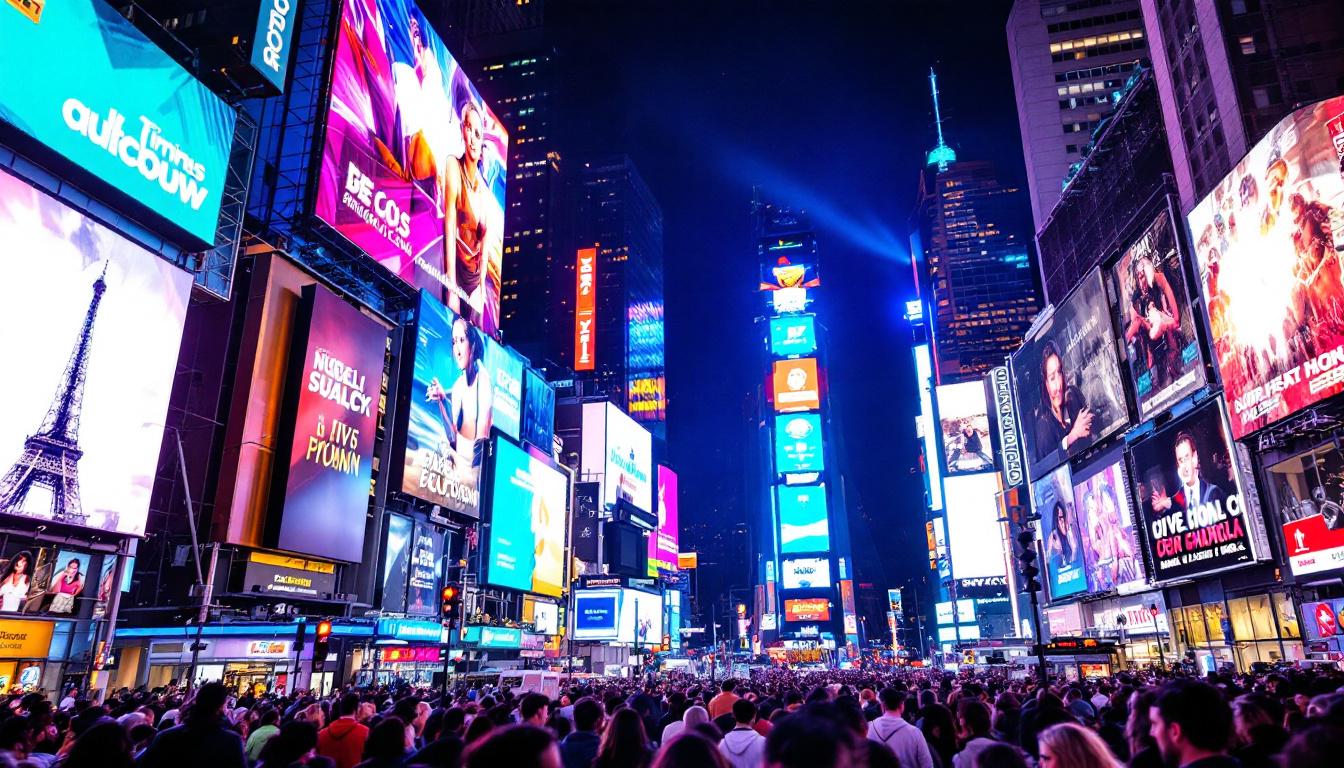
One of the primary technical advantages of LED displays is their exceptional brightness, which ensures visibility even in direct sunlight. This feature is crucial for outdoor signage in public spaces, where ambient lighting conditions can vary significantly throughout the day. The ability to maintain clarity and legibility under such conditions makes LED displays a preferred choice for billboards, transportation hubs, and sports arenas.
Additionally, LED displays consume less power compared to traditional lighting and display technologies. This energy efficiency aligns well with many local governments’ sustainability goals and budget constraints. The long lifespan of LEDs, often exceeding 100,000 hours, reduces maintenance costs and downtime, further benefiting public sector operations. Furthermore, the modular design of many LED displays allows for easy upgrades and repairs, ensuring that technology can evolve without necessitating a complete replacement. This adaptability not only extends the life of the display but also allows communities to keep pace with advancements in digital communication, making them more responsive to the needs of their residents.
Applications of LED Displays in Local Government
Local governments utilize LED displays in a variety of ways to improve communication with residents, enhance public safety, and promote community engagement. The versatility of LED technology allows for tailored messaging that can be updated in real-time, which is essential for timely and relevant information dissemination.
Public Safety and Emergency Notifications
One of the most critical uses of LED displays by local governments is in public safety. LED signs are strategically placed in high-traffic areas such as city centers, highways, and near schools to deliver urgent alerts. These can include weather warnings, Amber Alerts, evacuation instructions, and other emergency notifications.
For example, during severe weather events like hurricanes or tornadoes, LED displays can broadcast evacuation routes and safety instructions, potentially saving lives by providing clear, immediate guidance to residents and visitors. Furthermore, these displays can also serve to inform the public about local crime trends, providing safety tips and encouraging community vigilance. By keeping residents informed and engaged, local governments can foster a culture of safety and preparedness.
Traffic Management and Transportation Updates
Traffic congestion and road safety are persistent challenges for urban and suburban areas. Local governments employ LED displays on roadways to provide real-time traffic updates, construction notices, and detour information. This dynamic communication helps reduce congestion, minimize accidents, and improve overall traffic flow.
In cities such as Los Angeles and Chicago, LED message boards are integral to Intelligent Transportation Systems (ITS), which combine LED technology with sensors and data analytics to optimize traffic management. These systems can analyze traffic patterns and adjust signage accordingly, ensuring that drivers receive the most relevant information at the right time. Additionally, the integration of LED displays with mobile apps allows commuters to access real-time updates on their smartphones, enhancing the overall travel experience and encouraging the use of alternative routes or public transportation options.
Community Engagement and Public Information
Beyond safety and traffic, LED displays serve as a platform for community engagement. They are used to announce upcoming events, public meetings, health campaigns, and local government initiatives. This fosters a sense of community involvement and transparency.
For instance, LED displays in town squares or parks can promote voter registration drives, recycling programs, or cultural festivals, reaching a broad audience in an accessible and visually appealing manner. Moreover, these displays can be utilized to highlight local achievements, such as student accomplishments, community service awards, or milestones in public projects, thereby reinforcing community pride. By showcasing local talent and initiatives, governments can inspire greater participation and investment in community development, creating a more vibrant and interconnected populace.
Benefits of LED Displays for Local Governments
Implementing LED display technology offers numerous benefits to local governments, ranging from operational efficiency to enhanced public relations.
Improved Communication Efficiency
LED displays enable rapid dissemination of information without the delays associated with traditional print media or static signage. Messages can be updated remotely and instantly, ensuring that residents receive the most current information.
This immediacy is particularly valuable during emergencies or rapidly changing situations, where outdated information could lead to confusion or harm.
Cost-Effectiveness Over Time
While the initial investment in LED display infrastructure can be significant, the long-term savings are considerable. Reduced energy consumption, lower maintenance requirements, and the elimination of recurring printing costs for physical signs contribute to overall cost-effectiveness.
Furthermore, the ability to reuse the same display hardware for multiple campaigns and messages maximizes return on investment.
Environmental Sustainability
Many local governments are prioritizing sustainability in their operations. LED technology supports these goals by consuming less electricity and reducing waste from disposable signage materials. Additionally, LEDs contain no hazardous materials like mercury, making them safer for the environment.
Challenges and Considerations in Implementing LED Displays
Despite their advantages, deploying LED displays in local government settings involves several challenges that must be carefully managed to ensure effectiveness and public acceptance.
Initial Costs and Budget Constraints
The upfront costs of purchasing and installing LED displays can be a barrier, especially for smaller municipalities with limited budgets. Cost considerations include not only the hardware but also software, installation labor, and ongoing maintenance contracts.
To address this, many local governments seek grants, public-private partnerships, or phased implementation strategies to spread costs over time.
Content Management and Accessibility
Effective use of LED displays requires well-planned content strategies. Messages must be clear, concise, and accessible to diverse audiences, including individuals with disabilities. Compliance with the Americans with Disabilities Act (ADA) and other regulations is essential.
Local governments often invest in content management systems that allow authorized personnel to update messages quickly and ensure consistency and accuracy.
Light Pollution and Community Impact
While LED displays are bright and attention-grabbing, excessive brightness or poorly placed signs can contribute to light pollution, disturbing nearby residents and wildlife. Municipalities must balance visibility with community standards and environmental considerations.
Many local governments establish ordinances regulating brightness levels, operating hours, and sign placement to mitigate these concerns.
Case Studies: Successful LED Display Implementations in U.S. Cities
Examining real-world examples provides insight into how local governments leverage LED displays to enhance public services.
Seattle, Washington: Enhancing Public Transit Communication
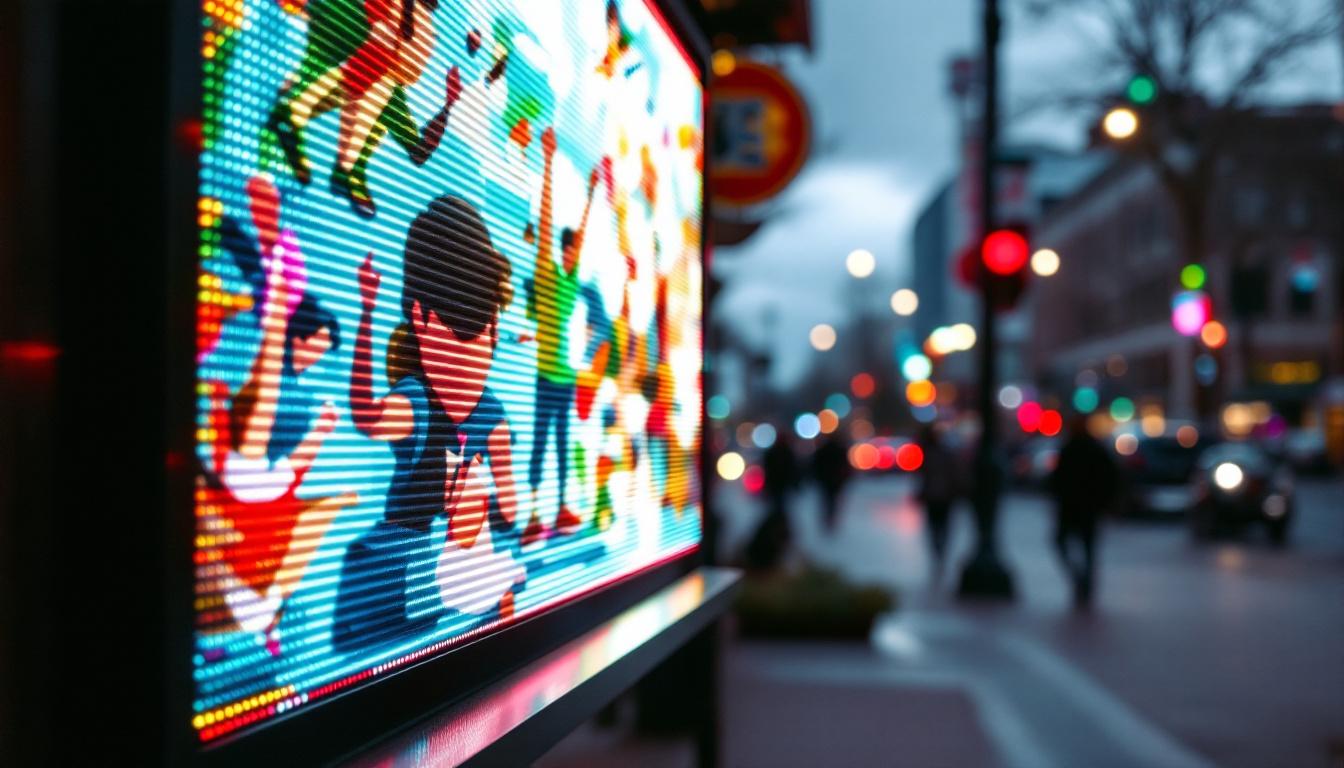
Seattle’s Department of Transportation has integrated LED displays at bus stops and transit hubs to provide real-time arrival information and service alerts. This initiative has improved rider experience by reducing uncertainty and wait times, contributing to increased public transit usage.
Austin, Texas: Emergency Alert System Integration
Austin uses a network of LED message boards across the city to broadcast emergency alerts, including severe weather warnings and public health advisories. The displays are linked to the city’s emergency management system, allowing for immediate activation during crises.
Boston, Massachusetts: Promoting Community Events and Sustainability
Boston employs LED displays in public parks and community centers to promote local events, recycling programs, and sustainability initiatives. The vibrant, dynamic content has boosted community participation and awareness of city programs.
The Future of LED Displays in Local Government
As technology advances, LED displays are expected to become even more integral to local government operations, driven by innovations and evolving public needs.
Integration with Smart City Technologies
LED displays are increasingly being integrated into broader smart city frameworks. Connected to sensors, cameras, and data analytics platforms, these displays can provide hyper-localized information tailored to specific neighborhoods or even individual streets.
For example, displays might show air quality indices, parking availability, or personalized transit options, enhancing urban livability and sustainability.
Interactive and Multimodal Displays
Future LED displays are likely to incorporate interactive features such as touchscreens or integration with mobile devices. This interactivity can engage residents more deeply, allowing them to access customized information or provide feedback directly through the display.
Advancements in Energy Efficiency and Materials
Ongoing research into LED materials and design promises even greater energy efficiency and durability. Innovations such as micro-LED technology and flexible LED panels could expand the applications of LED displays in public spaces, including curved surfaces and temporary installations.
Conclusion
LED displays have become a transformative tool for local governments in the United States, enhancing communication, public safety, and community engagement. Their technical advantages, combined with the ability to deliver timely and dynamic content, make them indispensable in modern public administration.
While challenges such as cost and community impact require thoughtful management, the benefits of LED displays are clear. As technology continues to evolve, local governments that embrace LED display solutions will be better equipped to meet the needs of their residents and build smarter, more connected communities.
Discover LumenMatrix’s Innovative LED Solutions
As local governments continue to harness the power of LED displays for enhanced communication and community engagement, LumenMatrix stands at the forefront of this technological revolution. With a comprehensive range of products from Indoor and Outdoor LED Wall Displays to specialized solutions like Vehicle LED Displays and LED Sports Displays, LumenMatrix is committed to elevating public communication platforms. Embrace the future of visual messaging with our Custom LED Displays, All-in-One LED Displays, and groundbreaking LED Transparent Displays. Check out LumenMatrix LED Display Solutions today and transform how your local government connects with its citizens.