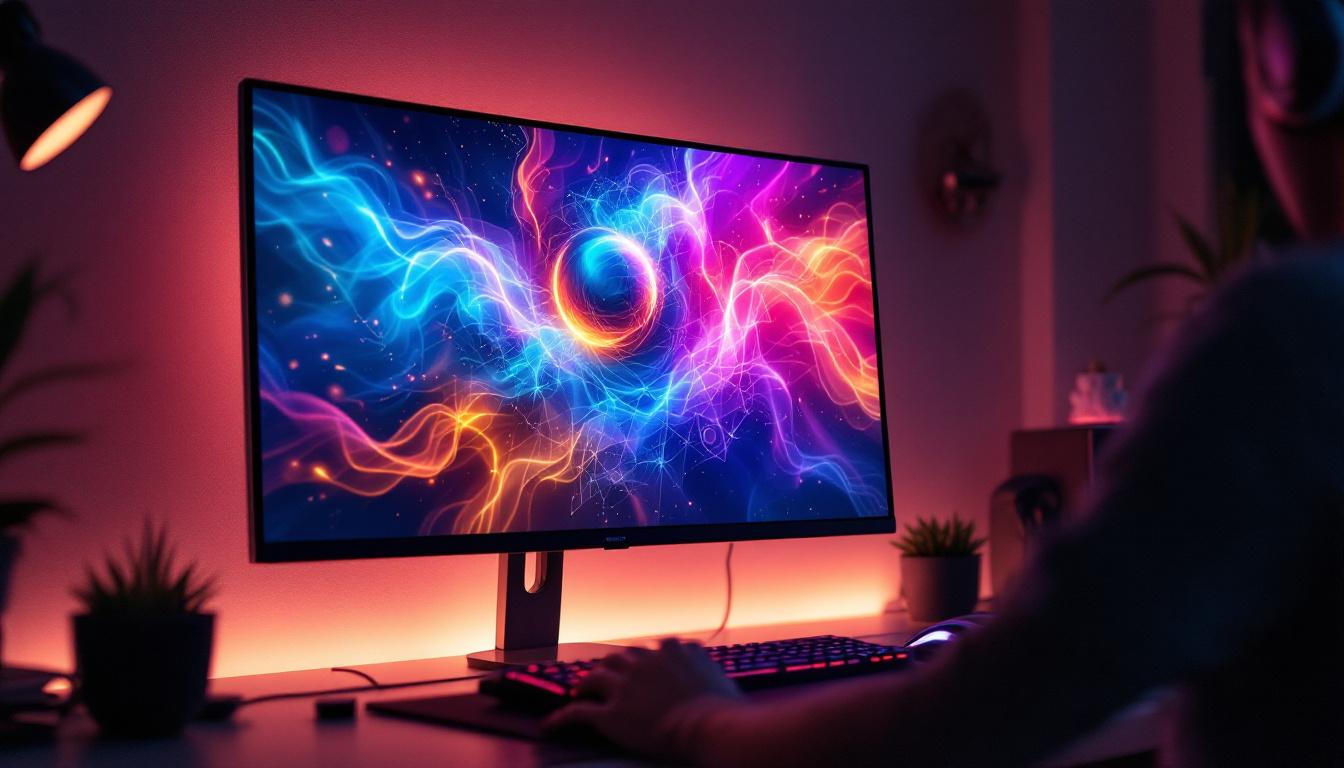
In today’s digital age, LED displays have become an integral part of how information is communicated visually. From vibrant billboards to interactive kiosks, LED technology powers a wide spectrum of applications. One of the most innovative advancements in this field is Touchscr, a cutting-edge LED display system that combines high-resolution visuals with responsive touch capabilities. This article delves into the intricacies of Touchscr LED displays, exploring their technology, applications, advantages, and future potential.
Understanding LED Display Technology
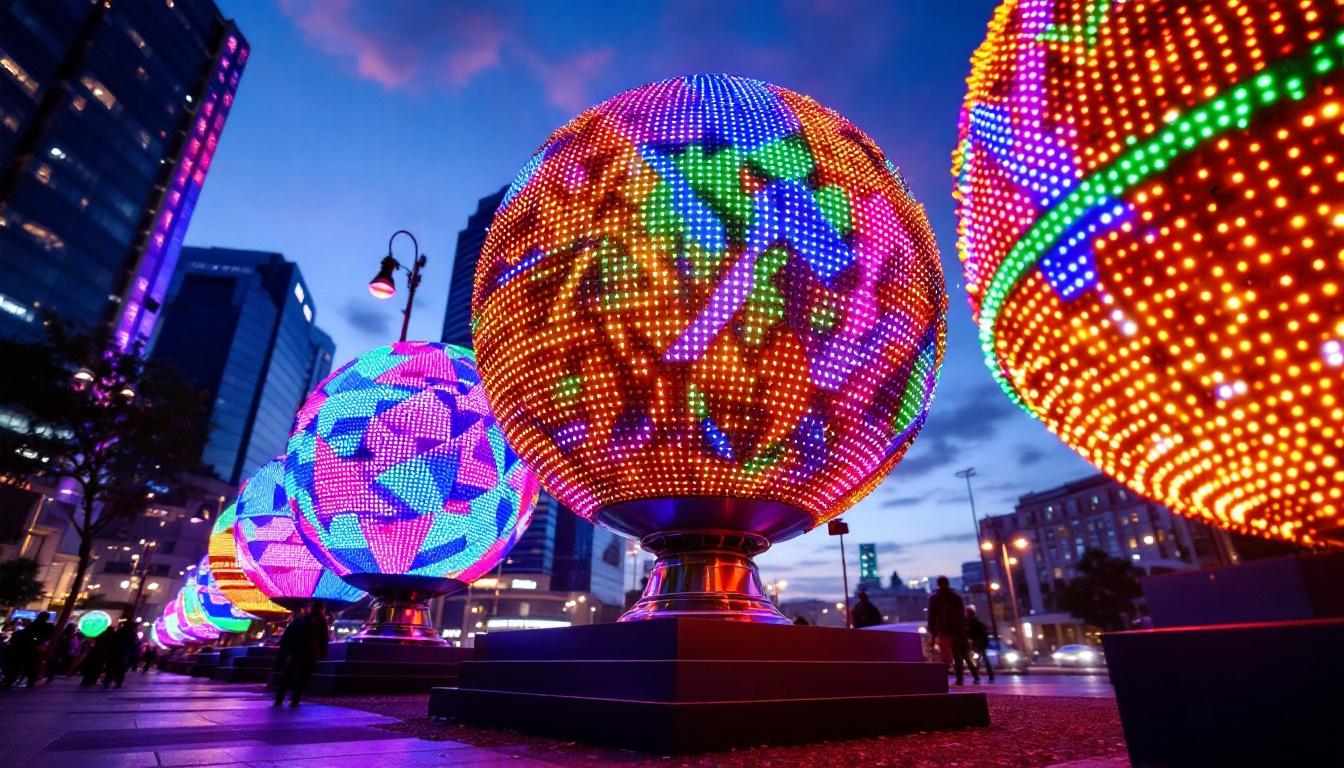
Light Emitting Diode (LED) displays are screens that use an array of tiny LEDs to produce images and videos. Unlike traditional LCD or plasma screens, LED displays offer superior brightness, contrast, and energy efficiency. These qualities make them ideal for both indoor and outdoor environments, where visibility under varying lighting conditions is crucial. The versatility of LED technology has led to its adoption in a wide range of applications, from advertising billboards to high-definition televisions, and even in architectural lighting designs.
At the core of LED display technology lies the principle of electroluminescence, where semiconductor materials emit light when an electric current passes through them. Each LED acts as a pixel or sub-pixel, and by controlling the intensity and color of these LEDs, the display can render detailed and vibrant images. Modern LED displays often use RGB (red, green, blue) LEDs to achieve a full color spectrum. This capability allows for the creation of dynamic visuals that can capture attention and convey messages effectively, making LED displays a popular choice for marketing and entertainment industries.
Types of LED Displays
LED displays come in several forms, primarily categorized by their structure and intended use:
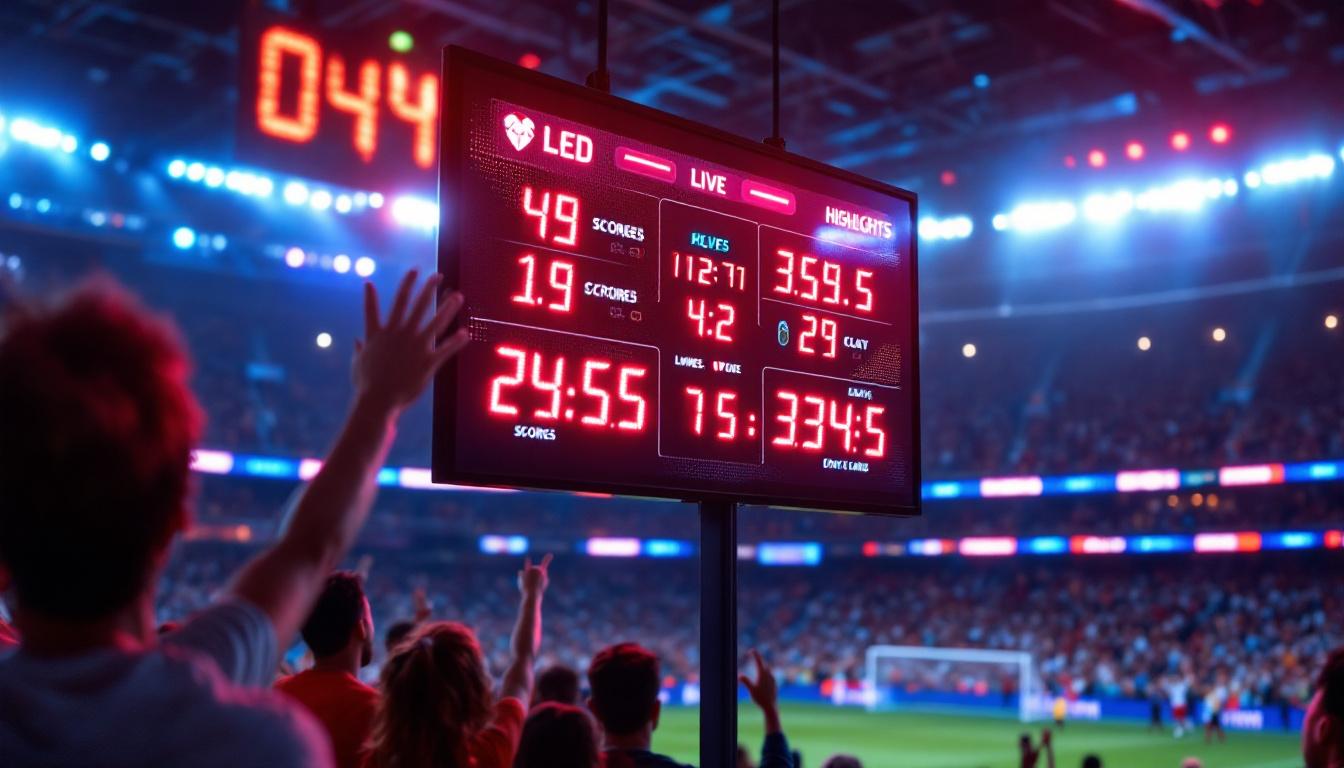
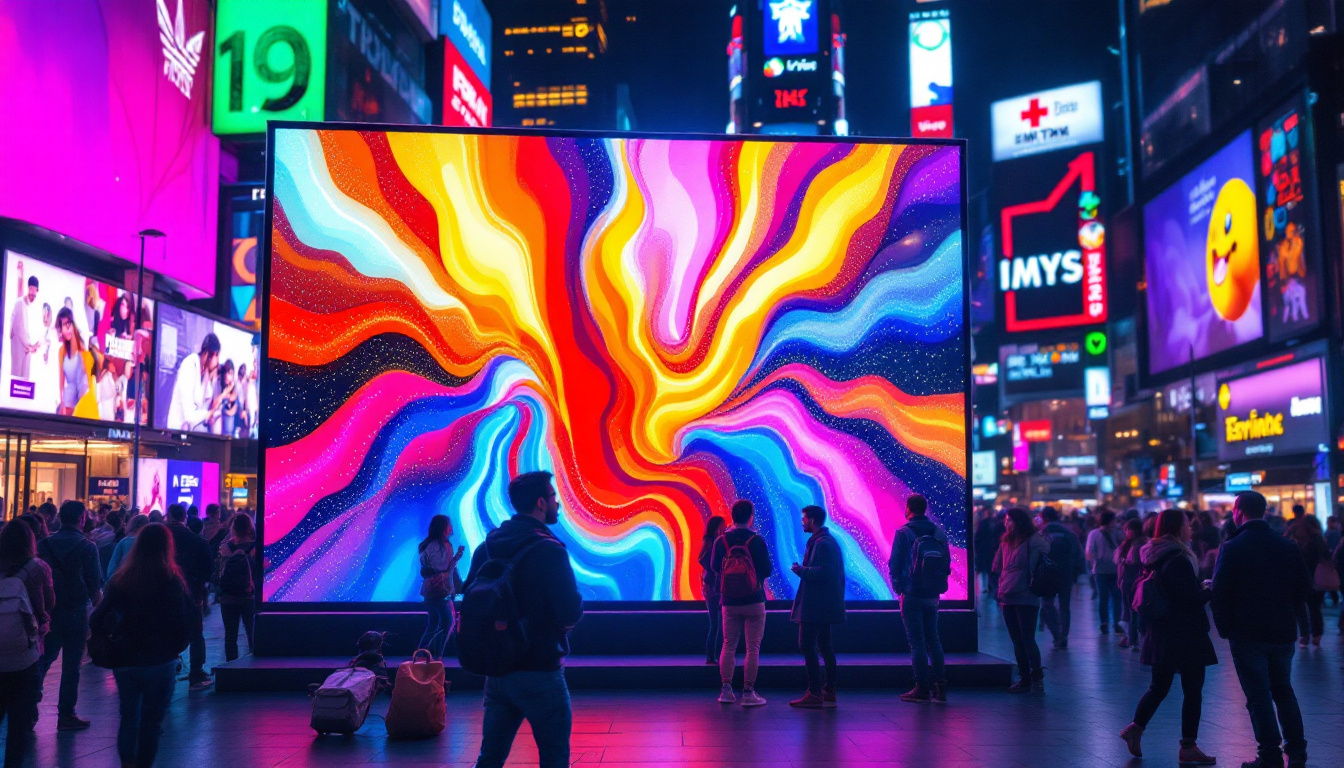
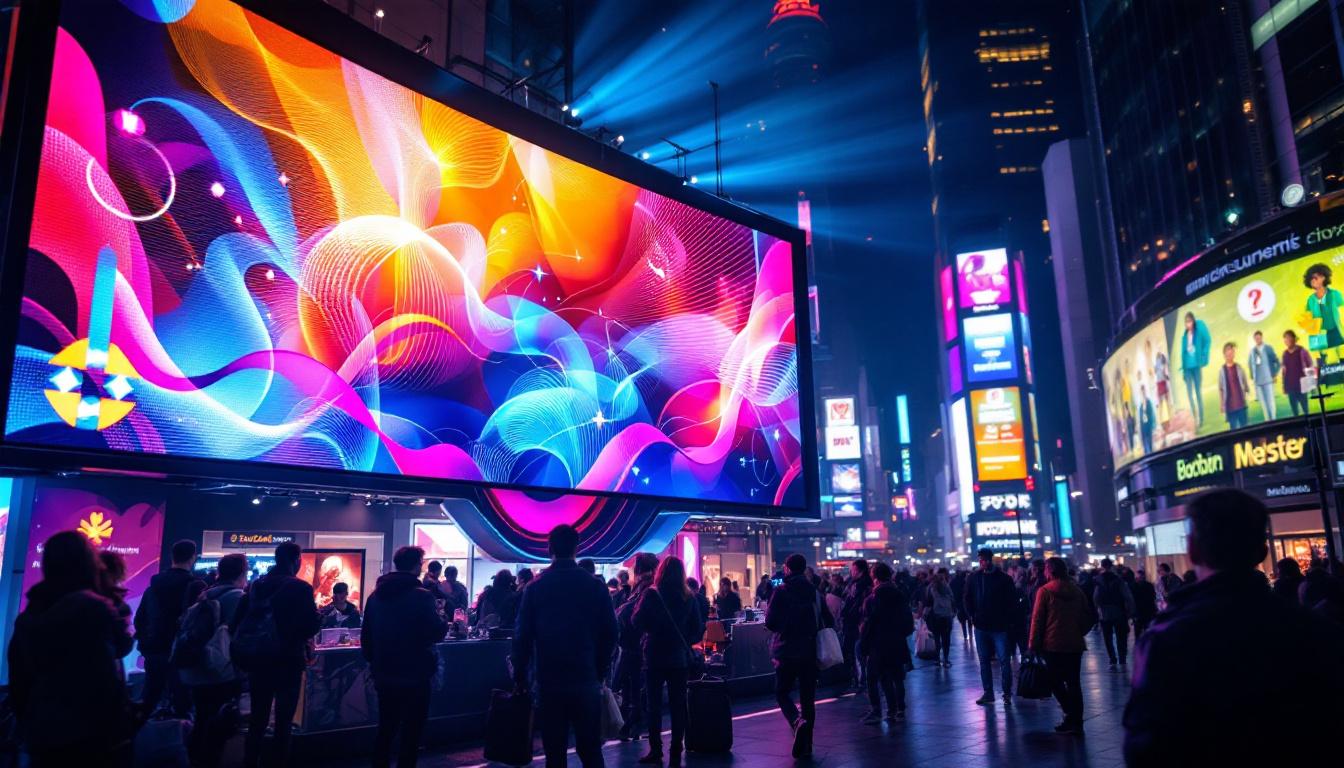
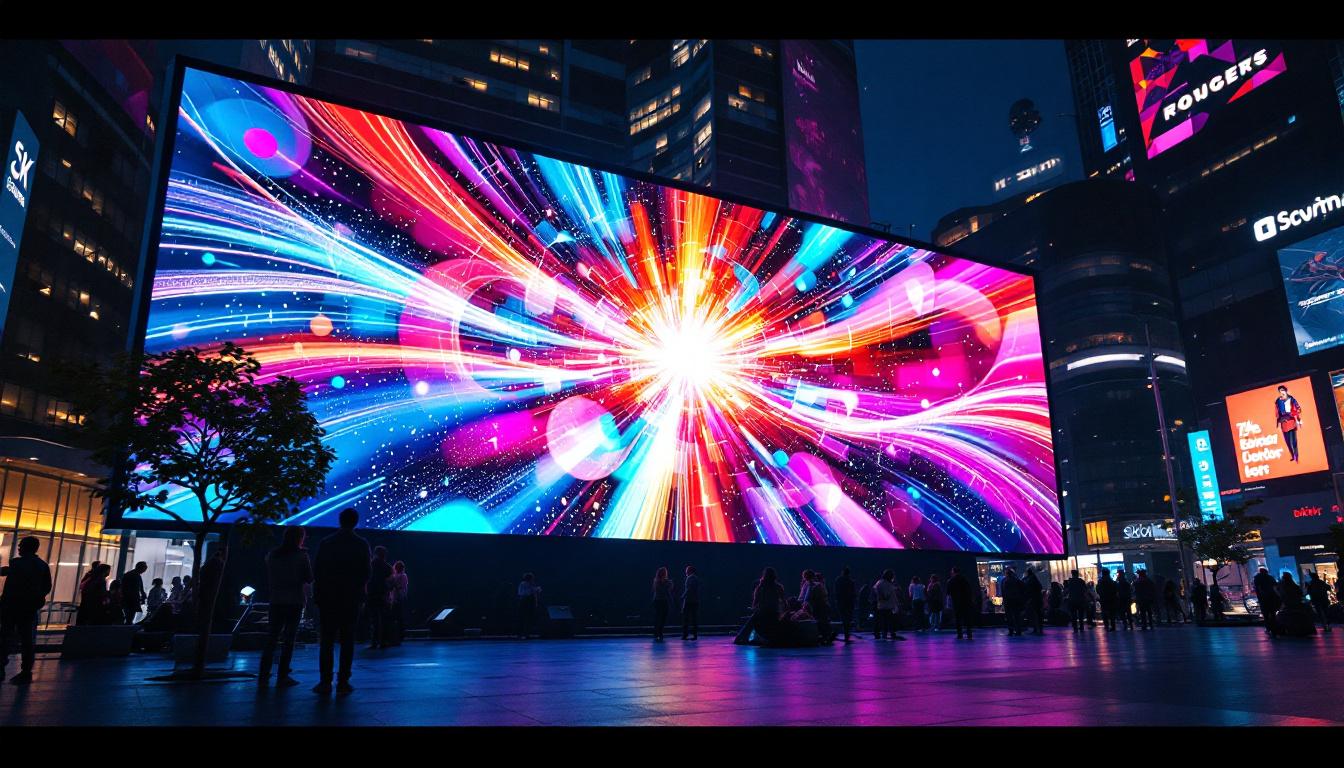
- Direct View LED Displays: These consist of LEDs arranged directly on the display surface, offering high brightness and wide viewing angles. They are commonly used for large-scale outdoor billboards and stadium screens, where they can be seen from great distances and in bright sunlight.
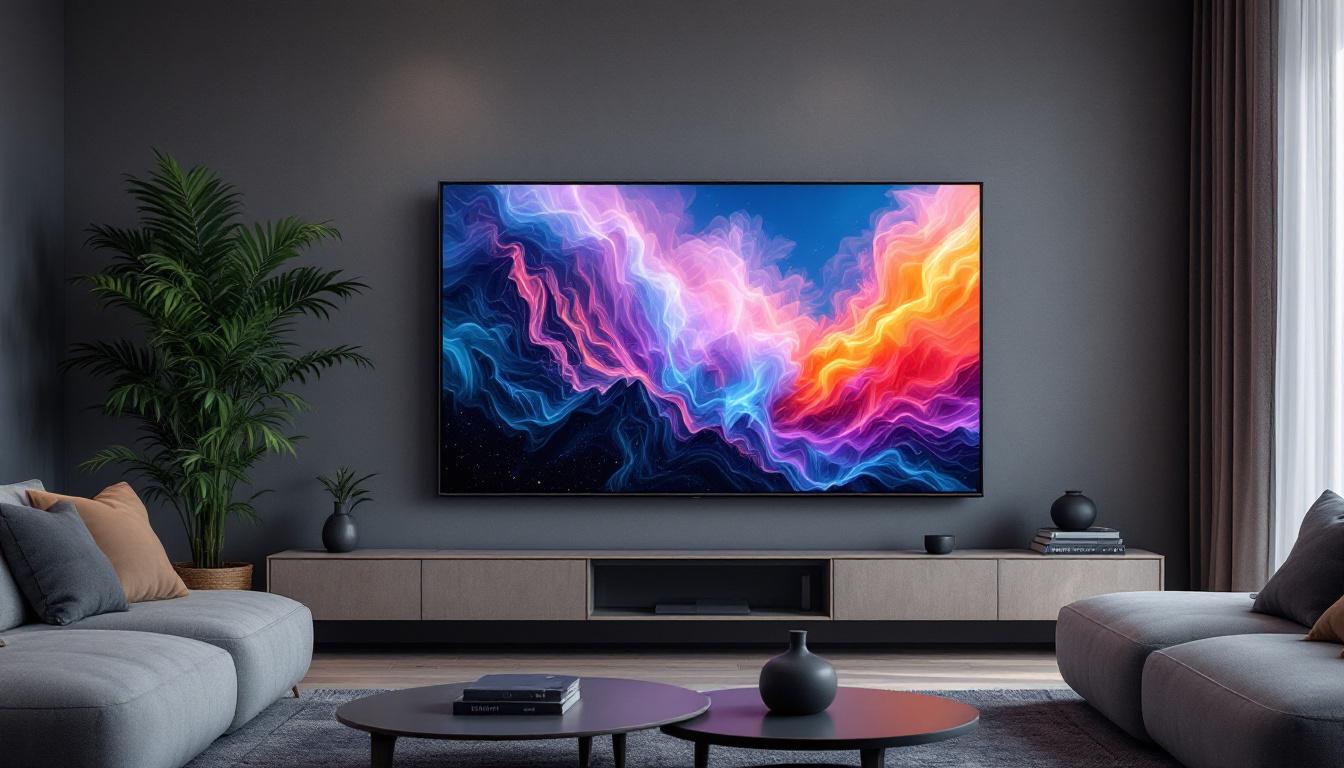
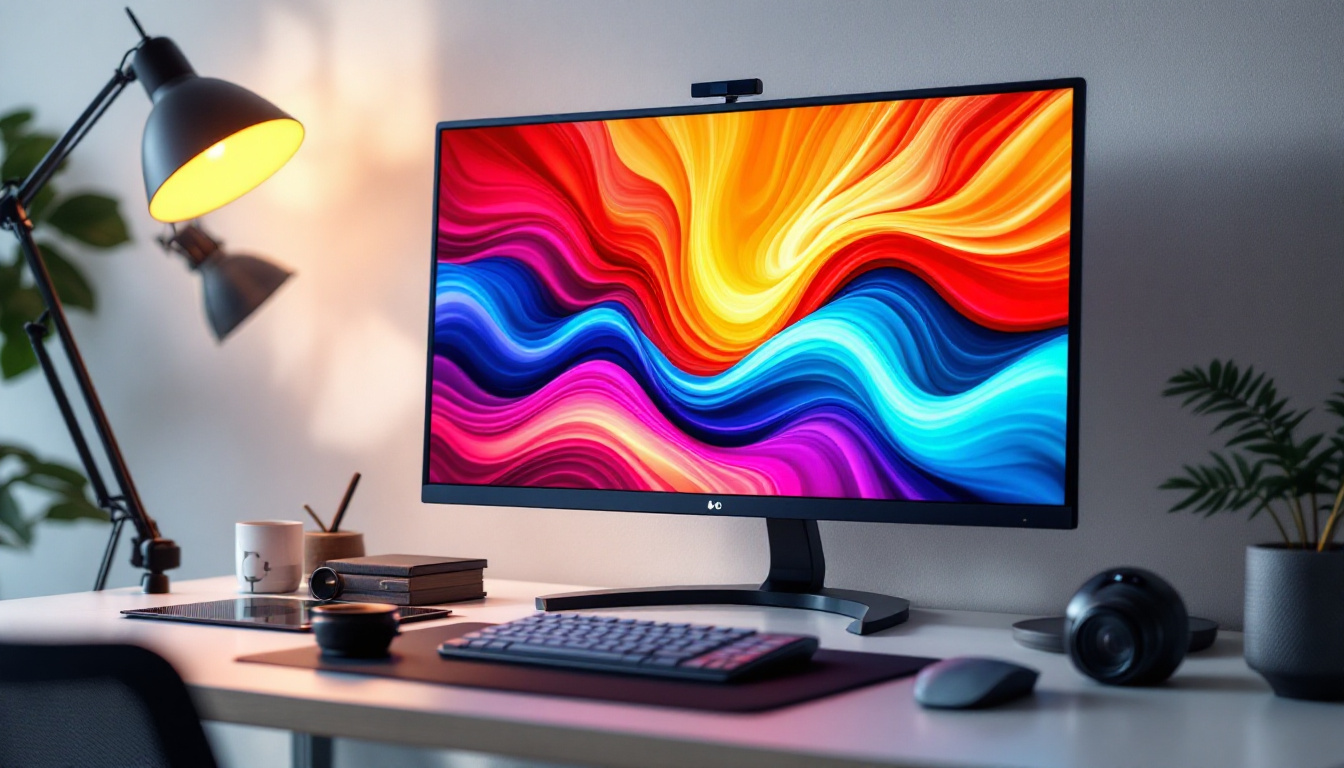
- LED-backlit LCD Displays: These use LEDs as a backlight source for LCD panels, enhancing brightness and color accuracy. This type is prevalent in televisions, monitors, and mobile devices, providing consumers with a better viewing experience by improving contrast ratios and energy consumption.
- MicroLED Displays: An emerging technology that uses microscopic LEDs to create displays with exceptional color and contrast, promising improvements over OLED and LCD technologies. MicroLED displays are expected to revolutionize the market with their ability to deliver higher resolutions and longer lifespans without the burn-in issues associated with OLEDs.
Touchscr leverages the direct view LED technology, integrating touch sensitivity directly into the LED panel for a seamless interactive experience. This innovation allows users to engage with content in a more intuitive way, making it particularly useful in environments like retail stores, museums, and educational institutions. The combination of vibrant visuals and interactive capabilities not only enhances user engagement but also opens up new possibilities for digital signage and information dissemination. As technology continues to evolve, we can expect further advancements in LED displays, including improvements in flexibility and durability, allowing for even more creative applications in various fields.
What is Touchscr?
Touchscr represents a new generation of LED displays that incorporate touch functionality without compromising display quality. Unlike traditional touchscreens that rely on separate layers for touch detection, Touchscr integrates capacitive touch sensors directly into the LED matrix. This integration allows for ultra-thin, durable, and highly responsive touch-enabled LED displays. The seamless design not only enhances aesthetic appeal but also maximizes screen real estate, making it ideal for applications where space is at a premium.
The technology behind Touchscr is designed to support multi-touch gestures, enabling users to interact with the display using multiple fingers simultaneously. This capability is essential for applications such as interactive kiosks, digital signage, and collaborative workspaces where intuitive touch control enhances user engagement. Moreover, the responsiveness of Touchscr displays allows for fluid interactions, such as pinch-to-zoom and swipe gestures, which can significantly improve user experience in educational settings, retail environments, and entertainment venues.
Technical Features of Touchscr
Several technical aspects distinguish Touchscr from conventional LED displays:
- Integrated Capacitive Touch Sensors: Embedded within the LED panel, these sensors detect touch inputs with high precision and low latency.
- High Resolution and Brightness: Touchscr displays maintain the vibrant color accuracy and brightness typical of direct view LED technology, ensuring visibility even in bright environments.
- Durability and Weather Resistance: Designed for both indoor and outdoor use, Touchscr panels are built to withstand environmental factors such as moisture, dust, and temperature fluctuations. This resilience makes them suitable for various applications, from bustling shopping malls to outdoor events.
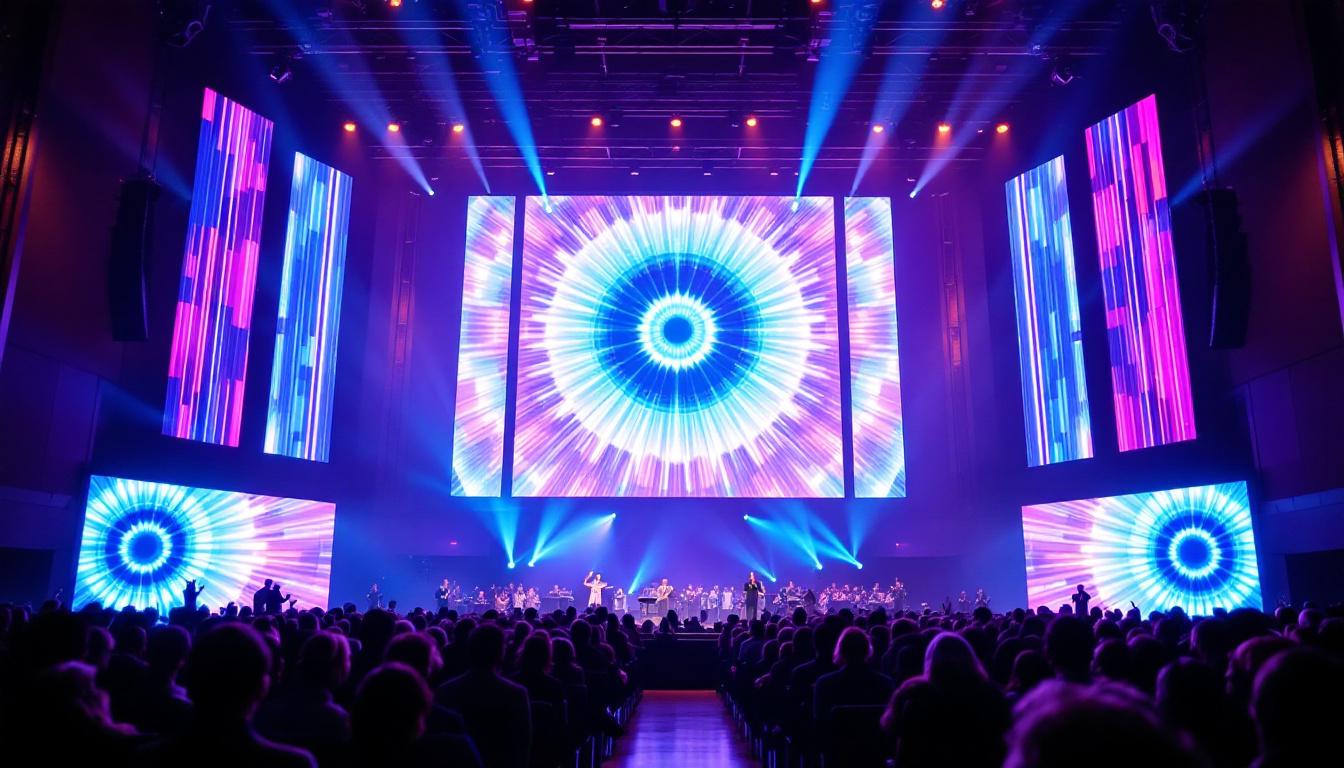
- Scalability: The modular design allows for displays of various sizes, from small interactive screens to expansive video walls. This flexibility enables businesses to customize their display solutions based on specific needs, whether for a single installation or a large-scale deployment across multiple locations.
In addition to these features, Touchscr technology is also energy-efficient, utilizing advanced power management systems that reduce consumption without sacrificing performance. This not only lowers operational costs but also aligns with sustainability goals, making it an attractive option for environmentally-conscious organizations. Furthermore, Touchscr displays can be easily integrated with various software platforms, allowing for dynamic content updates and remote management capabilities, which are essential for maintaining engaging and relevant user experiences in fast-paced environments.
Applications of Touchscr LED Displays
The fusion of LED display technology with touch interactivity opens up a wide range of practical applications across industries. Touchscr’s versatility makes it particularly valuable in settings where engaging visual communication and user interaction are paramount.
Retail and Advertising
In retail environments, Touchscr displays serve as dynamic digital signage and interactive product showcases. Retailers can use these displays to attract customers with vivid advertisements while allowing shoppers to browse product details, check availability, or customize options through touch interaction.
Studies have shown that interactive digital signage can increase customer engagement by up to 30%, leading to higher conversion rates. Touchscr’s bright, eye-catching visuals combined with intuitive touch controls make it an effective tool for driving sales and enhancing the shopping experience.
Corporate and Educational Settings
Touchscr displays are increasingly popular in meeting rooms, training centers, and classrooms. Their large, interactive surfaces facilitate collaborative work, brainstorming sessions, and presentations. Users can annotate documents, manipulate digital content, and share ideas in real-time, fostering a more engaging and productive environment.
For educational institutions, Touchscr offers an interactive platform that supports multimedia lessons and hands-on learning, which research indicates improves knowledge retention and student participation.
Public Information and Transportation Hubs
Airports, train stations, and other public venues benefit from Touchscr displays by providing travelers with real-time information, wayfinding assistance, and service updates. The touch interface allows users to quickly access personalized information, such as flight statuses or transit schedules, reducing congestion and improving overall user satisfaction.
Healthcare
In healthcare facilities, Touchscr displays can be used for patient check-in kiosks, interactive directories, and telemedicine consultations. The hygienic, durable surface of the LED panel is easier to clean and maintain compared to traditional touchscreens, which is critical in medical environments.
Advantages of Touchscr LED Displays Over Traditional Screens
Touchscr’s innovative design offers several advantages that make it a superior choice for many applications compared to conventional touchscreens or LED displays without touch integration.
Enhanced Visual Performance
Because the touch sensors are embedded within the LED panel itself, Touchscr displays avoid the additional layers that can reduce brightness and clarity in traditional touchscreens. This results in sharper images, more vibrant colors, and better visibility under direct sunlight or bright indoor lighting.
Improved Durability and Maintenance
The integrated design reduces the risk of damage from external touch layers peeling or cracking. Additionally, Touchscr’s surface is often made from robust materials resistant to scratches and impacts, extending the lifespan of the display and lowering maintenance costs.
Seamless User Experience
With low latency and multi-touch support, Touchscr displays deliver a smooth and responsive user experience. This responsiveness is crucial for applications requiring precise control, such as design collaboration or interactive advertising.
Energy Efficiency
LED technology is inherently energy-efficient, and Touchscr maintains this advantage while adding touch functionality. This efficiency translates into lower operating costs and a reduced environmental footprint, appealing to organizations committed to sustainability.
Challenges and Considerations
While Touchscr LED displays offer numerous benefits, there are some challenges and factors to consider before implementation.
Cost
Integrating touch sensors directly into LED panels involves advanced manufacturing processes, which can increase upfront costs compared to traditional displays. However, the long-term benefits in durability and user engagement often justify the investment.
Technical Complexity
Touchscr systems require precise calibration and software integration to ensure accurate touch detection and smooth operation. Organizations must work with experienced providers to optimize performance and avoid technical issues.
Environmental Limitations
Although Touchscr displays are designed to be durable, extreme environmental conditions such as intense heat, heavy rain, or vandalism can still pose risks. Proper installation and protective measures are essential for outdoor deployments.
The Future of Touchscr and LED Display Technology
As digital interaction continues to evolve, the demand for immersive, high-quality displays with intuitive interfaces is expected to grow. Touchscr is well-positioned to lead this trend by combining the best of LED visual technology with advanced touch capabilities.
Emerging developments in microLED and flexible LED technologies could further enhance Touchscr displays, enabling thinner, lighter, and more versatile screens. Integration with artificial intelligence and augmented reality may also expand the range of interactive experiences possible with these displays.
Moreover, as smart cities and connected environments become more prevalent, Touchscr displays could serve as critical nodes for public engagement, information dissemination, and interactive services, contributing to more responsive and user-friendly urban spaces.
Conclusion
Touchscr represents a significant advancement in LED display technology, merging stunning visual performance with seamless touch interactivity. Its applications span retail, corporate, public, and healthcare sectors, offering enhanced engagement and functionality. While there are considerations regarding cost and technical complexity, the benefits of Touchscr displays in terms of durability, energy efficiency, and user experience make them a compelling choice for modern digital communication needs.
As technology continues to advance, Touchscr and similar innovations will likely play a pivotal role in shaping the future of interactive digital displays, making information more accessible, engaging, and impactful than ever before.
Discover LumenMatrix’s Innovative LED Solutions
Ready to elevate your visual communication and engage your audience like never before? Explore LumenMatrix’s comprehensive range of LED display solutions, where innovation meets functionality. From Indoor and Outdoor LED Walls to specialized displays for Vehicles, Sports, and even Custom configurations, LumenMatrix is at the forefront of creating immersive experiences. Embrace the future of digital signage with our All-in-One LED Displays and Transparent LED options, designed to captivate and inspire. Check out LumenMatrix LED Display Solutions today and transform your space into a dynamic visual masterpiece.