In the rapidly evolving world of display technologies, understanding the distinctions and functionalities of various screens is essential for consumers, professionals, and tech enthusiasts alike. Among the most commonly discussed and sometimes confused terms are LCD and LED displays. While these terms often appear together, they refer to different components and technologies that impact the quality, efficiency, and application of screens in devices ranging from smartphones to large-scale digital billboards.
This article delves into the fundamentals of LCD and LED displays, clarifying their differences, advantages, and practical uses. By the end, readers will have a comprehensive understanding of how these technologies work and how to make informed decisions when choosing devices featuring these displays.
Understanding LCD Technology
What is an LCD?
LCD stands for Liquid Crystal Display. It is a flat-panel display technology that uses liquid crystals combined with a backlight to produce images. Unlike older cathode ray tube (CRT) displays, LCDs are thinner, lighter, and consume less power, making them ideal for portable devices such as laptops, tablets, and smartphones.
At its core, an LCD panel contains millions of tiny liquid crystal cells sandwiched between two layers of polarized glass. These crystals do not emit light themselves; instead, they manipulate light passing through them to create images. The liquid crystals align or block light in response to electrical currents, which allows the display to produce different colors and shades. The versatility of LCD technology has led to its widespread adoption in various applications, from televisions to digital signage, showcasing its capability to deliver vibrant visuals across different environments.
How Does an LCD Work?
The operation of an LCD involves several layers working in unison. Behind the liquid crystal layer is a light source, traditionally a cold cathode fluorescent lamp (CCFL), which provides the backlighting necessary for the display. When electricity passes through the liquid crystals, they twist and allow varying amounts of light to pass through colored filters, producing the desired image on the screen.
This process allows for precise control over pixel brightness and color, but the quality of the backlighting significantly affects the overall display performance. Early LCDs with CCFL backlights often suffered from uneven brightness and lower contrast ratios compared to newer technologies. In recent years, LED backlighting has become more prevalent, offering improved brightness, energy efficiency, and a wider color gamut. This advancement has allowed manufacturers to create ultra-thin displays that not only enhance aesthetic appeal but also improve viewing experiences, particularly in bright environments.
Moreover, advancements in LCD technology have led to the development of various types of panels, such as In-Plane Switching (IPS) and Twisted Nematic (TN). IPS panels are known for their superior color accuracy and wider viewing angles, making them a popular choice for graphic designers and photographers. On the other hand, TN panels are favored for their fast response times, making them ideal for gaming. Each type of panel has its unique strengths and weaknesses, catering to different user needs and preferences, which further underscores the versatility and adaptability of LCD technology in today’s digital landscape.
The Role of LED in Displays
What Does LED Mean in Displays?
LED stands for Light Emitting Diode, a semiconductor device that emits light when an electric current passes through it. In the context of displays, LEDs are primarily used as a backlighting source for LCD panels, replacing the older CCFL backlights.
When a display is referred to as an “LED display,” it usually means an LCD screen that uses LED backlighting rather than the display itself being made of LEDs. This distinction is crucial because it affects the display’s brightness, energy efficiency, color accuracy, and lifespan. The shift to LED technology has not only improved the visual experience but has also contributed to more sustainable practices in electronics manufacturing, as LEDs consume significantly less power compared to their predecessors.
Types of LED Backlighting
There are two main types of LED backlighting used in LCD displays: edge-lit and direct-lit (or full-array).
- Edge-lit LED: LEDs are placed along the edges of the screen, and light is spread across the display using light guides. This design allows for thinner screens and is commonly found in laptops and televisions.
- Direct-lit LED: LEDs are positioned directly behind the LCD panel in a grid pattern. This arrangement enables better control of brightness and contrast, especially when paired with local dimming technology, which can turn off specific LEDs to create deeper blacks.
Understanding these types helps in evaluating display quality and suitability for different applications. For instance, edge-lit displays are often favored for their sleek design and lightweight nature, making them ideal for portable devices. However, they may struggle with uniform brightness and contrast in darker scenes. On the other hand, direct-lit displays, while generally bulkier, offer superior performance in terms of color depth and dynamic range, making them a popular choice for high-end televisions and professional monitors where visual fidelity is paramount. As technology continues to evolve, advancements such as mini-LED and micro-LED are emerging, promising even greater improvements in display performance and energy efficiency.
Comparing LCD and LED Displays
Clarifying the Terminology
One of the most common sources of confusion is the use of “LED display” to describe what is essentially an LCD screen with LED backlighting. This marketing terminology can mislead consumers into thinking LED displays are fundamentally different from LCDs, when in fact, LED displays are a subset of LCD technology.
True LED displays, such as those used in large outdoor screens or advanced televisions, consist of individual LEDs that emit light and color directly, without the need for a liquid crystal layer. These are often called OLED (Organic LED) or microLED displays and represent a different technology altogether.
Advantages of LED-Backlit LCDs Over CCFL LCDs
Switching from CCFL to LED backlighting in LCDs has brought several benefits:
- Energy Efficiency: LED backlights consume less power, which extends battery life in portable devices and reduces electricity costs in larger displays.
- Improved Brightness and Contrast: LEDs can achieve higher brightness levels and, with local dimming, better contrast ratios.
- Thinner and Lighter Designs: LEDs are smaller and generate less heat, allowing manufacturers to design slimmer and lighter screens.
- Longer Lifespan and Environmental Benefits: LEDs last longer and do not contain mercury, unlike CCFLs, making them more environmentally friendly.
Limitations of LCD with LED Backlighting
Despite these advantages, LED-backlit LCDs have inherent limitations due to the liquid crystal technology:
- Viewing Angles: Colors and brightness can shift when viewed from extreme angles.
- Response Time: Liquid crystals take time to change orientation, which can lead to motion blur in fast-moving images.
- Black Levels: Even with local dimming, LCDs struggle to produce true blacks compared to emissive displays like OLED.
Emerging Display Technologies: OLED and MicroLED
Organic Light Emitting Diode (OLED)
OLED technology represents a significant departure from traditional LCDs. Each pixel in an OLED display emits its own light, eliminating the need for a separate backlight. This allows for deeper blacks, higher contrast ratios, and better viewing angles.
OLEDs are widely used in high-end smartphones, televisions, and wearable devices. However, they tend to be more expensive to manufacture and can suffer from issues like burn-in, where static images leave permanent marks on the screen.
MicroLED Displays
MicroLED is an emerging technology that combines the benefits of OLED with higher brightness and longer lifespan. MicroLED displays use microscopic LEDs as individual pixels, offering excellent color accuracy, contrast, and energy efficiency.
While still in the early stages of commercial adoption, microLED has the potential to revolutionize display technology in the coming years, especially for large-format and high-performance applications.
Applications and Choosing the Right Display
Consumer Electronics
For everyday users, LED-backlit LCDs offer a balanced combination of performance, affordability, and energy efficiency. They are suitable for laptops, monitors, televisions, and smartphones where good color reproduction and battery life are important.
High-end users and professionals who require superior color accuracy and contrast, such as photographers and video editors, may prefer OLED displays despite their higher cost.
Commercial and Industrial Uses
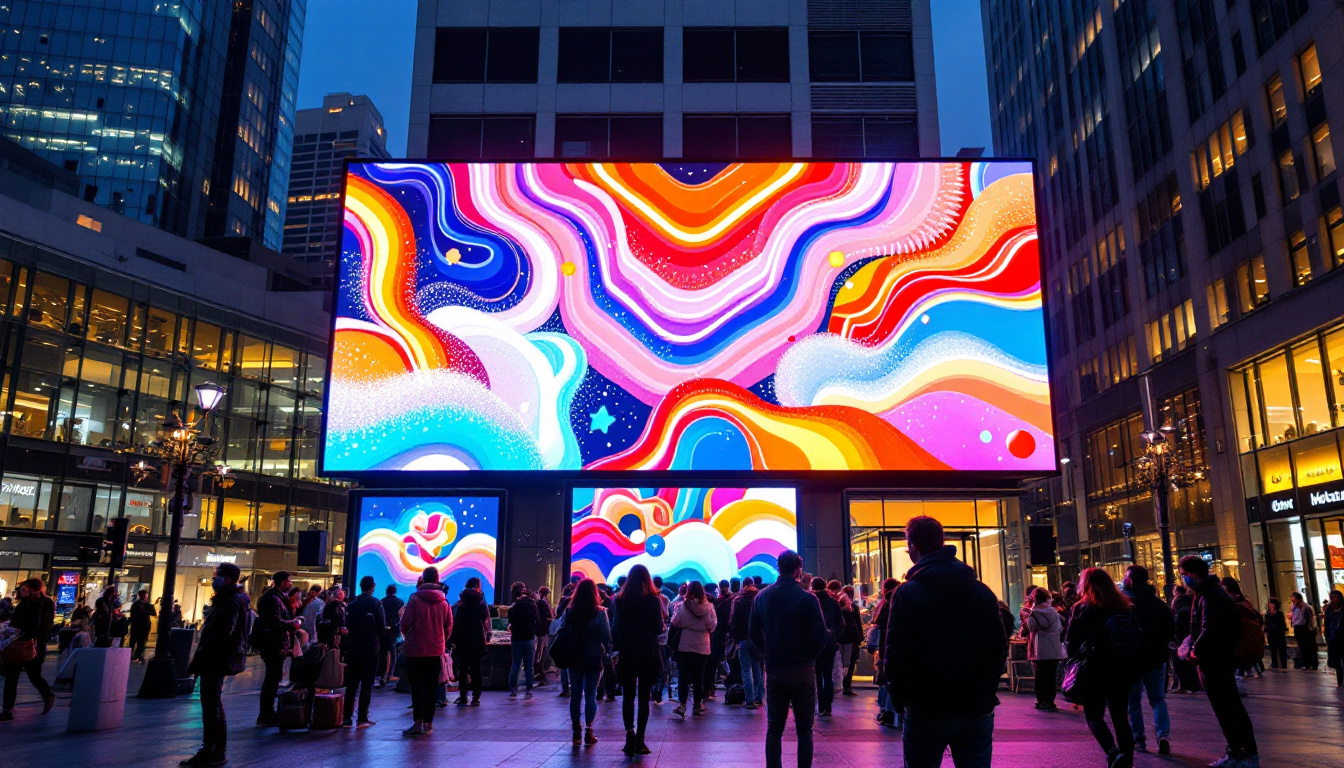
In commercial settings, such as digital signage, outdoor advertising, and control rooms, true LED displays (often large-scale arrays of LEDs) are preferred for their brightness, visibility in daylight, and durability.
Understanding the difference between LED-backlit LCDs and true LED displays is crucial for businesses investing in display technology to ensure they select the right solution for their needs.
Future Trends
The display industry continues to innovate rapidly. Technologies like quantum dot enhancement, mini-LED backlighting, and flexible OLEDs are pushing the boundaries of what screens can achieve.
Consumers and professionals alike should stay informed about these developments to make choices that balance cost, performance, and longevity.
Conclusion
In summary, the term “LED display” often refers to an LCD screen illuminated by LED backlights, a technology that has become the industry standard due to its efficiency and improved image quality. While LCD and LED are distinct technologies, their combination has enabled the production of thin, bright, and energy-efficient displays.
For those seeking the latest in display technology, OLED and microLED offer exciting alternatives with superior contrast and color performance, though at a higher price point. Understanding these distinctions empowers consumers and professionals to select the most appropriate display technology for their specific applications.
As display technologies continue to evolve, staying informed about the differences and advancements will remain essential for making smart purchasing decisions in a technology-driven world.
Discover Cutting-Edge LED Displays with LumenMatrix
Ready to elevate your visual experience with the latest in LED display technology? LumenMatrix is at the forefront of innovation, offering a wide array of LED display solutions tailored to your needs. From captivating Indoor and Outdoor LED Wall Displays to dynamic Vehicle and Sports LED Displays, our products are designed to make your brand stand out. Experience the future of visual communication with our Transparent and Custom LED Displays, and let our All-in-One solutions streamline your digital signage. Don’t just share your message—make an impact with clarity and engagement. Check out LumenMatrix LED Display Solutions today and transform the way you connect with your audience.