In the rapidly evolving world of digital displays, LED technology has emerged as a dominant force, transforming everything from advertising billboards to stadium screens and home entertainment systems. Understanding what an LED display is, how it works, and why it has become the preferred choice for so many applications is essential for businesses, designers, and tech enthusiasts alike. This article delves into the core concepts of LED displays, exploring their structure, advantages, types, and future trends.
What Is an LED Display?
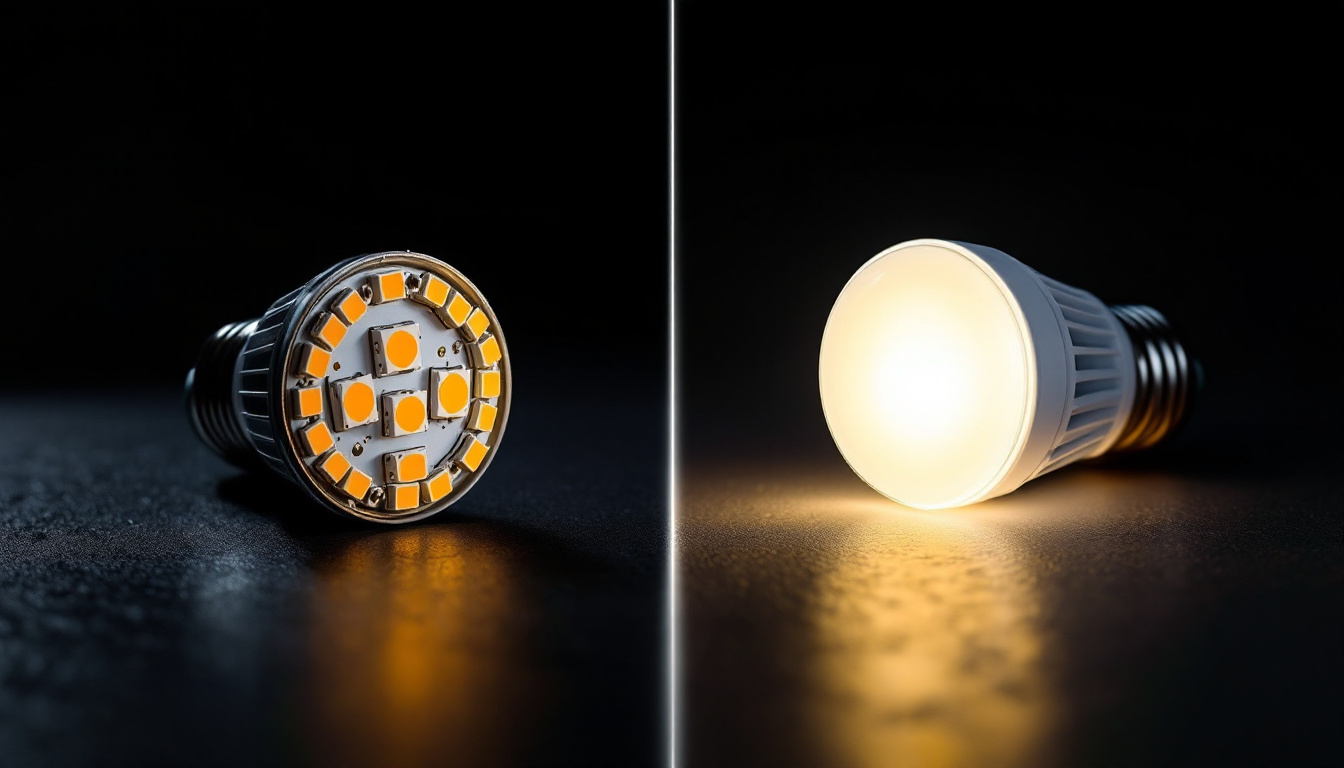
LED stands for Light Emitting Diode, a semiconductor device that emits light when an electric current passes through it. An LED display is a flat panel display that uses an array of these tiny LEDs as pixels to create images and videos. Unlike traditional LCD or plasma screens, LED displays rely on these individual light sources to produce bright, vibrant visuals with exceptional clarity.
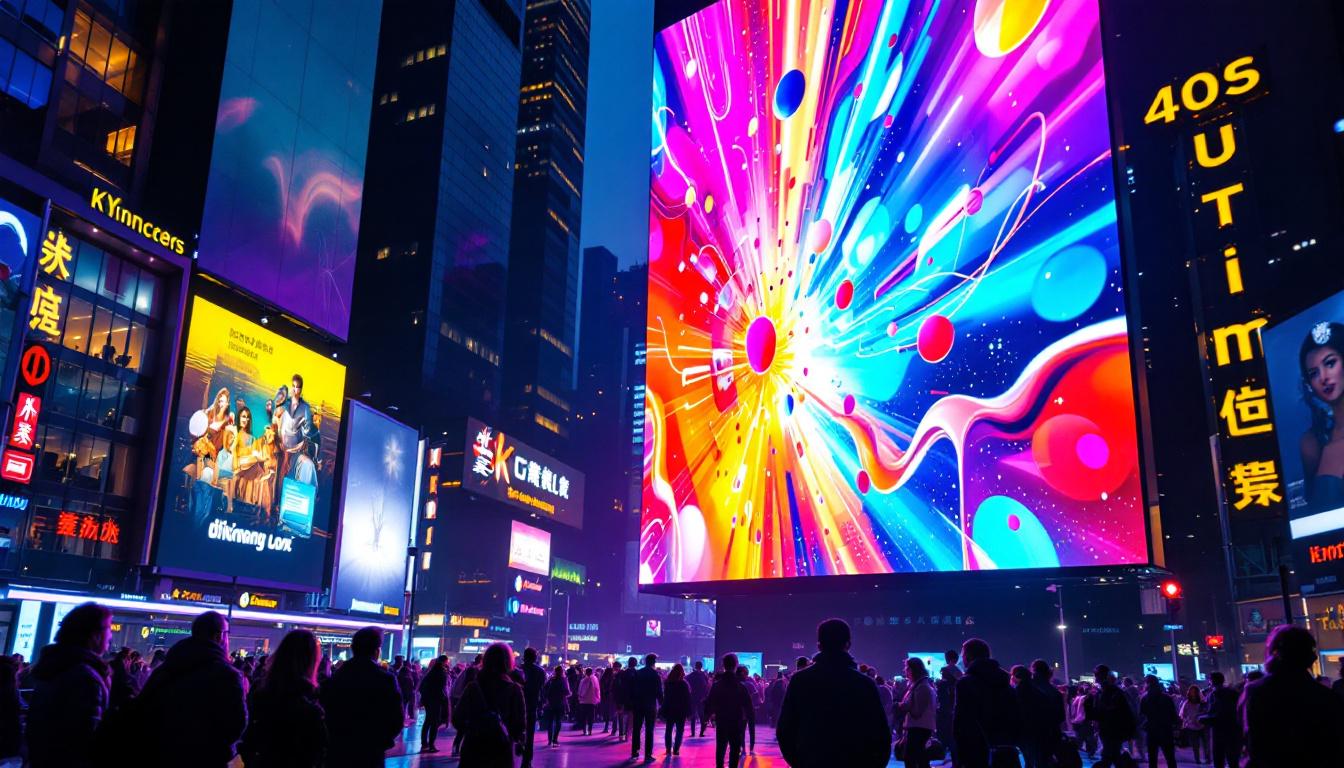
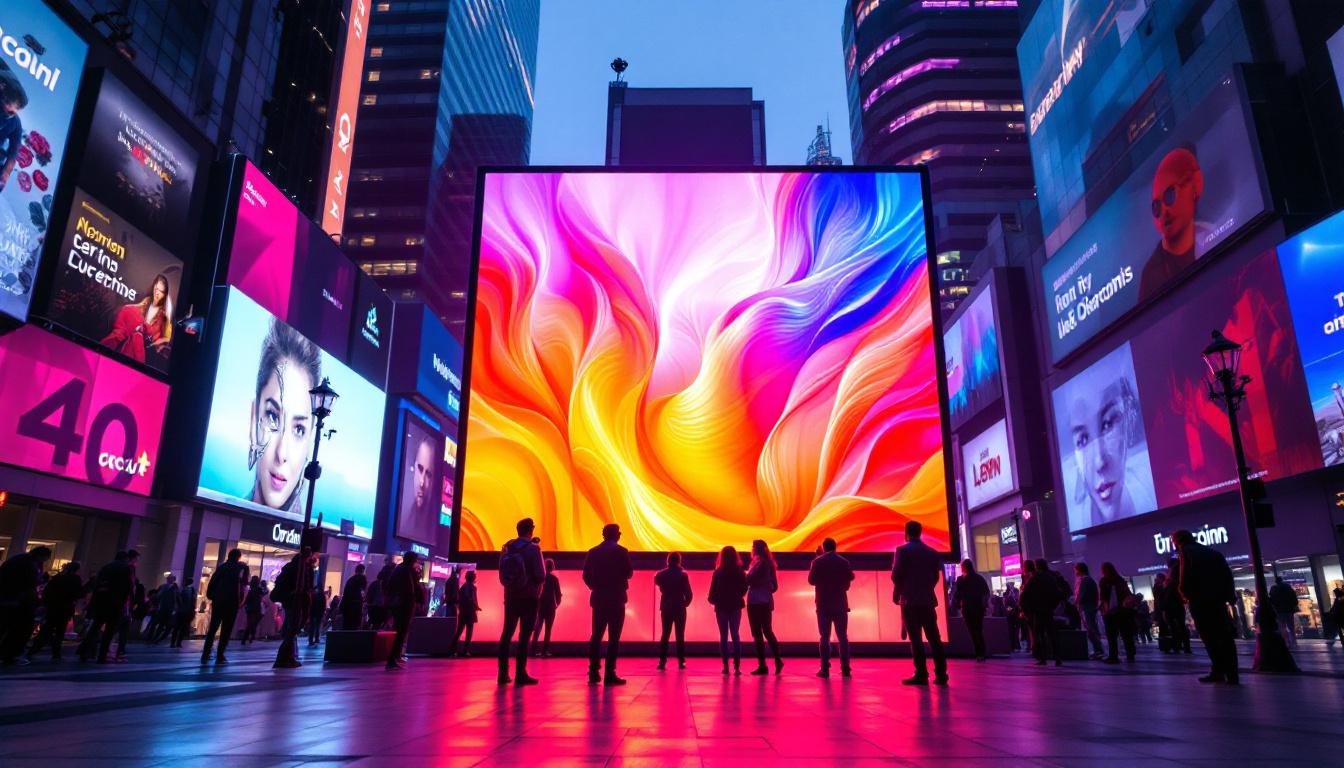
LED displays are used in a variety of settings, ranging from small indoor screens to massive outdoor video walls. Their ability to deliver high brightness and contrast levels makes them ideal for environments with challenging lighting conditions, such as direct sunlight or large venues.
The Basic Structure of an LED Display
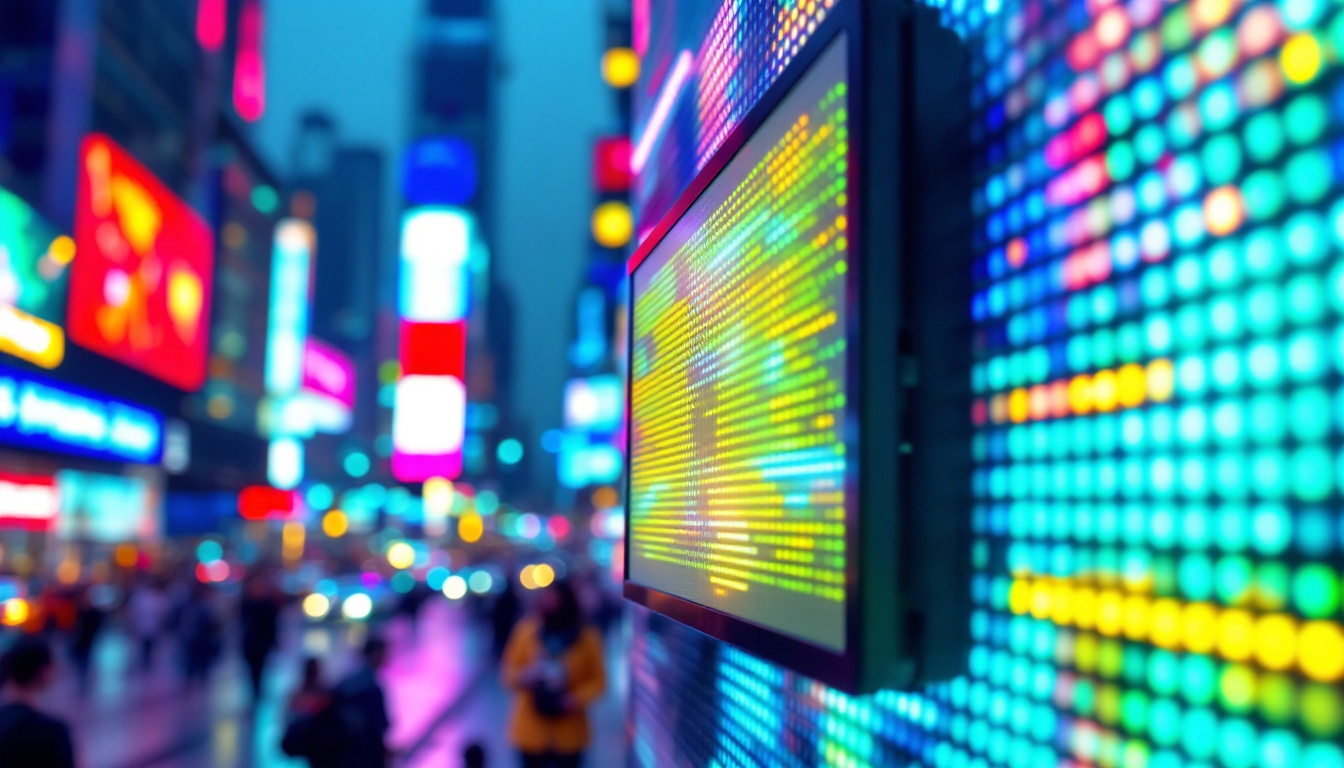
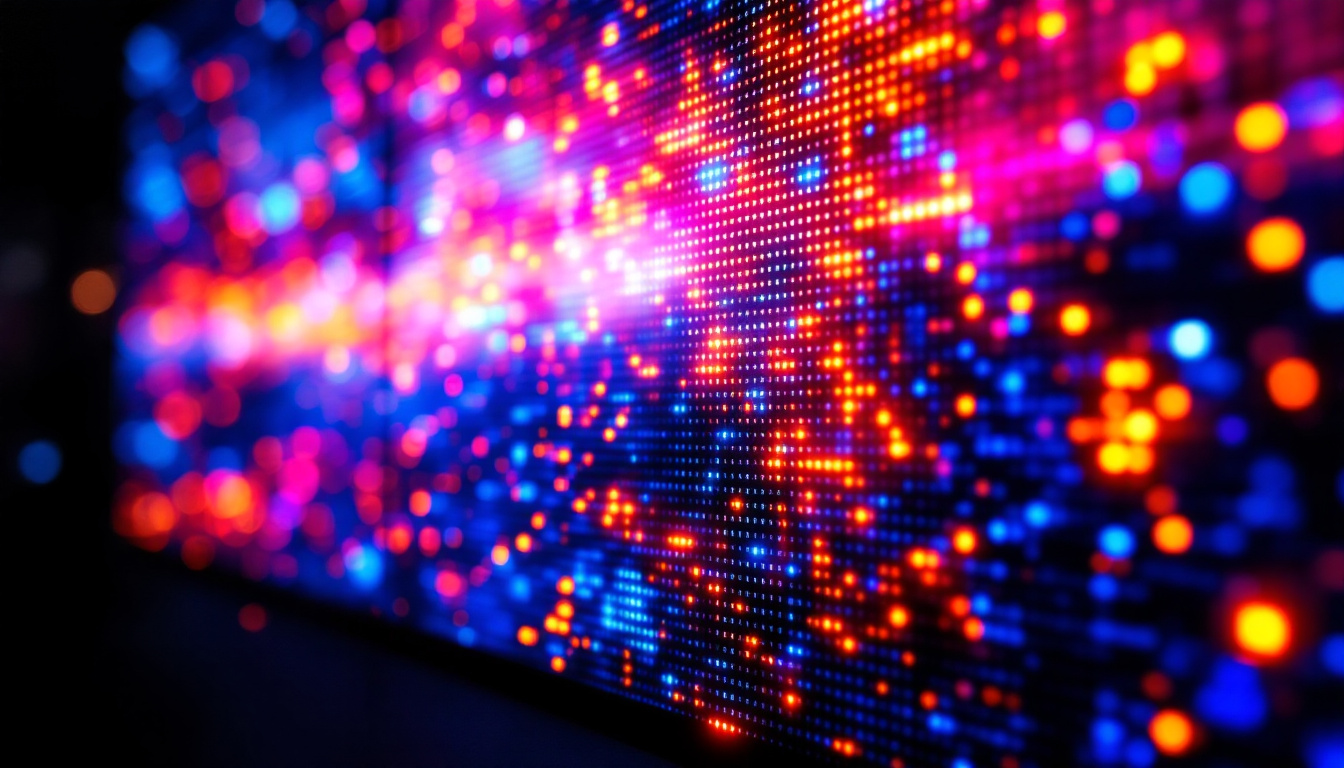
At its core, an LED display consists of thousands or even millions of tiny LEDs arranged in a grid pattern. Each LED acts as a single pixel or part of a pixel, depending on the display’s resolution. These LEDs can emit red, green, and blue light, which combine in varying intensities to produce a full spectrum of colors.
The LEDs are mounted on a circuit board, which controls the timing and intensity of each diode. This board is connected to a controller that processes the input video signal and translates it into instructions for the LEDs. The result is a dynamic image that can be updated in real time.
Types of LED Displays
LED displays come in several varieties, each tailored to specific use cases and environments. Understanding these types helps in selecting the right display for a particular application.
1. Indoor LED Displays
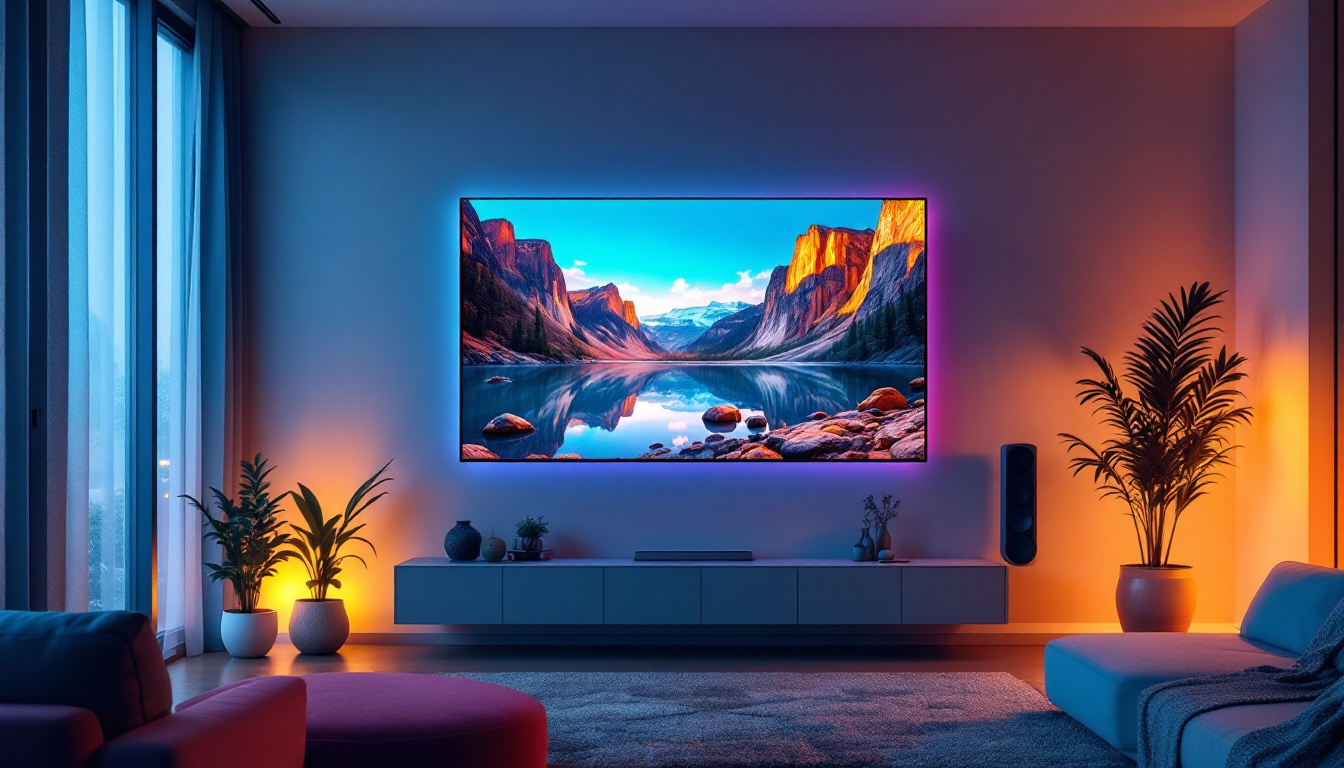
Indoor LED displays are designed for use inside buildings where ambient lighting is controlled. They typically have a higher pixel density, meaning the LEDs are packed closely together to create sharp, detailed images visible at close range. These displays are common in retail stores, conference rooms, airports, and television studios.
Because they operate in lower light environments, indoor LED displays do not require extremely high brightness levels, which also helps reduce power consumption and heat generation.
2. Outdoor LED Displays
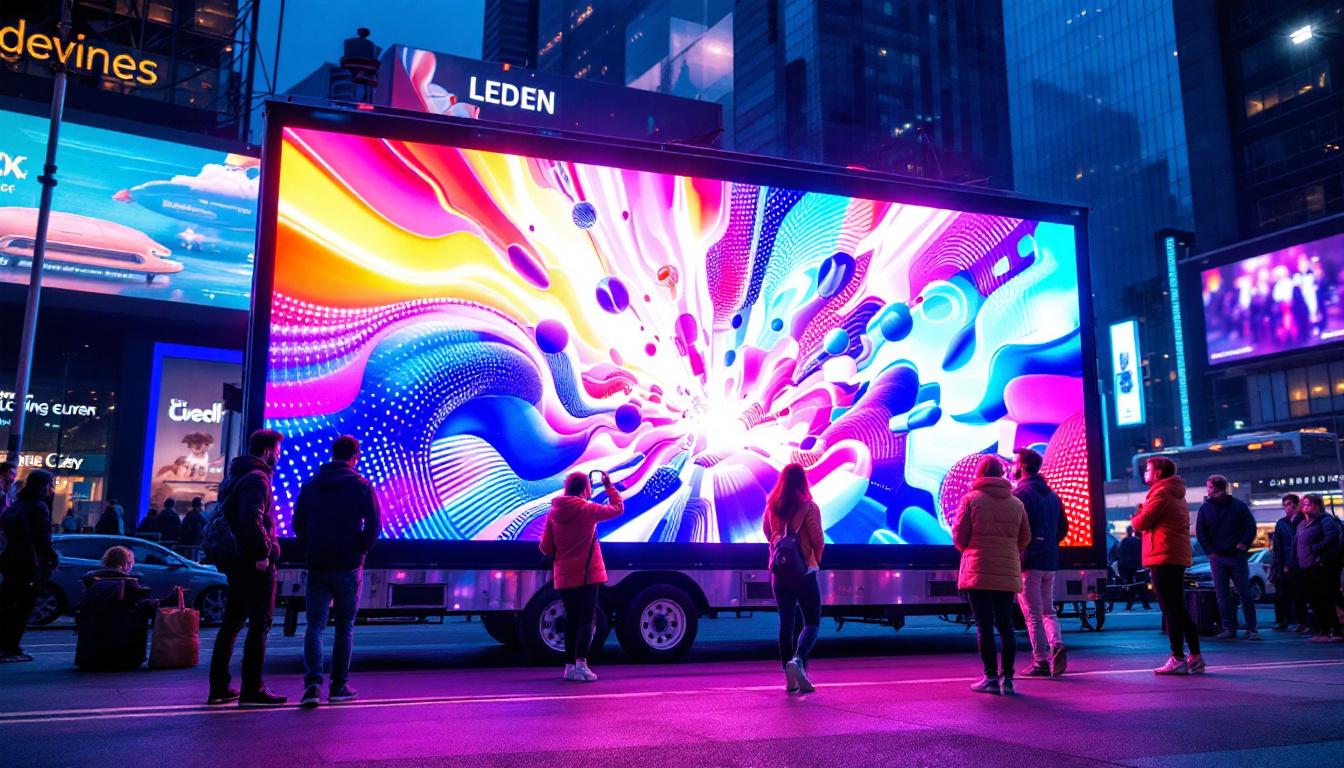
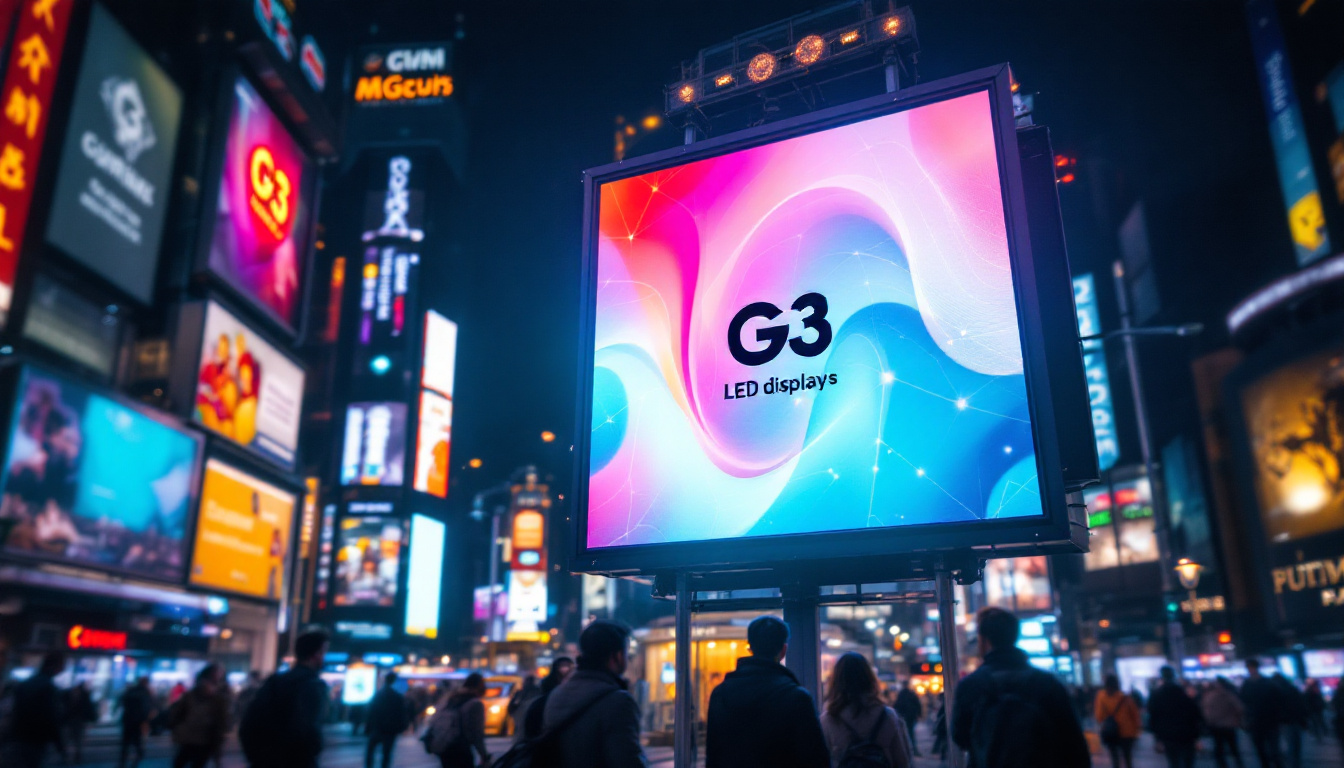
Outdoor LED displays are built to withstand harsh weather conditions such as rain, wind, and extreme temperatures. They feature higher brightness levels—often exceeding 5,000 nits—to remain visible even in direct sunlight. The pixel pitch, or distance between LEDs, is usually larger than indoor displays because viewers tend to see these screens from greater distances.
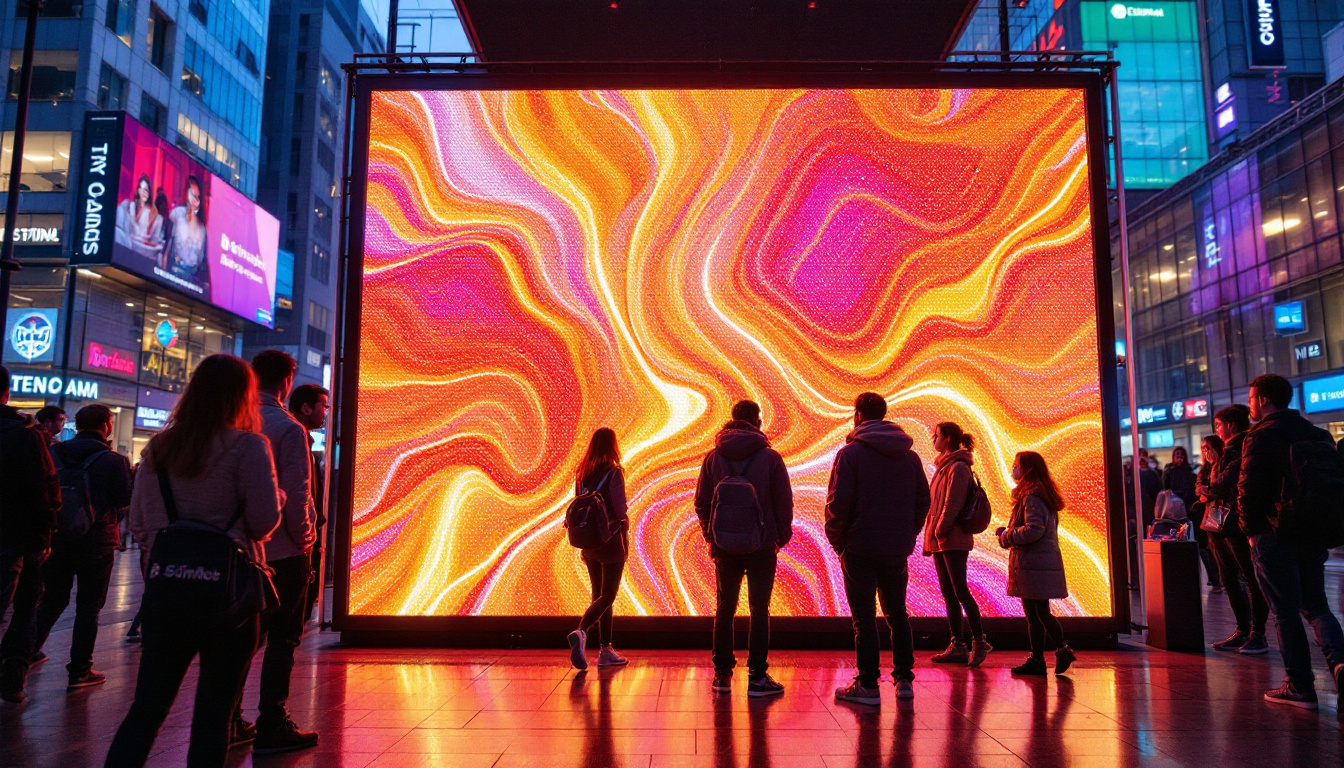
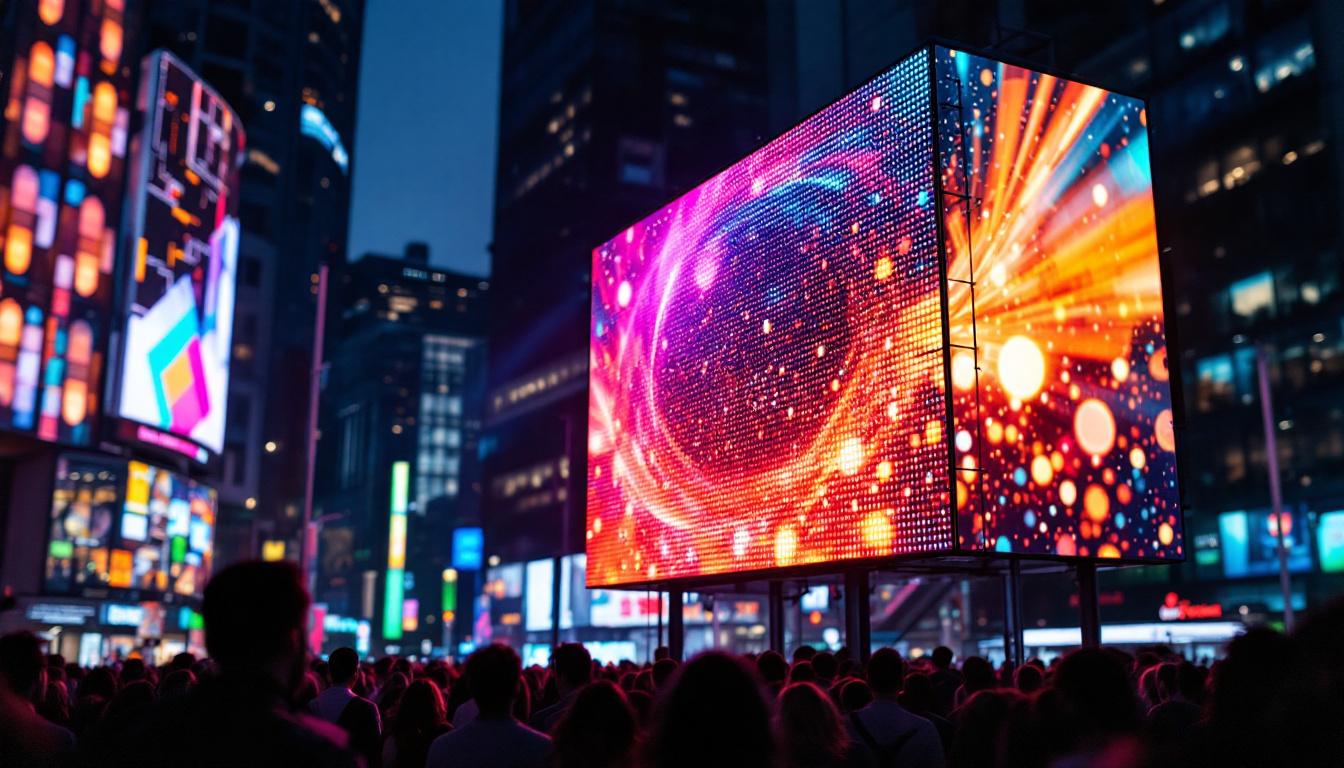
Examples include digital billboards, sports stadium screens, and public information displays. These screens often incorporate protective coatings and robust enclosures to ensure durability and longevity.
3. Transparent LED Displays
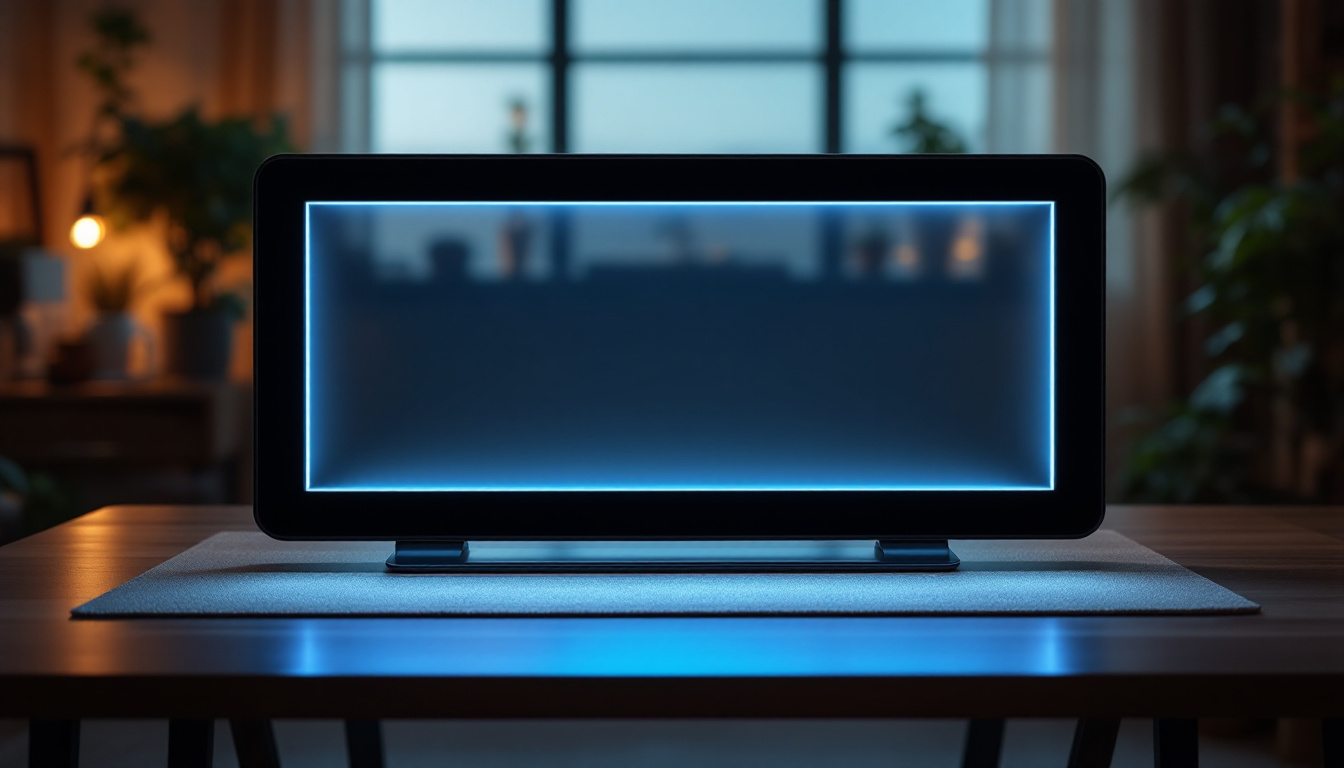
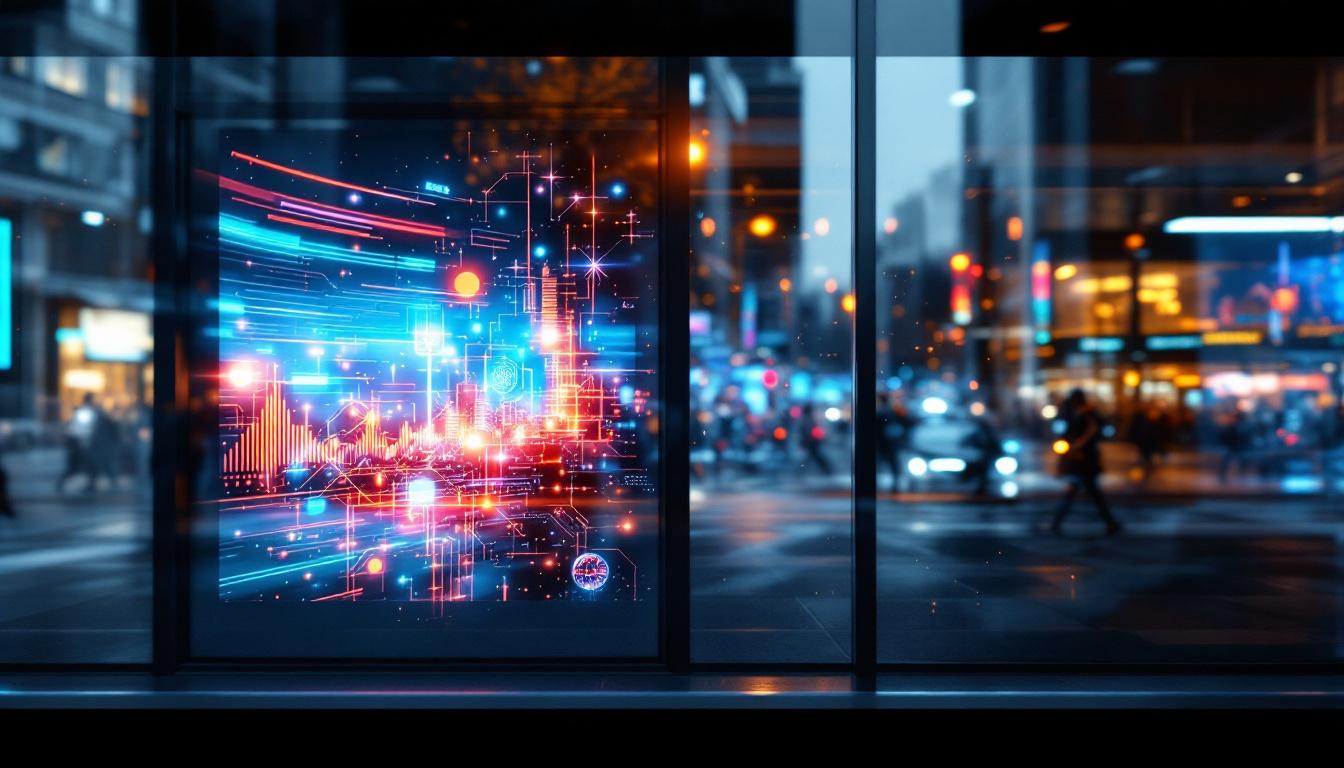
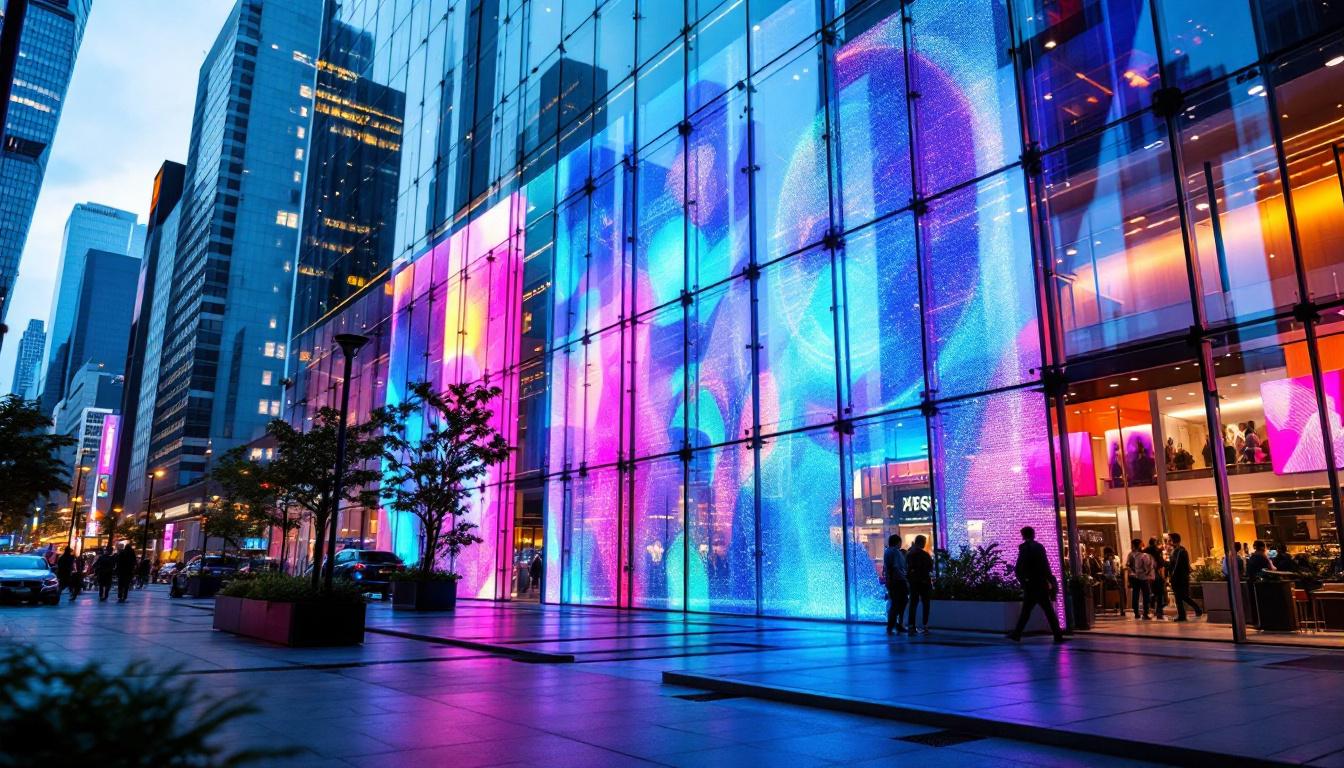
Transparent LED displays represent an innovative category where the LED panel allows light to pass through, making it possible to see both the display content and what is behind the screen. These are increasingly popular in retail storefronts and architectural applications, where maintaining visibility while delivering digital content is important.
They use specialized LED modules arranged on a transparent substrate, achieving a balance between transparency and image quality.
How LED Displays Work: The Technology Behind the Brightness
The magic of LED displays lies in their ability to control light at the pixel level. Each pixel is composed of three sub-pixels: red, green, and blue LEDs. By adjusting the intensity of each sub-pixel, the display can produce millions of colors through a process called additive color mixing.
Pixel Pitch and Resolution
Pixel pitch is a critical specification in LED displays, referring to the distance between the centers of two adjacent pixels. It is usually measured in millimeters. A smaller pixel pitch means higher resolution and finer image detail, which is essential for close viewing distances.
For example, an indoor LED display might have a pixel pitch of 1.5 mm or less, delivering crisp images for viewers standing just a few feet away. In contrast, outdoor displays designed for viewing from hundreds of feet away often have pixel pitches of 10 mm or more.
Brightness and Contrast
LED displays are renowned for their high brightness levels, often reaching between 1,000 and 10,000 nits, depending on the application. This brightness ensures visibility in bright environments, including daylight outdoors.
Contrast ratio—the difference between the darkest black and the brightest white the display can produce—is another key factor. LEDs can be turned off completely to produce true blacks, resulting in superior contrast compared to LCDs, which rely on backlighting.
Refresh Rate and Viewing Angle
The refresh rate, measured in Hertz (Hz), indicates how many times per second the display updates the image. Higher refresh rates reduce flicker and motion blur, making LED displays ideal for dynamic content such as video and live broadcasts.
Viewing angle is also important, especially for large public displays. LED displays typically offer wide viewing angles of 140 degrees or more, ensuring consistent image quality from various perspectives.
Applications of LED Displays
The versatility of LED displays has led to their adoption across numerous industries and settings. Their ability to deliver vivid, scalable visuals makes them invaluable for communication, entertainment, and information dissemination.
Advertising and Marketing
Digital billboards and signage are among the most visible applications of LED displays. According to recent industry reports, the global digital signage market is expected to reach over $30 billion by 2027, with LED technology playing a central role.
LED displays enable advertisers to deliver dynamic, eye-catching content that can be updated instantly, allowing for targeted campaigns and real-time messaging. This flexibility is a significant advantage over traditional static billboards.
Sports and Entertainment Venues
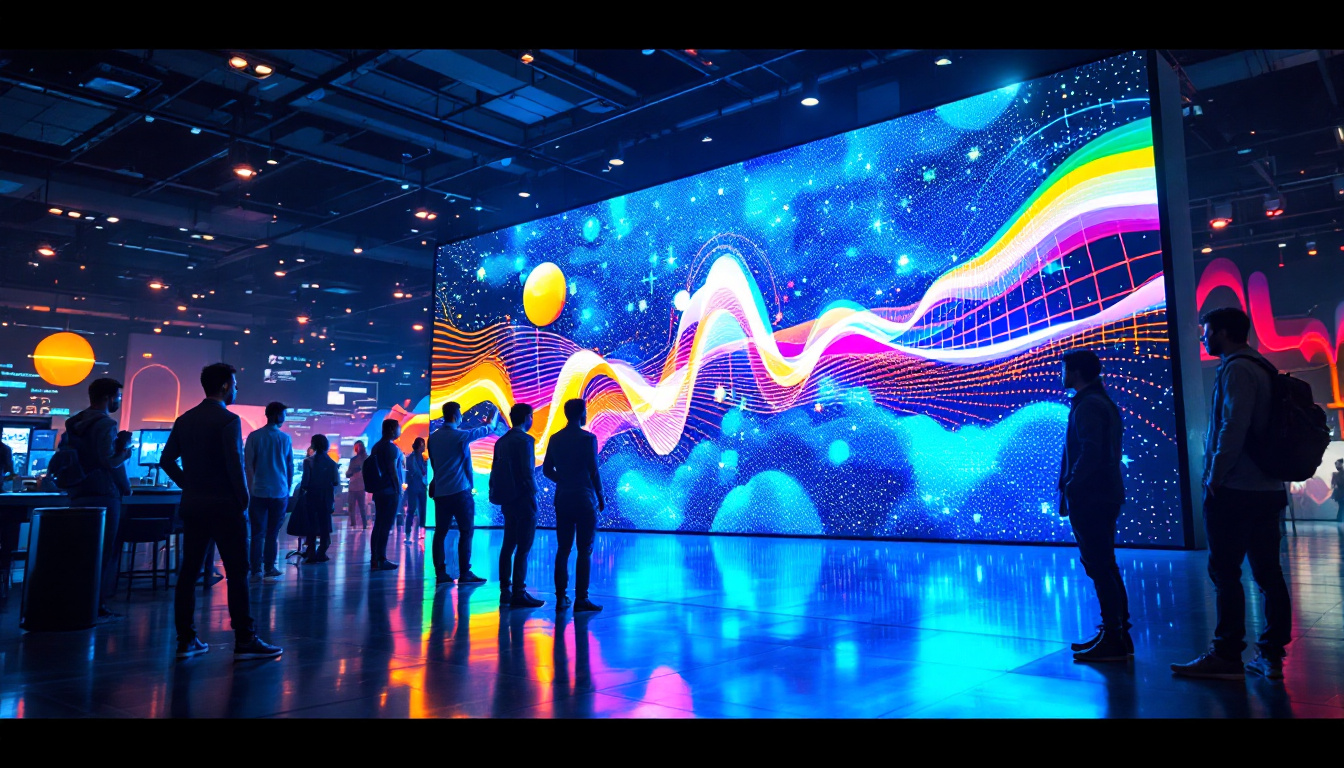
Stadiums and arenas use massive LED video walls to enhance the spectator experience. These displays provide live game footage, replays, scores, and interactive content, engaging fans and creating immersive environments.
The ability to produce bright, high-resolution images that remain visible under intense lighting conditions is crucial in these settings.
Corporate and Educational Environments
In offices, conference centers, and educational institutions, LED displays are used for presentations, digital whiteboards, and information kiosks. Their sharp image quality and scalability make them ideal for collaborative workspaces and lecture halls.
Transportation and Public Spaces
LED displays are widely used in airports, train stations, and bus terminals to provide real-time information such as schedules, alerts, and wayfinding. Their high visibility and reliability contribute to smoother passenger experiences.
Advantages of LED Displays Over Other Technologies
LED displays offer several key benefits compared to other display technologies like LCD, OLED, and projection systems.
Energy Efficiency
LEDs consume less power than traditional lighting and display technologies because they emit light directly rather than relying on backlighting. This efficiency translates into lower operating costs, especially for large-scale installations.
Longevity and Durability
LEDs have a long operational lifespan, often exceeding 100,000 hours, which reduces maintenance and replacement costs. Their solid-state nature makes them more resistant to shock and vibration than fragile LCD panels.
Superior Brightness and Contrast
The ability to produce intense brightness and deep blacks gives LED displays a visual advantage, particularly in challenging lighting environments.
Flexibility and Scalability
LED modules can be combined to create displays of virtually any size and shape, from small screens to giant video walls spanning thousands of square feet. This modularity allows for creative installations tailored to unique spaces.
Challenges and Considerations When Choosing LED Displays
Despite their many advantages, LED displays come with certain challenges and factors to consider before investment.
Initial Cost
High-quality LED displays can require significant upfront investment, especially for fine-pitch indoor models or large outdoor installations. However, the long-term benefits often justify the initial expense.
Installation and Maintenance
Proper installation is critical to ensure optimal performance and longevity. Maintenance can involve cleaning, calibration, and occasional module replacement. Choosing a reputable supplier with strong support services is essential.
Environmental Impact
While energy-efficient, LED displays still consume electricity and may contribute to light pollution in urban areas. Responsible design and usage can mitigate these effects.
The Future of LED Display Technology
Innovation in LED technology continues at a rapid pace, promising even more impressive capabilities in the coming years.
MicroLED and MiniLED Advances
MicroLED and MiniLED technologies represent the next generation of LED displays, offering higher resolution, improved color accuracy, and greater energy efficiency. MicroLEDs are especially promising for compact devices like smartphones and wearables.
Flexible and Curved Displays
Developments in flexible LED panels enable curved, bendable, and even foldable displays, opening new possibilities for design and application. This flexibility is already being explored in automotive dashboards and innovative advertising formats.
Integration with Smart Technologies
LED displays are increasingly integrated with sensors, AI, and IoT systems to deliver personalized content and interactive experiences. Smart LED displays can adapt brightness, content, and functionality based on user behavior and environmental conditions.
Conclusion
LED displays have revolutionized the way visual content is presented across industries and environments. Their combination of brightness, durability, flexibility, and energy efficiency makes them a compelling choice for a wide range of applications. As technology advances, LED displays will continue to evolve, offering even more dynamic and engaging ways to communicate and entertain.
For businesses and organizations considering digital display solutions, understanding the nuances of LED technology is crucial to making informed decisions that maximize impact and return on investment.
Discover LumenMatrix’s Innovative LED Display Solutions
Ready to elevate your visual displays with unparalleled brightness, clarity, and durability? LumenMatrix is at the forefront of LED display innovation, offering a diverse range of solutions tailored to meet your specific needs. From vibrant Indoor and Outdoor LED Wall Displays to dynamic Vehicle and Sports LED Displays, and even customizable options like Floor and Transparent LED Displays, LumenMatrix has the technology to transform your space and captivate your audience. Embrace the future of visual communication with our cutting-edge LED display modules. Check out LumenMatrix LED Display Solutions today and see how we can help you make a lasting impression.