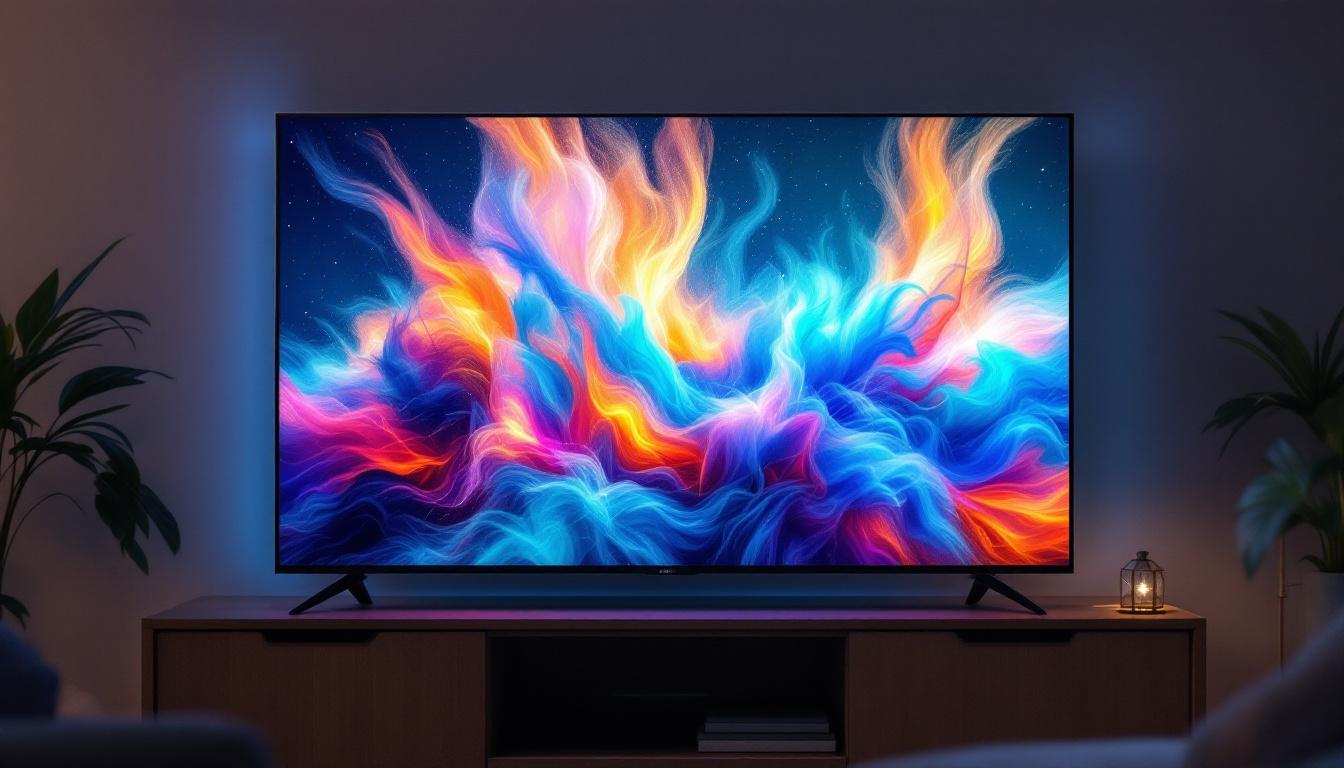
In today’s world of home entertainment, the television screen is the window to countless experiences, from cinematic masterpieces to live sports and immersive video games. Among the various technologies that bring these images to life, LED displays have become the dominant choice for modern TVs. But what exactly is an LED display, and how does it influence the quality of the image on your TV screen? This comprehensive guide will explore the fundamentals of LED display technology, its advantages, and how it shapes the viewing experience.
Understanding LED Display Technology
What Does LED Stand For?
LED stands for Light Emitting Diode. Unlike older display technologies such as cathode-ray tube (CRT) or plasma, LED TVs use tiny diodes that emit light when an electric current passes through them. These diodes serve as the backlight for the screen, illuminating the pixels that form the images you see.
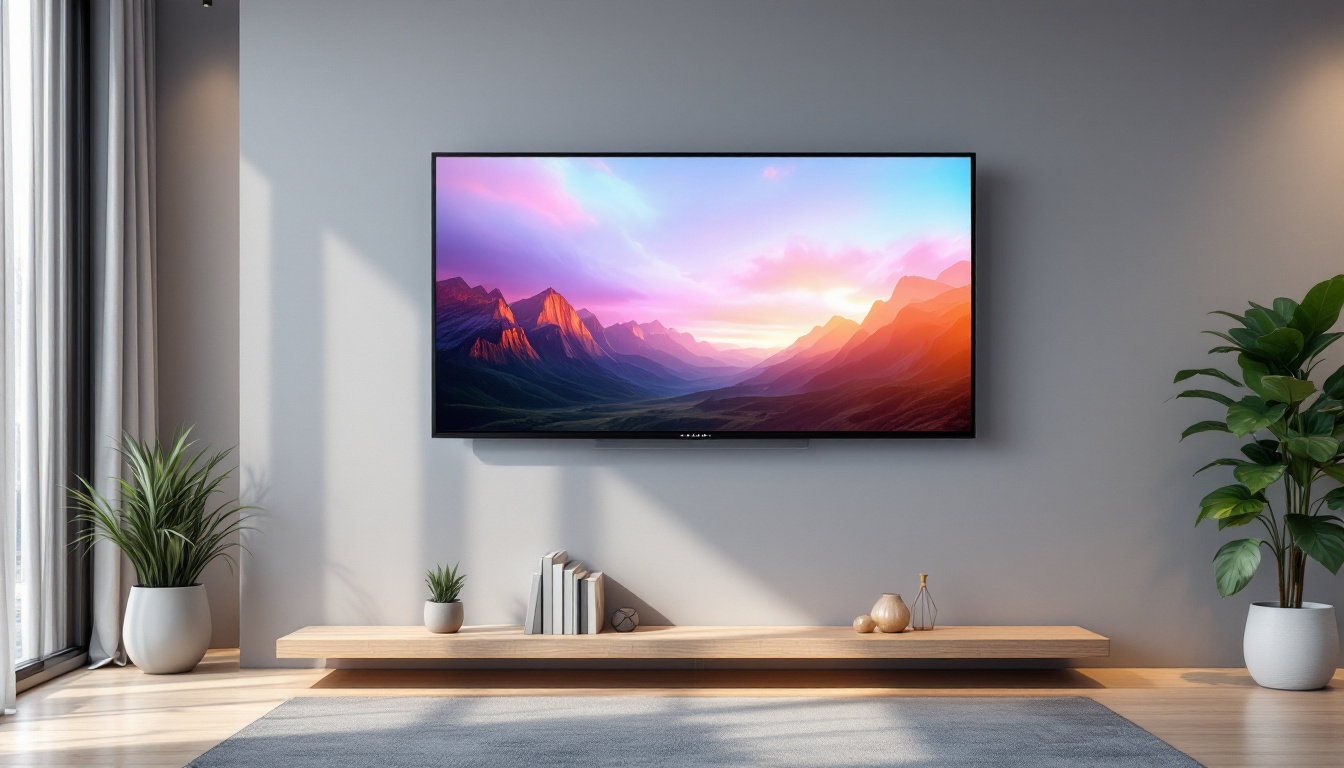
It’s important to note that LED TVs are essentially LCD (Liquid Crystal Display) panels that use LEDs as their light source instead of the traditional cold cathode fluorescent lamps (CCFLs). This distinction means that LED TVs are often referred to as LED-backlit LCD TVs. The shift to LED technology not only improved energy efficiency but also allowed for thinner and lighter designs, making it easier for consumers to mount their TVs on walls or fit them into compact spaces.
How Does an LED Display Work?
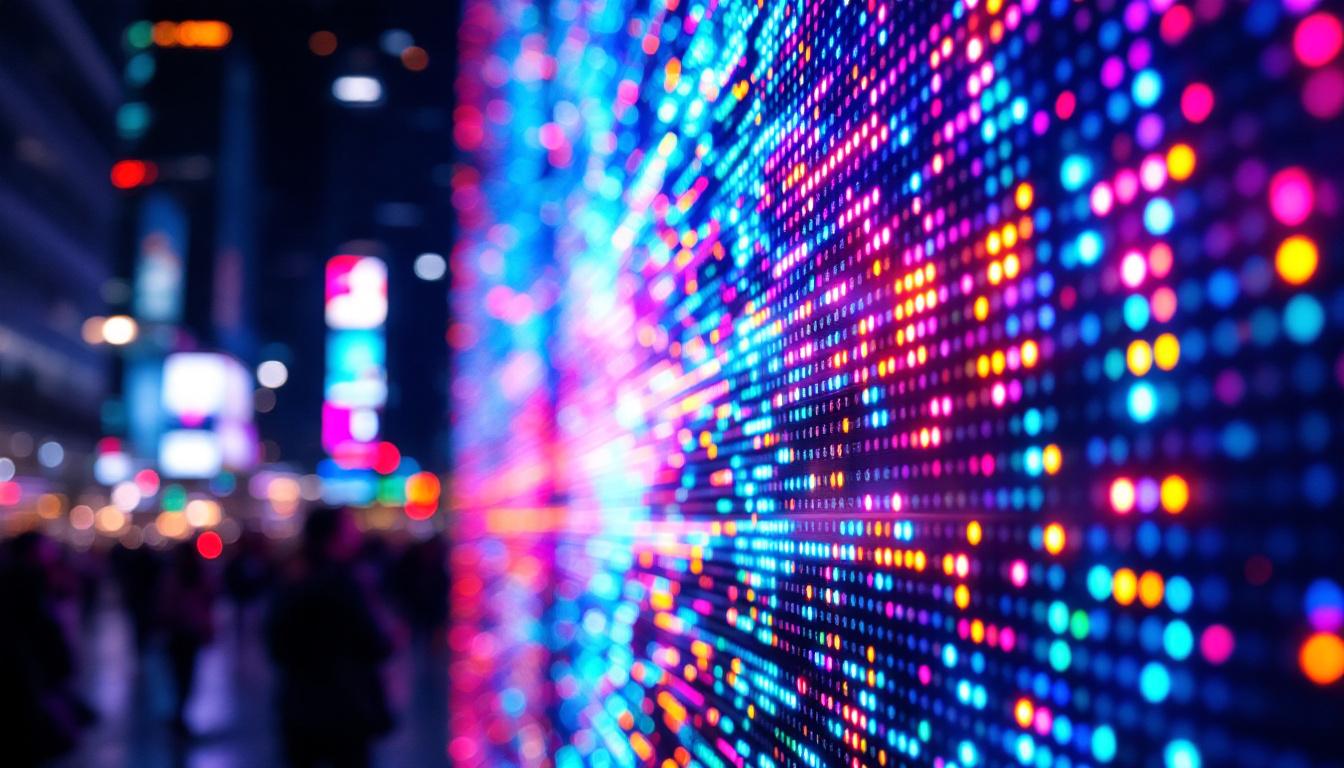
The core of an LED TV is its LCD panel, which contains millions of pixels made up of liquid crystals. These crystals don’t emit light themselves but instead control the passage of light from the LED backlight. When electricity is applied, the crystals twist to allow varying amounts of light to pass through colored filters, creating the desired colors and images on the screen.
The LED backlight shines through the LCD layer, and the liquid crystals modulate this light to form the picture. This combination allows for bright, vibrant images with excellent color accuracy and contrast. Additionally, advancements in technology have led to the development of quantum dot displays, which enhance color performance by using tiny semiconductor particles that emit specific colors when illuminated by the backlight, further enriching the viewing experience.
Types of LED Backlighting
There are primarily two types of LED backlighting used in TVs today: edge-lit and full-array.
- Edge-Lit LED: In this design, LEDs are placed along the edges of the screen. Light is spread across the panel using light guides. This approach allows for thinner TV designs but can sometimes result in less uniform brightness and contrast. However, edge-lit technology has been refined over the years, and many modern models incorporate advanced algorithms to improve light distribution and minimize hotspots.
- Full-Array LED: Here, LEDs are distributed evenly behind the entire screen. This design supports local dimming technology, which can selectively dim or brighten specific screen areas, enhancing contrast and black levels for a more dynamic image. Full-array backlighting is particularly beneficial for watching content in dark environments, as it can produce deeper blacks and a more immersive viewing experience.
In addition to these two primary types, there are also variations such as mini-LED and micro-LED technologies. Mini-LED uses smaller LEDs to create more zones of local dimming, allowing for even greater control over brightness and contrast. Micro-LED, on the other hand, represents a revolutionary leap in display technology, where each pixel is an individual micro-sized LED, providing extraordinary color accuracy, brightness, and viewing angles without the need for a separate backlight. These innovations are paving the way for the next generation of display technology, promising even more stunning visual experiences for consumers.
Advantages of LED Displays in TVs
Improved Energy Efficiency
One of the major benefits of LED displays over older technologies is their energy efficiency. LEDs consume significantly less power than CCFL backlights or plasma panels, making LED TVs more environmentally friendly and cost-effective over time. According to the U.S. Department of Energy, LED TVs can use up to 40% less energy than comparable CCFL-backlit LCDs.
Superior Picture Quality
LED technology enables higher brightness levels, which is especially beneficial in well-lit rooms. The ability to produce vivid colors and deep blacks, particularly with full-array local dimming, results in a more immersive viewing experience. Modern LED TVs also support high dynamic range (HDR) content, which further enhances contrast and color accuracy.
Thin and Lightweight Designs
Because LEDs are compact and can be arranged in various configurations, LED TVs can be manufactured to be incredibly thin and lightweight. This makes them easier to mount on walls and integrate into modern living spaces without bulky frames or heavy backs.
Longevity and Durability
LEDs have a longer lifespan compared to other backlighting methods. Many LED TVs offer tens of thousands of hours of use before the brightness begins to degrade noticeably. This durability ensures that the TV maintains consistent picture quality over many years.
Comparing LED Displays to Other TV Technologies
LED vs. OLED
Organic Light Emitting Diode (OLED) technology differs fundamentally from LED LCDs. OLED pixels emit their own light, allowing for perfect black levels and infinite contrast ratios. However, OLED TVs tend to be more expensive and can be susceptible to burn-in with static images.
LED TVs, particularly those with full-array local dimming, have narrowed the gap in picture quality while offering higher brightness levels and generally longer lifespans. For viewers prioritizing brightness and budget, LED TVs remain a compelling choice.
LED vs. QLED
Quantum Dot LED (QLED) is a marketing term used by some manufacturers to describe LED TVs enhanced with quantum dot technology. Quantum dots are tiny semiconductor particles that improve color accuracy and brightness. Essentially, QLED TVs are LED-backlit LCDs with improved color performance.
QLED TVs tend to offer brighter images and wider color gamuts compared to standard LED TVs, making them excellent for HDR content. However, they still rely on LED backlighting and LCD panels.
LED vs. Plasma
Plasma TVs, once popular for their excellent black levels and color reproduction, have largely been phased out. Plasma displays use small cells containing electrically charged ionized gases to produce images, which allows for deep blacks and smooth motion.
LED TVs surpass plasma in energy efficiency, screen brightness, and form factor. Additionally, LED TVs do not suffer from screen burn-in issues that plagued plasma technology.
Key Features to Consider in LED TVs
Resolution and Screen Size
Resolution plays a critical role in image clarity. Most modern LED TVs feature 4K Ultra HD resolution (3840 x 2160 pixels), providing four times the pixel count of Full HD. This higher resolution results in sharper images, especially on larger screens.
Screen size should be chosen based on viewing distance and room size. For example, a 55-inch 4K LED TV is ideal for viewing distances of 7-9 feet, while larger screens may be better suited for bigger rooms.
Refresh Rate and Motion Handling
The refresh rate, measured in Hertz (Hz), indicates how many times per second the screen updates the image. Higher refresh rates (120Hz or more) improve motion clarity, which is crucial for fast-paced sports or gaming.
Some LED TVs incorporate motion smoothing technologies to reduce blur, but these can sometimes introduce a “soap opera effect” that some viewers find distracting.
HDR Support
High Dynamic Range (HDR) enhances the contrast and color range of the image, making scenes appear more lifelike. Popular HDR formats include HDR10, Dolby Vision, and HLG. When shopping for LED TVs, look for models that support multiple HDR standards for maximum compatibility.
Smart TV Capabilities
Most LED TVs today come with built-in smart platforms that allow access to streaming services, apps, and voice assistants. The quality of the smart interface and the availability of apps can significantly impact user experience.
How to Optimize Your LED TV Viewing Experience
Proper Calibration
Factory settings on LED TVs often prioritize brightness and color saturation to catch attention in store displays. For the best image quality at home, calibrating your TV using professional tools or calibration discs can improve color accuracy, contrast, and brightness.
Ambient Lighting Considerations
LED TVs perform best in rooms with controlled lighting. Excessive ambient light can wash out the picture, while very dark rooms can make bright screens uncomfortable to watch. Using bias lighting behind the TV can reduce eye strain and improve perceived contrast.
Viewing Distance and Angle
To appreciate the full benefits of LED display technology, sit at an appropriate distance and angle. Sitting too close can reveal individual pixels, while sitting too far diminishes detail perception. Most LED TVs maintain good color and brightness across wide viewing angles, but extreme angles can still cause color shifts.
The Future of LED Display Technology
Mini-LED and Micro-LED Innovations
Recent advancements have introduced Mini-LED and Micro-LED technologies, which use much smaller LEDs for backlighting or direct pixel illumination. Mini-LED TVs offer improved local dimming with thousands of dimming zones, resulting in better contrast and black levels than traditional LED TVs.
Micro-LED technology, still emerging, promises self-emissive pixels like OLED but with higher brightness, longer lifespan, and no burn-in risk. This could revolutionize LED displays in the coming years.
Integration with 8K Resolution
While 4K remains the standard, 8K LED TVs are entering the market, offering four times the pixels of 4K. Although native 8K content is currently limited, upscaling technologies are improving, and 8K TVs are expected to become more mainstream as content availability grows.
Enhanced Smart Features and AI
Artificial intelligence is increasingly integrated into LED TVs to optimize picture settings based on content type and ambient conditions. AI-powered upscaling and voice control are becoming standard features, enhancing the overall user experience.
Conclusion
LED display technology has transformed the way images are rendered on TV screens, combining energy efficiency, superior brightness, and vibrant color reproduction in sleek, modern designs. Understanding how LED displays work and the various features available can help consumers make informed choices that enhance their viewing experience.
Whether choosing an LED TV for casual viewing, gaming, or home cinema, the advancements in LED technology continue to push the boundaries of picture quality and performance. As innovations like Mini-LED and Micro-LED become more accessible, the future of TV displays looks brighter and more immersive than ever.
Discover the Future of Visual Experience with LumenMatrix
As you consider upgrading your home entertainment system or enhancing your business’s visual display, LumenMatrix stands at the forefront of LED display innovation. Our commitment to excellence is evident in our wide range of LED display solutions, from Indoor and Outdoor LED Wall Displays to specialized options like Vehicle LED Displays and LED Sports Displays. Embrace the future of television and digital signage with our cutting-edge technology that promises to bring your visual communication to life. Experience the difference in clarity, engagement, and impact with LumenMatrix. Check out LumenMatrix LED Display Solutions and join the revolution in display technology.