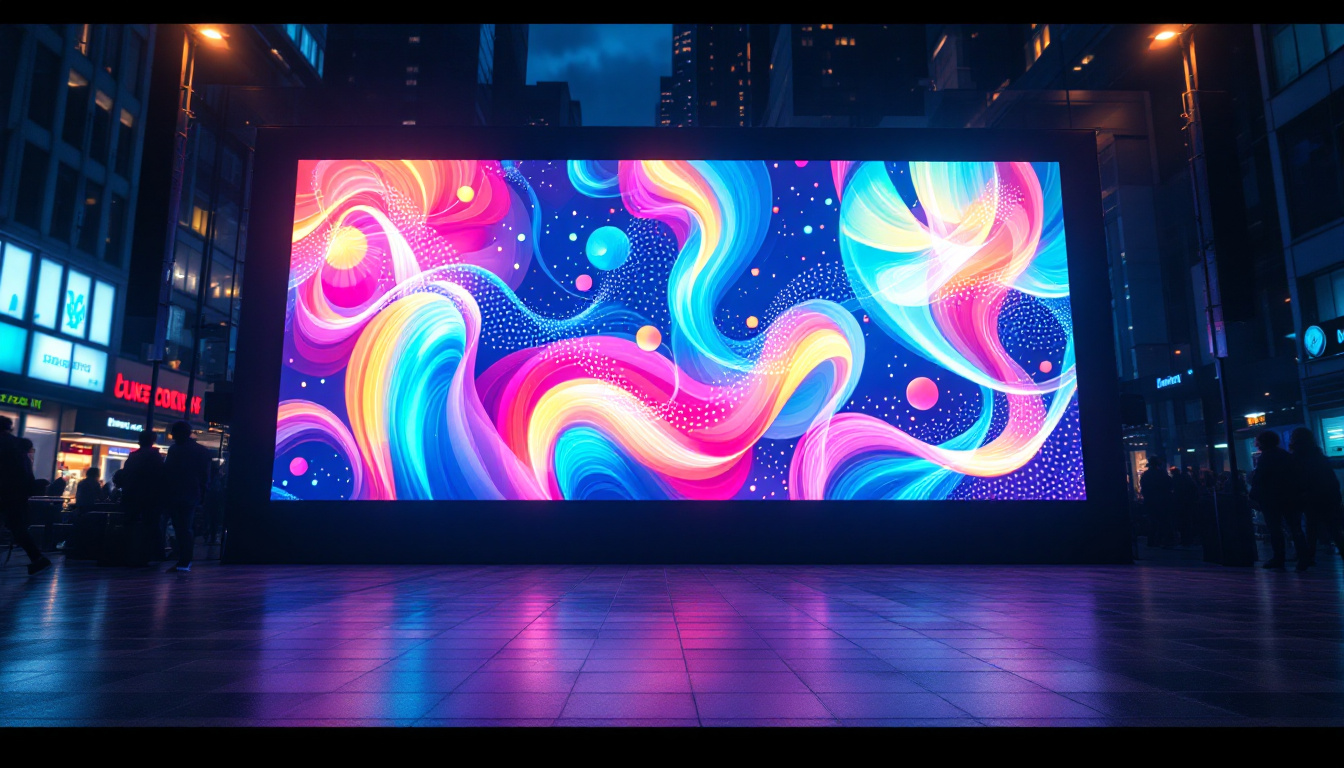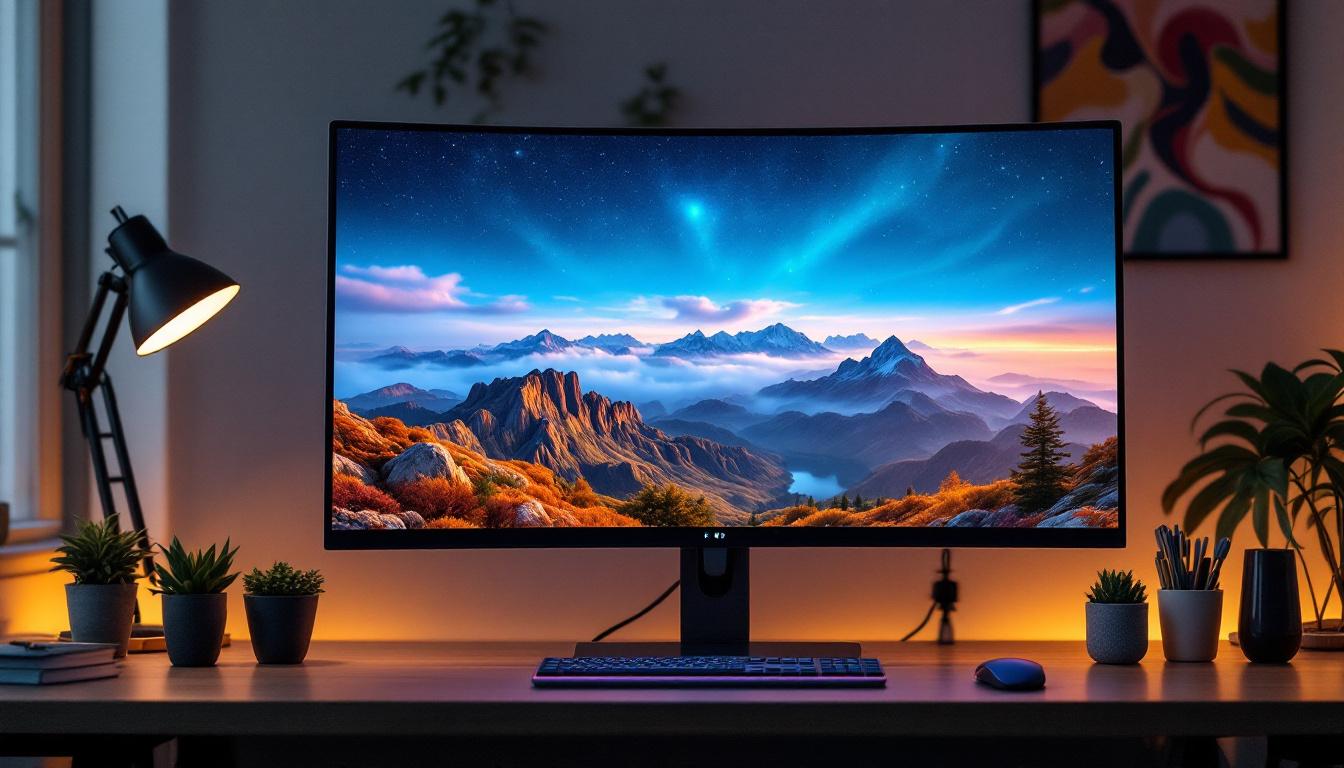
In an era where visual communication is paramount, large format monitors have become indispensable tools across various industries. From corporate boardrooms to retail environments and control centers, the demand for high-quality, vibrant displays continues to grow. Among the technologies powering these expansive screens, LED displays stand out for their superior brightness, energy efficiency, and versatility.
This article explores the fundamentals of large format LED monitors, shedding light on their technology, advantages, applications, and future trends. Whether you are a business owner considering an upgrade or a technology enthusiast curious about display innovations, this comprehensive guide will help you understand why LED is the preferred choice for large format displays today.
Understanding Large Format Monitors
What Defines a Large Format Monitor?
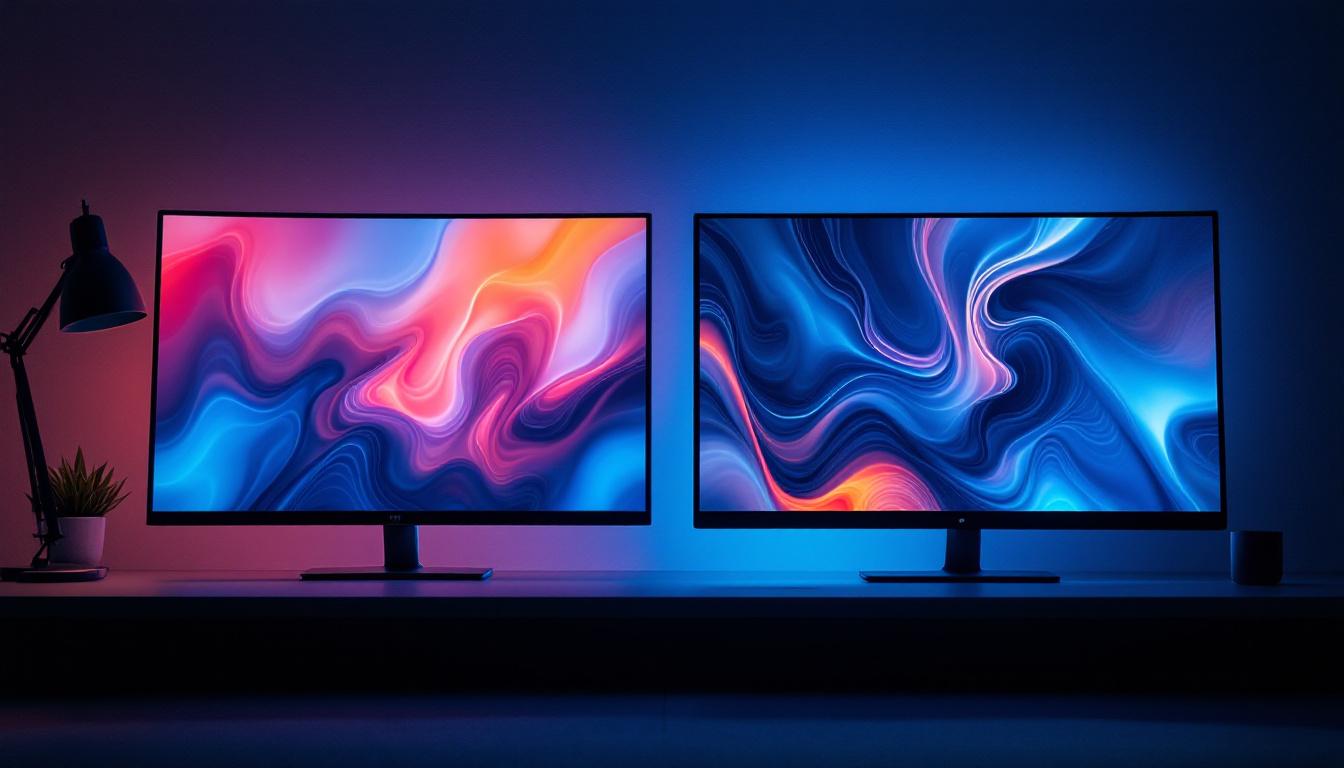
Large format monitors (LFMs) are display screens significantly larger than conventional desktop monitors or televisions. Typically, these monitors range from 55 inches to over 100 inches diagonally. They are designed for environments where visibility from a distance and high impact visuals are essential.
Unlike standard displays, LFMs are often used for digital signage, video walls, conference rooms, and public information displays. Their size and resolution allow for detailed content presentation, making them ideal for engaging audiences in public spaces or facilitating collaboration in professional settings. The immersive experience provided by LFMs can transform the way information is communicated, whether it’s in a retail environment showcasing products or in a corporate setting where data visualization is key to decision-making.
Moreover, the versatility of large format monitors extends beyond mere size; they can be integrated with interactive touch technology, allowing users to engage directly with the content displayed. This interactivity can enhance presentations, making them more dynamic and participatory. In educational institutions, LFMs can be used as interactive whiteboards, fostering a collaborative learning environment where students can contribute ideas and work together on projects in real-time.
Common Technologies in Large Format Displays
Large format monitors can be built using various display technologies, including LCD (Liquid Crystal Display), OLED (Organic Light Emitting Diode), and LED (Light Emitting Diode). Each technology has its strengths and limitations:
- LCD: Uses a backlight to illuminate pixels; generally more affordable but can suffer from limited contrast and viewing angles.
- OLED: Offers excellent contrast and color accuracy by emitting light from individual pixels but is currently less common and more expensive for large sizes.
- LED: Utilizes an array of light-emitting diodes either as backlighting in LCD panels or as self-emitting pixels in direct-view LED displays, providing superior brightness and energy efficiency.
Among these, LED technology has gained dominance in the large format market due to its scalability and performance. The ability to create seamless video walls using LED panels has revolutionized how visual content is displayed, allowing for expansive and captivating presentations that draw viewers in. Additionally, advancements in LED technology have led to improved color reproduction and reduced energy consumption, making them an environmentally friendly choice for large installations.
Furthermore, the integration of smart technology into LFMs has opened up new possibilities for content management and display. Many large format monitors now come equipped with built-in software that allows users to schedule content, manage multiple displays from a single interface, and even analyze viewer engagement through analytics. This capability is particularly beneficial for businesses looking to optimize their advertising strategies and maximize the impact of their visual communications.
LED Display Technology: How It Works
Basics of LED Displays
LED displays consist of tiny light-emitting diodes that produce light when an electric current passes through them. In large format monitors, these LEDs form the pixels that create the images viewers see. There are two primary types of LED displays used in large format monitors:
- LED-backlit LCDs: These are traditional LCD panels illuminated by LEDs instead of fluorescent lamps. The LEDs serve as a backlight behind the liquid crystal layer, improving brightness and energy efficiency compared to older LCDs.
- Direct-view LED (DVLED) displays: In DVLEDs, each pixel is an individual LED or cluster of LEDs that emits its own light. This allows for higher contrast ratios, better color accuracy, and the ability to create extremely large seamless displays.
Pixel Pitch and Resolution
A critical factor in LED display quality is pixel pitch, which refers to the distance between the centers of two adjacent pixels. Smaller pixel pitch means more pixels per unit area, resulting in higher resolution and sharper images.
For example, a pixel pitch of 1.2mm is common in indoor DVLED displays used for close viewing distances, such as conference rooms or retail environments. Larger pixel pitches (e.g., 4mm to 10mm) are typical for outdoor or large venue displays where viewers are farther away.
Brightness and Contrast Advantages
One of the standout benefits of LED displays is their exceptional brightness. LED panels can achieve brightness levels exceeding 1,000 nits indoors and up to 5,000 nits or more outdoors, ensuring visibility even under direct sunlight.
Moreover, direct-view LED displays offer near-infinite contrast ratios because each LED pixel can be turned off completely to produce true blacks. This capability enhances image depth and vibrancy, making content more engaging and easier to read.
Benefits of Large Format LED Displays
Energy Efficiency and Longevity
Compared to older display technologies, LED monitors consume significantly less power. The energy efficiency of LEDs translates to lower operating costs, which is especially important for large installations that run continuously.
Additionally, LED displays have long lifespans, often exceeding 100,000 hours of operation before brightness diminishes noticeably. This durability reduces maintenance expenses and downtime, providing a strong return on investment.
Scalability and Customization
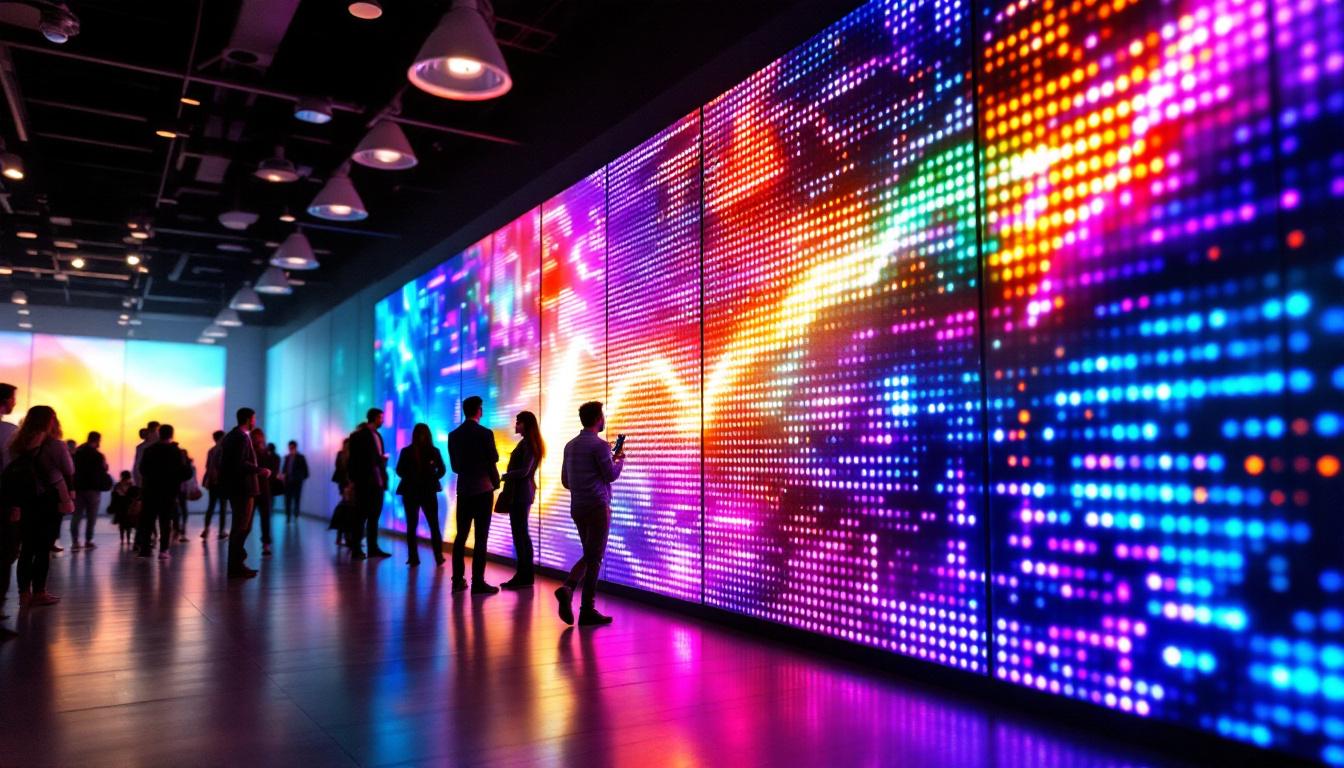
Large format LED displays are highly scalable. Modular designs allow multiple LED panels to be seamlessly tiled together, creating video walls of virtually any size and shape. This flexibility enables businesses to tailor displays to their specific spatial and visual requirements.
Customization extends to pixel pitch, resolution, and brightness levels, allowing the creation of displays optimized for different environments—whether a dimly lit control room or a bustling outdoor advertising billboard.
Superior Visual Performance
LED displays deliver vivid colors, deep blacks, and wide viewing angles. The technology supports high dynamic range (HDR) content, enhancing contrast and color accuracy for lifelike images.
For applications such as digital signage, broadcasting, and immersive presentations, these visual qualities are crucial for capturing attention and conveying information effectively.
Applications of Large Format LED Monitors
Corporate and Conference Environments
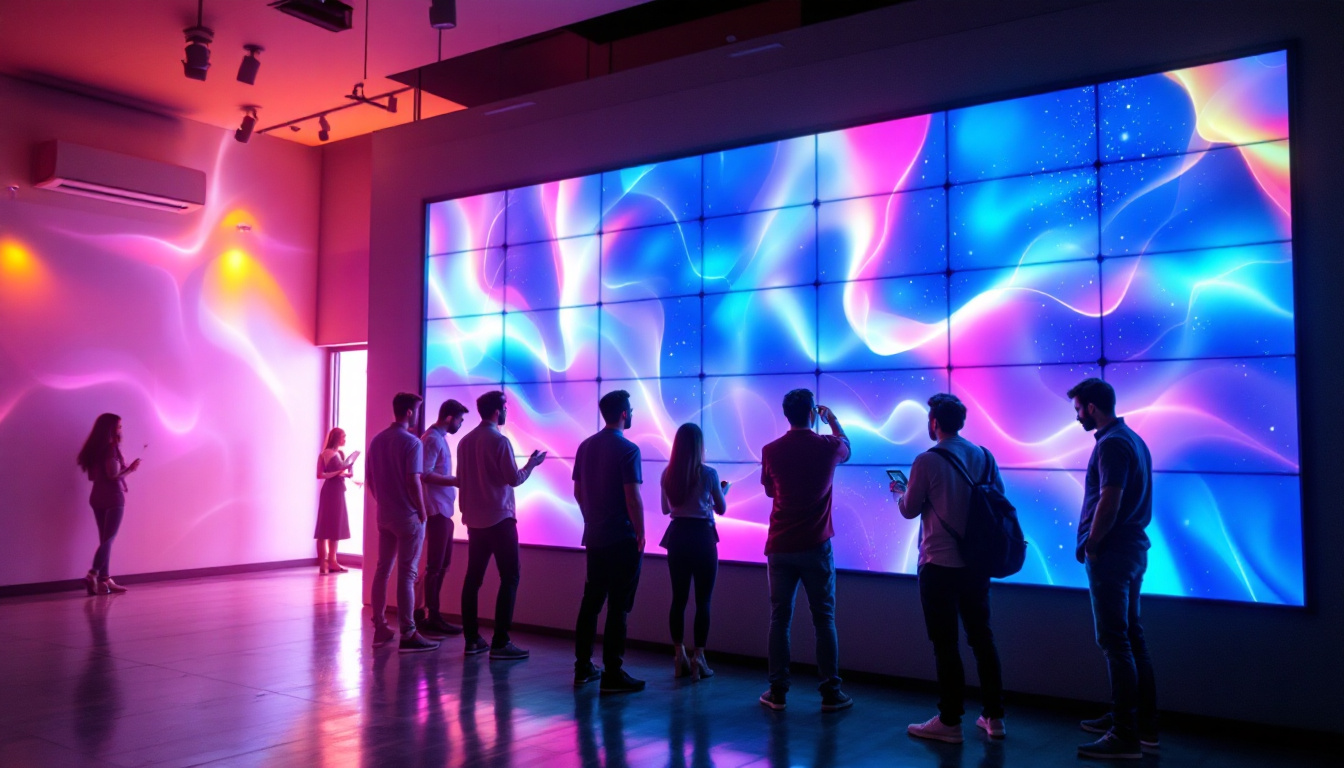
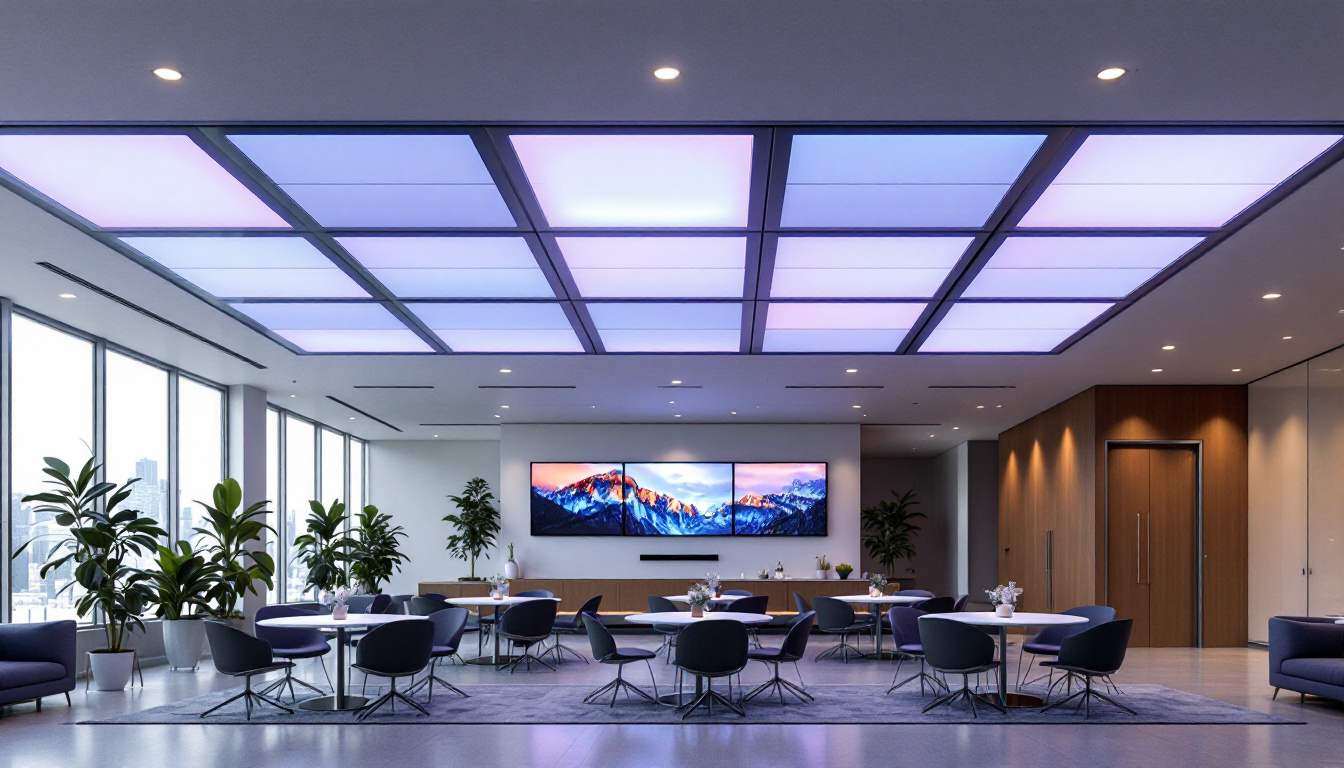
In corporate settings, large format LED monitors facilitate impactful presentations, video conferencing, and collaborative work sessions. Their clarity and size ensure that all participants, regardless of seating position, can view content clearly.
Many modern boardrooms integrate LED video walls to display multiple data streams simultaneously, improving decision-making and engagement during meetings.
Retail and Advertising
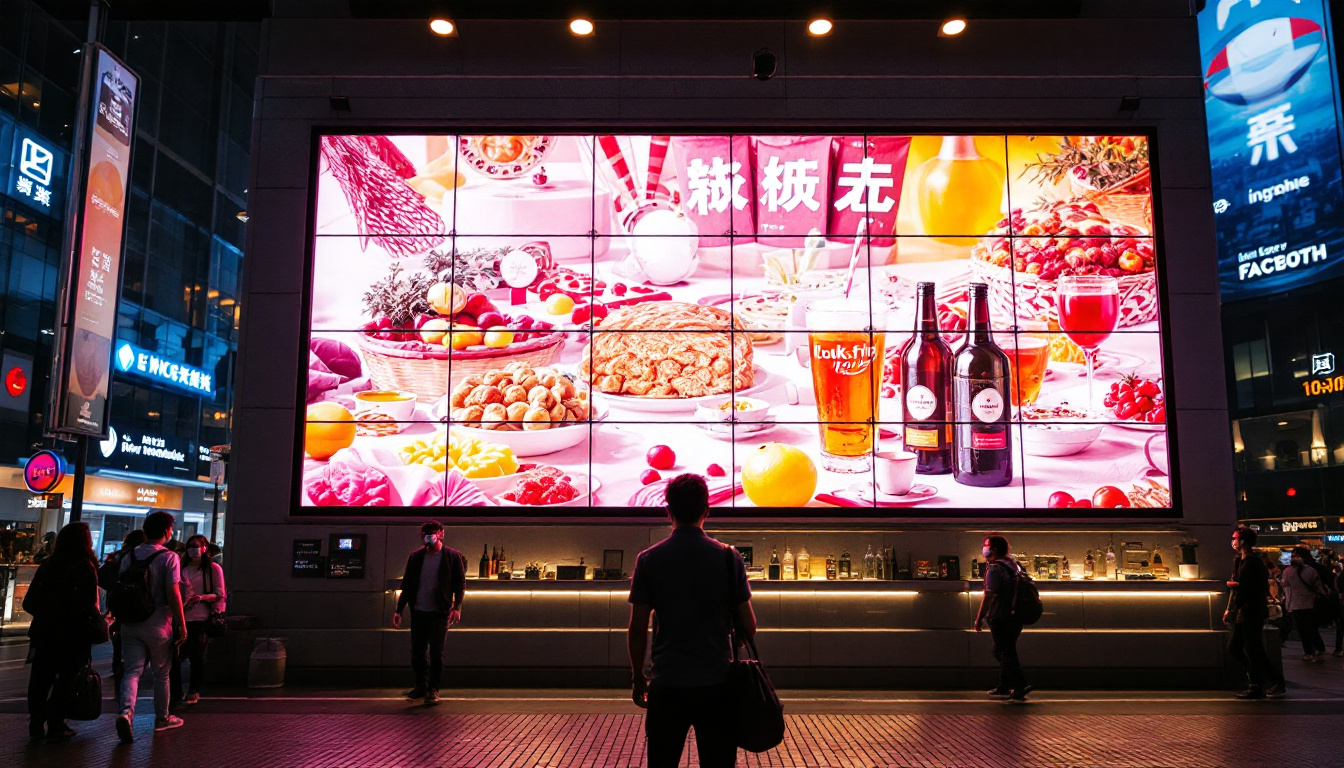
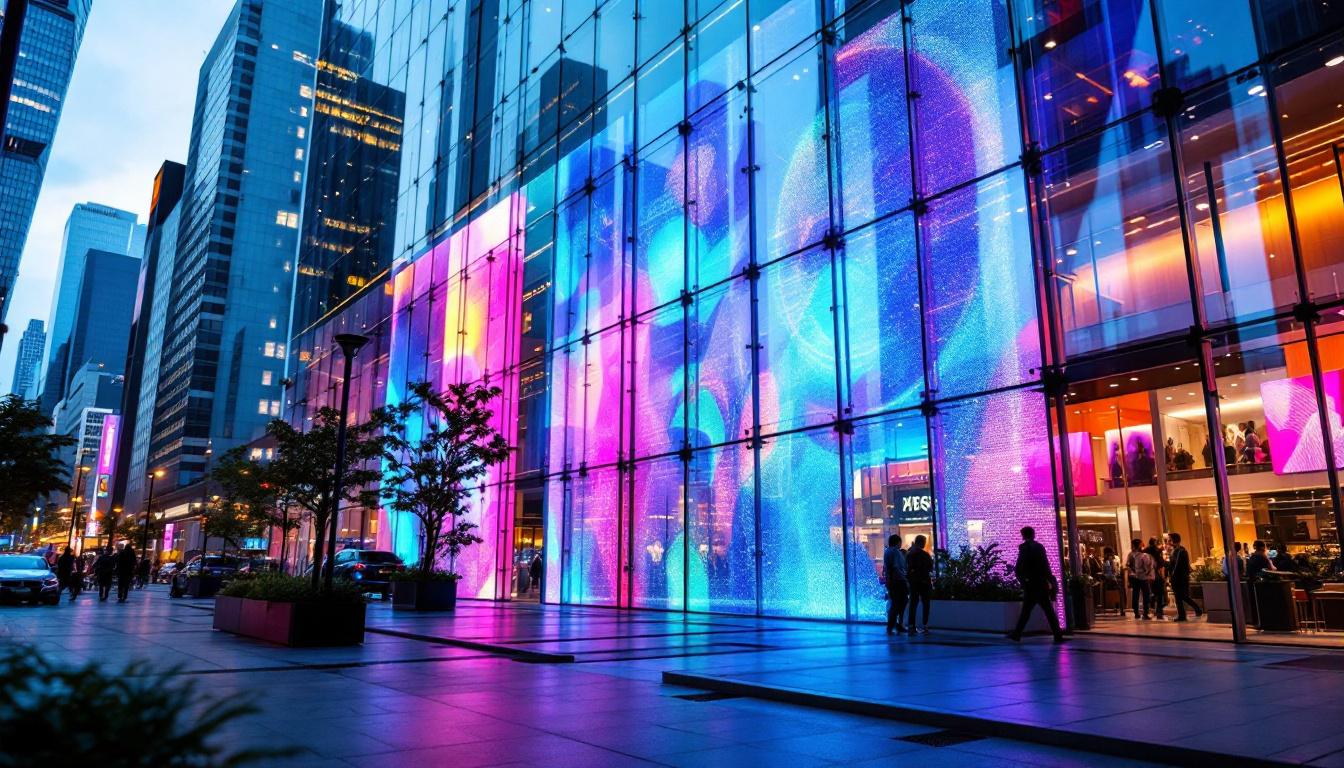
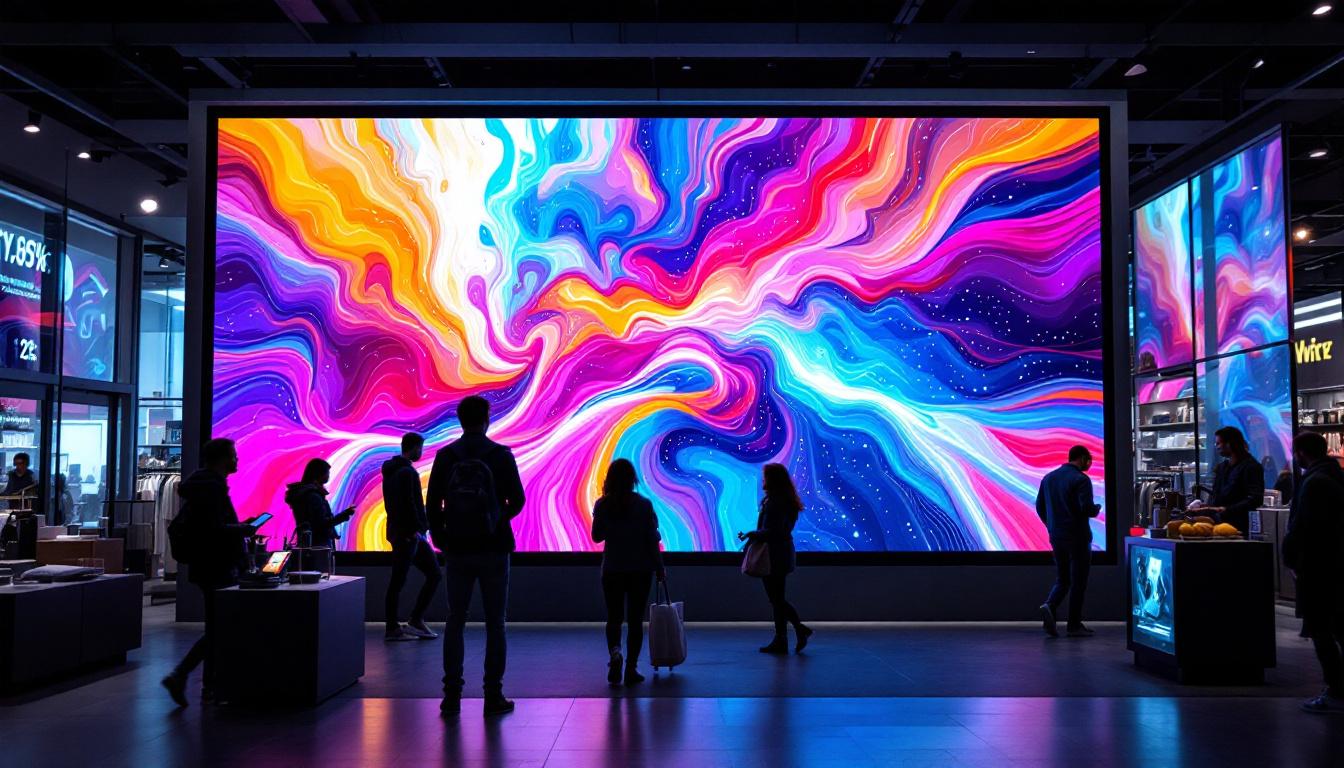
Retailers leverage large LED displays to create dynamic storefronts and in-store promotions. The brightness and color fidelity of LED screens attract customers and enhance brand messaging.
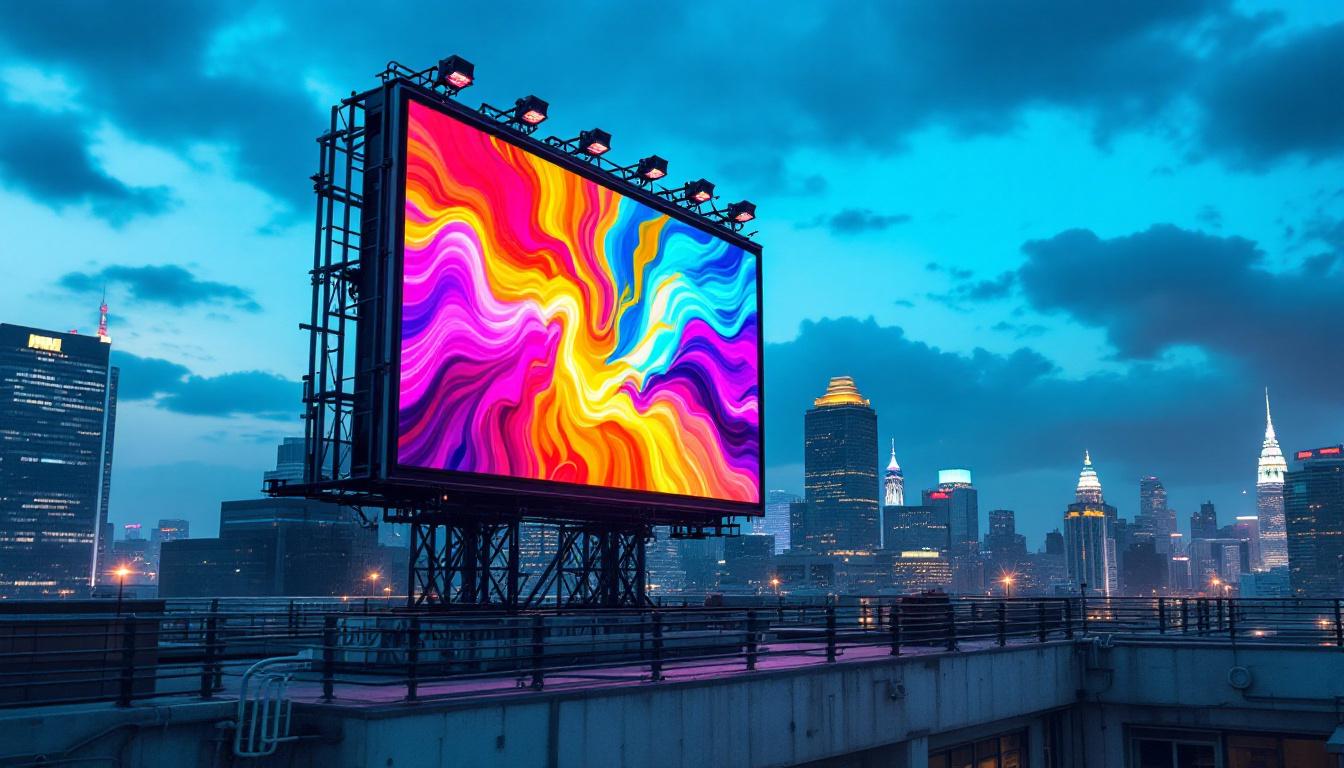
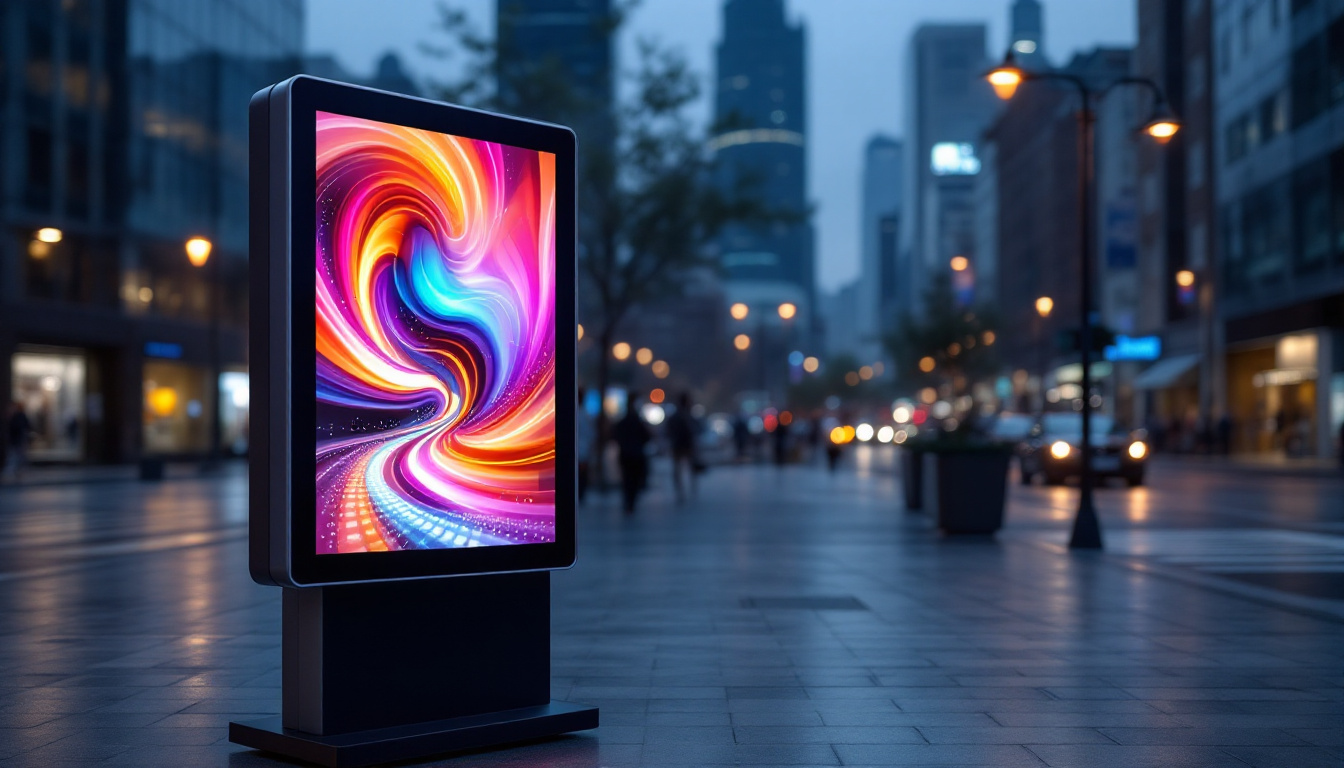
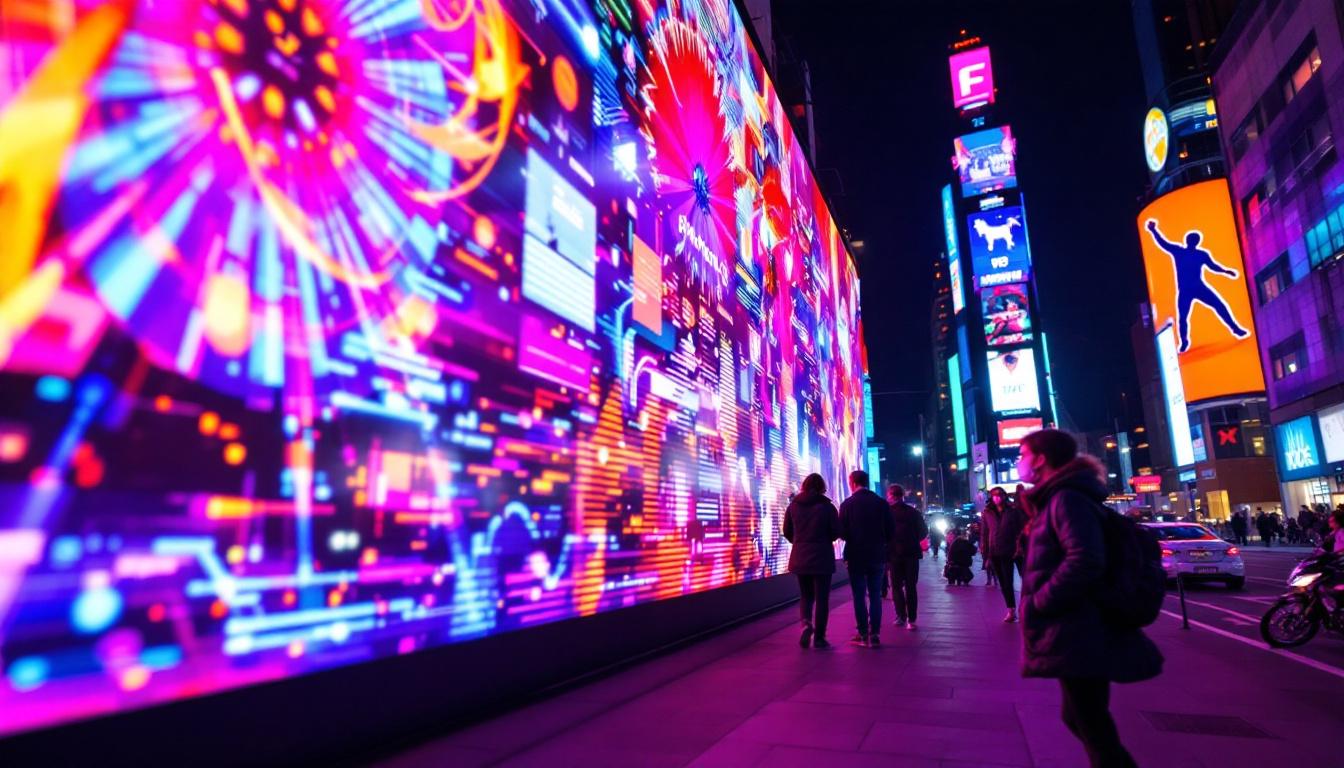
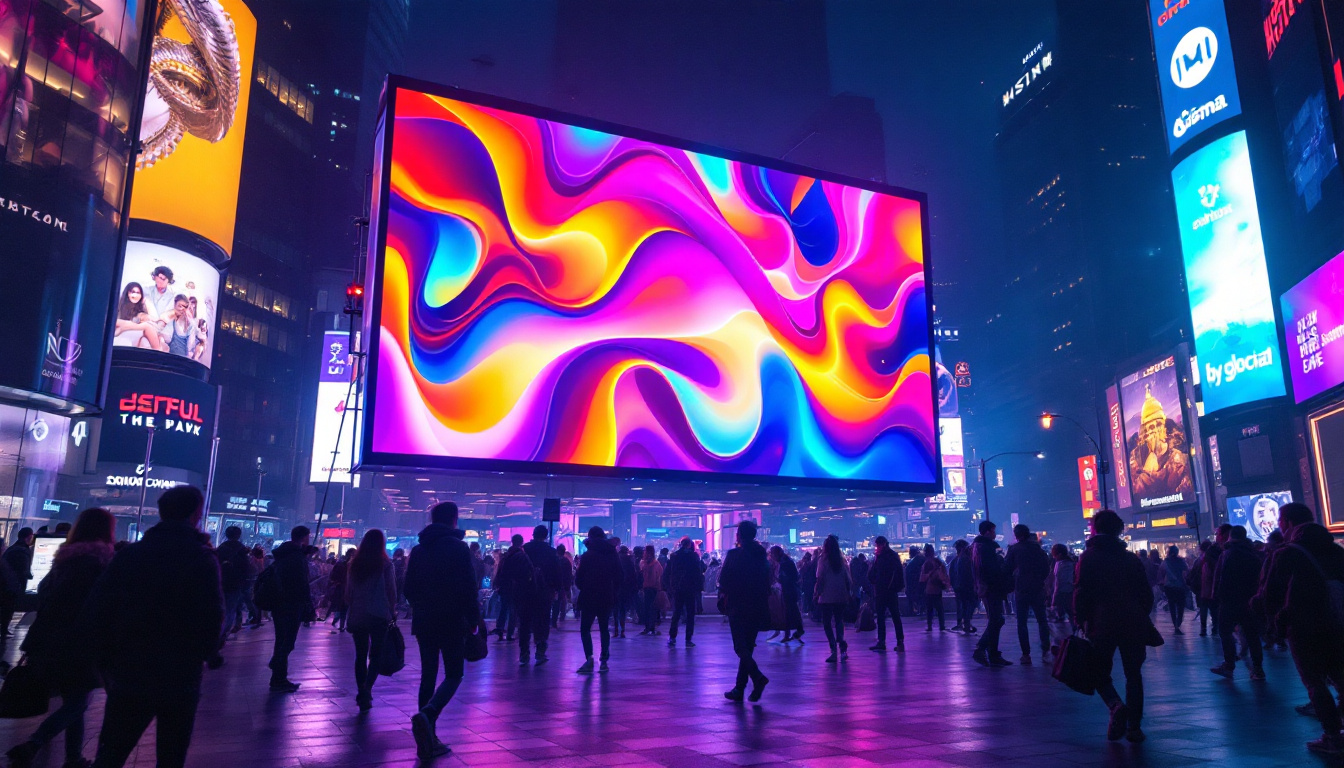
Outdoor LED billboards have transformed advertising by enabling real-time content updates and interactive campaigns, which can adapt to time of day, weather, or audience demographics.
Control Rooms and Public Venues
Control rooms in industries such as transportation, utilities, and emergency services rely on large LED video walls for monitoring critical information. The ability to display multiple feeds simultaneously with high clarity improves situational awareness and response times.
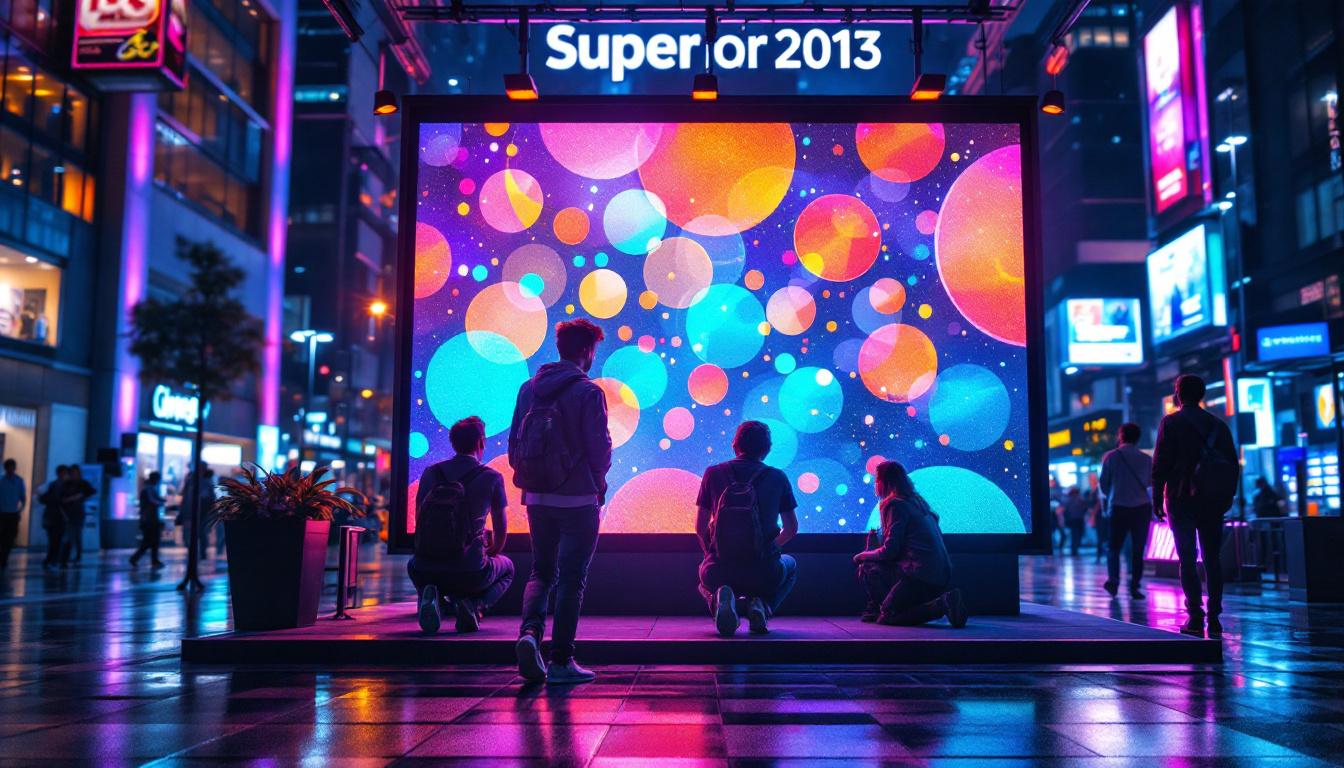
Public venues like stadiums and concert halls use massive LED displays to provide spectators with close-up views and real-time statistics, enriching the live experience.
Choosing the Right Large Format LED Display
Assessing Viewing Distance and Environment
Determining the appropriate pixel pitch and brightness depends heavily on the intended viewing distance and ambient lighting conditions. For close-range indoor use, finer pixel pitches and moderate brightness are ideal to avoid eye strain and ensure sharp images.
Conversely, outdoor or large venue displays require higher brightness and larger pixel pitches to maintain visibility from afar.
Installation and Maintenance Considerations
LED video walls require careful planning for installation, including structural support, power supply, and cooling systems. Modular designs simplify installation and future maintenance, allowing individual panels to be replaced without dismantling the entire display.
Regular calibration and cleaning are essential to maintain color consistency and brightness uniformity over time.
Budget and Total Cost of Ownership
While LED displays may have higher upfront costs compared to other technologies, their energy savings, longevity, and reduced maintenance often result in lower total cost of ownership. Evaluating long-term benefits alongside initial investment is crucial for making informed purchasing decisions.
Future Trends in Large Format LED Displays
MicroLED and MiniLED Innovations
Emerging technologies such as MicroLED and MiniLED promise even greater performance improvements. MicroLED displays use microscopic LEDs to achieve ultra-high resolution and brightness with excellent energy efficiency. Although currently expensive, these displays are expected to become more accessible in the coming years.
Integration with Smart Technologies
Large format LED monitors are increasingly integrated with smart systems, enabling remote content management, interactive touch capabilities, and AI-driven analytics. These advancements enhance user engagement and operational efficiency.
Sustainability and Eco-Friendly Designs
As environmental concerns grow, manufacturers are focusing on sustainable materials and energy-efficient designs. Innovations include recyclable components, reduced power consumption, and compliance with global environmental standards.
Conclusion
Large format LED monitors represent a powerful convergence of size, brightness, and visual fidelity, making them ideal for a wide range of professional and commercial applications. Their scalability, energy efficiency, and superior image quality set them apart from other display technologies, ensuring they will remain at the forefront of visual communication solutions.
Understanding the underlying technology, benefits, and practical considerations is essential for selecting the right LED display to meet specific needs. As innovations continue to evolve, large format LED monitors will play an increasingly vital role in shaping how information is shared and experienced in public and private spaces alike.
Discover LumenMatrix LED Display Solutions
Ready to elevate your visual communication with the latest in LED technology? LumenMatrix is at the forefront of creating immersive and dynamic visual experiences. From Indoor and Outdoor LED Wall Displays to innovative solutions like Vehicle LED Displays, LED Posters, and Custom LED Displays, we have the tools to bring your vision to life. Experience the future of digital signage with our LED Sports Displays, Floor LEDs, All-in-One, and Transparent Displays. Don’t just share your message—make it resonate with clarity and impact. Check out LumenMatrix LED Display Solutions today and see how we can transform your space with unparalleled brightness and fidelity.