In the fast-paced world of retail, capturing customer attention is more challenging than ever. With countless brands competing for visibility, retailers are turning to innovative technologies to stand out. One such technology that has transformed the retail landscape is LED display screens. These vibrant, dynamic displays are not only eye-catching but also versatile, offering retailers a powerful tool to engage shoppers and boost sales.
This article delves into the world of retail LED screens, explaining what they are, how they work, and why they have become indispensable in modern retail environments. From technical insights to practical applications, discover how LED displays can elevate your retail space and create unforgettable customer experiences.
Understanding LED Display Technology
What Are LED Screens?
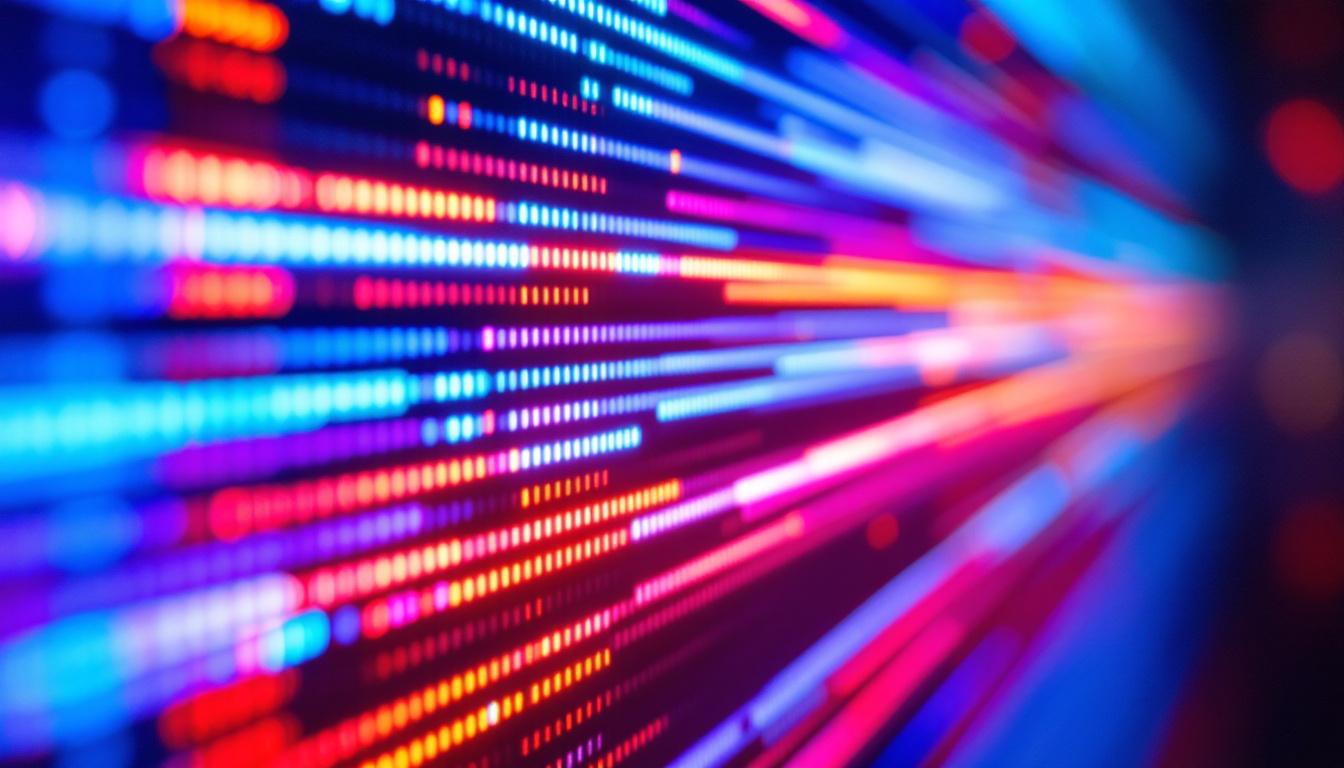
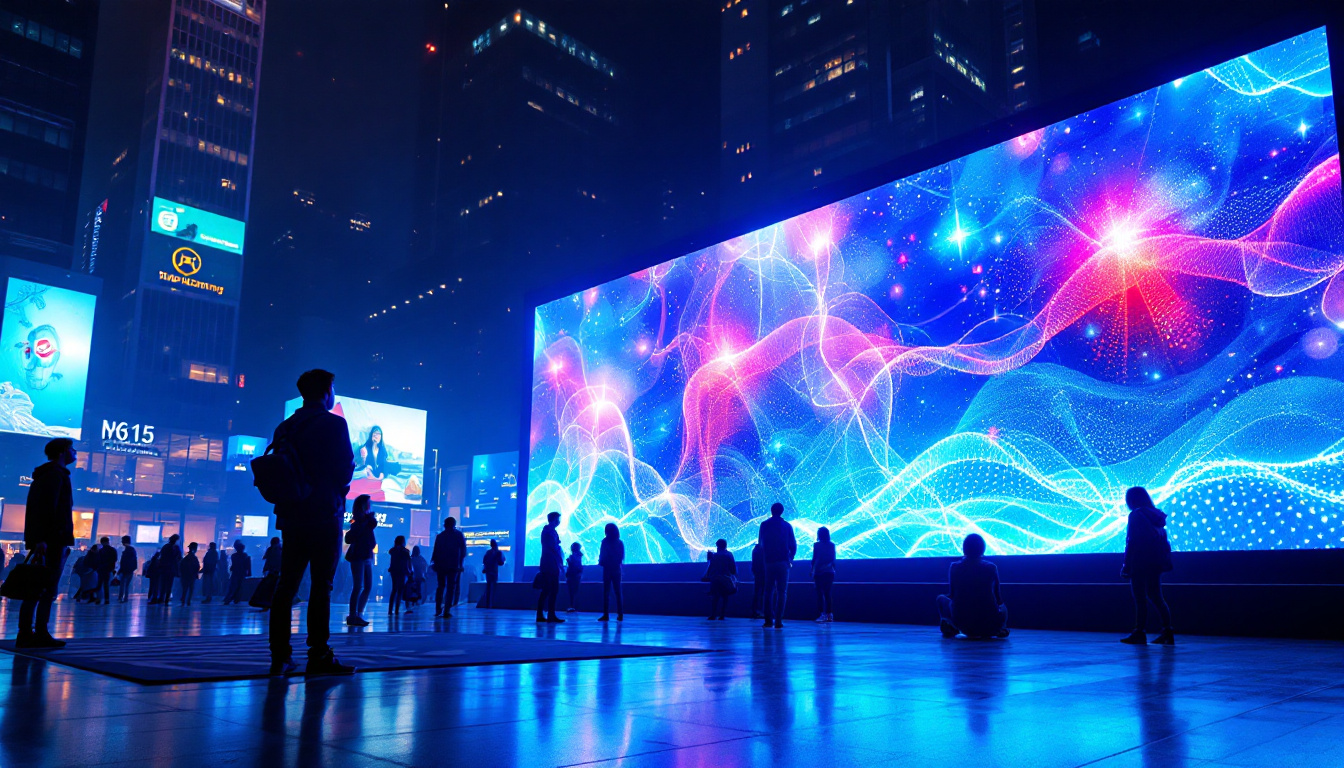
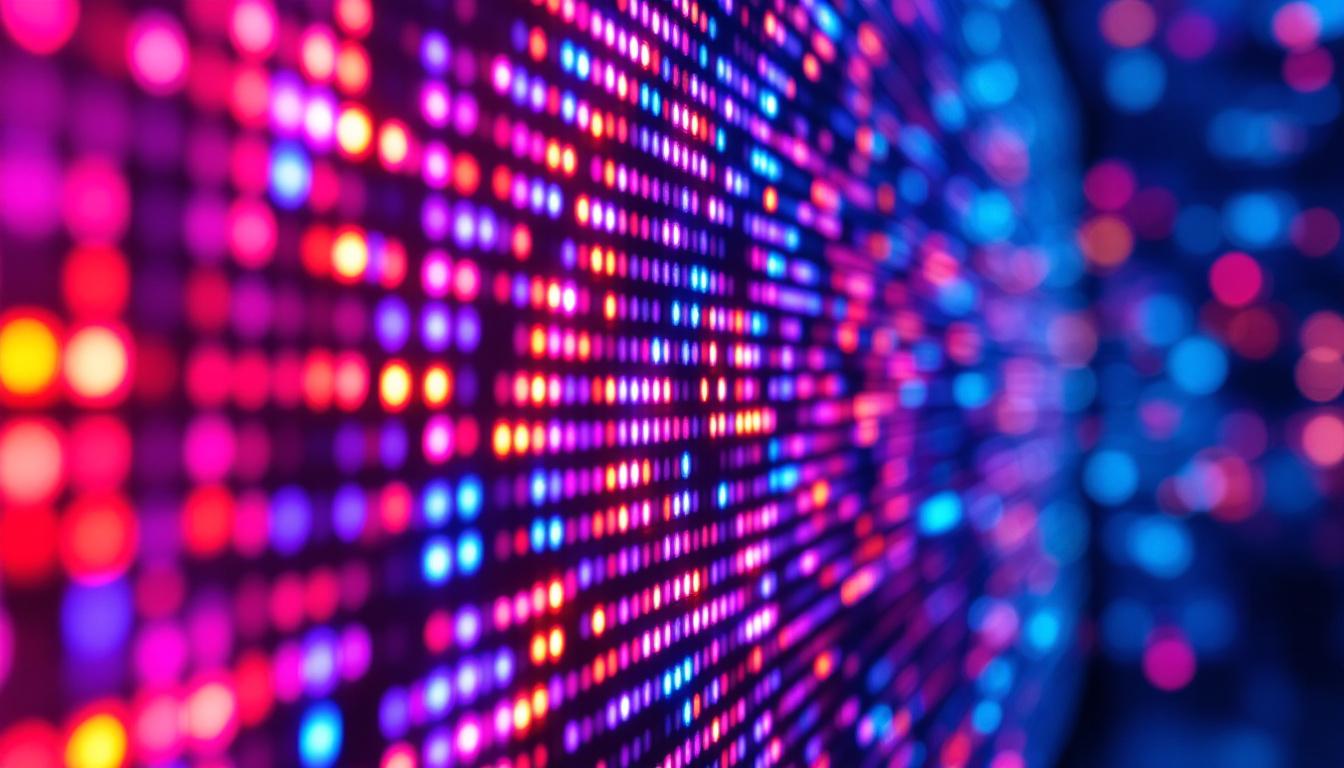
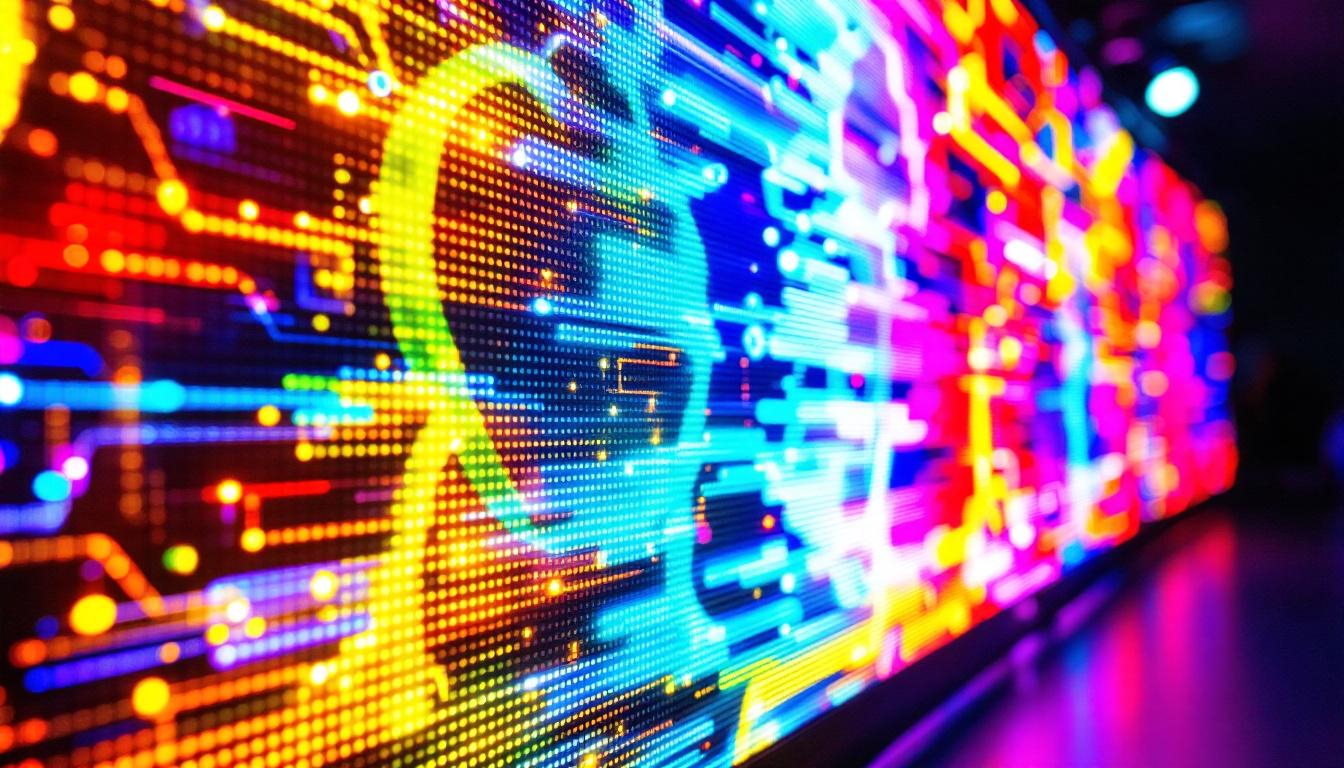
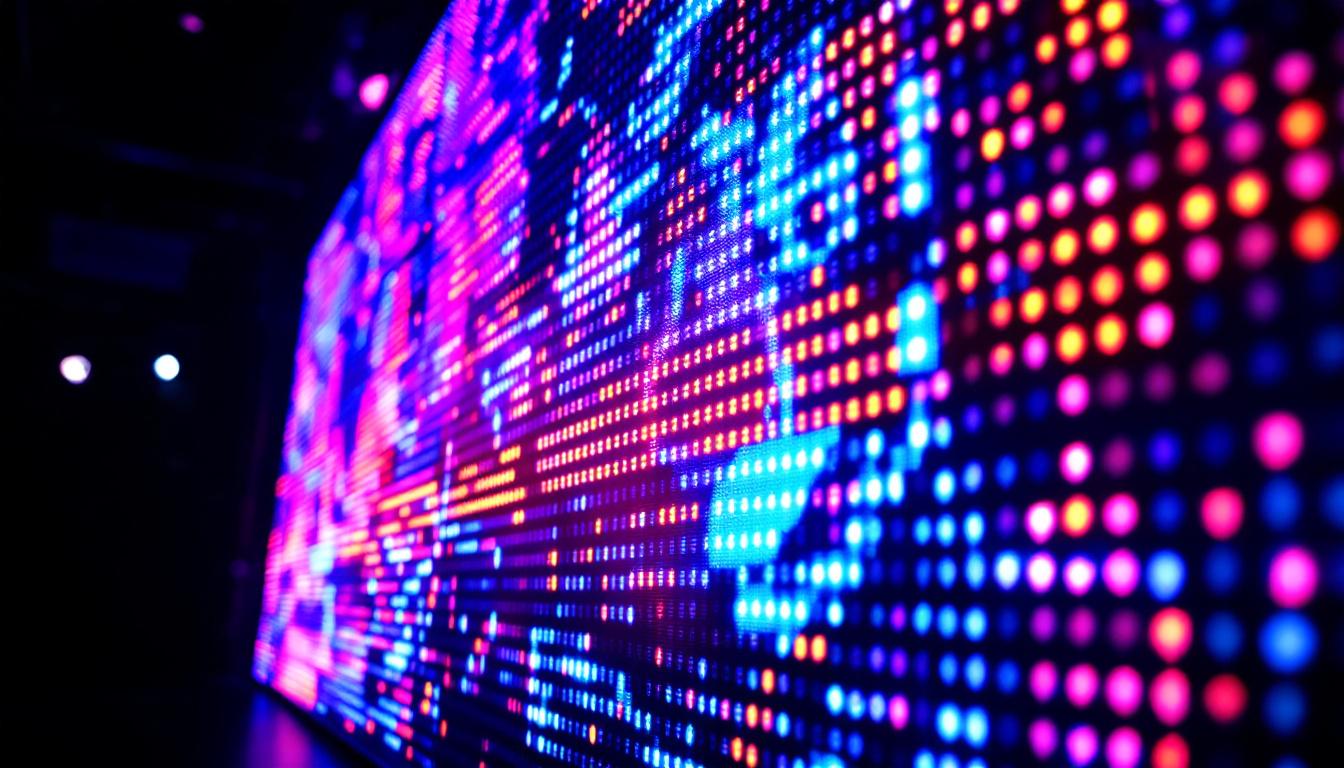
LED stands for Light Emitting Diode, a semiconductor device that emits light when an electric current passes through it. An LED screen is essentially a large digital display made up of thousands—or even millions—of these tiny diodes arranged in a grid. Each diode acts as a pixel, capable of producing a wide range of colors and brightness levels. When combined, these pixels form vivid images, videos, or animations.
Unlike traditional LCD or plasma displays, LED screens are self-illuminating, meaning they don’t require a backlight. This results in higher contrast ratios, richer colors, and better visibility under various lighting conditions. These qualities make LED screens particularly suitable for retail settings where bright, clear visuals are essential to attract customers. Additionally, the energy efficiency of LED technology contributes to lower operating costs, making them an attractive option for businesses looking to reduce their carbon footprint while enhancing visual appeal.
Types of LED Displays in Retail
Retailers have several LED display options depending on their specific needs and environment:
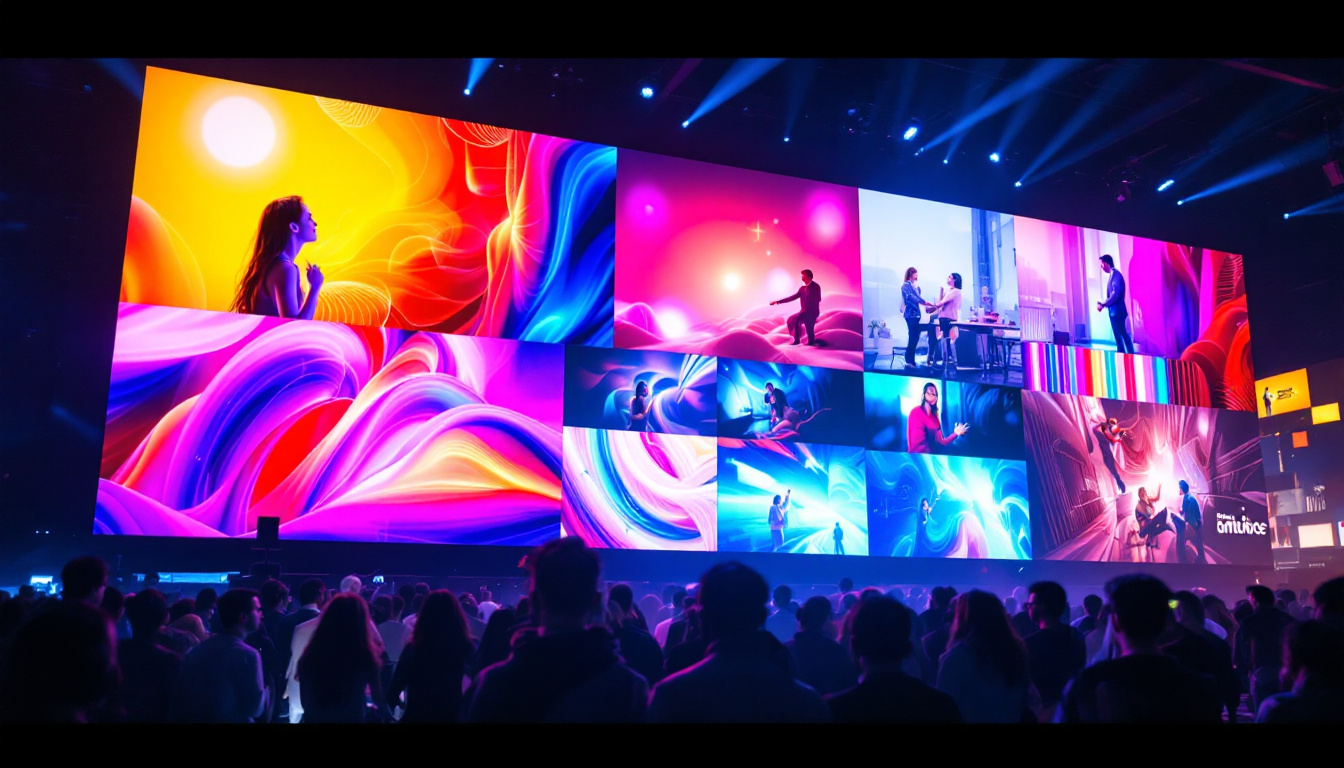
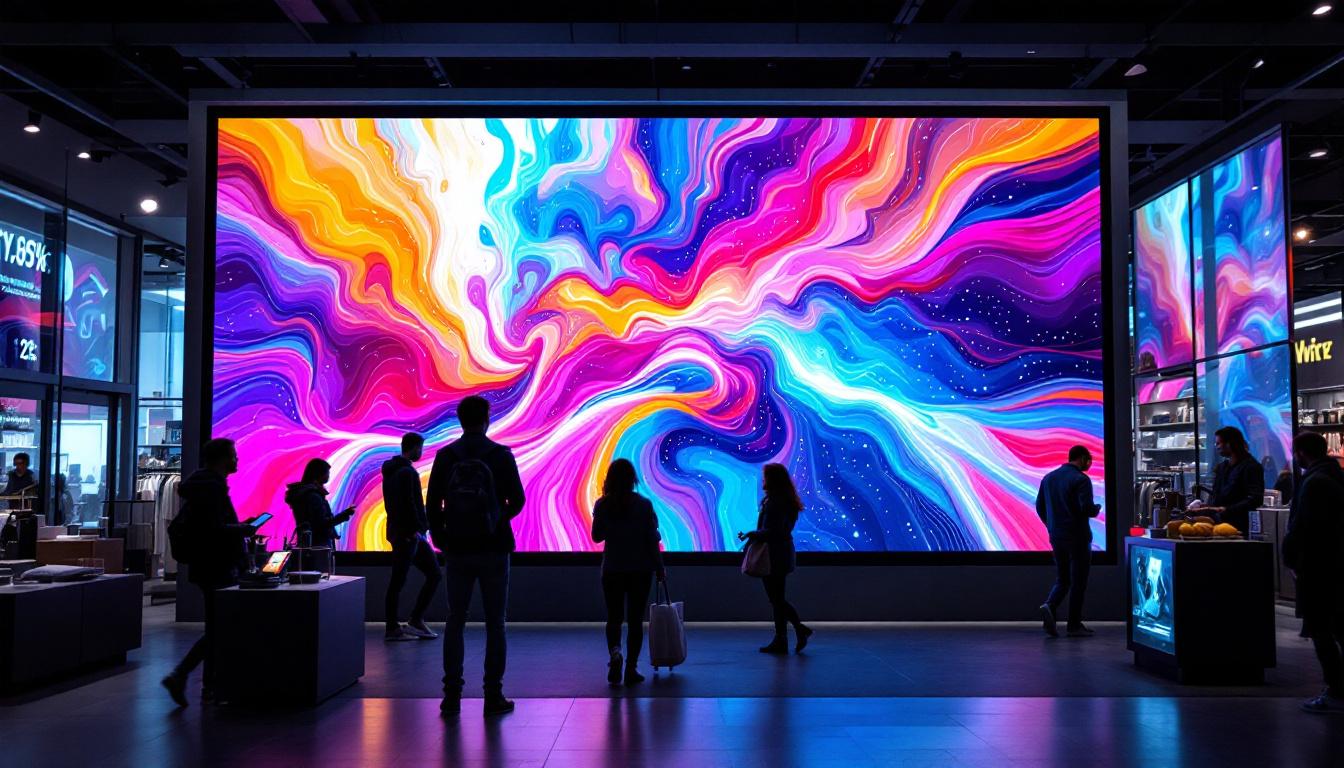
- Indoor LED Screens: Designed for controlled lighting environments, these screens offer high resolution and fine pixel pitch, making them ideal for close viewing distances inside stores or shopping malls. Their ability to display intricate details makes them perfect for showcasing products, promotional videos, or interactive content that engages customers on a personal level.
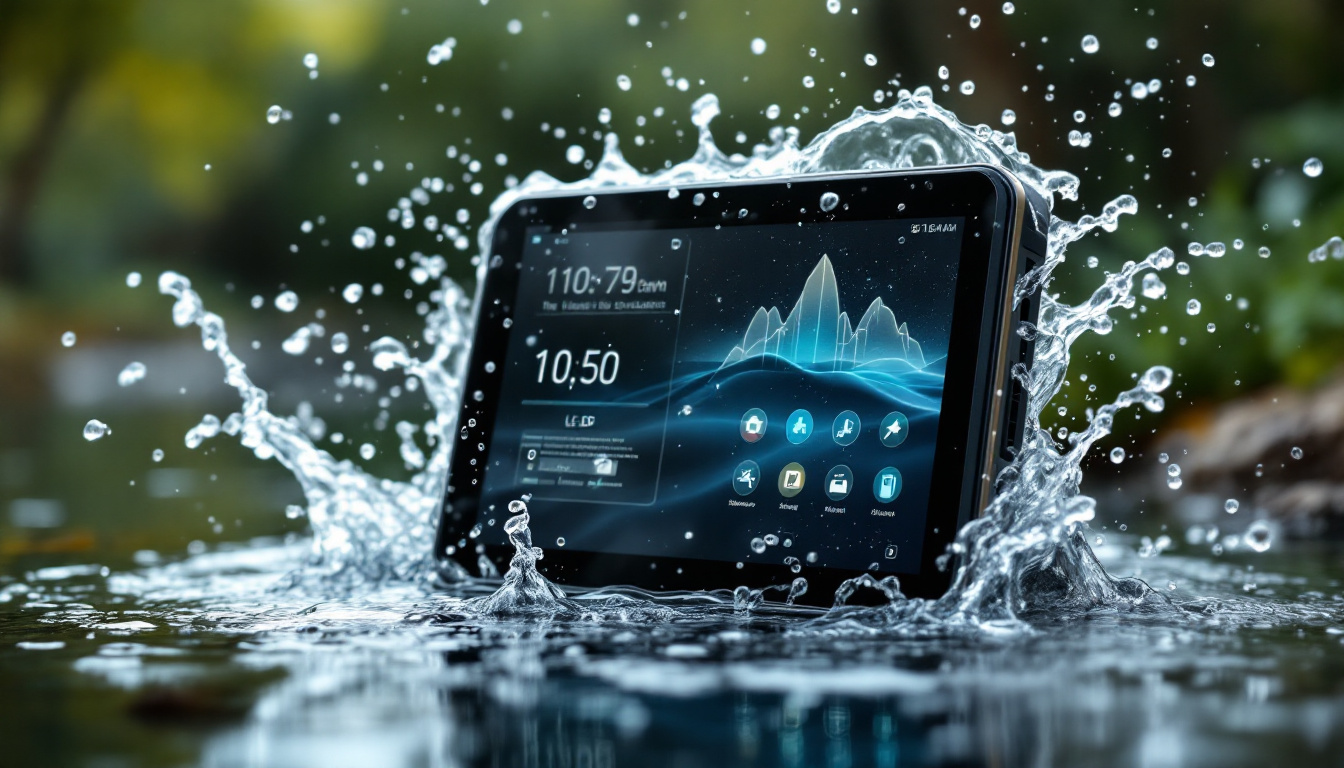
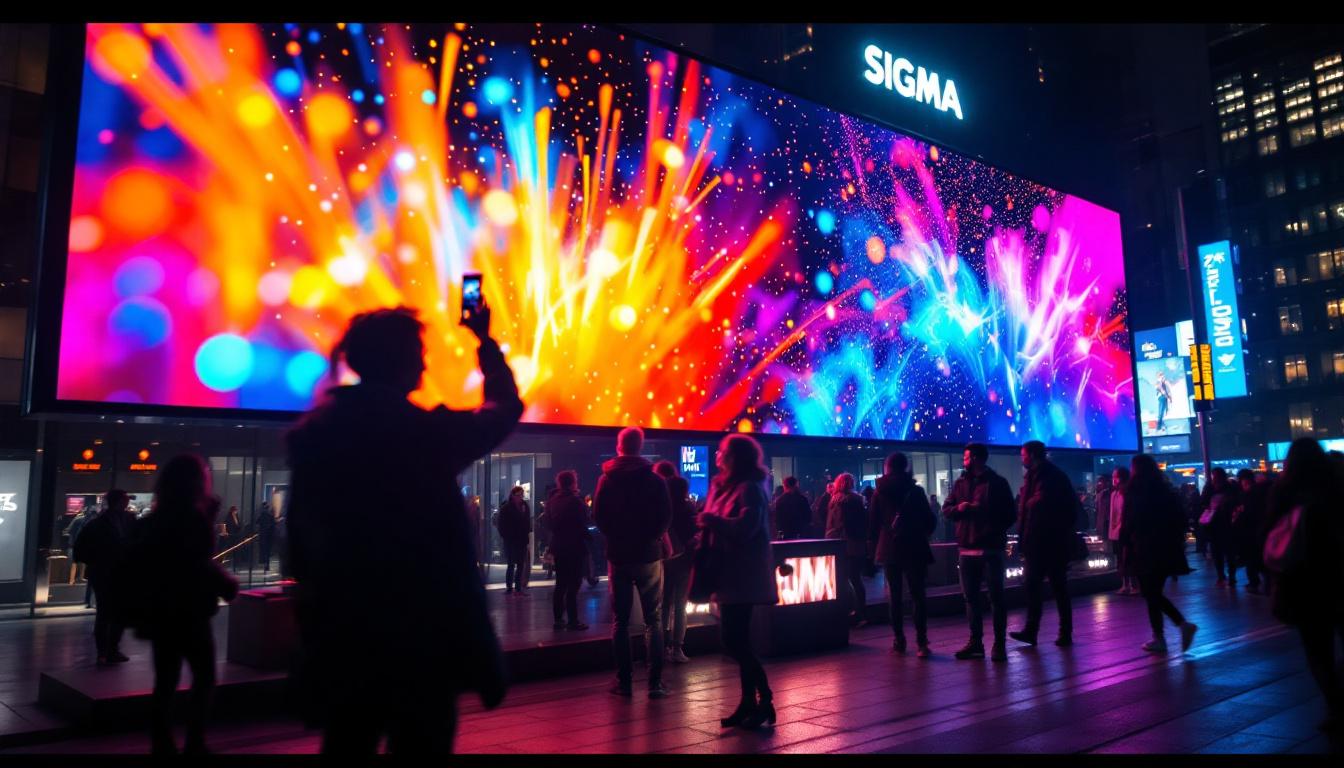
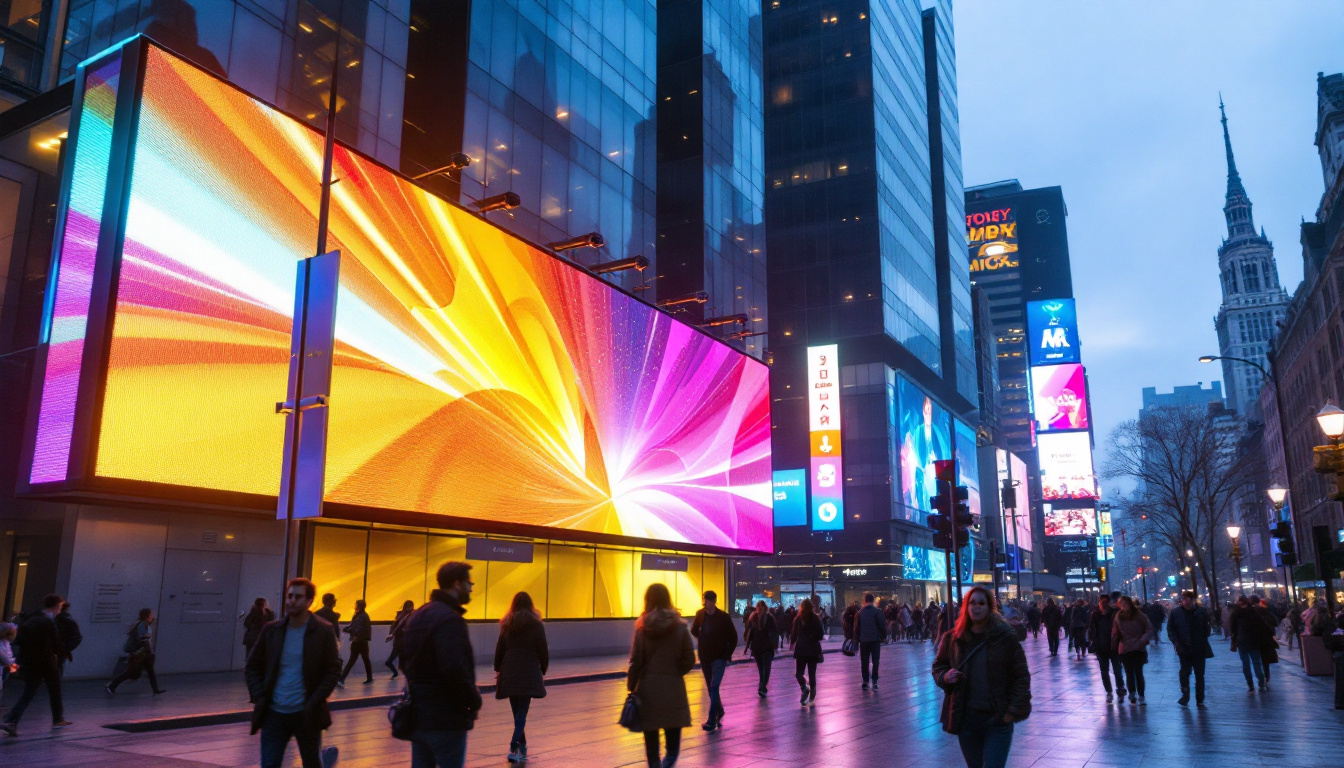
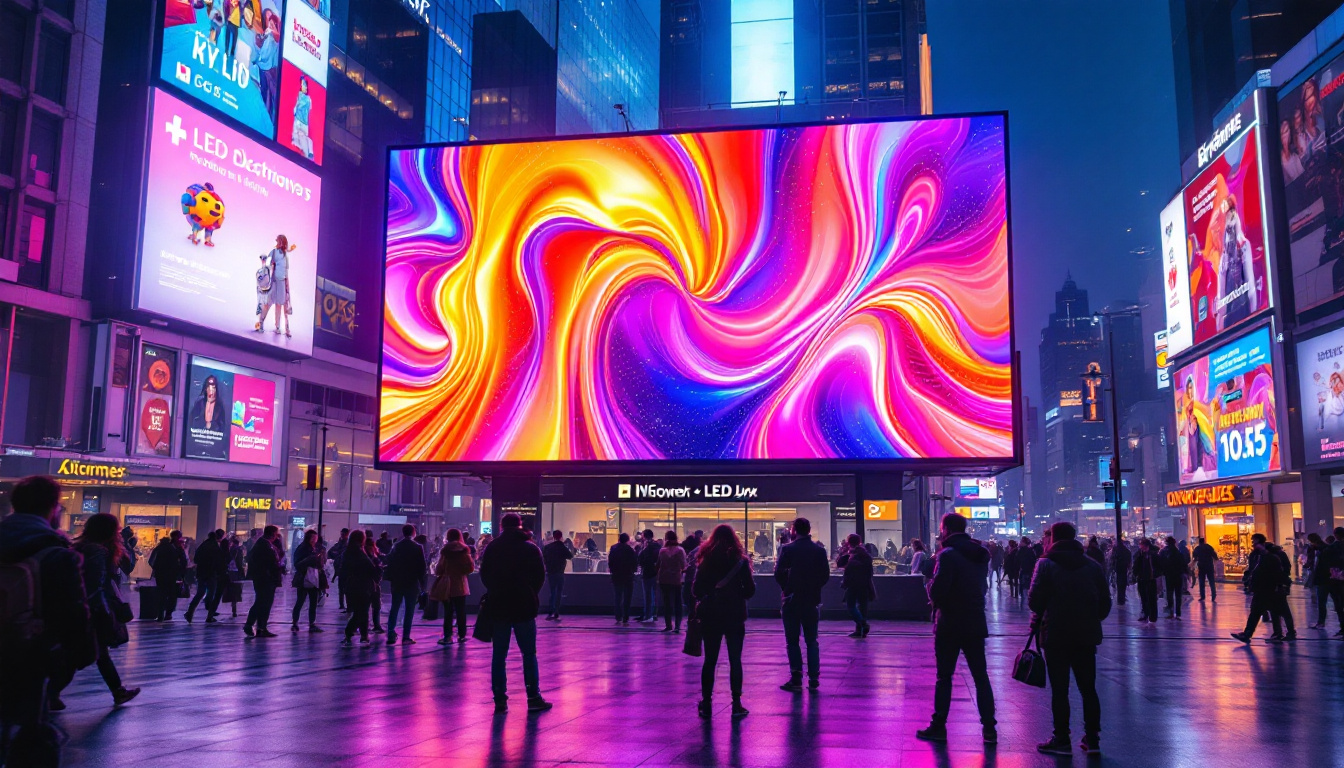
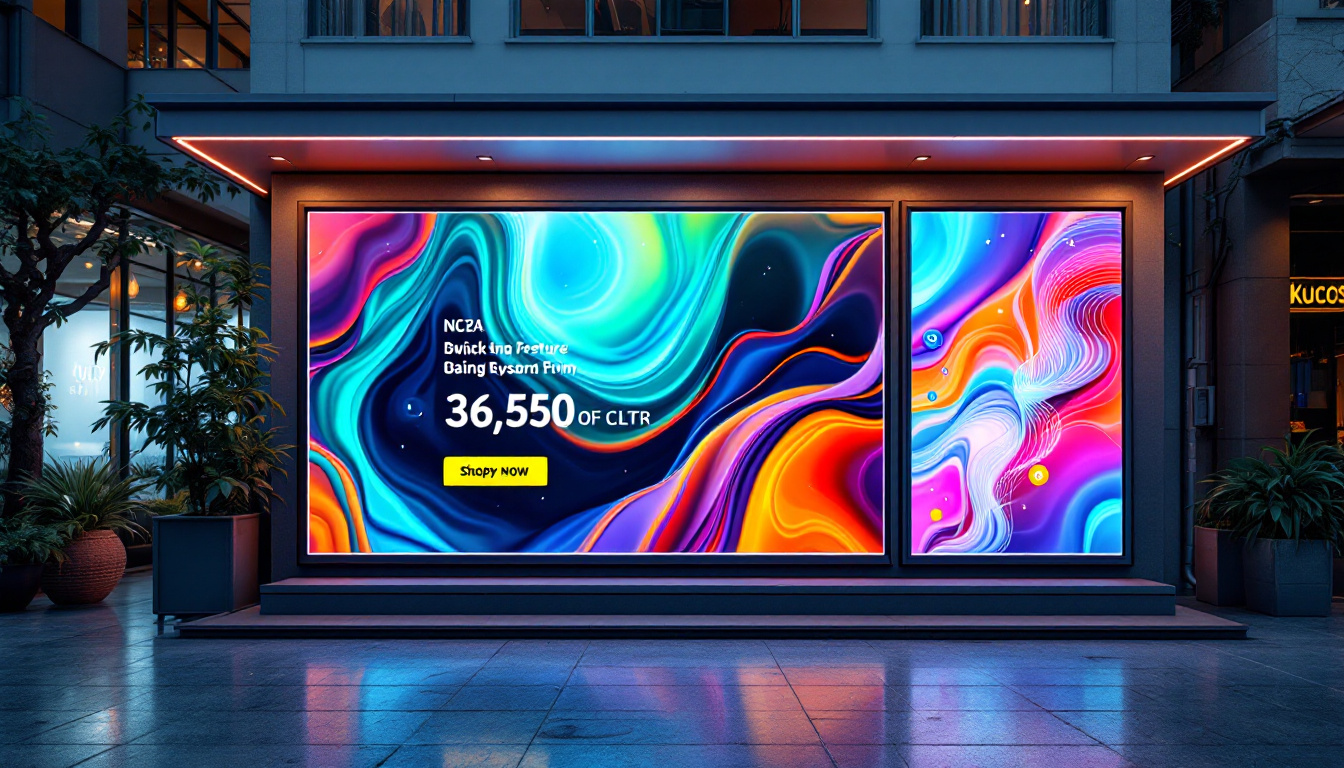
- Outdoor LED Screens: Built to withstand weather conditions, these displays are brighter and more durable. They are commonly used for storefront signage, digital billboards, or promotional displays visible from the street. Their robust construction ensures longevity, even in harsh weather, while their high brightness levels guarantee visibility in direct sunlight, making them a powerful tool for outdoor advertising.
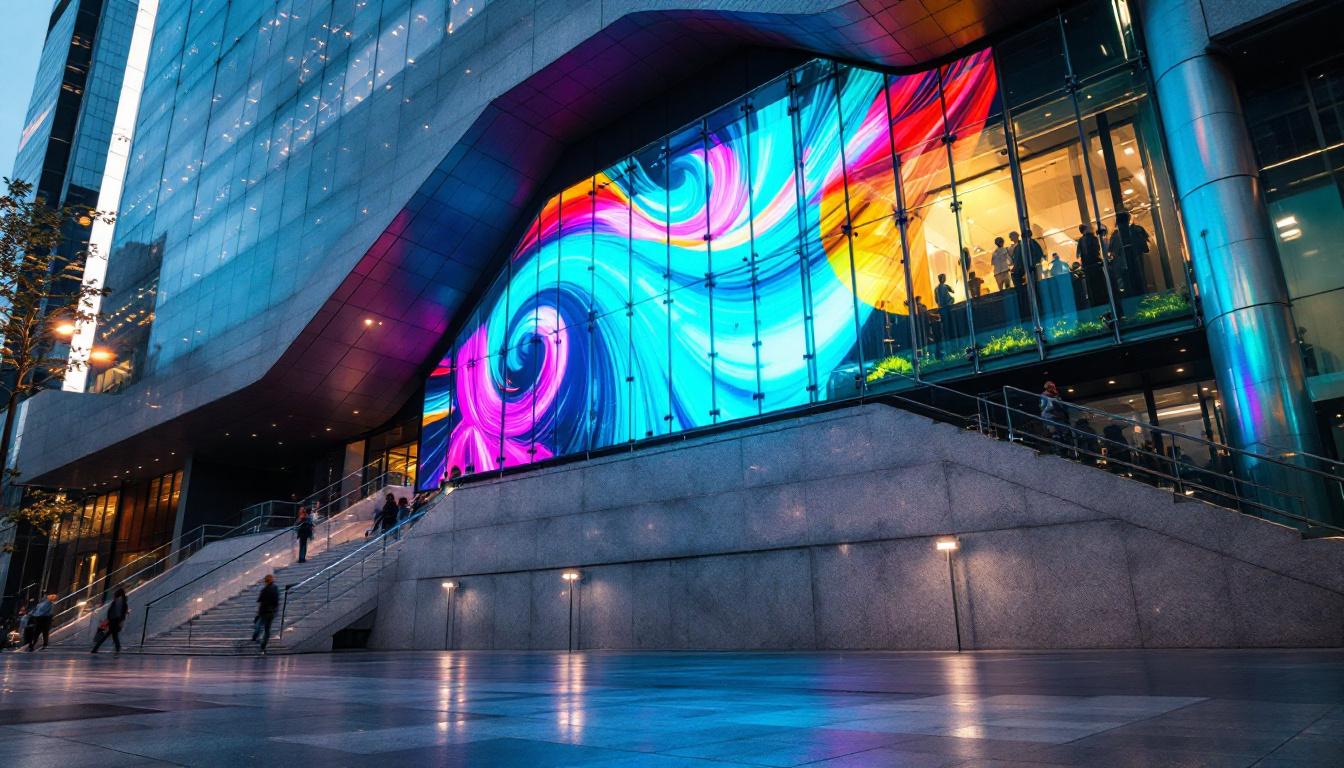
- Transparent LED Screens: These innovative displays allow light to pass through, enabling retailers to maintain window visibility while showcasing dynamic content. They are perfect for storefront windows and high-end retail environments. By combining digital content with physical merchandise, transparent screens create a captivating shopping experience that can intrigue passersby and drive foot traffic into stores.
Each type serves a unique purpose, and selecting the right LED screen depends on factors such as location, viewing distance, and content strategy. Furthermore, advancements in LED technology continue to evolve, with features like curved displays and flexible panels emerging, allowing retailers to explore creative configurations that enhance their brand identity and customer engagement. As the market for LED displays grows, so does the potential for innovative applications, from interactive kiosks to immersive environments that transform the shopping experience.
Why LED Screens Are Revolutionizing Retail
Enhanced Customer Engagement
One of the primary reasons LED screens have gained traction in retail is their ability to captivate customers. Research shows that digital signage can increase customer dwell time by up to 30%, providing retailers with more opportunities to communicate their brand message and promotions. The vibrant colors and motion graphics of LED displays naturally draw the eye, making it easier to highlight special offers, new arrivals, or brand stories.
Moreover, LED screens enable dynamic content that can be updated in real-time. This flexibility allows retailers to tailor messages based on time of day, season, or even customer demographics, creating a more personalized shopping experience that resonates with audiences. For instance, during holiday seasons, retailers can switch their displays to reflect festive themes, while also promoting seasonal sales, thereby enhancing the overall shopping atmosphere. Additionally, interactive LED screens can engage customers further by allowing them to browse products or access information directly, fostering a more immersive shopping environment.
Boosting Sales and Brand Awareness
Studies indicate that digital displays can increase sales by as much as 20% when used effectively. LED screens contribute to this uplift by influencing purchasing decisions at the point of sale. For example, a well-placed LED display showcasing a limited-time discount or product demonstration can prompt impulse buys and upselling. Retailers can also utilize customer analytics to optimize the placement of these screens, ensuring that they are positioned where they will have the most impact on consumer behavior.
Beyond immediate sales, LED screens help build brand awareness by consistently reinforcing brand imagery and messaging. In crowded retail environments, standing out visually is critical, and LED displays provide that competitive edge. The ability to showcase high-definition videos and animations allows brands to tell their stories in a compelling way, making a lasting impression on shoppers. Furthermore, integrating social media feeds into these displays can create a sense of community and encourage customer interaction, as shoppers see their own posts featured in-store, enhancing brand loyalty.
Cost-Effectiveness and Longevity
While the initial investment in LED screens may be higher compared to traditional signage, their long-term benefits justify the cost. LEDs consume less power than other display technologies, reducing energy expenses. Additionally, LED screens have a longer lifespan—often exceeding 100,000 hours—minimizing maintenance and replacement costs. This durability means that retailers can rely on their displays to function effectively for years, without the frequent need for repairs or replacements that can disrupt business operations.
Retailers also save on printing and installation costs since digital content can be updated remotely without the need for physical signage changes. This agility not only cuts expenses but also supports sustainability efforts by reducing paper waste. Furthermore, the ability to run multiple campaigns on a single screen means that retailers can maximize their advertising space without incurring additional costs, allowing for more diverse marketing strategies. As a result, LED screens not only enhance the shopping experience but also represent a smart investment for the future of retail.
Implementing LED Screens in Retail Spaces
Strategic Placement and Design
Effective use of LED screens in retail requires thoughtful placement and design. Positioning screens in high-traffic areas such as entrances, checkout counters, or product aisles maximizes visibility and impact. The size and resolution of the display should correspond to the viewing distance—larger screens with coarser pixel pitch work well for distant viewing, while smaller, high-resolution screens suit closer interactions.
Content design is equally important. Retailers should create engaging visuals that are clear, concise, and aligned with their brand identity. Combining video, animations, and static images can maintain viewer interest and communicate messages effectively.
Integrating with Retail Technology
Modern LED screens can be integrated with other retail technologies to enhance functionality. For instance, pairing LED displays with sensors or cameras enables interactive experiences, such as personalized greetings or product recommendations based on customer behavior.
Integration with inventory management and point-of-sale systems allows for real-time updates on product availability or flash sales, ensuring that the content displayed is always relevant and timely. This seamless connectivity empowers retailers to deliver a cohesive and responsive shopping environment.
Content Management and Scheduling
Managing content on LED screens is streamlined through specialized software platforms. These tools enable retailers to schedule playlists, update promotions, and monitor screen performance remotely. Cloud-based solutions offer additional flexibility, allowing content teams to manage multiple locations from a single interface.
Scheduling content to match peak shopping hours, special events, or seasonal campaigns maximizes the effectiveness of LED displays. By analyzing customer traffic patterns and sales data, retailers can optimize their messaging strategy for greater engagement and conversion.
Future Trends in Retail LED Displays
Interactive and Immersive Experiences
The future of retail LED screens lies in interactivity and immersion. Touch-enabled LED walls, augmented reality (AR) integration, and gesture-controlled displays are emerging trends that promise to deepen customer engagement. These technologies transform passive viewing into active participation, making shopping more memorable and enjoyable.
For example, virtual fitting rooms using LED screens and AR can allow customers to try on clothes digitally, reducing the need for physical inventory and enhancing convenience. Such innovations are expected to become mainstream as technology advances and costs decrease.
Energy Efficiency and Sustainability
As sustainability becomes a priority for retailers and consumers alike, LED technology continues to evolve with energy efficiency in mind. Advances in LED chip design and power management are reducing electricity consumption further, aligning with green building standards and corporate social responsibility goals.
Additionally, the recyclability of LED components and the reduction of printed materials contribute to a smaller environmental footprint. Retailers adopting eco-friendly LED solutions can appeal to environmentally conscious shoppers and differentiate their brand positively.
Data-Driven Personalization
Leveraging data analytics and artificial intelligence (AI), future LED displays will offer highly personalized content tailored to individual shoppers. By analyzing customer preferences, purchase history, and in-store behavior, retailers can deliver targeted promotions and recommendations through LED screens in real time.
This level of personalization not only enhances customer satisfaction but also drives loyalty and repeat business. As privacy regulations evolve, retailers will need to balance personalization with data security and transparency.
Conclusion
Retail LED screens represent a powerful convergence of technology, marketing, and customer experience. Their ability to deliver bright, dynamic, and customizable content makes them an essential asset for retailers seeking to thrive in a competitive marketplace. From boosting sales and brand awareness to enabling innovative customer interactions, LED displays offer tangible benefits that justify their investment.
As LED technology continues to advance, retailers who embrace these displays will be well-positioned to create engaging environments that captivate customers and drive business growth. Whether through interactive experiences, sustainable practices, or data-driven personalization, the future of retail LED screens promises exciting opportunities for innovation and success.
Discover LumenMatrix’s Innovative LED Solutions
Ready to elevate your retail space with cutting-edge LED technology? Explore LumenMatrix’s comprehensive range of LED display solutions, from vibrant Indoor and Outdoor LED Wall Displays to dynamic Vehicle and Sports LED Displays. Our mission is to transform your visual communication, ensuring your brand stands out with clarity and impact. Whether you’re looking for a Custom LED Display, an All-in-One solution, or a captivating LED Transparent Display, LumenMatrix has the expertise to bring your vision to life. Check out LumenMatrix LED Display Solutions today and start creating unforgettable visual experiences for your customers.