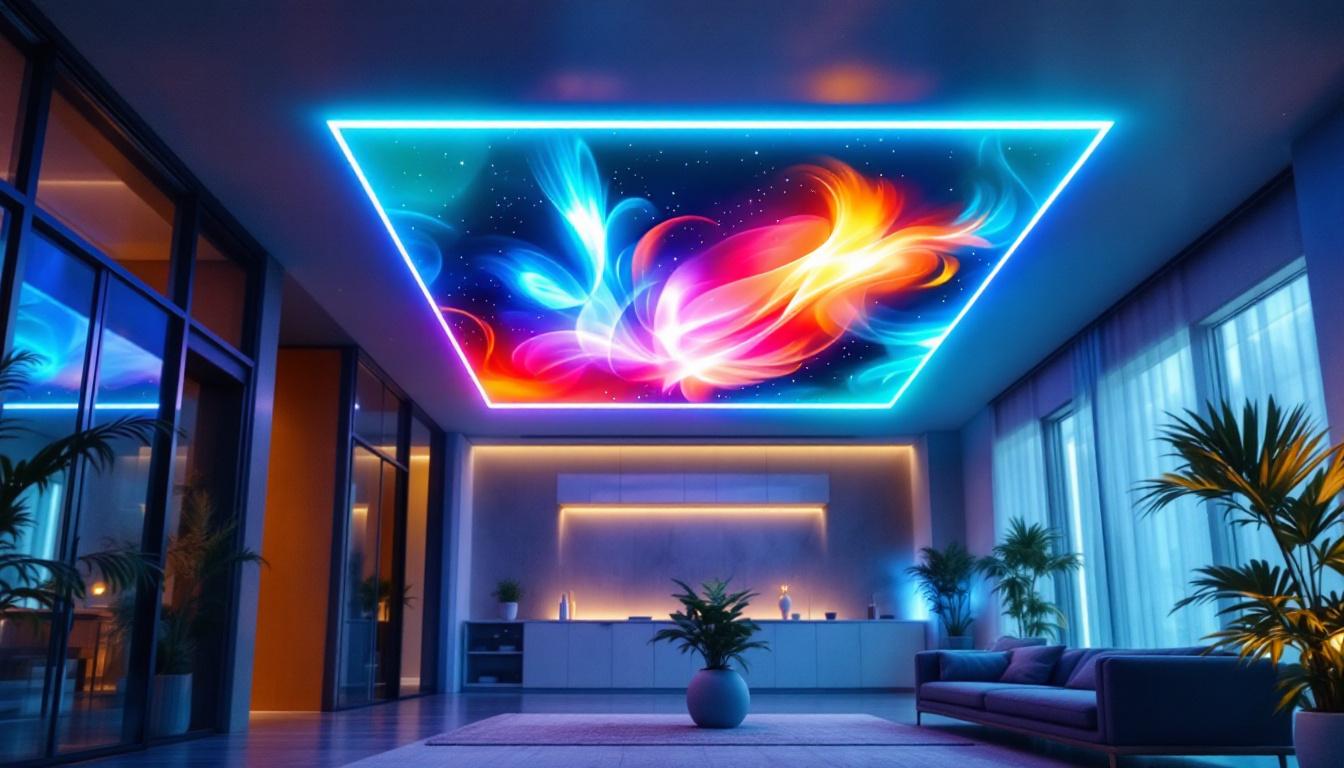
In today’s fast-evolving digital landscape, the way visual content is displayed has undergone remarkable transformations. Among the most innovative developments is the concept of ceiling-mounted LED displays, commonly referred to as “screen from ceiling” setups. These installations are redefining how businesses, venues, and public spaces engage audiences with dynamic, immersive visual experiences.
This article delves into the technology behind ceiling-mounted LED displays, their advantages, practical applications, and key considerations for implementation. Whether you’re a business owner, event planner, or technology enthusiast, understanding this cutting-edge display solution can help you harness its potential effectively.
Understanding LED Display Technology
What Is an LED Display?
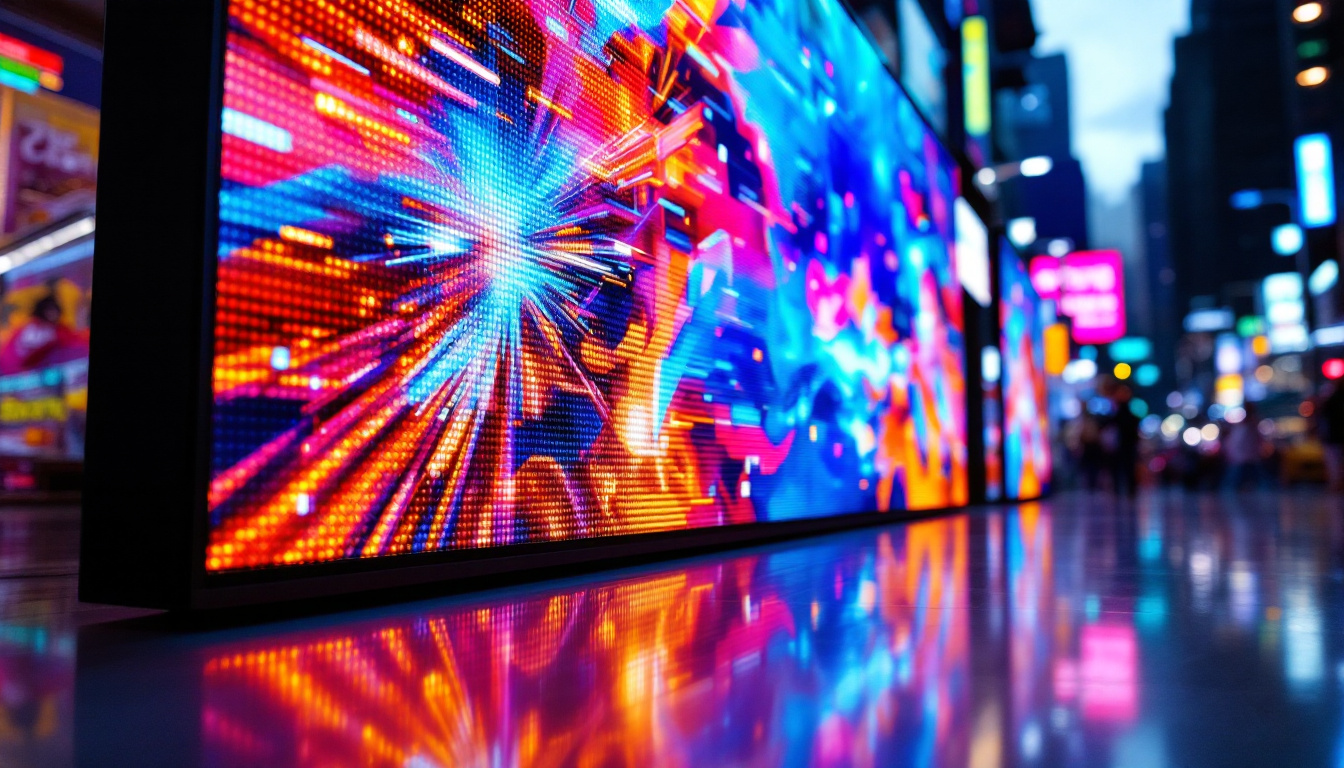
LED (Light Emitting Diode) displays are digital screens composed of numerous tiny light sources called diodes. These diodes emit light when an electric current passes through them, creating bright, vivid images that are visible even in brightly lit environments. Unlike traditional LCD or projection screens, LED displays are self-illuminating, meaning they do not require a backlight, which results in higher contrast ratios and more vibrant colors.
LED technology has evolved significantly over the past decade. Modern LED displays offer ultra-high resolutions, seamless modular designs, and enhanced energy efficiency. These characteristics make them ideal for large-format installations, including those mounted on ceilings. Additionally, advancements in color accuracy and brightness control have made it possible for LED displays to deliver stunning visuals that can be tailored for various applications, from advertising to artistic installations. The ability to create dynamic content that can change in real-time has transformed how businesses engage with their audiences, making LED displays a powerful tool in marketing and communication strategies.
How Ceiling-Mounted LED Displays Work
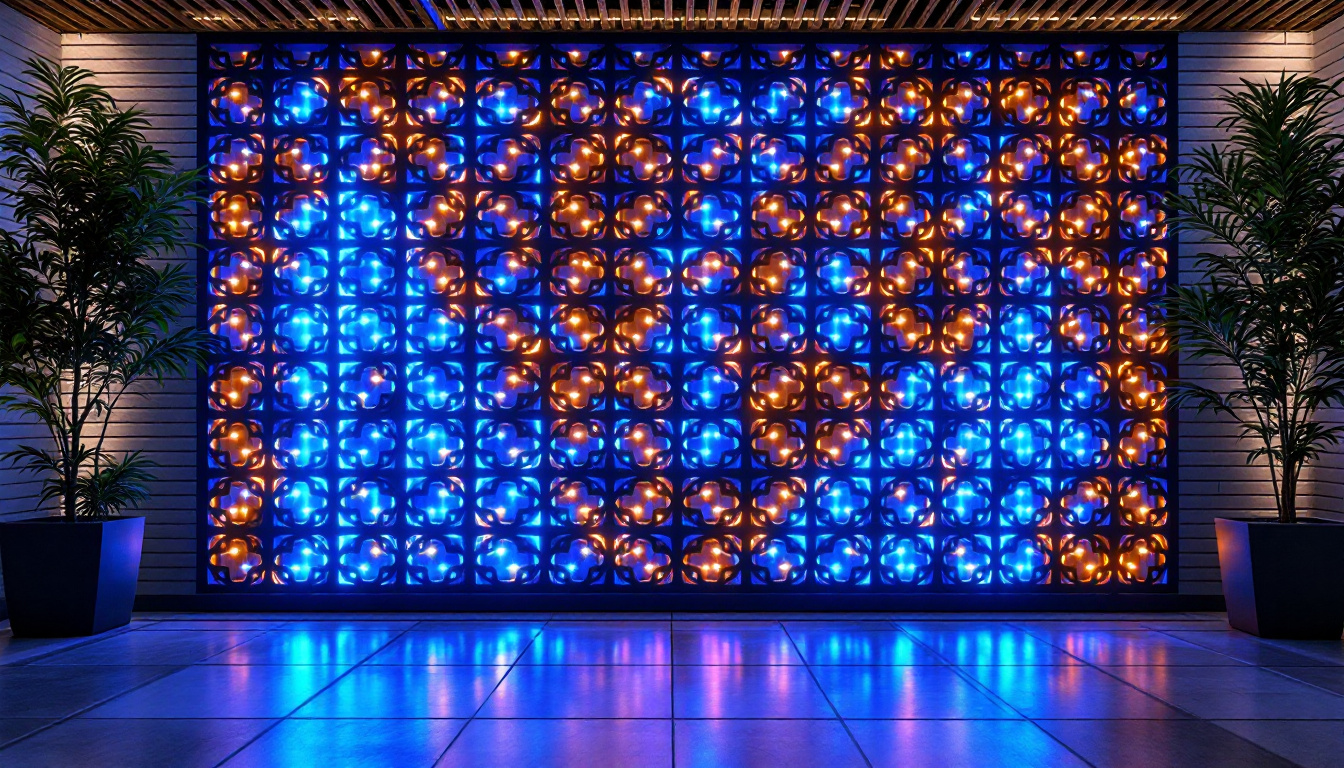
Ceiling-mounted LED displays are essentially LED panels or modules installed overhead, facing downward or at an angle to optimize visibility. The modular nature of LED panels allows for custom shapes and sizes, enabling designers to create screens that fit specific ceiling dimensions and architectural aesthetics. This flexibility not only enhances the visual appeal of a space but also allows for innovative designs that can incorporate curves and angles, making the displays an integral part of the overall architecture.
The display’s content is controlled via a dedicated media player or computer system, which sends video signals to the LED modules. Advanced software solutions synchronize the modules, ensuring smooth, high-definition image output. Some ceiling LED displays incorporate curved or flexible panels, adding to their versatility. Furthermore, these displays can be integrated with interactive technologies, allowing users to engage with the content in real-time. For example, touch-sensitive overlays can turn a ceiling display into an interactive experience, perfect for museums or exhibitions where visitor engagement is crucial. This capability not only enhances the viewer’s experience but also opens up new avenues for storytelling and information dissemination, making ceiling-mounted LED displays a cutting-edge solution in modern design and technology.
Advantages of Ceiling-Mounted LED Displays
Maximizing Space and Visibility
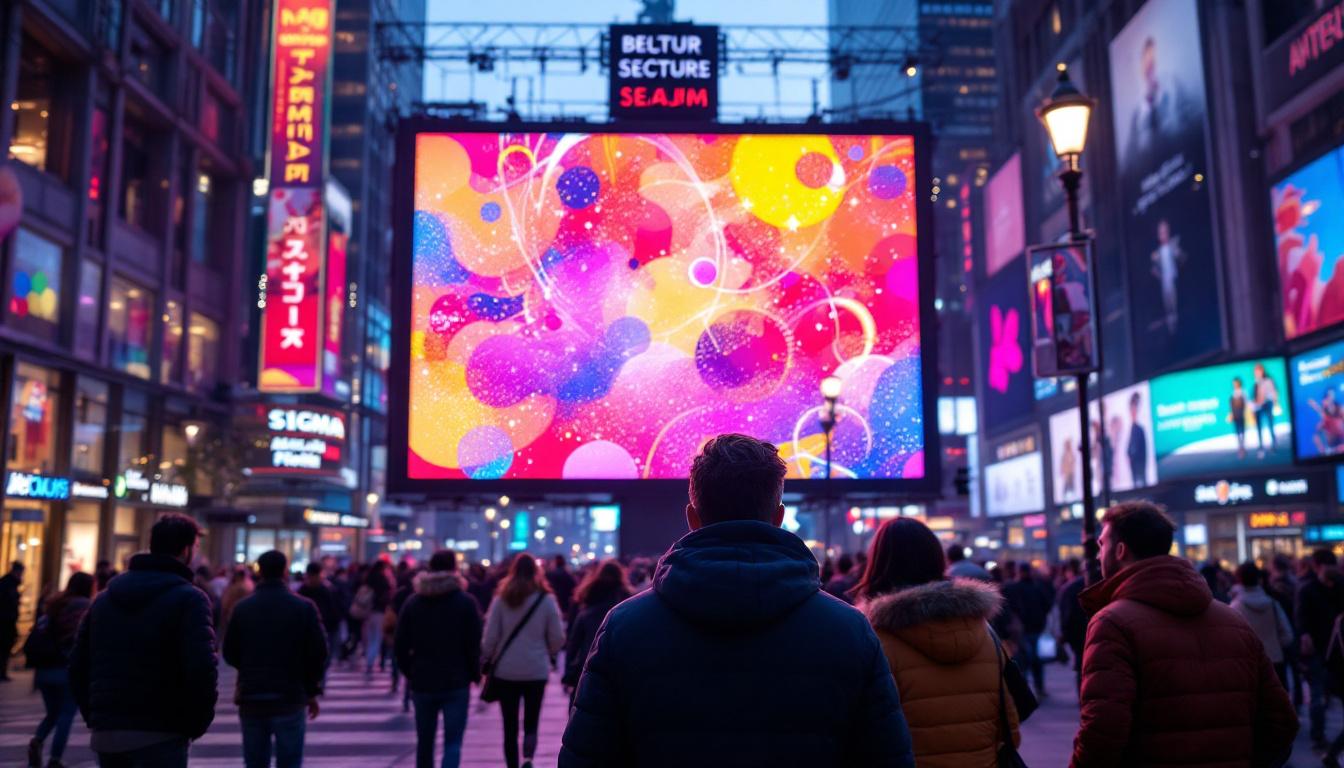
One of the primary benefits of ceiling-mounted LED screens is the efficient use of space. In environments where floor or wall space is limited or cluttered, ceiling installations free up valuable real estate. This is especially important in retail stores, airports, museums, and event venues where maximizing customer movement and interaction is critical. By utilizing the overhead area, businesses can create a more open and inviting atmosphere that encourages foot traffic and exploration.
Moreover, ceiling displays offer excellent visibility from multiple angles. Positioned overhead, they can be seen by large crowds without obstruction, making them ideal for delivering information or advertisements in busy public spaces. This strategic placement not only enhances the viewing experience but also allows for creative content that can be tailored to different audience demographics. For instance, a museum might showcase educational content about exhibits directly above the visitors, creating a seamless integration of information and environment.
Enhanced Audience Engagement
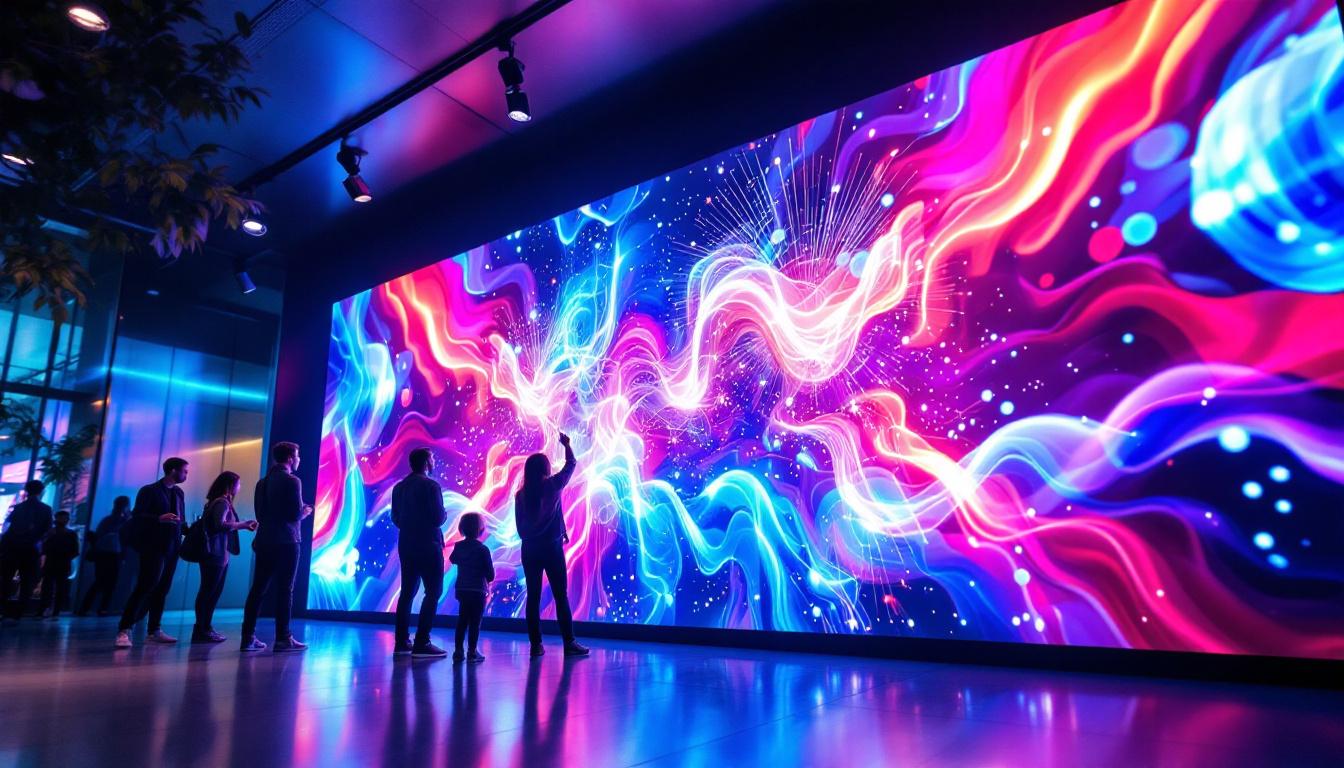
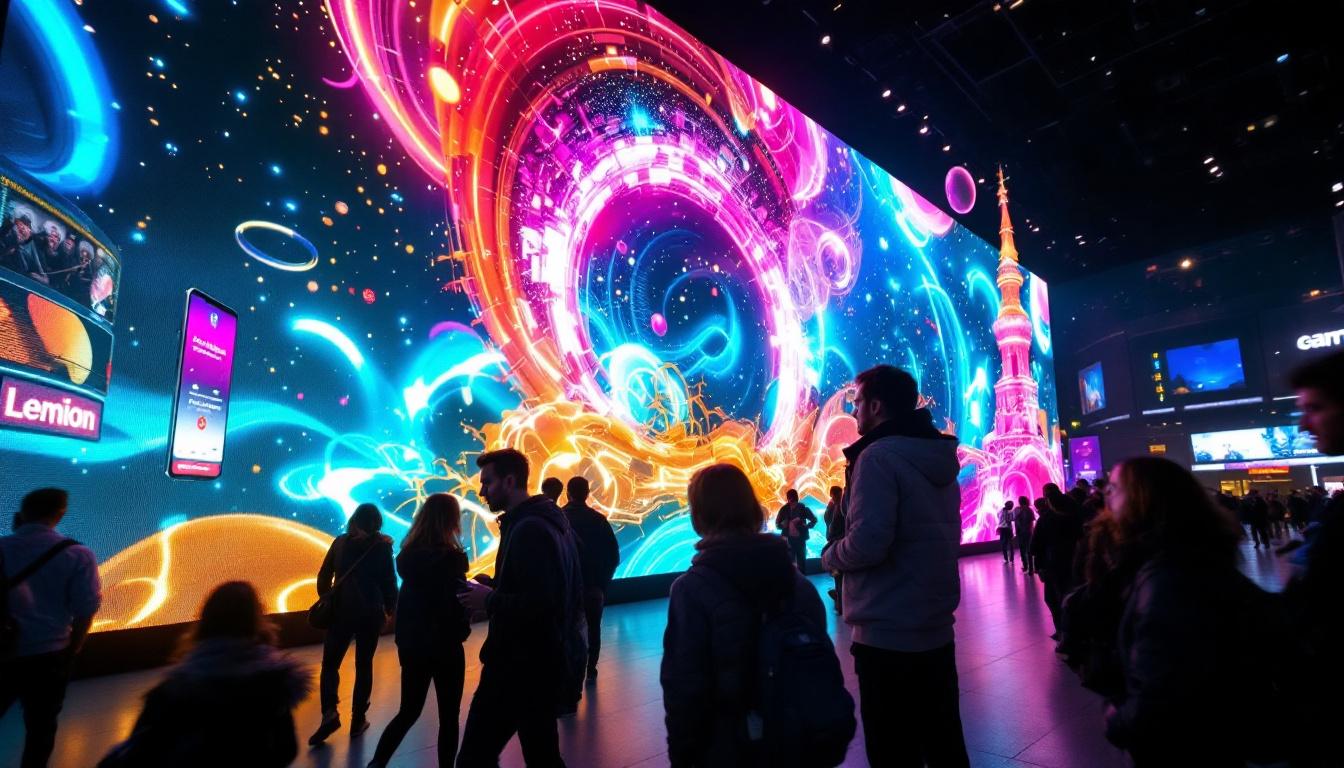
Ceiling LED screens can create immersive experiences that captivate audiences. For example, in entertainment venues or retail environments, dynamic content such as animations, live feeds, or interactive visuals can be displayed in a way that surrounds viewers, enhancing emotional impact and brand recall. The ability to rotate content or change themes based on time of day or special events allows businesses to keep their messaging fresh and relevant, ensuring that repeat visitors always have something new to engage with.
Research indicates that digital signage with high brightness and motion content can increase viewer engagement by up to 400% compared to static signage. Ceiling-mounted LED displays capitalize on this by offering a unique vantage point that draws attention naturally. Furthermore, the integration of interactive elements, such as QR codes or touchless interfaces, can encourage audience participation, transforming passive viewers into active participants in the displayed content. This not only fosters a deeper connection with the brand but also provides valuable data on viewer preferences and behaviors.
Durability and Energy Efficiency
LED displays are known for their longevity and low power consumption. Ceiling-mounted units benefit from these attributes, often operating continuously for thousands of hours with minimal maintenance. Many LED modules are rated for over 100,000 hours of use, translating to years of reliable performance. This durability is particularly advantageous in high-traffic areas where traditional displays may suffer wear and tear, ensuring that businesses can maintain a consistent visual presence without frequent replacements.
Additionally, LEDs consume significantly less energy than traditional lighting or projection systems. This efficiency not only reduces operational costs but also aligns with sustainability goals increasingly prioritized by businesses and institutions. By choosing ceiling-mounted LED displays, organizations can demonstrate their commitment to eco-friendly practices, appealing to environmentally conscious consumers. Moreover, many modern LED systems are designed with smart technology that allows for automated brightness adjustments based on ambient light, further enhancing energy savings while providing optimal visibility at all times.
Applications of Ceiling-Mounted LED Screens
Retail and Advertising
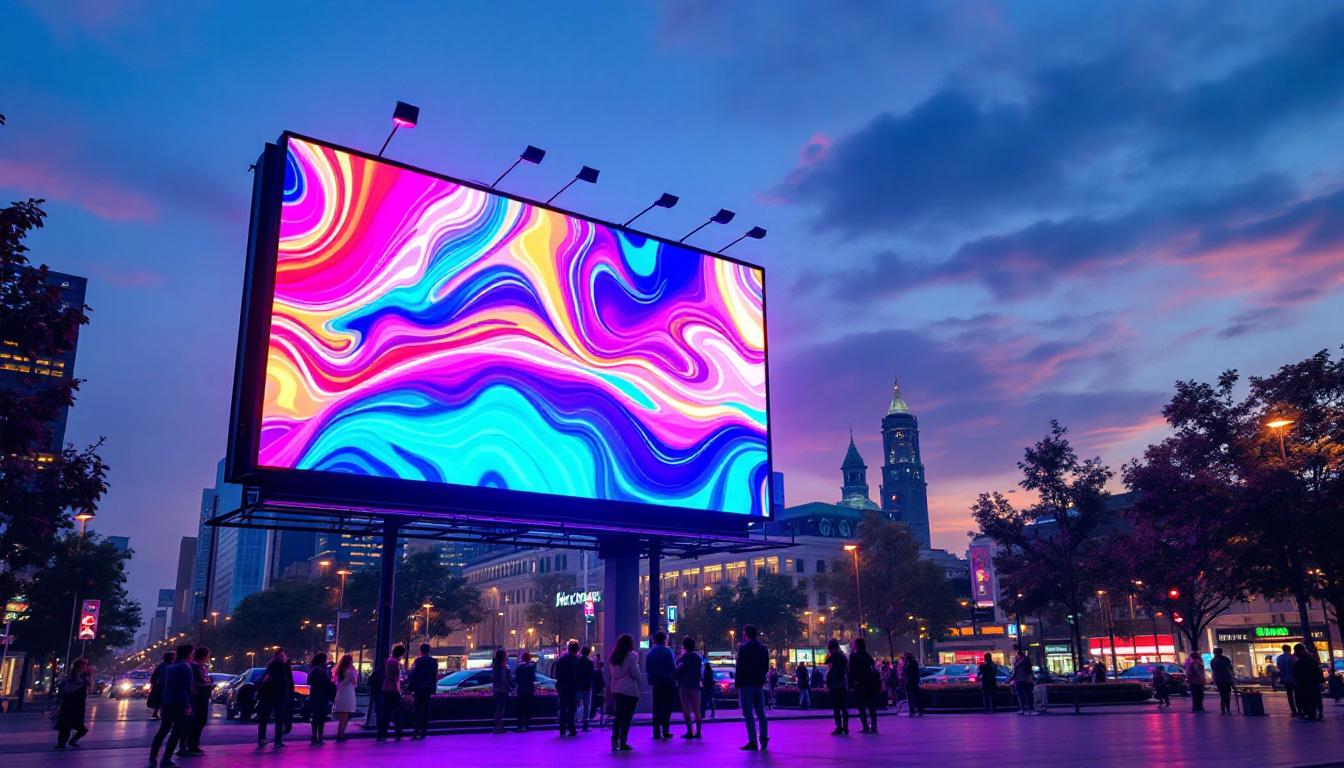
Retailers are increasingly adopting ceiling LED displays to create eye-catching digital signage that promotes products, sales, or brand messages. These screens can be programmed to display targeted content based on time of day, customer demographics, or special events, enhancing marketing effectiveness.
For example, fashion stores use ceiling LED walls to showcase runway videos or seasonal collections, creating an upscale ambiance. Similarly, supermarkets may display nutritional information or promotional offers above aisles, guiding shoppers efficiently.
Transportation Hubs and Public Spaces
Airports, train stations, and bus terminals benefit greatly from ceiling-mounted LED displays. These screens provide real-time updates on arrivals, departures, and gate changes, improving passenger experience and operational flow. Their high brightness ensures readability even in brightly lit terminals.
Beyond information, these displays also serve as platforms for public service announcements, emergency alerts, and advertising, maximizing the utility of the installation.
Corporate and Educational Environments
In corporate settings, ceiling LED displays are used for presentations, video conferencing, and digital art installations. Their ability to display high-resolution content in large formats enhances communication and collaboration.
Educational institutions leverage these displays for interactive learning, campus announcements, and event broadcasting. The immersive nature of ceiling screens can make lectures and presentations more engaging, particularly in auditoriums or large lecture halls.
Entertainment and Hospitality
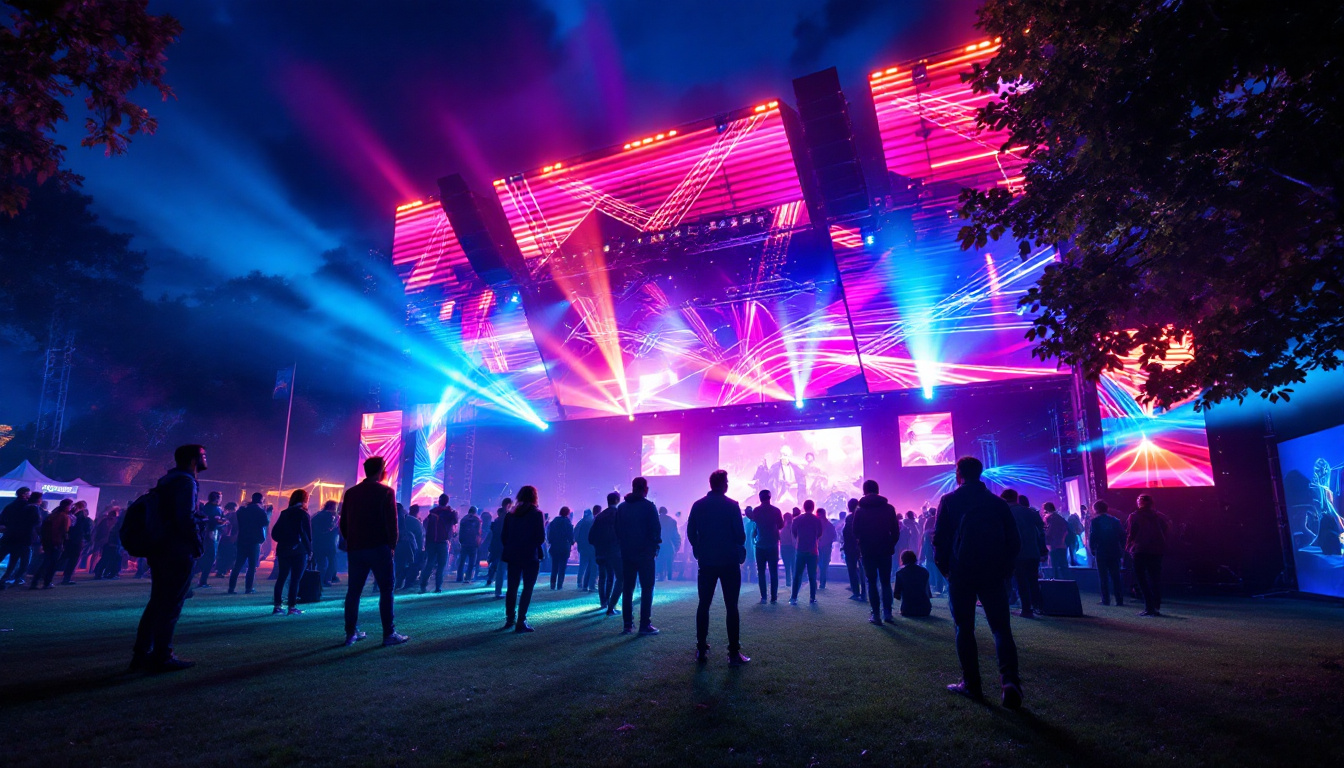
The entertainment industry has embraced ceiling LED technology for concerts, theaters, and theme parks. These displays contribute to spectacular visual effects that complement performances and attractions.
Hotels and casinos use ceiling LED screens to create luxurious atmospheres, showcasing ambient visuals, promotional content, or wayfinding information. The flexibility of LED panels allows for creative installations that blend seamlessly with interior design.
Key Considerations for Installation
Structural and Safety Requirements
Installing LED displays on ceilings requires careful planning to ensure structural integrity and safety. The weight of LED panels, mounting hardware, and cabling must be supported by the ceiling framework. Professional assessment by structural engineers is essential to avoid hazards.
Additionally, compliance with local building codes and fire safety regulations must be observed. Proper ventilation and heat dissipation mechanisms are also critical to maintain the longevity of the display and prevent overheating.
Technical Specifications and Content Management
Choosing the right pixel pitch (the distance between individual LEDs) is vital for achieving the desired resolution and viewing distance. Smaller pixel pitches provide sharper images but are more costly, while larger pitches are suitable for displays viewed from afar.
Content management systems (CMS) play a pivotal role in controlling what appears on the screen. Advanced CMS platforms allow for scheduling, remote updates, and integration with sensors or external data sources, enabling dynamic and context-aware content delivery.
Maintenance and Accessibility
Ceiling-mounted displays can be challenging to access for maintenance or repairs. Designing the installation with modular, easily removable panels can simplify servicing. Regular cleaning schedules are necessary to prevent dust accumulation, which can affect brightness and image quality.
Remote monitoring tools that track performance metrics and detect faults can minimize downtime and reduce maintenance costs.
Future Trends in Ceiling LED Display Technology
Flexible and Transparent LED Screens
Emerging innovations include flexible LED panels that can conform to curved or irregular ceiling surfaces, expanding design possibilities. Transparent LED displays are also gaining traction, allowing light to pass through while displaying content, which is ideal for skylights or glass ceilings.
Integration with Smart Building Systems
Ceiling LED displays are increasingly integrated with smart building technologies. For instance, they can interact with occupancy sensors to adjust brightness or content based on the number of people present. Integration with IoT devices enables personalized messaging and energy-efficient operation.
Augmented Reality and Interactive Features
Future ceiling screens may incorporate augmented reality (AR) elements, blending digital content with the physical environment in real-time. Interactive features such as gesture control or mobile device integration can transform passive displays into engaging, participatory experiences.
Conclusion
Ceiling-mounted LED displays represent a powerful convergence of technology, design, and functionality. Their ability to deliver high-impact visual content while optimizing space makes them an attractive option across diverse industries. From retail and transportation to corporate and entertainment sectors, these screens enhance communication, engagement, and ambiance.
As LED technology continues to advance, the potential applications and creative possibilities for ceiling-mounted displays will only expand. Careful consideration of technical, structural, and operational factors ensures successful implementation and long-term value.
For organizations looking to innovate their visual communication strategies, exploring ceiling LED display solutions offers a compelling path forward in a digitally connected world.
Discover LumenMatrix LED Display Solutions
Ready to elevate your space with the latest in LED display technology? LumenMatrix is at the forefront of creating immersive environments that captivate and engage. From versatile Indoor LED Walls to dynamic Outdoor LED Displays, and from mobile Vehicle LED Displays to innovative Transparent LED solutions, our range is designed to meet your unique needs. Experience the future of visual communication with LumenMatrix and transform your audience’s experience. Check out LumenMatrix LED Display Solutions today and bring your vision to life.