In today’s digital era, LED displays have become an integral part of our daily lives, from the screens we use for work and entertainment to the billboards that light up cityscapes. Understanding how LED technology works in monitors can help consumers make informed decisions when purchasing devices, and it also offers insight into the rapid evolution of display technology. This article delves into the fundamentals of LED displays, their advantages, types, and the future trends shaping this dynamic industry.
What Are LED Displays?
LED stands for Light Emitting Diode, a semiconductor device that emits light when an electric current passes through it. LED displays utilize these tiny diodes to create images by controlling the light output of each diode. Unlike traditional LCDs that rely on fluorescent backlighting, LED displays use LEDs as a light source, resulting in brighter images, better contrast, and improved energy efficiency. This technology has revolutionized the way we interact with screens, making them not only more vibrant but also more versatile in various settings, from home entertainment systems to outdoor advertising.
It is important to distinguish between two common terms often used interchangeably: LED displays and LED-backlit LCDs. The majority of consumer monitors marketed as “LED displays” are actually LCD panels illuminated by LED backlighting. True LED displays, such as OLED (Organic LED) or microLED, use LEDs as individual pixels, offering superior image quality but at a higher cost. The distinction is crucial for consumers looking to invest in high-quality displays, as understanding these differences can lead to more informed purchasing decisions and ultimately a better viewing experience.
How LED Technology Works in Monitors
In LED-backlit LCD monitors, the display panel contains liquid crystals that modulate light passing through them. The LEDs provide the light source behind or along the edges of the panel. By adjusting the intensity of the LEDs and the orientation of the liquid crystals, the monitor produces the desired colors and brightness levels. This technology allows for thinner displays and has enabled manufacturers to create sleek, modern designs that fit seamlessly into any environment. Additionally, advancements in dimming technologies, such as local dimming, have further enhanced the contrast and overall picture quality of these displays, making them suitable for a variety of applications, from gaming to professional graphic design.
In contrast, OLED monitors consist of organic compounds that emit light when electrically stimulated. Each pixel in an OLED display is self-illuminating, meaning it can turn on or off independently, delivering true blacks and exceptional contrast ratios. This capability not only enhances the visual experience but also allows for more energy-efficient displays, as darker images consume less power. Moreover, OLED technology has been praised for its wide viewing angles and rapid response times, making it an ideal choice for fast-paced video content and immersive gaming experiences. As the technology continues to evolve, we can expect to see even more innovative applications of LED technology across various industries, pushing the boundaries of visual display capabilities.
Types of LED Displays in Monitors
The LED display landscape is diverse, with several technologies catering to different needs and budgets. Understanding these types helps users select the right monitor for their specific applications.
LED-Backlit LCD Monitors
These are the most common type of LED monitors available today. They use an LCD panel combined with LED backlighting, which can be arranged in two main ways: edge-lit and full-array.
- Edge-lit LED: LEDs are positioned along the edges of the screen, allowing for thinner panels and lower production costs. However, this setup can sometimes lead to uneven brightness and less precise local dimming.
- Full-array LED: LEDs are distributed evenly behind the entire screen, enabling better control over brightness and contrast through local dimming zones. This results in improved picture quality, especially in darker scenes.
LED-backlit LCDs offer a good balance of performance, affordability, and energy efficiency, making them popular for general computing, office work, and casual gaming.
OLED Monitors
Organic LED (OLED) technology represents a significant leap forward in display quality. Each pixel emits its own light, allowing for perfect blacks and vibrant colors. This eliminates the need for backlighting and enables ultra-thin, flexible displays.
OLED monitors are favored by professionals in photography, video editing, and graphic design due to their exceptional color accuracy and contrast. However, they tend to be more expensive and can suffer from burn-in issues if static images are displayed for extended periods.
MicroLED Displays
MicroLED is an emerging technology that combines the benefits of OLED and traditional LED displays. It uses microscopic LEDs as individual pixels, offering high brightness, excellent color accuracy, and longer lifespan without the burn-in risk associated with OLEDs.
Although microLED monitors are not yet widespread due to manufacturing complexities and cost, they hold promise for the future of high-end displays, particularly in professional and commercial environments.
Advantages of LED Displays in Monitors
LED technology has revolutionized the display industry by addressing many limitations of older technologies. Here are some of the key benefits that LED displays bring to monitors.
Energy Efficiency
LEDs consume significantly less power compared to traditional CCFL (Cold Cathode Fluorescent Lamp) backlights. According to the U.S. Department of Energy, LED-backlit LCDs can be up to 40% more energy-efficient, which translates to lower electricity bills and reduced environmental impact.
This efficiency is particularly important in large-scale deployments such as office buildings, schools, and public institutions where hundreds or thousands of monitors are in use.
Improved Brightness and Contrast
LED backlighting enables monitors to achieve higher brightness levels, making them suitable for use in well-lit environments. Full-array LED monitors with local dimming can enhance contrast ratios dramatically by dimming specific zones of the screen, delivering deeper blacks and more vivid images.
This feature is especially beneficial for watching HDR (High Dynamic Range) content, gaming, and professional media production.
Longer Lifespan and Durability
LEDs have a longer operational life compared to CCFL backlights, often exceeding 50,000 hours of usage. They are also more robust and less prone to damage from shock or vibration, making LED monitors reliable for both consumer and industrial applications.
Slimmer and Lighter Designs
The compact size of LEDs allows manufacturers to design thinner and lighter monitors without compromising screen size or performance. This trend aligns with the growing demand for sleek, portable devices in both personal and professional settings.
Common Applications of LED Monitors
LED monitors are versatile and serve a wide range of purposes across various industries. Their adaptability and performance make them suitable for different user needs.
Consumer Electronics
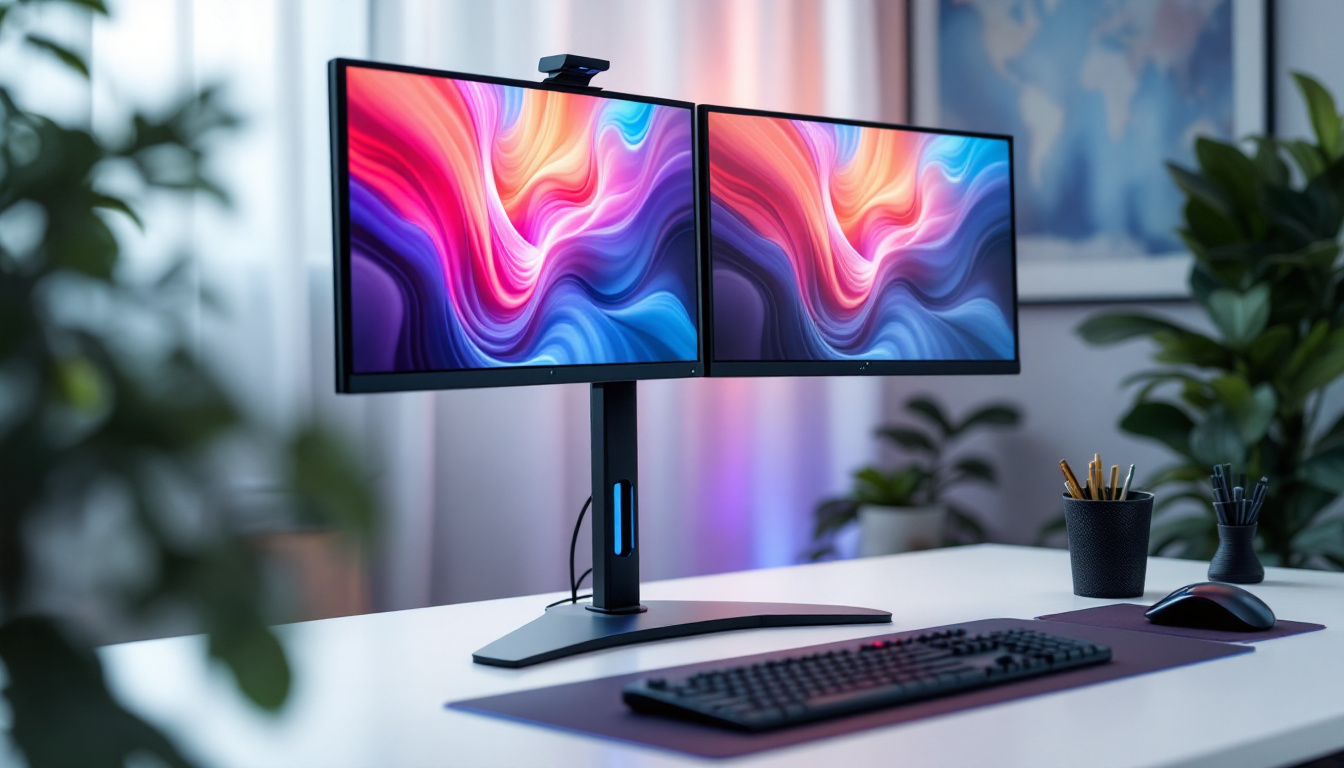
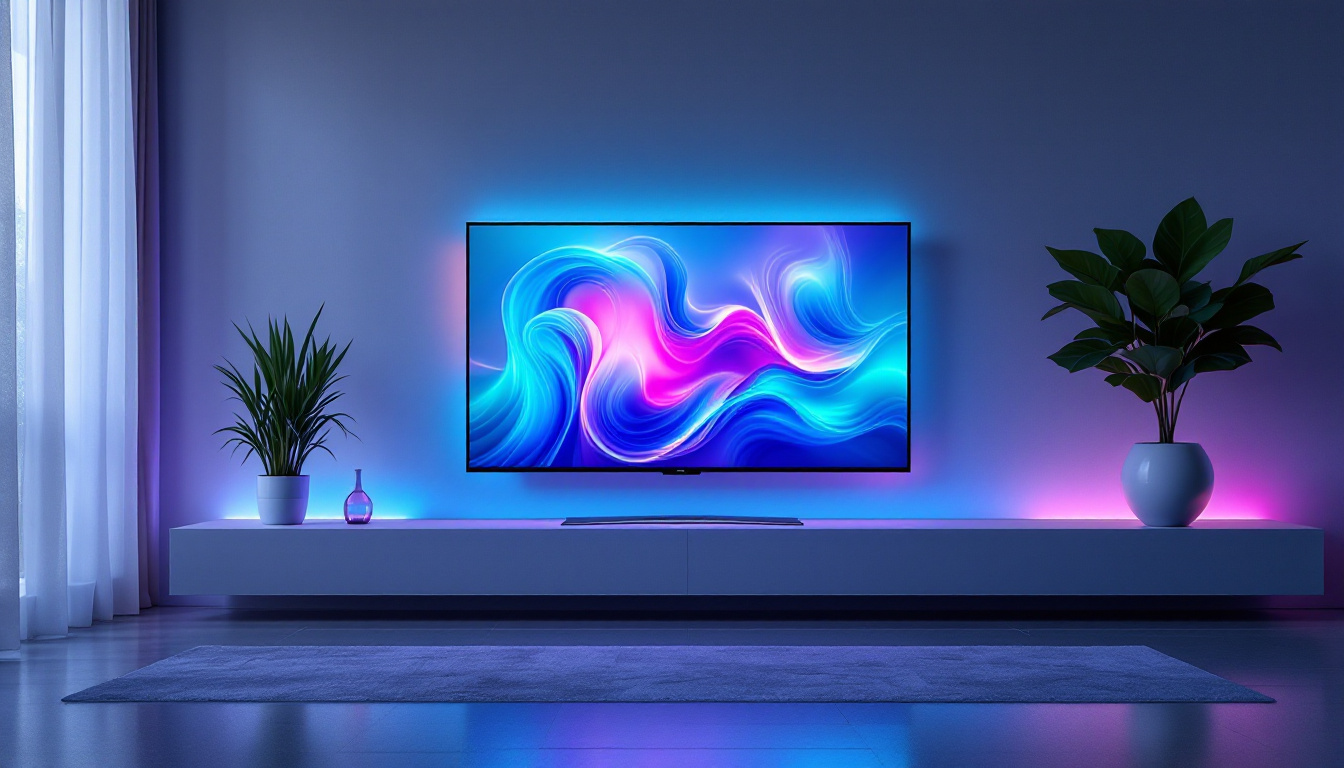
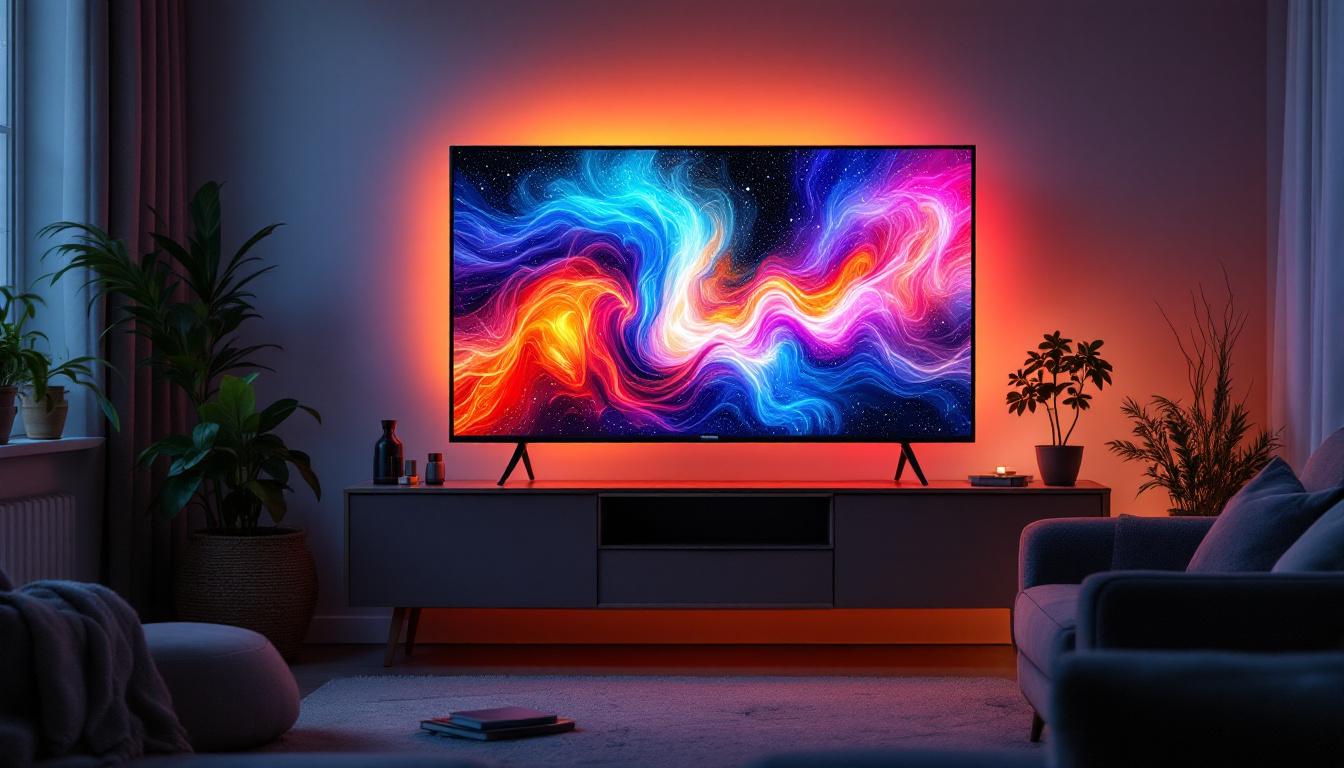
From laptops and desktop monitors to televisions and smartphones, LED technology dominates the consumer electronics market. The combination of affordability, image quality, and energy efficiency makes LED-backlit LCDs the default choice for most users.
High-end OLED monitors are gaining traction among gamers and creative professionals who demand superior color fidelity and responsiveness.
Commercial and Industrial Use
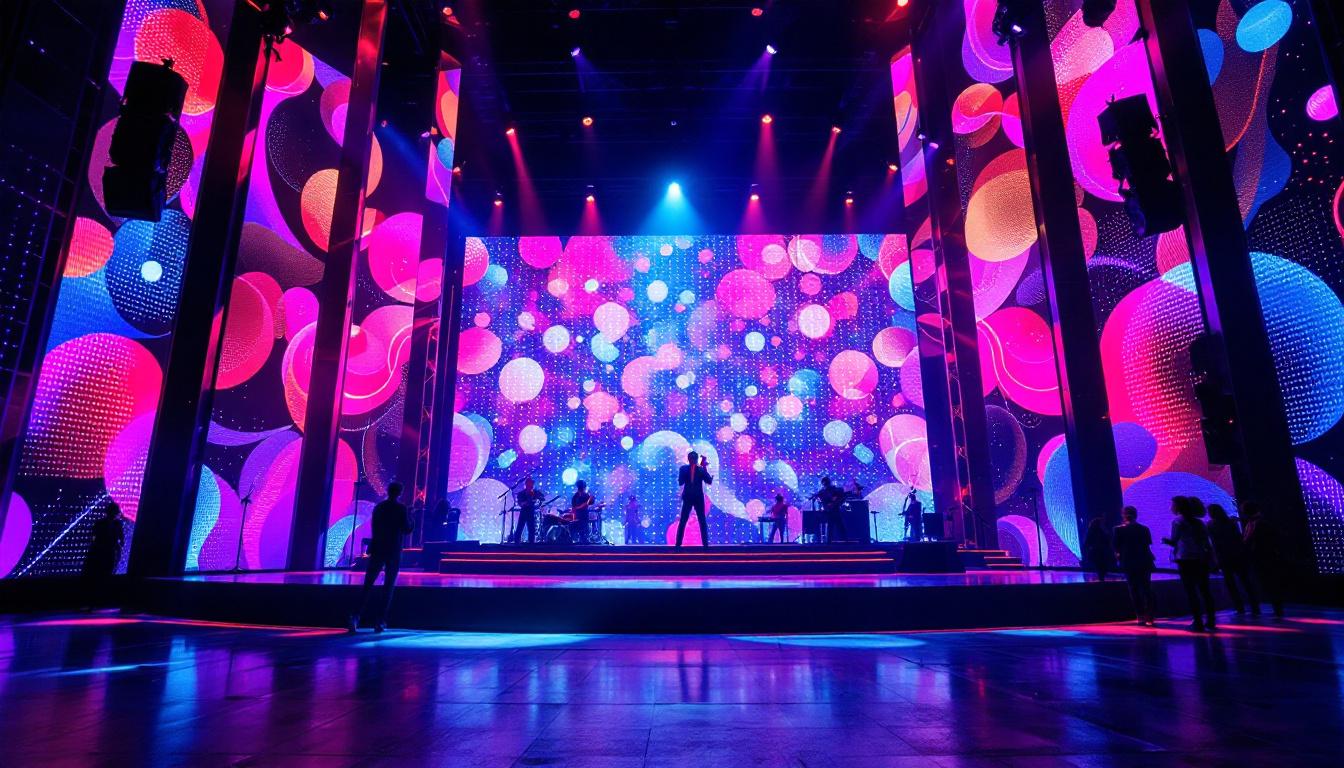
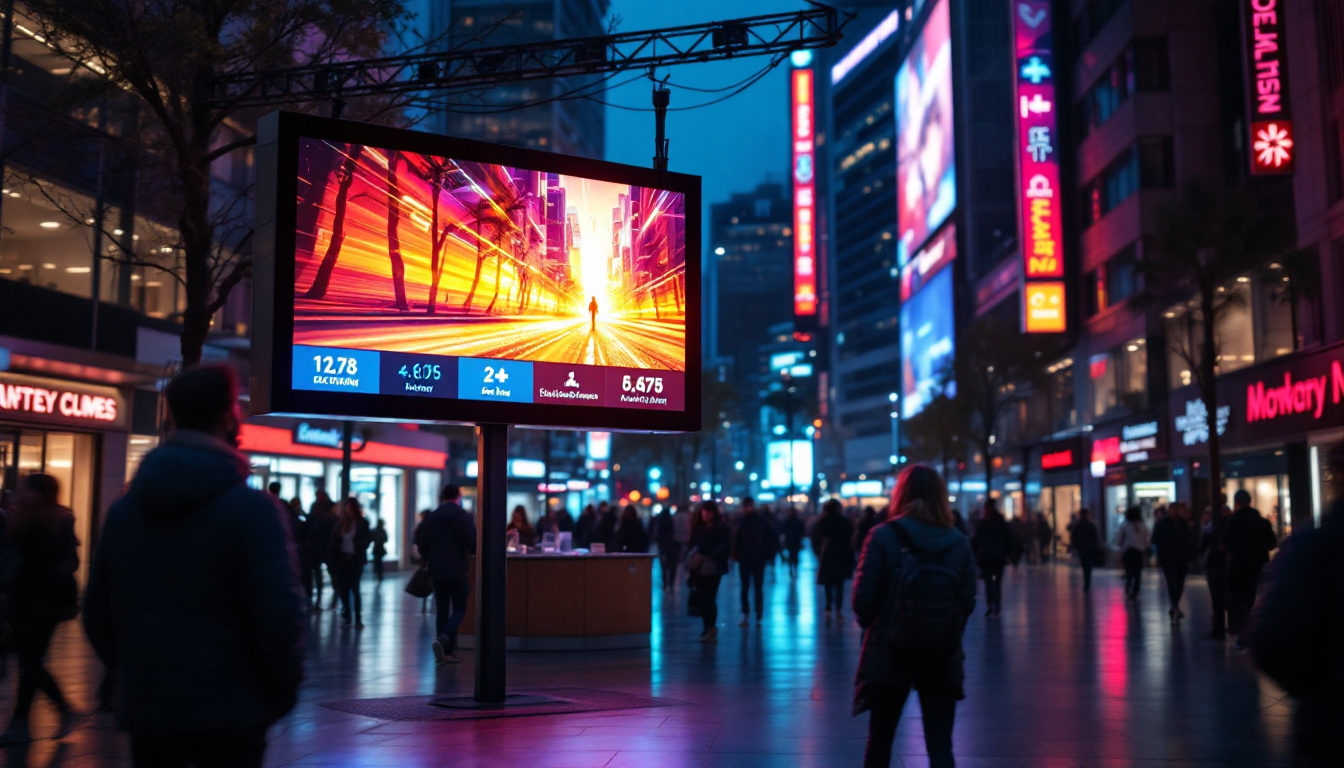
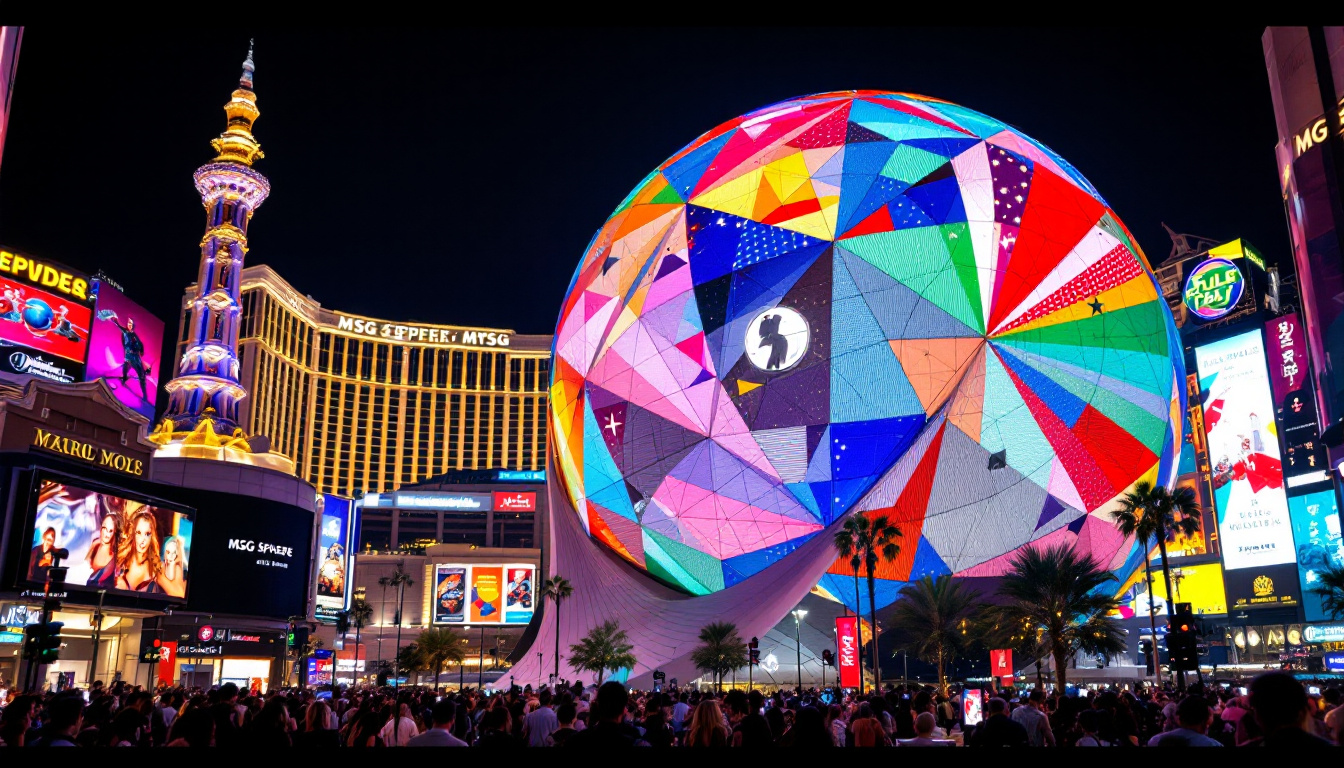
In retail, advertising, and public information systems, large-scale LED displays are common. These include digital billboards, video walls, and interactive kiosks. The brightness and durability of LED panels make them ideal for outdoor and high-traffic environments.
Industrial applications benefit from rugged LED monitors that can withstand harsh conditions while delivering clear visuals for control rooms, manufacturing lines, and medical imaging.
Professional Content Creation
Graphic designers, video editors, and photographers rely on LED monitors, particularly OLED and high-end LED-backlit LCDs, for accurate color representation and consistent brightness. Features like wide color gamut support, HDR compatibility, and factory calibration are standard in professional-grade monitors.
Key Considerations When Choosing an LED Monitor
With a wide variety of LED monitors available, selecting the right one requires understanding specific features and how they align with user needs.
Resolution and Screen Size
Resolution determines the clarity and detail of the displayed image. Common resolutions include Full HD (1920×1080), Quad HD (2560×1440), and 4K Ultra HD (3840×2160). Larger screen sizes paired with higher resolutions provide more workspace and sharper images but may require more powerful hardware to drive them effectively.
Refresh Rate and Response Time
For gamers and video editors, refresh rate (measured in Hz) and response time (measured in milliseconds) are critical. Higher refresh rates (120Hz, 144Hz, or even 240Hz) enable smoother motion, while lower response times reduce motion blur and ghosting.
Color Accuracy and Gamut
Professionals should look for monitors that cover wide color gamuts such as Adobe RGB or DCI-P3 and offer factory calibration to ensure color precision. Consumer users may prioritize vibrant colors and HDR support for immersive media consumption.
Connectivity and Ergonomics
Modern monitors come with various ports including HDMI, DisplayPort, USB-C, and Thunderbolt. Ergonomic features like adjustable stands, swivel, tilt, and VESA mount compatibility enhance comfort and usability.
The Future of LED Displays
The LED display industry continues to innovate rapidly, driven by consumer demand for better image quality, energy efficiency, and new form factors.
Advancements in MicroLED and OLED
MicroLED technology is expected to bridge the gap between OLED’s image quality and LED’s durability, offering bright, energy-efficient displays without burn-in risks. As manufacturing techniques improve and costs decrease, microLED could become mainstream in the next decade.
Meanwhile, OLED technology is evolving with flexible and transparent displays, opening possibilities for foldable monitors and new interactive experiences.
Integration with Smart Technologies
Future LED monitors will likely incorporate AI-driven features such as adaptive brightness, eye strain reduction, and enhanced color calibration. Integration with voice assistants and IoT ecosystems will make monitors more intuitive and connected.
Sustainability and Recycling
As environmental concerns grow, manufacturers are focusing on sustainable materials and recycling programs for LED monitors. Energy-efficient designs and longer-lasting components contribute to reducing electronic waste and carbon footprints.
Conclusion
LED displays have transformed the way we interact with digital content, offering vibrant visuals, energy efficiency, and versatile applications across industries. Whether through LED-backlit LCDs, OLED, or emerging microLED technologies, the future of monitor displays promises even greater advancements in quality and functionality.
Understanding the differences between LED display types and their respective benefits empowers consumers and professionals alike to choose the best monitor for their needs. As technology progresses, LED displays will continue to illuminate our screens with sharper images and richer colors, enhancing both productivity and entertainment experiences.
Discover LumenMatrix’s Innovative LED Display Solutions
Ready to experience the future of LED displays? LumenMatrix is at the forefront of LED display technology, offering a wide array of solutions that bring your content to life. From vibrant Indoor LED Wall Displays to dynamic Outdoor LED Wall Displays, and from mobile Vehicle LED Displays to sleek LED Poster Displays, our products are designed to captivate and engage. Whether you’re looking to enhance your brand’s visibility, create immersive environments with Floor LED Displays, or require Custom LED solutions tailored to your needs, LumenMatrix has the expertise to elevate your visual communication. Embrace the revolution in digital signage and let your message shine with clarity and impact. Check out LumenMatrix LED Display Solutions today and transform the way you connect with your audience.