In an era where digital communication is paramount, LED displays have emerged as a cornerstone technology. From vibrant billboards to intricate indoor signage, programmable LED displays are transforming how information is presented and consumed. This article delves into the fundamentals of programmable LED technology, exploring its components, applications, and the innovations shaping its future.
Understanding LED Displays: The Basics
LED stands for Light Emitting Diode, a semiconductor device that emits light when an electric current passes through it. Unlike traditional lighting, LEDs are highly efficient, durable, and capable of producing vivid colors. When arranged in arrays, these diodes form LED displays, capable of showing text, images, and videos.
Programmable LED displays are designed to allow dynamic content changes through software control. This flexibility distinguishes them from static signage, enabling real-time updates, animations, and interactive features. The core of these displays lies in their modular design, where individual LED modules combine to create larger screens of various sizes and resolutions.
Types of LED Displays
LED displays come in several forms, primarily categorized by their pixel pitch and intended use. Pixel pitch refers to the distance between the centers of two adjacent pixels, measured in millimeters. A smaller pixel pitch indicates higher resolution and closer viewing distance suitability.
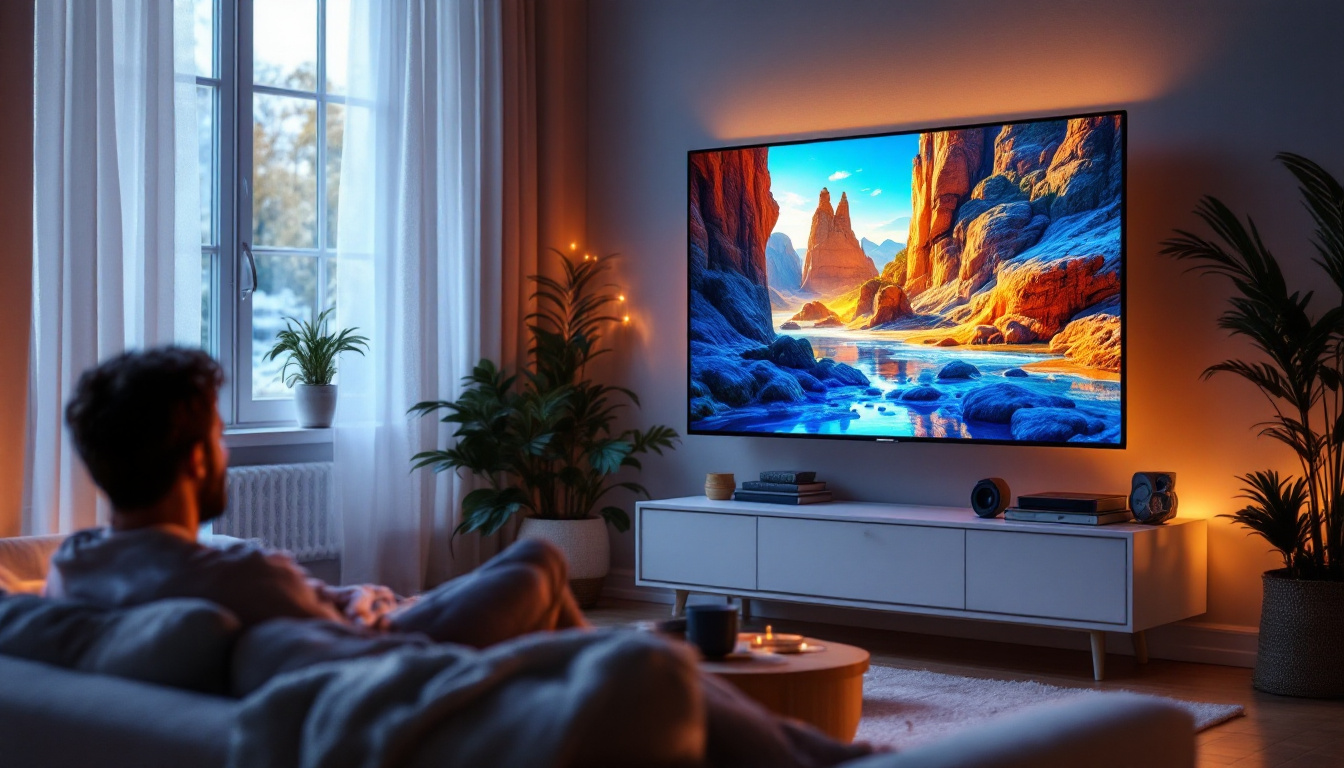
- Indoor LED Displays: These typically have a pixel pitch ranging from 1.2mm to 4mm, offering high resolution for close-up viewing in environments like conference rooms, retail stores, and control centers.
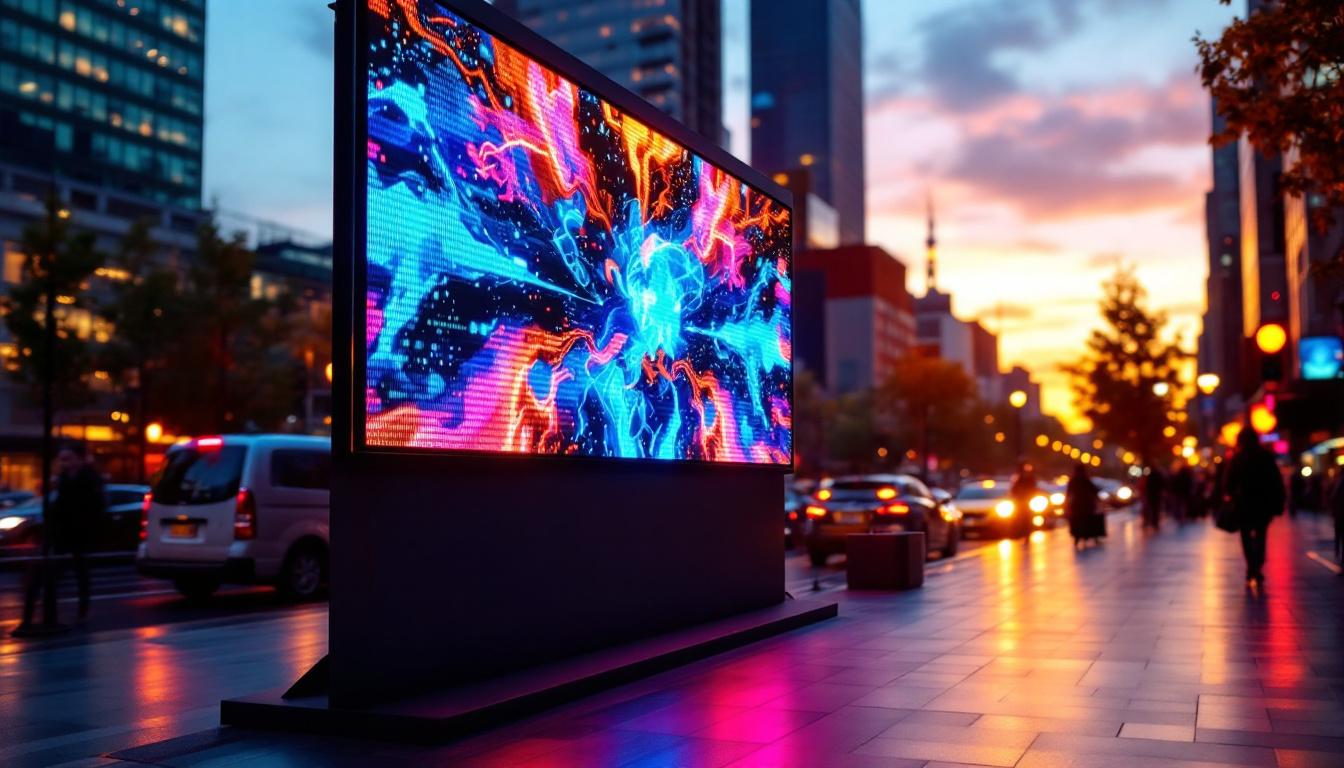
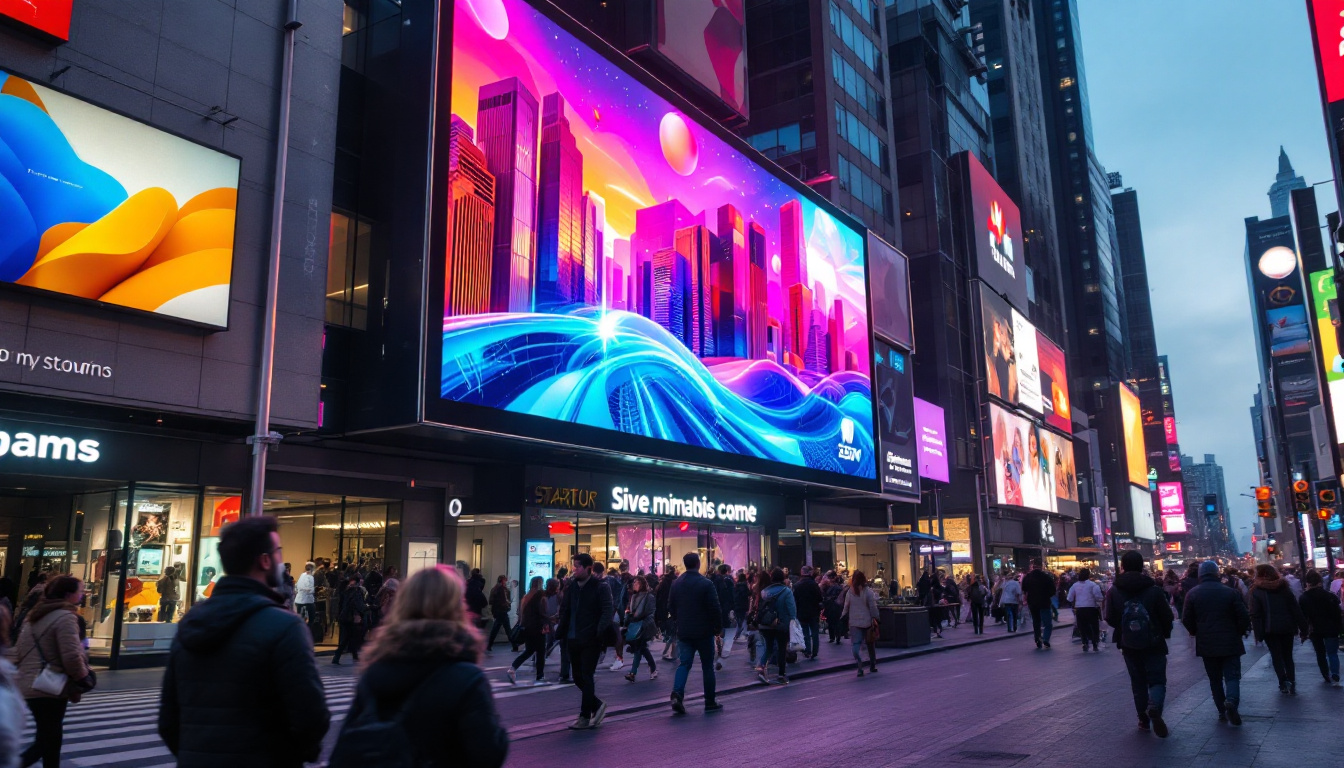
- Outdoor LED Displays: With pixel pitches usually between 6mm and 20mm, these displays are designed for visibility at longer distances and harsh weather conditions, making them ideal for billboards, stadiums, and public information boards.
- Flexible and Transparent LED Displays: Innovations have led to flexible LED panels that can curve around surfaces and transparent displays that allow light to pass through, expanding creative possibilities in advertising and architecture.
Moreover, the advancements in LED technology have paved the way for high dynamic range (HDR) displays, which enhance the color depth and contrast ratio, providing viewers with a more immersive experience. These displays are particularly beneficial in environments where visual impact is critical, such as in art galleries or high-end retail spaces. The ability to showcase vibrant colors and deep blacks allows for a more engaging presentation of content, making it easier to capture the attention of passersby.
Additionally, the integration of smart technology into LED displays has transformed the way content is managed and delivered. With the rise of IoT (Internet of Things), LED displays can now connect to the internet, allowing for remote management and real-time analytics. This capability enables businesses to tailor their messaging based on audience engagement and environmental factors, optimizing the effectiveness of their advertising strategies. As a result, LED displays are not just a medium for visual communication but also a powerful tool for data-driven marketing and audience interaction.
How Programmable LED Displays Work
The functionality of programmable LED displays hinges on the integration of hardware and software components. At the hardware level, the display consists of LED modules, control circuits, power supplies, and communication interfaces. Software controls the content, timing, and effects displayed.
Hardware Components
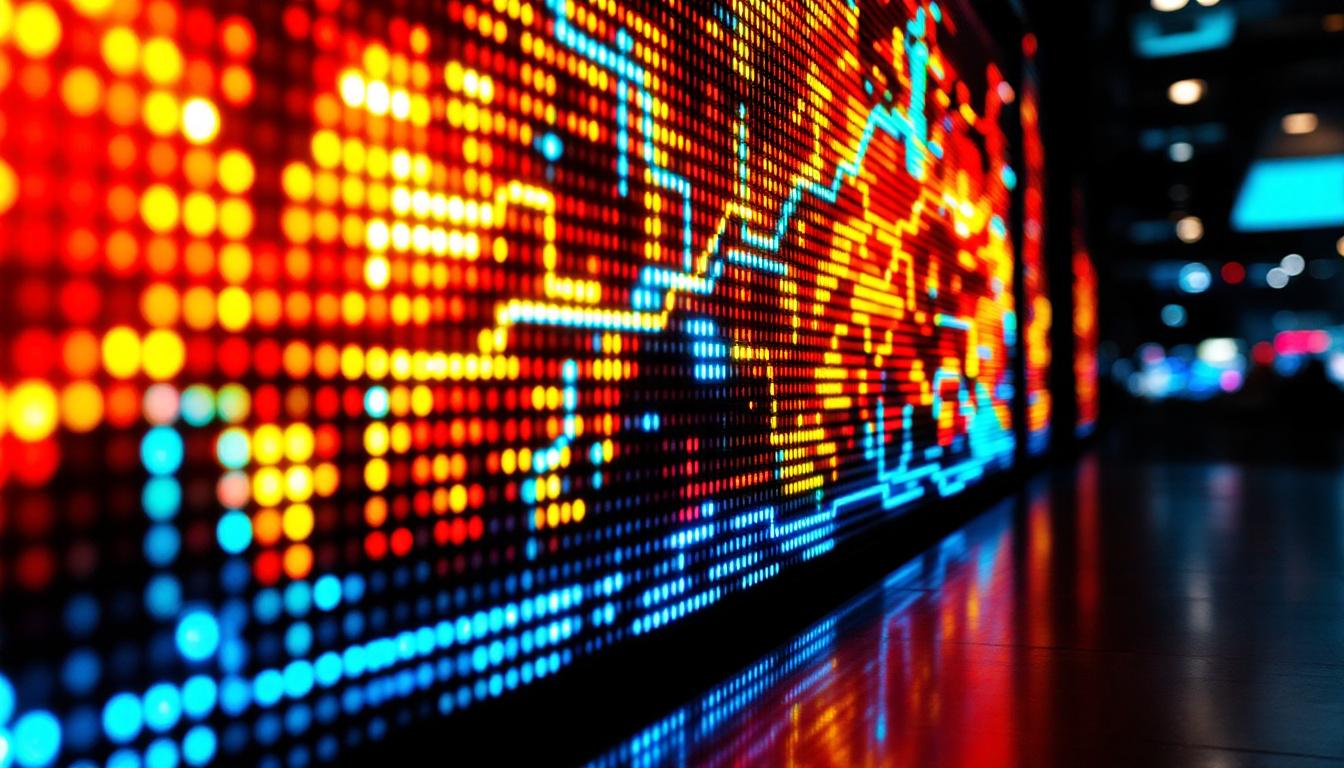
Each LED module contains numerous tiny LEDs arranged in a matrix. These modules are connected to a control system that manages which LEDs light up and at what intensity. The control system receives data from a computer or media player, translating it into signals that drive the LEDs.
Power supplies ensure stable voltage and current to the LEDs, critical for consistent brightness and longevity. Additionally, cooling mechanisms such as fans or heat sinks prevent overheating, which can degrade performance or cause failure. The structural design of the display is also vital; many outdoor models are encased in weather-resistant materials to withstand environmental challenges like rain, dust, and extreme temperatures, ensuring their durability and reliability in various settings.
Software and Programming
Programmable LED displays rely on specialized software to create and schedule content. This software often includes user-friendly interfaces for designing text, images, animations, and videos. Advanced systems support real-time data integration, enabling displays to show live feeds such as news, weather updates, or social media streams. The versatility of the software allows for the incorporation of interactive elements, where viewers can engage with the display through mobile devices or touch interfaces, enhancing the overall user experience.
Communication protocols like Ethernet, Wi-Fi, or proprietary connections facilitate data transfer between the control computer and the LED modules. Modern LED display software also supports remote management, allowing operators to update content from any location, enhancing operational efficiency. Furthermore, many systems now incorporate analytics tools that track viewer engagement and display performance metrics, providing valuable insights that can inform future content strategies and advertising efforts. This data-driven approach not only maximizes the effectiveness of the displays but also helps in optimizing energy consumption and maintenance schedules, leading to more sustainable operations.
Applications of Programmable LED Displays
The versatility of programmable LED displays has led to widespread adoption across various industries. Their ability to deliver bright, dynamic content makes them invaluable for communication, advertising, entertainment, and safety.
Advertising and Marketing
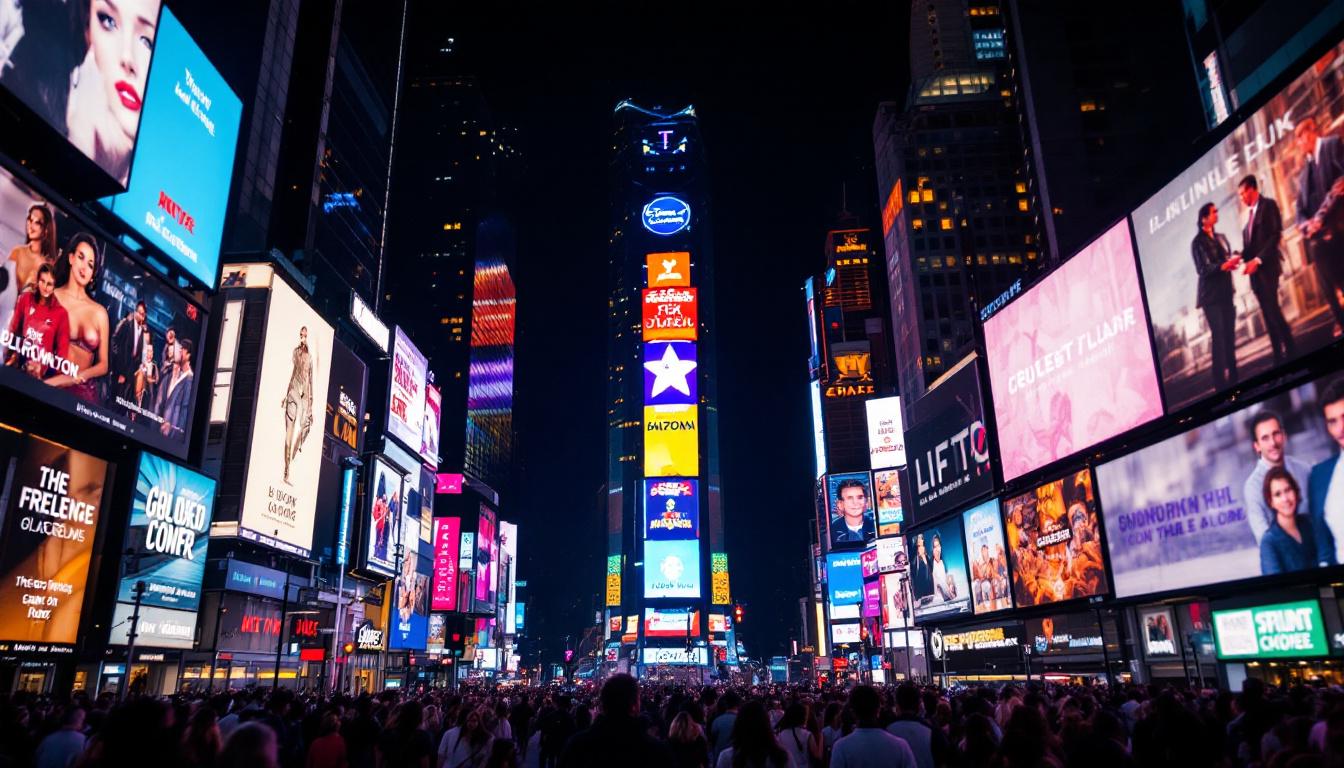
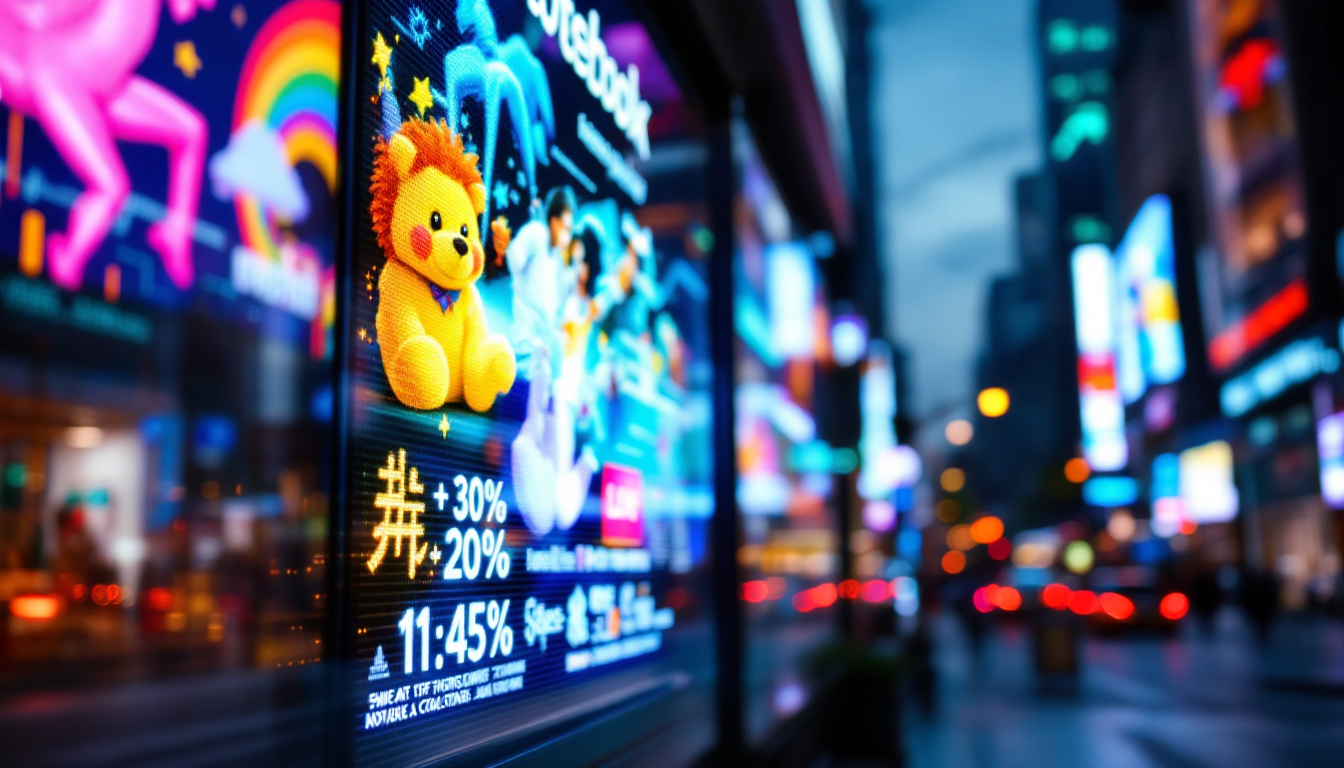
One of the most visible uses of programmable LED displays is in outdoor advertising. Digital billboards can change content throughout the day, targeting different demographics and maximizing advertising impact. According to a report by Grand View Research, the global digital signage market size was valued at over $20 billion in 2023, with programmable LED displays accounting for a significant share due to their brightness and scalability.
Retailers use indoor LED displays to attract customers, promote products, and enhance the shopping experience. Interactive LED walls and kiosks engage consumers, providing personalized content and fostering brand loyalty.
Sports and Entertainment Venues
Stadiums and arenas utilize large-format programmable LED screens to display live game footage, replays, advertisements, and fan engagement content. These displays must withstand outdoor conditions while delivering high-resolution images visible from great distances.
Concerts and theaters incorporate LED walls and panels to create immersive visual effects, synchronized with performances. The programmability allows for rapid content changes, matching the dynamic nature of live events.
Transportation and Public Information
Programmable LED displays are integral to transportation hubs such as airports, train stations, and bus terminals. They provide real-time updates on schedules, delays, and safety announcements, improving passenger experience and operational efficiency.
In urban environments, LED displays serve as digital wayfinding tools and emergency alert systems. Their brightness and visibility ensure that critical information reaches the public promptly.
Advantages of Programmable LED Displays
Programmable LED technology offers numerous benefits over traditional display methods, making it a preferred choice for many applications.
High Visibility and Brightness
LED displays can achieve brightness levels exceeding 5,000 nits, ensuring visibility even under direct sunlight. This makes them ideal for outdoor use where ambient light conditions vary significantly.
Energy Efficiency and Longevity
Compared to incandescent or fluorescent displays, LEDs consume significantly less power. Advances in LED technology have also extended their operational lifespan, often exceeding 100,000 hours, reducing maintenance costs and environmental impact.
Dynamic and Flexible Content
The programmability of LED displays allows for instant content updates, animations, and interactive features. This flexibility supports targeted messaging, seasonal campaigns, and real-time information dissemination.
Scalability and Customization
LED modules can be combined to create displays of virtually any size and shape. This modularity supports custom installations tailored to specific spatial and aesthetic requirements.
Challenges and Considerations
While programmable LED displays offer many advantages, certain challenges must be addressed to maximize their effectiveness.
Initial Investment and Installation
The upfront cost of high-quality programmable LED displays can be substantial, particularly for large-scale or high-resolution installations. Additionally, professional installation is often required to ensure optimal performance and safety compliance.
Maintenance and Technical Expertise
Although LEDs are durable, displays require periodic maintenance to address issues such as dead pixels, power supply failures, or software glitches. Organizations must invest in technical expertise or service contracts to maintain operational reliability.
Environmental Impact
Despite their energy efficiency, LED displays contribute to electronic waste at the end of their lifecycle. Sustainable disposal and recycling practices are essential to minimize environmental harm.
The Future of Programmable LED Displays
Technological advancements continue to push the boundaries of what programmable LED displays can achieve. Emerging trends promise to enhance their capabilities and broaden their applications.
MicroLED and MiniLED Technologies
MicroLED and MiniLED represent next-generation display technologies that offer higher brightness, improved color accuracy, and even greater energy efficiency. These innovations enable ultra-high-definition displays with thinner profiles and enhanced durability.
Integration with IoT and AI
Integrating programmable LED displays with the Internet of Things (IoT) and artificial intelligence (AI) enables smarter, context-aware content delivery. For example, displays can adjust brightness based on ambient light or tailor advertisements based on audience demographics detected through sensors.
Augmented Reality and Interactive Displays
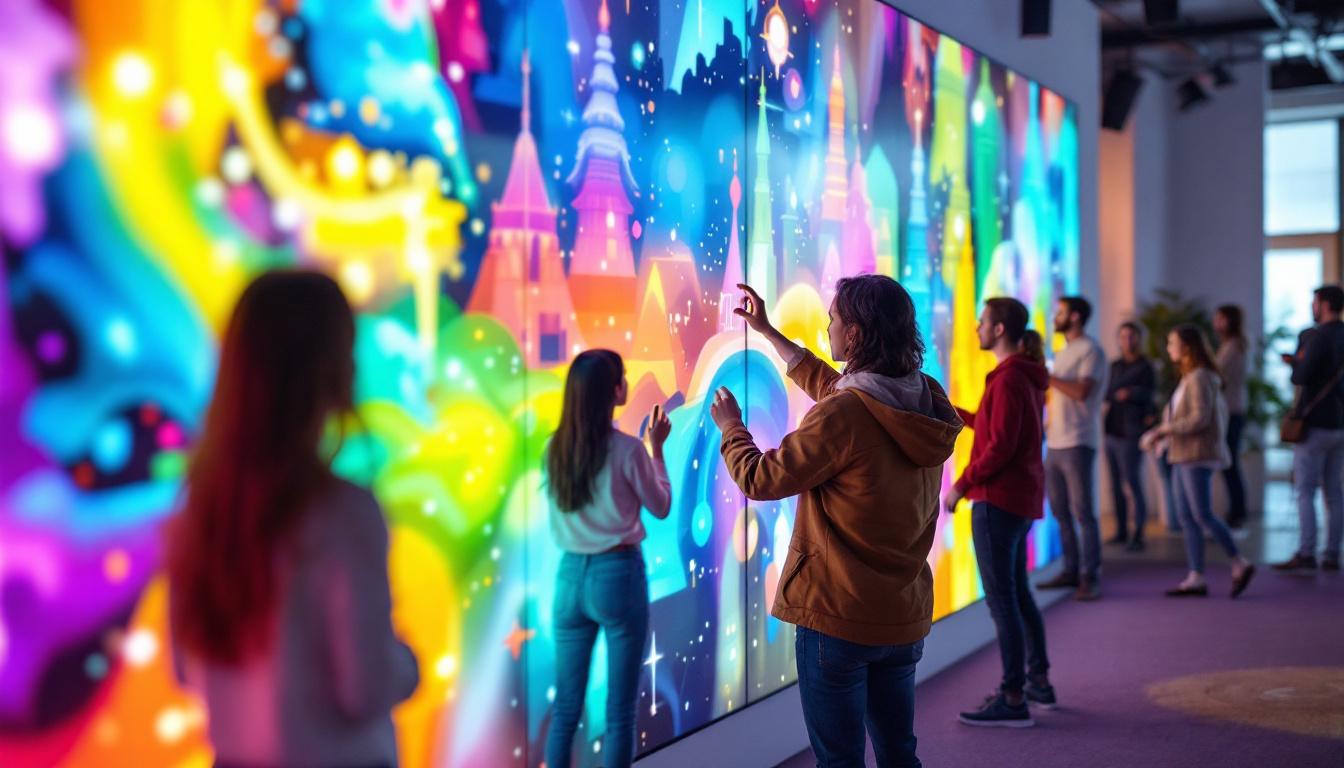
Combining LED displays with augmented reality (AR) technologies creates immersive environments that engage users in novel ways. Interactive LED walls responding to gestures or mobile devices are becoming increasingly common in retail and entertainment sectors.
Conclusion
Programmable LED displays have revolutionized visual communication by offering vibrant, flexible, and energy-efficient solutions across diverse industries. Their ability to deliver dynamic content in real-time makes them indispensable tools for advertising, information dissemination, and entertainment. As technology evolves, these displays will become even more integrated into daily life, shaping how people interact with digital content in public and private spaces.
For businesses and organizations considering programmable LED displays, understanding the technology’s capabilities, applications, and challenges is crucial for making informed decisions. With thoughtful implementation, programmable LED displays can significantly enhance engagement, visibility, and operational efficiency.
Discover Cutting-Edge LED Display Solutions with LumenMatrix
Ready to elevate your visual communication strategy with the latest in LED display technology? LumenMatrix is at the forefront of innovation, offering a wide range of LED display solutions tailored to meet your needs. From engaging Indoor LED Wall Displays to captivating Outdoor LED Wall Displays, and from dynamic Vehicle LED Displays to sleek LED Poster Displays, our products are designed to make your brand stand out. Experience the power of LED Sports Displays, interactive Floor LED Displays, and the versatility of Custom LED Displays. Embrace the future with our All-in-One LED Display and LED Transparent Display options. Join the revolution in visual communication and captivate your audience like never before. Check out LumenMatrix LED Display Solutions today and transform your messaging with impact and clarity.