In today’s fast-paced digital design environment, Autodesk remains a cornerstone for professionals across industries such as architecture, engineering, construction, and manufacturing. As users increasingly rely on Autodesk’s suite of software solutions, understanding how to access reliable support becomes crucial. One often overlooked aspect of customer service is the role of LED displays in Autodesk phone number support systems. This article delves into the intersection of Autodesk’s customer support infrastructure and LED display technology, explaining how these displays enhance user experience and streamline communication.
Understanding Autodesk Phone Number Support
Autodesk offers a broad range of software products, including AutoCAD, Revit, Fusion 360, and Maya, each catering to different professional needs. Given the complexity and technical nature of these tools, users frequently require assistance—from installation help and licensing issues to troubleshooting software bugs and optimizing workflows.
To address these needs, Autodesk provides multiple support channels, with phone support being a primary method for immediate assistance. The Autodesk phone number support system is designed to handle thousands of inquiries daily, ensuring users receive timely and accurate help. However, managing such a high volume of calls requires sophisticated technology to maintain efficiency and reduce wait times.
The Importance of Efficient Phone Support
Customer satisfaction in software support hinges on responsiveness and clarity. When users face technical difficulties, delays or confusion can lead to frustration, lost productivity, and even financial setbacks. Efficient phone support mitigates these risks by connecting users to knowledgeable representatives quickly.
Moreover, Autodesk’s commitment to innovation extends beyond their software products to their support infrastructure. Integrating modern technologies like LED displays into their phone support system exemplifies this approach, enhancing communication and operational transparency. These displays not only provide real-time information about wait times and call status but also help manage user expectations, creating a more streamlined experience. Additionally, Autodesk invests in training their support staff extensively, ensuring that representatives are not only familiar with the software but also equipped with problem-solving skills to address a wide range of user concerns effectively.
Furthermore, Autodesk recognizes that many users operate in high-pressure environments where time is of the essence. To cater to this need, they have implemented a callback feature, allowing users to request a return call instead of waiting on hold. This flexibility not only alleviates the stress of long wait times but also empowers users to continue their work while awaiting assistance. The integration of customer feedback into their support processes further enhances the quality of service, as Autodesk continually refines its approach based on user experiences and suggestions. This commitment to improvement ensures that users can rely on Autodesk not just for their software needs, but also for a robust support system that prioritizes their success.
What Are LED Displays and How Are They Used in Support Systems?
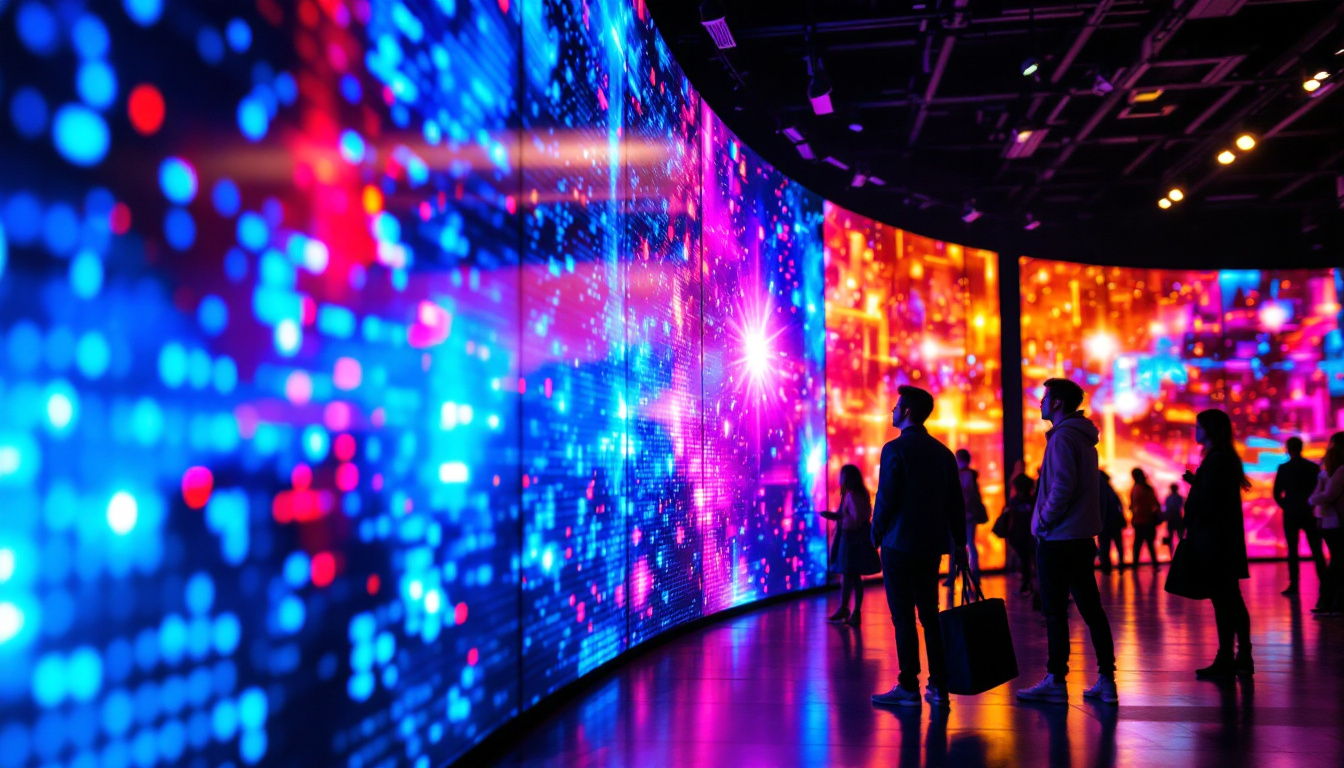
LED (Light Emitting Diode) displays are electronic visual displays that use light-emitting diodes to present information. Known for their brightness, energy efficiency, and long lifespan, LED displays are widely used in various industries—from advertising billboards to control rooms and customer service centers.
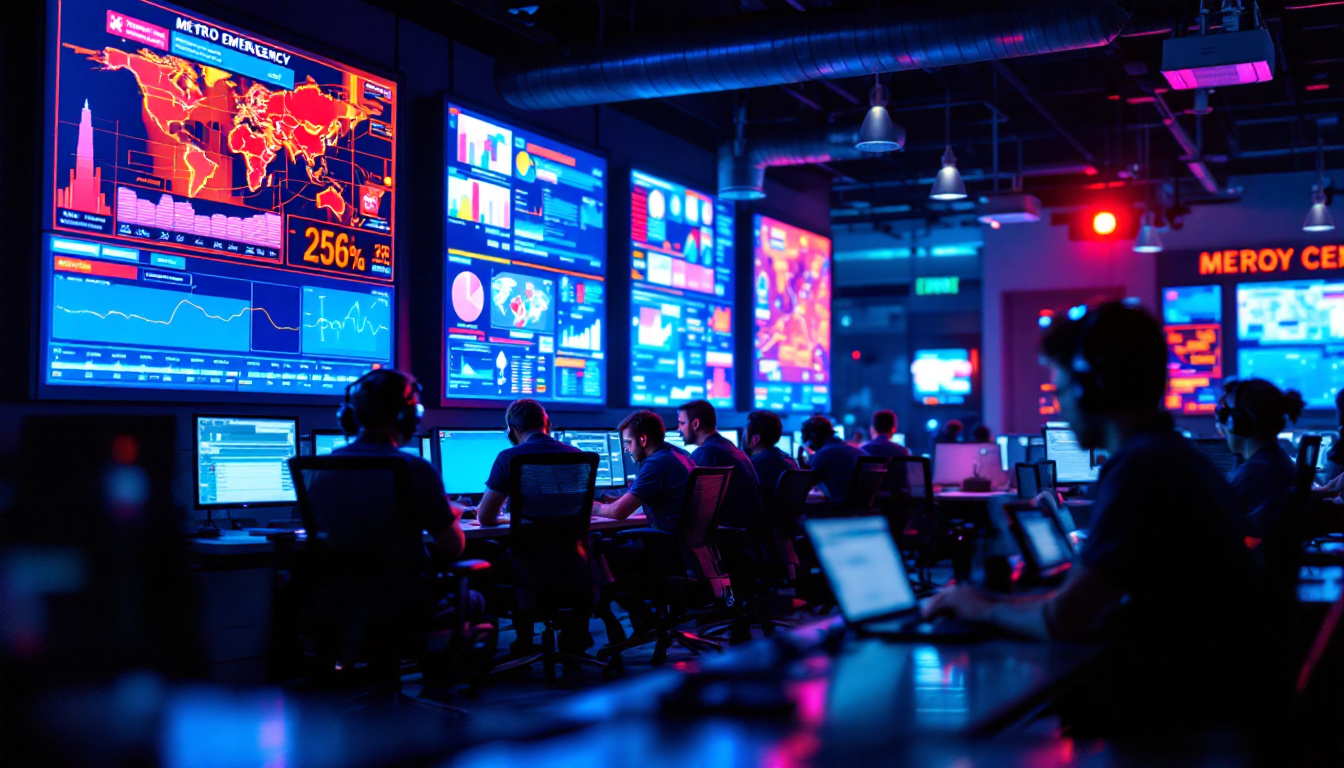
In the context of phone support centers, LED displays serve multiple functions. They provide real-time information to both support agents and customers, helping to manage call queues, display wait times, and communicate system status updates. This immediate access to information is crucial in high-pressure environments, as it allows agents to respond more effectively to customer needs and enhances overall service quality.
Types of LED Displays in Call Centers
Call centers, including Autodesk’s support centers, typically use several types of LED displays:
- Queue Management Displays: These show the number of callers waiting, estimated wait times, and current call volumes. This transparency helps set user expectations and reduces frustration.
- Agent Status Boards: These internal displays provide supervisors with real-time data on agent availability, call durations, and performance metrics, enabling better resource allocation.
- Informational Displays: Placed in waiting areas or on hold, these screens can display helpful tips, software updates, or troubleshooting advice, keeping customers engaged during wait times.
Beyond these typical applications, LED displays can also be integrated with advanced analytics tools to provide predictive insights. For instance, by analyzing historical call patterns, these displays can forecast peak call times and adjust staffing levels accordingly, ensuring that agents are available when they are needed most. This proactive approach not only optimizes operational efficiency but also enhances customer satisfaction by minimizing wait times.
Moreover, the versatility of LED technology allows for customization in terms of content and design. Support centers can tailor the information displayed based on specific customer demographics or current promotions, creating a more personalized experience. This adaptability is particularly beneficial in industries where customer engagement is key, as it allows organizations to convey relevant messages that resonate with their audience, ultimately fostering loyalty and trust.
How Autodesk Utilizes LED Displays in Their Phone Support
Autodesk’s customer support centers leverage LED display technology to enhance both the user and agent experience. By integrating these displays into their phone support workflow, Autodesk ensures smoother communication and more efficient issue resolution.
Improving Caller Experience Through Transparency
One of the primary benefits of LED displays in Autodesk’s phone support system is the ability to provide callers with real-time updates about their place in the queue and expected wait times. This transparency helps manage expectations and reduces the anxiety often associated with waiting on hold.
For example, when a user calls Autodesk support, an LED display system tracks the number of active calls and the average handling time. This data is then communicated through automated voice prompts or on-screen notifications if the user is accessing support via a digital interface. The result is a more informed user who can decide whether to wait or seek alternative support options.
Enhancing Agent Efficiency and Morale
Behind the scenes, Autodesk’s support agents benefit from LED status boards that provide real-time insights into call distribution and team performance. Supervisors can quickly identify bottlenecks, redistribute workload, and recognize high-performing agents.
Such visibility fosters a more dynamic and responsive support environment. Agents receive immediate feedback and can adjust their approach based on current demand, which ultimately leads to faster resolution times and improved customer satisfaction.
Supporting Multilingual and Global Support Operations
Autodesk serves a global customer base, which requires multilingual support and coordination across different time zones. LED displays help manage this complexity by segmenting calls based on language preferences and regional availability.
For instance, LED queue displays can highlight which language-specific support lines have longer wait times, allowing supervisors to allocate additional resources accordingly. This ensures that users receive assistance in their preferred language without unnecessary delays.
Technical Aspects of LED Displays in Autodesk Support
To appreciate the full impact of LED displays in Autodesk’s phone support, it’s important to understand the technical characteristics that make these displays ideal for such environments.
High Visibility and Readability
LED displays are renowned for their brightness and clarity, which make them easily readable from a distance and under various lighting conditions. In a bustling support center, this ensures that both agents and supervisors can quickly glean critical information without distraction.
Real-Time Data Integration
Modern LED display systems are integrated with Autodesk’s call management software, enabling real-time updates. This integration is crucial for displaying accurate queue lengths, wait times, and agent statuses without lag, ensuring decisions are based on current data.
Customizability and Scalability
Autodesk’s support needs fluctuate with product launches, updates, and seasonal demand. LED display systems can be customized to show different types of information as needed and scaled to accommodate multiple support centers worldwide.
Energy Efficiency and Durability
Given the continuous operation of support centers, LED displays offer energy-efficient performance and long operational lifespans, reducing maintenance costs and downtime.
Benefits of LED Display Integration for Autodesk Customers
While the technical and operational benefits of LED displays are clear, the ultimate goal is to improve the customer experience. Here are some key advantages Autodesk users gain from this technology.
Reduced Wait Times and Improved Call Handling
By providing real-time data to support teams, LED displays help optimize call routing and agent allocation. This leads to shorter wait times and more effective issue resolution, which is critical for professionals relying on Autodesk software to meet project deadlines.
Increased Transparency and Trust
Customers appreciate knowing where they stand in the support queue and how long they might wait. LED displays contribute to this transparency, fostering trust between Autodesk and its user community.
Enhanced Support Quality
With better oversight of agent performance and call metrics, Autodesk can continuously improve its support processes. This results in higher quality assistance and a more satisfying user experience.
Future Trends: LED Displays and Customer Support Evolution
As technology advances, the role of LED displays in customer support is evolving. Autodesk is likely to continue integrating emerging technologies to further enhance their support systems.
Integration with AI and Predictive Analytics
Future LED display systems may incorporate AI-driven analytics to predict call volumes and adjust staffing proactively. This could further reduce wait times and improve support responsiveness.
Interactive LED Displays
Interactive LED displays could allow customers to navigate support options visually while on hold, selecting topics or troubleshooting guides before speaking with an agent, thereby streamlining the support process.
Cross-Channel Support Synchronization
As Autodesk expands its digital support channels, LED displays could synchronize data across phone, chat, and email support, providing a unified view of customer interactions and improving overall service quality.
Conclusion
Autodesk’s commitment to delivering exceptional customer support is evident in its adoption of advanced technologies like LED displays within its phone support infrastructure. These displays play a critical role in managing call queues, enhancing agent performance, and improving transparency for users worldwide.
For Autodesk customers, the integration of LED display technology means faster, clearer, and more efficient support experiences—an essential factor when working with complex design software under tight deadlines. As the support landscape continues to evolve, innovations in display technology and data integration promise even greater improvements, reinforcing Autodesk’s position as a leader not only in design software but also in customer service excellence.
Explore Cutting-Edge LED Display Solutions
As you’ve seen, LED display technology is integral to enhancing customer support systems like those used by Autodesk. If you’re inspired to elevate your own brand’s visibility and customer interaction, LumenMatrix is your go-to source for innovative LED display solutions. From captivating Indoor LED Walls to dynamic Outdoor LED Displays and beyond, LumenMatrix offers a wide array of products designed to revolutionize visual communication. Don’t miss the opportunity to create unforgettable visual experiences that engage and inform. Check out LumenMatrix LED Display Solutions today and see how they can transform your business’s approach to digital signage and customer engagement.