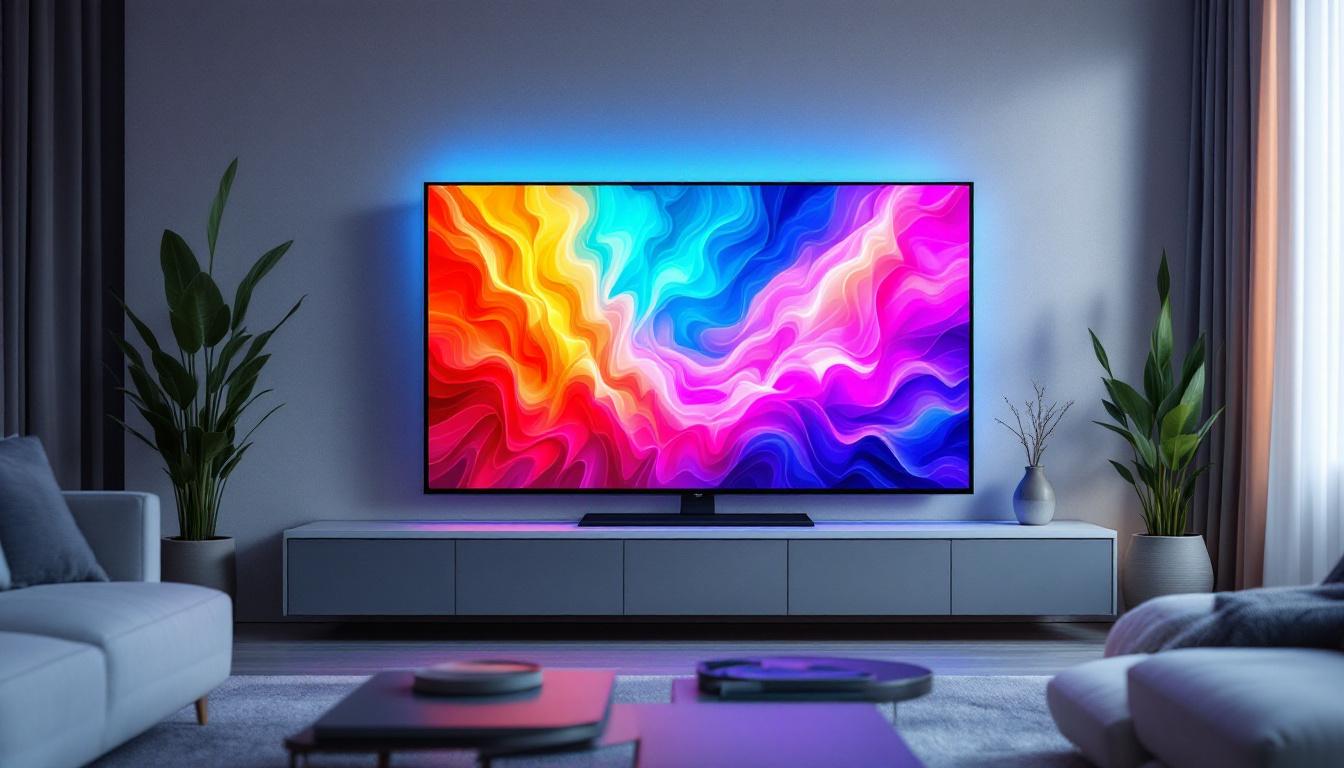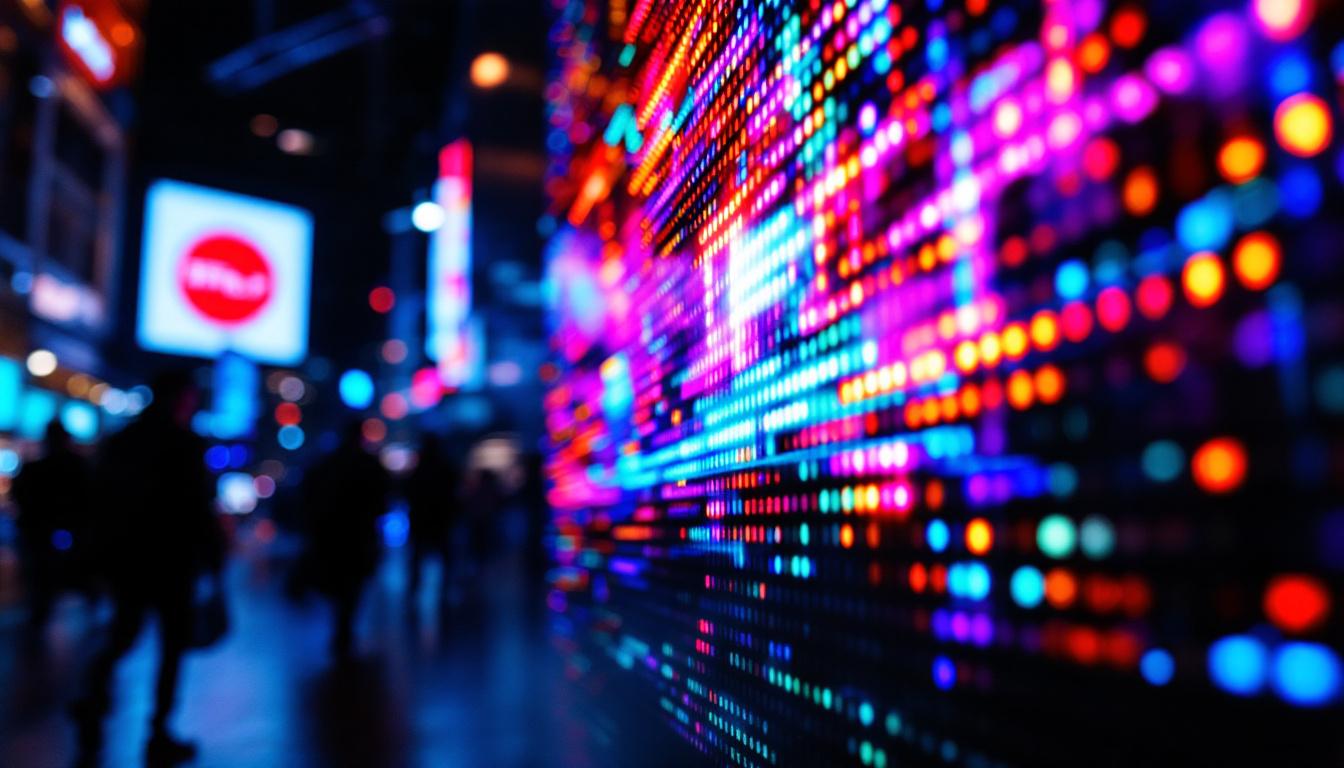
In today’s digital age, LED displays have become an integral part of how we communicate visually. From towering billboards in Times Square to the vibrant screens on smartphones and laptops, LED technology powers countless devices that shape our daily experiences. This article delves into the fascinating world of LED displays, explaining their technology, applications, and the role visualization videos play in enhancing understanding and innovation.
Understanding LED Display Technology
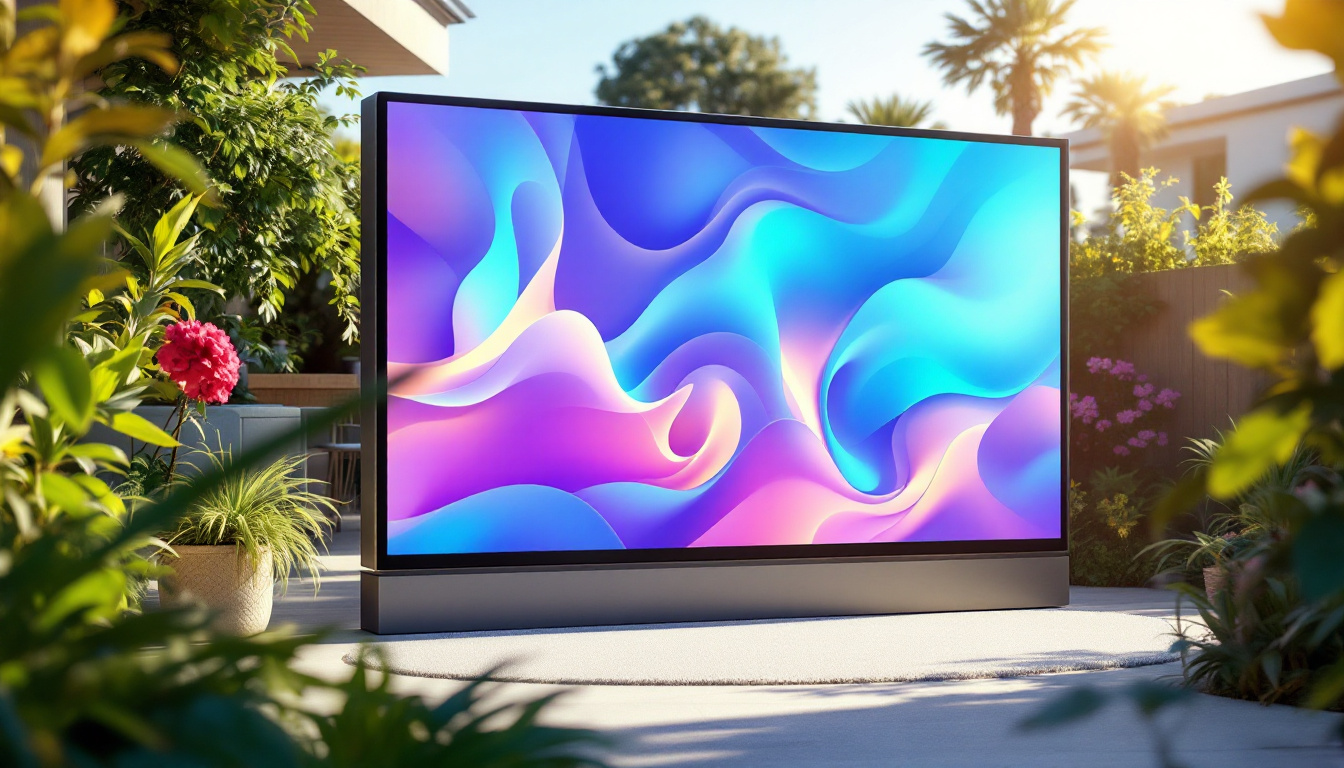
At its core, an LED display is a flat panel that uses light-emitting diodes (LEDs) as pixels to create images and videos. Unlike traditional LCD screens that rely on backlighting, LEDs generate their own light, resulting in brighter images, better contrast, and improved energy efficiency. This self-illuminating property not only enhances visual quality but also allows for thinner and lighter display designs, making them ideal for a variety of applications, from digital signage to high-end televisions.
The basic building block of an LED display is the LED itself—a semiconductor device that emits light when an electric current passes through it. These tiny diodes can produce a wide spectrum of colors by combining red, green, and blue LEDs at varying intensities, enabling full-color displays with millions of hues. The ability to manipulate these colors with precision allows for dynamic content that can be tailored to specific environments, whether it’s a vibrant advertisement or a subtle background display in a gallery.
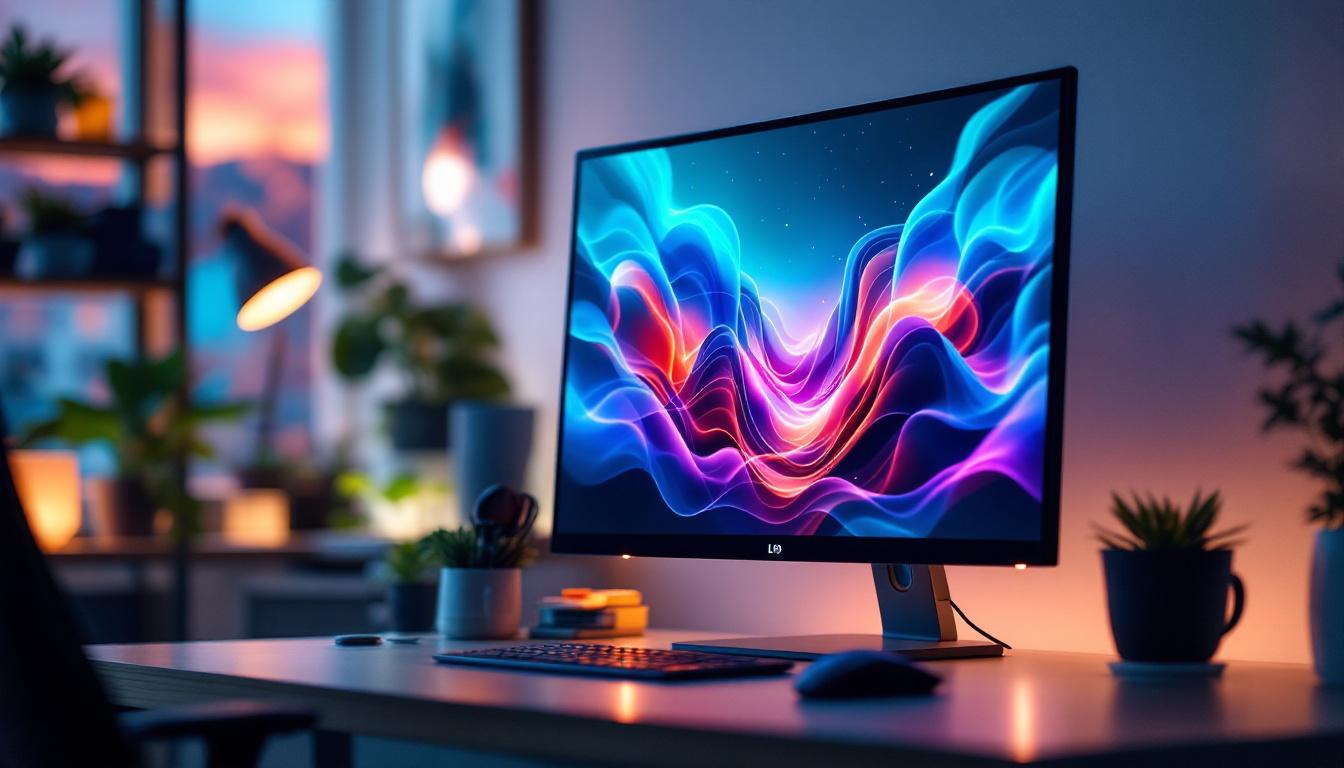
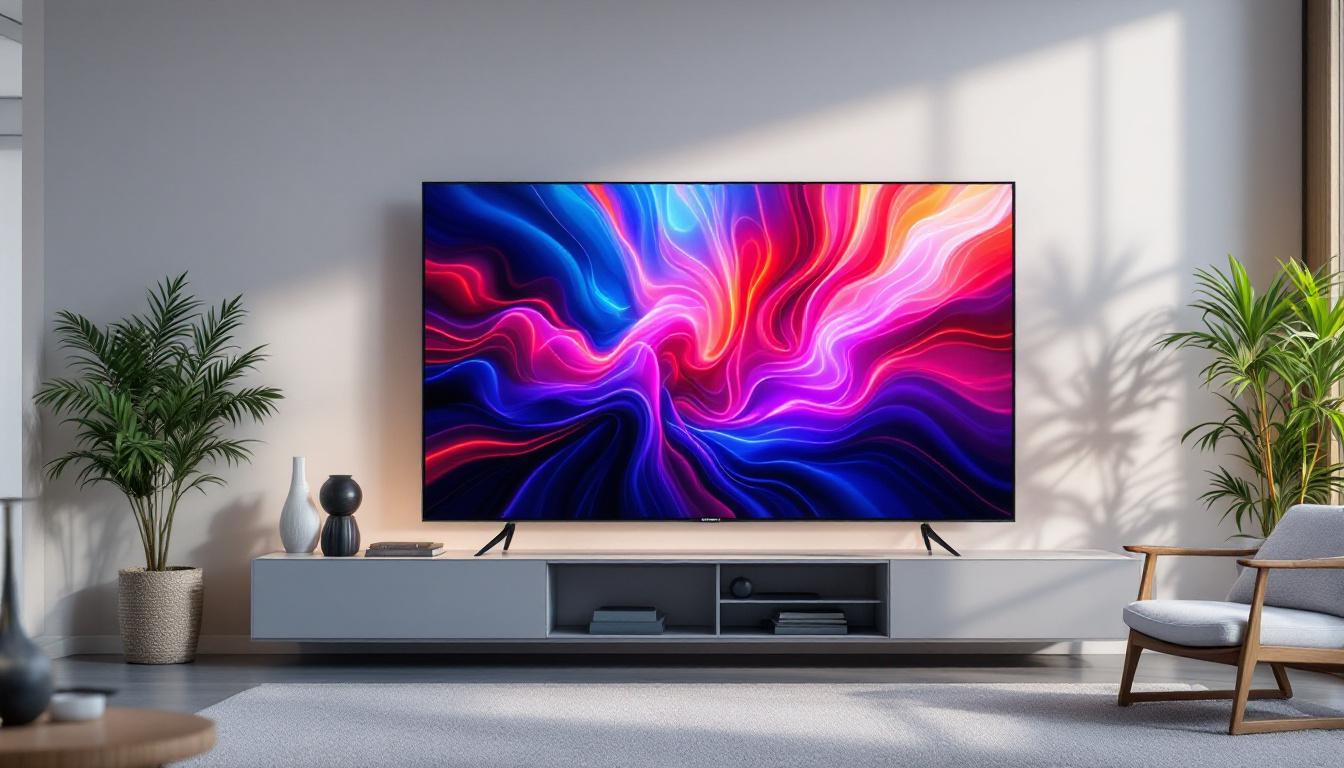
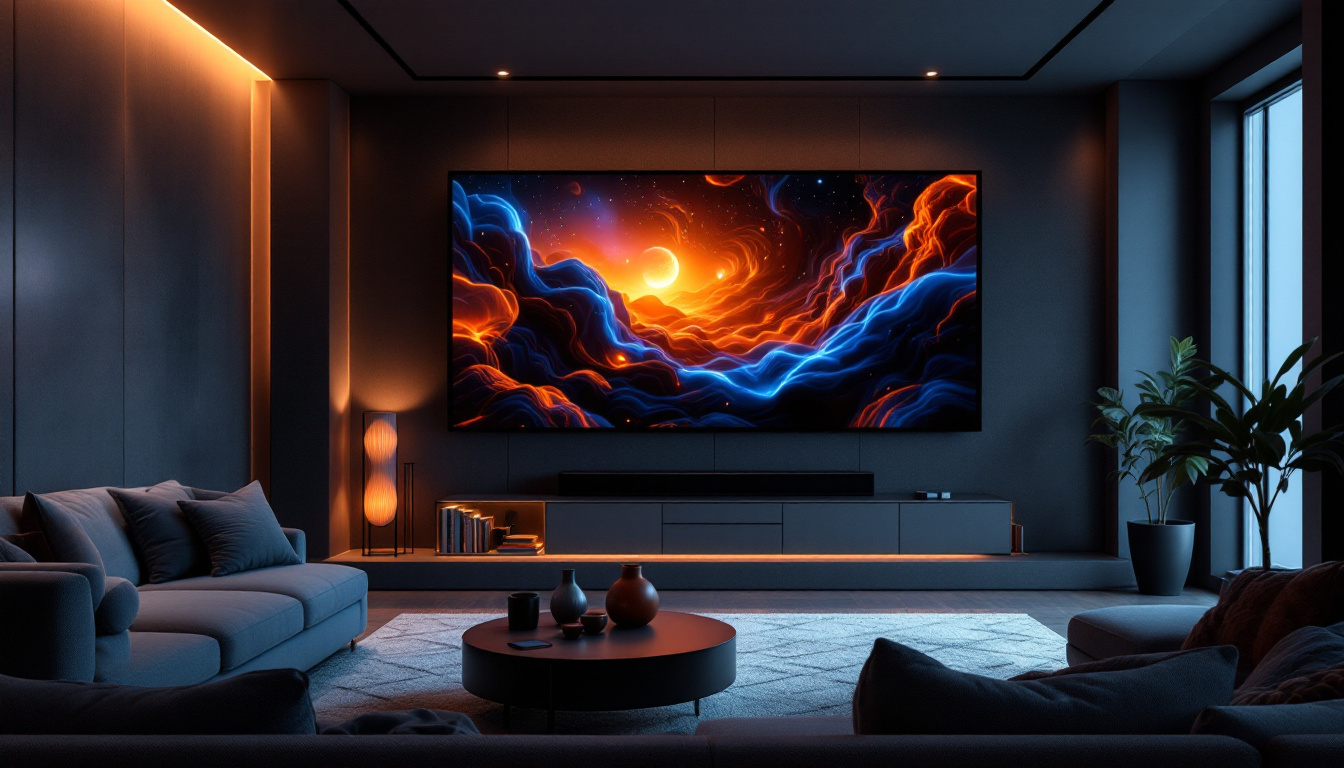
Modern LED displays are often categorized into two main types: direct-view LED displays and LED-backlit LCDs. Direct-view LEDs are composed entirely of LEDs that form the image directly, commonly used in large outdoor screens and stadium displays. These displays are particularly effective in bright sunlight, where their high brightness levels can cut through ambient light. LED-backlit LCDs, on the other hand, use LEDs as a backlight source behind an LCD panel, found in most consumer electronics like TVs and monitors. This hybrid approach allows manufacturers to leverage the benefits of both technologies, resulting in displays that are both energy-efficient and capable of producing rich colors and deep blacks.
Pixel Pitch and Resolution
One critical specification in LED displays is pixel pitch, which refers to the distance between the centers of adjacent pixels. A smaller pixel pitch means higher pixel density, resulting in sharper and more detailed images. For example, indoor LED displays typically have a pixel pitch between 1.2 mm and 4 mm, while outdoor displays might range from 6 mm to 20 mm or more due to viewing distance requirements. This distinction is crucial for applications where viewers are close to the screen, such as in retail spaces or exhibitions, where clarity and detail can significantly impact engagement and perception.
Resolution, the total number of pixels on a display, is directly influenced by pixel pitch and screen size. High-resolution LED displays enable intricate visuals and text clarity, essential for applications like control rooms, broadcast studios, and retail environments. As technology advances, the push for even higher resolutions continues, with developments in microLED technology promising to deliver displays that are not only more efficient but also capable of achieving resolutions that were previously unimaginable. This evolution opens up new possibilities for immersive experiences in virtual reality and augmented reality applications, where the quality of the display can greatly enhance user interaction and satisfaction.
The Role of Visualization Videos in LED Display Technology
Visualization videos serve as powerful tools for explaining complex technologies, including LED displays. These videos combine animation, real-world footage, and graphical overlays to illustrate how LED displays function, their components, and their applications.
For engineers and designers, visualization videos provide a clear understanding of LED assembly, pixel configuration, and color calibration processes. This visual approach accelerates learning and reduces errors during manufacturing and installation.
From a marketing perspective, visualization videos help companies showcase the capabilities of their LED products to potential clients. Demonstrating brightness levels, color vibrancy, and seamless video playback through dynamic visuals makes the technology more accessible and appealing.
Enhancing User Experience and Training
Visualization videos also play a crucial role in user training and support. For instance, installers and maintenance teams benefit from step-by-step animated guides that explain how to set up LED panels, troubleshoot common issues, and perform routine maintenance safely and efficiently.
Moreover, end-users can better appreciate the technology behind the displays they interact with daily. Educational videos that explain concepts like HDR (High Dynamic Range), refresh rates, and viewing angles empower consumers to make informed purchasing decisions.
In addition to enhancing understanding, these videos can also foster a sense of community among users. By sharing experiences and tips through visualization videos, companies can create forums where users discuss their insights and challenges, leading to a collaborative learning environment. This not only strengthens brand loyalty but also encourages users to explore the full potential of their LED displays, from creative installations to innovative applications in various fields like advertising, art, and entertainment.
Furthermore, as LED technology continues to evolve, visualization videos can keep users updated on the latest advancements and features. For example, as new developments in energy efficiency and smart technology integration emerge, these videos can highlight how such innovations enhance the overall performance and sustainability of LED displays. By staying informed through engaging visual content, users can adapt to changes in the market and leverage new technologies to maximize their investment in LED solutions.
Applications of LED Displays Across Industries
LED displays have revolutionized numerous sectors by offering versatile, high-impact visual communication solutions. Their adaptability, brightness, and durability make them suitable for a wide range of environments, both indoors and outdoors.
Advertising and Digital Signage
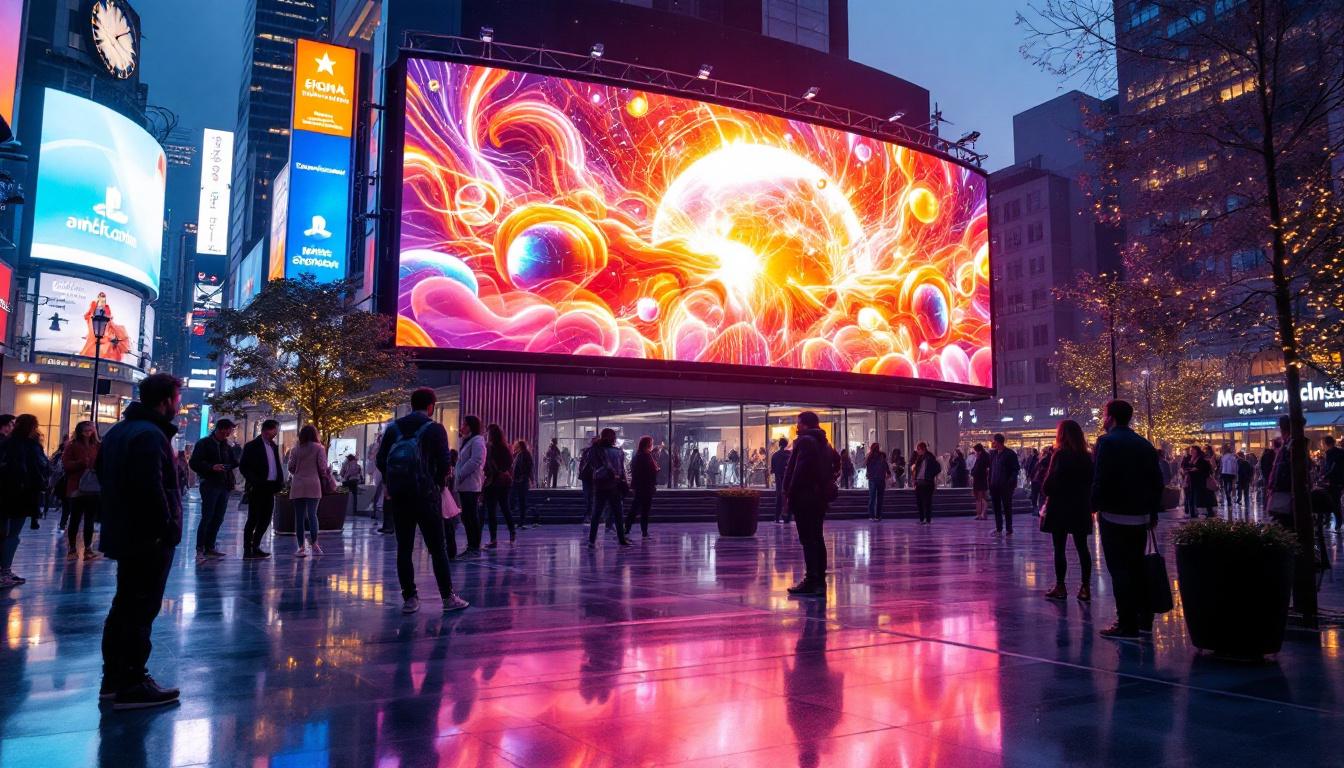
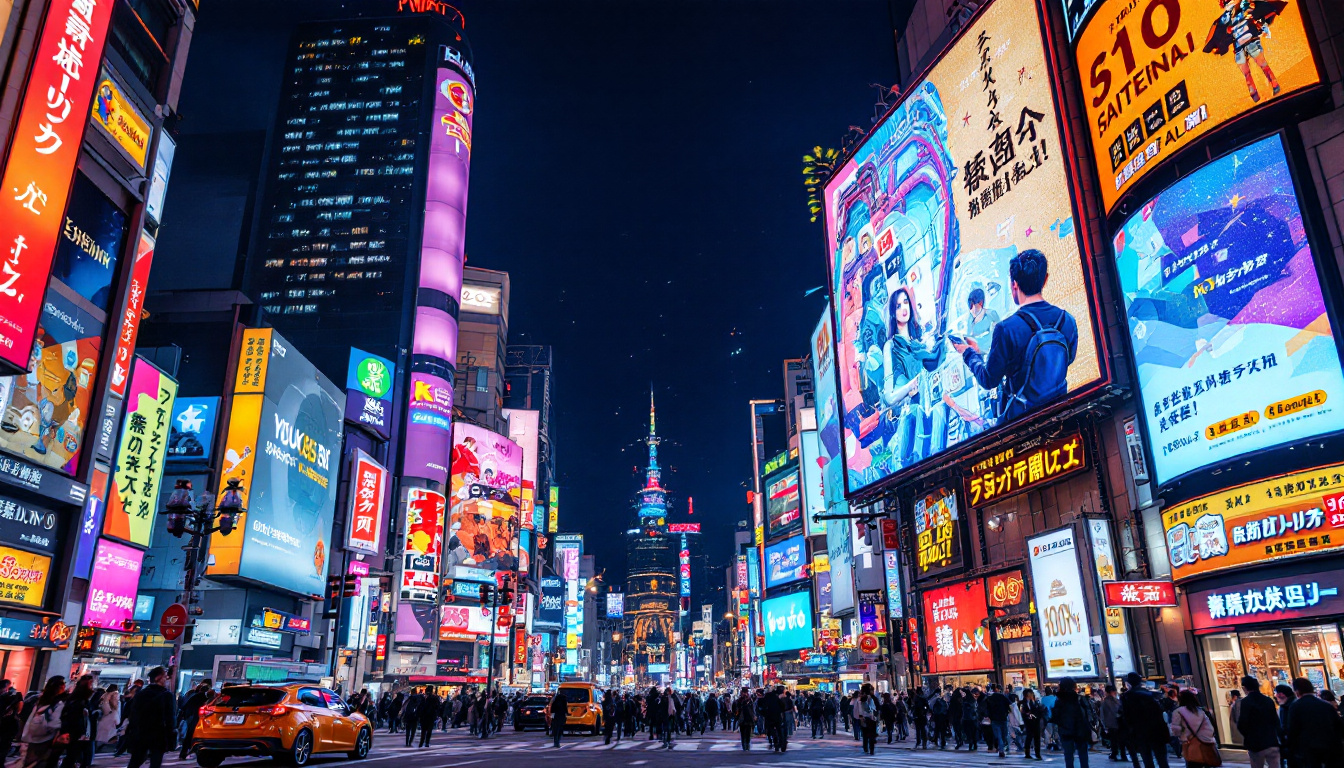
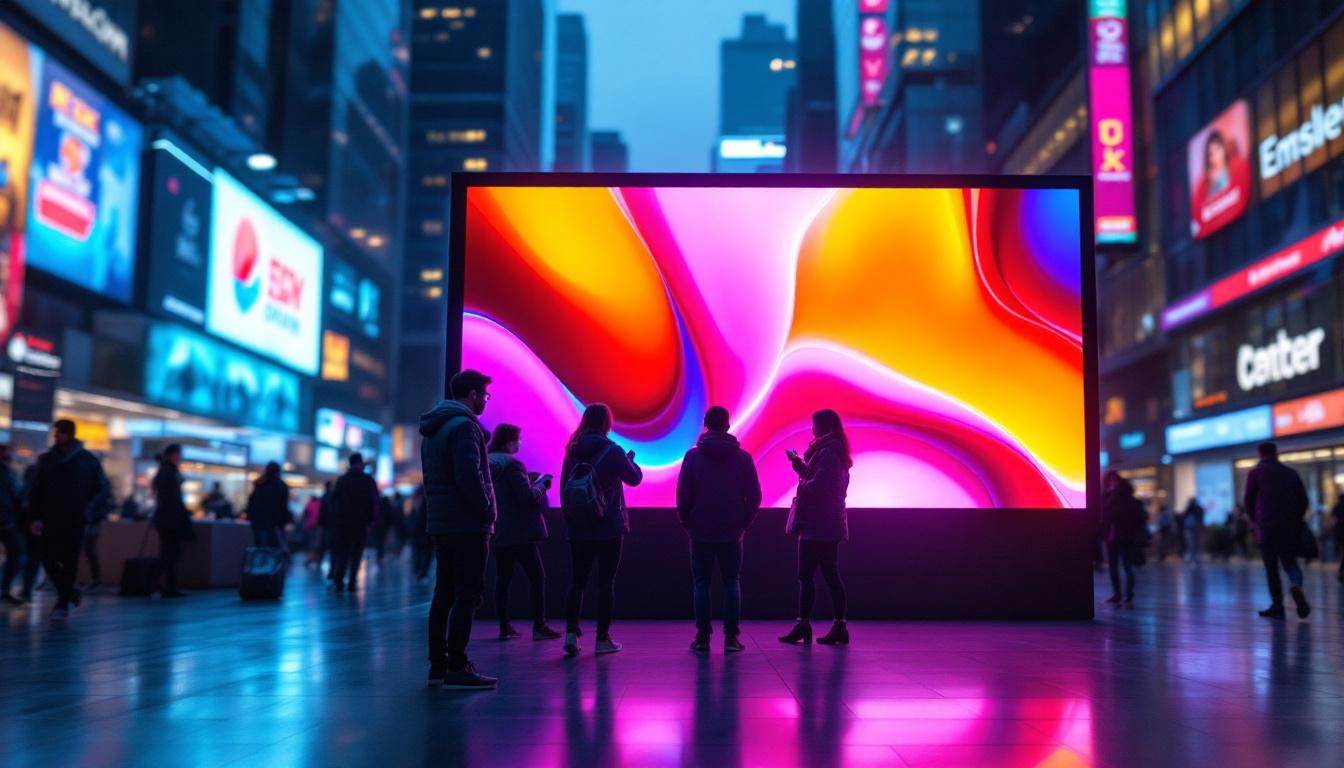
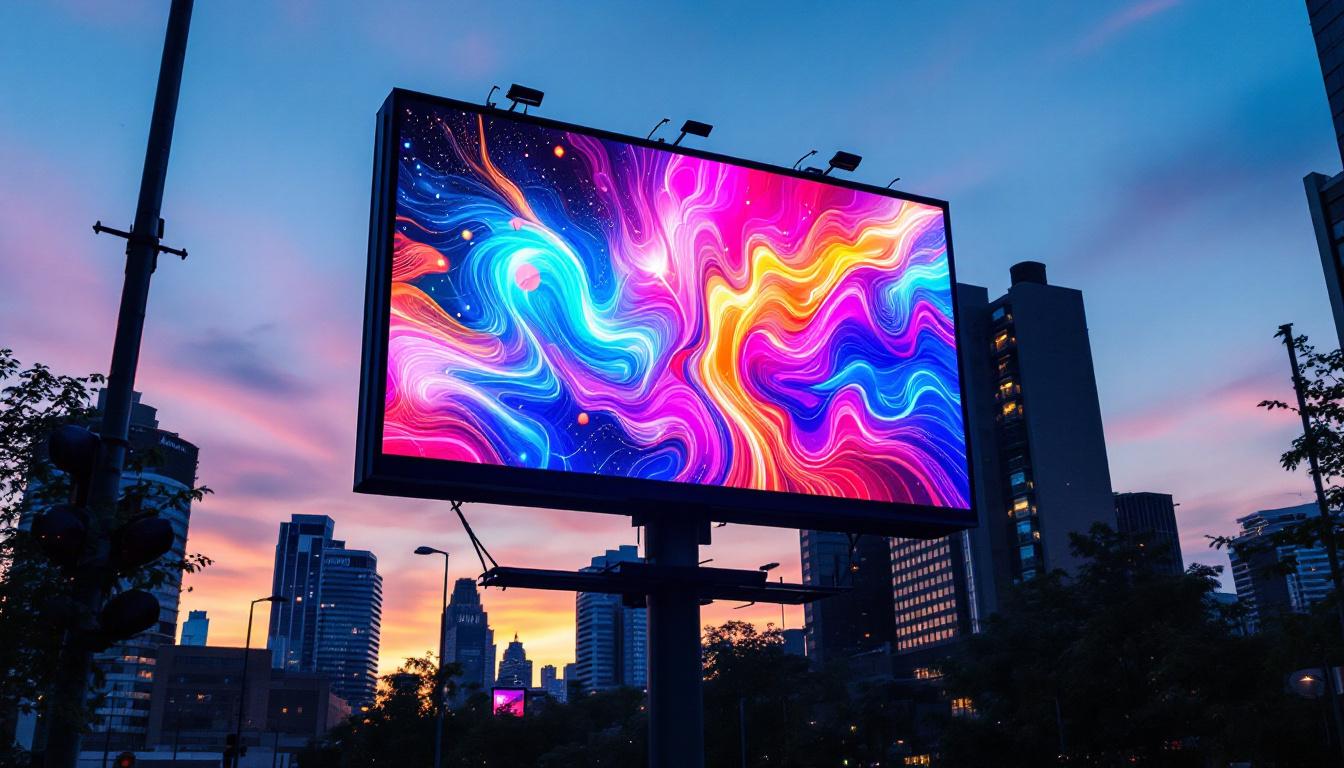
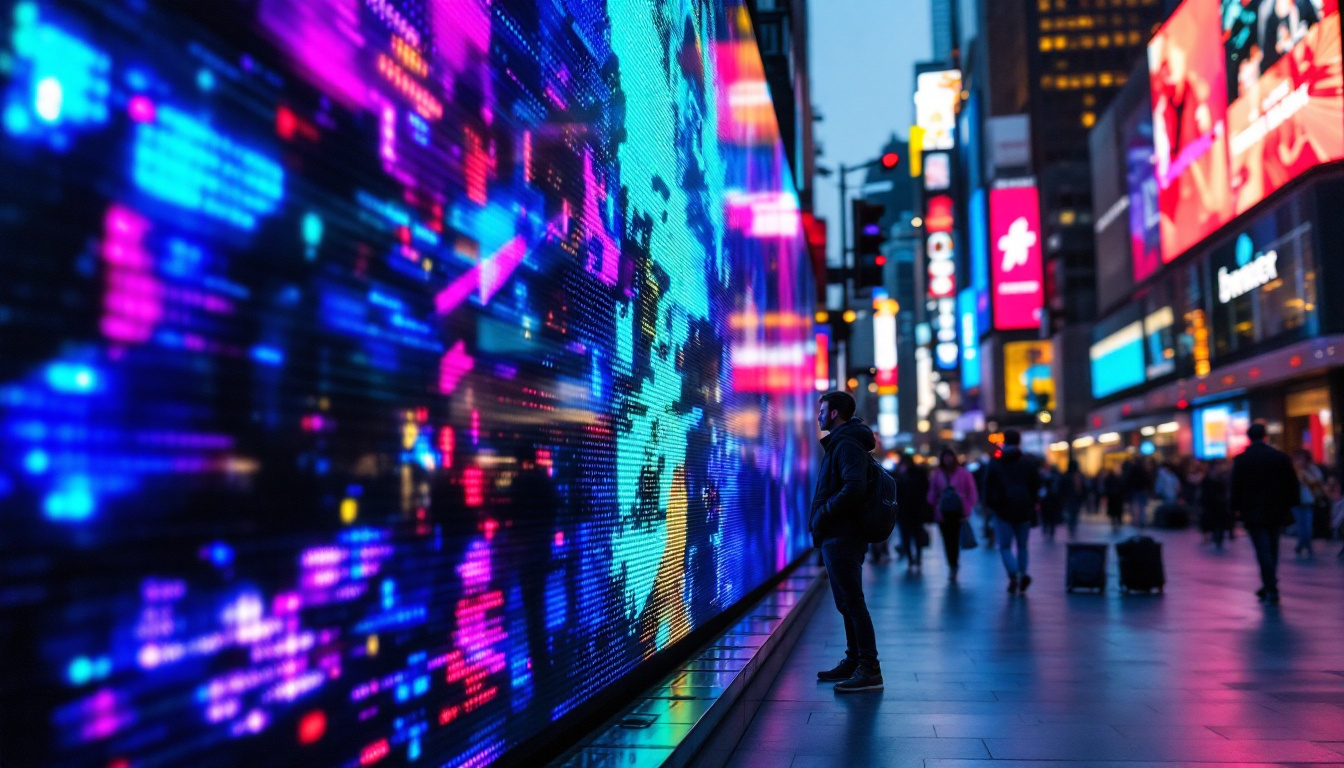
One of the most visible applications of LED displays is in advertising. Large-scale LED billboards and digital signage dominate urban landscapes, delivering vibrant, eye-catching content that can be updated in real-time. According to a report by Grand View Research, the global digital signage market is expected to reach $32.84 billion by 2028, driven largely by LED technology advancements.
LED displays allow advertisers to create dynamic campaigns that respond to time of day, weather conditions, or audience demographics. This flexibility enhances engagement and return on investment compared to static billboards.
Entertainment and Events
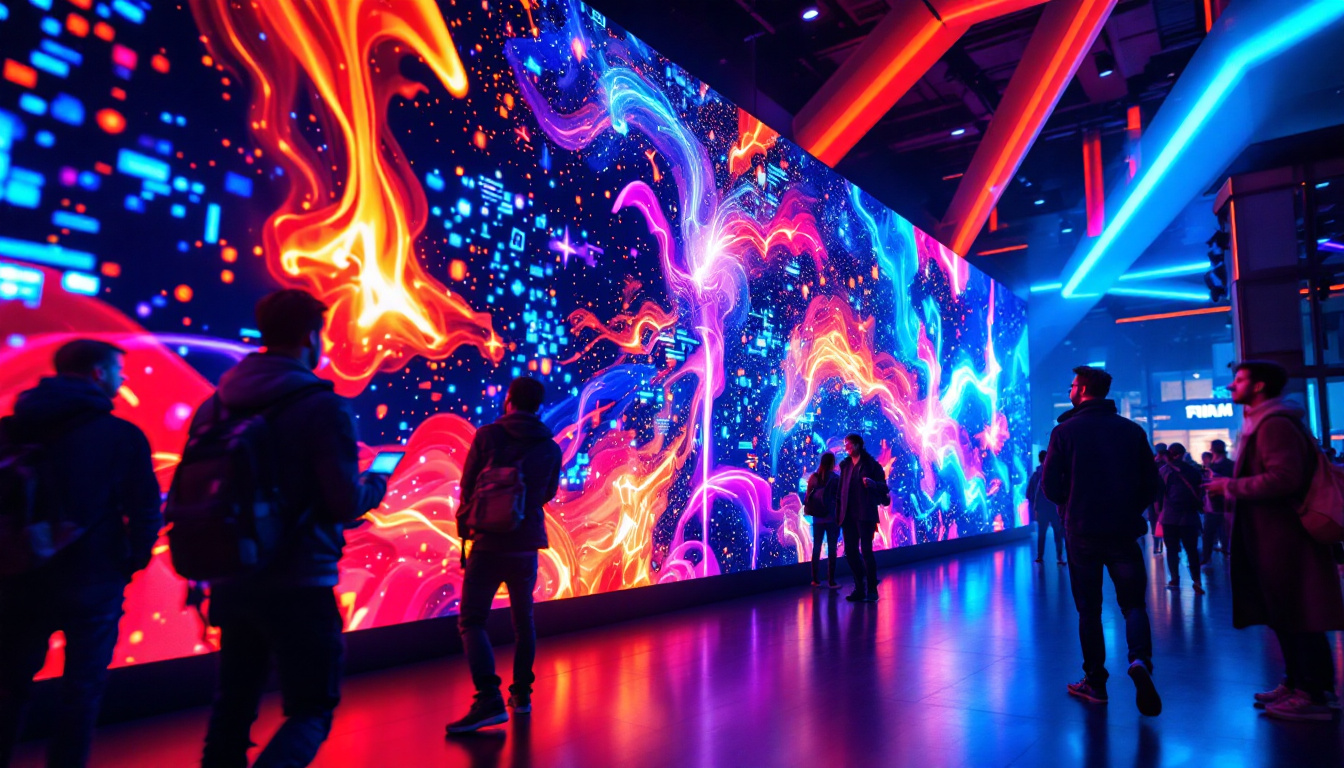
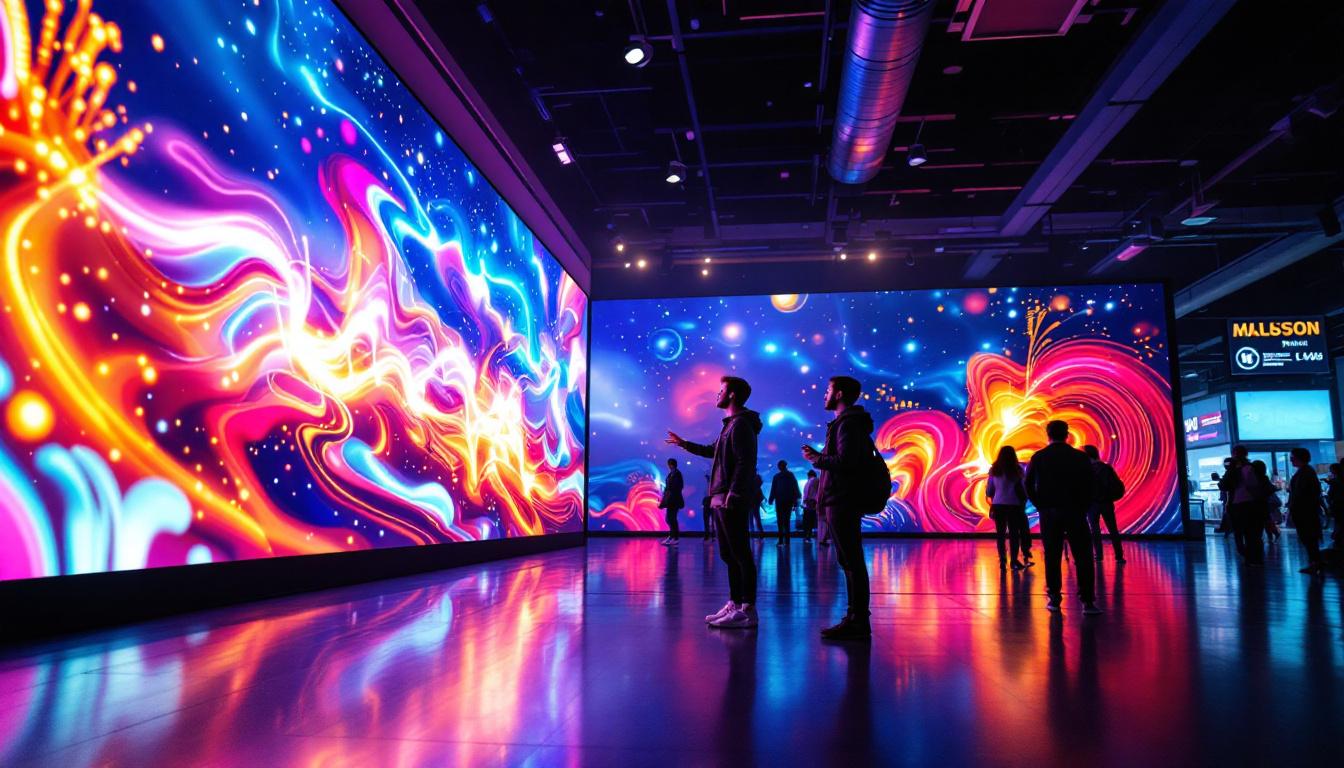
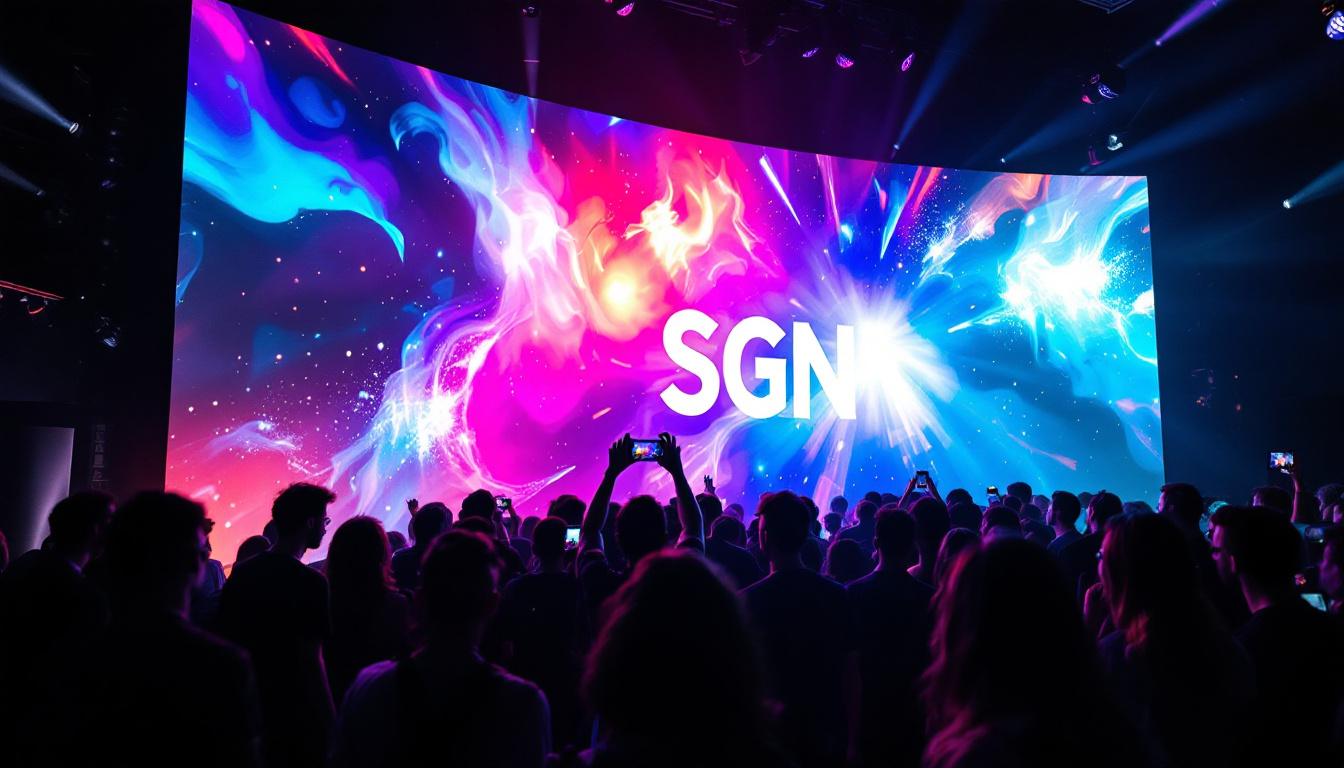
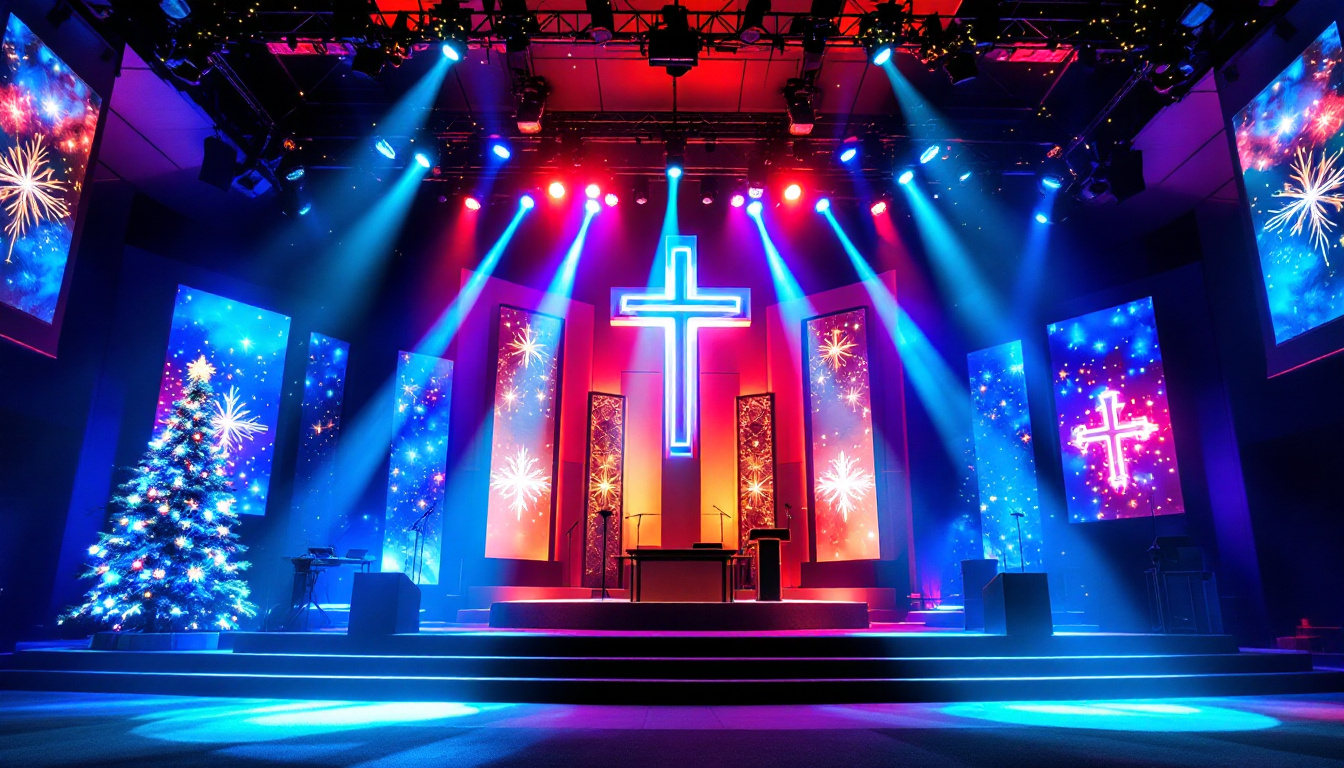
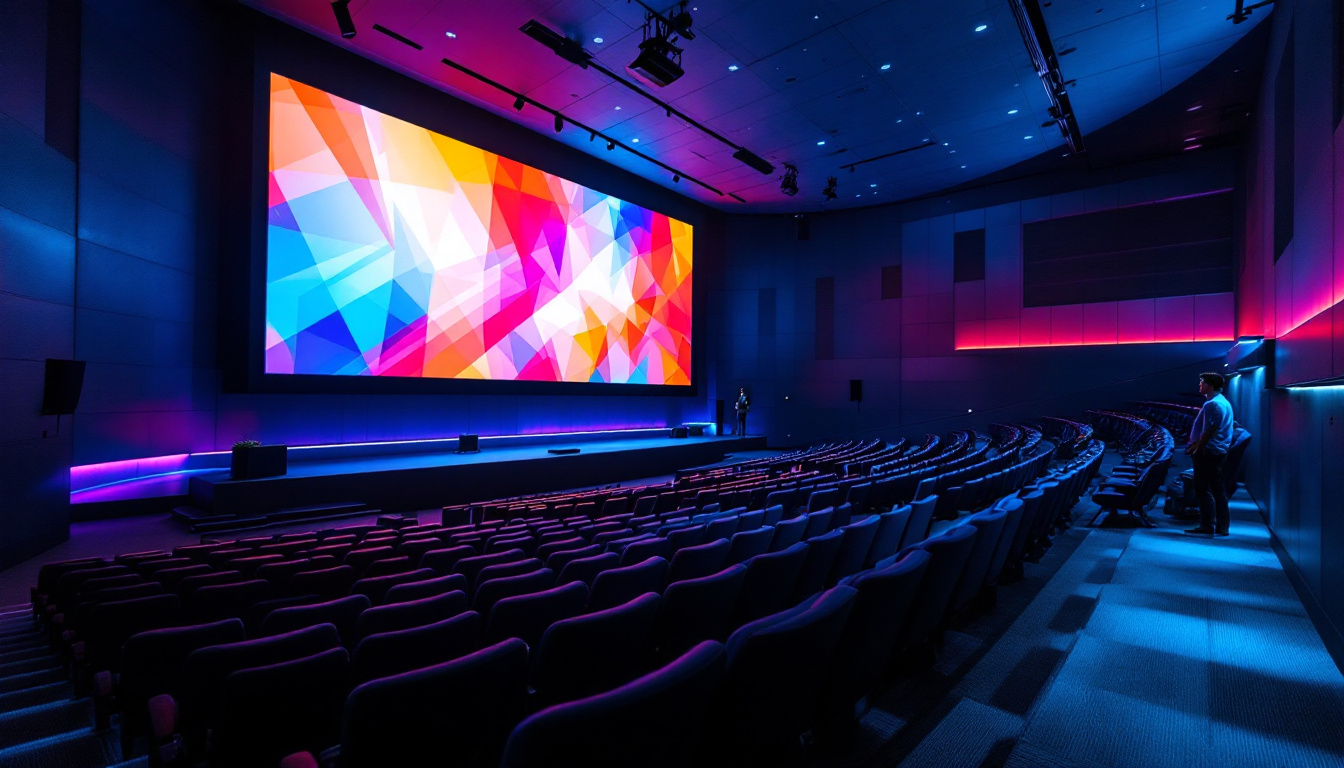
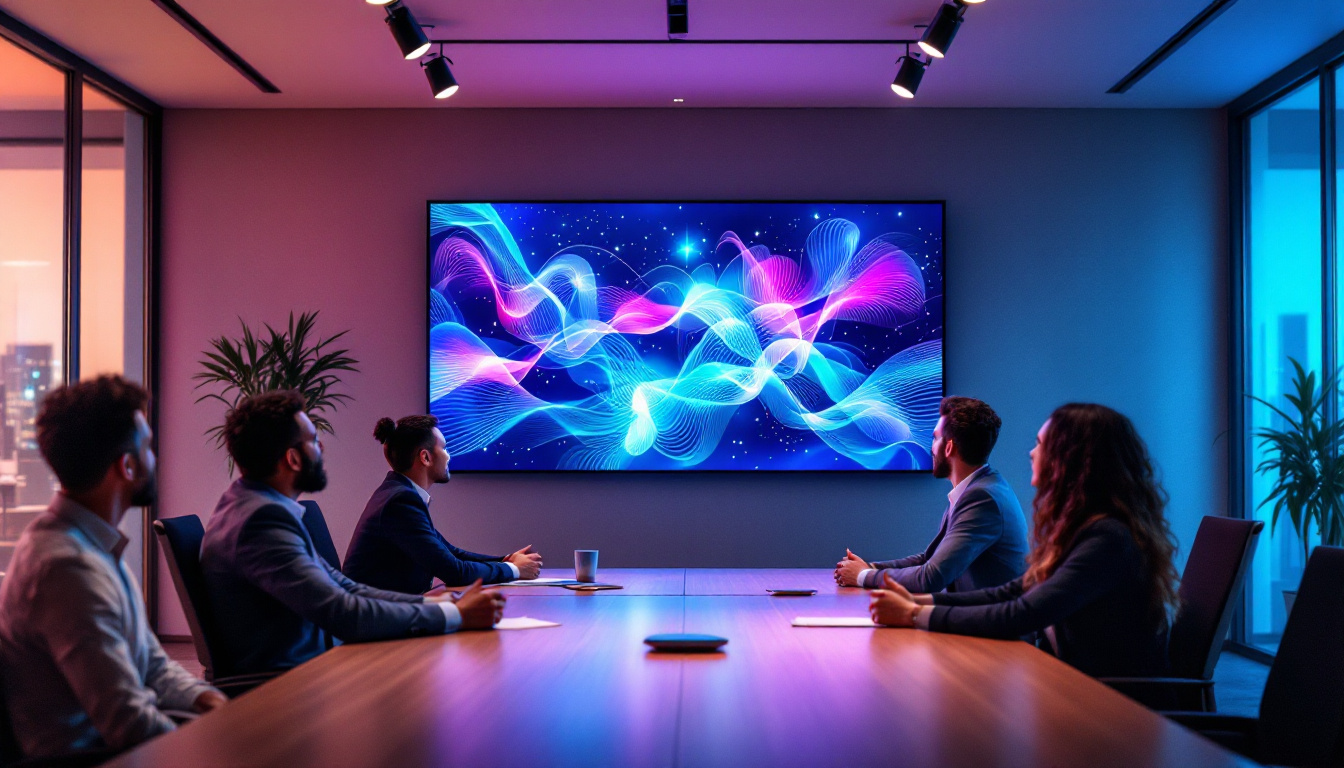
Concerts, sports arenas, and theaters utilize LED displays to create immersive experiences. Massive LED screens provide live video feeds, instant replays, and interactive content that engage audiences. The ability to produce high-resolution images even in bright daylight conditions makes LED displays indispensable for outdoor events.
In addition, LED walls are increasingly used in film and television production as virtual sets, replacing traditional green screens. This cutting-edge application allows for real-time background changes and realistic lighting, enhancing creativity and reducing post-production time.
Transportation and Public Information
LED displays are crucial in transportation hubs such as airports, train stations, and bus terminals. They provide real-time updates on schedules, delays, and safety information. Their high visibility and reliability ensure that travelers receive critical information promptly.
Similarly, LED traffic signs and variable message signs improve road safety by conveying warnings and traffic conditions dynamically. Governments worldwide are investing in smart city infrastructure that leverages LED displays for efficient public communication.
Retail and Hospitality
In retail environments, LED displays enhance customer engagement through digital shelf labels, interactive kiosks, and promotional screens. Their ability to display vivid colors and sharp images attracts shoppers and influences purchasing behavior.
Hotels and restaurants use LED signage to create ambiance and provide information, such as menus and event schedules. The technology’s energy efficiency also supports sustainability goals in these industries.
Future Trends in LED Display Technology
The LED display industry continues to evolve rapidly, driven by innovations in materials, design, and integration with other technologies. Several emerging trends promise to reshape how LED displays are used and experienced.
MicroLED and MiniLED Displays
MicroLED technology represents the next generation of LED displays, featuring microscopic LEDs that enable even higher resolution, brightness, and contrast. Unlike OLEDs, MicroLEDs are inorganic, offering longer lifespans and better resistance to burn-in.
MiniLEDs, slightly larger than MicroLEDs but smaller than traditional LEDs, are already making their way into premium TVs and monitors. These technologies allow for finer control of local dimming zones, improving HDR performance and visual quality.
Flexible and Transparent LED Displays
Advances in flexible substrates and LED packaging have led to bendable and foldable LED displays. These can be integrated into unconventional surfaces, such as curved walls, wearable devices, and automotive interiors.
Transparent LED displays are also gaining traction, enabling see-through screens that overlay digital content on glass surfaces. This innovation opens new possibilities for retail windows, augmented reality applications, and architectural design.
Integration with Artificial Intelligence and IoT
Artificial intelligence (AI) and the Internet of Things (IoT) are enhancing LED display functionality through smarter content management and adaptive brightness control. AI algorithms analyze viewer behavior and environmental conditions to optimize display performance and content relevance.
IoT connectivity allows LED displays to be part of broader smart systems, communicating with other devices and sensors to deliver context-aware information. For example, a digital billboard could adjust its messaging based on traffic patterns or weather data in real-time.
Conclusion: The Power of Visualization in LED Display Advancement
LED displays have transformed visual communication across industries by offering bright, flexible, and energy-efficient solutions. Understanding the underlying technology is essential for professionals involved in design, manufacturing, installation, and marketing of these displays.
Visualization videos play a pivotal role in demystifying LED technology, facilitating education, training, and customer engagement. By combining technical accuracy with compelling visuals, these videos help bridge the gap between complex engineering concepts and practical applications.
As LED display technology continues to advance with innovations like MicroLED, flexible screens, and AI integration, visualization tools will remain indispensable. They enable stakeholders to explore new possibilities, optimize performance, and ultimately deliver richer visual experiences to audiences worldwide.
Discover LumenMatrix’s Innovative LED Solutions
Ready to experience the future of visual communication? LumenMatrix invites you to explore our comprehensive range of LED display solutions, designed to captivate and engage your audience. From vibrant Indoor and Outdoor LED Wall Displays to dynamic Vehicle and Sports LED Displays, our technology is crafted to elevate your brand’s visibility. Discover the possibilities with our LED Poster Displays, Floor LED Displays, Custom LED Displays, All-in-One LED Displays, and LED Transparent Displays. Embrace the revolution in digital signage with LumenMatrix and share your message with unparalleled impact and clarity. Check out LumenMatrix LED Display Solutions today and transform your visual storytelling.