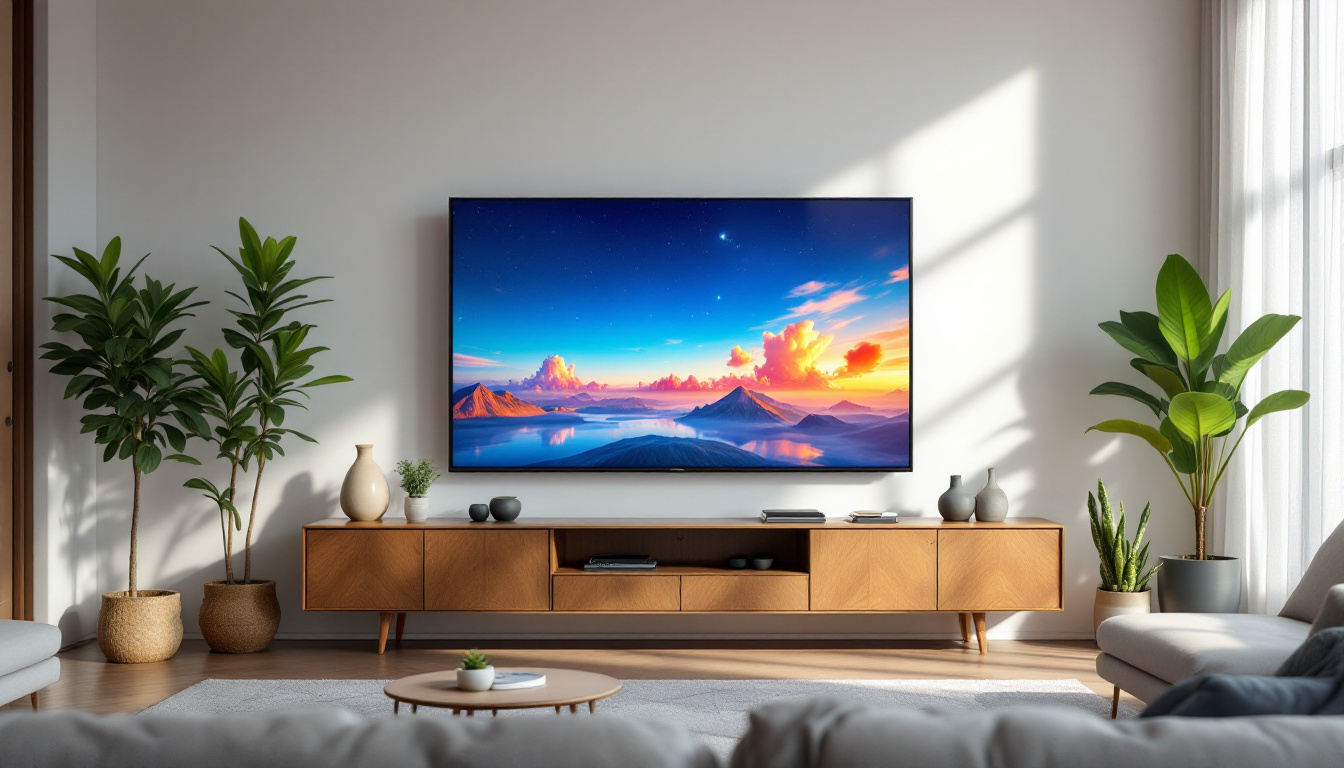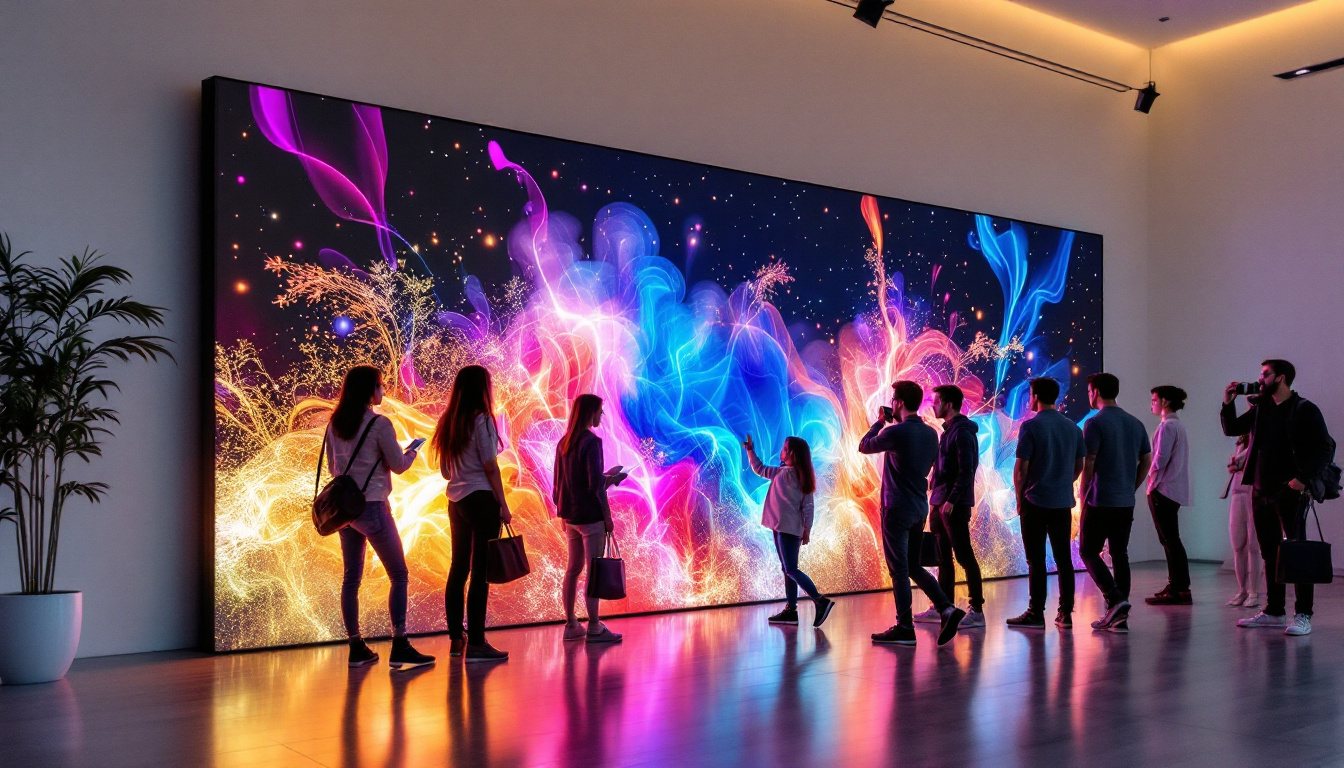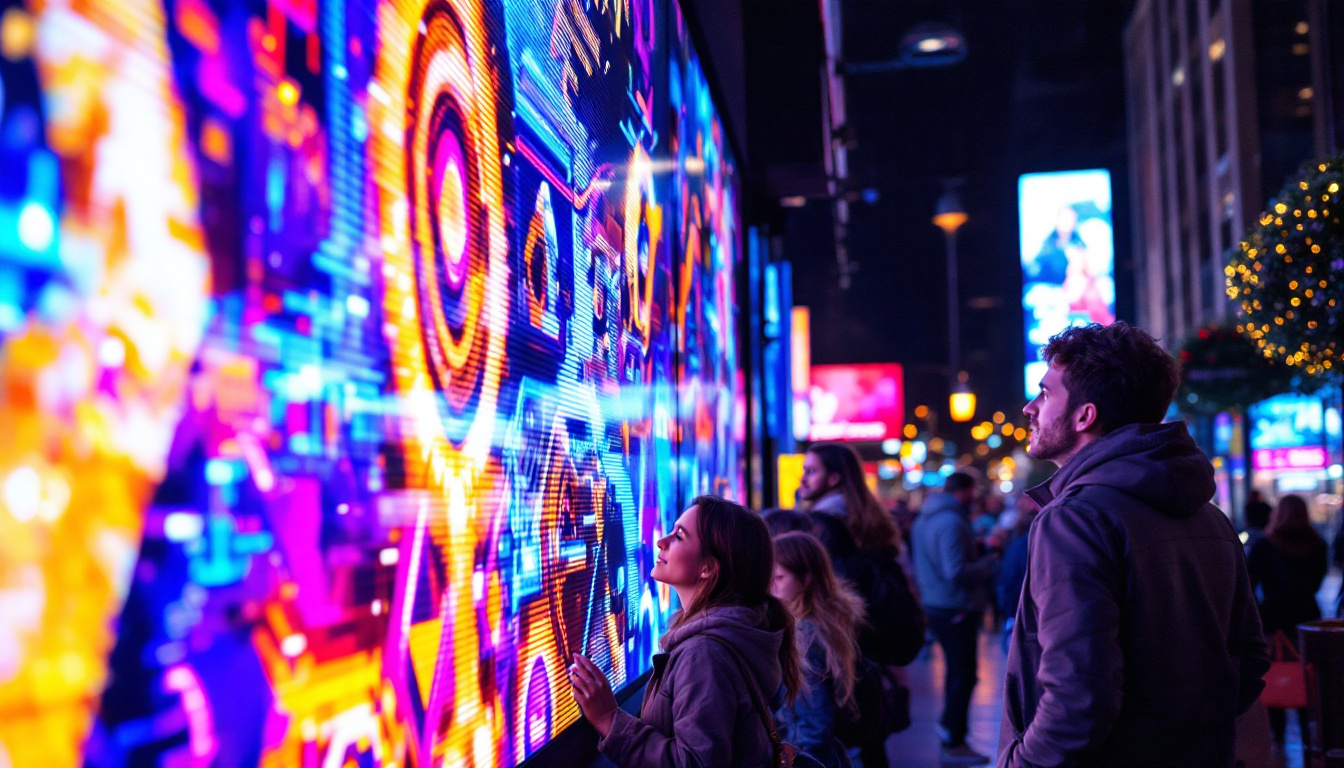
In the rapidly evolving world of display technology, understanding the differences between LCD pixels and LED displays is crucial for consumers, designers, and tech enthusiasts alike. These terms often appear interchangeably, yet they refer to distinct technologies with unique characteristics, advantages, and applications. This article delves deep into the fundamentals of LCD pixels and LED displays, exploring how they work, their differences, and their impact on modern visual experiences.
Understanding LCD Pixels: The Building Blocks of Liquid Crystal Displays
Liquid Crystal Displays (LCDs) are ubiquitous in today’s screens, found in everything from smartphones and laptops to televisions and digital signage. At the heart of every LCD screen lies the pixel — the smallest controllable element of the display that combines to form images.
Each pixel in an LCD is composed of subpixels, typically red, green, and blue (RGB), which work together to produce a broad spectrum of colors through varying intensities. The key to this process is the manipulation of liquid crystals, which do not emit light on their own but control the passage of backlight through them.
The Role of Liquid Crystals in Pixel Functionality
Liquid crystals are organic compounds that exhibit properties between those of liquids and solid crystals. In an LCD, these crystals are sandwiched between two polarizing filters and glass substrates. When an electric current passes through, the orientation of the liquid crystals changes, modulating the amount of light that can pass through each subpixel.
This modulation allows the pixel to display different colors and brightness levels. The backlight, usually a fluorescent lamp or LED panel, provides the necessary illumination, which the liquid crystals selectively block or allow to pass. This process is what creates the images seen on LCD screens. Furthermore, advancements in technology have led to the development of various types of LCDs, such as IPS (In-Plane Switching) and TN (Twisted Nematic) panels, each offering unique benefits in terms of color accuracy and viewing angles. IPS panels, for instance, are renowned for their superior color reproduction and wider viewing angles, making them a popular choice for graphic designers and photographers.
Pixel Density and Resolution: Why They Matter
Pixel density, measured in pixels per inch (PPI), determines the sharpness and clarity of an LCD display. Higher pixel density means more pixels are packed into a given area, resulting in finer detail and smoother images. For example, modern smartphones often feature pixel densities exceeding 400 PPI, enabling crisp text and vibrant visuals even at close viewing distances.
Resolution, on the other hand, refers to the total number of pixels on the screen, such as 1920×1080 (Full HD) or 3840×2160 (4K UHD). Both resolution and pixel density are critical factors in user experience, influencing everything from readability to color accuracy. Additionally, the relationship between resolution and pixel density is crucial for content creators, as higher resolutions allow for more detailed graphics and clearer images, which are essential for professional video editing and gaming. As technology continues to evolve, we are also witnessing the emergence of 8K displays, which promise even greater levels of detail, pushing the boundaries of visual fidelity and immersiveness in digital media.
LED Displays: More Than Just Light-Emitting Diodes
While LCDs rely on backlighting and liquid crystals to produce images, LED displays use light-emitting diodes as the primary source of illumination. However, the term “LED display” can refer to two different technologies: LED-backlit LCDs and direct-view LED panels. Understanding these distinctions is essential for grasping the advantages and limitations of each.
LED-Backlit LCDs: Enhancing Traditional LCD Technology
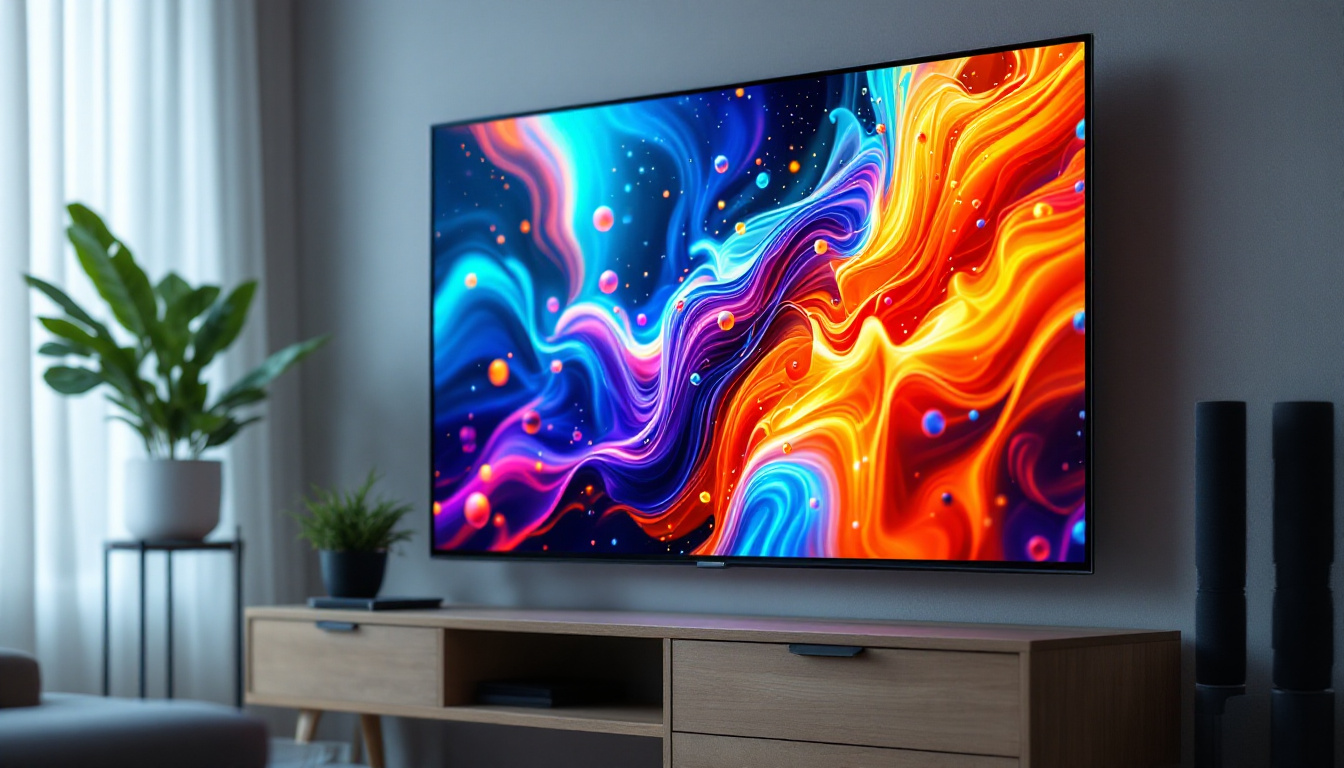
Most modern LCD screens employ LED backlighting instead of older cold cathode fluorescent lamps (CCFLs). This innovation has significantly improved energy efficiency, brightness, and color reproduction. LED backlights can be arranged in different configurations, such as edge-lit or full-array, with the latter offering better local dimming capabilities and contrast ratios.
LED-backlit LCDs remain fundamentally LCDs because the image formation still depends on liquid crystals modulating the backlight. The LEDs simply provide a more efficient and controllable light source, enhancing overall display performance. This technology has revolutionized the consumer electronics market, leading to thinner, lighter displays that can be seamlessly integrated into various devices, from televisions to smartphones. Furthermore, advancements in color calibration and HDR (High Dynamic Range) technology have allowed these displays to achieve a broader color gamut, providing viewers with a more immersive visual experience.
Direct-View LED Displays: The Future of Large-Scale Screens
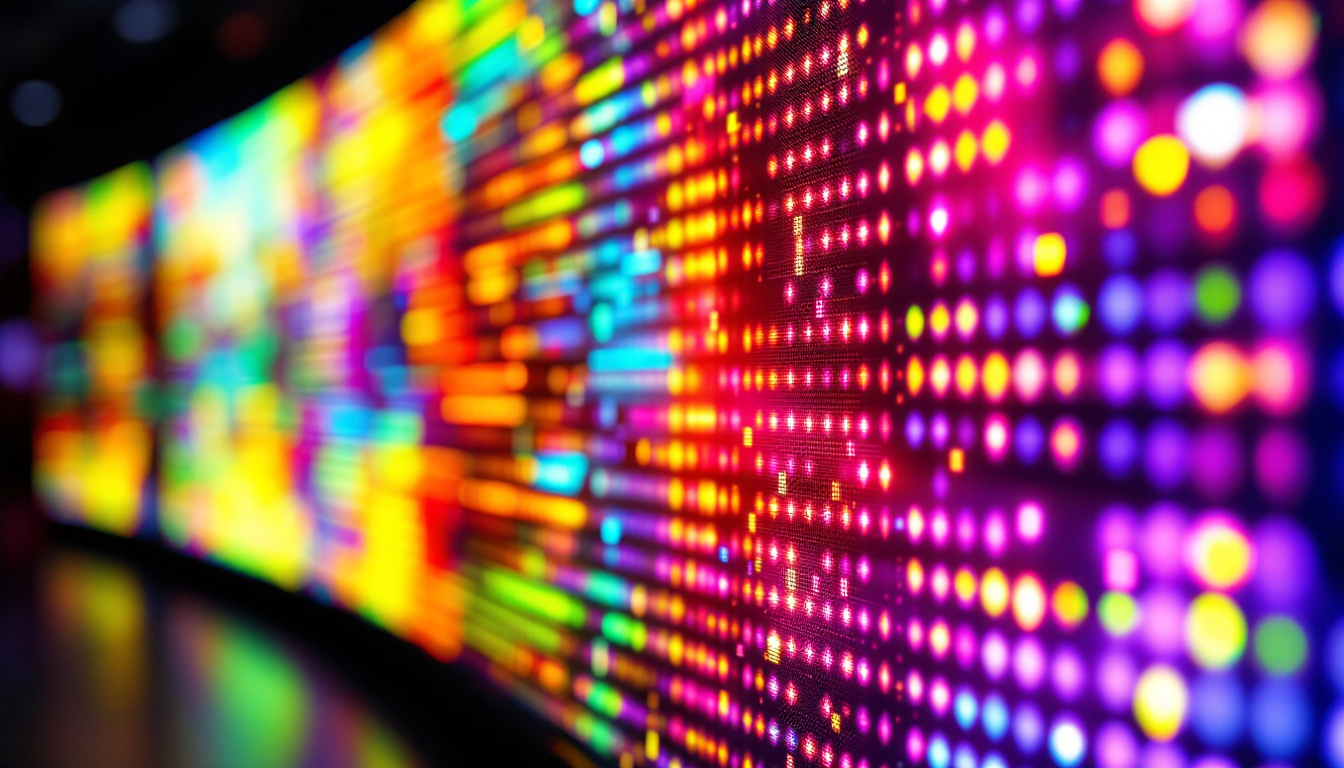
Direct-view LED (DVLED) displays consist of millions of tiny LEDs that act as individual pixels, emitting their own light and color. Unlike LCDs, these displays do not require backlighting or liquid crystals. Each LED can be precisely controlled for brightness and color, resulting in exceptional contrast ratios, vibrant colors, and wide viewing angles.
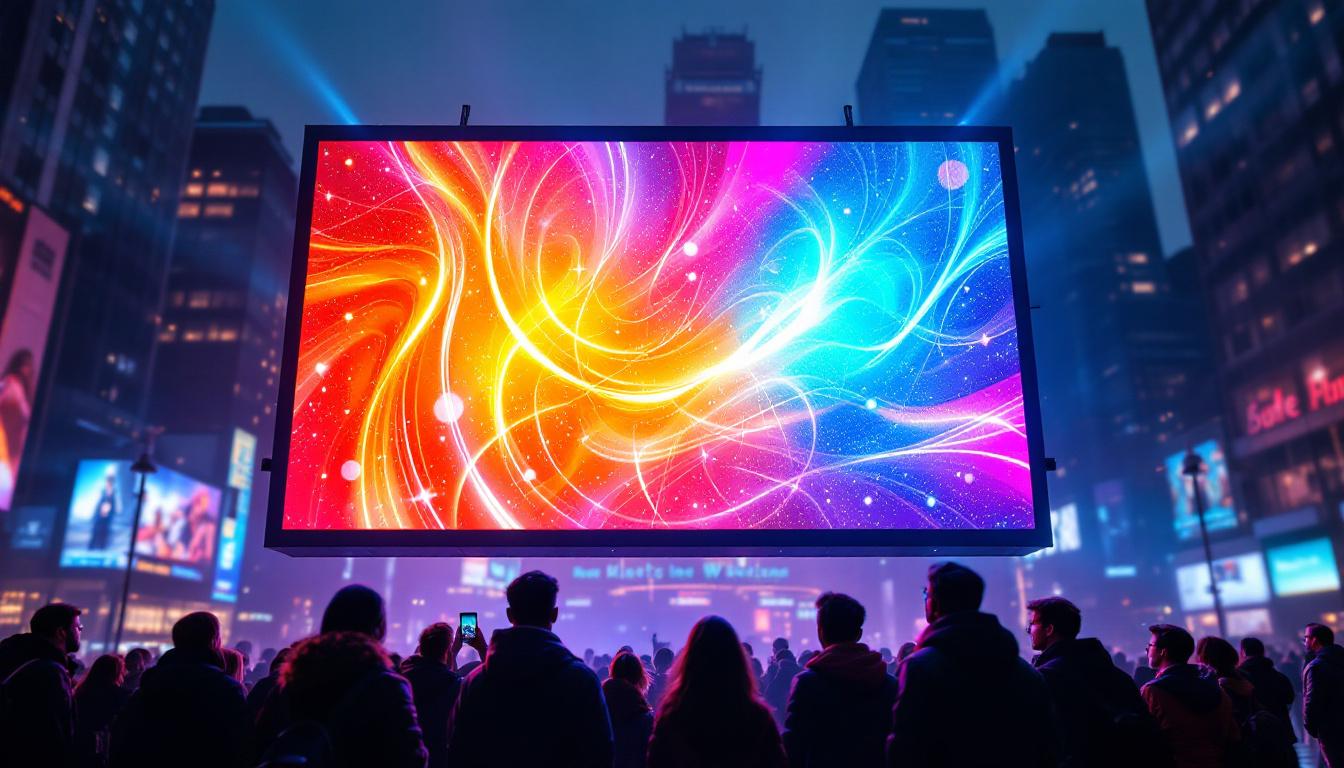
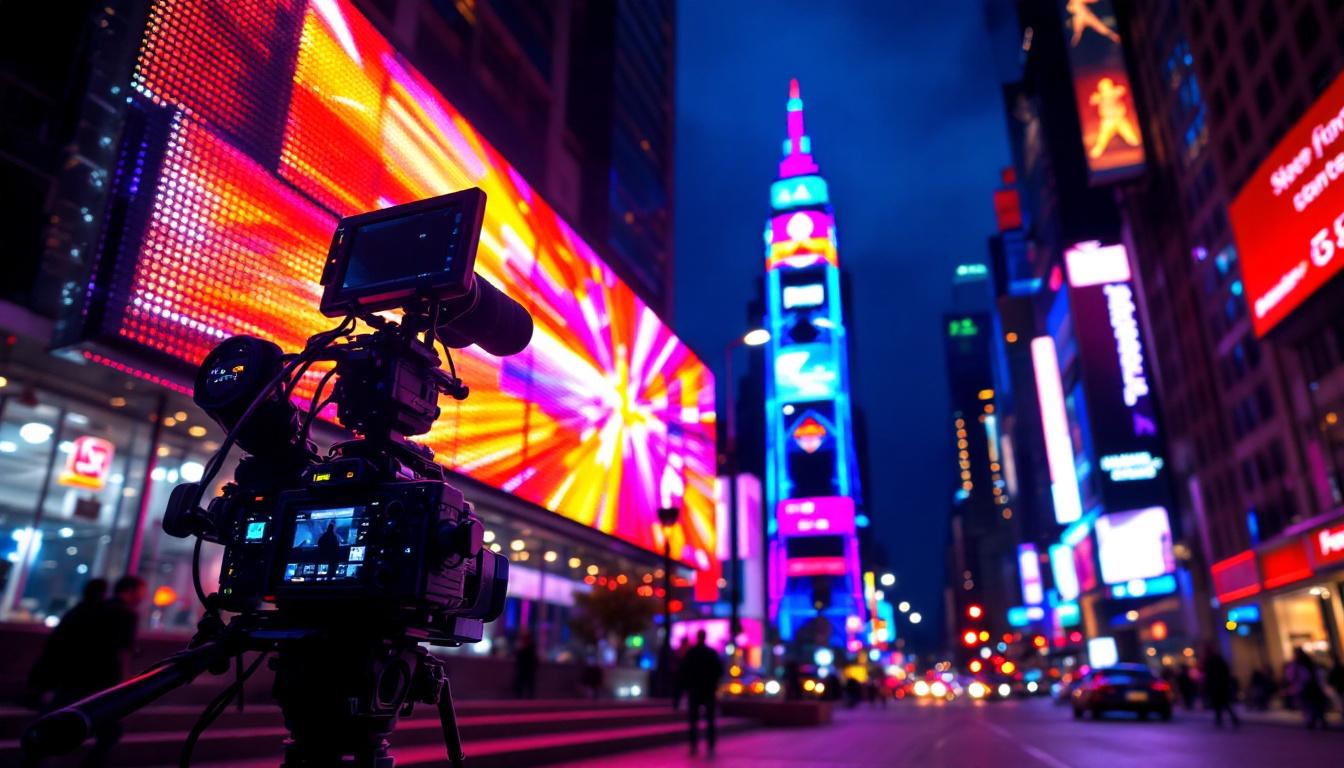
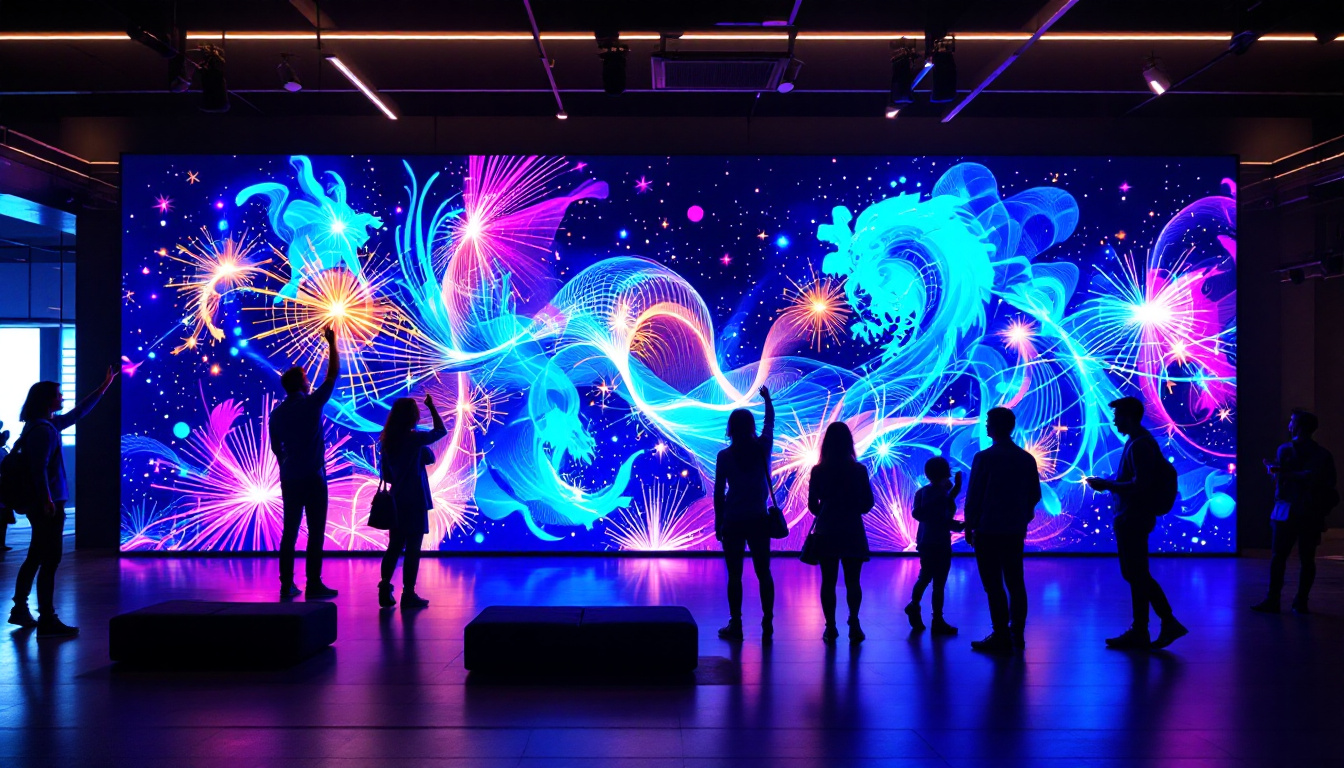
DVLED technology is commonly used in large outdoor screens, stadium displays, and increasingly in premium indoor video walls. Its scalability and brightness make it ideal for environments where visibility under direct sunlight or from long distances is critical. Additionally, the modular nature of DVLED systems allows for flexible configurations, enabling designers to create unique shapes and sizes tailored to specific applications. This adaptability has made DVLED the go-to choice for advertising, live events, and immersive installations, where dynamic content can be showcased with stunning clarity and impact. As technology continues to evolve, the integration of smart features and connectivity options is further enhancing the functionality of these displays, paving the way for interactive and engaging viewer experiences.
Comparing LCD Pixels and LED Displays: Key Differences and Applications
Understanding the distinctions between LCD pixels and LED displays helps in selecting the right technology for specific use cases. Both have unique strengths and trade-offs that influence performance, cost, and user experience.
Brightness and Contrast
Direct-view LED displays typically offer superior brightness levels, often exceeding 1,000 nits, making them suitable for outdoor and high-ambient-light environments. In contrast, LCDs with LED backlighting generally provide brightness in the range of 250 to 500 nits, sufficient for indoor use.
Contrast ratio is another critical factor. DVLEDs can achieve near-infinite contrast because each pixel emits light independently and can be turned off completely to produce true blacks. LCDs rely on backlighting, which can cause light bleed and reduce contrast, although technologies like local dimming have improved this aspect.
Color Accuracy and Viewing Angles
LCD pixels, especially those using In-Plane Switching (IPS) technology, offer excellent color accuracy and wide viewing angles. This makes them ideal for applications requiring precise color reproduction, such as graphic design and video editing.
Direct-view LED displays also provide vibrant colors and wide viewing angles, but color consistency can vary depending on the quality and calibration of the LEDs. Advances in LED manufacturing have narrowed this gap significantly.
Energy Efficiency and Lifespan
LED-backlit LCDs are generally more energy-efficient than older CCFL-backlit LCDs, consuming less power while delivering better brightness. Direct-view LED displays, while bright, can consume more energy depending on size and usage patterns.
In terms of lifespan, LEDs have a long operational life, often exceeding 50,000 hours. LCD panels may have shorter lifespans due to the degradation of liquid crystals and backlighting components over time.
Cost Considerations
LCD technology, especially with LED backlighting, tends to be more affordable and widely available for consumer electronics. Direct-view LED displays, due to their complexity and manufacturing costs, are generally more expensive and used in commercial or specialized applications.
The Future of Display Technology: Trends and Innovations
The display industry continues to innovate, blending and advancing LCD and LED technologies to meet growing demands for higher resolution, better color, and more energy-efficient solutions.
Mini-LED and Micro-LED: Bridging the Gap
Mini-LED technology uses thousands of tiny LEDs for backlighting LCD panels, enabling finer local dimming zones and improved contrast. This approach combines the benefits of LED brightness with LCD color accuracy and cost-effectiveness. Mini-LEDs are already appearing in high-end televisions and laptops.
Micro-LED displays take this further by using microscopic LEDs as individual pixels, similar to direct-view LED but at a much smaller scale suitable for consumer devices. Micro-LED promises exceptional brightness, color, and energy efficiency without the burn-in issues associated with OLED technology. While still emerging, Micro-LED is poised to revolutionize displays in the coming years.
OLED vs. LCD and LED: A Competitive Landscape
Organic Light-Emitting Diode (OLED) displays emit light at the pixel level like direct-view LEDs but use organic compounds. OLEDs offer excellent contrast, color accuracy, and flexibility but face challenges with lifespan and manufacturing costs.
As LCD and LED technologies evolve, they continue to compete with OLED by improving brightness, color, and efficiency, ensuring consumers have a wide range of options tailored to different needs and budgets.
Conclusion: Choosing the Right Display Technology
Understanding the fundamentals of LCD pixels and LED displays empowers consumers and professionals to make informed decisions when selecting screens. LCD pixels rely on liquid crystals modulating backlight to create images, while LED displays can either enhance LCDs with LED backlighting or serve as self-emissive direct-view panels.
Each technology offers unique advantages: LCDs excel in color accuracy and affordability, LED-backlit LCDs improve brightness and efficiency, and direct-view LED displays deliver unmatched brightness and scalability for large formats. Emerging technologies like Mini-LED and Micro-LED promise to further blur these lines, offering exciting possibilities for the future of visual displays.
Whether for personal devices, professional monitors, or large-scale digital signage, understanding these technologies ensures optimal performance, longevity, and viewing experience tailored to specific requirements.
Discover LumenMatrix’s Advanced LED Display Solutions
As you consider the right display technology for your needs, we invite you to explore the innovative solutions offered by LumenMatrix. With a commitment to revolutionizing visual communication, LumenMatrix provides a wide array of LED display modules designed to captivate audiences and amplify your brand’s message. From vibrant Indoor and Outdoor LED Wall Displays to dynamic Vehicle and Sports LED Displays, each product is crafted to deliver exceptional visual experiences. Experience the future of display technology with LumenMatrix’s Custom, All-in-One, and Transparent LED Displays. Check out LumenMatrix LED Display Solutions today and see how they can transform your visual storytelling.