When discussing LED displays, one of the most common technical specifications encountered is pixel pitch, often expressed in millimeters (mm). A specification such as “1.2 mm” refers to the distance between the centers of two adjacent pixels on an LED display. Understanding what 1.2 mm means in the context of LED technology is essential for professionals in digital signage, event production, and display manufacturing. This article delves into the significance of the 1.2 mm pixel pitch, how it translates into display quality, and why it matters for various applications.
What Does 1.2 mm Mean in LED Displays?
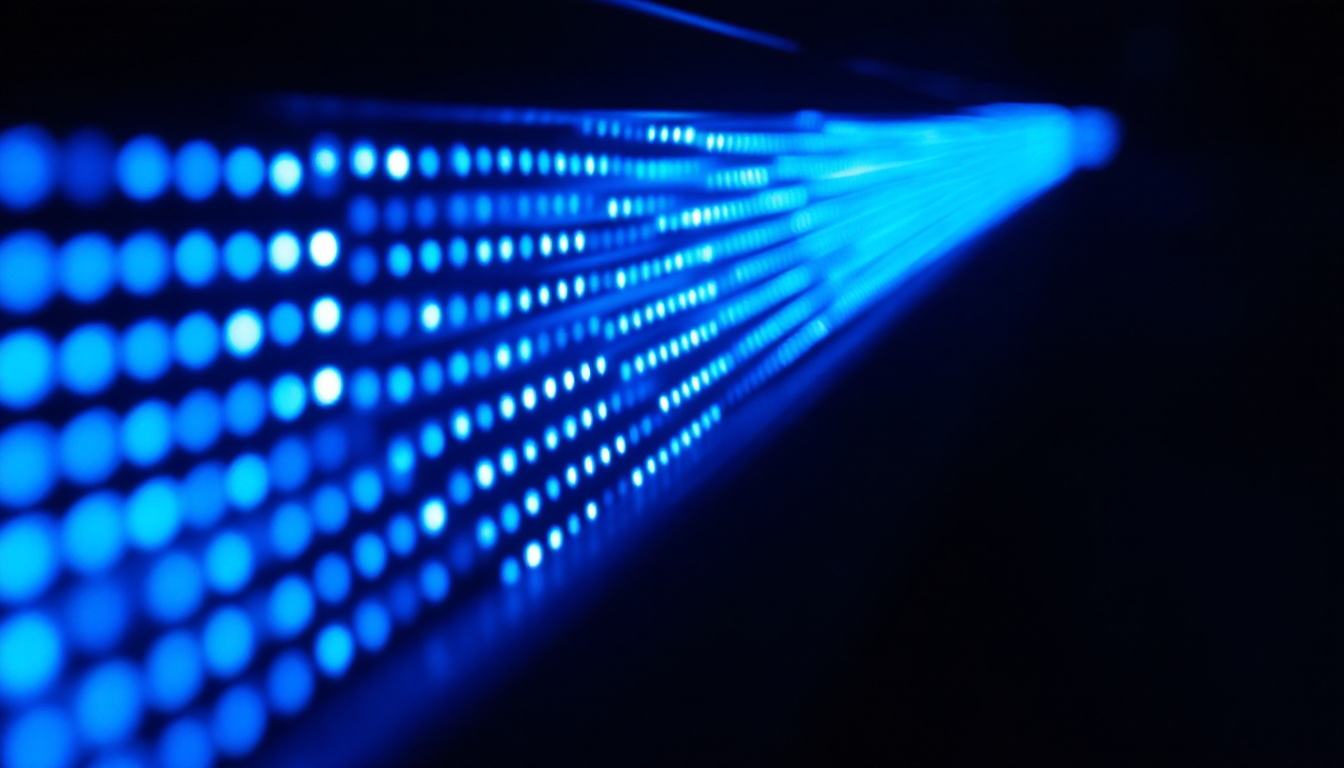
The term “1.2 mm” in LED displays refers to the pixel pitch, which is the physical distance from the center of one LED cluster (or pixel) to the center of the next. Pixel pitch is a critical factor in determining the resolution and clarity of an LED screen.
To put it simply, the smaller the pixel pitch, the closer the pixels are to each other, resulting in a higher resolution and sharper image. Conversely, a larger pixel pitch means pixels are spaced further apart, which can reduce image detail but is often suitable for larger screens viewed from a distance.
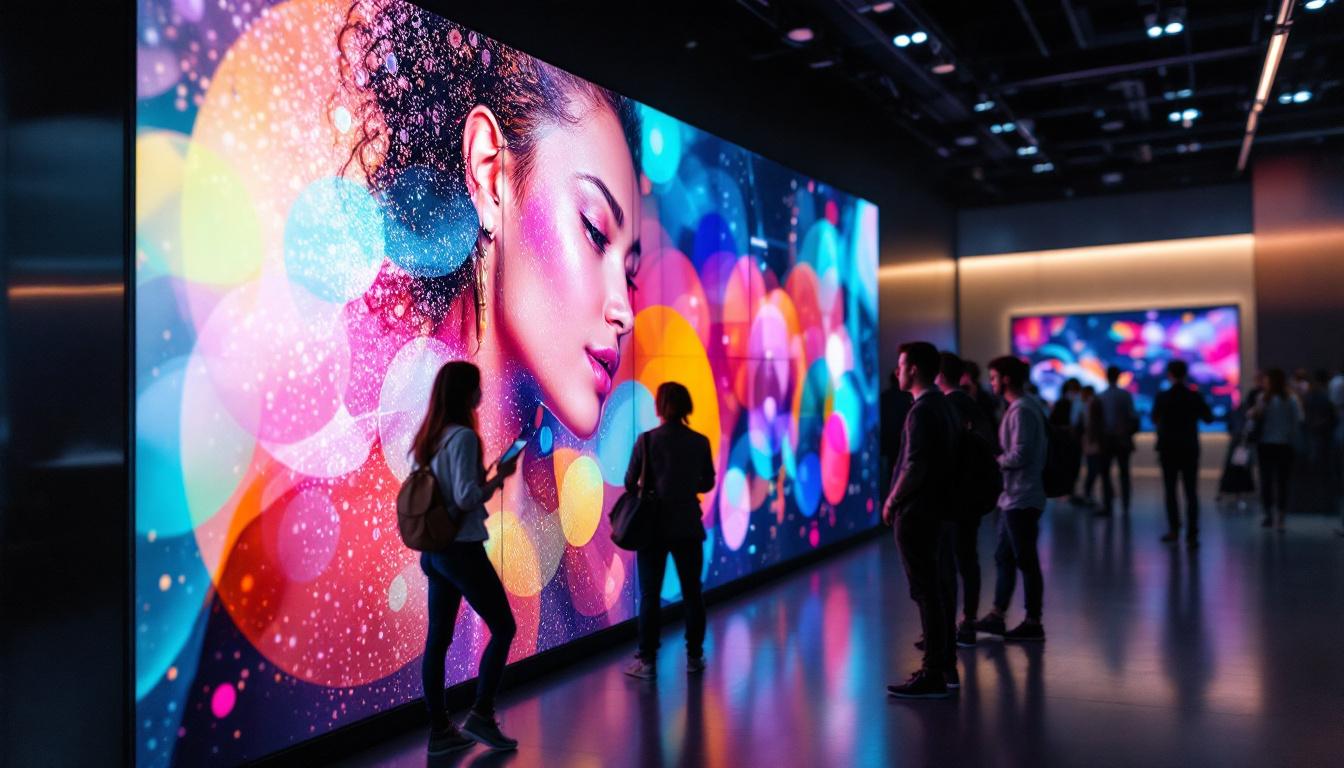
For example, a 1.2 mm pixel pitch display means each pixel is 1.2 millimeters away from its neighbor. This tight spacing allows for very high-resolution images, making it ideal for indoor environments where viewers are close to the screen.
Conversion: 1.2 Inches to Millimeters
While the focus here is on 1.2 mm pixel pitch, it is helpful to understand the scale by converting inches to millimeters. One inch equals 25.4 millimeters, so 1.2 inches is equivalent to approximately 30.48 mm. This comparison highlights how much smaller 1.2 mm is, emphasizing the fine pixel density in modern LED displays.
Understanding this scale helps stakeholders appreciate the precision involved in manufacturing LED panels with such small pixel pitches. The advancements in technology have allowed for the development of these high-density displays, which are increasingly used in various applications, from retail advertising to corporate presentations. The ability to deliver vibrant colors and intricate details at such close viewing distances has made 1.2 mm pixel pitch displays a popular choice for environments where visual impact is crucial.
Moreover, the benefits of a smaller pixel pitch extend beyond just resolution. Enhanced viewing angles are often associated with tighter pixel configurations, allowing audiences to enjoy a consistent and immersive experience from various positions in a room. This characteristic is particularly valuable in venues such as conference halls, auditoriums, and control rooms, where multiple viewers may be spread out across a wide area. As technology continues to evolve, we can expect even more innovations that will push the boundaries of what is possible with LED display technology.
Why Pixel Pitch Matters in LED Displays
Pixel pitch directly influences several key aspects of LED display performance, including resolution, viewing distance, and overall image quality.
Resolution and Image Clarity
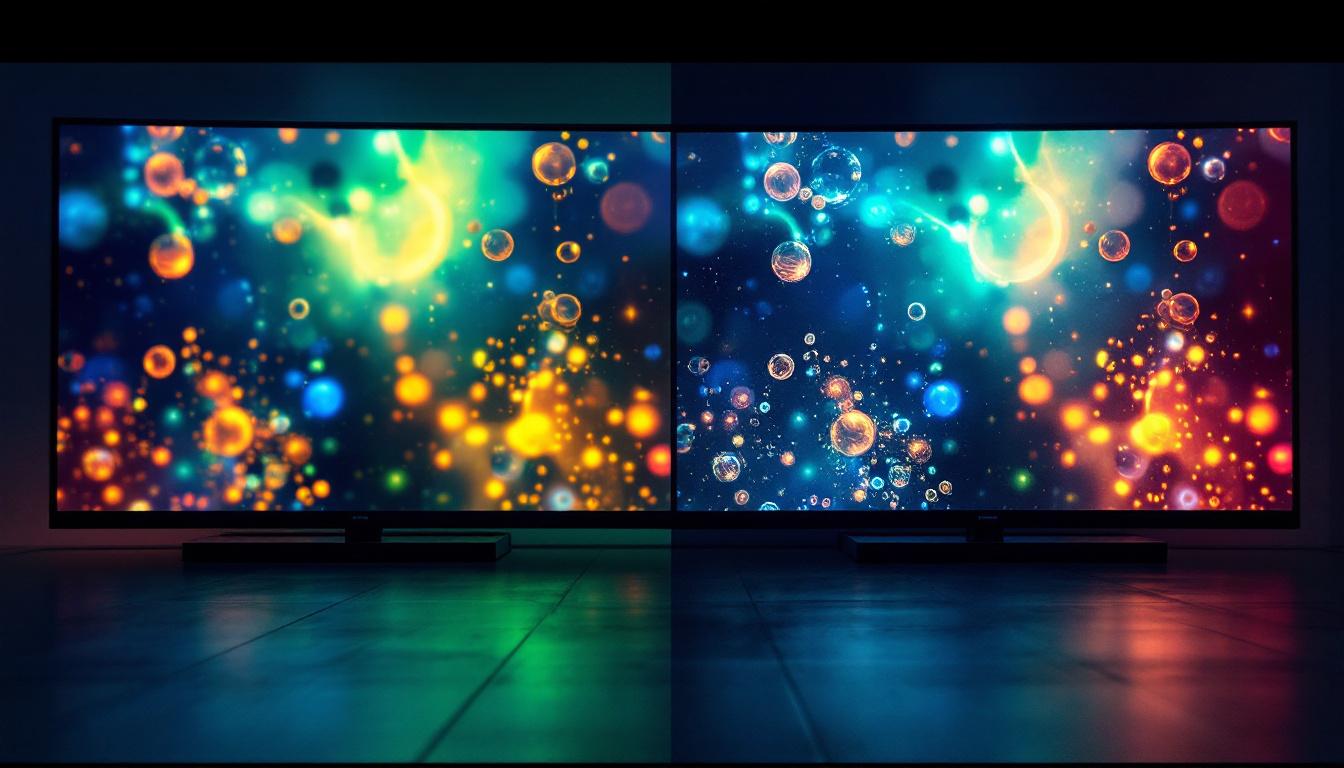
Resolution is the number of pixels displayed on the screen, usually expressed as width x height. With a smaller pixel pitch like 1.2 mm, more pixels can fit into a given screen size, resulting in higher resolution. This means images, videos, and text appear sharper and more detailed.
For instance, a 1.2 mm pixel pitch LED display can achieve resolutions comparable to high-definition monitors, making it suitable for applications requiring fine detail, such as control rooms, broadcast studios, and high-end retail displays.
Optimal Viewing Distance
The pixel pitch also determines the optimal viewing distance for an LED display. Smaller pixel pitches allow viewers to stand closer without noticing individual pixels, enhancing the immersive experience. For a 1.2 mm pixel pitch, the ideal viewing distance is typically between 1 and 3 meters.
This makes 1.2 mm LED displays perfect for indoor environments where audiences are close to the screen, such as conference rooms, museums, and corporate lobbies.
Brightness and Power Consumption
While pixel pitch primarily affects resolution and clarity, it also indirectly influences brightness and power consumption. Smaller pixel pitches require more LEDs per unit area, which can increase power usage. However, advances in LED technology have improved energy efficiency, allowing 1.2 mm displays to maintain high brightness levels without excessive power draw.
Modern 1.2 mm LED displays often achieve brightness levels of 800 to 1200 nits, sufficient for most indoor lighting conditions.
Applications of 1.2 mm Pixel Pitch LED Displays
The 1.2 mm pixel pitch LED display is a versatile solution favored in a variety of professional settings due to its balance of resolution, size, and viewing distance.
Broadcast and Control Rooms
Broadcast studios and control rooms require displays that deliver crystal-clear images with accurate color reproduction. The 1.2 mm pixel pitch offers the precision needed for monitoring video feeds, graphics, and data streams without pixelation or blurring.
These environments benefit from the high resolution and close viewing distance compatibility of 1.2 mm LED displays, enabling operators to work efficiently and make critical decisions based on clear visual information.
Corporate and Retail Environments
In corporate settings, LED displays with a 1.2 mm pixel pitch are often used for presentations, digital signage, and video walls. The sharp image quality helps convey messages effectively and engages audiences during meetings, conferences, and product launches.
Retail stores also leverage these displays to showcase high-resolution advertisements and product visuals, enhancing customer experience and driving sales.
Exhibitions and Museums
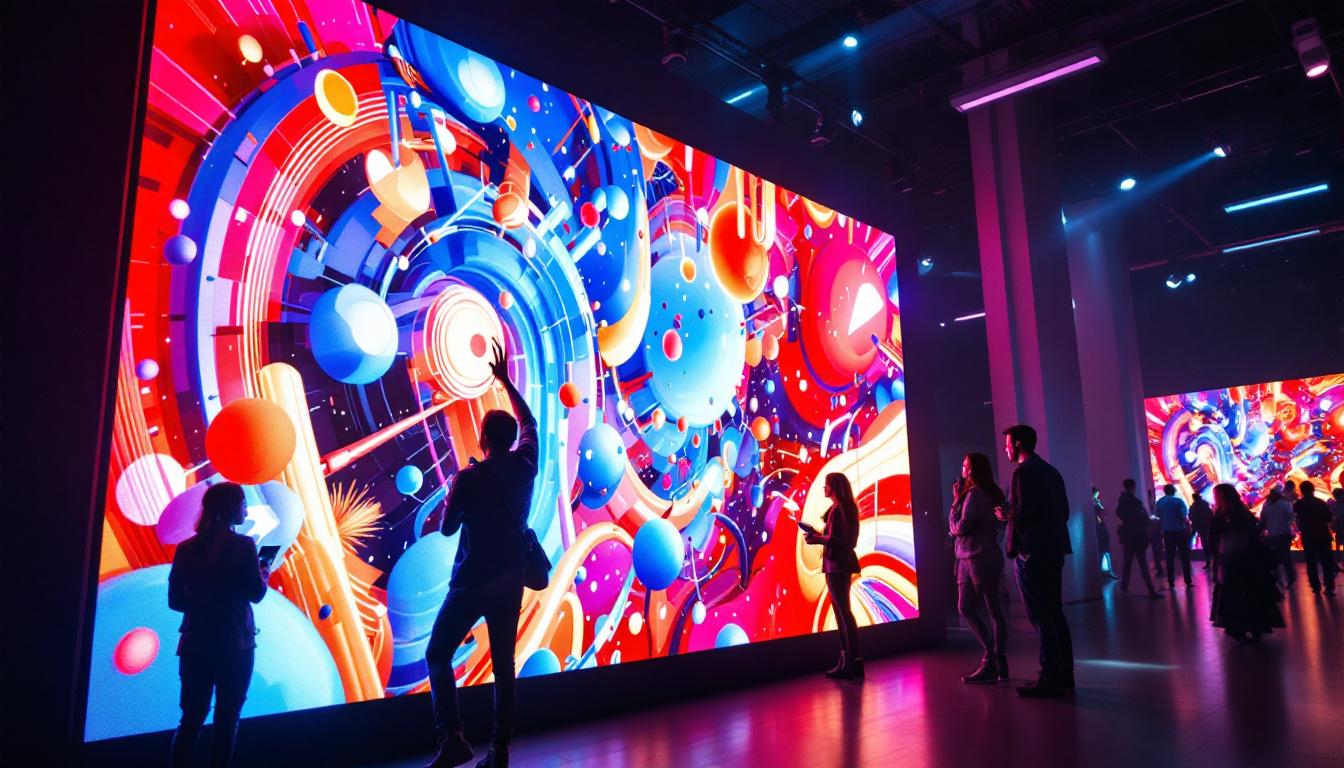
Exhibitions and museums require displays that can present detailed content, including fine text and intricate images. The 1.2 mm pixel pitch ensures visitors can view exhibits up close without losing image quality, making it ideal for interactive installations and informational panels.
Technical Considerations When Choosing a 1.2 mm LED Display
While the 1.2 mm pixel pitch offers many advantages, several technical factors must be considered to ensure optimal performance and suitability for the intended application.
Screen Size and Resolution
The physical size of the LED panel and its resolution are interdependent. A 1.2 mm pixel pitch allows for very high resolution but may limit the maximum practical screen size due to manufacturing complexity and cost.
For example, a 2-meter by 1-meter display with a 1.2 mm pixel pitch will have approximately 1667 x 833 pixels, resulting in a total resolution of around 1.39 million pixels. Larger screens require more panels and precise calibration to maintain image consistency.
Installation Environment
Environmental factors such as ambient light, viewing angles, and mounting options influence the choice of LED display. Indoor environments with controlled lighting are ideal for 1.2 mm pixel pitch displays, as excessive brightness or glare can affect image perception.
Additionally, installation height and audience positioning should be planned to maximize the benefits of the close pixel spacing.
Maintenance and Durability
High-resolution LED displays with small pixel pitches require meticulous maintenance to prevent dead pixels and ensure longevity. Modules must be easily accessible for repairs, and the display should be designed for efficient heat dissipation to avoid performance degradation.
Durability is especially important for installations in public or high-traffic areas where physical impact or dust accumulation may occur.
Comparing 1.2 mm Pixel Pitch with Other Common Pixel Pitches
To fully appreciate the advantages of a 1.2 mm pixel pitch, it is useful to compare it with other commonly used pixel pitches in LED displays.
1.5 mm and 2.5 mm Pixel Pitches
Pixel pitches of 1.5 mm and 2.5 mm are popular for indoor LED displays where viewers are positioned slightly further away. While these pitches offer good image quality, they do not match the sharpness and detail of 1.2 mm displays.
For example, a 2.5 mm pixel pitch display is often used in conference halls or auditoriums where the audience is seated several meters away, making individual pixels less noticeable.
0.9 mm and Below: Ultra-Fine Pixel Pitch Displays
Pixel pitches below 1.2 mm, such as 0.9 mm or even 0.7 mm, represent the cutting edge of LED display technology. These ultra-fine pixel pitches provide exceptional image clarity and are used in high-end applications like medical imaging, luxury retail, and close-proximity digital signage.
However, these displays come at a higher cost and require more complex manufacturing and maintenance processes.
Future Trends in LED Display Pixel Pitch
The LED display industry continues to evolve rapidly, with ongoing advancements aimed at improving resolution, energy efficiency, and cost-effectiveness.
Mini-LED and Micro-LED Technologies
Emerging technologies like Mini-LED and Micro-LED are pushing pixel pitches even smaller while enhancing brightness and color accuracy. Micro-LED, in particular, offers the potential for pixel pitches below 1 mm with superior performance characteristics.
These innovations promise to expand the applications of LED displays into new markets and use cases.
Integration with Smart Technologies
Future LED displays with fine pixel pitches will increasingly integrate with smart technologies such as AI-driven content management, real-time analytics, and interactive features. This will enhance user engagement and enable dynamic content tailored to specific audiences.
Conclusion
The 1.2 mm pixel pitch in LED displays represents a critical balance between high resolution and practical viewing distance, making it a popular choice for a wide range of indoor applications. Its ability to deliver sharp, vibrant images at close range makes it ideal for corporate, broadcast, retail, and cultural environments.
Understanding the technical implications of the 1.2 mm specification helps professionals select the right display for their needs, ensuring optimal performance and viewer satisfaction. As LED technology continues to advance, the significance of pixel pitch will remain central to achieving superior visual experiences.
Discover LumenMatrix’s Advanced LED Solutions
Ready to elevate your visual displays with unparalleled clarity and resolution? Explore LumenMatrix’s innovative range of LED display solutions, designed to meet the diverse needs of any space. Whether you’re looking for an Indoor LED Wall Display, a dynamic Outdoor LED Wall Display, or specialized options like Vehicle LED Displays and LED Sports Displays, LumenMatrix has you covered. Embrace the future of visual communication with our Custom LED Displays, All-in-One LED Displays, and LED Transparent Displays. Check out LumenMatrix LED Display Solutions today and transform your space into a captivating visual experience.