In today’s digital age, the display technology behind our screens plays a crucial role in how we interact with computers, televisions, and other devices. Among the various display technologies available, LED monitors have become increasingly popular due to their superior image quality, energy efficiency, and sleek design. But what exactly is an LED monitor, and how does it differ from other types of displays? This article delves into the fundamentals of LED monitors, explaining their technology, advantages, and why they have become the preferred choice for many users worldwide.
Understanding LED Display Technology
What Does LED Stand For?
LED stands for Light Emitting Diode. It is a semiconductor device that emits light when an electric current passes through it. Unlike traditional display technologies that rely on fluorescent backlighting or cathode ray tubes, LED monitors use these tiny diodes to produce light, which forms the images you see on the screen. The efficiency of LEDs allows for thinner, lighter displays that consume less power, making them an ideal choice for modern electronics.
How Does an LED Monitor Work?
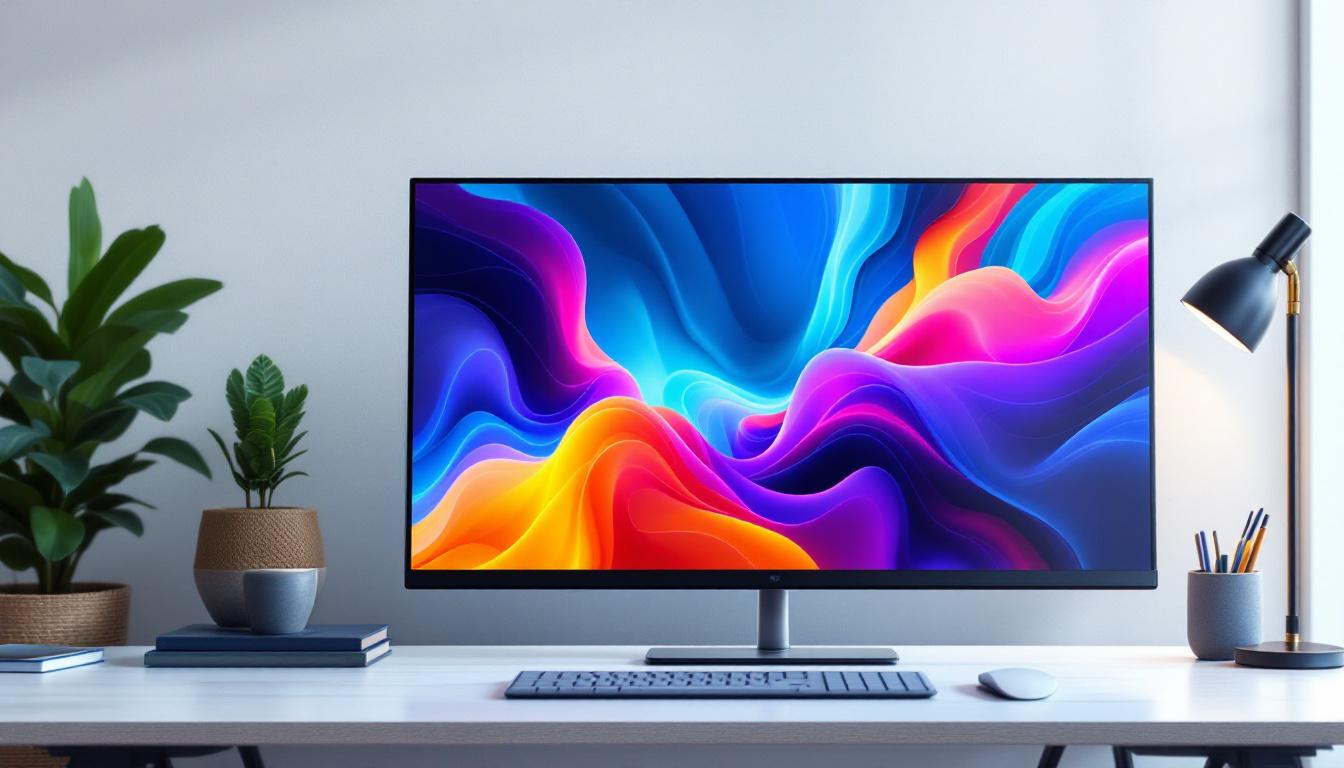
At its core, an LED monitor is an LCD (Liquid Crystal Display) screen that uses LED backlighting instead of the older cold cathode fluorescent lamps (CCFL). The liquid crystals themselves do not emit light; they manipulate light from the backlight to create images. The LEDs provide the source of illumination behind the screen, allowing the liquid crystals to control the colors and brightness of each pixel. This technology not only enhances the visual experience but also contributes to the longevity of the display, as LEDs typically have a longer lifespan compared to traditional lighting methods.
There are two main types of LED backlighting:
- Edge-lit LED: LEDs are placed along the edges of the screen, and light is spread across the display using light guides.
- Direct-lit or Full-array LED: LEDs are positioned directly behind the screen in a grid pattern, allowing for more precise control of brightness and contrast.
Some advanced LED monitors use local dimming, where different zones of LEDs can be dimmed or brightened independently, enhancing contrast and producing deeper blacks. This feature is particularly beneficial for watching movies or playing video games, as it allows for a more immersive experience with richer colors and improved detail in darker scenes. Additionally, the advancements in HDR (High Dynamic Range) technology have further elevated the capabilities of LED displays, allowing them to reproduce a wider range of colors and luminance levels, making images appear more lifelike and vibrant.
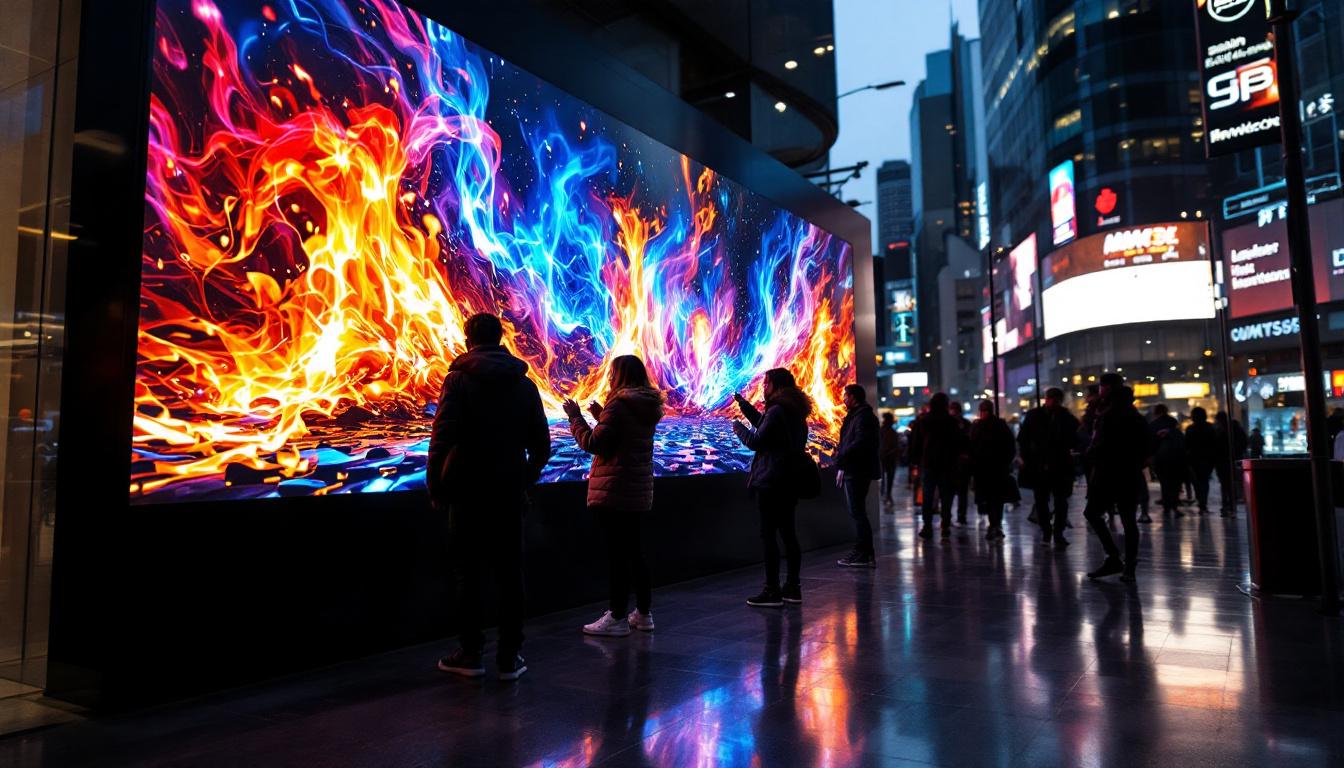
Moreover, the versatility of LED technology extends beyond standard monitors. It is widely utilized in various applications, from large-scale outdoor billboards to intricate digital signage in retail environments. The ability to create dynamic content that can be easily updated makes LED displays a popular choice for advertisers and businesses looking to capture attention. As technology continues to evolve, we can expect to see even more innovative uses for LED displays, including flexible screens and transparent displays, pushing the boundaries of how we interact with visual information.
Comparing LED Monitors to Other Display Technologies
LED vs. LCD Monitors
It’s important to clarify that LED monitors are technically a type of LCD monitor. The distinction lies in the backlighting method. Traditional LCD monitors use CCFL backlighting, which is bulkier, consumes more power, and offers lower contrast ratios. LED monitors, on the other hand, use LED backlighting, which is more energy-efficient, thinner, and capable of delivering better color accuracy and contrast. This shift to LED technology not only enhances the visual experience but also contributes to a reduction in energy costs, making LED monitors a more sustainable choice for consumers.
Furthermore, the advancements in LED technology have led to the development of various types of LED backlighting, such as edge-lit and full-array. Edge-lit LED monitors use LEDs positioned along the edges of the screen, allowing for a slimmer design, while full-array LED monitors feature a grid of LEDs behind the screen, providing superior uniformity in brightness and contrast. This diversity in LED technology means that consumers can select monitors that best suit their specific needs, whether for gaming, graphic design, or everyday use.
LED Monitors vs. OLED Displays
Organic Light Emitting Diode (OLED) displays are another popular technology, especially in smartphones and high-end TVs. Unlike LED monitors, OLED pixels emit their own light, eliminating the need for backlighting. This results in perfect blacks and exceptional contrast. However, OLEDs can be more expensive and are prone to burn-in issues over time. This phenomenon occurs when static images linger on the screen too long, causing permanent discoloration. Despite these drawbacks, the vibrant colors and wide viewing angles of OLED displays make them a favorite among professionals in photography and video editing, where color accuracy is paramount.
LED monitors remain a cost-effective and durable option for most users, especially for desktop computing and gaming setups. They offer a wide range of sizes and resolutions, from Full HD to 4K, catering to various user preferences and budgets. Additionally, many LED monitors now come equipped with features like adaptive sync technology, which minimizes screen tearing during gaming, further enhancing the user experience.
LED Monitors vs. Plasma and CRT Displays
Older technologies like plasma and cathode ray tube (CRT) displays have largely been phased out due to their size, weight, and energy inefficiency. Plasma displays, while known for their deep blacks and rich colors, consume significantly more power and are heavier than their LED counterparts. CRTs, on the other hand, have become obsolete due to their bulky design and lower resolution capabilities. LED monitors offer a slimmer profile, lighter weight, and significantly lower power consumption, making them more practical for modern use. In addition, LED monitors are available in a variety of screen sizes and aspect ratios, allowing users to choose the perfect fit for their workspace or entertainment area.
Moreover, the longevity of LED monitors is another significant advantage over plasma and CRT displays. With a lifespan that can exceed 30,000 hours, LED technology ensures that users can enjoy their displays for years without the need for frequent replacements. This durability, combined with the advancements in display technology, such as higher refresh rates and improved color reproduction, positions LED monitors as the preferred choice for both casual users and professionals alike.
Advantages of LED Monitors
Energy Efficiency and Environmental Impact
One of the most significant benefits of LED monitors is their energy efficiency. According to the U.S. Department of Energy, LED-backlit LCDs consume up to 40% less power than CCFL-backlit LCDs. This reduction not only lowers electricity bills but also reduces the environmental footprint of electronic devices.
Moreover, LED monitors contain fewer hazardous materials compared to older display technologies, simplifying recycling processes and minimizing environmental harm.
Superior Image Quality
LED monitors typically offer better brightness levels and color accuracy than their CCFL counterparts. The ability to implement local dimming in full-array LED monitors enhances contrast ratios, providing deeper blacks and more vibrant colors. This is particularly beneficial for graphic designers, photographers, and gamers who demand precise color reproduction and immersive visuals.
Thin and Lightweight Design
The compact size of LEDs allows manufacturers to produce thinner and lighter monitors. This sleek design not only looks modern but also saves desk space and improves portability for monitors intended for mobile use or multi-monitor setups.
Longer Lifespan and Durability
LED backlighting generally lasts longer than CCFL, with typical lifespans ranging from 30,000 to 60,000 hours. This means LED monitors can serve users reliably for many years without significant degradation in brightness or color quality.
Applications of LED Monitors
Professional and Creative Work
Professionals in graphic design, video editing, and photography benefit greatly from LED monitors due to their accurate color reproduction and high resolution. Many high-end LED monitors support wide color gamuts such as Adobe RGB and DCI-P3, which are essential for color-critical work.
Gaming and Entertainment
Gamers appreciate LED monitors for their fast response times, high refresh rates, and vibrant visuals. Technologies like HDR (High Dynamic Range) are often supported by LED monitors, enhancing the gaming experience with more realistic lighting and shadows.
Everyday Computing
For general users, LED monitors provide a comfortable viewing experience with reduced eye strain thanks to flicker-free technology and blue light filters found in many modern models. Their energy efficiency also makes them ideal for office environments and home use.
Choosing the Right LED Monitor
Consider Screen Size and Resolution
The ideal screen size depends on your workspace and usage. Common sizes range from 21 inches to 32 inches or more. Higher resolutions such as 1440p (QHD) or 4K (UHD) provide sharper images, especially on larger screens, but require more powerful hardware to run smoothly.
Refresh Rate and Response Time
For gamers, a higher refresh rate (120Hz, 144Hz, or more) and low response times (1ms to 5ms) are crucial for smooth gameplay. For general use, a standard 60Hz refresh rate is sufficient.
Color Accuracy and Panel Type
IPS (In-Plane Switching) panels are preferred for their wide viewing angles and color accuracy, making them ideal for creative professionals. TN (Twisted Nematic) panels offer faster response times but poorer color reproduction, while VA (Vertical Alignment) panels provide better contrast ratios but slower response times.
Connectivity and Additional Features
Modern LED monitors come with various connectivity options including HDMI, DisplayPort, USB-C, and built-in USB hubs. Features like adjustable stands, blue light filters, and anti-glare coatings can enhance comfort and usability.
The Future of LED Monitor Technology
LED technology continues to evolve, with innovations such as mini-LED and micro-LED displays promising even better image quality and energy efficiency. Mini-LED monitors use thousands of tiny LEDs for backlighting, allowing for more precise local dimming and higher contrast ratios. Micro-LED technology, still emerging, aims to combine the benefits of OLED with the durability and brightness of LEDs.
As display technology advances, LED monitors are expected to maintain their position as a versatile and cost-effective choice for a wide range of applications, from professional workstations to immersive gaming setups.
Conclusion
LED monitors represent a significant advancement in display technology, combining the benefits of LCD panels with efficient and high-quality LED backlighting. Their superior image quality, energy efficiency, and sleek design have made them the standard for modern monitors. Whether for professional use, gaming, or everyday computing, understanding the technology behind LED monitors helps consumers make informed decisions tailored to their needs. As the technology continues to improve, LED monitors will likely remain at the forefront of visual display solutions for years to come.
Explore Cutting-Edge LED Displays with LumenMatrix
As you consider upgrading to an LED monitor or enhancing your visual setup, LumenMatrix stands at the forefront of LED display innovation. With a commitment to creating displays that bring your content to life, LumenMatrix offers a comprehensive range of solutions tailored to meet your needs. From Indoor and Outdoor LED Wall Displays to specialized options like Vehicle LED Displays and LED Sports Displays, each product is designed to maximize brand visibility and audience engagement. Experience the future of visual communication with our LED Poster Displays, Floor LED Displays, and the revolutionary All-in-One and Transparent LED Displays. Check out LumenMatrix LED Display Solutions today and transform the way you share your message with the world.