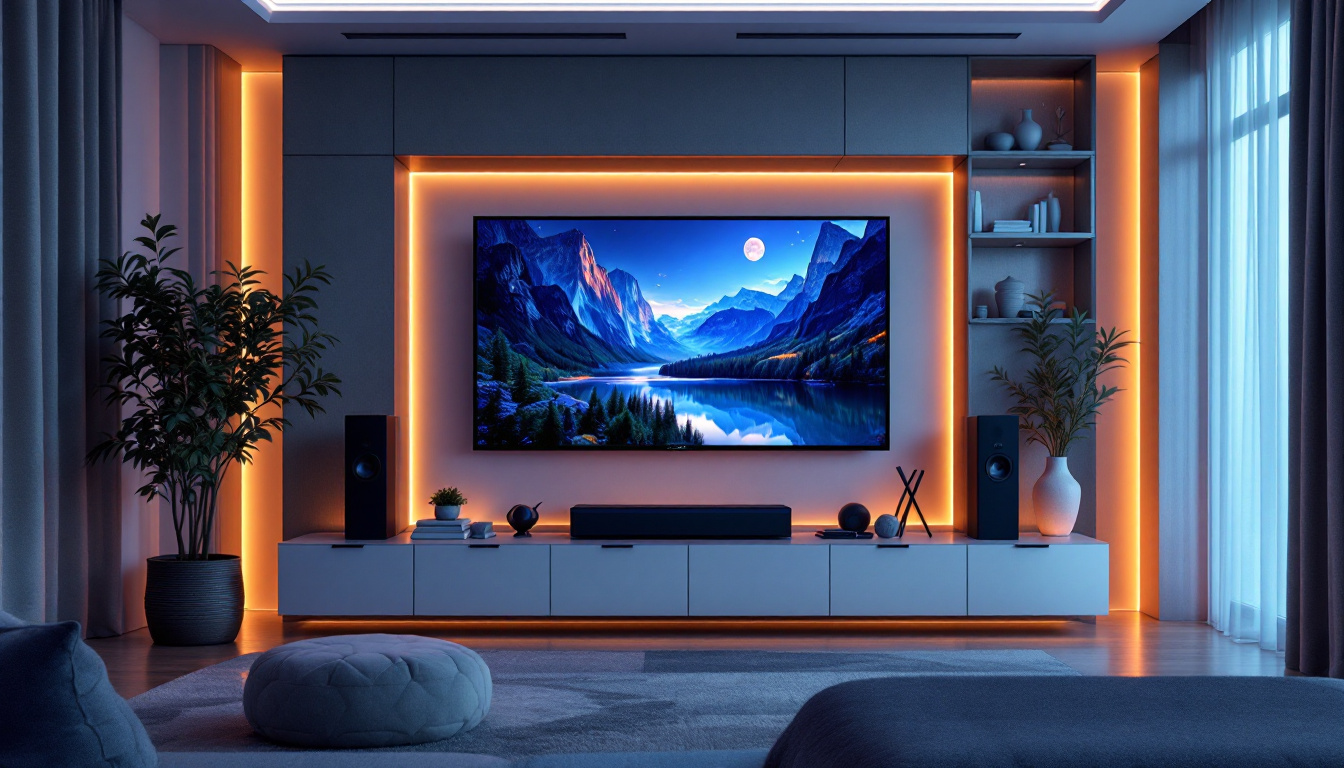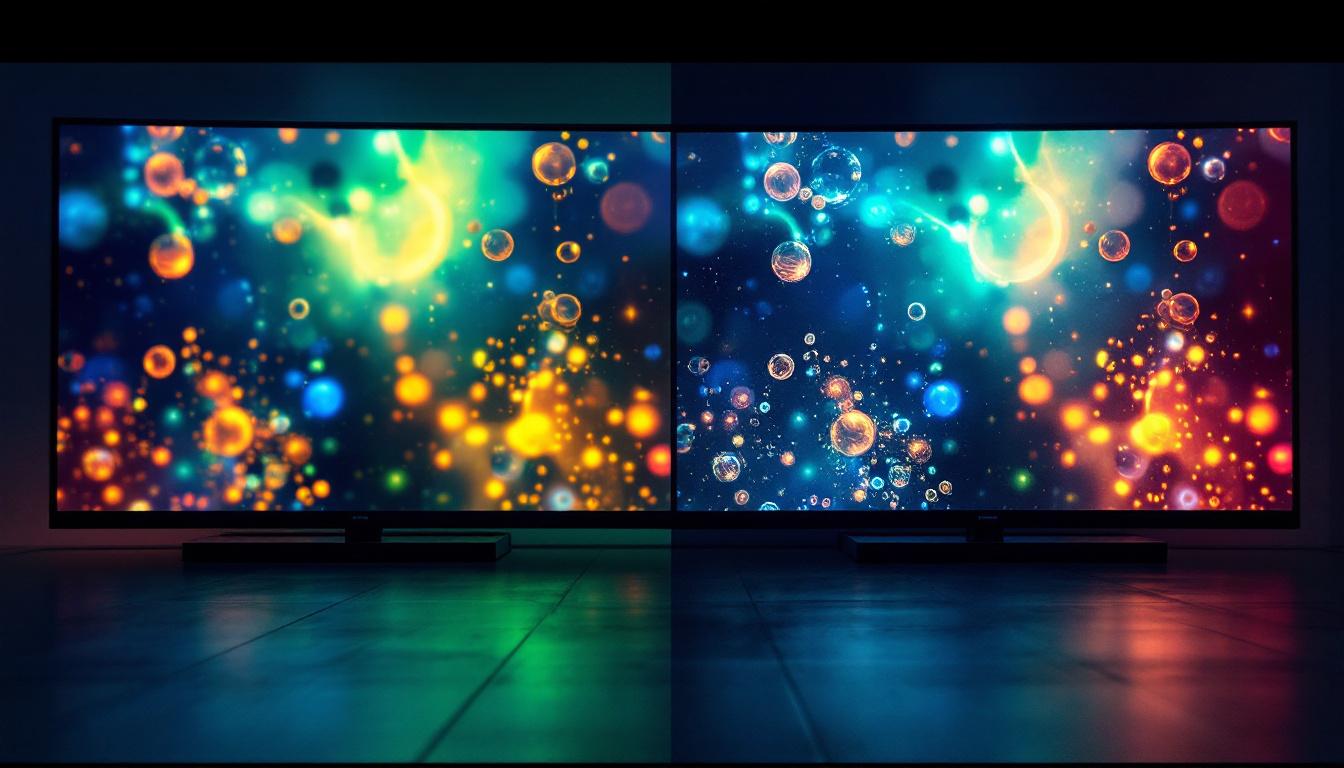
Choosing a new television can be a daunting task, especially with the myriad of display technologies available today. Among the most common options are LED and LCD TVs, terms that are often used interchangeably but actually refer to different aspects of the display technology. Understanding the differences between LED and LCD TVs, their advantages, disadvantages, and which one suits your needs best, is essential before making a purchase. This article delves into the details of LED and LCD TVs to help you make an informed decision.
Understanding the Basics: What Are LCD and LED TVs?
What is an LCD TV?
LCD stands for Liquid Crystal Display. LCD TVs use a liquid crystal solution sandwiched between two layers of glass or plastic. When an electric current passes through the liquid crystals, they align to allow varying degrees of light to pass through, creating images on the screen. However, LCD panels themselves do not emit light. Instead, they require a backlight to illuminate the display.
Traditionally, LCD TVs used Cold Cathode Fluorescent Lamps (CCFLs) as their backlight source. These CCFLs provide the necessary illumination behind the liquid crystal layer to render images visible to the viewer. This technology was widely popular in the early 2000s and is still found in some budget models today. While CCFLs can produce decent color and brightness, they tend to be less energy-efficient and bulkier compared to newer technologies. As a result, many manufacturers have shifted their focus towards more advanced backlighting solutions that not only enhance the viewing experience but also reduce power consumption.
Additionally, LCD TVs have evolved significantly over the years. Modern LCD displays often incorporate advanced technologies such as In-Plane Switching (IPS) and Twisted Nematic (TN) panels, which improve color accuracy and viewing angles. IPS panels, in particular, are favored for their ability to maintain consistent colors even when viewed from off-angles, making them ideal for shared viewing experiences. This evolution has helped LCD TVs maintain their relevance in a market increasingly dominated by newer technologies.
What is an LED TV?
LED stands for Light Emitting Diode. Despite the name, LED TVs are essentially LCD TVs that use LED backlighting instead of CCFLs. The key difference lies in the backlight technology. LEDs are tiny light bulbs that offer more precise control, better energy efficiency, and improved picture quality compared to CCFL backlights.
There are two main types of LED backlighting: edge-lit and full-array. Edge-lit LED TVs place LEDs along the edges of the screen, while full-array LED TVs have LEDs spread evenly across the back panel, often with local dimming capabilities to enhance contrast. Full-array backlighting allows for more uniform brightness across the screen and can significantly improve the depth of blacks, making them a preferred choice for home theater enthusiasts.
Moreover, LED technology has paved the way for innovations such as Quantum Dot displays and OLED technology, which further enhance color reproduction and contrast ratios. Quantum Dot technology utilizes semiconductor nanocrystals to produce a broader spectrum of colors, resulting in vibrant and lifelike images. Meanwhile, OLED (Organic Light Emitting Diode) technology, although distinct from LED, has gained popularity for its ability to produce true blacks and exceptional contrast by allowing individual pixels to emit their own light. This has led to a fascinating evolution in display technology, where consumers now have a plethora of options to choose from, each catering to different viewing preferences and environments.
Comparing Picture Quality: LED vs LCD
Brightness and Contrast
One of the most significant advantages of LED TVs over traditional LCD TVs is superior brightness and contrast. LED backlighting can produce brighter images with deeper blacks, especially in full-array LED TVs with local dimming. This technology allows specific areas of the screen to dim independently, enhancing the contrast ratio and delivering more vivid and lifelike images.
In contrast, CCFL-backlit LCD TVs tend to have lower brightness levels and less precise control over backlighting, resulting in washed-out colors and less dynamic contrast. For viewers who prioritize picture quality, especially in well-lit rooms, LED TVs are generally the better choice.
Color Accuracy and Viewing Angles
Color accuracy depends on various factors, including the quality of the LCD panel and the backlighting system. LED TVs often provide better color reproduction due to their ability to support wider color gamuts and higher dynamic range. Some high-end LED TVs also incorporate quantum dot technology, which enhances color vibrancy and accuracy further.
Viewing angles are another consideration. Traditional LCD TVs, especially those with CCFL backlighting, often suffer from color shifting and reduced brightness when viewed from sharp angles. LED TVs, particularly those with IPS (In-Plane Switching) panels, offer improved viewing angles, though this can vary depending on the model.
Energy Efficiency and Environmental Impact
Power Consumption
LED TVs are generally more energy-efficient than their CCFL-backlit LCD counterparts. LEDs consume less power because they can be dimmed or turned off in specific areas of the screen, reducing overall energy usage. According to the U.S. Department of Energy, LED TVs can use up to 30-50% less power than traditional LCD TVs with CCFL backlighting.
This energy efficiency not only lowers electricity bills but also contributes to a smaller carbon footprint, making LED TVs a more environmentally friendly choice.
Longevity and Durability
LED backlights tend to have a longer lifespan compared to CCFL backlights. LEDs can last upwards of 60,000 hours, whereas CCFLs typically last around 20,000 to 30,000 hours. This means LED TVs generally maintain their brightness and picture quality for a longer period, offering better value over time.
Additionally, LEDs are more robust and less prone to damage from shocks or temperature variations, enhancing the overall durability of LED TVs.
Price and Market Availability
Cost Differences
Historically, LED TVs were more expensive than traditional LCD TVs due to the advanced backlighting technology. However, as LED manufacturing has become mainstream, prices have dropped significantly. Today, most new flat-panel TVs labeled as “LED TVs” fall within a similar price range to older LCD models, especially in the mid-range market.
Budget-conscious consumers can now find affordable LED TVs that offer excellent performance, while premium models with advanced features like 4K resolution, HDR, and quantum dot technology command higher prices.
Market Trends and Availability
It is important to note that pure CCFL-backlit LCD TVs have become increasingly rare in the market. Most manufacturers have transitioned to LED backlighting due to its advantages. Consequently, when shopping for an LCD TV today, you are almost certainly looking at an LED-backlit LCD TV.
This trend means that the distinction between LED and LCD TVs has blurred somewhat, with “LED TV” effectively referring to the backlighting technology used in an LCD panel. For consumers, this means focusing more on the type of LED backlighting and panel technology rather than the outdated CCFL LCD technology.
Additional Technologies to Consider
OLED and QLED: Beyond LED and LCD
While LED and LCD TVs dominate the market, other display technologies like OLED (Organic Light Emitting Diode) and QLED (Quantum Dot LED) offer alternatives worth considering. OLED TVs do not use backlighting; instead, each pixel emits its own light, allowing for perfect blacks and outstanding contrast ratios. However, OLEDs tend to be more expensive and may have concerns about burn-in over time.
QLED TVs are essentially LED TVs enhanced with quantum dot technology, improving color accuracy and brightness. These TVs often compete with OLEDs in terms of picture quality while maintaining the advantages of LED backlighting.
Refresh Rates and Smart Features
Modern LED TVs often come with higher refresh rates (120Hz or more), which improve motion clarity for sports and gaming. Additionally, smart TV capabilities with integrated streaming apps, voice control, and connectivity options have become standard, making the choice of display technology only one part of the overall TV buying decision.
Which One Should You Choose?
Consider Your Viewing Environment
If you watch TV in a bright room with lots of ambient light, an LED TV with high brightness and good contrast will serve you better. Full-array LED TVs with local dimming provide superior picture quality for movie enthusiasts and gamers who want deep blacks and vibrant colors.
For darker rooms or home theaters, OLED TVs might be preferable due to their perfect black levels, but they come at a higher price point.
Budget and Usage
For everyday viewing, including news, sports, and casual streaming, a mid-range LED TV offers excellent value with good picture quality and energy efficiency. If budget is tight, avoid older CCFL-backlit LCD TVs, as LED-backlit models are now standard and provide better performance.
Gamers should look for LED TVs with low input lag and high refresh rates, while cinephiles might prioritize color accuracy and contrast.
Conclusion
In summary, the term “LED TV” refers to an LCD TV that uses LED backlighting instead of the older CCFL technology. LED TVs generally outperform traditional LCD TVs in brightness, contrast, energy efficiency, and lifespan. Given that most modern TVs use LED backlighting, the real decision lies in the type of LED backlighting (edge-lit vs. full-array), panel type, and additional features.
Understanding these distinctions helps consumers select a TV that fits their viewing habits, budget, and environment. With continuous advancements in display technology, LED-backlit LCD TVs remain a reliable and popular choice for most households, offering a balanced combination of performance and affordability.
Discover the Future of LED Display Technology with LumenMatrix
As you consider upgrading your home entertainment system or enhancing your business’s visual display, LumenMatrix stands at the forefront of LED display innovation. With a comprehensive range of solutions including Indoor and Outdoor LED Wall Displays, Vehicle LED Displays, and specialized options like LED Sports and Floor Displays, LumenMatrix is committed to transforming your visual experience. Whether you’re looking to create an immersive home theater or captivate passersby with high-impact digital signage, our cutting-edge LED display modules are designed to meet your needs. Check out LumenMatrix LED Display Solutions today and see how we can help you share your message with unparalleled clarity and engagement.