Understanding the dimensions and specifications of LED displays is crucial for professionals in advertising, event management, and digital signage industries. One common measurement conversion that often arises is converting millimeters (mm) to inches, especially when dealing with LED panel sizes and pixel pitches. This article delves into the conversion of 105 mm to inches and explores why such measurements matter in the context of LED displays. Alongside, it provides a comprehensive explanation of LED display technology, its applications, and considerations when selecting the right display for your needs.
Converting 105 Millimeters to Inches: The Basics
Millimeters and inches are both units of length, but they belong to different measurement systems. Millimeters are part of the metric system, widely used internationally, while inches belong to the imperial system, commonly used in the United States and a few other countries.
To convert millimeters to inches, the standard conversion factor is:
1 inch = 25.4 millimeters
Using this, the conversion for 105 mm to inches is:
105 mm ÷ 25.4 = 4.1339 inches
Therefore, 105 mm is approximately 4.13 inches.
Why Is This Conversion Important for LED Displays?
LED displays often have specifications listed in millimeters, particularly the pixel pitch—the distance from the center of one LED cluster to the center of the next. Pixel pitch directly influences the resolution and viewing distance of the display. When planning installations or comparing products, converting these measurements into inches can help visualize the size, especially for clients or stakeholders more familiar with imperial units.
For example, a pixel pitch of 105 mm (or 4.13 inches) is considered very large in the LED display industry, typically used for outdoor displays viewed from great distances, such as stadium screens or billboards.
Understanding LED Display Pixel Pitch and Its Impact
Pixel pitch is one of the most critical specifications when evaluating LED displays. It determines the density of LEDs on the screen and directly affects image clarity and optimal viewing distance.
What Is Pixel Pitch?
Pixel pitch refers to the distance between the centers of two adjacent pixels, measured in millimeters or inches. Smaller pixel pitches mean pixels are closer together, resulting in higher resolution and sharper images, especially at close range. Larger pixel pitches spread pixels further apart, which is suitable for displays intended to be viewed from a distance.
For instance, a 105 mm pixel pitch LED display would have a pixel cluster every 4.13 inches, making it ideal for very large-scale displays where viewers are far away.
How Pixel Pitch Affects Viewing Experience
The pixel pitch influences:
- Resolution: Smaller pixel pitches provide higher resolution, enabling detailed and crisp images.
- Viewing Distance: Larger pixel pitches are suitable for long-distance viewing, as individual pixels blend into a coherent image when seen from afar.
- Cost: Displays with smaller pixel pitches are more expensive due to the higher number of LEDs and more complex manufacturing.
Understanding the relationship between pixel pitch and viewing distance is essential for selecting the right LED display. For example, a 105 mm pixel pitch display is not suitable for indoor use or close-up viewing but excels in outdoor environments like sports arenas or roadside advertising.
Applications of LED Displays with Large Pixel Pitch (Around 105 mm)
LED displays with a pixel pitch of approximately 105 mm are designed for specific environments where visibility from long distances is paramount. Their size and pixel spacing make them less suited for detailed images but perfect for large-scale, high-impact visuals.
Outdoor Advertising and Billboards
Billboards are one of the most common applications for large pixel pitch LED displays. These displays are often installed alongside highways or on building rooftops, where viewers are typically hundreds of feet away. The 105 mm pixel pitch ensures that the images and messages remain visible and legible even at such distances.
Additionally, these displays are built to withstand harsh weather conditions, with high brightness levels to combat sunlight glare, ensuring 24/7 visibility.
Sports Arenas and Stadium Screens
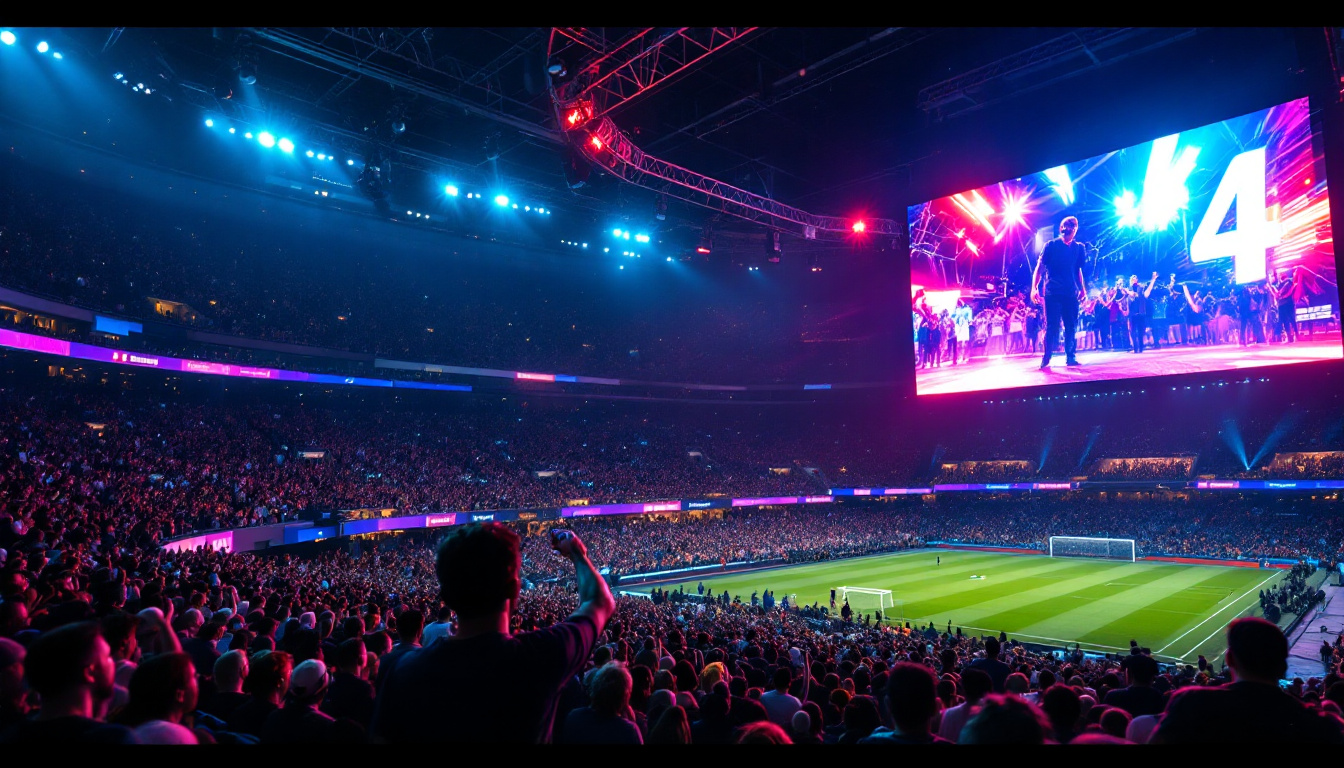
In stadiums, large LED screens provide live video feeds, replays, and advertisements. The large pixel pitch is suitable because spectators are seated far from the screens. The 105 mm pitch allows for a massive display area without the prohibitive cost of smaller pixel pitch panels.
These screens enhance the spectator experience by delivering clear visuals visible from all seating areas, contributing to the excitement and engagement during events.
Transportation Hubs and Public Spaces
Airports, train stations, and bus terminals sometimes use large pixel pitch LED displays for announcements and advertising. The displays need to be readable from a distance and in various lighting conditions, making a 105 mm pixel pitch a practical choice for these environments.
Technical Considerations When Working with 105 mm Pixel Pitch LED Displays
Choosing and installing an LED display with a 105 mm pixel pitch involves several technical factors, from resolution planning to structural support and maintenance.
Resolution and Screen Size Planning
The resolution of an LED display is determined by the number of pixels horizontally and vertically. With a 105 mm pixel pitch, the total number of pixels per square meter is relatively low compared to smaller pixel pitches.
For example, a 10-meter wide by 5-meter tall display with a 105 mm pitch would have roughly:
- Width in pixels = 10,000 mm ÷ 105 mm ≈ 95 pixels
- Height in pixels = 5,000 mm ÷ 105 mm ≈ 47 pixels
- Total pixels = 95 × 47 ≈ 4,465 pixels
This resolution is sufficient for displaying large text, logos, and simple graphics but not for detailed images or video at close range.
Brightness and Weather Resistance
Outdoor LED displays with large pixel pitches must feature high brightness levels, often exceeding 5,000 nits, to remain visible under direct sunlight. Additionally, they require robust enclosures rated for weather resistance (IP65 or higher) to protect against rain, dust, and temperature extremes.
Structural and Installation Considerations
Due to their size and weight, 105 mm pixel pitch LED displays require sturdy mounting structures. Engineers must consider wind loads, seismic activity, and ease of maintenance when designing the installation.
Modular design is common, allowing panels to be replaced or serviced individually without dismantling the entire display.
Comparing 105 mm Pixel Pitch to Other Common Pixel Pitches
To better understand where a 105 mm pixel pitch fits in the spectrum of LED display options, it’s helpful to compare it with other common pixel pitches.
| Pixel Pitch (mm) | Approximate Pixel Pitch (inches) | Typical Use Case | Viewing Distance |
|---|---|---|---|
| 1.2 mm | 0.047″ | Indoor LED video walls, control rooms | 1-5 meters |
| 4 mm | 0.157″ | Indoor/outdoor digital signage, retail | 5-15 meters |
| 10 mm | 0.394″ | Outdoor advertising, medium viewing distance | 15-50 meters |
| 20 mm | 0.787″ | Large outdoor billboards, stadium screens | 50-100 meters |
| 105 mm | 4.13″ | Massive outdoor displays, highway billboards | 100+ meters |
This comparison highlights that a 105 mm pixel pitch is at the high end of the scale, designed for very large displays viewed from great distances. It is not intended for close-up viewing or detailed content but excels in visibility and cost-effectiveness for huge installations.
Future Trends in LED Display Technology
While large pixel pitch displays like 105 mm remain essential for certain applications, the LED display industry is rapidly evolving. Innovations are driving pixel pitches smaller and smaller, enabling ultra-high-definition displays even in large formats.
MicroLED and MiniLED Technologies
Emerging technologies such as MicroLED and MiniLED offer higher brightness, better energy efficiency, and finer pixel pitches. These technologies are pushing the boundaries of indoor and outdoor displays, making it possible to achieve exceptional image quality at various sizes and distances.
Flexible and Transparent LED Displays
New form factors, including flexible and transparent LED displays, are expanding the possibilities for digital signage and architectural integration. Although these displays often feature smaller pixel pitches, their versatility complements traditional large pixel pitch displays by offering unique visual experiences.
Integration with Smart Technologies
LED displays are increasingly integrated with smart sensors, AI-driven content management, and interactive features. This integration enhances user engagement and allows dynamic content tailored to specific audiences and environments.
Conclusion
Converting 105 mm to inches gives approximately 4.13 inches, a measurement that is significant when discussing LED display pixel pitches. A 105 mm pixel pitch indicates a large-scale LED display designed for long-distance viewing, such as outdoor billboards, stadium screens, and transportation hubs.
Understanding the implications of pixel pitch, viewing distance, and technical requirements helps businesses and professionals select the right LED display for their specific needs. While 105 mm pixel pitch displays serve particular use cases, ongoing advancements in LED technology continue to broaden the possibilities for digital signage and visual communication.
Whether planning a massive outdoor advertising campaign or designing a stadium video board, knowing how to interpret and convert measurements like 105 mm to inches ensures informed decisions and successful installations.
Discover Cutting-Edge LED Displays with LumenMatrix
Ready to elevate your visual communication with large-scale LED displays? LumenMatrix is at the forefront of LED display innovation, offering a diverse range of solutions tailored to your unique needs. From captivating Indoor LED Walls to expansive Outdoor LED Billboards, and specialized options like Vehicle LED Displays and LED Sports Displays, our technology is designed to make a powerful impact. Experience the future of digital signage with LumenMatrix and transform the way you engage with your audience. Check out LumenMatrix LED Display Solutions today and bring your vision to life with unparalleled clarity and brilliance.