In today’s fast-paced world, efficient planning and clear visualization are essential for businesses, educational institutions, and even personal productivity. The evolution of wall planners from traditional paper formats to digital LED displays marks a significant leap in how we organize, track, and engage with schedules and data. This article delves into the concept of digital wall planners, focusing specifically on LED display technology, its benefits, applications, and what to consider when choosing one.
What Is a Digital Wall Planner?
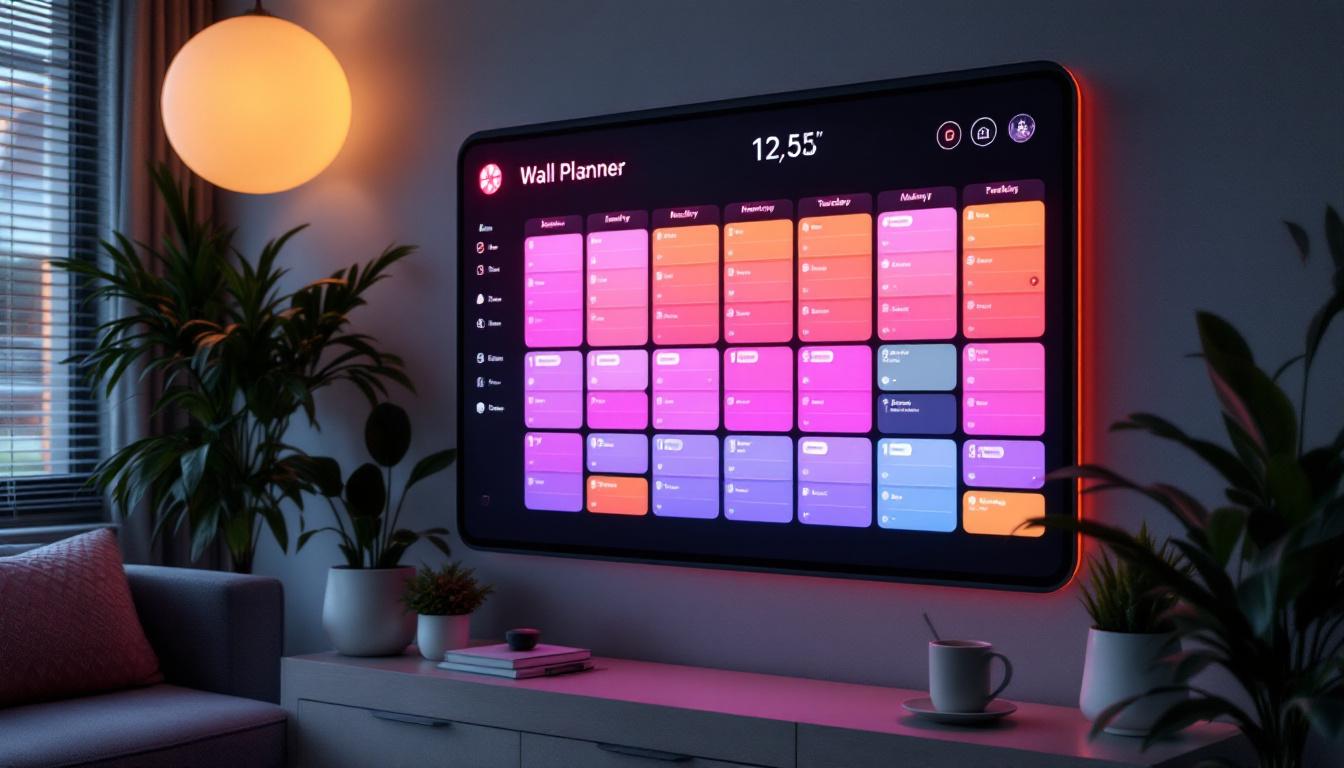
A digital wall planner is an electronic scheduling and organizational tool that replaces traditional paper calendars or whiteboards with a dynamic, often interactive, display. Unlike static planners, digital wall planners can update in real-time, integrate with multiple data sources, and provide enhanced visual clarity through vibrant displays.
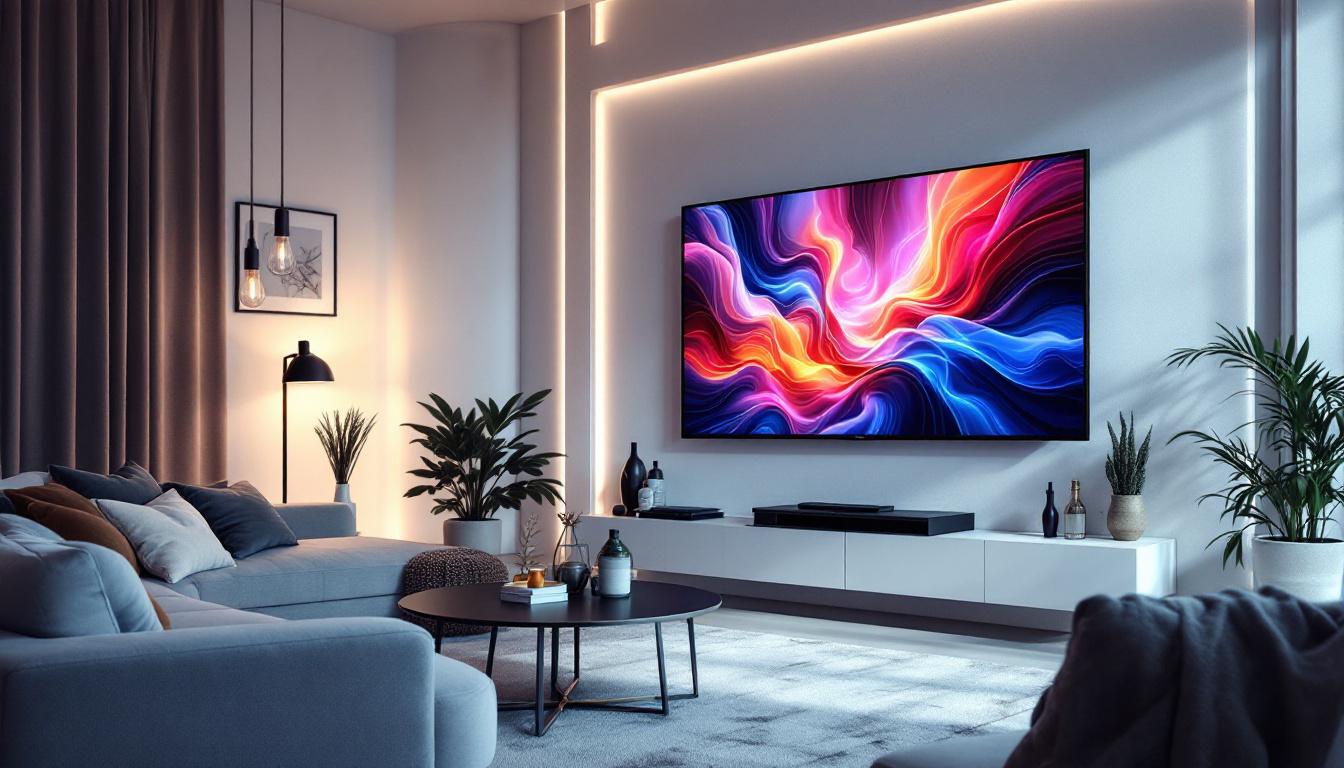
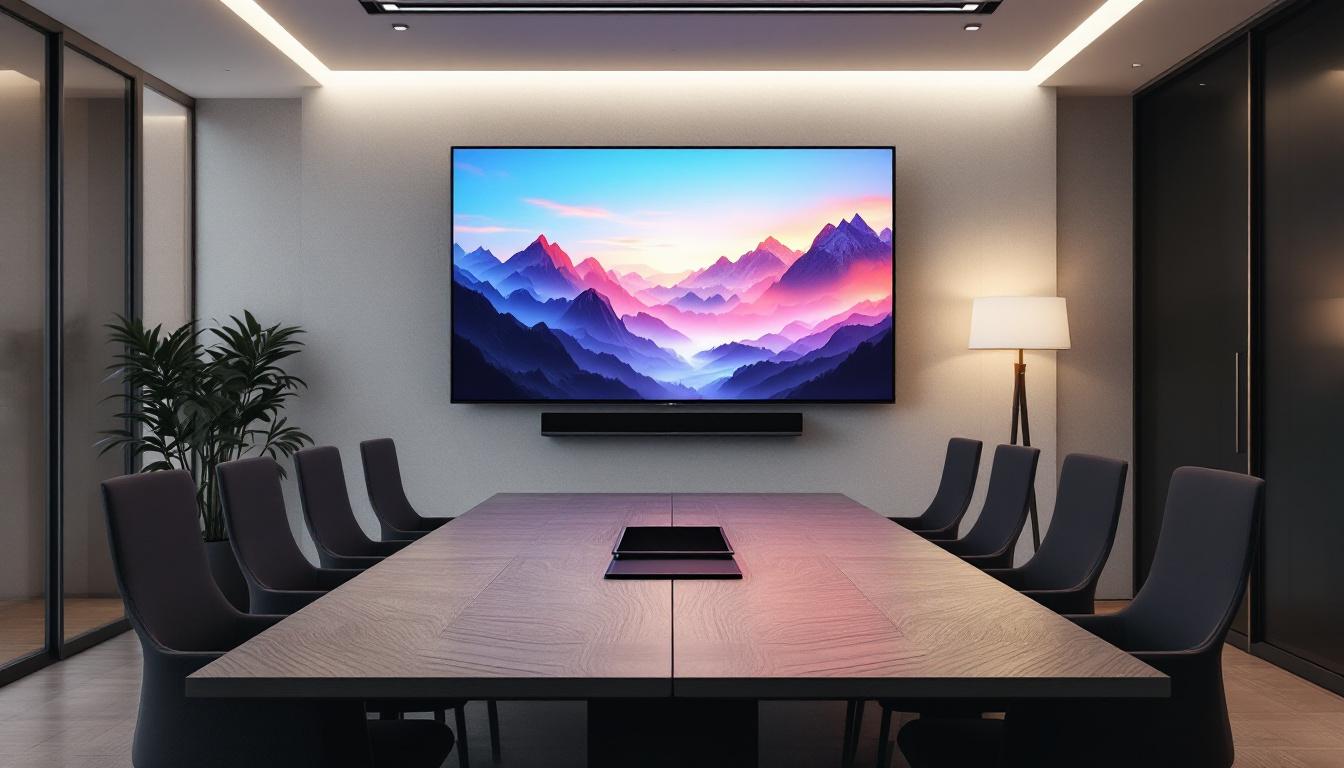
These devices are typically mounted on walls in offices, conference rooms, classrooms, or public spaces, serving as centralized hubs for team schedules, project timelines, event reminders, or even performance metrics. The core advantage lies in their ability to present complex information in an easily digestible format, accessible to everyone in the vicinity. By allowing for collaborative input, team members can contribute to the planner, ensuring that everyone stays informed and engaged with the latest updates and changes, fostering a more cohesive working environment.
Furthermore, many digital wall planners come equipped with features such as color-coded entries, reminders, and notifications that can be synchronized with personal devices. This level of integration not only enhances productivity but also encourages accountability among team members, as everyone can see their responsibilities and deadlines at a glance.
Why LED Displays?
LED (Light Emitting Diode) technology is the preferred choice for digital wall planners due to its brightness, energy efficiency, and longevity. LED displays can produce vivid colors and sharp images that remain visible even in well-lit environments, making them ideal for busy offices or educational settings.
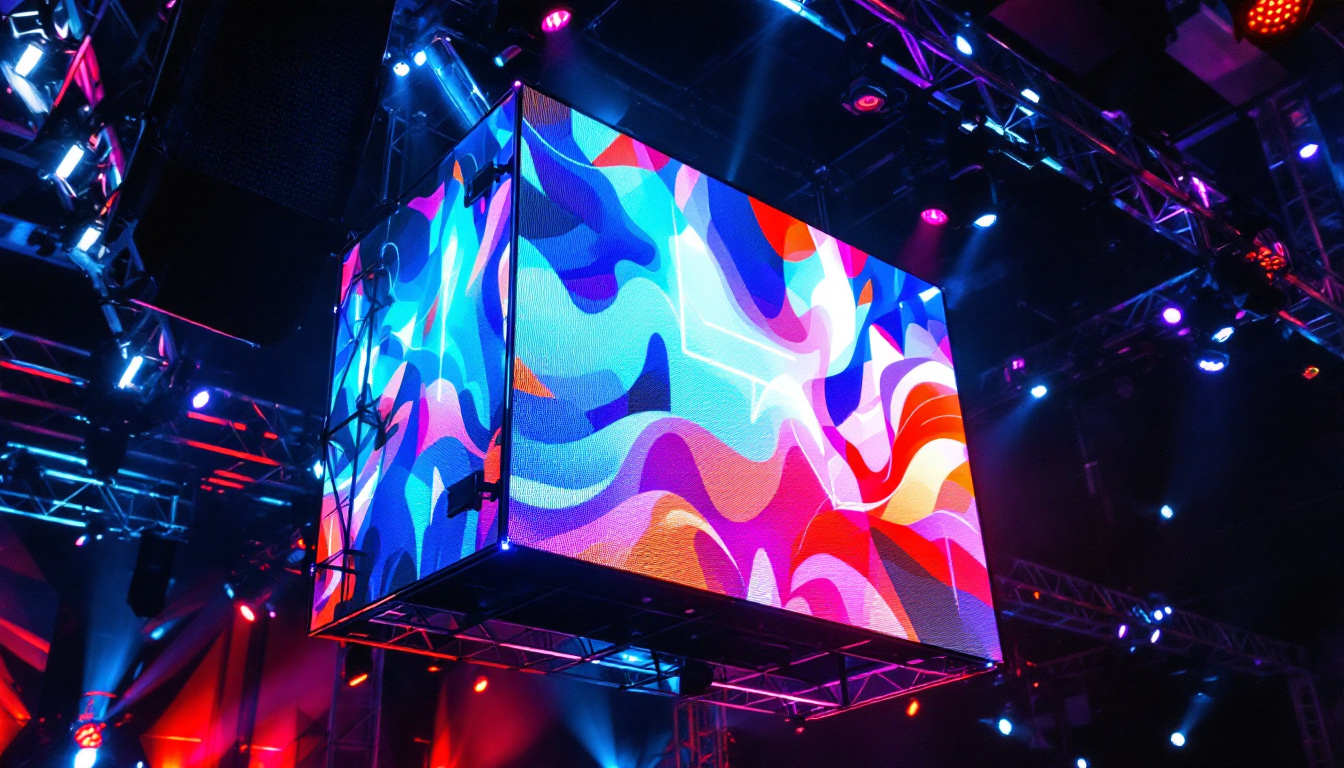
Moreover, LED panels can be customized in size and resolution, allowing organizations to tailor the display to their specific needs — from small meeting room planners to large-scale public information boards. The versatility of LED technology also extends to its ability to support various content formats, including videos, animations, and interactive elements, which can make information more engaging and easier to understand. This adaptability not only enhances the aesthetic appeal of the space but also transforms the way information is communicated, making it more dynamic and impactful.
In addition, many modern LED displays come with touch-screen capabilities, enabling users to interact directly with the content. This feature allows for quick adjustments and updates, as well as the ability to drill down into specific details or projects with just a few taps. As a result, digital wall planners powered by LED technology not only serve as functional tools but also contribute to a more innovative and tech-savvy atmosphere within any organization.
Key Features of LED Digital Wall Planners
Understanding the core features of LED digital wall planners helps in appreciating their value and selecting the right model for your needs.
High Visibility and Clarity
One of the standout features of LED displays is their exceptional brightness and contrast. Unlike LCD or projector-based systems, LEDs maintain clarity under various lighting conditions. This ensures that schedules, deadlines, and notifications are always visible, reducing the risk of missed information.
Real-Time Updates and Integration
Modern digital wall planners can connect to cloud-based calendars, project management software, and other digital tools. This integration allows for automatic updates, ensuring that the displayed information is always current without manual intervention. Teams can synchronize their calendars from platforms like Google Calendar, Microsoft Outlook, or specialized project management tools such as Asana or Trello.
Customizable Layouts and Content
LED digital planners often come with software that allows users to customize the layout, color schemes, fonts, and even the type of content displayed. This flexibility means the planner can be adapted for different purposes — whether it’s tracking employee shifts, managing classroom schedules, or displaying company-wide announcements.
Interactive Capabilities
Some advanced LED wall planners incorporate touch-screen technology or connect with mobile devices, enabling users to interact directly with the display. This interactivity can streamline scheduling changes, allow for quick note-taking, or facilitate collaborative planning sessions.
Applications of Digital Wall Planners with LED Displays
The versatility of LED digital wall planners makes them suitable for a wide range of environments and use cases.
Corporate and Office Environments
In the corporate world, managing meetings, project deadlines, and team availability is crucial. Digital wall planners provide a centralized overview that helps reduce scheduling conflicts and improve communication. For example, a marketing team can display campaign timelines and milestones, while HR departments can track employee attendance and shift rotations.
According to a 2023 survey by the Project Management Institute, 77% of high-performing organizations use digital tools to enhance team collaboration and scheduling accuracy, underscoring the growing importance of such technologies.
Educational Institutions
Schools and universities benefit from digital wall planners by displaying class schedules, exam timetables, and event announcements. The bright LED displays ensure that students and staff can easily access up-to-date information. Interactive models can also be used in classrooms for lesson planning or student participation.
With over 60% of educational institutions worldwide adopting digital signage solutions by 2024, the trend toward LED digital planners in education is accelerating.
Healthcare Facilities
Hospitals and clinics use digital wall planners to coordinate staff shifts, patient appointments, and emergency protocols. The ability to update information instantly is vital in fast-changing healthcare environments. LED displays also help communicate important health notices and safety guidelines clearly to both staff and visitors.
Event Management and Public Spaces
Event venues, airports, and transportation hubs utilize digital wall planners to provide real-time updates on schedules, gate changes, and other critical information. The high visibility of LED displays ensures that large crowds can quickly see and respond to updates.
Benefits of Using LED Digital Wall Planners
Transitioning from traditional planners to LED digital versions offers numerous advantages that can enhance productivity and communication.
Improved Efficiency and Accuracy
Automatic syncing with digital calendars and project management tools reduces human error and the time spent on manual updates. This leads to more accurate scheduling and fewer conflicts.
Enhanced Collaboration and Transparency
By providing a shared, visible schedule, LED digital planners foster transparency within teams and departments. Everyone can see deadlines, responsibilities, and changes in real-time, which encourages accountability and teamwork.
Cost Savings Over Time
While the initial investment in LED digital planners may be higher than traditional boards, the reduction in paper use, printing costs, and administrative labor can lead to significant savings. Additionally, the durability and energy efficiency of LED technology contribute to lower operational costs.
Eco-Friendly and Sustainable
Digital planners reduce the need for paper and markers, aligning with sustainability goals. Many LED displays are designed with energy-saving features, further minimizing environmental impact.
Choosing the Right LED Digital Wall Planner
When selecting a digital wall planner with an LED display, several factors should be considered to ensure it meets your specific needs.
Size and Resolution
The size of the display should correspond to the viewing distance and the amount of information to be shown. Higher resolution screens provide sharper images and more detailed content but may come at a higher cost.
Connectivity and Integration
Ensure the planner supports integration with your existing software ecosystem. Compatibility with popular calendar and project management platforms is essential for seamless updates.
Interactivity
Decide if touch-screen capability or remote control via mobile devices is necessary for your use case. Interactive features can enhance usability but may increase the price.
Durability and Maintenance
Consider the environment where the planner will be installed. For high-traffic or public areas, robust and easy-to-clean displays are preferable. Also, check the warranty and support options offered by the manufacturer.
Budget
Costs can vary widely depending on size, features, and brand. It’s important to balance your requirements with your budget, keeping in mind the long-term benefits and savings.
Future Trends in Digital Wall Planning and LED Displays
The field of digital wall planners is evolving rapidly, driven by advances in LED technology and software capabilities.
Integration with Artificial Intelligence
AI-powered digital planners are beginning to offer predictive scheduling, automatic conflict resolution, and personalized notifications. These features can further streamline planning and reduce administrative burdens.
Enhanced Interactivity and Collaboration Tools
Future LED planners may incorporate gesture controls, voice commands, and deeper integration with collaboration platforms like Microsoft Teams or Slack, making planning more intuitive and interactive.
Flexible and Modular Displays
Modular LED panels that can be reconfigured or expanded will allow organizations to adapt their digital planners as their needs change, providing greater flexibility and scalability.
Augmented Reality (AR) Integration
Emerging AR technologies may complement LED wall planners by overlaying schedules and data onto physical spaces, offering immersive planning experiences.
Conclusion
Digital wall planners with LED displays represent a powerful tool for modern organizations seeking to enhance scheduling, communication, and collaboration. Their high visibility, real-time updating capabilities, and customizable features make them superior to traditional planning methods. As technology continues to advance, these planners will become even more interactive and intelligent, further transforming how teams and institutions organize their activities.
Choosing the right LED digital wall planner requires careful consideration of size, integration, interactivity, and budget. However, the benefits in efficiency, transparency, and sustainability make the investment worthwhile for many businesses and organizations.
Embracing digital wall planning technology today can set the foundation for more agile, informed, and connected environments tomorrow.
Discover LumenMatrix LED Display Solutions
Ready to elevate your organizational efficiency and communication with cutting-edge LED technology? LumenMatrix offers a comprehensive range of LED display solutions tailored to meet your specific needs. From vibrant Indoor and Outdoor LED Wall Displays to innovative options like Vehicle, Sports, and Floor LED Displays, our products are designed to captivate and engage. Embrace the future of visual communication with our Custom, All-in-One, and Transparent LED Displays, and see how our commitment to excellence can transform your space. Check out LumenMatrix LED Display Solutions today and step into a world of unparalleled clarity and impact.