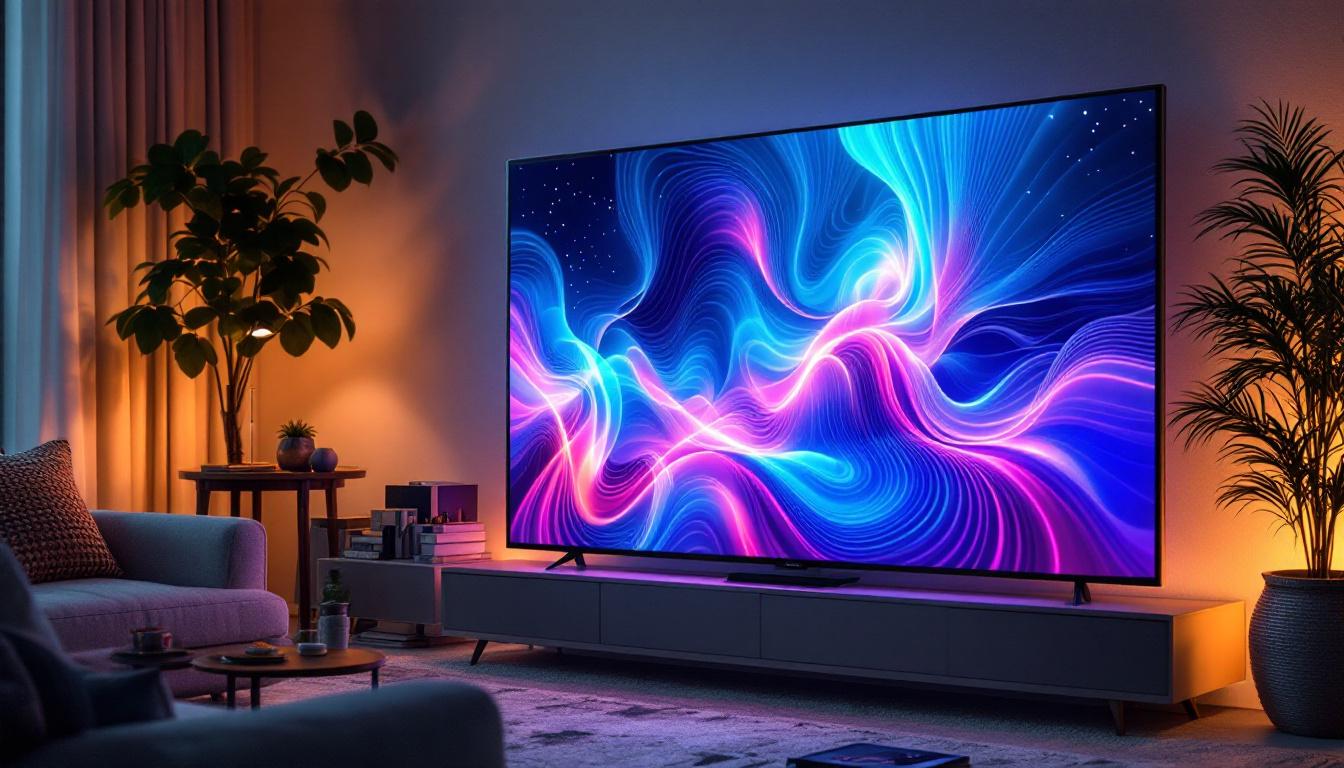
In the rapidly evolving world of television technology, the 75 inch touch screen TV stands out as a remarkable blend of size, interactivity, and visual quality. As consumers seek more immersive viewing experiences combined with intuitive control, understanding the underlying technology—particularly the LED display—becomes essential. This article delves into the intricacies of 75 inch touch screen TVs, focusing on the LED display technology that powers their stunning visuals and interactive features.
Understanding the Basics: What is a 75 Inch Touch Screen TV?
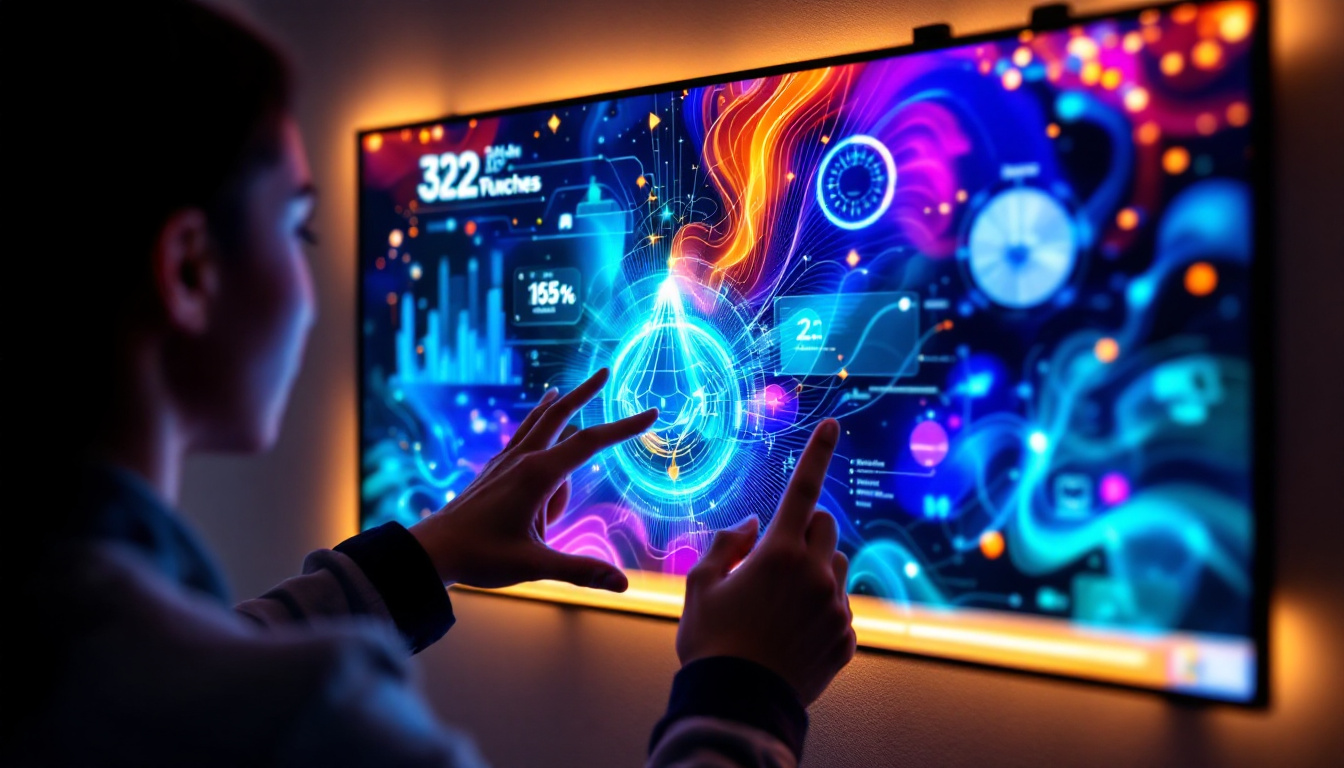
A 75 inch touch screen TV is a large-format television that integrates touch-sensitive technology directly into the screen, allowing users to interact with the display much like a giant tablet. The 75 inch measurement refers to the diagonal length of the screen, providing an expansive viewing area ideal for home theaters, conference rooms, and interactive kiosks.
Touch screen TVs combine traditional television functions with touchscreen capabilities, enabling users to navigate menus, control settings, and even use apps without the need for a remote control. This functionality is particularly valuable in educational and business environments where collaboration and ease of use are paramount.
The Role of Screen Size in Viewing Experience
The 75 inch screen size strikes a balance between immersive viewing and practical room fit. According to the Society of Motion Picture and Television Engineers (SMPTE), for optimal viewing distance, the ideal distance from the screen should be approximately 1.5 to 2.5 times the diagonal size of the TV. For a 75 inch screen, this translates to roughly 9 to 15 feet, making it suitable for spacious living rooms or conference halls.
This size also enhances the touch experience by providing ample space for multiple users to interact simultaneously without crowding, making it a versatile choice for both entertainment and professional settings.
LED Display Technology: The Heart of the Visual Experience
At the core of any modern 75 inch touch screen TV is the LED (Light Emitting Diode) display technology. Understanding how LED displays work is crucial to appreciating the picture quality, energy efficiency, and durability these TVs offer.
What is an LED Display?
LED displays are a type of LCD (Liquid Crystal Display) that use light-emitting diodes as a backlight instead of traditional cold cathode fluorescent lamps (CCFLs). This shift has revolutionized display technology by offering brighter images, better contrast, and thinner panels.
In an LED TV, the liquid crystals do not emit light themselves. Instead, the LEDs provide the illumination behind the LCD panel, which modulates the light to create images. The LEDs can be arranged in different configurations, such as edge-lit or full-array, each affecting the display’s performance and price.
Advantages of LED Displays in Large Screens
LED technology is particularly advantageous for large screens like the 75 inch models because it offers:
- Improved Brightness and Contrast: LEDs can produce higher brightness levels, which enhances visibility in well-lit rooms. Full-array LED backlighting with local dimming can achieve deeper blacks and more vibrant colors by selectively dimming sections of the screen.
- Energy Efficiency: LEDs consume less power compared to CCFL backlights, making large TVs more energy-efficient and environmentally friendly.
- Slim Design: The compact size of LEDs allows manufacturers to create thinner and lighter TV panels, which is especially important for large screens to ease installation and mounting.
- Longer Lifespan: LEDs tend to have a longer operational life, reducing the need for repairs or replacements over time.
Types of LED Backlighting
There are primarily two types of LED backlighting used in 75 inch TVs:
- Edge-Lit LED: LEDs are placed along the edges of the screen. This design allows for ultra-thin panels but can sometimes result in uneven brightness or less precise local dimming.
- Full-Array LED: LEDs are distributed evenly behind the entire screen. This setup supports local dimming zones, which significantly improve contrast and black levels.
For a 75 inch touch screen TV, full-array LED backlighting is often preferred due to its superior picture quality, though it may come at a higher cost.
Integrating Touch Technology with LED Displays
Adding touch functionality to a large LED TV involves sophisticated engineering to maintain image clarity and responsiveness. The touch layer must seamlessly integrate without compromising the display’s brightness or color accuracy.
How Touch Screens Work on Large TVs
Touch screen technology on TVs typically uses one of the following methods:
- Infrared (IR) Touch: Uses an array of IR sensors around the screen’s edges to detect touch by interruption of the IR light beams. This method is durable and works well on large screens but can be sensitive to ambient light interference.
- Capacitive Touch: Similar to smartphone screens, it detects touch through changes in the electrical field. Capacitive touch offers high accuracy and multi-touch support but can be more expensive to implement on large screens.
- Optical Imaging: Uses cameras or optical sensors to detect touch points. This method supports multi-touch and gestures and is scalable to large screen sizes.
Manufacturers often combine these technologies to optimize performance, responsiveness, and durability for 75 inch touch screen TVs.
Challenges and Solutions in Large Touch Screen TVs
Integrating touch technology into large LED TVs presents challenges such as:
- Maintaining Display Quality: The touch layer must not degrade the image quality. Advanced materials and coatings are used to ensure transparency and reduce glare.
- Latency and Responsiveness: Touch input must be processed quickly to feel natural, especially in interactive applications.
- Durability: Large touch screens are more susceptible to damage from repeated use. Manufacturers use hardened glass and protective layers to enhance durability.
Recent innovations have addressed these challenges effectively, making 75 inch touch screen TVs a reliable choice for both consumers and professionals.
Applications and Benefits of 75 Inch Touch Screen TVs
The combination of large screen size, LED display quality, and touch interactivity opens up a wide range of applications beyond traditional TV viewing.
Home Entertainment and Smart Living
In home settings, a 75 inch touch screen TV serves as a centerpiece for immersive entertainment. Users can navigate streaming services, browse the internet, or play interactive games directly on the screen. The large size enhances movie watching and gaming experiences, while touch controls simplify user interaction.
Smart home integration is another growing trend. Touch screen TVs can act as control hubs for smart devices, allowing users to manage lighting, security cameras, and thermostats with simple gestures on the screen.
Education and Collaborative Workspaces
Educational institutions benefit greatly from large touch screen TVs. They enable interactive lessons where students and teachers can write, draw, and manipulate content in real time. This interactivity fosters engagement and enhances learning outcomes.
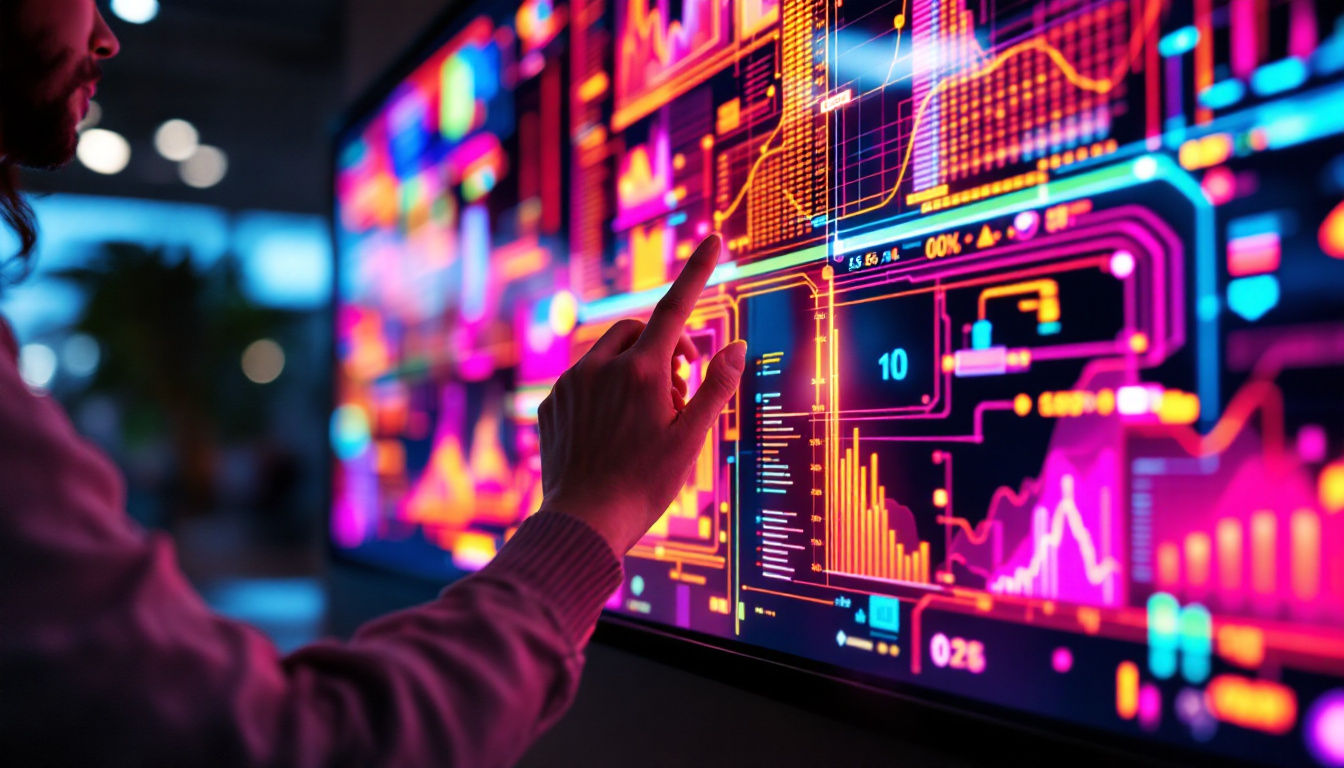
In corporate environments, these TVs facilitate collaborative meetings and presentations. Teams can annotate documents, brainstorm ideas, and control video conferencing tools directly on the screen, improving productivity and communication.
Retail and Public Displays
Retailers use 75 inch touch screen TVs as interactive kiosks to showcase products, provide information, and enhance customer engagement. The LED display ensures vivid visuals that attract attention, while touch capabilities allow customers to explore options independently.
Public spaces such as airports and museums also leverage these displays for wayfinding, ticketing, and interactive exhibits, combining durability with high visibility.
Choosing the Right 75 Inch Touch Screen TV: Key Considerations
With many options available, selecting the ideal 75 inch touch screen TV requires careful evaluation of several factors.
Display Quality and Resolution
Resolution is critical for large screens to maintain sharpness and detail. Most 75 inch TVs offer 4K Ultra HD (3840 x 2160 pixels), which provides excellent clarity at typical viewing distances. Some models now support 8K resolution, though content availability remains limited.
Additional features like HDR (High Dynamic Range) enhance color accuracy and contrast, making images more lifelike. When selecting a TV, look for standards such as HDR10, Dolby Vision, or HLG support.
Touch Technology and Responsiveness
Evaluate the type of touch technology used and the number of simultaneous touch points supported. Multi-touch capability is essential for collaborative applications. Also, consider latency and the presence of palm rejection features to avoid accidental inputs.
Connectivity and Smart Features
Modern touch screen TVs come equipped with multiple HDMI ports, USB inputs, and wireless connectivity options like Wi-Fi and Bluetooth. Integrated smart platforms such as Android TV, Roku, or proprietary operating systems provide access to apps and streaming services.
Compatibility with external devices like wireless keyboards, mice, and styluses can further enhance usability.
Durability and Warranty
Given the interactive nature of touch screen TVs, durability is paramount. Look for models with reinforced glass and robust build quality. Warranty terms and customer support services also play a crucial role in long-term satisfaction.
Future Trends in 75 Inch Touch Screen TV Technology
The future of large touch screen TVs is promising, with ongoing advancements poised to elevate user experience further.
MicroLED and OLED Innovations
While LED-backlit LCDs dominate the market today, emerging technologies like MicroLED and OLED offer superior contrast, color accuracy, and energy efficiency. MicroLED, in particular, promises scalable large screens with individual pixel illumination, ideal for 75 inch and larger displays.
Enhanced Touch and Gesture Controls
Next-generation touch screens will incorporate advanced gesture recognition and haptic feedback, enabling more natural and intuitive interactions. Integration with voice assistants and AI-driven personalization will also become standard features.
Improved Integration with Smart Ecosystems
As smart homes and IoT devices proliferate, 75 inch touch screen TVs will serve as central control hubs, seamlessly connecting and managing various devices through unified interfaces.
Conclusion
The 75 inch touch screen TV represents a convergence of cutting-edge LED display technology and interactive functionality, delivering an unparalleled viewing and user experience. From home entertainment to professional collaboration and public engagement, these large-format touch screen TVs offer versatility, stunning visuals, and intuitive control.
Understanding the intricacies of LED displays, touch technologies, and application-specific features empowers consumers and businesses to make informed decisions. As technology continues to advance, the 75 inch touch screen TV will undoubtedly play an increasingly vital role in how people interact with digital content on a grand scale.
Discover LumenMatrix’s Advanced LED Display Solutions
Ready to elevate your visual experience with the latest in LED display technology? LumenMatrix offers a comprehensive range of innovative solutions tailored to meet your needs. From captivating Indoor and Outdoor LED Wall Displays to dynamic Vehicle and Sports LED Displays, our products are designed to make a lasting impression. Explore our versatile LED Poster Displays, interactive Floor LED Displays, and the seamless integration of our All-in-One LED Displays. With LumenMatrix, you’re not just getting a display; you’re creating an experience. Check out LumenMatrix LED Display Solutions today and see how we can transform your space into a hub of engagement and communication.