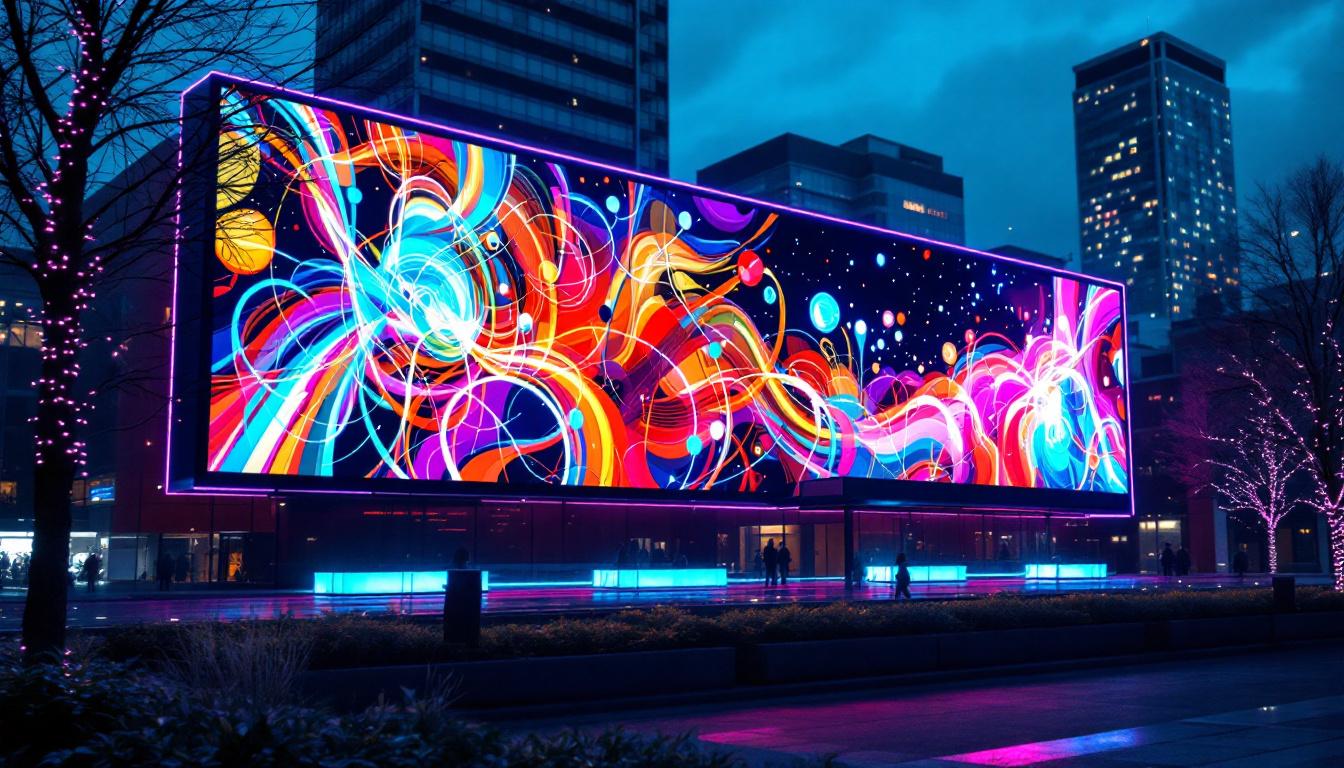
In the bustling city of Portland, Oregon, the Plasma Center stands out not only for its critical role in healthcare but also for its innovative use of technology to enhance communication and engagement. One of the most eye-catching features of the Plasma Center is its LED display system. This article explores the ins and outs of LED displays, focusing on their application at the Plasma Center in Portland, Oregon, and why they are integral to modern medical facilities.
Understanding LED Display Technology
What is an LED Display?
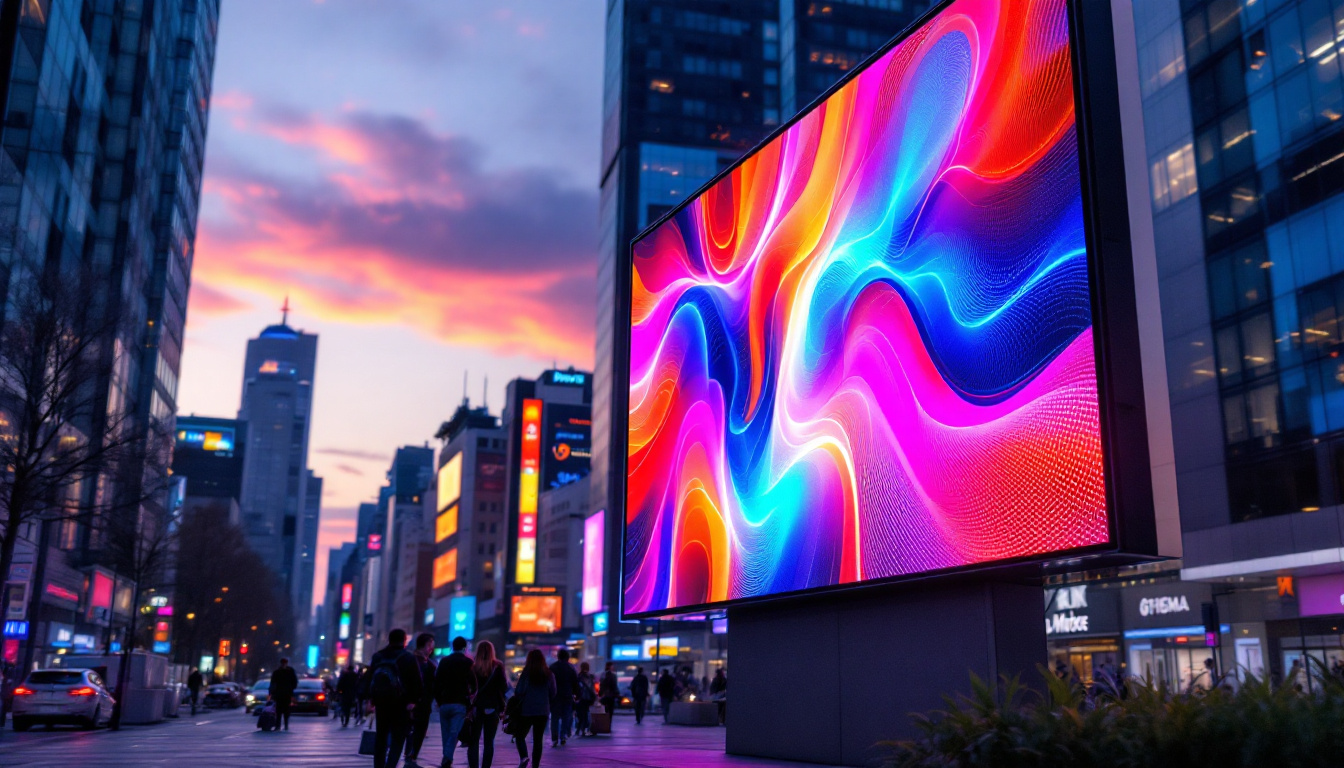
LED, or Light Emitting Diode, displays are screens composed of numerous tiny light-emitting diodes that produce bright, vivid images. Unlike traditional LCD or plasma screens, LED displays use these diodes as individual pixels, which allows for greater brightness, energy efficiency, and durability. This technology is widely used in various sectors, from advertising billboards to stadium screens, and increasingly in healthcare environments. The compact size of LEDs also enables the creation of ultra-thin displays, which can be seamlessly integrated into architectural designs, enhancing both aesthetics and functionality.
How Do LED Displays Work?
Each LED pixel emits light when an electric current passes through it. By controlling the intensity and color of each diode, the display creates a full-color image. The modular nature of LED panels means they can be assembled into various sizes and shapes, making them highly versatile. This adaptability is particularly useful in places like the Plasma Center, where the display needs to be visible from different angles and distances. Additionally, advancements in technology have led to the development of smart LED displays that can adjust their brightness based on ambient light conditions, ensuring optimal visibility at all times.
Advantages of LED Displays Over Other Technologies
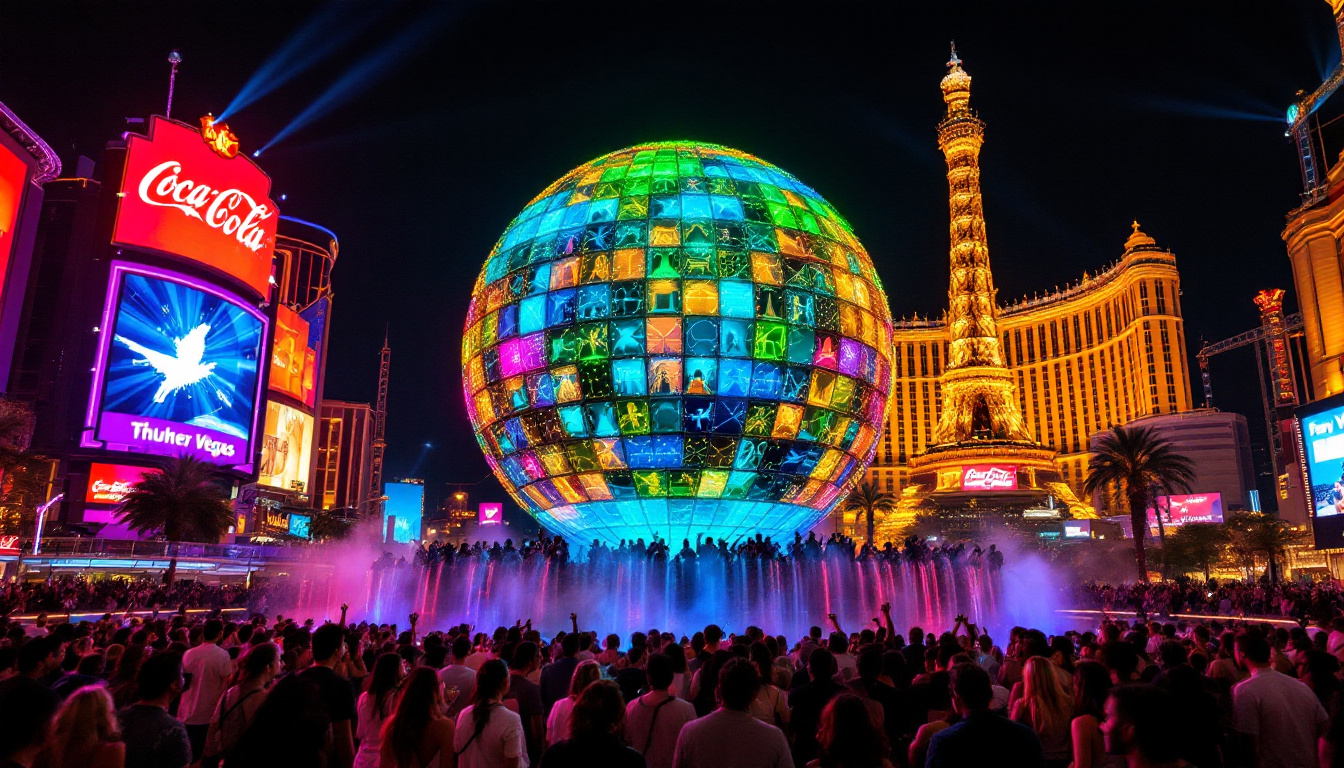
Compared to LCD and plasma screens, LED displays offer superior brightness, which is crucial for visibility in well-lit environments. They also consume less power, generate less heat, and have a longer lifespan. These factors make LED displays a cost-effective and environmentally friendly choice for facilities that require continuous operation, such as medical centers. Furthermore, LED displays have a faster refresh rate, which reduces motion blur and enhances the viewing experience, particularly in dynamic environments like sports arenas or concert venues. This capability allows for smoother transitions and clearer images, making LED technology the preferred choice for high-energy applications.
The Role of LED Displays at the Plasma Center in Portland
Enhancing Donor Experience Through Clear Communication
The Plasma Center in Portland relies on LED displays to communicate important information to donors and staff efficiently. From displaying wait times and appointment schedules to sharing educational content about plasma donation, these screens help streamline the donor experience. Clear, real-time updates reduce confusion and improve overall satisfaction, which is vital in encouraging repeat donations. Moreover, the use of vibrant visuals and engaging animations on these displays captures the attention of donors, making the information more memorable and impactful. This not only enhances the immediate experience but also fosters a sense of community and involvement among donors, who feel more connected to the cause.
Promoting Health and Safety Protocols
In the wake of the COVID-19 pandemic, health and safety protocols have become more critical than ever. The Plasma Center uses LED displays to broadcast safety guidelines, such as mask-wearing, social distancing, and hand hygiene reminders. This dynamic communication tool ensures that visitors are constantly informed about the latest protocols, helping to maintain a safe environment for everyone. Additionally, the screens can feature testimonials from donors who have successfully navigated the donation process during these challenging times, reinforcing the message that safety is a priority and encouraging others to participate in plasma donation with confidence.
Supporting Staff Operations and Training
Beyond donor communication, LED displays assist staff by providing real-time operational data and training materials. For example, during peak hours, the display can show donor flow statistics, helping staff manage resources more effectively. Additionally, training videos and updates can be broadcast on these screens, ensuring that employees remain informed and prepared without interrupting their workflow. This capability not only enhances efficiency but also promotes a culture of continuous learning within the organization. Staff members can quickly access important updates or refresh their skills on best practices, which ultimately leads to improved service delivery and a more knowledgeable workforce.
Engaging the Community and Building Awareness
LED displays at the Plasma Center also serve as a vital tool for community engagement and awareness-building. By showcasing upcoming events, donation drives, and community partnerships, these screens help foster a sense of involvement and encourage local participation. For instance, when the center collaborates with local businesses or organizations for special donation events, the LED displays can highlight these partnerships, inviting the community to join in and support the cause. This not only increases foot traffic but also strengthens the center’s ties with the community, creating a network of support that benefits both donors and the center itself.
Showcasing Success Stories and Impact
Another significant advantage of using LED displays is the ability to share success stories and the impact of plasma donations. By featuring real-life testimonials from recipients of plasma therapy, the center can illustrate the profound difference that donations make in the lives of individuals facing health challenges. These narratives not only inspire current donors but also motivate potential donors to contribute, knowing that their efforts can lead to tangible, life-changing outcomes. The emotional connection created through these stories can be a powerful motivator, reinforcing the importance of plasma donation and the role it plays in saving lives.
Technical Specifications and Installation Considerations
Choosing the Right LED Display for the Plasma Center
Selecting an appropriate LED display involves considering factors such as pixel pitch, resolution, brightness, and size. The Plasma Center opted for a high-resolution display with a pixel pitch that balances clarity and viewing distance, ensuring that text and images are easily readable from various points within the facility. Brightness levels were calibrated to overcome ambient lighting without causing glare.
Installation Challenges and Solutions
Installing an LED display in a medical environment comes with unique challenges. The Plasma Center had to ensure that the display did not interfere with sensitive medical equipment and complied with health and safety regulations. The installation team used non-invasive mounting techniques and integrated the display’s electrical systems with the center’s infrastructure to maintain uninterrupted operation.
Maintenance and Longevity
Maintaining the LED display is crucial for consistent performance. The Plasma Center follows a routine maintenance schedule that includes cleaning, software updates, and hardware inspections. LED technology’s inherent durability reduces the frequency of repairs, but proactive maintenance ensures that the display remains reliable and visually appealing over time.
Impact of LED Displays on Plasma Donation Awareness and Community Engagement
Raising Awareness Through Dynamic Content
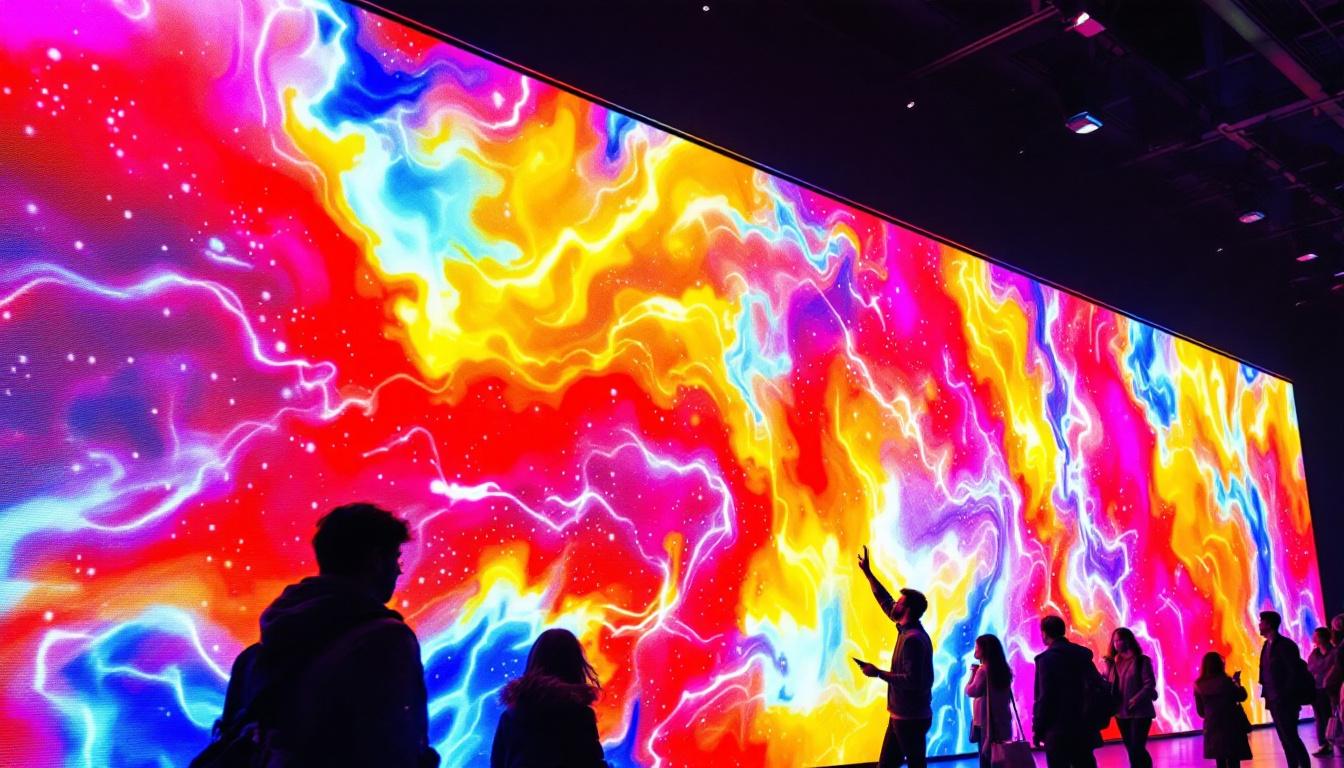
One of the most significant benefits of the LED display at the Plasma Center is its ability to showcase dynamic content that educates the public about plasma donation. Videos, infographics, and donor testimonials can be rotated to keep the messaging fresh and engaging. This continuous flow of information helps dispel myths, highlights the importance of plasma donation, and motivates community members to participate.
Engaging the Local Community
Portland’s Plasma Center leverages its LED display to connect with the local community by promoting upcoming events, donation drives, and partnerships with local organizations. This visibility fosters a sense of community involvement and encourages a culture of giving. The display also serves as a platform for recognizing frequent donors and volunteers, reinforcing positive engagement.
Measuring Effectiveness Through Donor Feedback
To assess the impact of the LED display, the Plasma Center collects donor feedback regarding the clarity and usefulness of the information presented. Surveys and informal conversations indicate that donors appreciate the real-time updates and educational content, which contribute to a more informed and comfortable donation experience. This feedback loop helps the center continually refine its communication strategy.
The Future of LED Displays in Healthcare Facilities
Integration with Smart Technologies
As technology advances, LED displays are becoming smarter and more interactive. The Plasma Center is exploring integrations with touchscreens and mobile apps to create a more personalized donor experience. For example, donors could check in via a touchscreen kiosk linked to the LED display, which then provides tailored information and directions.
Energy Efficiency and Sustainability
With growing emphasis on sustainability, LED displays are being designed to consume even less power and use eco-friendly materials. The Plasma Center’s commitment to green practices aligns with these developments, ensuring that their technology investments support broader environmental goals.
Expanding Beyond the Plasma Center
The success of LED displays at the Plasma Center has inspired other healthcare facilities in Portland and beyond to adopt similar technologies. From hospitals to clinics, LED displays are becoming essential tools for enhancing communication, improving patient experience, and supporting operational efficiency.
Conclusion
The Plasma Center in Portland, Oregon, exemplifies how LED display technology can transform healthcare communication. By providing clear, dynamic, and engaging information, these displays improve donor experiences, promote health and safety, and foster community involvement. As LED technology continues to evolve, its role in healthcare settings is poised to expand, offering even greater benefits to patients, staff, and the wider community.
For those interested in the intersection of healthcare and technology, the Plasma Center’s LED display system offers a compelling case study in innovation and practical application. It highlights how thoughtful integration of modern technology can enhance both operational efficiency and human connection in critical healthcare environments.
Discover LumenMatrix LED Display Solutions
Ready to elevate your healthcare facility’s communication and engagement? Explore LumenMatrix’s wide range of innovative LED display technologies, designed to captivate and inform. From Indoor and Outdoor LED Wall Displays to specialized solutions like Vehicle LED Displays and LED Sports Displays, LumenMatrix offers the tools you need to create immersive visual experiences. Embrace the future of visual communication with our All-in-One LED Displays, LED Transparent Displays, and more. Check out LumenMatrix LED Display Solutions today and transform your space into a dynamic environment that resonates with staff, patients, and the community.