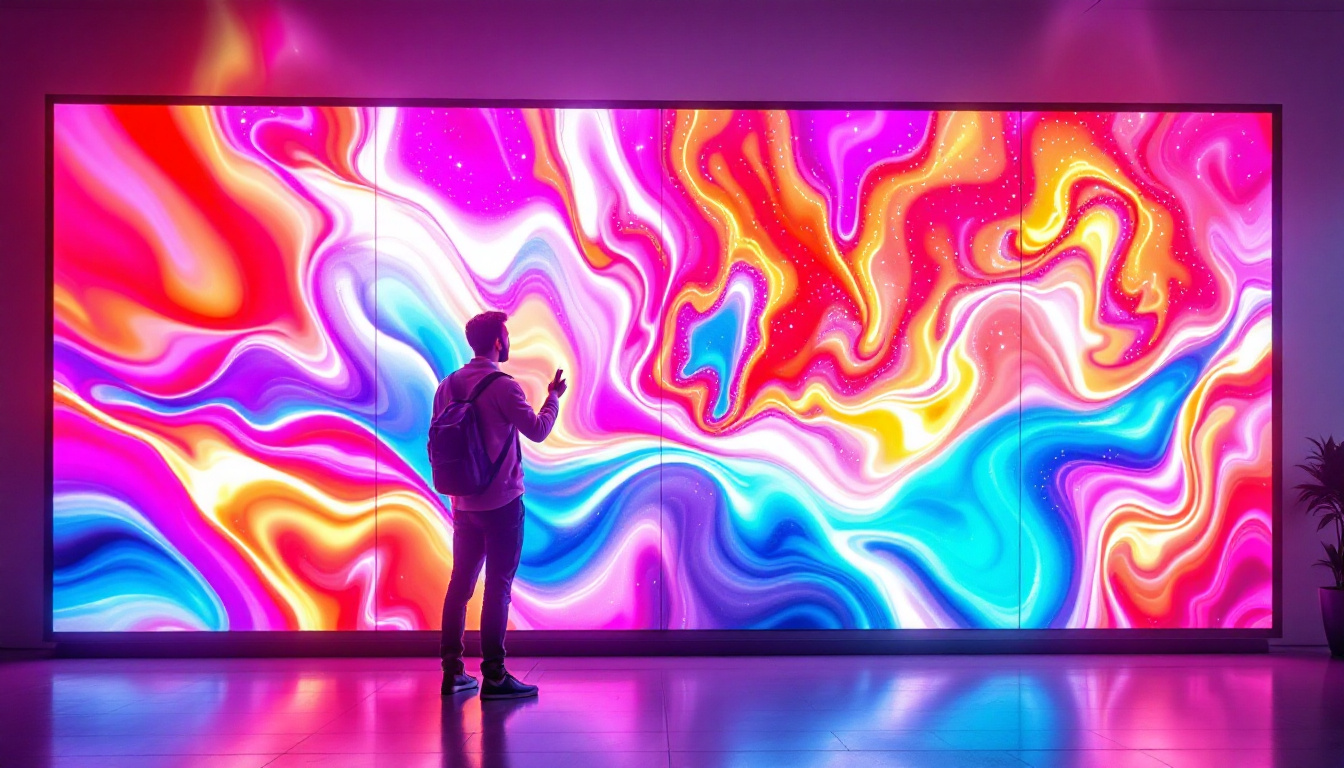
In today’s fast-paced digital world, the demand for high-quality visual displays has never been greater. From corporate boardrooms and retail environments to stadiums and broadcast studios, professional displays play a pivotal role in communication and engagement. Among the various display technologies available, LED displays stand out as a leading choice for professional applications. This article delves deep into the world of LED displays, explaining their technology, advantages, types, and why they are considered the best professional display solution in many industries.
Understanding LED Display Technology
LED, or Light Emitting Diode, displays use tiny semiconductor devices that emit light when an electric current passes through them. Unlike traditional LCD or plasma screens that rely on backlighting or gas plasma, LED displays produce their own light, resulting in superior brightness and contrast.
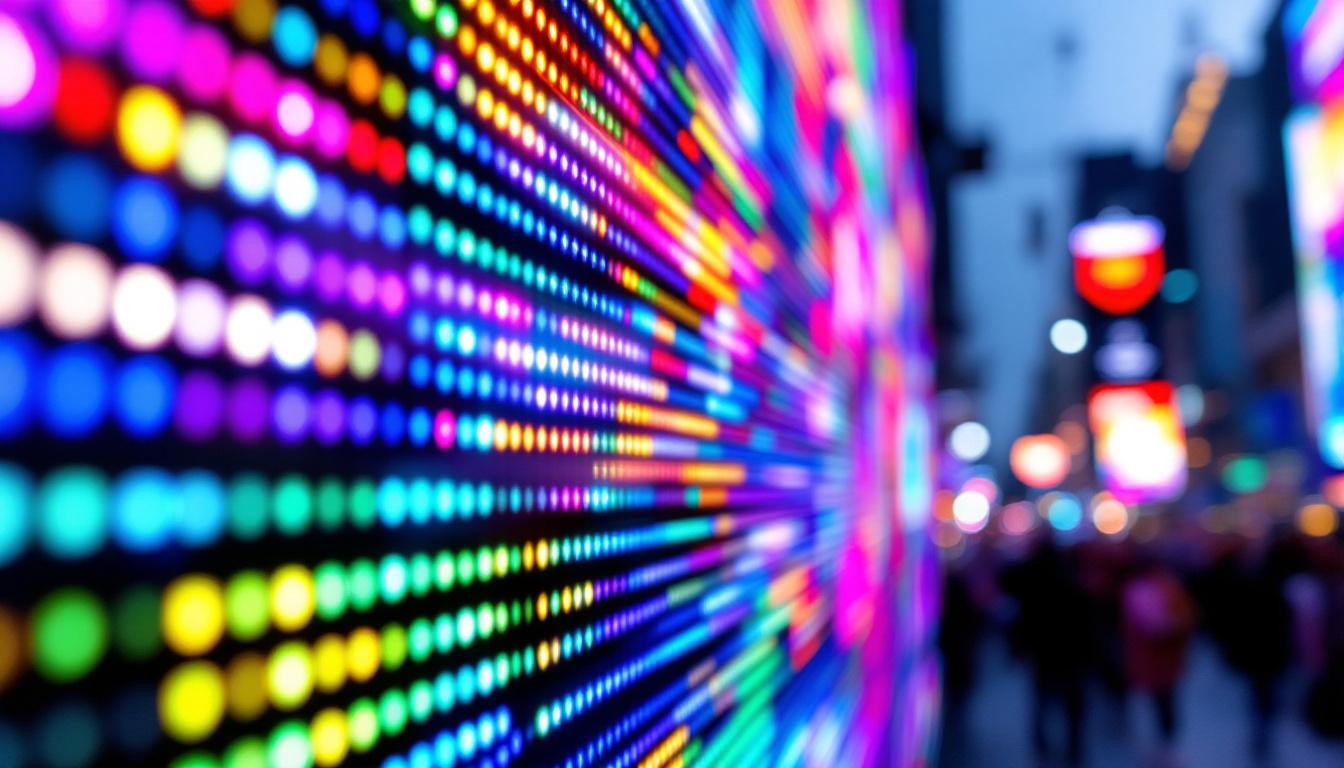
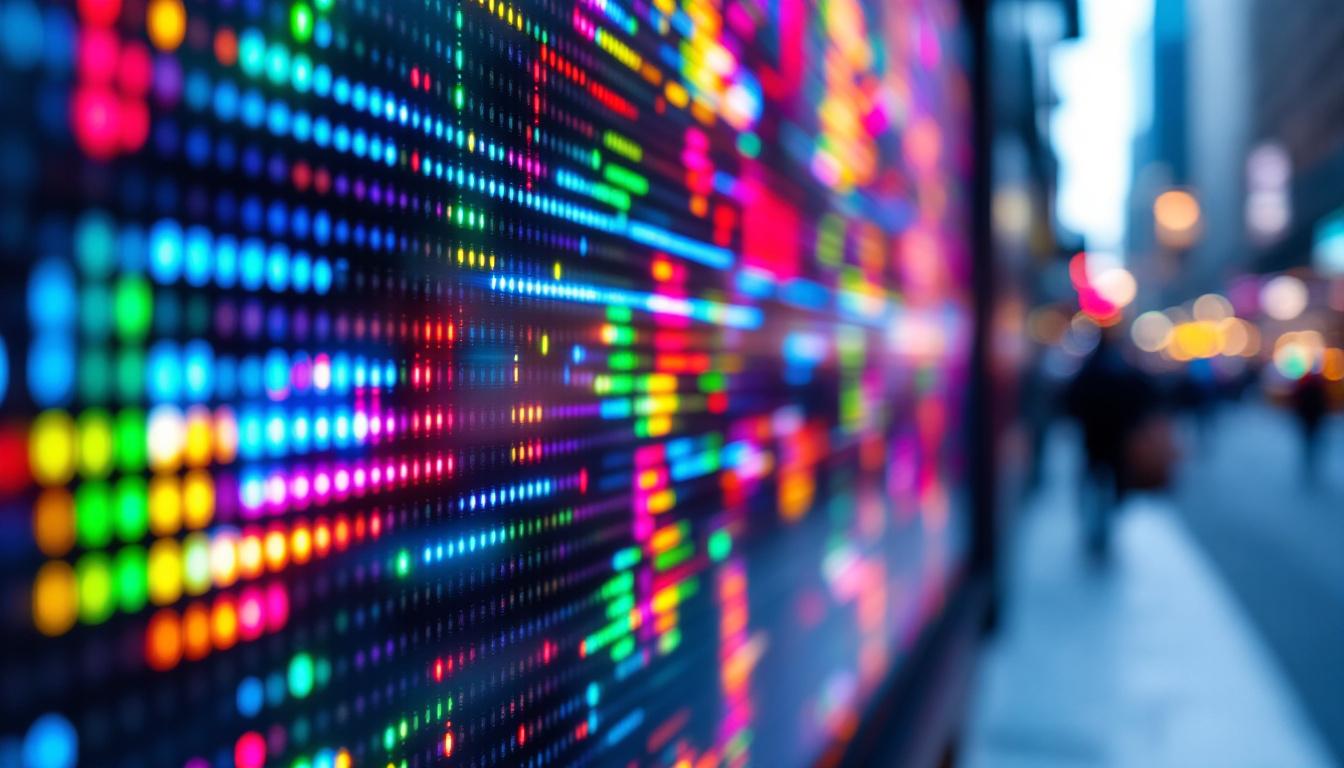
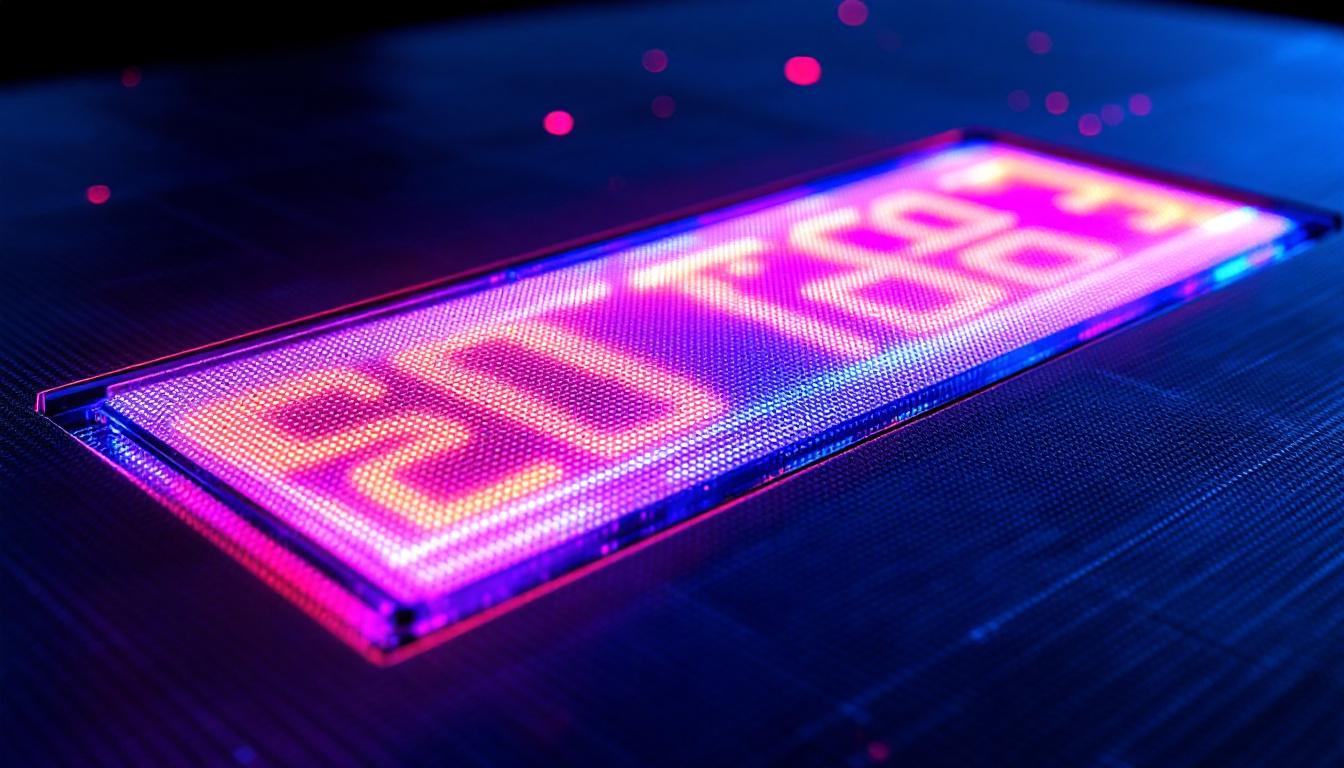
At the core of LED display technology are individual pixels made up of red, green, and blue diodes. By adjusting the intensity of each diode, these pixels can produce a wide spectrum of colors, creating vibrant and dynamic images. The modular nature of LED panels allows for scalable screen sizes, from small indoor displays to massive outdoor video walls.
How LED Displays Differ from Other Technologies
Compared to LCD (Liquid Crystal Display) and OLED (Organic Light Emitting Diode) technologies, LED displays offer several unique benefits. While LCDs rely on backlighting, often resulting in lower contrast ratios and limited viewing angles, LEDs emit light directly, delivering deeper blacks and more vivid colors. OLEDs, although excellent for contrast and color accuracy, are generally more expensive and less suited for large-scale installations due to their size and lifespan limitations.
LED displays also excel in brightness, making them ideal for environments with high ambient light, such as outdoor advertising or stadiums. Their durability and energy efficiency further enhance their appeal for professional use.
Types of LED Displays for Professional Use
LED display technology is versatile, encompassing several types designed to meet different professional needs. Understanding these types helps businesses select the best solution for their specific applications.
Indoor LED Displays
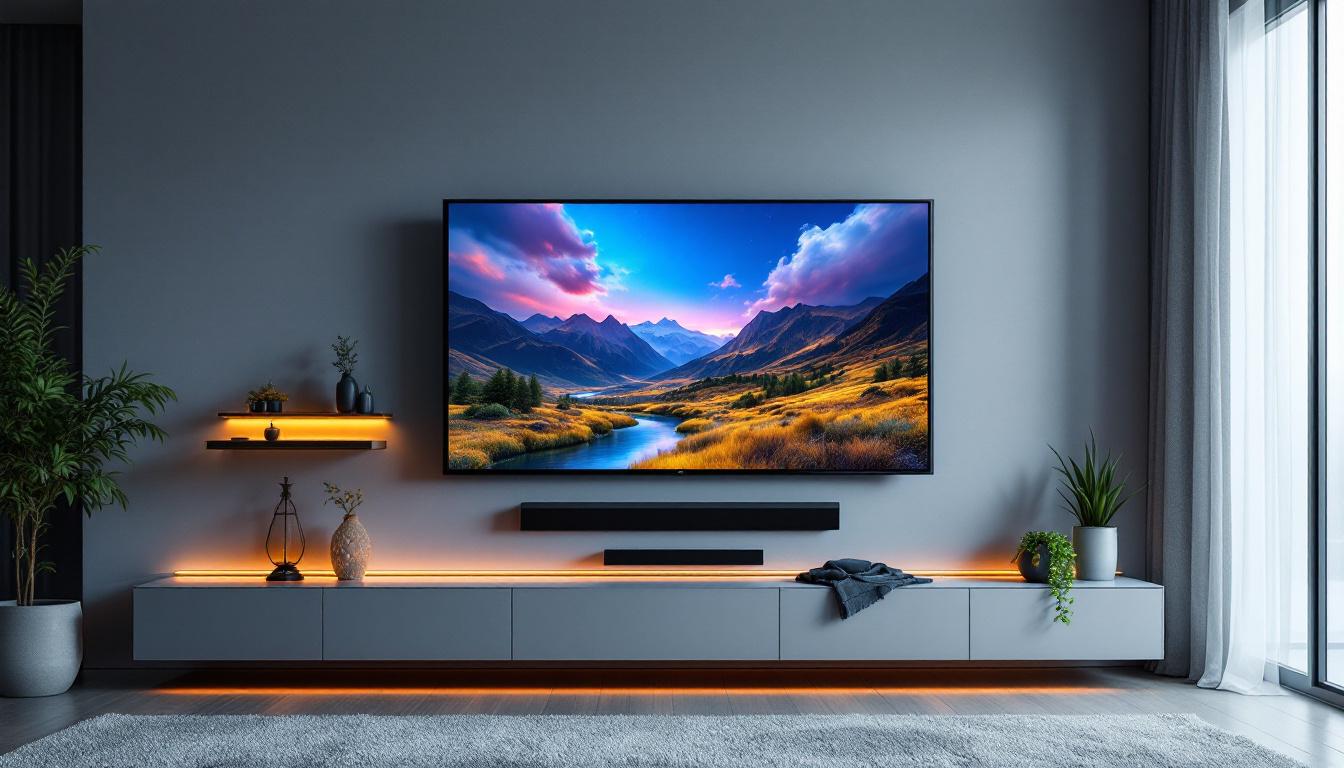
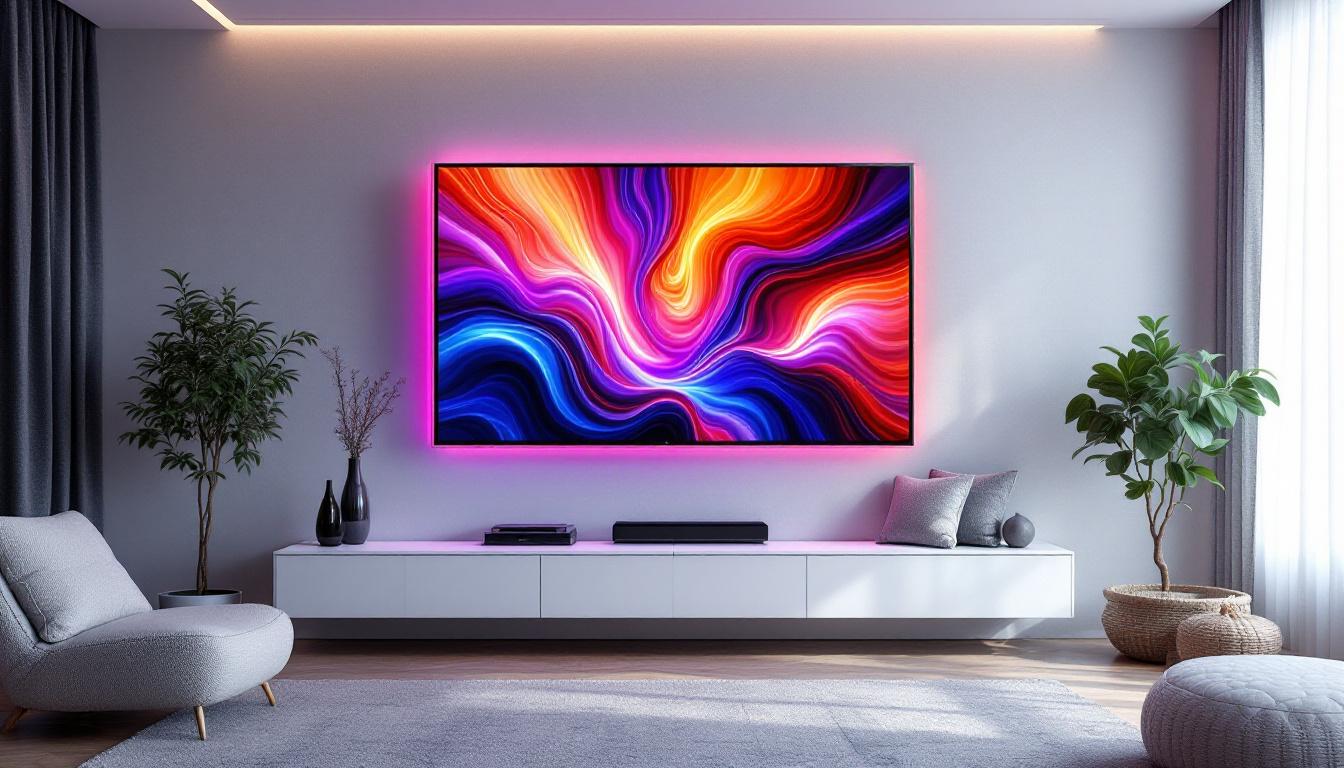
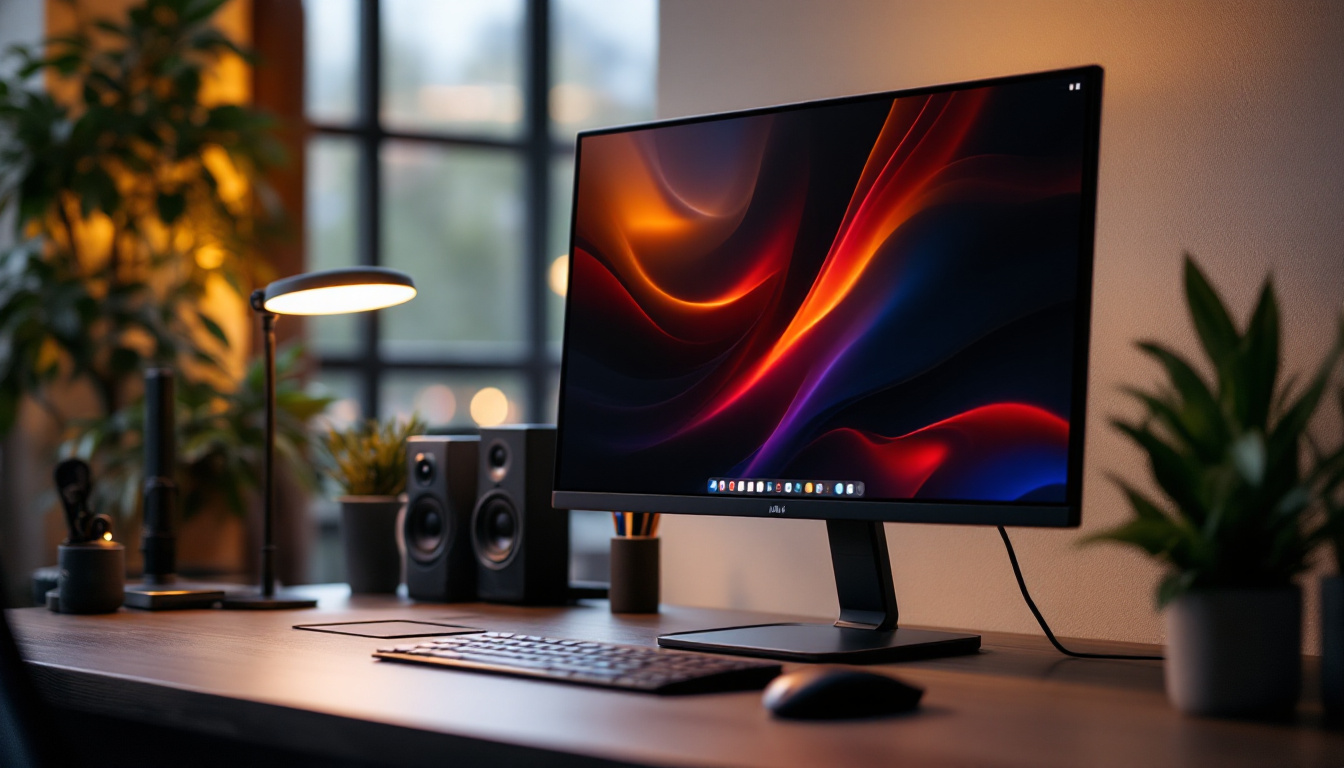
Indoor LED displays are designed for environments like conference rooms, retail stores, and control centers where ambient lighting is controlled. These displays typically have a pixel pitch ranging from 0.9mm to 4mm, allowing for high-resolution images even at close viewing distances.
The fine pixel pitch ensures crisp text and detailed graphics, making indoor LED displays perfect for presentations, digital signage, and interactive installations. Additionally, indoor LED panels are lighter and thinner, facilitating easier installation and integration into existing infrastructure.
Outdoor LED Displays
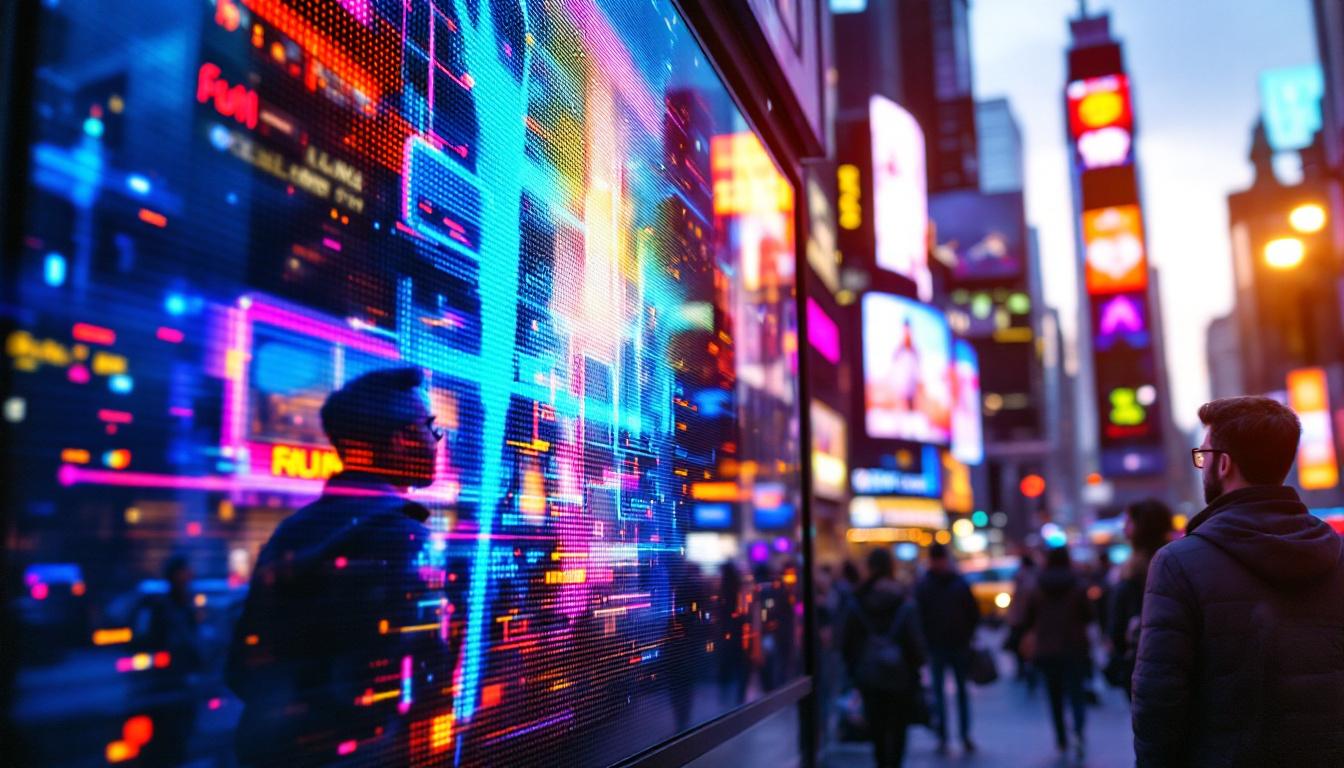
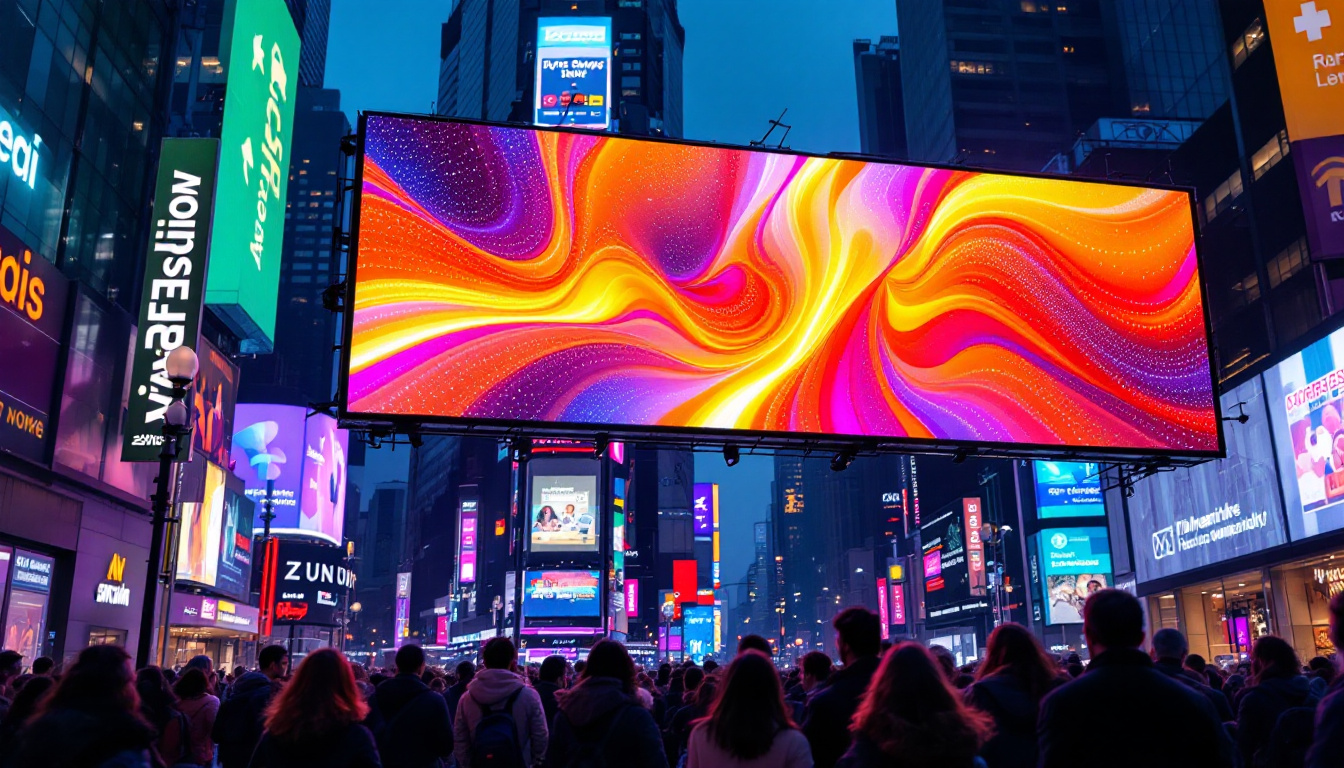
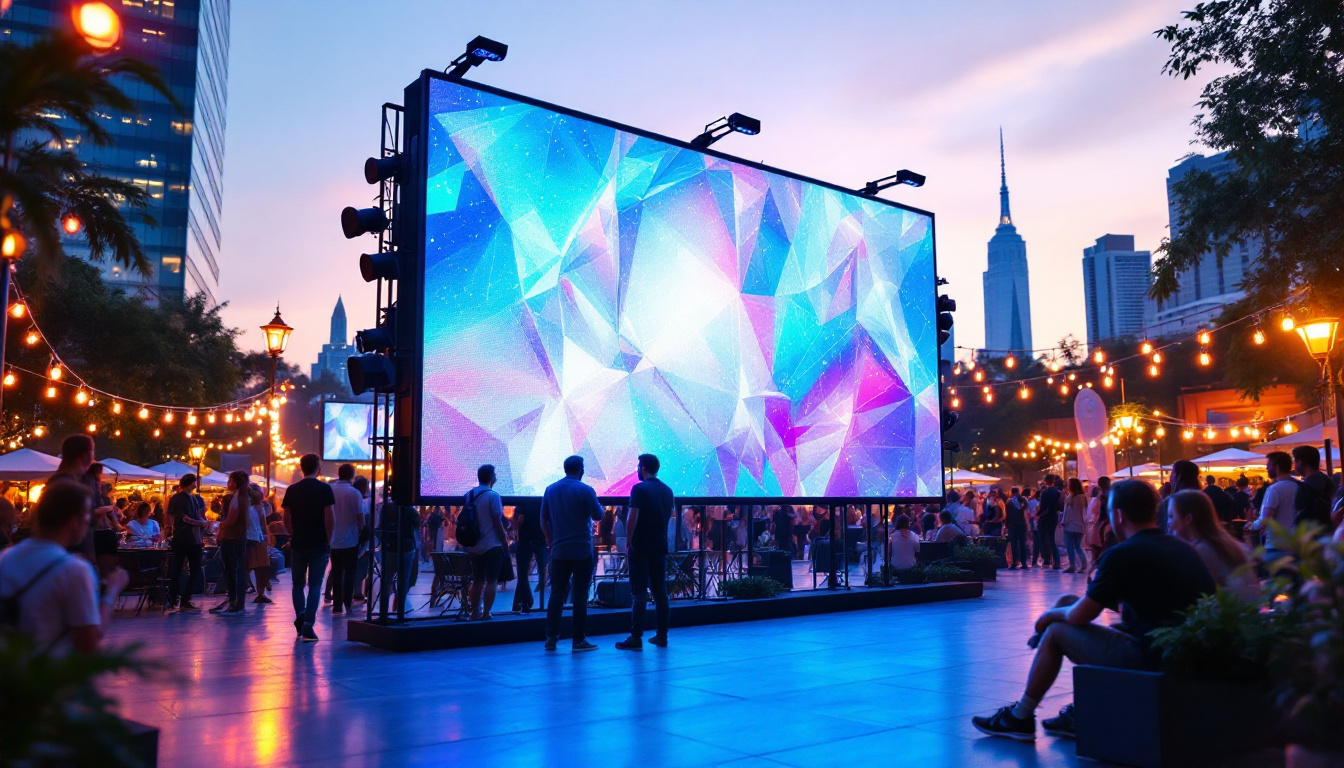
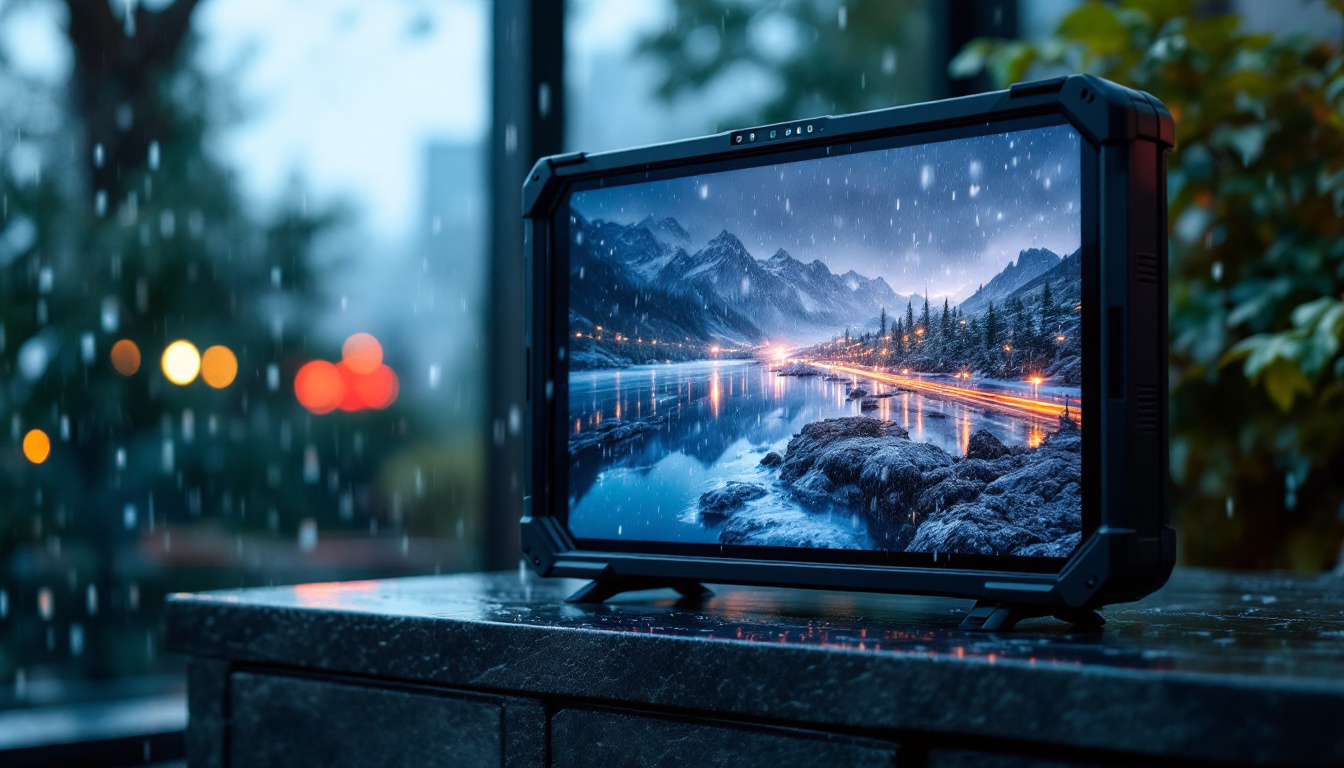
Outdoor LED displays are built to withstand harsh weather conditions, including rain, wind, and extreme temperatures. They feature a larger pixel pitch, commonly between 4mm and 20mm, which suits longer viewing distances typical of billboards, stadium screens, and transportation hubs.
Brightness is a critical factor for outdoor displays, with many models offering brightness levels exceeding 5,000 nits to ensure visibility even in direct sunlight. Robust casing and waterproof designs ensure durability and longevity, making outdoor LED displays a reliable choice for advertising and public information.
Transparent LED Displays
Emerging as a popular innovation, transparent LED displays combine visibility and display functionality. These screens allow light to pass through, enabling them to be installed on glass surfaces without obstructing views.
Transparent LED displays are widely used in retail storefronts and architectural applications where maintaining natural light and visibility is essential. They offer a unique way to deliver dynamic content without compromising aesthetics or space.
Key Advantages of LED Displays in Professional Settings
LED displays offer numerous benefits that make them the preferred choice for professional environments. These advantages extend beyond image quality, impacting operational efficiency and user experience.
Superior Image Quality and Brightness
One of the most significant advantages of LED displays is their exceptional image quality. With high contrast ratios and vibrant color reproduction, LED screens deliver visuals that captivate audiences. Brightness levels can reach up to 10,000 nits or more, ensuring clear visibility in various lighting conditions.
This brightness advantage is particularly important for outdoor and large venue applications, where ambient light can otherwise wash out images on less capable displays.
Energy Efficiency and Longevity
LED technology is inherently energy-efficient compared to traditional lighting and display technologies. Professional LED displays consume less power, reducing operational costs, especially for installations that run continuously.
Moreover, LEDs have a long lifespan, often rated at 50,000 to 100,000 hours of operation. This durability minimizes maintenance and replacement expenses, making LED displays a cost-effective investment over time.
Scalability and Flexibility
LED displays are modular, meaning they can be assembled from multiple panels to create virtually any screen size or shape. This scalability allows businesses to customize displays to fit unique spaces and requirements, from small digital signs to massive video walls.
The flexibility extends to content management, with advanced control systems enabling seamless integration of multimedia content, real-time data, and interactive features.
Robustness and Reliability
Professional LED displays are built to endure demanding environments. Outdoor models are weatherproof and resistant to dust and impact, while indoor units are designed for continuous operation without degradation in performance.
This reliability is crucial for applications such as transportation hubs, emergency response centers, and live event venues where display failure can disrupt communication and operations.
Applications of LED Displays Across Industries
The versatility and performance of LED displays have led to widespread adoption across various professional sectors. Here are some of the most prominent applications.
Corporate and Conference Environments
In corporate settings, LED displays enhance presentations, video conferencing, and digital signage. Their high resolution and brightness ensure that content is clear and engaging, even in large meeting rooms or auditoriums.
Companies use LED video walls to create immersive environments for product launches, training sessions, and executive briefings, improving communication effectiveness.
Retail and Advertising
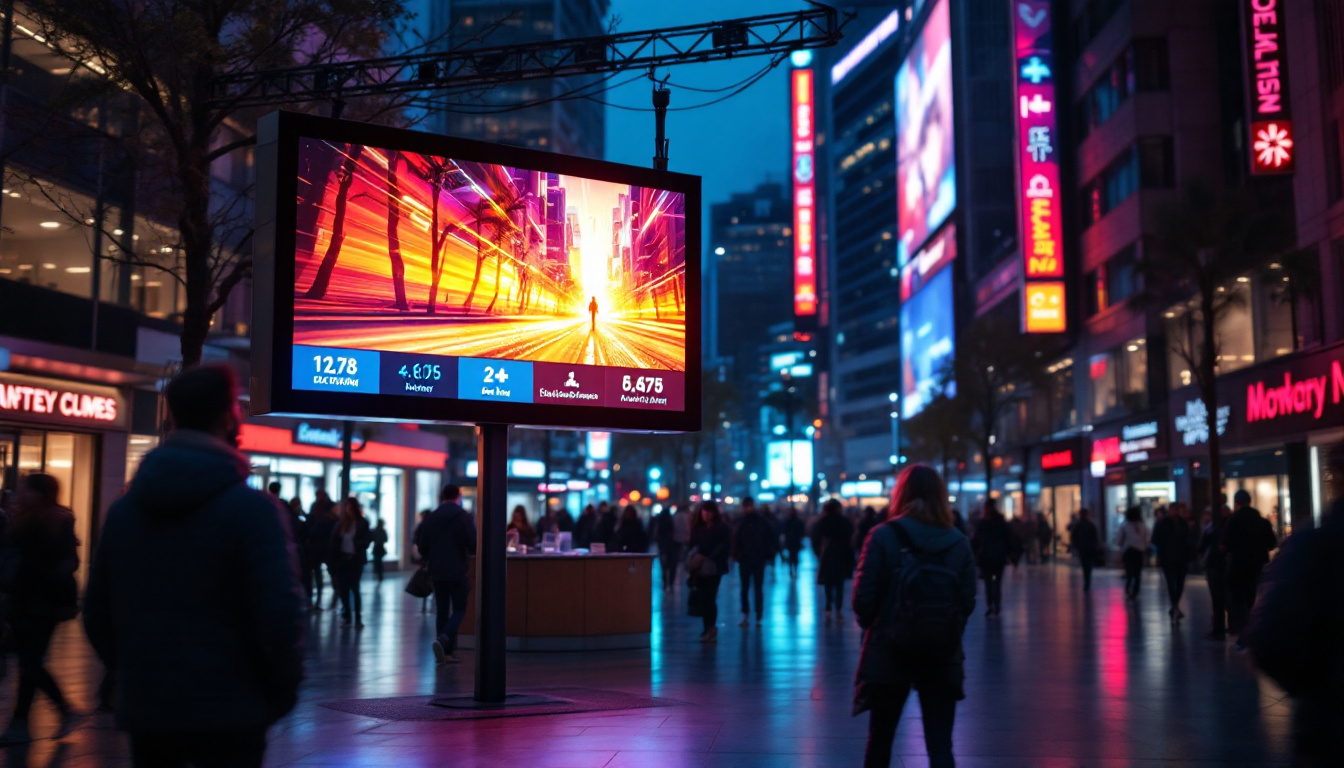
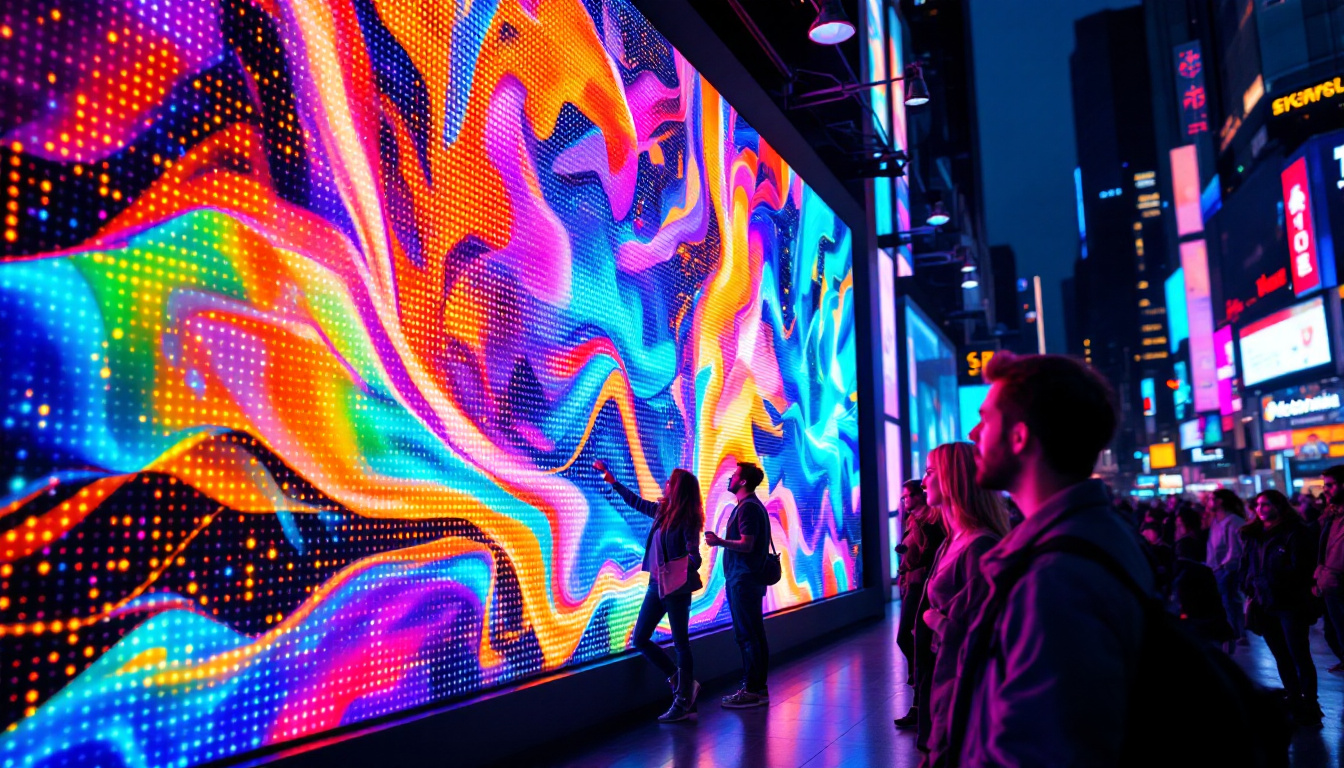
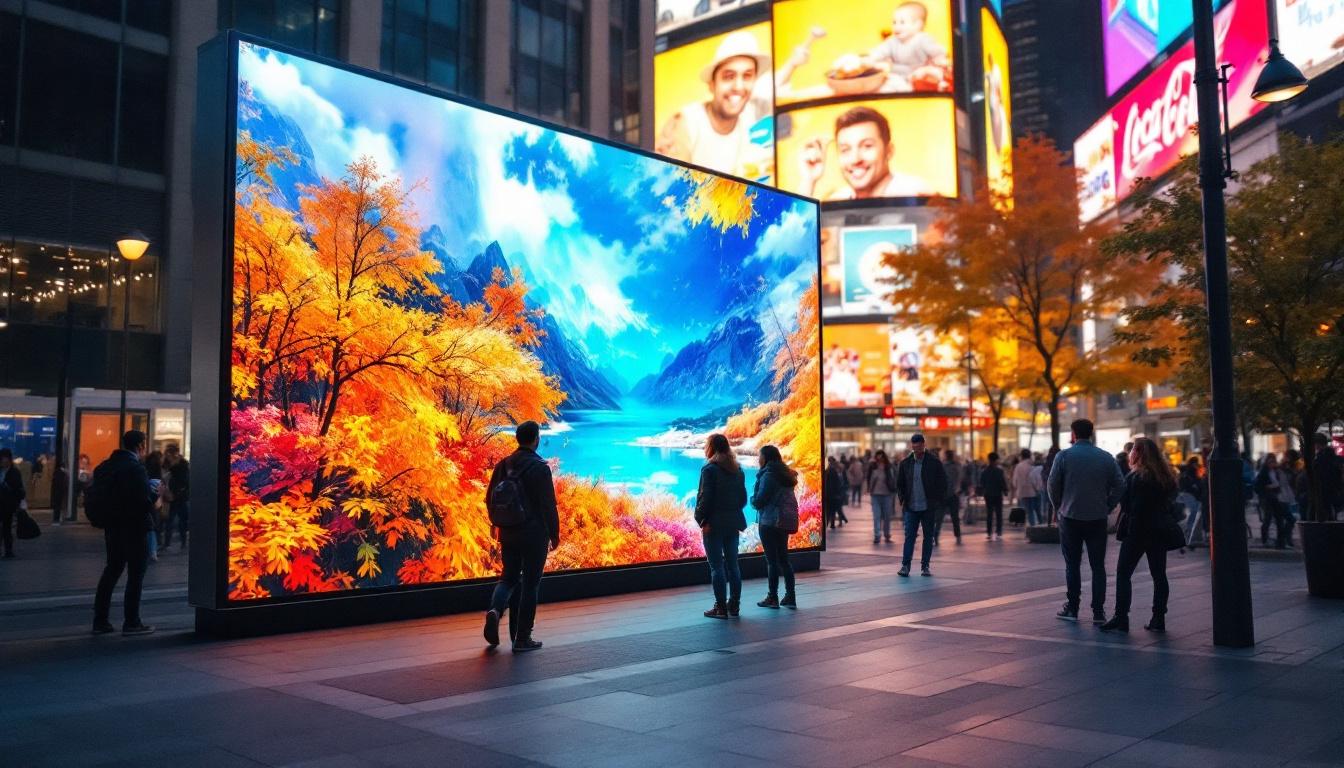
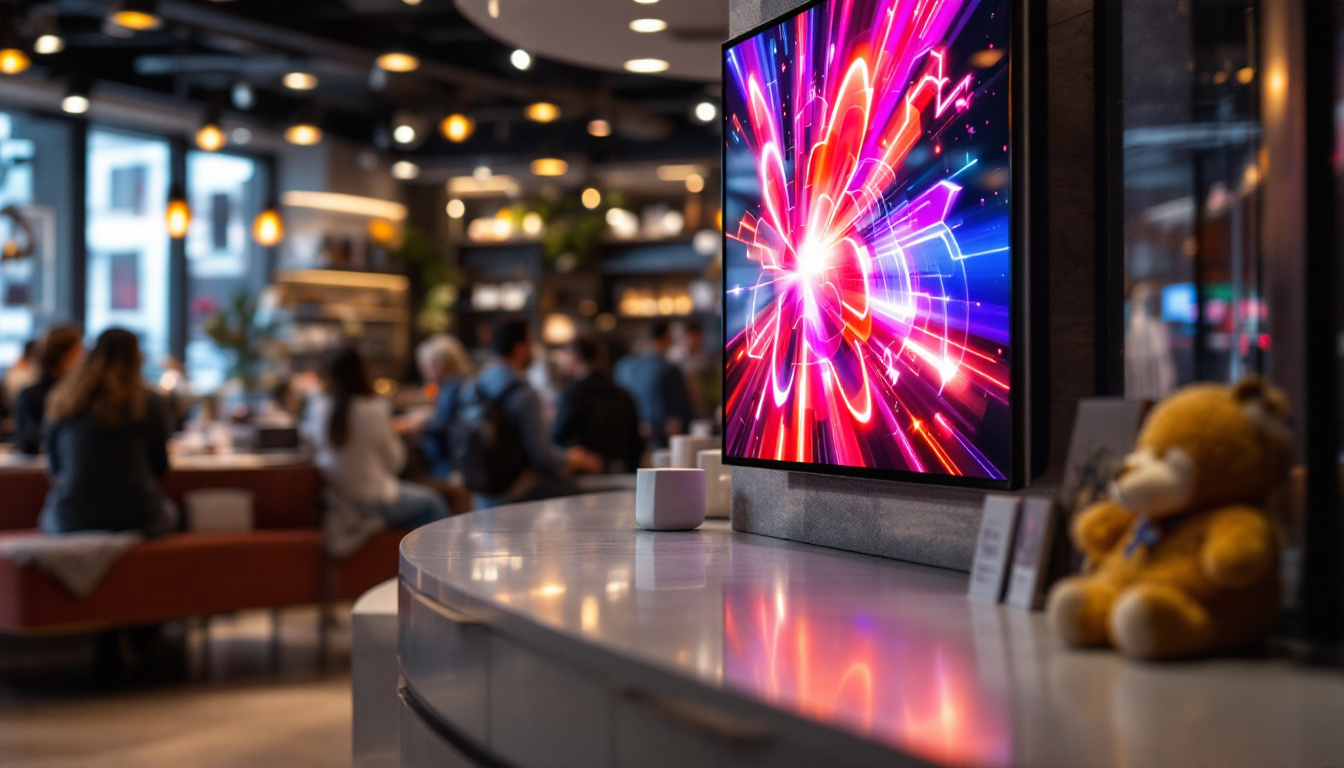
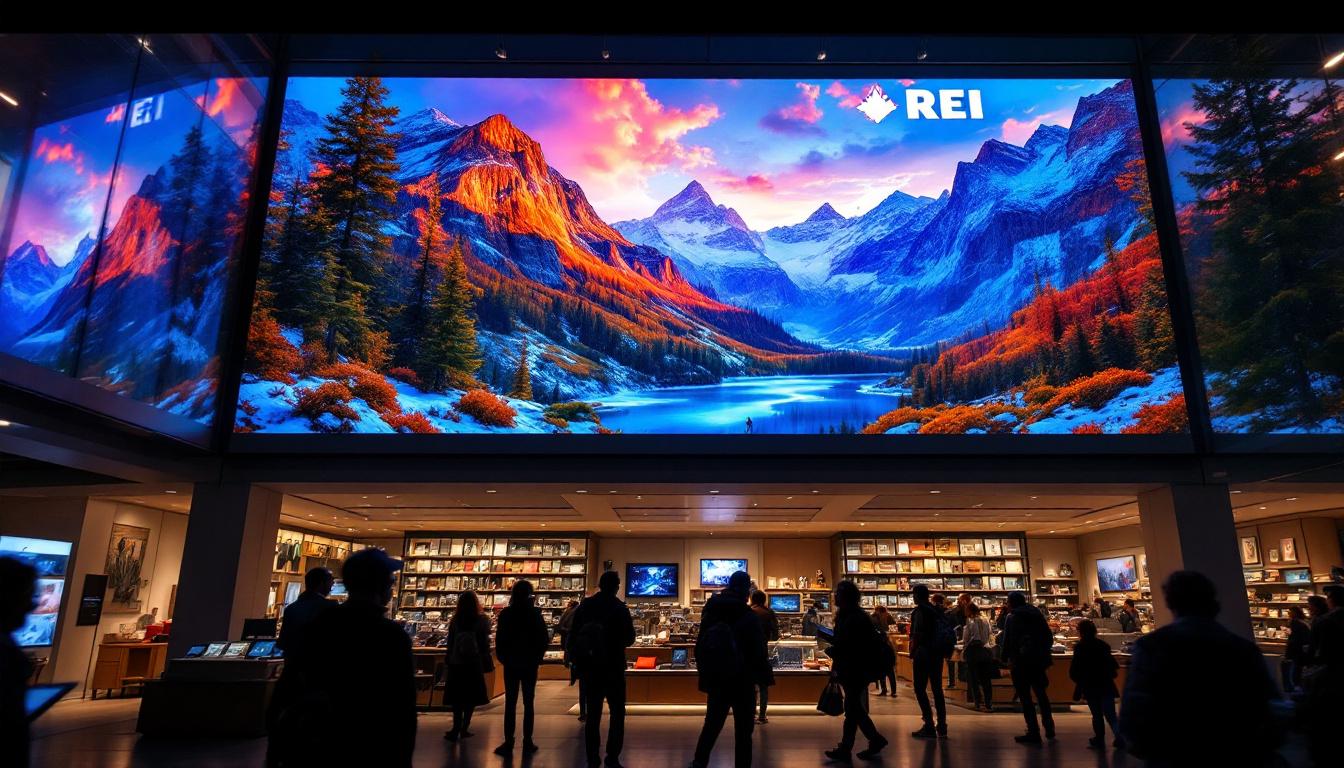
Retailers leverage LED displays to capture customer attention with dynamic advertisements and promotional content. Indoor LED screens create engaging in-store experiences, while outdoor LED billboards deliver impactful messages to passing traffic.
With the ability to update content remotely and instantly, LED displays offer unparalleled flexibility for marketing campaigns and brand messaging.
Sports and Entertainment Venues
Stadiums and arenas depend on large-scale LED displays to deliver live game footage, replays, and interactive content to thousands of spectators. The high brightness and durability of LED screens make them ideal for outdoor venues exposed to sunlight and weather.
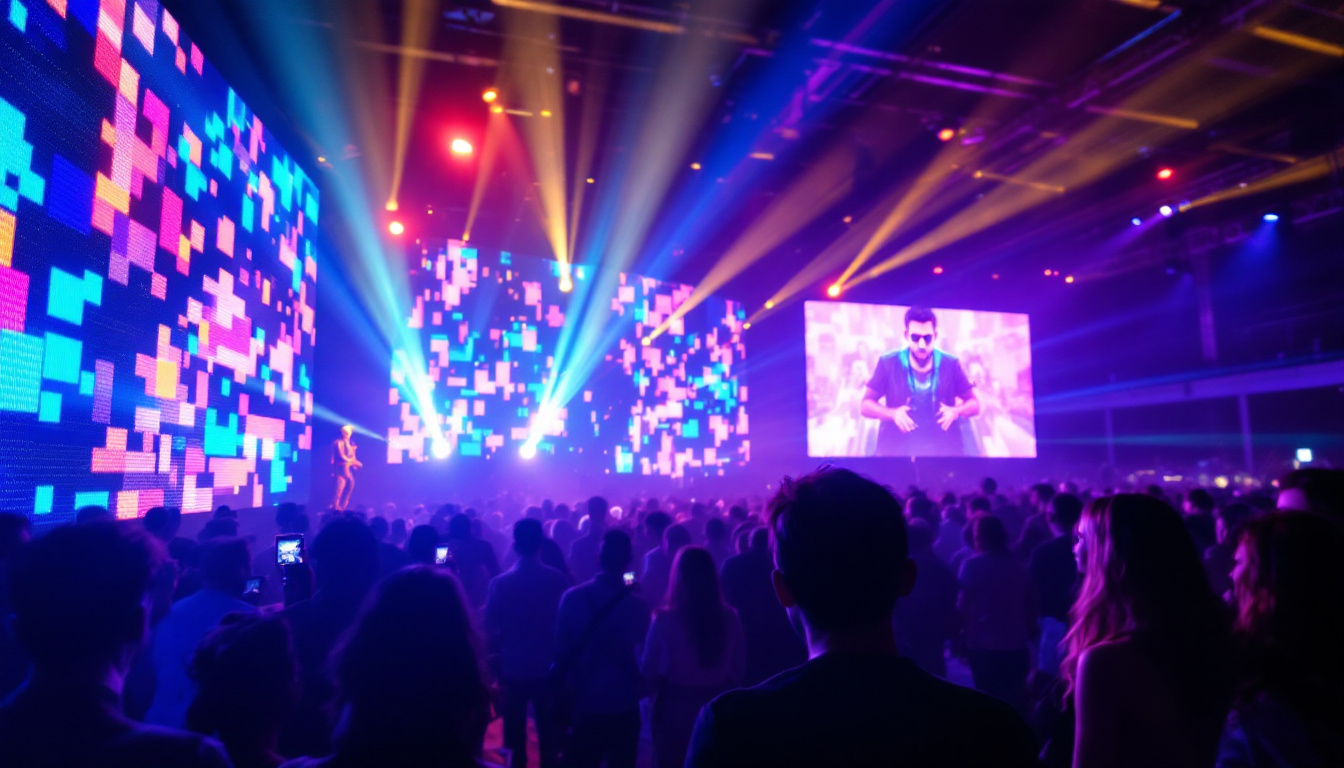
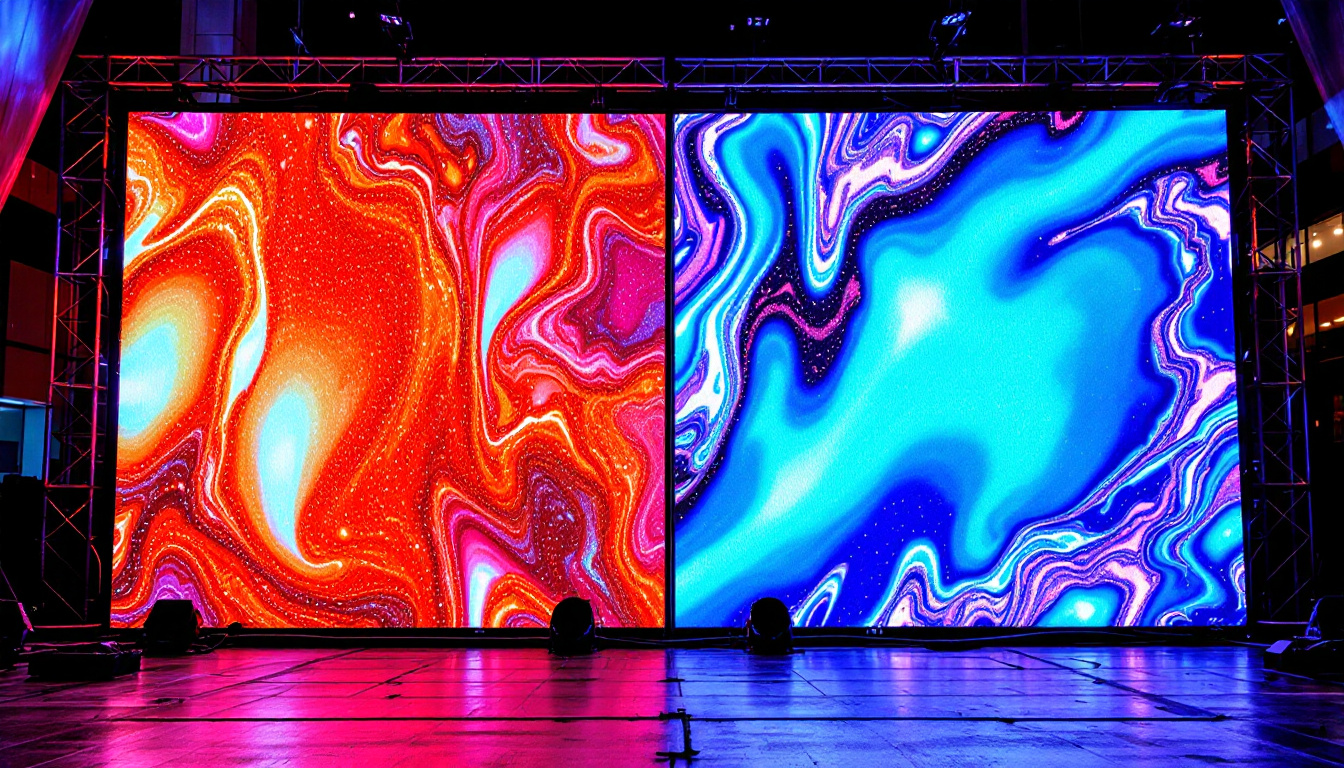
Concerts and events also utilize LED walls for stage backdrops and immersive visual effects, enhancing audience engagement and overall experience.
Broadcast and Control Rooms
Broadcast studios use LED video walls for dynamic backgrounds and real-time graphics, improving the visual appeal of news and entertainment programs. Control rooms benefit from LED displays for monitoring and managing complex operations, where clarity and reliability are paramount.
Choosing the Best Professional LED Display
Selecting the right LED display involves considering several factors to ensure it meets the specific needs of the application.
Pixel Pitch and Resolution
Pixel pitch, the distance between individual LED pixels, directly affects image resolution and viewing distance. Smaller pixel pitches (below 2mm) are suitable for close viewing, such as indoor installations, while larger pitches (above 4mm) are better for outdoor or distant viewing.
Understanding the typical viewing distance and content requirements helps determine the optimal pixel pitch for a given project.
Brightness and Contrast
Brightness requirements vary depending on the installation environment. Outdoor displays need higher brightness levels to combat sunlight, whereas indoor displays can operate effectively at lower brightness.
Contrast ratio impacts image depth and clarity, with higher contrast delivering richer visuals. Choosing displays with high contrast ratios enhances overall image quality.
Durability and Maintenance
For outdoor and high-usage environments, durability is critical. Look for displays with weatherproof ratings (such as IP65 or higher) and robust construction to ensure longevity.
Ease of maintenance, including front-serviceable modules and remote monitoring capabilities, reduces downtime and operational costs.
Control Systems and Software
Advanced control systems enable seamless content management across multiple displays. Features like real-time content updates, scheduling, and integration with external data sources enhance the functionality of LED displays.
Choosing compatible and user-friendly software simplifies operation and maximizes the display’s potential.
Future Trends in LED Display Technology
As technology evolves, LED displays continue to advance, offering new capabilities and applications.
MicroLED and MiniLED Innovations
MicroLED and MiniLED technologies represent the next generation of LED displays. MicroLEDs feature even smaller diodes, enabling ultra-high resolution and improved energy efficiency. These displays promise better color accuracy and longer lifespans, suitable for premium professional applications.
MiniLEDs enhance backlighting for LCD screens, improving contrast and brightness, bridging the gap between traditional LED and OLED technologies.
Flexible and Curved LED Displays
Flexible LED panels allow for curved and irregularly shaped displays, expanding design possibilities. This innovation is gaining traction in retail, entertainment, and architectural installations, where unique visual experiences are desired.
Integration with AI and IoT
Integration of LED displays with Artificial Intelligence (AI) and the Internet of Things (IoT) is enabling smarter, data-driven content delivery. Displays can adapt content based on audience demographics, environmental conditions, or real-time analytics, enhancing engagement and effectiveness.
Conclusion
LED displays have firmly established themselves as the best professional display technology due to their superior image quality, energy efficiency, scalability, and durability. Whether for indoor corporate use, outdoor advertising, or large-scale entertainment venues, LED technology offers unmatched versatility and performance.
Understanding the nuances of LED display types, key features, and future trends empowers businesses to make informed decisions and invest in solutions that deliver lasting value and impact. As the technology continues to evolve, LED displays will remain at the forefront of professional visual communication.
Discover LumenMatrix’s Innovative LED Solutions
Ready to elevate your professional space with top-tier LED display technology? Explore LumenMatrix’s wide array of LED solutions, from Indoor and Outdoor LED Wall Displays to specialized options like Vehicle, Sports, and Floor LED Displays. With our commitment to innovation and quality, LumenMatrix is poised to transform your visual communication strategy. Check out LumenMatrix LED Display Solutions today and experience the future of vibrant, energy-efficient, and impactful displays.