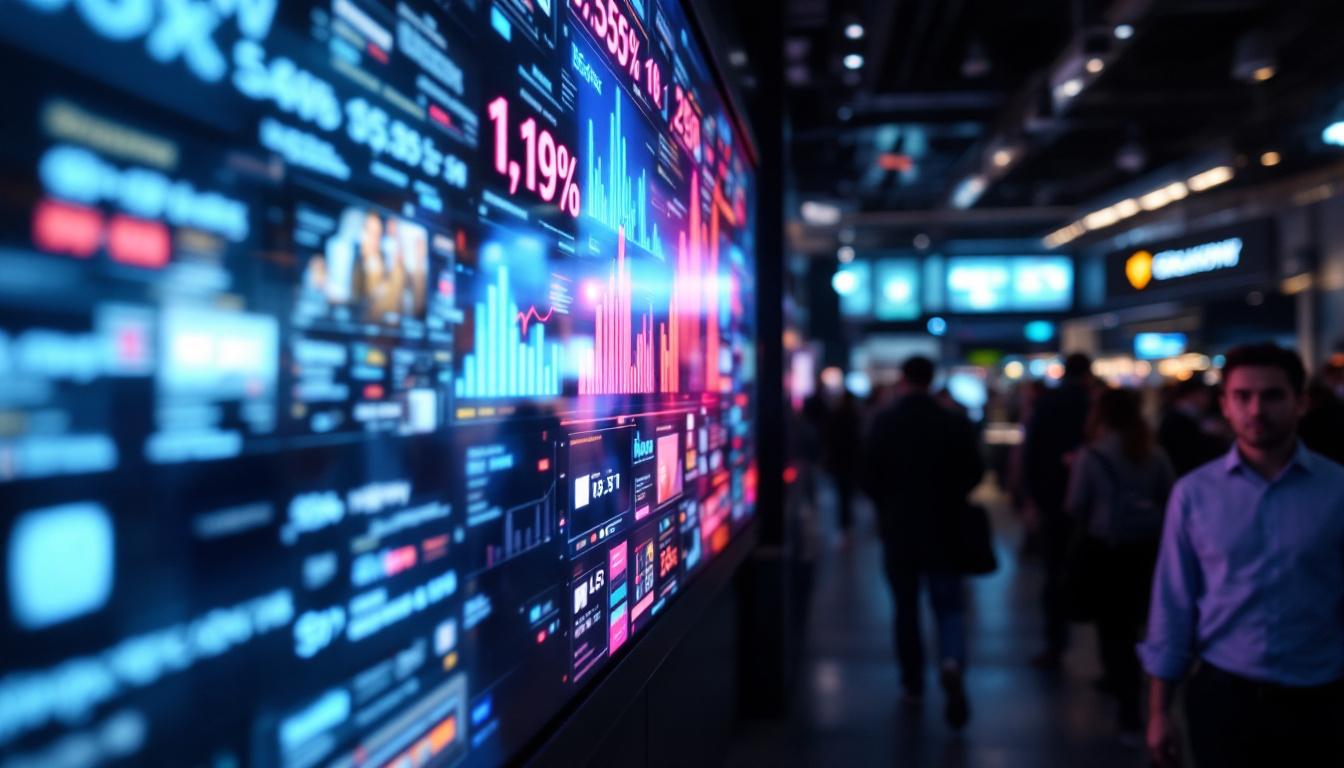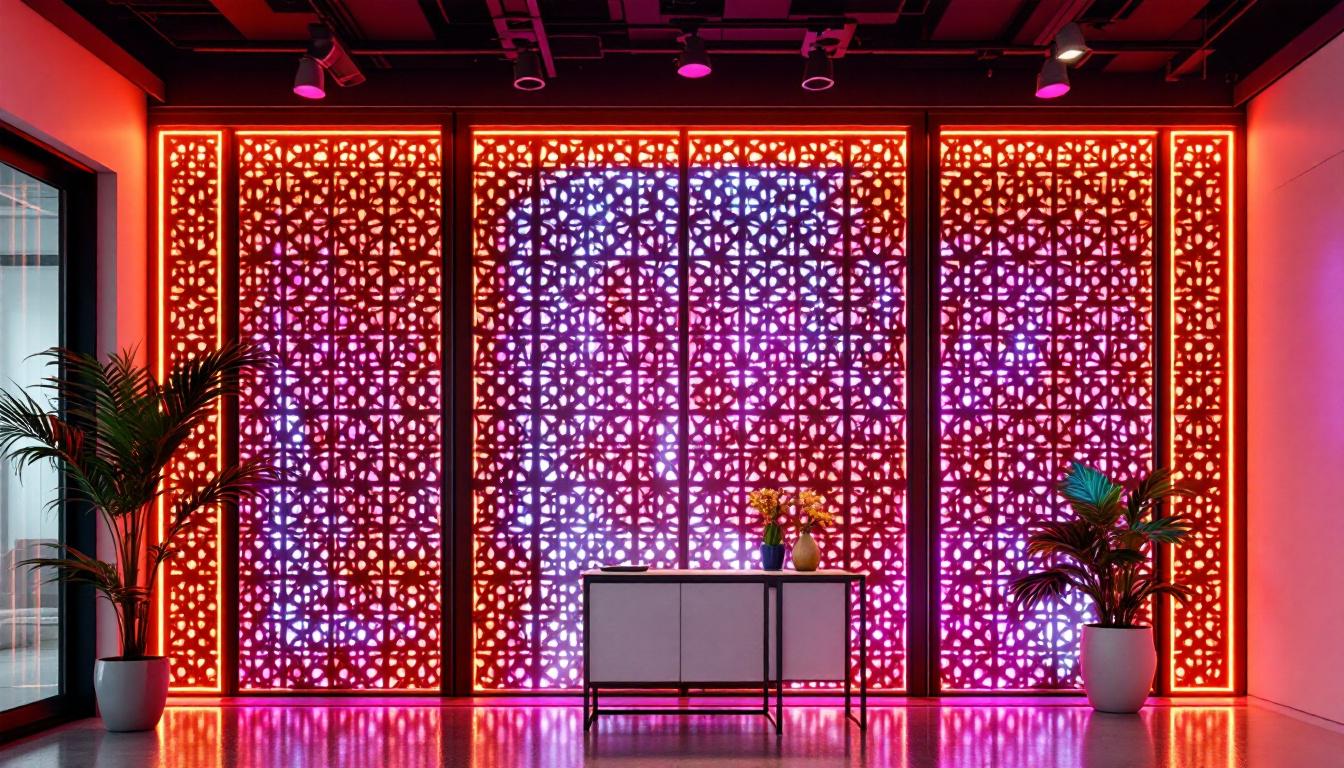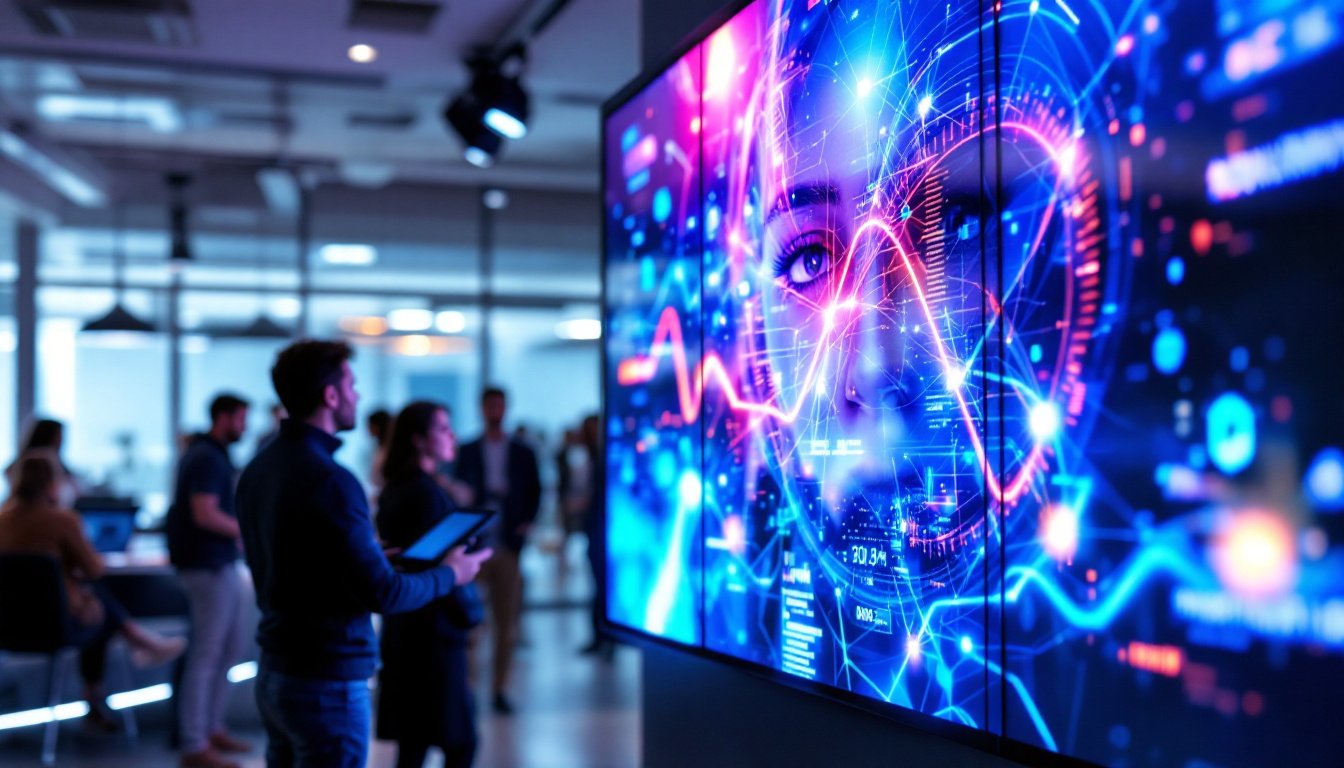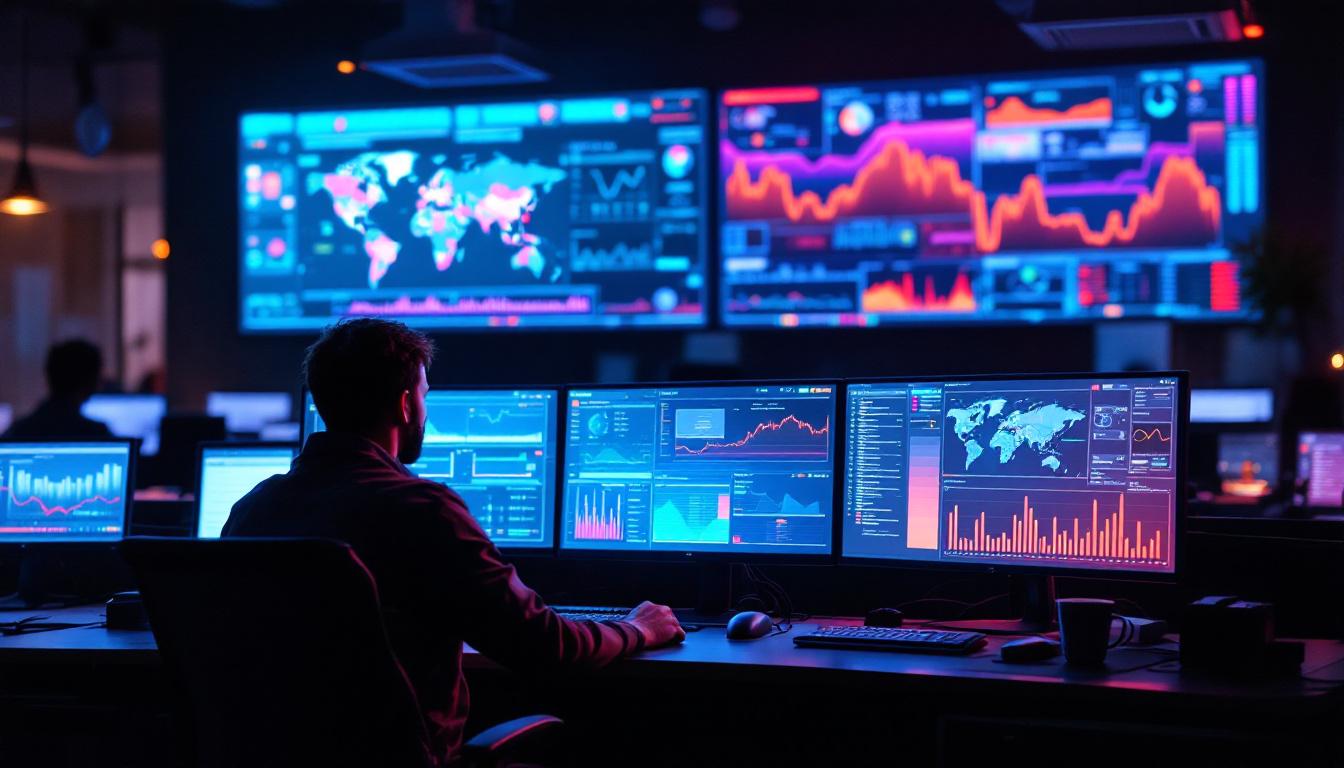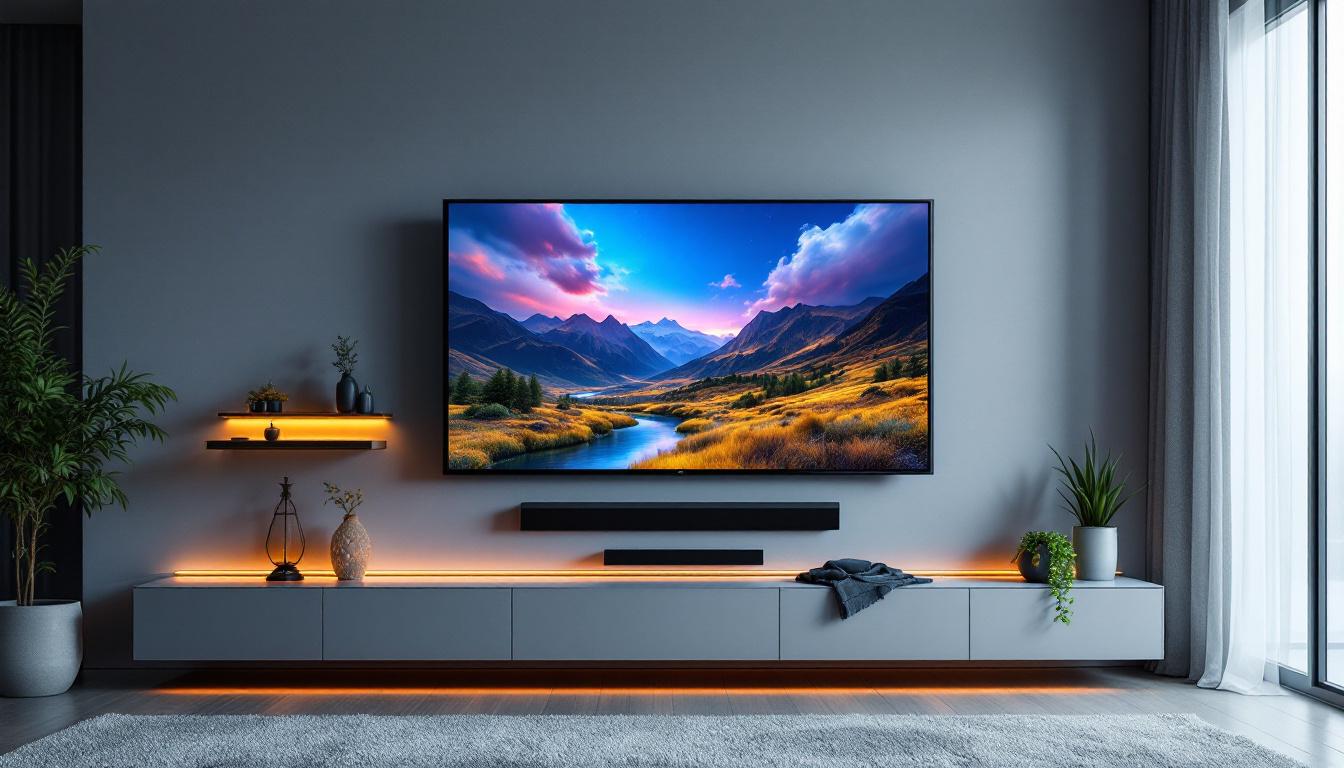
In the rapidly evolving world of entertainment technology, LED displays have become a cornerstone for creating immersive and visually stunning environments. Whether in homes, commercial venues, or public spaces, entertainment walls equipped with LED displays offer unparalleled flexibility, brightness, and design possibilities. This article delves into the fundamentals of LED display technology, explores its applications in entertainment wall design, and highlights key considerations for selecting and implementing these systems effectively.
Understanding LED Display Technology
Light Emitting Diode (LED) technology has revolutionized visual displays by offering high brightness, energy efficiency, and long lifespan. Unlike traditional display technologies such as LCD or projection systems, LED displays consist of individual diodes that emit light directly, resulting in vibrant colors and deep contrast ratios. This direct light emission not only enhances the visual experience but also reduces the need for backlighting, making LED displays more environmentally friendly and cost-effective over time.
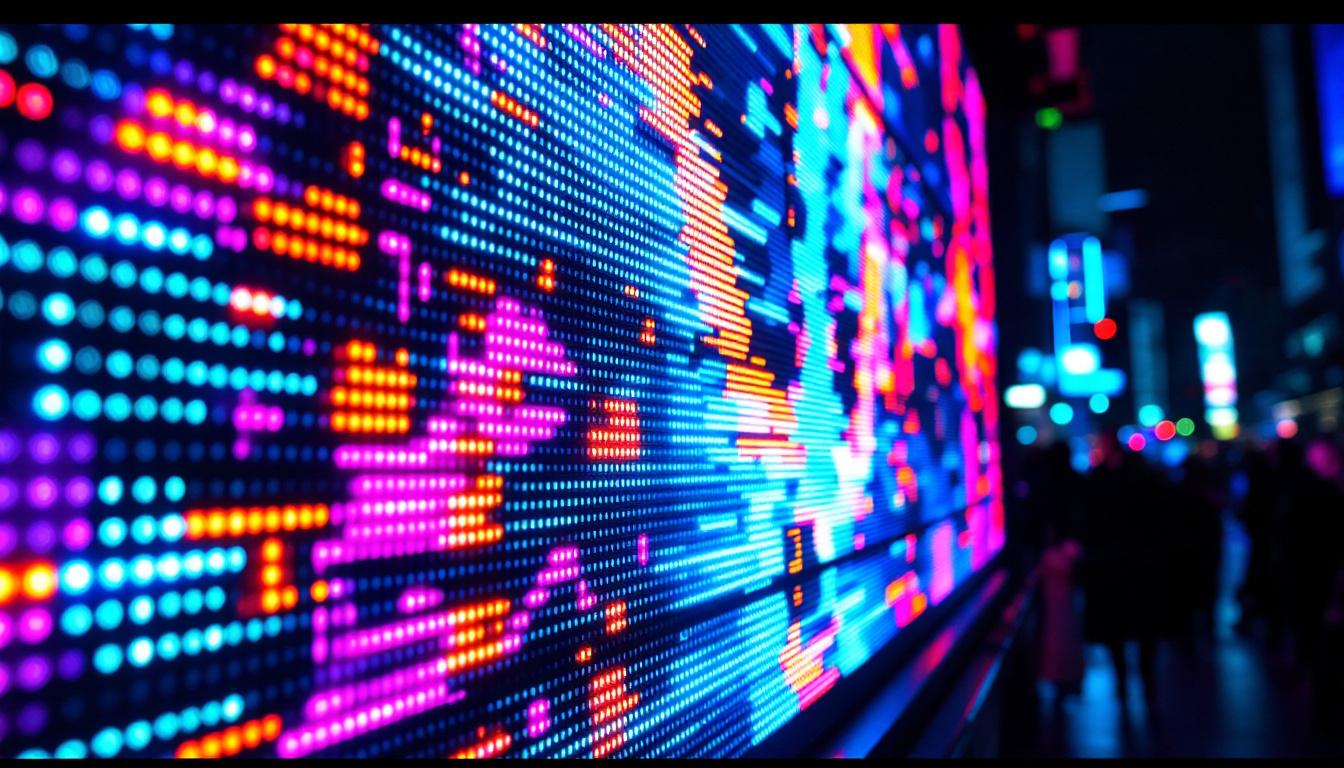
Modern LED displays are composed of thousands to millions of tiny LEDs arranged in a matrix. Each LED acts as a pixel, and by controlling the intensity and color of each diode, the display can render detailed images, videos, and animations. This direct emission of light allows LED walls to perform exceptionally well in various lighting conditions, including brightly lit environments where other displays might struggle. Additionally, the rapid response time of LEDs ensures that motion graphics and videos appear smooth and fluid, which is particularly important in applications like sports broadcasting and live events.
Types of LED Displays
There are several types of LED displays commonly used in entertainment wall design, each suited to different applications:
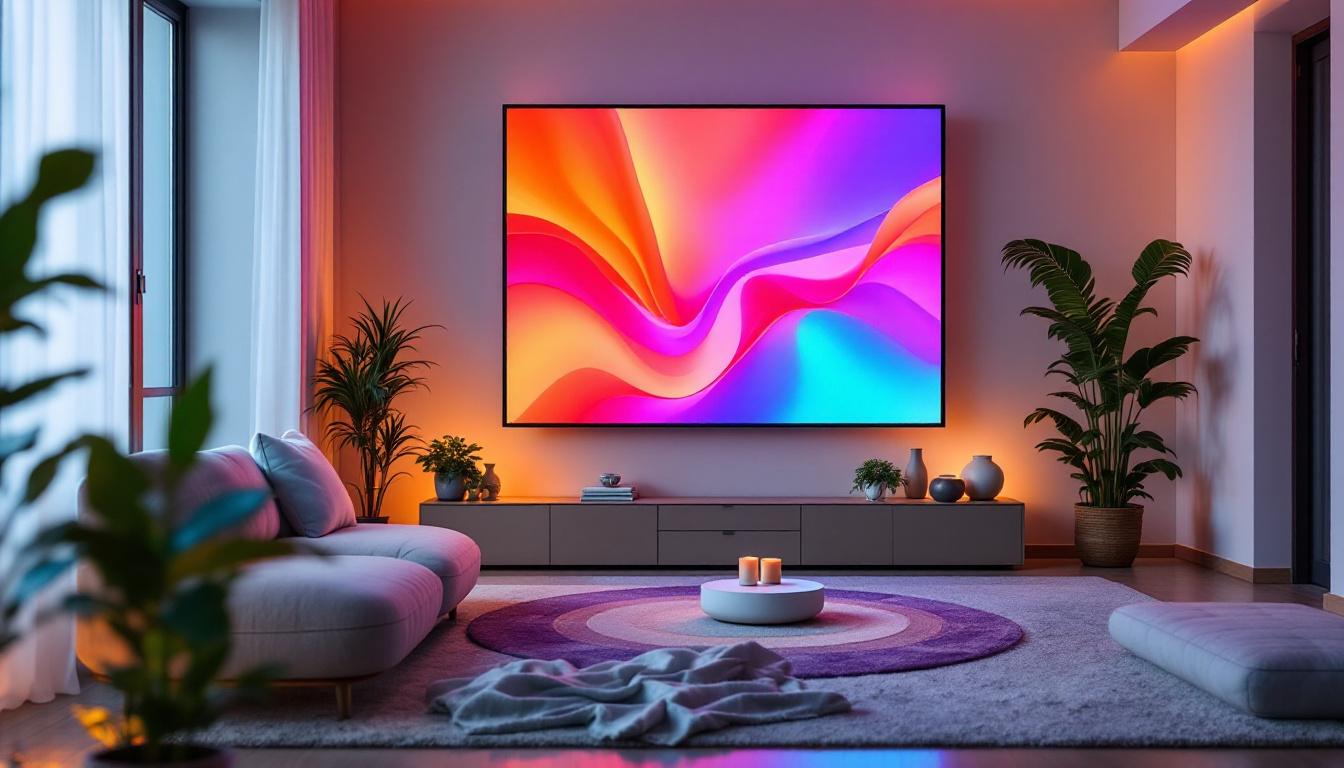
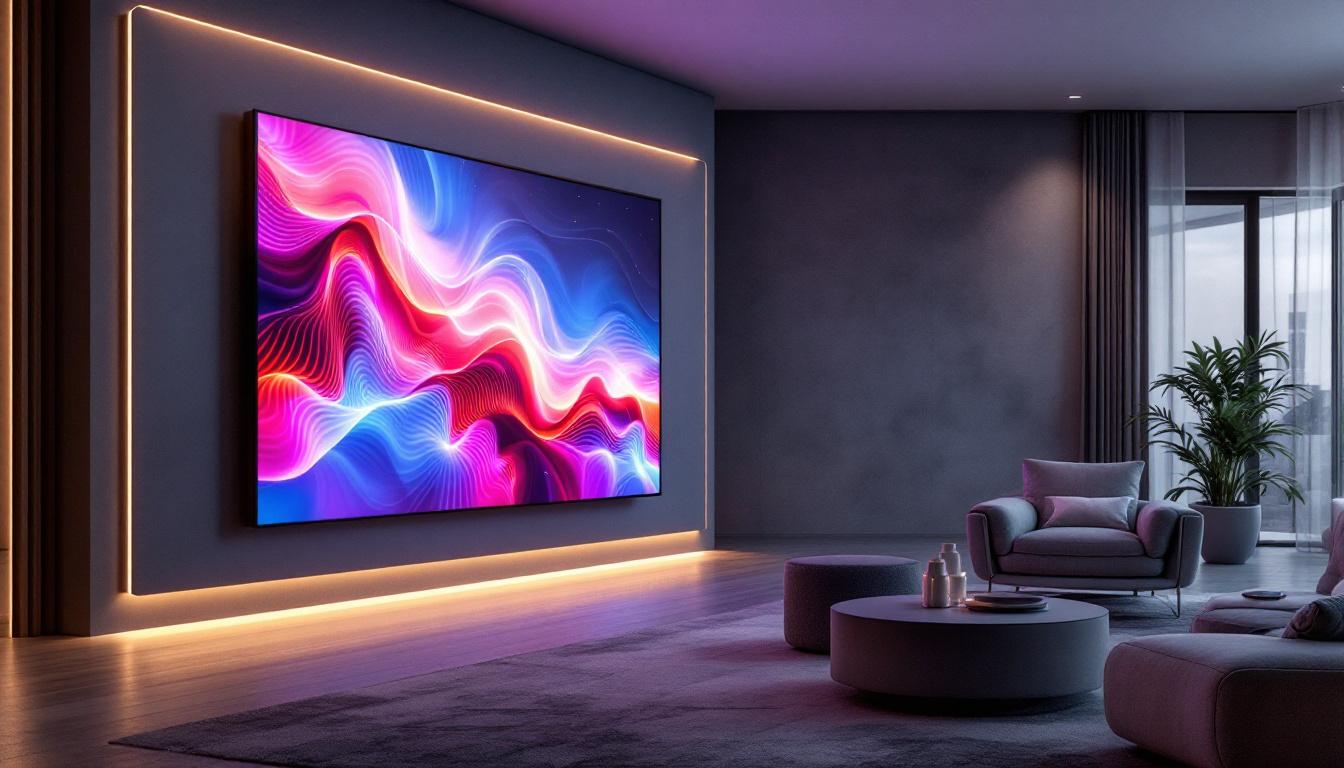
- Indoor LED Displays: Designed for controlled lighting environments, these displays have a smaller pixel pitch (distance between LEDs), resulting in higher resolution and sharper images. They are ideal for home theaters, concert venues, and corporate lobbies. The versatility of indoor LED displays allows for seamless integration into various architectural designs, enhancing the aesthetic appeal of the space while delivering stunning visuals.
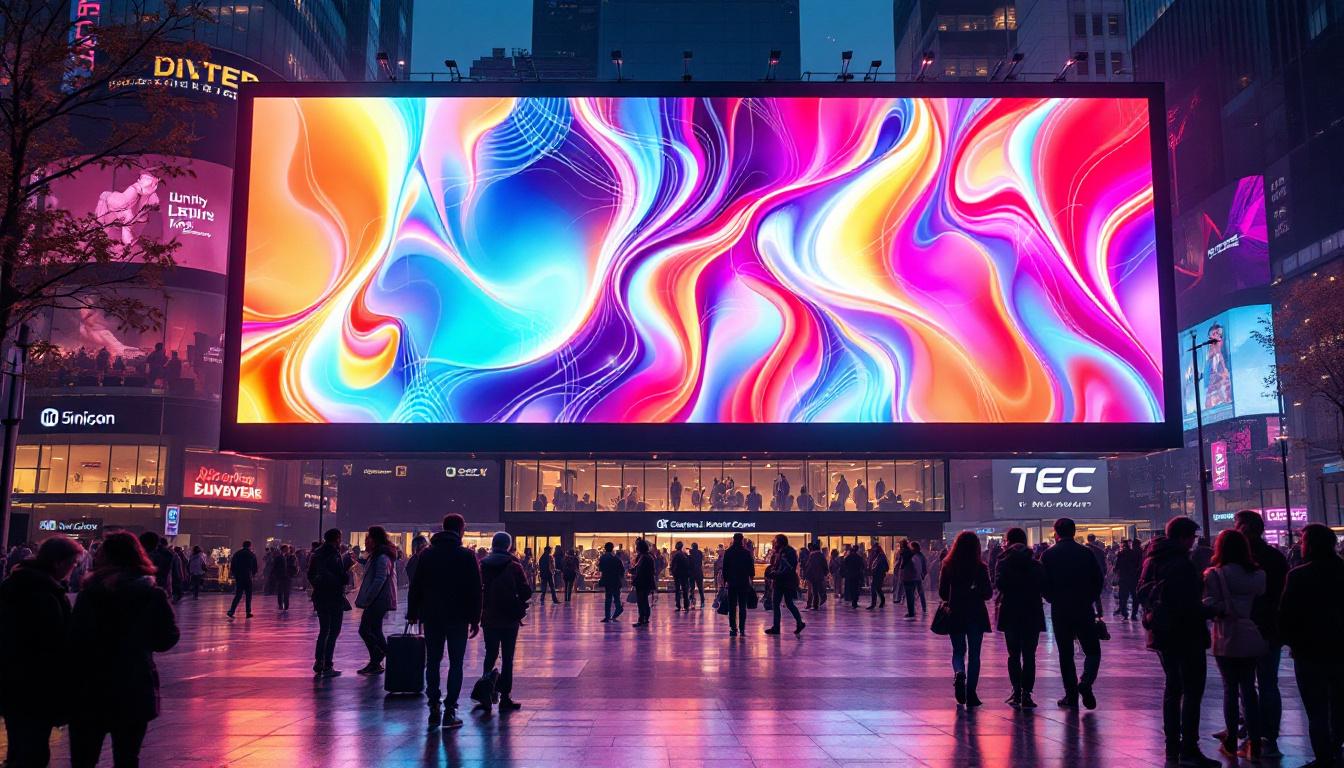
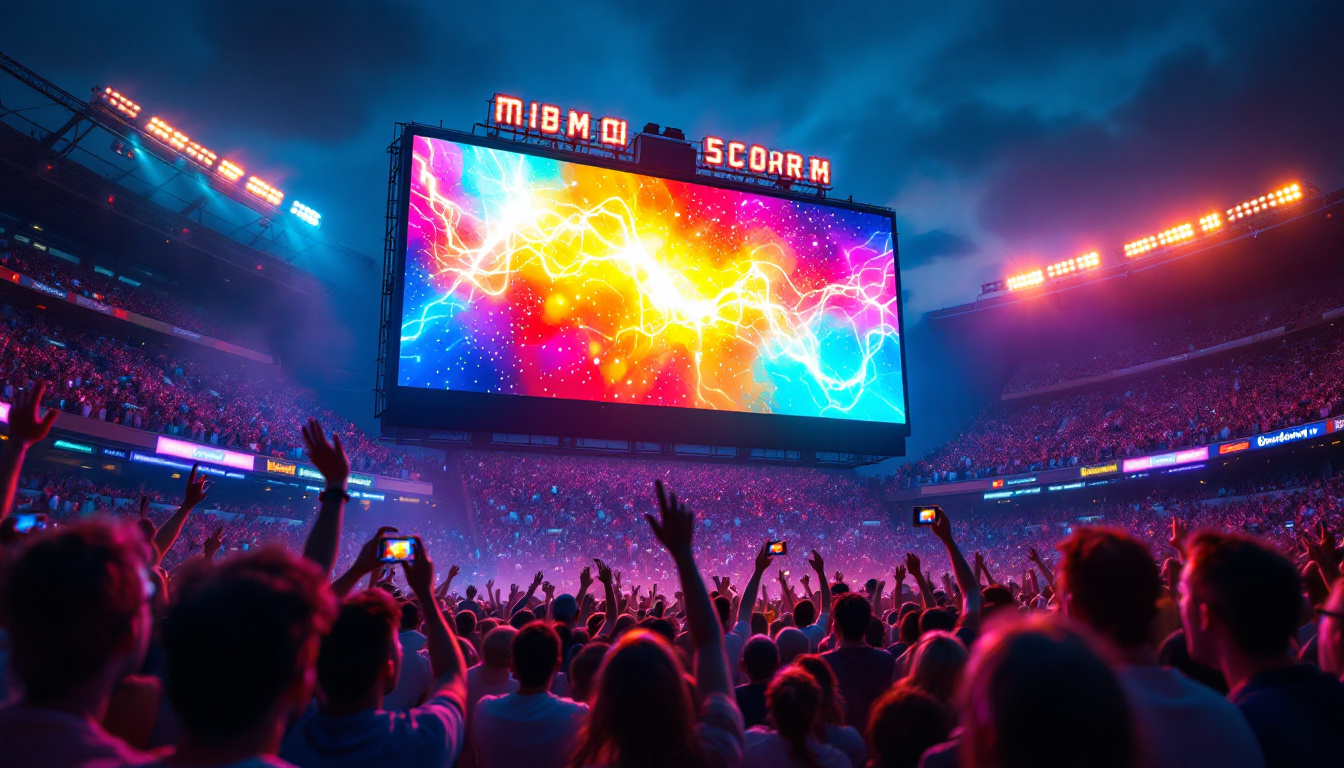
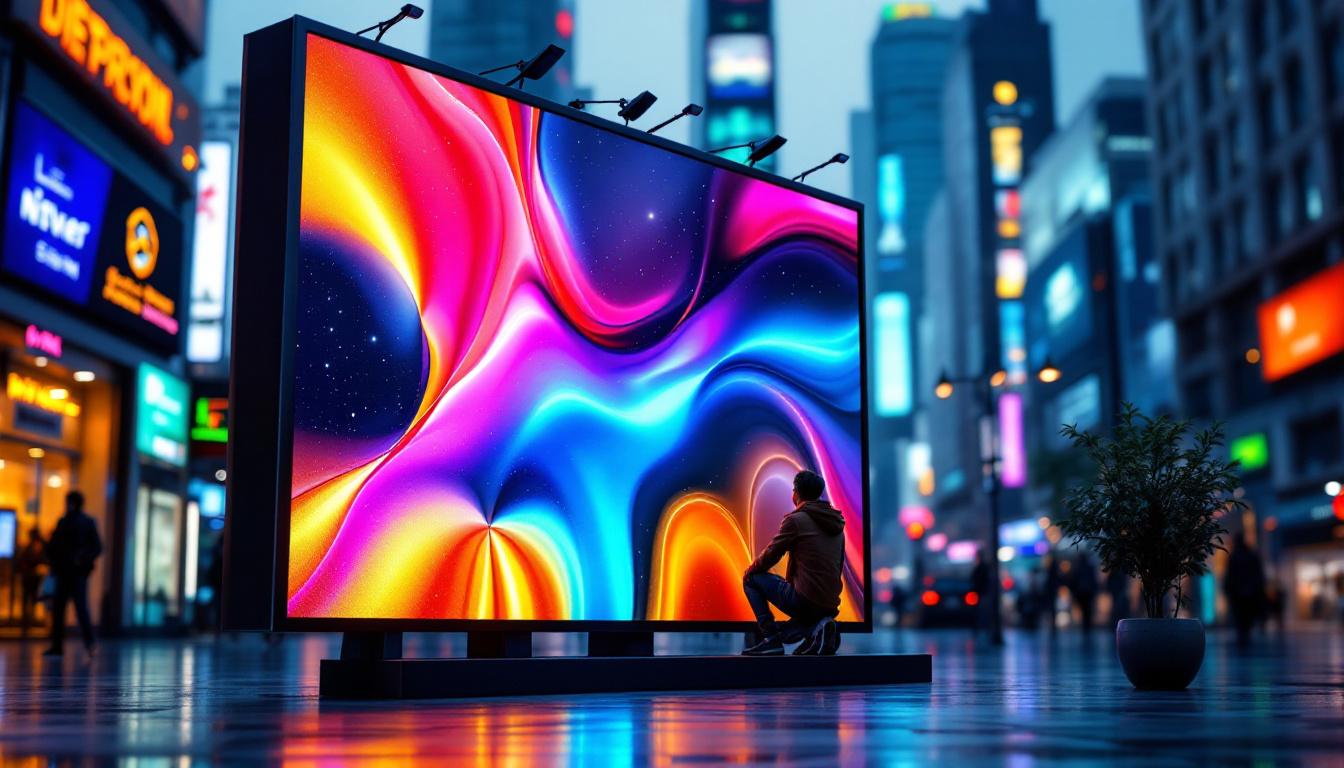
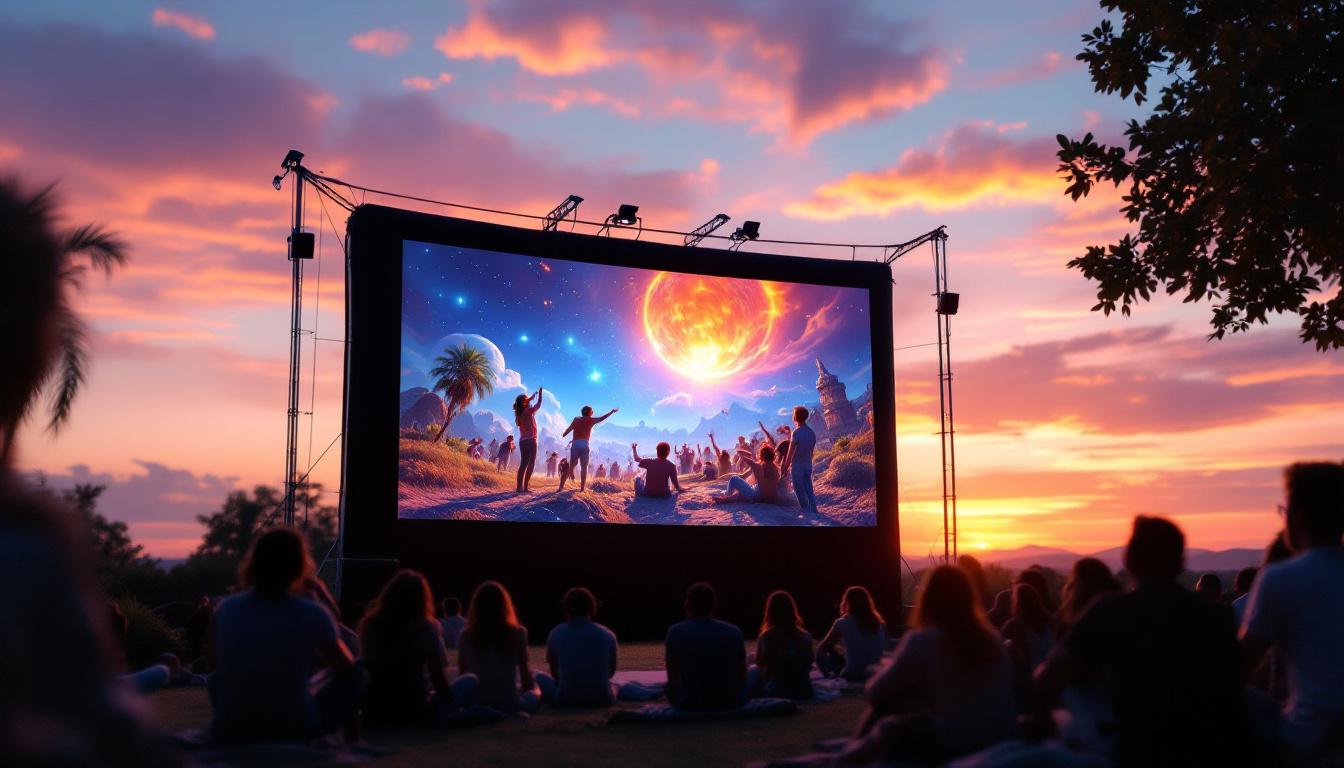
- Outdoor LED Displays: Built to withstand weather elements, these displays feature higher brightness levels and protective coatings. They are commonly used in stadiums, outdoor concerts, and public advertising. With advancements in technology, outdoor LED displays now offer improved durability against UV rays and moisture, ensuring that the content remains vibrant and clear, even in harsh conditions.
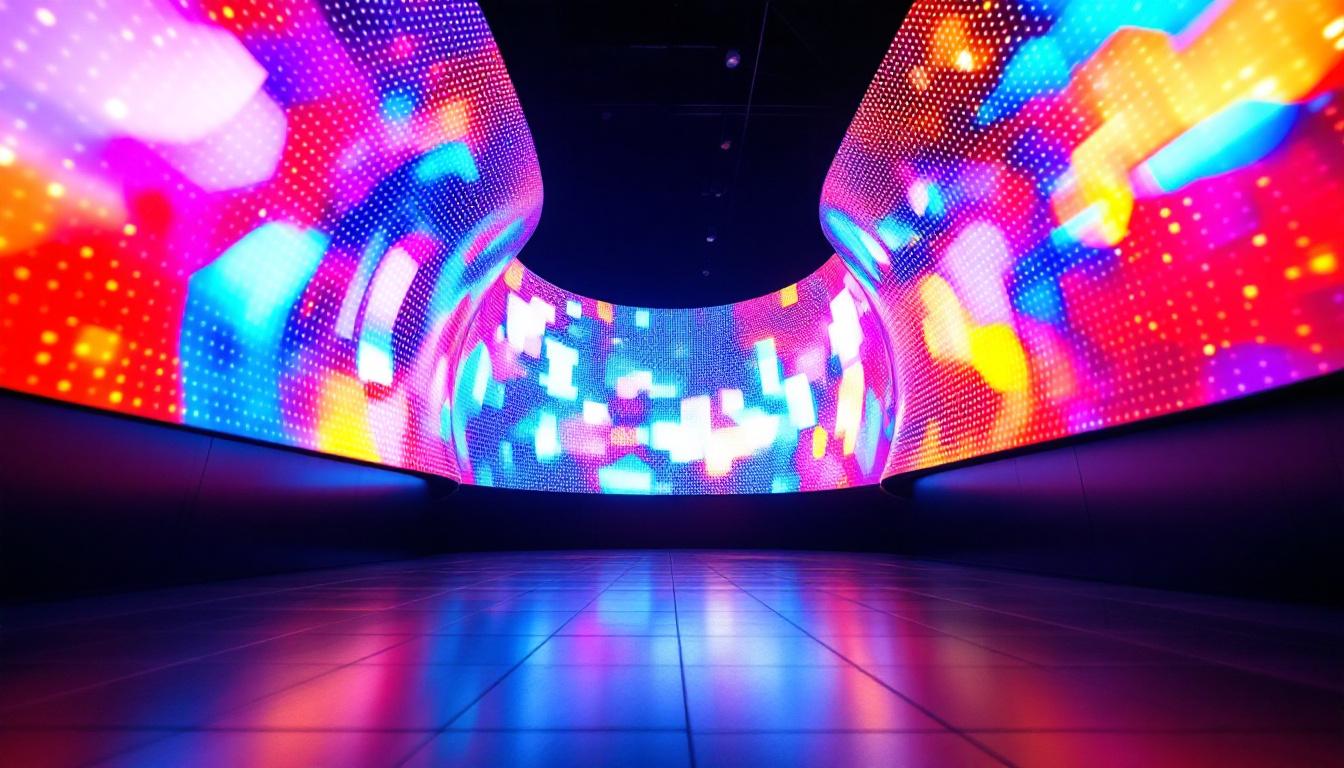
- Flexible and Transparent LED Displays: These innovative designs allow for creative installations, such as curved walls or glass surfaces that maintain transparency while displaying content. This flexibility opens up new possibilities for advertising and artistic expressions, enabling designers to create immersive environments that engage viewers in unique ways.
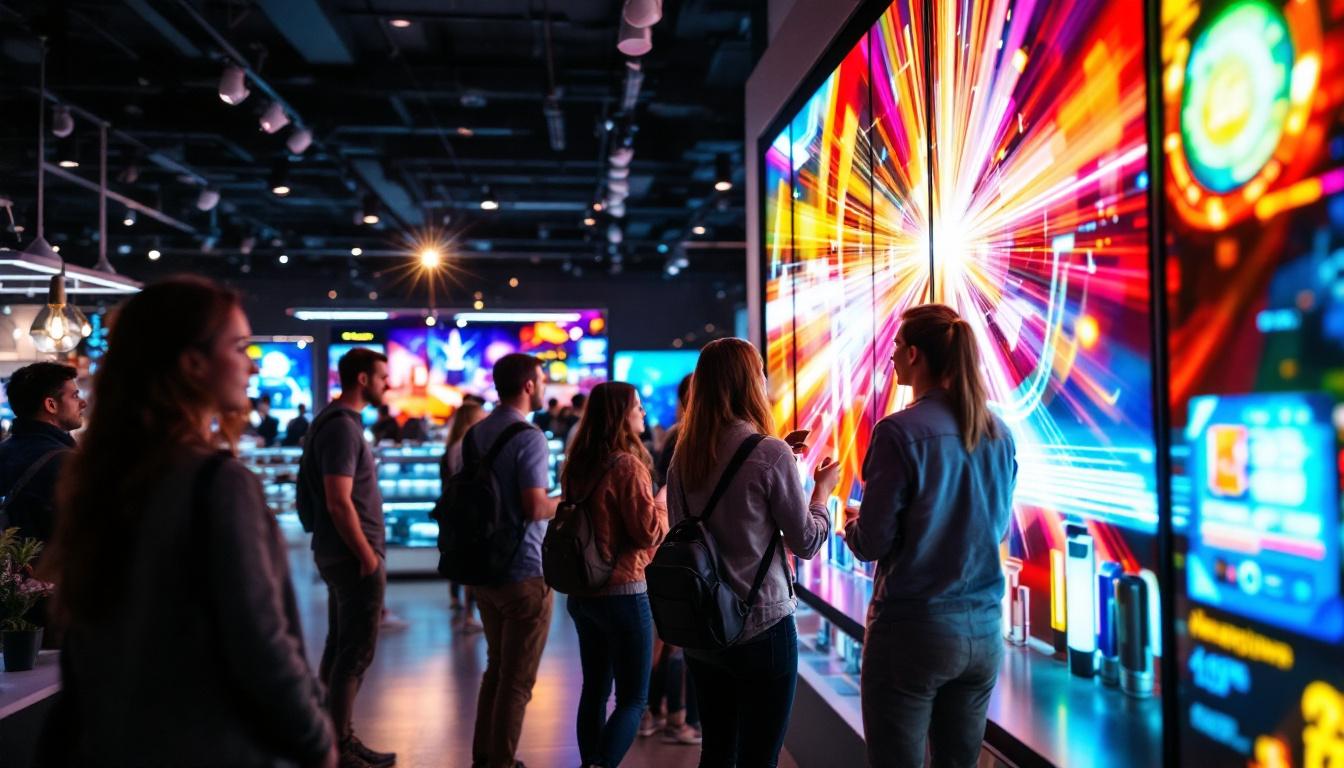
Furthermore, the rise of smart LED displays has introduced interactive features that enhance user engagement. These displays can be equipped with touch-sensitive technology, allowing users to interact with the content directly, making them ideal for retail environments and exhibitions. The integration of IoT (Internet of Things) capabilities also enables remote management and real-time content updates, providing businesses with the ability to adapt their messaging quickly based on audience response or market trends.
As the demand for high-quality visual experiences continues to grow, LED technology is evolving rapidly. Innovations such as microLED and miniLED are pushing the boundaries of display resolution and color accuracy, promising even more immersive viewing experiences. These advancements not only cater to the entertainment industry but also find applications in fields such as education, healthcare, and transportation, where clear and reliable visual communication is essential.
The Role of LED Displays in Entertainment Wall Design
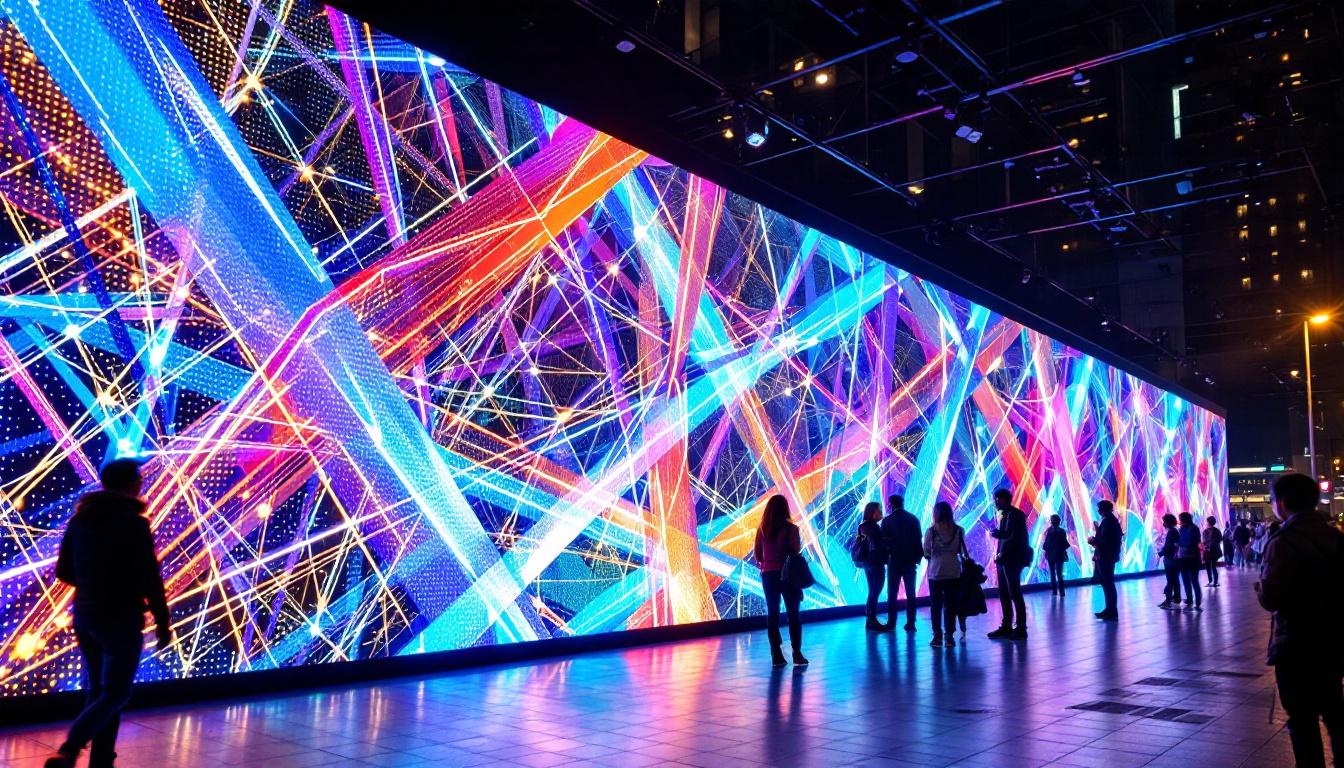
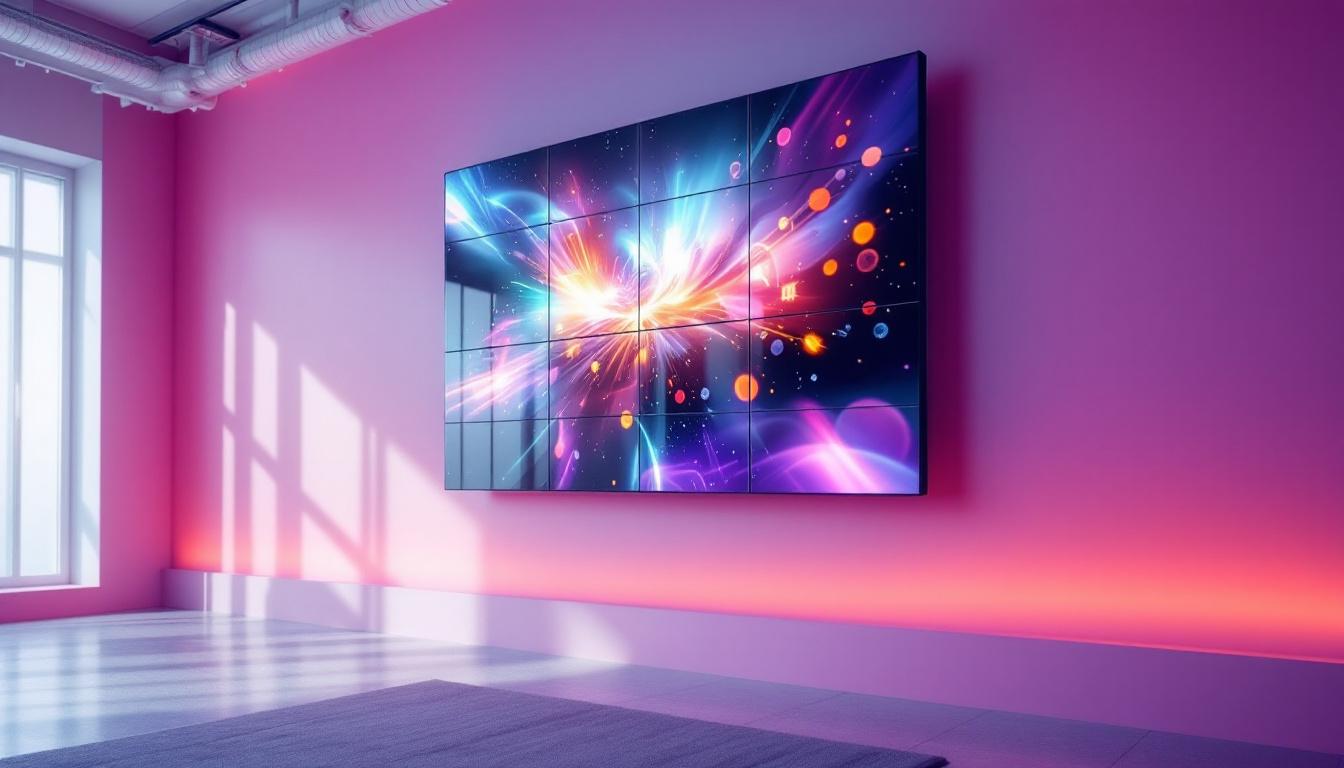
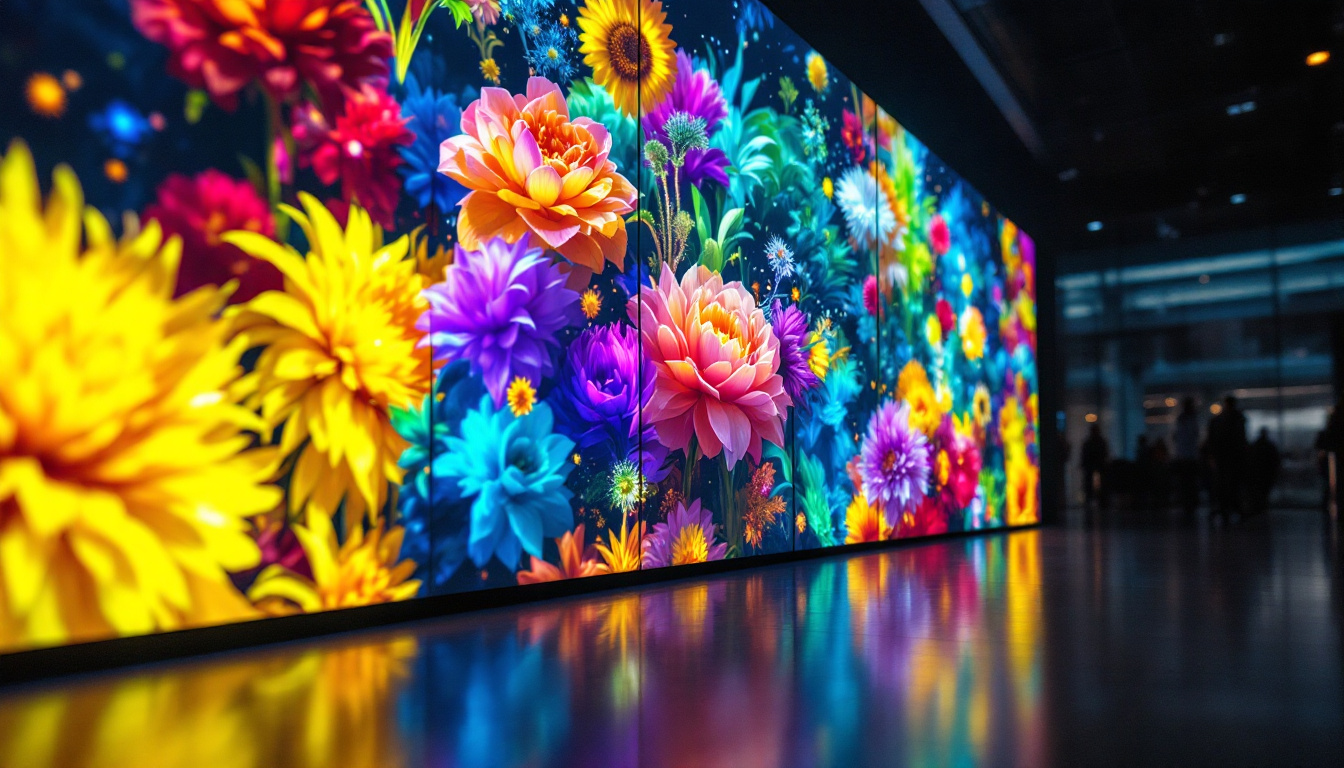
Entertainment walls serve as focal points in spaces dedicated to leisure and social interaction. Integrating LED displays into these walls transforms them from static surfaces into dynamic canvases that enhance the overall experience.
From immersive home theaters to interactive museum exhibits, LED entertainment walls provide an engaging visual element that can adapt to various content types and user interactions. Their scalability means they can be tailored to fit small rooms or expansive venues without compromising image quality.
Enhancing Visual Impact and Ambiance
One of the primary benefits of LED entertainment walls is their ability to create captivating atmospheres. High brightness and vibrant color reproduction allow for realistic and eye-catching imagery that can set the mood for any event or setting.
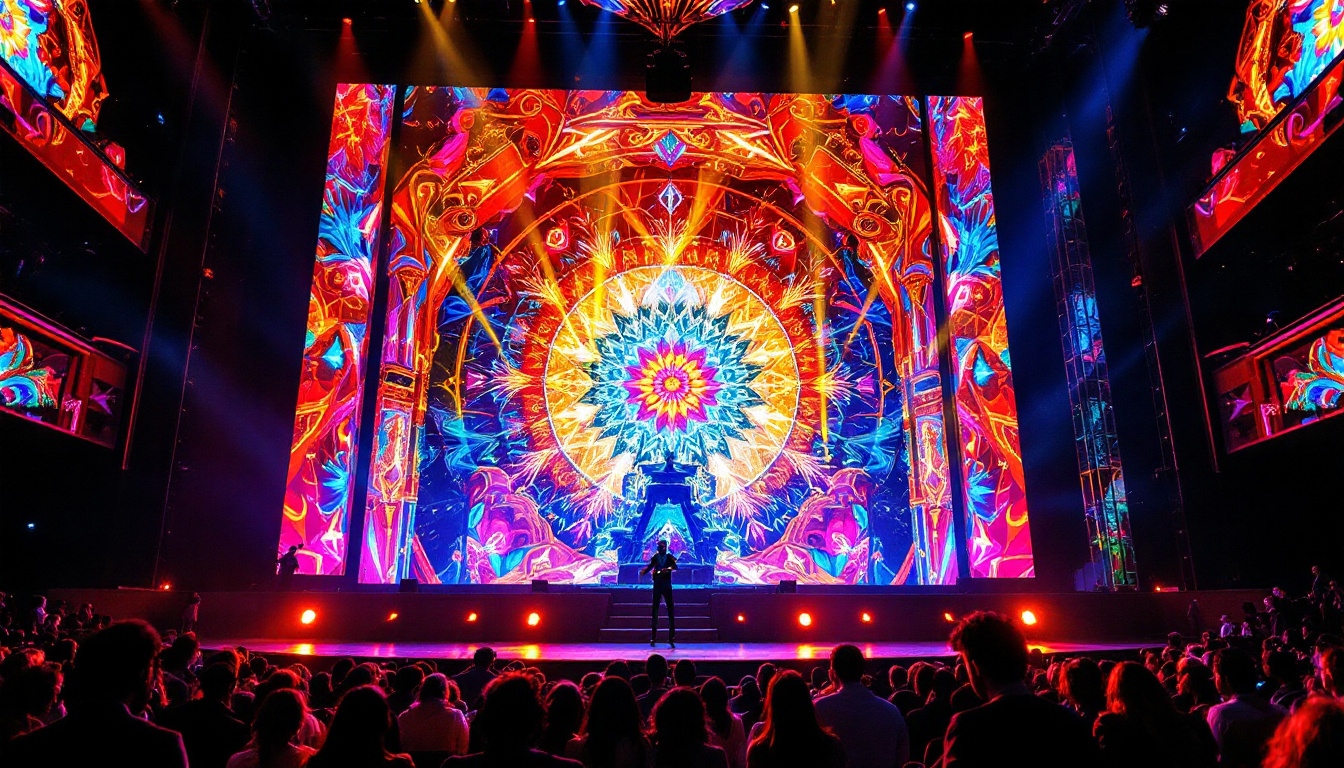
For example, in a nightclub environment, LED walls can synchronize with music to produce dynamic light shows that elevate the energy of the space. In home entertainment setups, they can simulate cinematic environments with ultra-high-definition content, making movie nights more immersive. Additionally, these displays can be used to create themed environments, such as a tropical beach setting for a summer party or a winter wonderland for holiday gatherings, further enhancing the sensory experience for guests.
Interactive and Customizable Experiences
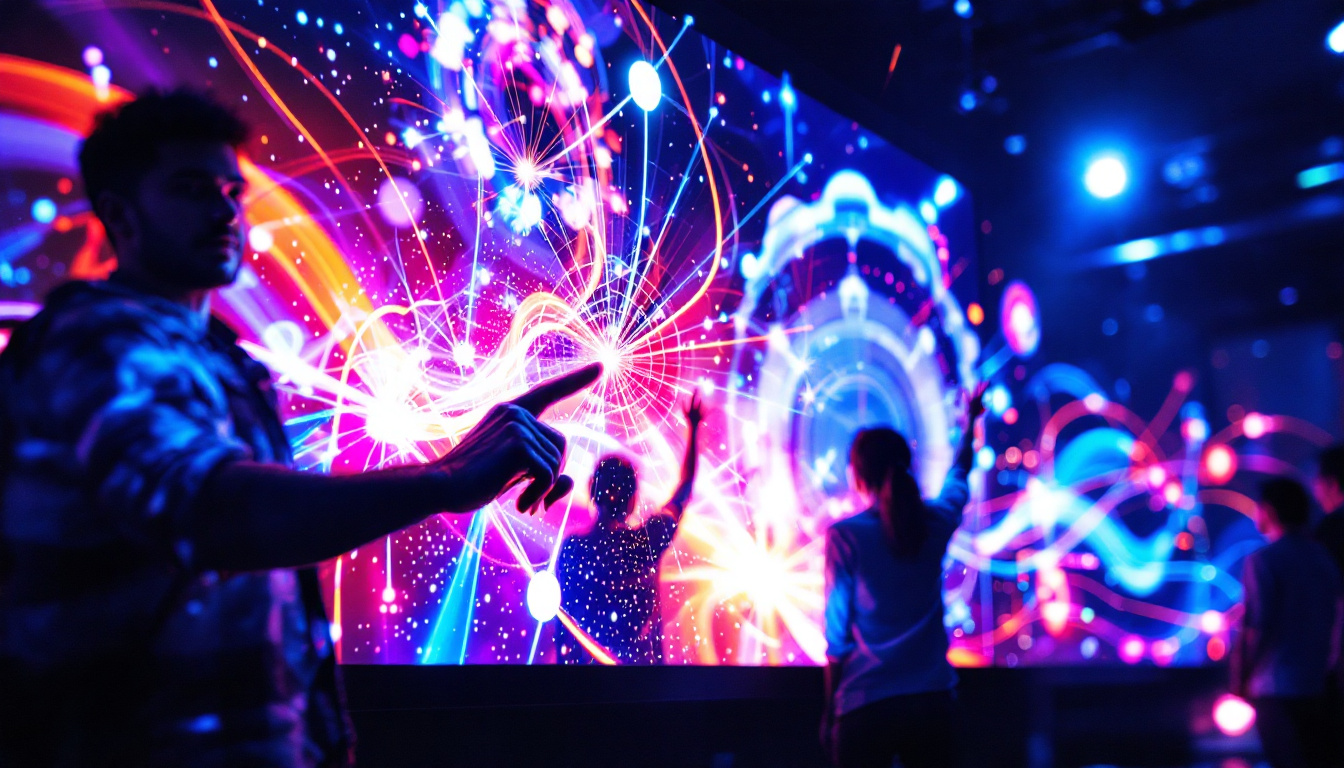
LED displays also support interactive technologies such as touch sensitivity and motion tracking, enabling users to engage directly with the content. This interactivity is particularly valuable in museums, retail spaces, and gaming arenas where user participation enhances enjoyment and learning.
Moreover, LED walls can be programmed to display a wide range of content, from static images and videos to live feeds and social media streams. This flexibility allows entertainment spaces to stay fresh and relevant by regularly updating visual themes and information. For instance, in a retail environment, brands can use LED walls to showcase promotional content that changes throughout the day, ensuring that customers are always greeted with new and exciting visuals. This adaptability not only captures attention but also encourages repeat visits as consumers are drawn back to see what’s new. Furthermore, the integration of augmented reality (AR) with LED displays can create unique experiences, allowing users to interact with digital elements overlaid on the physical environment, thus blurring the lines between the real and virtual worlds.
Key Considerations for Selecting LED Displays for Entertainment Walls
Choosing the right LED display for an entertainment wall involves evaluating several technical and practical factors to ensure optimal performance and user satisfaction.
Resolution and Pixel Pitch
The resolution of an LED display is determined by its pixel pitch—the distance between individual LEDs. A smaller pixel pitch means higher resolution and finer image detail, which is crucial for close viewing distances typical in home theaters or conference rooms.
For larger venues where viewers are farther away, a larger pixel pitch may be acceptable, balancing cost and image quality. For instance, a pixel pitch of 1.2mm to 2.5mm is ideal for indoor entertainment walls viewed at close range, while 4mm to 10mm suits larger, more distant audiences.
Brightness and Contrast
Brightness is measured in nits, with higher values indicating a brighter display. Indoor LED walls typically range from 800 to 1,500 nits, sufficient for most controlled lighting environments. Outdoor displays require much higher brightness, often exceeding 5,000 nits, to remain visible under direct sunlight.
Contrast ratio—the difference between the darkest black and the brightest white—is equally important for delivering vivid images. LED displays inherently offer excellent contrast due to their ability to turn off individual diodes completely, producing true blacks.
Viewing Angle and Color Accuracy
Wide viewing angles ensure that the content remains clear and consistent regardless of the viewer’s position. High-quality LED displays maintain color accuracy and brightness across angles up to 160 degrees or more, which is essential in entertainment spaces where audiences are spread out.
Installation and Maintenance
The physical installation of an LED entertainment wall must consider structural support, ventilation, and accessibility for maintenance. Modular LED panels facilitate easier installation and repair by allowing individual sections to be replaced without dismantling the entire wall.
Regular maintenance, including cleaning and software updates, ensures longevity and consistent performance. Working with experienced integrators and suppliers can streamline this process and provide ongoing support.
Emerging Trends and Innovations in LED Entertainment Walls
The LED display industry continues to innovate, offering new possibilities for entertainment wall design that enhance user experiences and expand creative potential.
MicroLED and MiniLED Technologies
MicroLED and MiniLED represent advancements in LED technology, featuring smaller diodes that enable even higher resolutions and improved brightness control. MicroLED displays, in particular, offer superior contrast and energy efficiency, making them ideal for premium entertainment installations.
These technologies are gradually becoming more accessible, promising to redefine the quality and versatility of entertainment walls in the near future.
Integration with Smart Home and IoT Systems
Modern LED entertainment walls can integrate seamlessly with smart home ecosystems and Internet of Things (IoT) devices. This connectivity allows users to control displays via voice commands, mobile apps, or automated routines, enhancing convenience and personalization.
For example, an entertainment wall could adjust its content and brightness automatically based on the time of day or user preferences, creating a more intuitive and immersive environment.
Creative and Architectural Applications
Flexible and transparent LED panels enable designers to incorporate displays into architectural elements such as curved surfaces, partitions, and glass facades. This fusion of technology and design opens new avenues for artistic expression and functional use in entertainment venues.
Such installations not only captivate audiences but also add value by transforming spaces into iconic landmarks or unique experiential environments.
Conclusion: The Future of Entertainment Walls with LED Displays
LED displays have firmly established themselves as a transformative technology in entertainment wall design. Their ability to deliver bright, high-resolution, and customizable visuals makes them indispensable for creating engaging and memorable experiences across a wide range of settings.
As technology advances, the integration of cutting-edge LED solutions with interactive features and smart systems will continue to push the boundaries of what entertainment walls can achieve. For designers, venue operators, and homeowners alike, understanding the capabilities and considerations of LED displays is key to harnessing their full potential and crafting spaces that truly captivate and inspire.
Discover LumenMatrix’s Innovative LED Display Solutions
Ready to elevate your entertainment space with the latest in LED display technology? LumenMatrix offers a comprehensive range of cutting-edge LED display modules tailored to meet your specific needs. From captivating Indoor and Outdoor LED Wall Displays to dynamic Vehicle and Sports LED Displays, our solutions are designed to enhance brand visibility and create immersive visual experiences. Explore our innovative LED Poster, Floor, Custom, All-in-One, and Transparent Displays, and see how LumenMatrix is redefining visual communication. Check out LumenMatrix LED Display Solutions today and transform your entertainment wall into a breathtaking visual masterpiece.