In the rapidly evolving world of visual display technology, understanding the nuances of projection distance and LED displays is crucial for both consumers and professionals. Formovies, a notable name in the display industry, has been pushing the boundaries of home cinema and commercial projection solutions. This article delves into the concept of projection distance, particularly in relation to Formovies’ LED display technology, offering a comprehensive explanation that will help you make informed decisions whether you’re setting up a home theater or planning a large-scale digital installation.
Understanding Projection Distance: The Basics
Projection distance refers to the space between a projector and the surface onto which the image is cast. This measurement is critical because it directly influences image size, clarity, and overall viewing experience. In traditional projection systems, adjusting the distance can change the size of the projected image, but it can also affect brightness and sharpness.
For instance, a projector placed too far from the screen may produce a larger image but at the cost of reduced brightness and potential distortion. Conversely, placing the projector too close can result in a smaller image that may not fill the intended viewing area. Understanding and calculating the optimal projection distance is essential for achieving the best image quality.
Why Projection Distance Matters
The importance of projection distance extends beyond just image size. It impacts:
- Image clarity: Incorrect distance can cause blurriness or pixelation.
- Brightness levels: The further the projector, the dimmer the image becomes.
- Keystone distortion: Improper angles combined with distance can skew the image.
These factors contribute to the overall viewing experience, making projection distance a foundational element in any projection setup. Additionally, the type of projector you are using can also influence how distance affects image quality. For example, short-throw projectors are designed to be placed closer to the screen while still producing a large image, making them ideal for smaller rooms. On the other hand, long-throw projectors are better suited for larger spaces, where they can project high-quality images from a greater distance.
Moreover, the surface onto which the image is projected plays a significant role in how the projection distance affects the final output. A smooth, white screen will reflect light more effectively than a textured or colored wall, enhancing brightness and clarity. Understanding the interplay between projector type, projection distance, and screen material can help users optimize their setup for the best possible viewing experience, whether for home theaters, classrooms, or business presentations.
Formovies LED Display Technology: A New Era in Projection
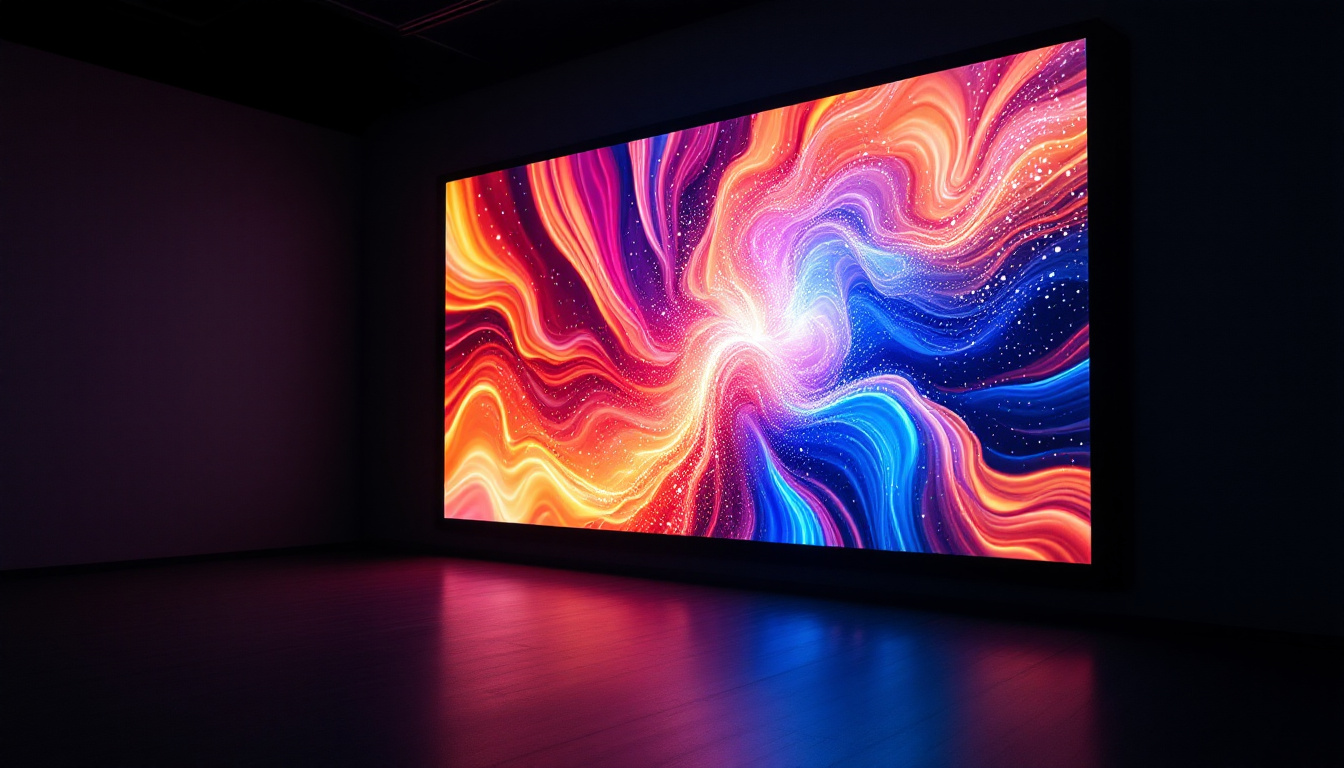
Formovies has introduced innovative LED display solutions that redefine traditional projection concepts. Unlike conventional projectors that rely on light bulbs and lenses to cast images onto a screen, LED displays use millions of tiny light-emitting diodes to create vibrant, high-resolution images directly on the display surface.
This technology offers several advantages over traditional projection systems:
- Superior brightness and color accuracy: LEDs provide vivid colors and consistent brightness, even in well-lit environments.
- Longer lifespan: LED displays can last tens of thousands of hours without significant degradation.
- Reduced maintenance: No bulbs to replace or complex calibration needed.
- Flexible installation: LED panels can be assembled in various sizes and shapes, accommodating unique spaces.
How Formovies LED Displays Handle Projection Distance
With LED displays, the concept of projection distance changes fundamentally. Since the image is generated on the display itself, the distance between a projector and a screen becomes irrelevant. Instead, the focus shifts to viewing distance — the space between the viewer and the LED screen.
Formovies LED displays are designed to optimize viewing distance for maximum image clarity and comfort. For example, a 4K LED display measuring 120 inches diagonally will deliver crisp images even when viewed from a relatively short distance, thanks to its high pixel density.
Calculating Optimal Viewing Distance for Formovies LED Displays
While projection distance is a key consideration for traditional projectors, LED displays require a different approach: determining the optimal viewing distance to ensure the best visual experience.
Pixel Pitch and Its Role
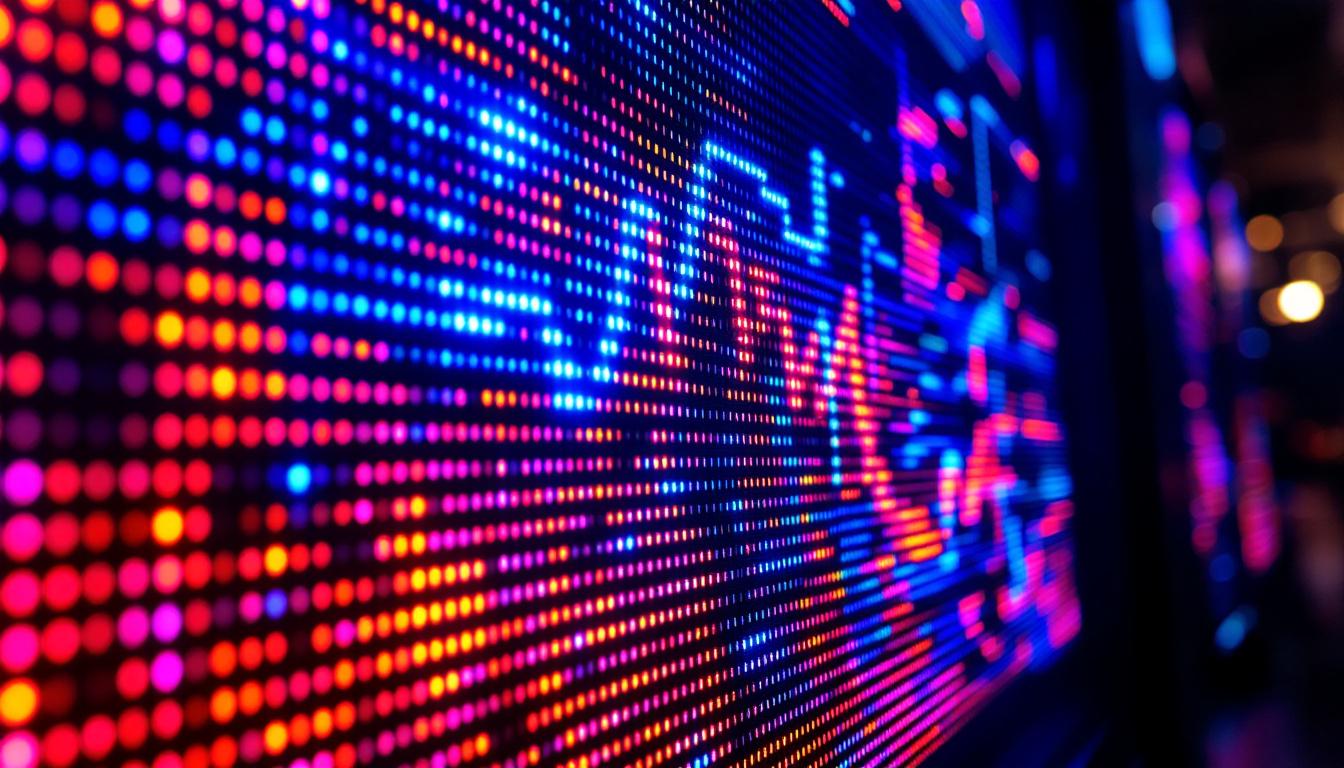
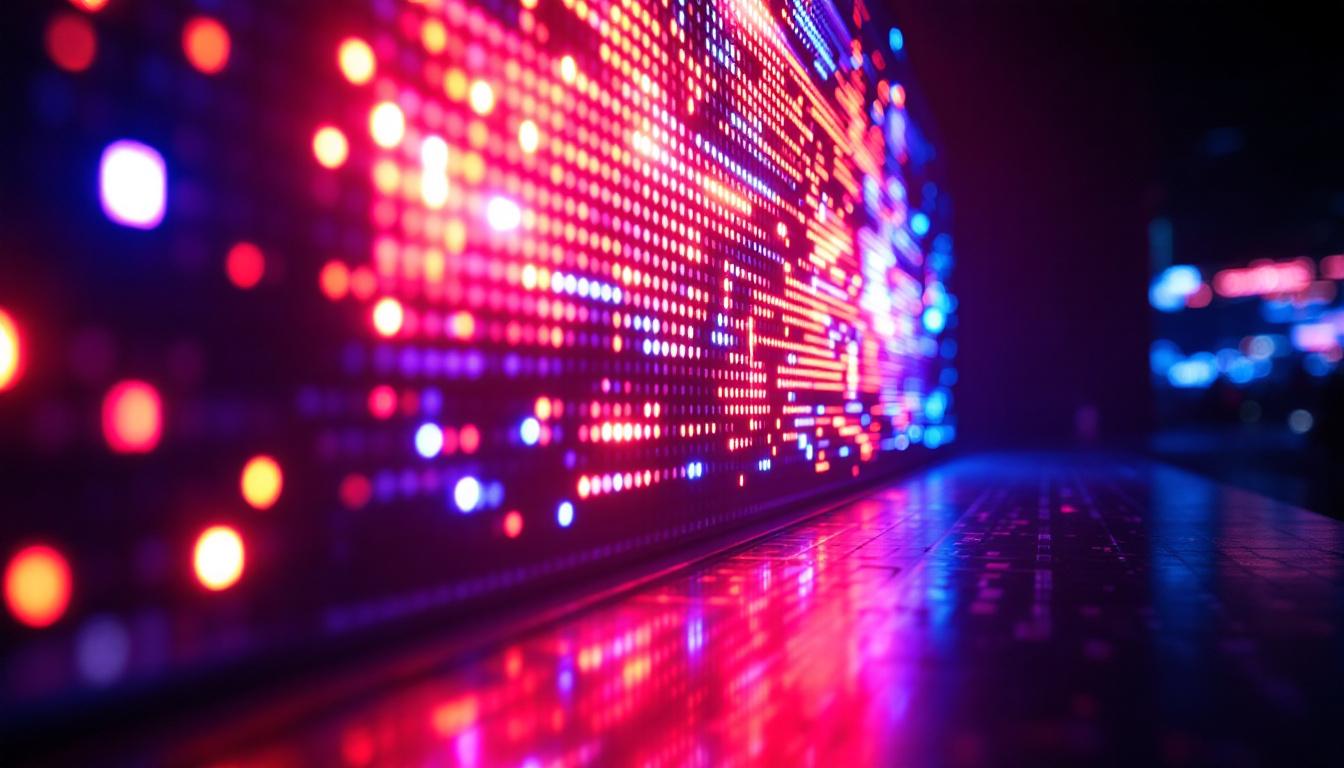
Pixel pitch, the distance between the centers of two adjacent pixels, is a critical factor in LED display clarity. Smaller pixel pitches mean higher pixel density, resulting in sharper images that can be viewed comfortably from closer distances.
Formovies offers LED displays with varying pixel pitches, typically ranging from 0.9 mm to 2.5 mm for indoor models. For example, a 0.9 mm pixel pitch LED screen is ideal for close-up viewing in home theaters or conference rooms, where viewers may be seated just a few feet away.
General Viewing Distance Guidelines
Industry standards suggest that the optimal viewing distance for an LED display is roughly 1.5 to 3 times the display’s height. For example, a 60-inch tall LED display would have an optimal viewing distance between 7.5 feet and 15 feet. However, this can vary based on pixel pitch and content type.
For Formovies LED displays, the following guidelines apply:
- Fine pixel pitch (0.9 mm – 1.2 mm): Suitable for viewing distances as close as 3 to 6 feet.
- Medium pixel pitch (1.5 mm – 2.0 mm): Best viewed from 6 to 12 feet.
- Coarser pixel pitch (2.5 mm and above): Designed for distances greater than 12 feet, often used in larger venues.
These distances ensure that individual pixels are not discernible to the naked eye, maintaining image smoothness and detail.
Applications of Formovies LED Displays: From Home Theaters to Commercial Use
Formovies LED displays are versatile and cater to a broad range of applications. Understanding how projection and viewing distances apply in different contexts helps users select the right product and setup.
Home Cinema and Personal Use
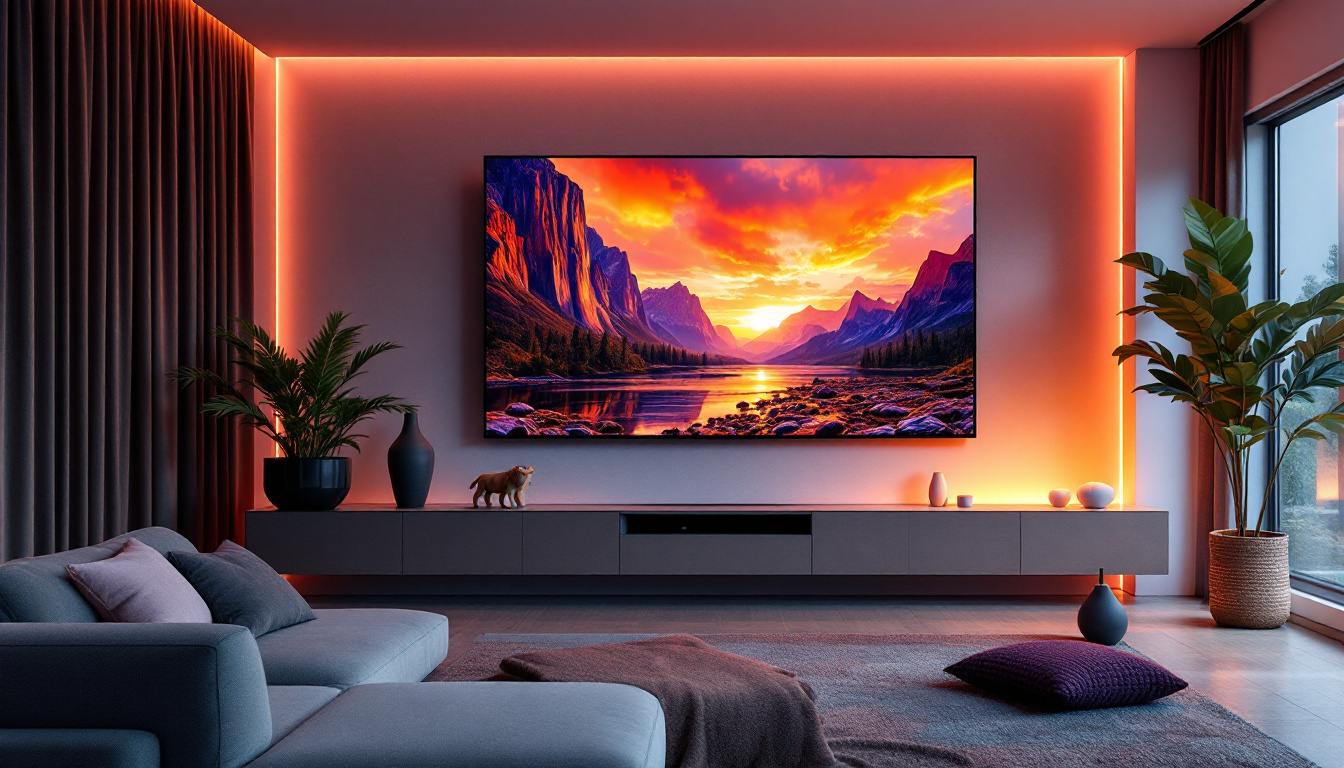
For home theaters, where space is often limited, Formovies’ fine pixel pitch LED displays provide an immersive viewing experience without the need for a bulky projector or a darkened room. The absence of projection distance constraints means these displays can be installed closer to viewers, enhancing engagement and detail visibility.
Moreover, the LED technology’s high brightness allows for use in rooms with ambient light, eliminating the need for blackout curtains or dimmed lights. This makes Formovies LED displays a popular choice for modern living rooms and dedicated media rooms.
Corporate and Educational Environments
In conference rooms, lecture halls, and classrooms, Formovies LED displays offer clear, bright images that are easily visible from various seating positions. The flexibility in size and pixel pitch allows customization based on room dimensions and typical viewing distances.
For example, a medium pixel pitch LED display installed in a 30-foot-long conference room will ensure that even attendees seated at the back can see presentations clearly without straining.
Large-Scale Commercial and Outdoor Installations
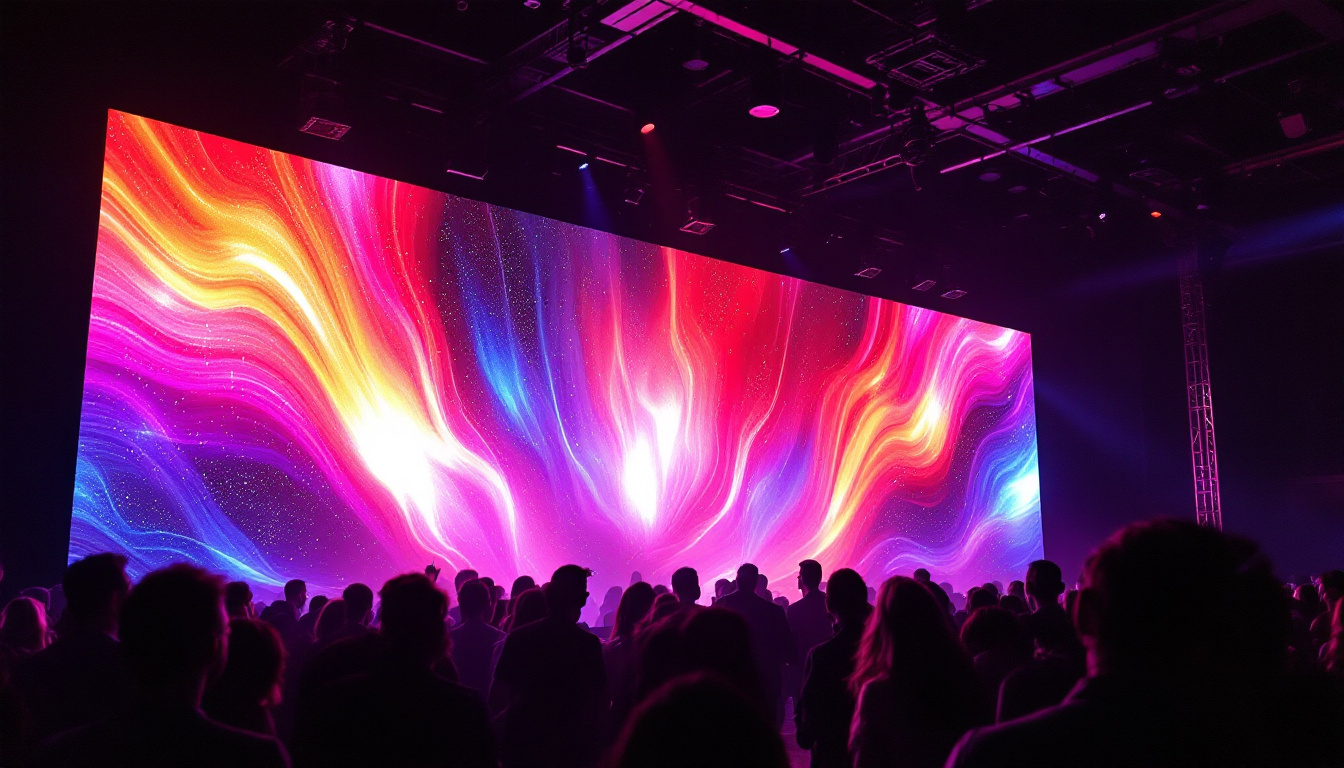
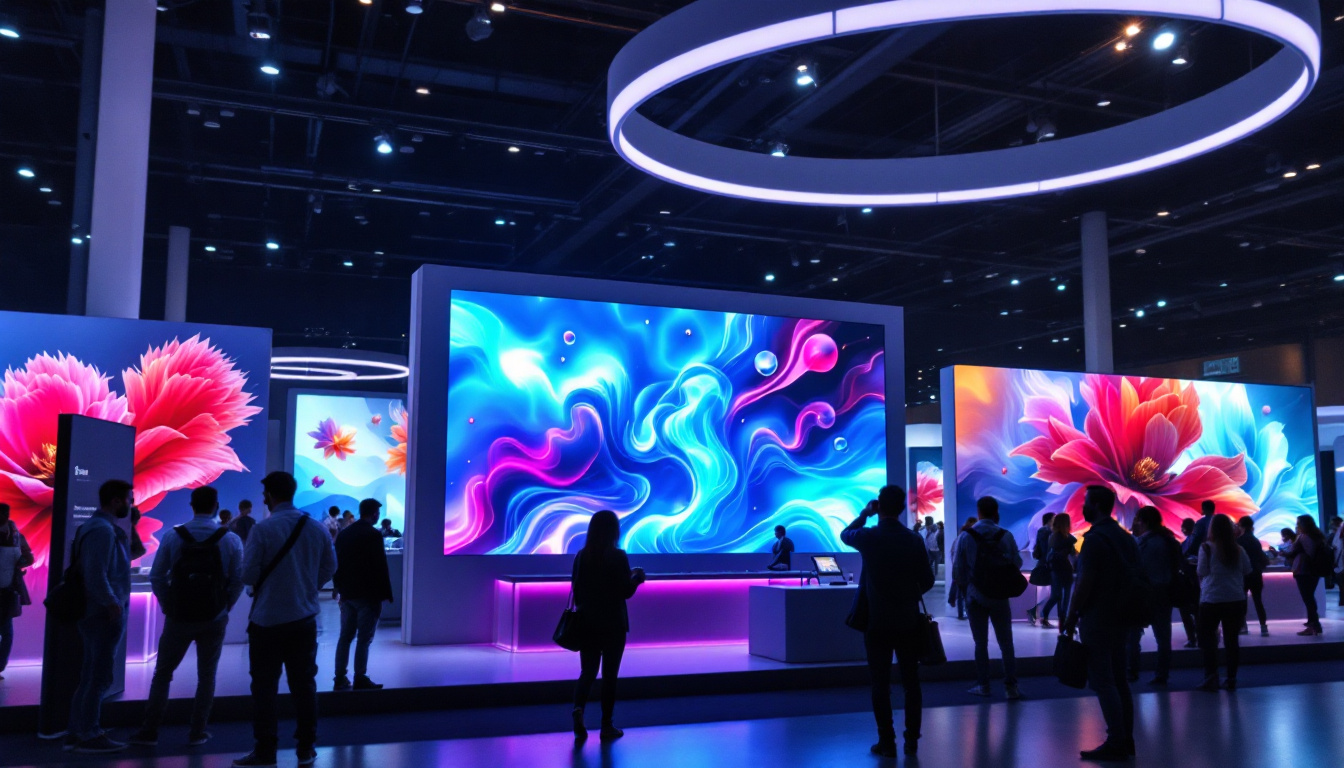
Formovies also provides LED display solutions for large venues such as stadiums, shopping malls, and outdoor advertising. In these scenarios, the displays typically have a coarser pixel pitch and are viewed from much greater distances, sometimes hundreds of feet away.
Here, the concept of projection distance is replaced entirely by the scale and placement of LED panels. The modular nature of LED displays allows for massive, seamless screens that maintain image quality at any size.
Comparing Formovies LED Displays with Traditional Projectors
To fully appreciate the benefits of Formovies LED displays, it’s helpful to compare them with traditional projection systems, particularly in terms of projection distance and image quality.
Projection Distance Flexibility
Traditional projectors require careful calculation of projection distance to achieve the desired image size and clarity. This often involves complex setups with adjustable mounts and screens. Additionally, ambient light can severely affect image quality, necessitating controlled lighting conditions.
Formovies LED displays eliminate these challenges by producing images directly on the display surface, independent of distance from a projector. This results in simpler installation and consistent image quality regardless of room lighting.
Image Quality and Brightness
LED displays generally offer superior brightness and color accuracy compared to traditional projectors. For example, while a high-end projector may produce around 3,000 lumens, Formovies LED displays can exceed that brightness level, ensuring vivid images even in daylight.
Furthermore, LED technology provides better contrast ratios and deeper blacks, enhancing the viewing experience for movies, presentations, and digital signage.
Maintenance and Longevity
Projectors require regular maintenance, including bulb replacements and lens cleaning. In contrast, Formovies LED displays boast longer lifespans—often exceeding 50,000 hours—and minimal upkeep, reducing total cost of ownership over time.
Key Considerations When Choosing Formovies LED Displays
Selecting the right LED display involves more than just understanding projection and viewing distances. Several other factors should be considered to ensure optimal performance and satisfaction.
Room Size and Layout
Measure the space where the display will be installed. Consider seating arrangements and typical viewing angles to select an appropriate screen size and pixel pitch.
Content Type
The nature of the content—whether high-definition movies, detailed presentations, or dynamic advertisements—will influence the desired resolution and brightness levels.
Ambient Lighting Conditions
LED displays perform well in various lighting environments, but extremely bright or direct sunlight conditions may require specialized models with enhanced brightness and anti-glare features.
Budget Constraints
While LED displays can have higher upfront costs compared to projectors, their durability and low maintenance often justify the investment. It’s important to balance initial expenditure with long-term benefits.
Conclusion: The Future of Projection with Formovies LED Displays
Formovies LED display technology represents a significant advancement in visual display solutions, effectively transforming the traditional concept of projection distance into a more viewer-centric model focused on optimal viewing distance and pixel density. By eliminating the limitations of projector placement and ambient light sensitivity, Formovies offers vibrant, high-quality images suitable for a wide range of applications.
Whether for home cinemas, corporate environments, or large-scale commercial installations, understanding the relationship between viewing distance, pixel pitch, and display size is key to maximizing the benefits of Formovies LED displays. As LED technology continues to evolve, it is poised to become the dominant choice for immersive, reliable, and maintenance-friendly visual experiences worldwide.
Discover LumenMatrix’s Advanced LED Display Solutions
Ready to elevate your visual experience with the latest in LED display technology? Look no further than LumenMatrix, where innovation meets excellence. Our comprehensive range of LED display modules, from Indoor and Outdoor LED Walls to specialized solutions like Vehicle Displays and Transparent Displays, is designed to bring your vision to life. Embrace the future of projection and captivate your audience with unparalleled clarity and impact. Check out LumenMatrix LED Display Solutions today and transform your space into a dynamic visual spectacle.