In the rapidly evolving world of digital signage and display technology, LED displays have emerged as a dominant force, transforming the way information and visuals are presented across various industries. From massive outdoor billboards to sleek indoor screens, LED displays offer unparalleled brightness, color accuracy, and versatility. This article delves into the fundamentals of LED display technology, explores its applications, and highlights why it continues to be a preferred choice for businesses and consumers alike.
Understanding LED Display Technology
At its core, an LED display is a flat panel that uses light-emitting diodes (LEDs) as pixels to create images. Unlike traditional LCD or plasma screens, LED displays rely on tiny semiconductor devices that emit light when an electric current passes through them. This fundamental difference results in several advantages, including higher brightness, better contrast ratios, and improved energy efficiency. Because of these benefits, LED technology has rapidly become the preferred choice for various applications, from large-scale advertising billboards to small electronic devices.
How LED Displays Work
Each LED in a display acts as a single pixel or part of a pixel. In full-color LED displays, these pixels are composed of red, green, and blue LEDs arranged closely together. By adjusting the intensity of these three colors, the display can produce a wide spectrum of colors, enabling vivid and dynamic images. The precision with which these colors can be mixed allows for the creation of stunning visuals that can captivate audiences, making LED displays particularly popular in entertainment venues and public spaces.
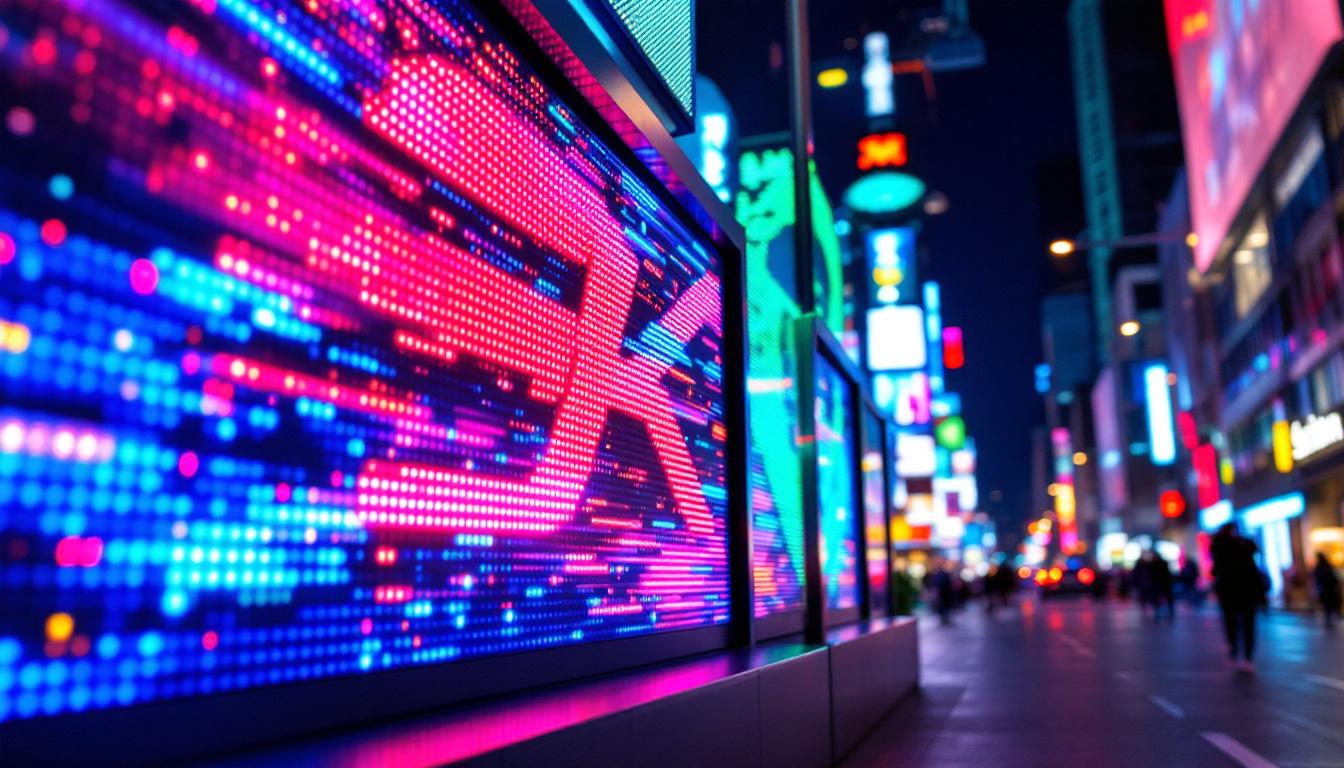
The LEDs are mounted on panels, which are then assembled into larger screens. The resolution of an LED display depends on the pixel pitch—the distance between the centers of two adjacent pixels. Smaller pixel pitches mean higher resolution and finer image detail, which is crucial for indoor displays viewed up close. Additionally, advancements in technology have led to the development of high-density LED displays that can achieve resolutions comparable to traditional LCD screens, further blurring the lines between these two technologies.
Types of LED Displays
LED displays come in various forms, each tailored to specific use cases:
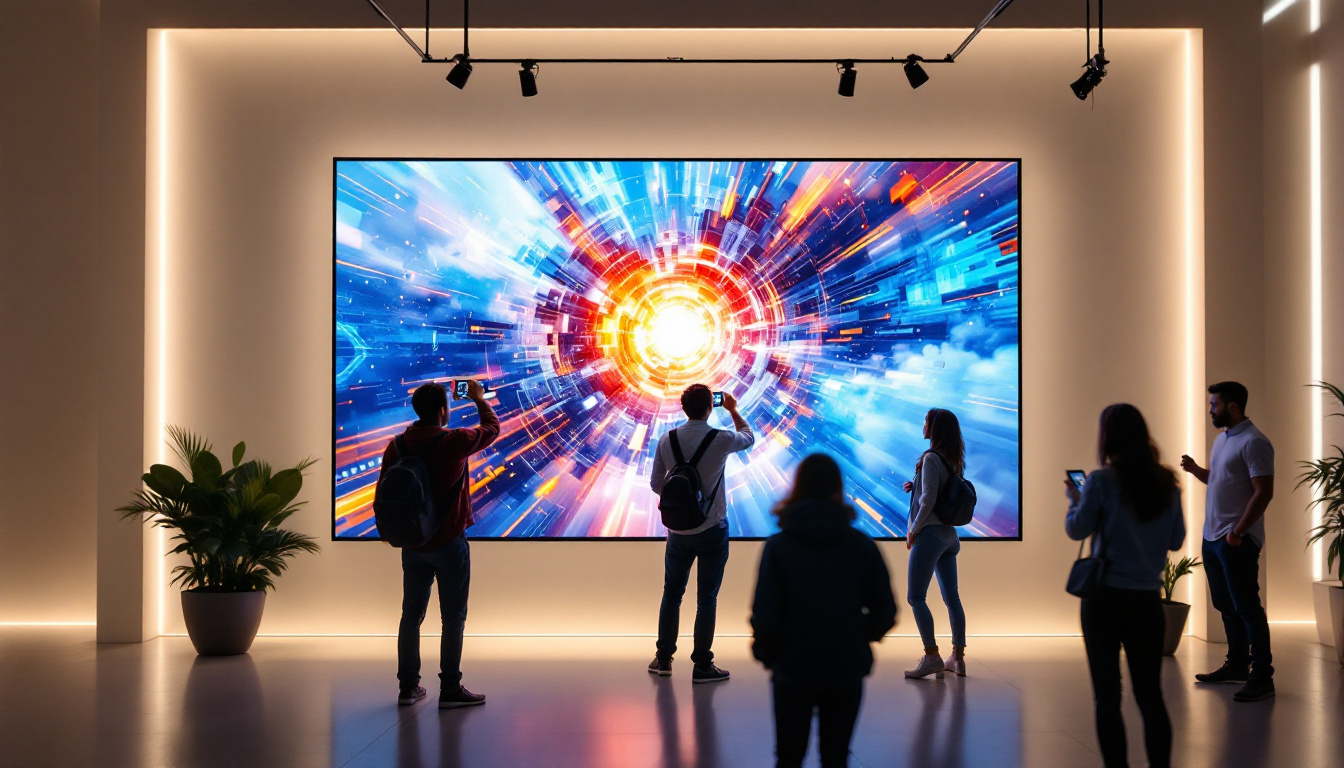
- Indoor LED Displays: Designed for environments with controlled lighting, these displays have smaller pixel pitches (often less than 2mm) to deliver sharp images at close viewing distances. They are commonly used in retail environments, conference rooms, and theaters, where clarity and detail are paramount.
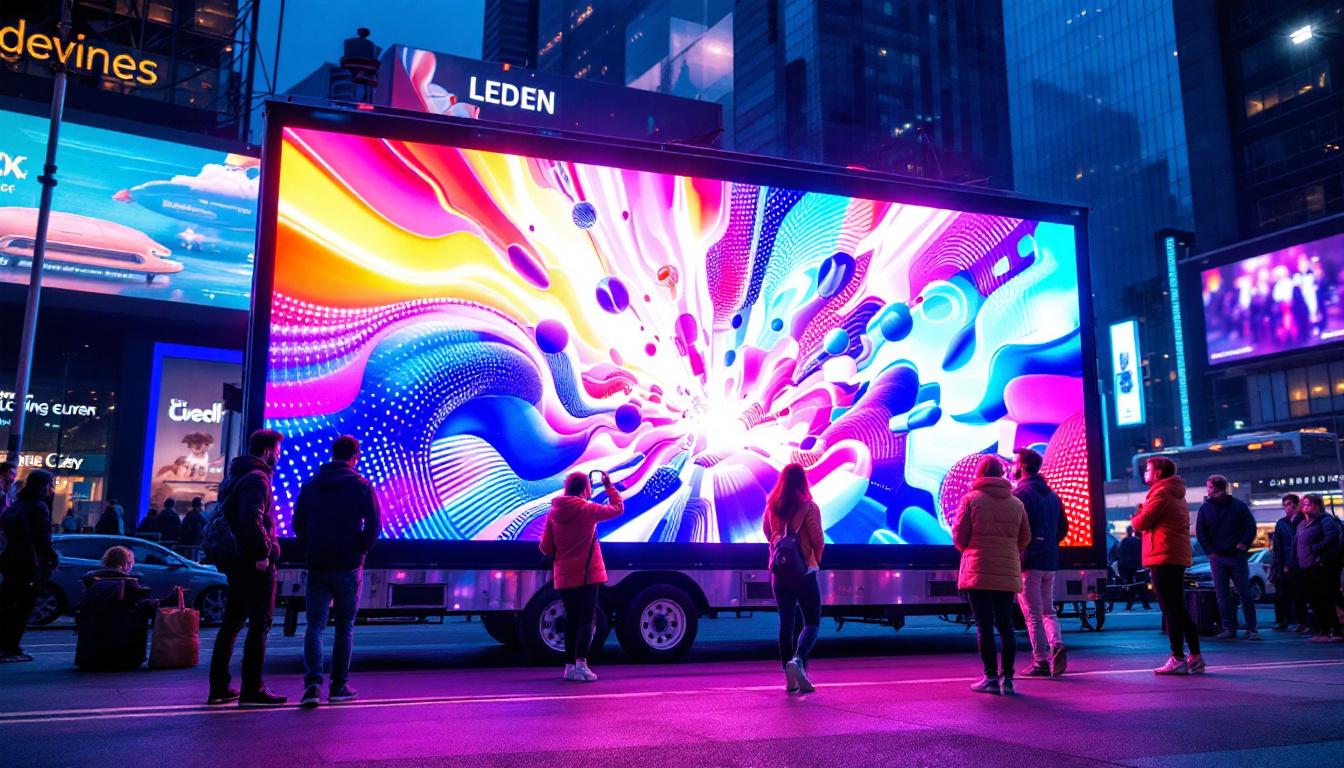
- Outdoor LED Displays: Built to withstand harsh weather conditions, these displays feature larger pixel pitches (typically 6mm and above) and higher brightness levels, often exceeding 5,000 nits, to remain visible even in direct sunlight. Their durability and visibility make them ideal for stadiums, outdoor advertising, and transportation hubs.
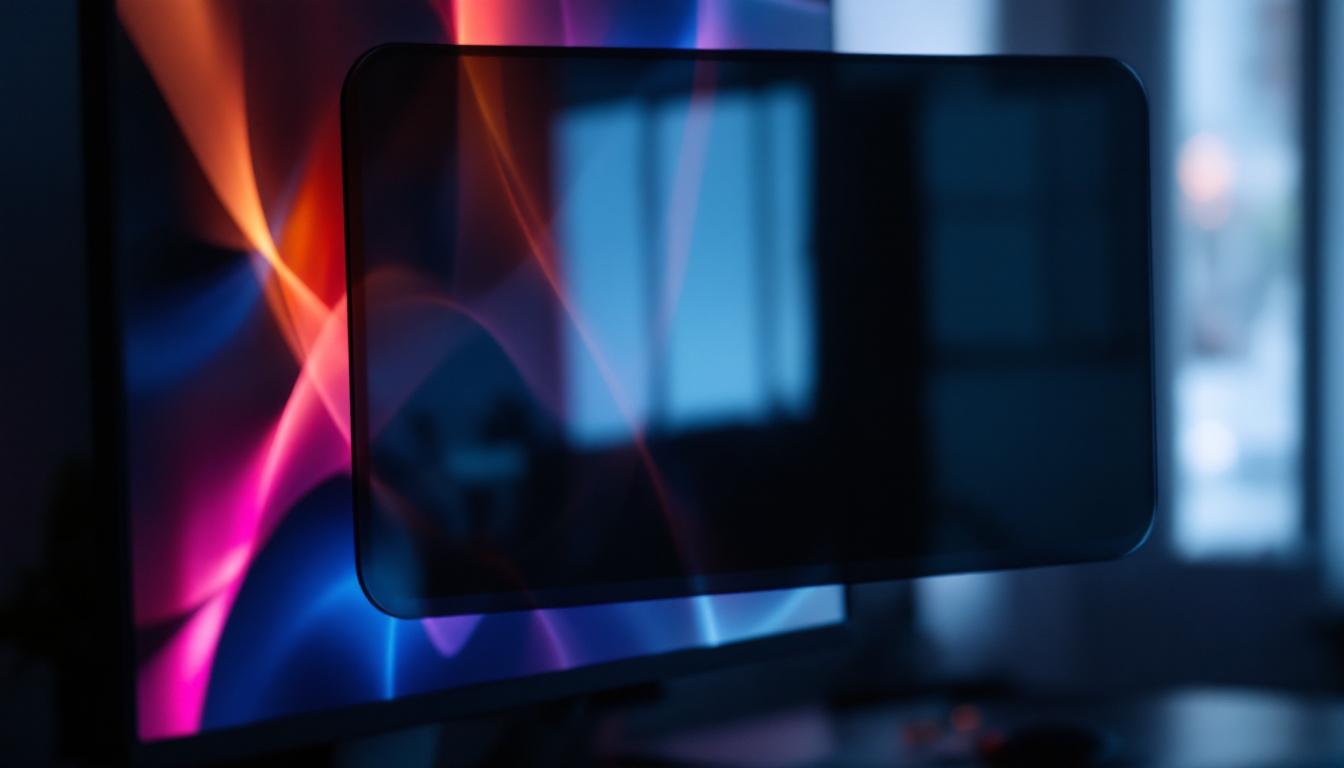
- Transparent LED Displays: These innovative screens allow light to pass through, making them ideal for storefront windows and architectural installations where maintaining visibility is essential. This technology not only enhances aesthetic appeal but also opens new avenues for interactive advertising, allowing brands to engage customers in unique ways.
- Flexible and Curved LED Displays: Utilizing bendable substrates, these displays can conform to curved surfaces, expanding creative possibilities in advertising and design. Their versatility allows for immersive installations that can wrap around structures or create dynamic shapes, pushing the boundaries of traditional display formats.
Moreover, the integration of smart technology into LED displays has led to the rise of digital signage solutions that can be remotely managed and updated in real time. This capability is particularly beneficial for businesses looking to adapt their messaging quickly in response to market trends or customer feedback. As the demand for interactive and engaging content grows, LED displays are increasingly being equipped with touch-sensitive technology, enabling users to interact with the screen directly, further enhancing the user experience.
Advantages of LED Displays Over Other Technologies
LED displays offer several distinct benefits compared to traditional display technologies such as LCD, plasma, and projection systems. Understanding these advantages helps explain why LEDs have become the go-to solution for many applications.
Superior Brightness and Visibility
One of the most significant advantages of LED displays is their exceptional brightness. While LCD screens typically max out around 300 to 500 nits, outdoor LED displays can reach brightness levels exceeding 5,000 nits, ensuring clear visibility even under direct sunlight. This makes LED displays ideal for outdoor advertising, sports arenas, and transportation hubs.
Enhanced Color Accuracy and Contrast
LED technology enables displays to produce deep blacks and vibrant colors, resulting in high contrast ratios that make images and videos more engaging. Unlike LCDs, which rely on backlighting, LEDs emit light directly, allowing for more precise control over brightness at the pixel level. This capability is especially important for applications such as digital art installations and retail displays where visual impact is critical.
Energy Efficiency and Longevity
LEDs are inherently energy-efficient, consuming less power than comparable LCD or plasma displays. This efficiency translates into lower operating costs, especially for large-scale installations that run continuously. Additionally, LED displays boast longer lifespans, often exceeding 100,000 hours of operation, reducing maintenance and replacement expenses.
Scalability and Customization
Modular LED panels can be combined to create displays of virtually any size and shape. This flexibility allows businesses to design custom installations tailored to their spatial and branding requirements. Whether it’s a massive stadium screen or a compact retail display, LED technology adapts seamlessly.
Applications of LED Displays Across Industries
LED displays have revolutionized communication and marketing strategies across numerous sectors. Their versatility and visual appeal make them invaluable tools for attracting attention, conveying information, and enhancing user experiences.
Advertising and Outdoor Signage
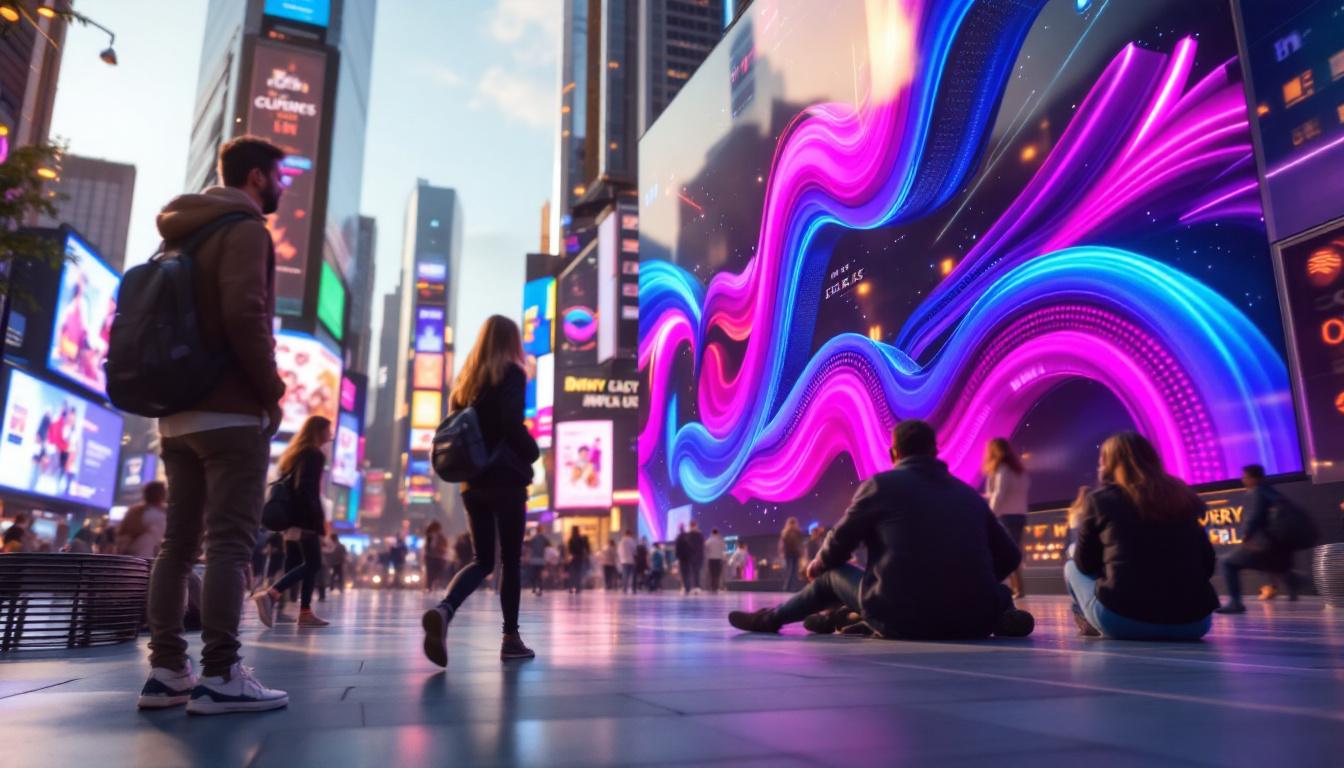
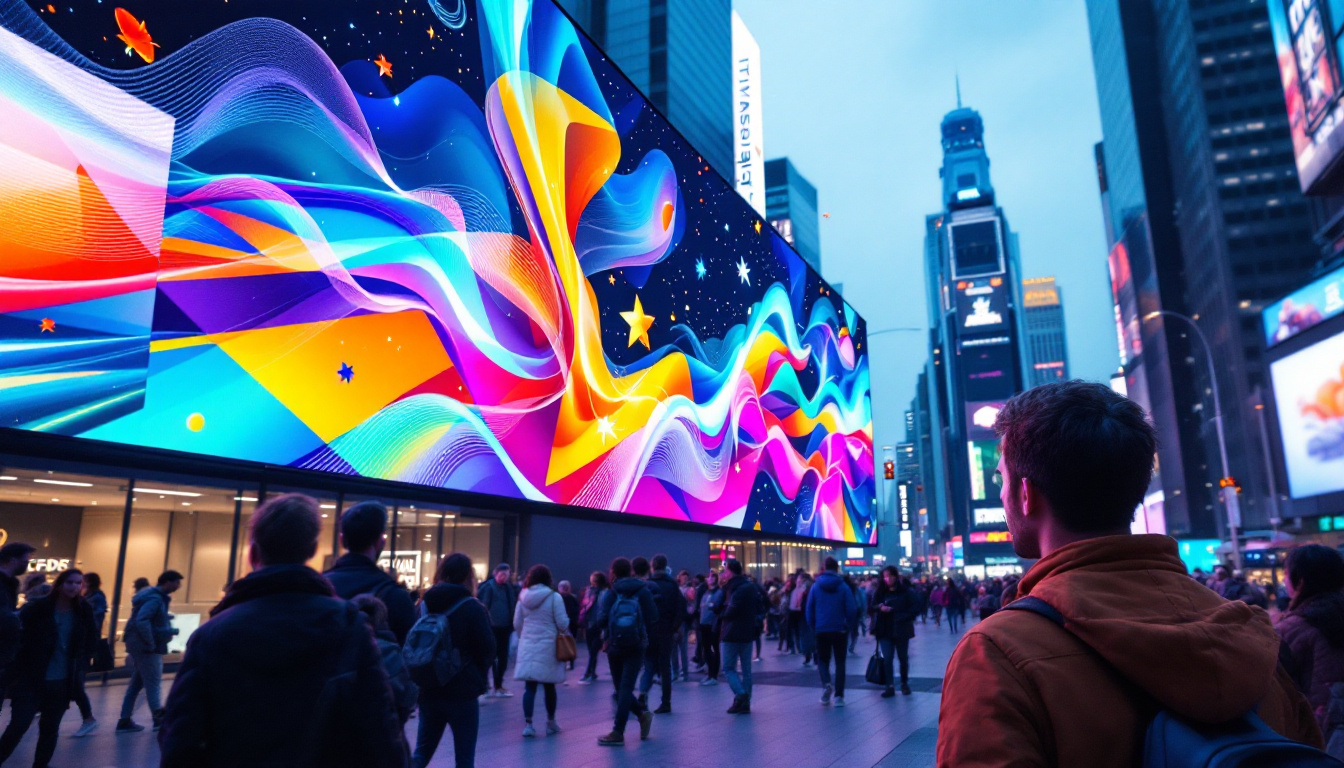
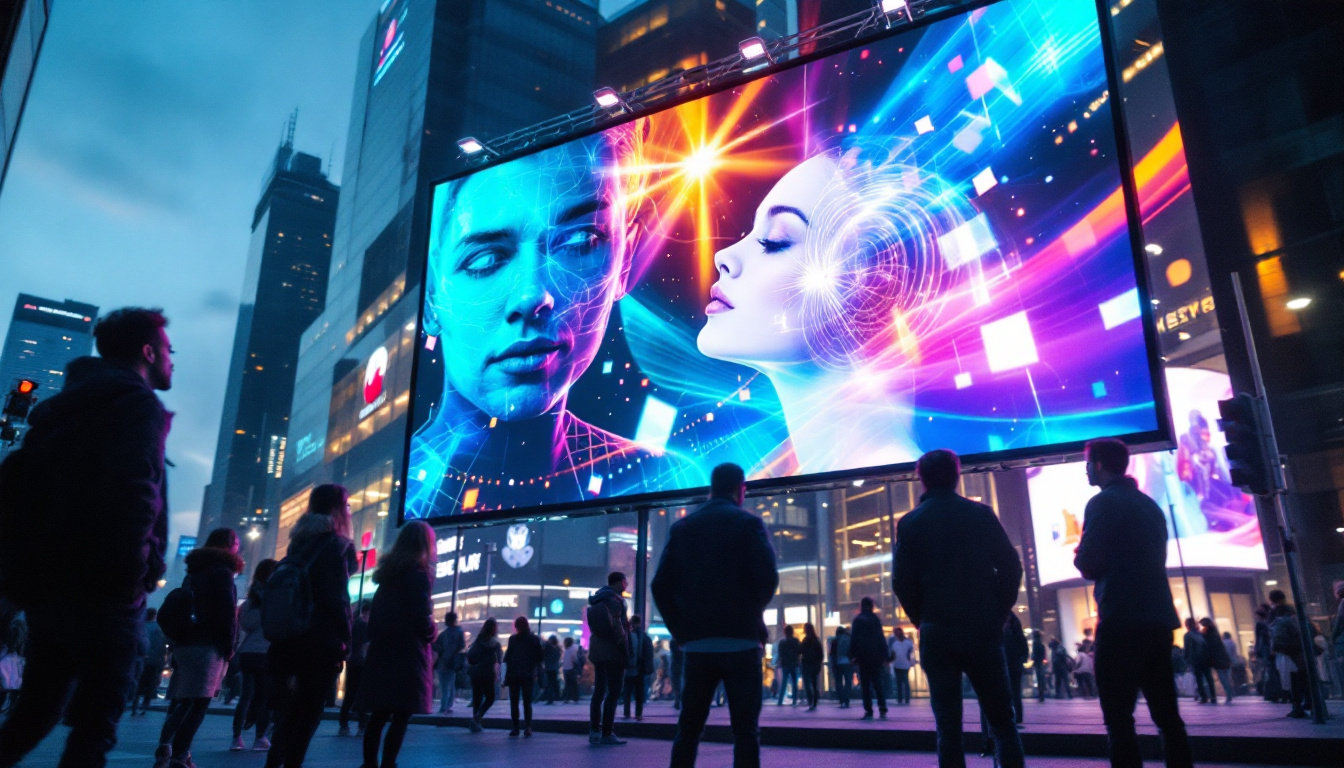
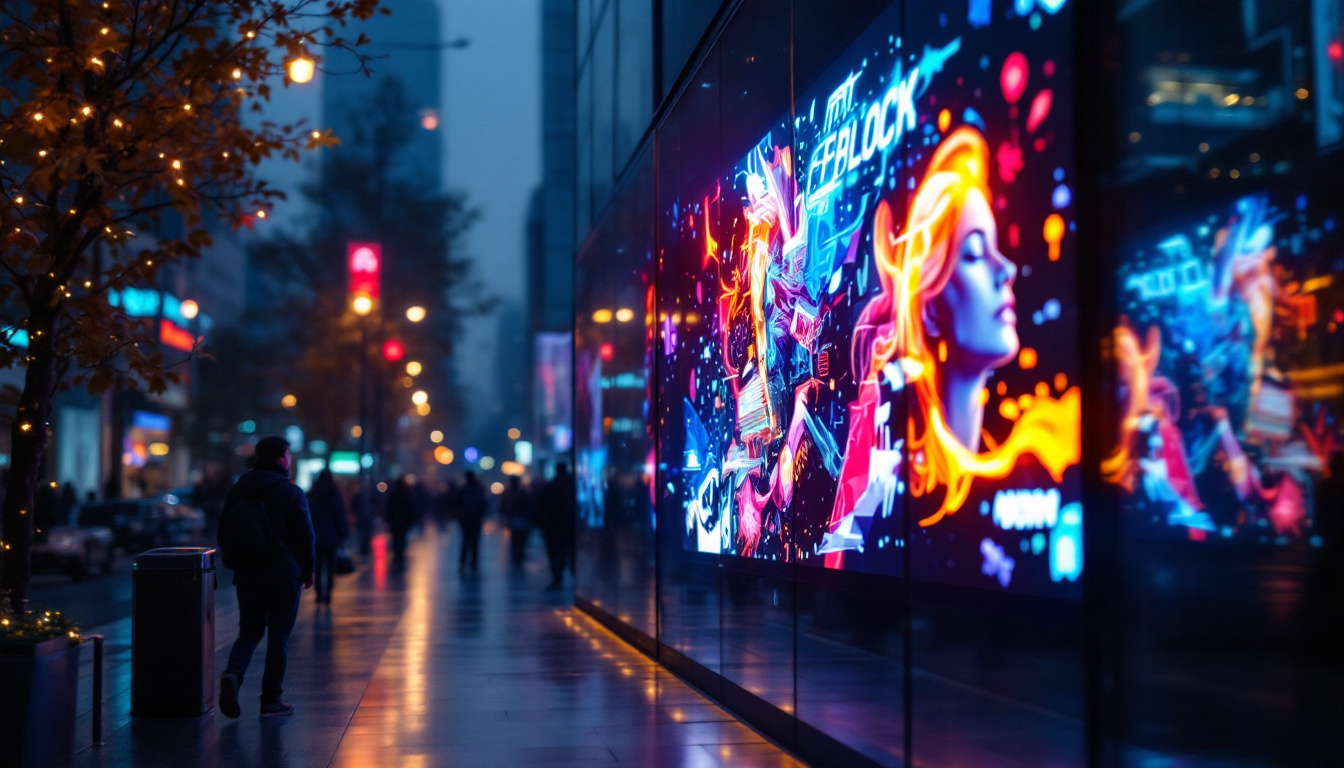
Billboards and digital signage have been transformed by LED technology. High brightness and dynamic content capabilities allow advertisers to deliver eye-catching messages that can be updated in real-time. According to recent market analyses, the global digital signage market is expected to grow at a compound annual growth rate (CAGR) of over 8% through 2027, driven largely by LED adoption.
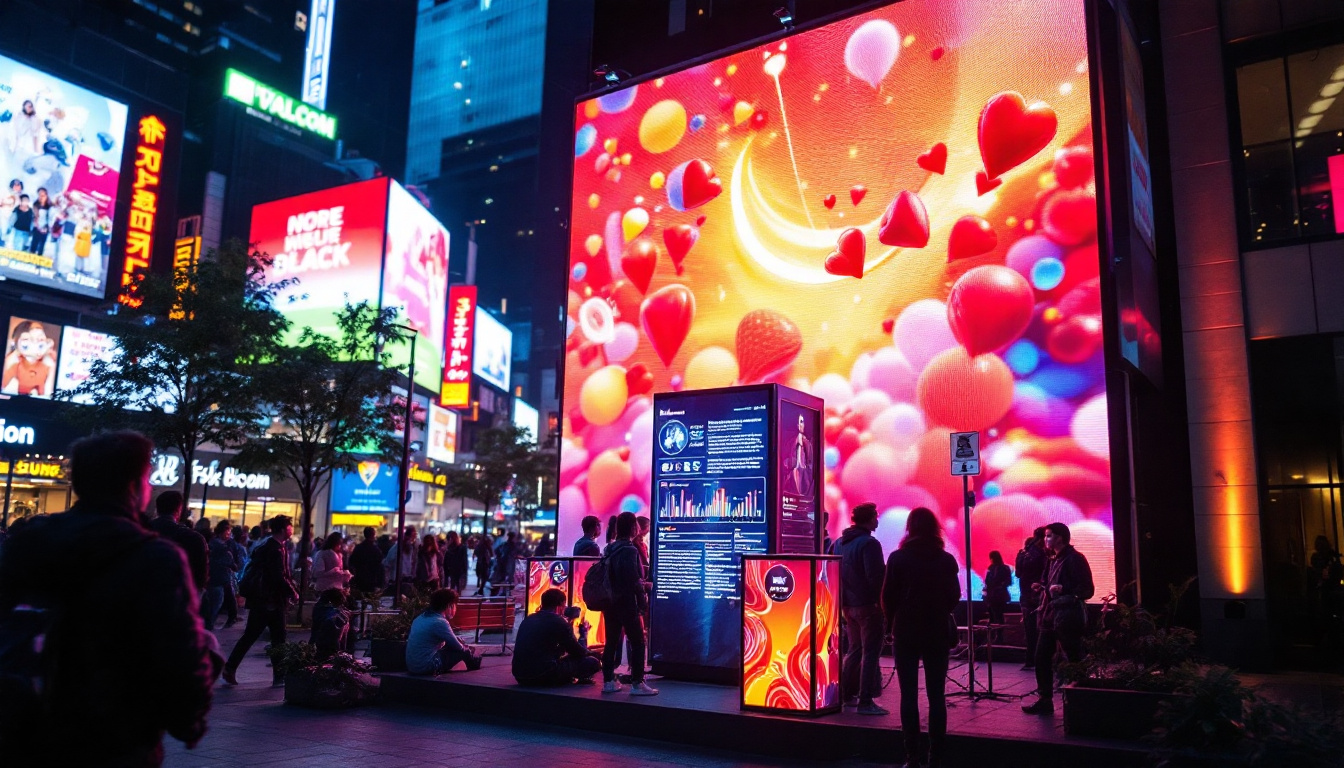
Iconic locations such as Times Square in New York City showcase the power of LED displays to captivate audiences with vibrant, high-resolution content visible from great distances.
Sports and Entertainment Venues
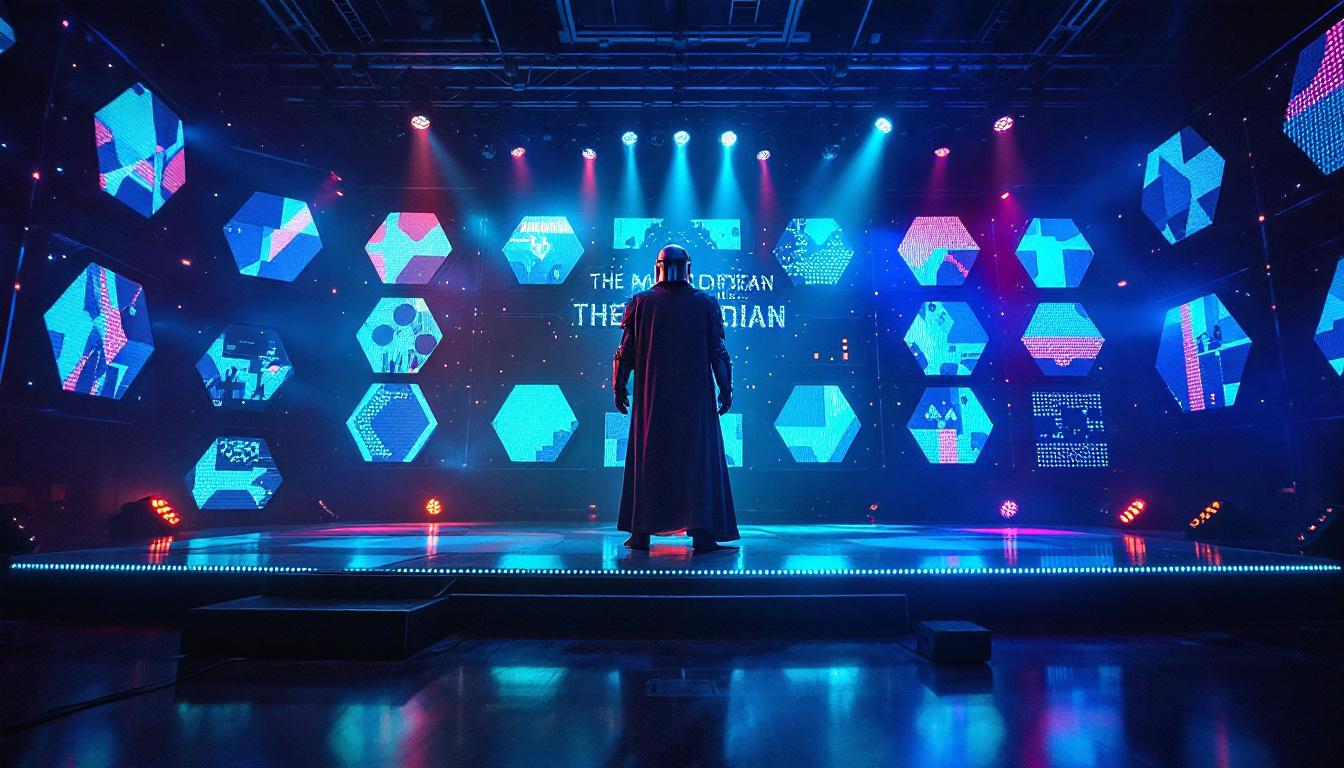
Sports arenas and concert venues utilize LED displays to enhance spectator engagement. From giant scoreboards to immersive stage backdrops, LEDs provide bright, clear visuals that can be seen from every seat. The ability to display live video feeds, replays, and interactive content enriches the overall experience.
Retail and Hospitality
In retail environments, LED displays serve as dynamic advertising tools, promoting products and sales with vivid imagery. Hotels and restaurants use LED screens for digital menus, event promotions, and ambiance creation. The adaptability of LED technology allows for creative installations that align with brand aesthetics.
Transportation and Public Information
Airports, train stations, and bus terminals rely on LED displays to provide real-time information such as schedules, alerts, and directions. The clarity and brightness of LEDs ensure that messages are easily readable, improving passenger experience and operational efficiency.
Key Considerations When Choosing an LED Display
Selecting the right LED display involves evaluating several factors to ensure optimal performance and return on investment. Understanding these considerations helps businesses make informed decisions tailored to their specific needs.
Pixel Pitch and Resolution
The pixel pitch determines the resolution and viewing distance of the display. For indoor applications where viewers are close, a smaller pixel pitch (1.5mm to 2.5mm) is preferable to ensure sharp images. Outdoor displays can have larger pixel pitches (6mm and above) since viewers are typically farther away.
Brightness and Environmental Conditions
Assessing the ambient lighting conditions is crucial. Outdoor displays must have high brightness levels and weatherproofing to maintain visibility and durability. Indoor displays require less brightness but may benefit from features like anti-glare coatings.
Refresh Rate and Color Depth
A higher refresh rate reduces flicker and improves video quality, which is especially important for broadcasting live events or displaying fast-moving content. Color depth affects the range of colors the display can produce, influencing image richness and realism.
Installation and Maintenance
Modular designs facilitate easier installation and future scalability. Additionally, considering the ease of maintenance, such as front-access panels, can reduce downtime and service costs.
The Future of LED Display Technology
Innovation continues to drive the LED display industry forward, with emerging trends promising even greater capabilities and applications.
MicroLED and MiniLED Advances
MicroLED technology, which uses microscopic LEDs as individual pixels, offers the potential for even higher resolution, improved brightness, and energy efficiency. MiniLED backlighting enhances LCD panels by using thousands of tiny LEDs to improve contrast and color accuracy. Both technologies are gaining traction in premium displays and could redefine visual standards.
Integration with Interactive and Smart Technologies
Touch-enabled LED displays and integration with sensors and IoT devices are expanding interactivity. This evolution enables personalized content delivery, enhanced user engagement, and smarter environments in retail, education, and public spaces.
Sustainability and Energy Efficiency
As environmental concerns grow, manufacturers are focusing on reducing the carbon footprint of LED displays through improved materials, recycling programs, and energy-saving features. Sustainable design is becoming a key differentiator in the market.
Conclusion
LED display technology has revolutionized visual communication by offering unmatched brightness, color fidelity, and versatility. Its applications span advertising, entertainment, retail, transportation, and beyond, making it an indispensable tool for modern businesses. As technology advances, LED displays will continue to evolve, delivering richer experiences while addressing sustainability challenges. Understanding the fundamentals and key considerations of LED displays empowers organizations to harness their full potential and stay ahead in an increasingly visual world.
Discover the Future of Visual Engagement with LumenMatrix
Ready to elevate your visual communication and captivate your audience like never before? Explore LumenMatrix’s comprehensive range of LED display solutions, from vibrant Indoor and Outdoor LED Wall Displays to innovative options like Vehicle LED Displays, LED Posters, and Transparent LED Displays. Whether you’re looking to enhance your brand’s visibility, create immersive experiences, or deliver dynamic content with clarity, LumenMatrix is your partner in revolutionizing your space. Check out LumenMatrix LED Display Solutions today and step into the future of digital signage.