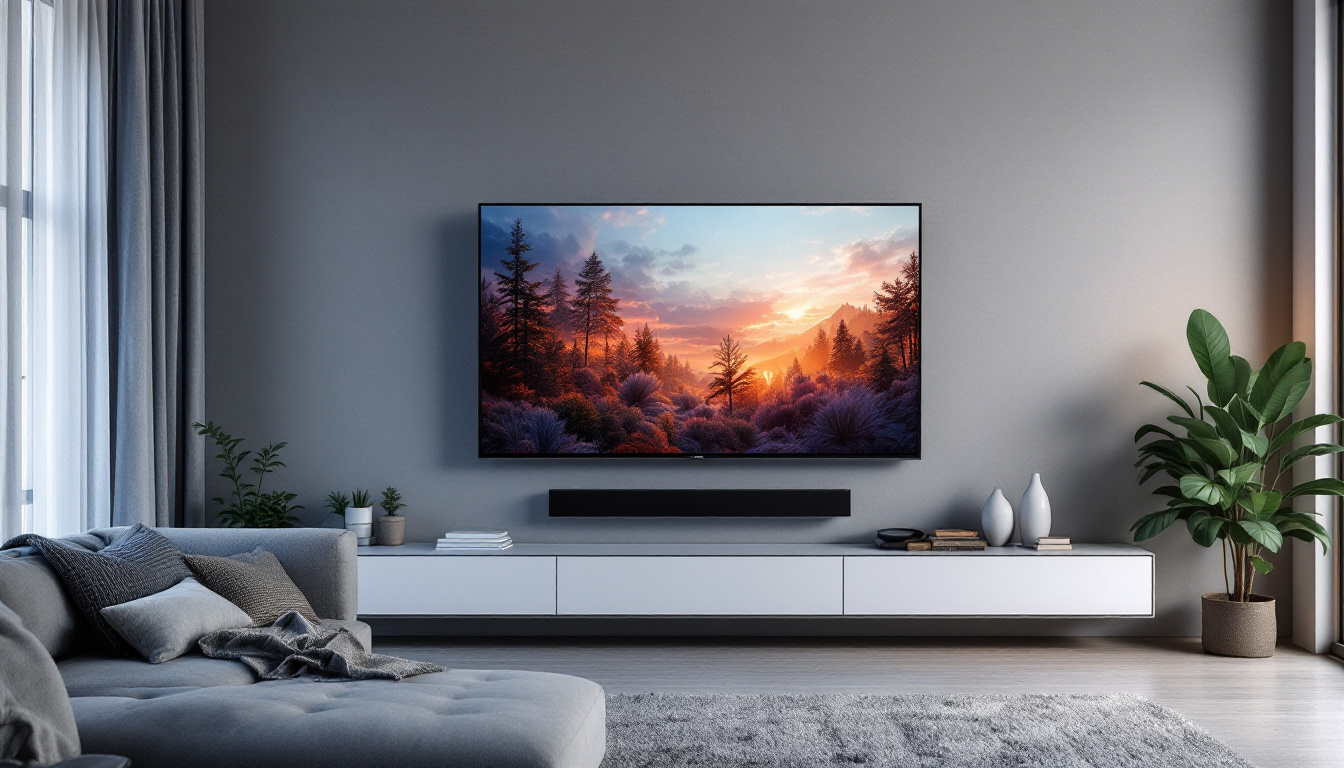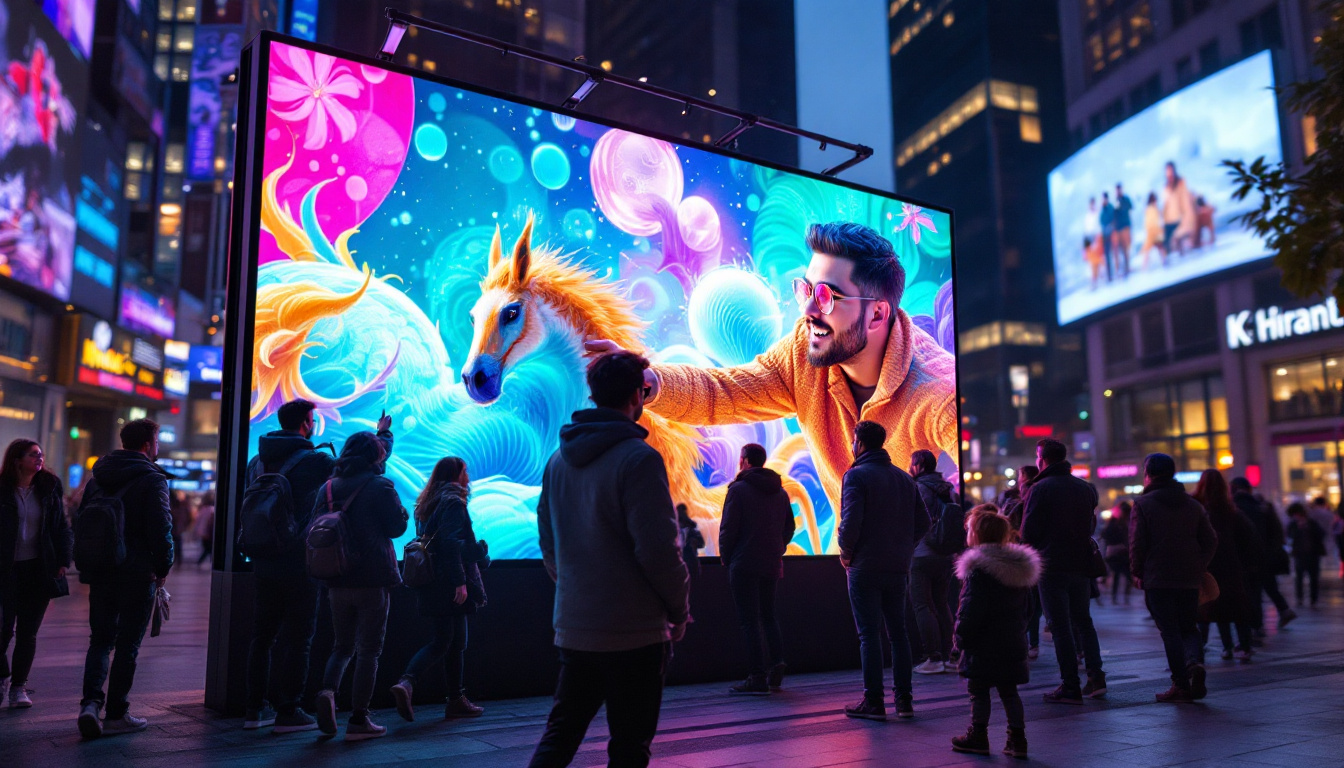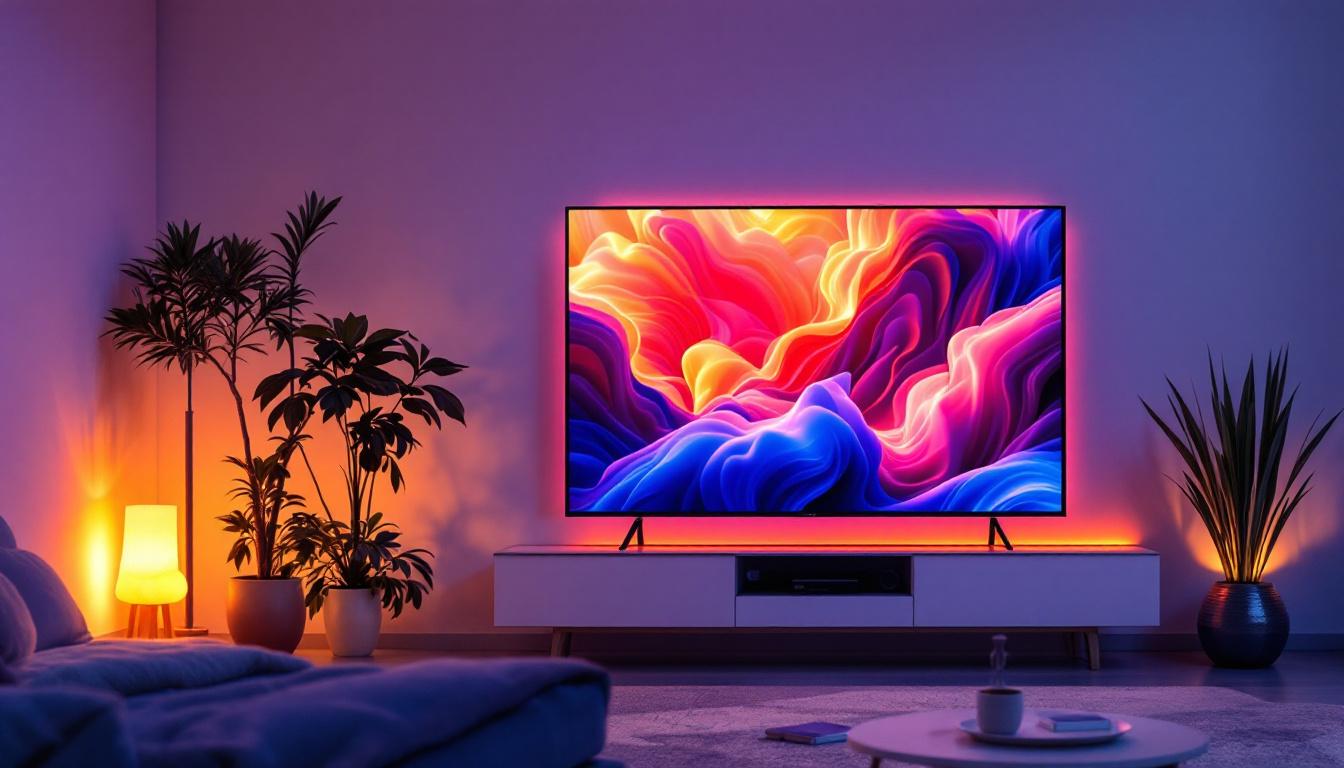
In the rapidly evolving world of television technology, Smart Touch TVs with LED displays have become a popular choice for consumers seeking an interactive and visually stunning viewing experience. Understanding the technology behind these devices is crucial for making informed purchasing decisions and fully appreciating the capabilities they offer. This article delves into the intricacies of LED display technology in Smart Touch TVs, exploring how it works, its advantages, and what sets it apart from other display types.
Understanding LED Display Technology
LED, or Light Emitting Diode, displays have revolutionized the way images are rendered on television screens. Unlike traditional LCD (Liquid Crystal Display) panels that rely on fluorescent backlighting, LED displays use an array of tiny light-emitting diodes to illuminate the screen. This fundamental difference leads to several improvements in picture quality, energy efficiency, and design flexibility.
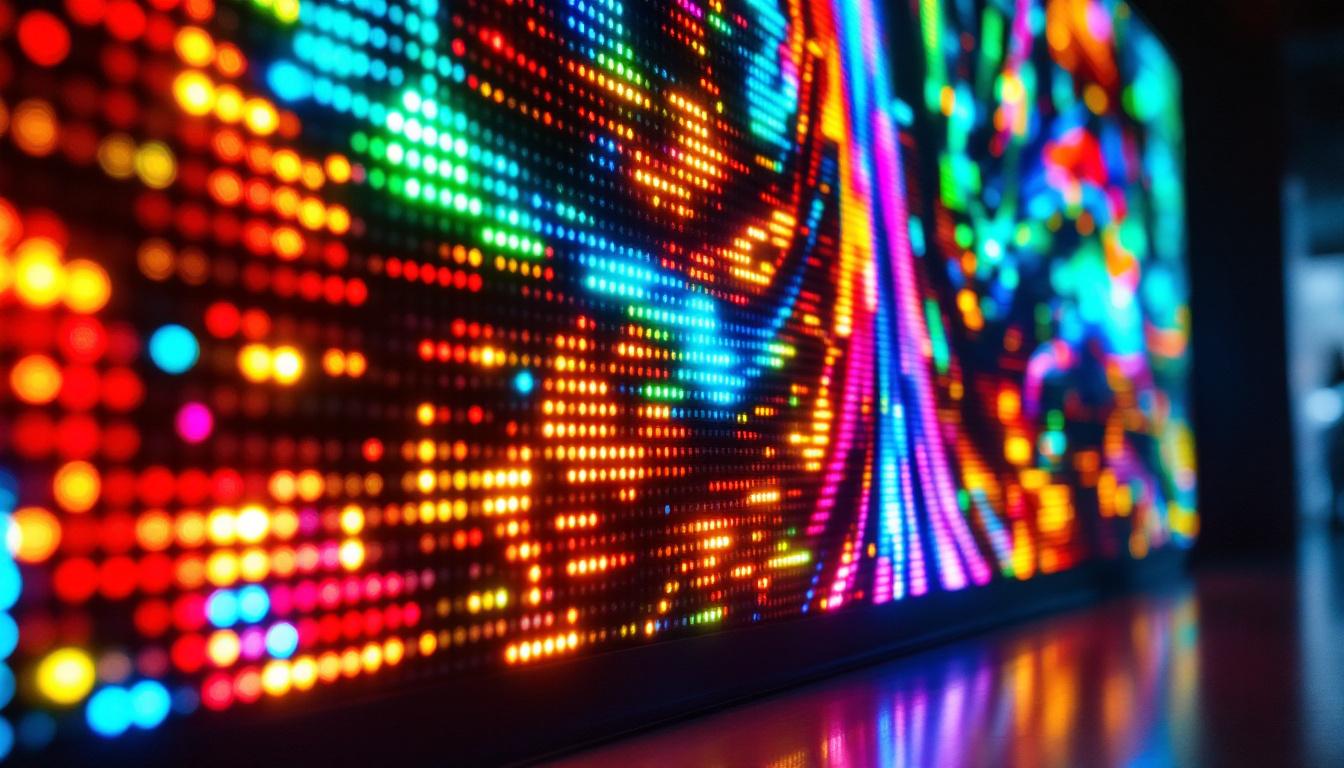
At its core, an LED display functions by using diodes that emit light when an electric current passes through them. These diodes can be arranged in various configurations, such as edge-lit or direct-lit, to control how light is distributed across the screen. The precision in lighting allows for better contrast ratios and deeper blacks, enhancing the overall viewing experience. This technology also supports a wider color gamut, meaning that viewers can enjoy more vibrant and lifelike colors, making it ideal for everything from watching movies to playing video games.
Types of LED Displays in Smart Touch TVs
LED technology in televisions is not monolithic; there are several types of LED displays, each with its unique characteristics:
- Edge-Lit LED: LEDs are placed around the edges of the screen, and light is diffused across the display. This design allows for thinner TVs but may have less uniform brightness.
- Direct-Lit LED: LEDs are positioned directly behind the screen, offering more uniform lighting and better contrast but often resulting in a thicker panel.
- Full-Array LED: An advanced form of direct-lit LED with a grid of LEDs behind the screen that can be dimmed or brightened independently, enabling local dimming for enhanced contrast.
- Mini-LED: A newer technology featuring thousands of tiny LEDs, providing even more precise control over brightness and contrast, rivaling OLED in some respects.
Each type of LED display comes with its own set of advantages and drawbacks, making it essential for consumers to consider their viewing habits and preferences. For example, edge-lit displays may be more suitable for those who prioritize a sleek design and wall-mounting options, while full-array and mini-LED displays are often favored by enthusiasts who seek the best possible picture quality for cinematic experiences. Additionally, advancements in LED technology continue to emerge, such as Quantum Dot technology, which enhances color accuracy and brightness even further, pushing the boundaries of what LED displays can achieve.
Moreover, the integration of smart technology into LED displays has transformed the viewing experience. Smart TVs equipped with LED displays often come with built-in streaming services, voice control capabilities, and even artificial intelligence features that optimize picture settings based on the content being viewed. This convergence of LED technology with smart features not only enhances user convenience but also ensures that viewers can enjoy high-quality content with minimal effort, making the modern television a central hub for entertainment in many households.
How Smart Touch Integration Enhances LED TVs
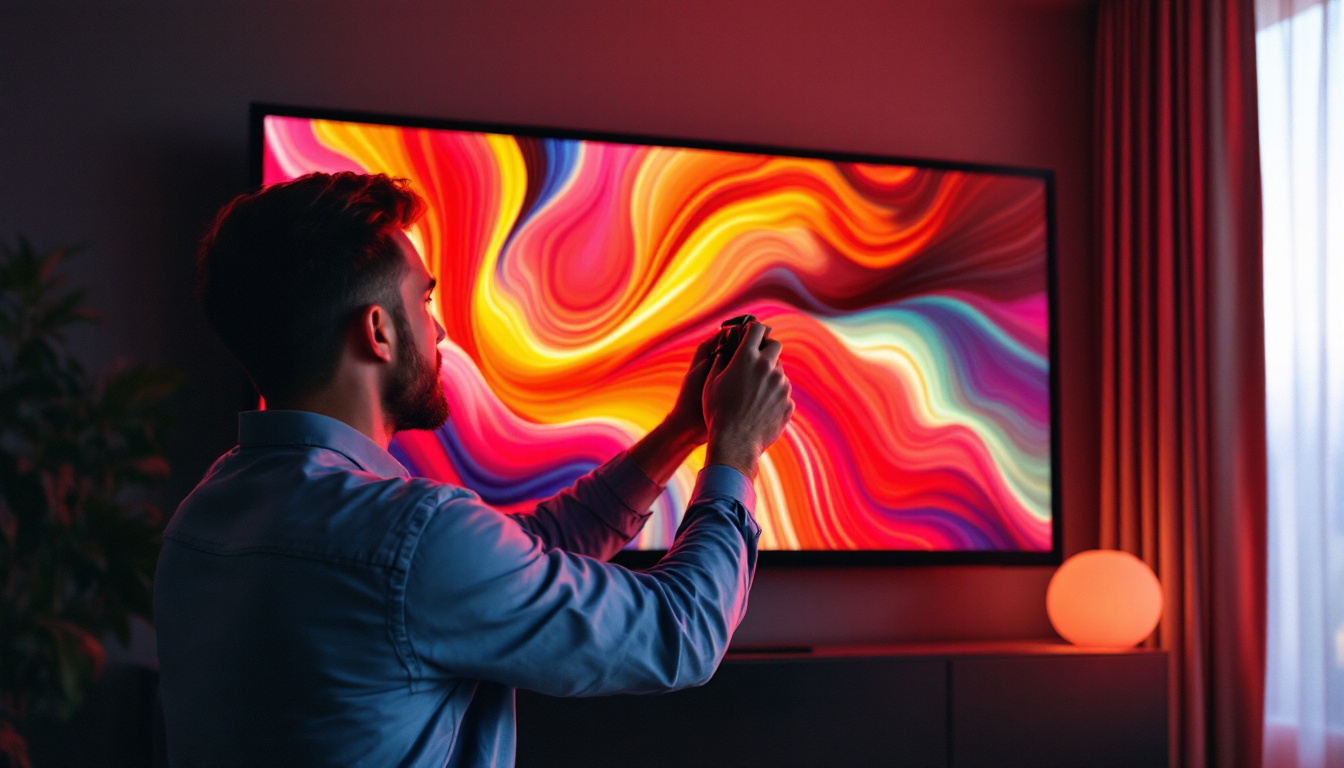
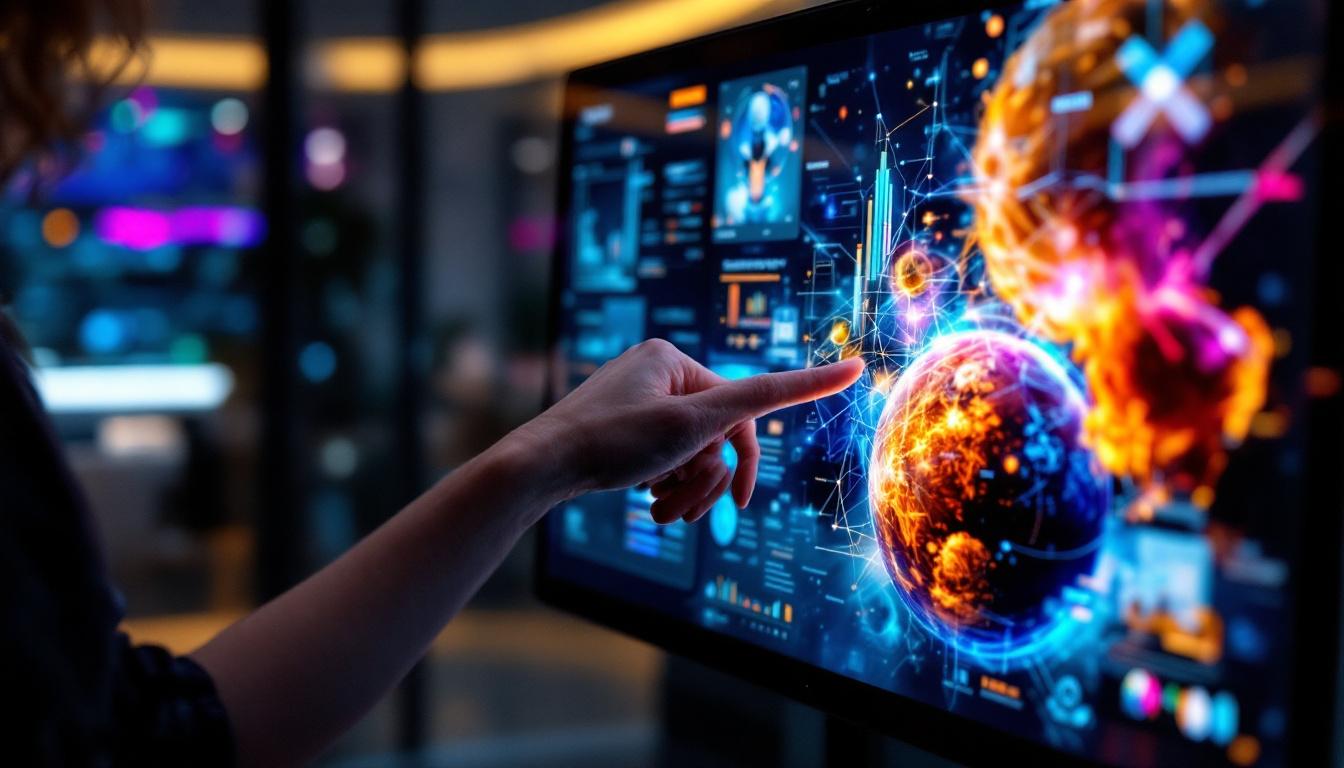
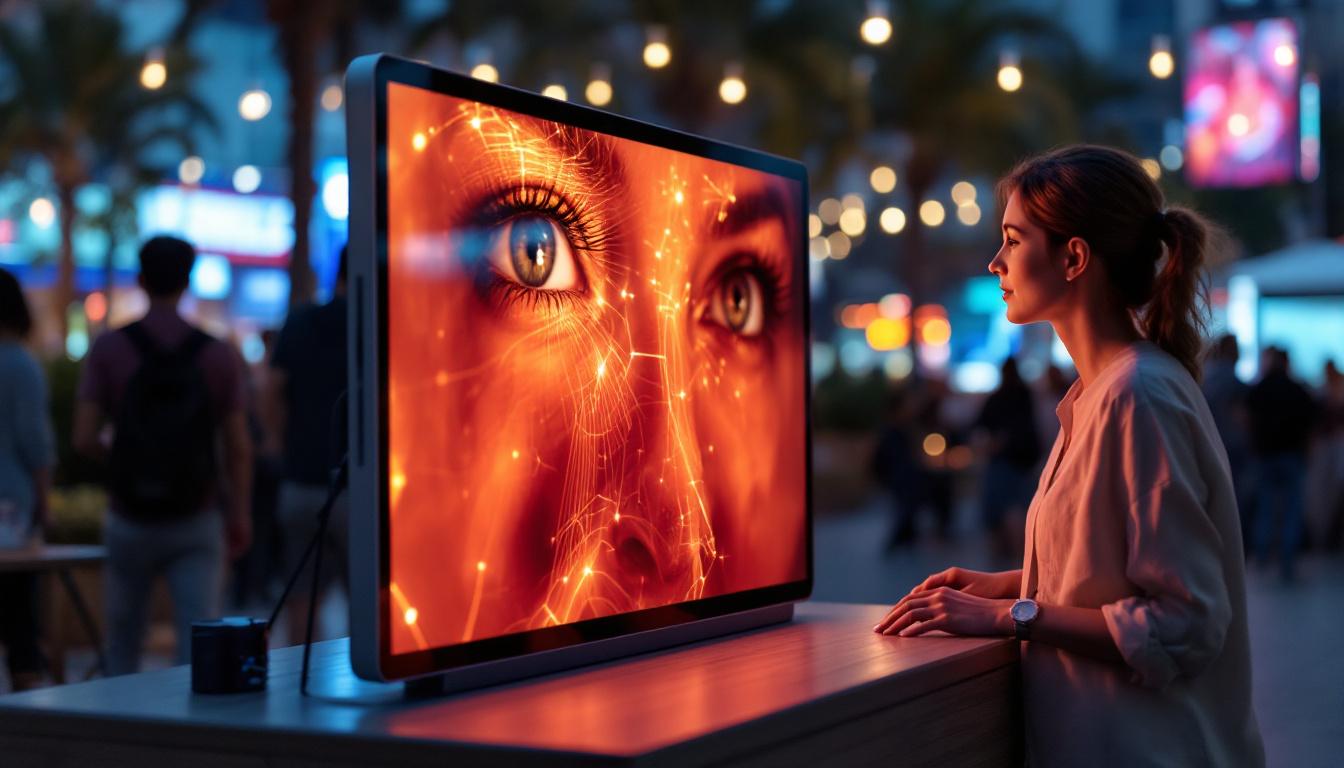
Smart Touch TVs combine the visual excellence of LED displays with interactive touch capabilities, creating a versatile device that goes beyond traditional television viewing. This integration allows users to navigate menus, control applications, and interact with content directly on the screen, similar to a tablet or smartphone experience.
The touch functionality is typically achieved through capacitive or infrared touch sensors embedded within the screen. Capacitive touch technology detects changes in electrical charge when a finger touches the surface, offering high accuracy and responsiveness. Infrared touch uses a grid of light beams to detect touch points, which can be more cost-effective but less precise.
Benefits of Touch-Enabled LED TVs
The addition of touch controls brings several benefits to users:
- Intuitive Navigation: Touchscreens allow for more natural interaction with apps, menus, and settings, reducing reliance on remote controls.
- Enhanced Accessibility: For users with mobility challenges, touch controls can simplify operation by enabling direct interaction.
- Multitasking and Productivity: Some Smart Touch TVs support split-screen modes and app integration, making them suitable for work, education, and entertainment.
- Interactive Content: Educational programs, games, and interactive media become more engaging with touch capabilities.
Comparing LED Displays to Other Display Technologies
While LED displays dominate the market, it is important to understand how they compare to other popular technologies like OLED (Organic Light Emitting Diode) and QLED (Quantum Dot LED). Each has its strengths and trade-offs, influencing consumer choice based on preferences and budget.
LED vs. OLED
OLED displays use organic compounds that emit light individually when electrically stimulated, eliminating the need for a backlight. This results in true blacks and exceptional contrast ratios because pixels can be turned off entirely. However, OLED panels tend to be more expensive and can suffer from burn-in over time.
LED displays, especially full-array and mini-LED variants, have narrowed the gap in picture quality by improving local dimming and brightness. They are generally more affordable and less prone to burn-in, making them a practical choice for many households.
LED vs. QLED
QLED technology is essentially an LED display enhanced with quantum dot filters that improve color accuracy and brightness. QLED TVs typically offer vibrant colors and high peak brightness, which is advantageous for viewing in well-lit rooms.
While QLED is a marketing term primarily used by certain manufacturers, it represents a significant step forward in LED display technology. For consumers seeking bright, colorful images with the durability of LED panels, QLED TVs can be an excellent option.
Key Features to Consider When Choosing a Smart Touch LED TV
Selecting the right Smart Touch LED TV involves evaluating several critical features beyond just the display technology. These factors impact user experience, longevity, and overall satisfaction.
Resolution and Screen Size
Resolution determines the clarity and detail of the image. Most modern LED TVs offer at least Full HD (1080p), but 4K UHD (3840 x 2160 pixels) has become the standard for high-end models, providing four times the pixel count of Full HD. For larger screen sizes, 4K resolution is highly recommended to maintain image sharpness.
Screen size should be chosen based on viewing distance and room dimensions. A common guideline suggests sitting at a distance approximately 1.5 to 2.5 times the diagonal screen size for optimal viewing comfort.
Refresh Rate and Response Time
The refresh rate, measured in Hertz (Hz), indicates how many times the image updates per second. Higher refresh rates (120Hz or above) result in smoother motion, which is particularly important for gaming and fast-paced sports.
Response time, the speed at which pixels change color, affects motion blur. Lower response times reduce ghosting effects, enhancing the clarity of moving images.
Smart Features and Operating System
A Smart Touch TV’s value is significantly influenced by its software ecosystem. Popular operating systems include Android TV, Roku TV, and proprietary platforms from manufacturers. The availability of apps, voice control integration, and software updates are key considerations.
Touch capabilities should be seamlessly integrated with the smart interface, ensuring that navigation is fluid and intuitive.
Connectivity Options
Modern Smart Touch LED TVs offer multiple connectivity options such as HDMI ports, USB inputs, Bluetooth, and Wi-Fi. These enable connection to external devices like gaming consoles, soundbars, and streaming devices, expanding the TV’s functionality.
Energy Efficiency and Environmental Impact
Energy consumption is an important factor for both cost savings and environmental responsibility. LED TVs are generally more energy-efficient than older plasma or LCD models due to their advanced lighting technology.
Many manufacturers now comply with Energy Star certifications and other eco-labels, indicating that the TV meets specific energy efficiency standards. Additionally, LED displays have a longer lifespan, reducing electronic waste over time.
Tips for Reducing Energy Usage
- Adjust screen brightness to comfortable levels rather than maximum settings.
- Use power-saving modes available in the TV’s settings.
- Turn off the TV completely when not in use instead of leaving it on standby.
Future Trends in Smart Touch LED TV Technology
The television industry continues to innovate, with several emerging trends poised to enhance Smart Touch LED TVs further. Mini-LED and Micro-LED technologies are gaining traction, promising even better brightness, contrast, and energy efficiency.
Integration with artificial intelligence (AI) is improving content recommendations, voice recognition, and picture optimization. Moreover, advancements in touch technology, such as haptic feedback and multi-touch capabilities, are making interactions more immersive.
Integration with Smart Home Ecosystems
Smart Touch TVs are increasingly becoming central hubs in connected homes. Compatibility with platforms like Amazon Alexa, Google Assistant, and Apple HomeKit enables users to control lighting, security, and other smart devices directly from their TV screens.
This convergence of technologies transforms the TV from a passive entertainment device into an interactive command center, enhancing convenience and user engagement.
Conclusion
Smart Touch TVs with LED displays represent a significant advancement in home entertainment technology, combining superior image quality with intuitive interactivity. Understanding the nuances of LED display types, touch integration, and related features empowers consumers to choose the best device for their needs.
As technology continues to evolve, these TVs will become even more versatile, energy-efficient, and integrated with broader digital ecosystems. Whether for immersive movie nights, interactive gaming, or smart home control, Smart Touch LED TVs offer a compelling blend of innovation and convenience that is shaping the future of television.
Discover the Future of Visual Experience with LumenMatrix
Ready to elevate your home entertainment or enhance your business’s brand visibility with cutting-edge LED display technology? LumenMatrix is at the forefront of creating immersive visual experiences that captivate and engage. From the comfort of your living room to the bustling streets outside, our comprehensive range of solutions, including Indoor and Outdoor LED Wall Displays, Vehicle LED Displays, and more, are designed to meet your every need. Don’t just watch the future unfold—be a part of it. Check out LumenMatrix LED Display Solutions today and step into a world where innovation meets visual brilliance.