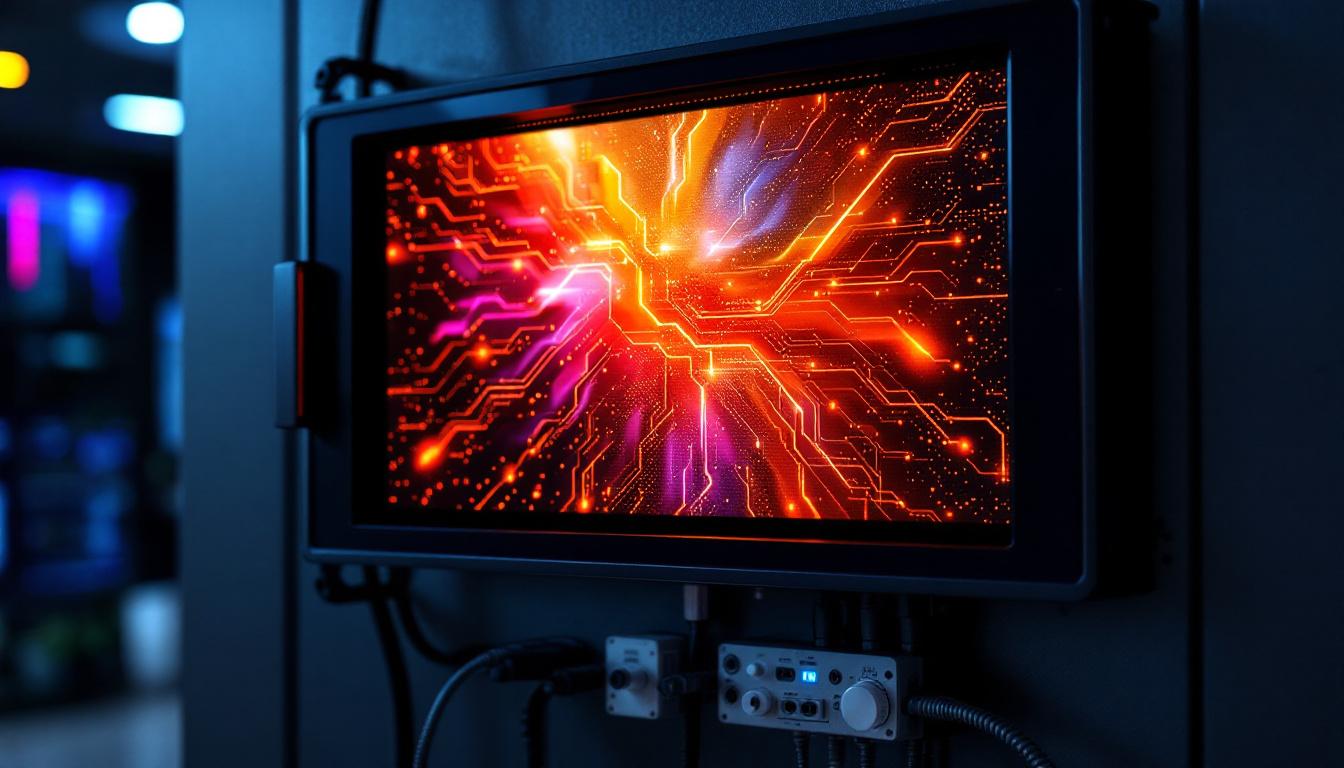
In today’s fast-paced digital world, the integration of LED displays within wall mount rack cabinets has become a cornerstone for businesses aiming to optimize space, enhance visibility, and maintain equipment security. Whether in data centers, retail environments, or corporate offices, understanding the nuances of wall mount rack cabinets and their relationship with LED displays is essential for IT professionals, facility managers, and decision-makers alike.
This article delves into the fundamentals of wall mount rack cabinets, explores the technology behind LED displays, and explains how these two elements combine to create efficient, secure, and visually impactful solutions. By the end, readers will have a comprehensive understanding of how to select, install, and maintain these systems to maximize their benefits.
Understanding Wall Mount Rack Cabinets
What is a Wall Mount Rack Cabinet?
A wall mount rack cabinet is a specialized enclosure designed to house IT equipment, networking devices, and other electronic components securely on a wall. Unlike traditional floor-standing racks, these cabinets save valuable floor space and provide easier access in environments where space is limited or where equipment needs to be elevated for security or operational reasons.
Typically constructed from steel or aluminum, wall mount rack cabinets come in various sizes, commonly measured in rack units (U), with 1U equaling 1.75 inches of vertical space. They feature locking doors, ventilation panels, and cable management options to ensure both security and optimal airflow. The design of these cabinets often includes removable side panels for easy access to equipment, allowing for quick upgrades or maintenance without the need for extensive disassembly. This user-friendly approach is particularly beneficial in fast-paced environments where downtime must be minimized.
Key Benefits of Wall Mount Rack Cabinets
One of the primary advantages of wall mount rack cabinets is their ability to conserve floor space, making them ideal for small server rooms, retail back offices, or telecommunications closets. By mounting equipment on the wall, businesses can maintain cleaner, more organized environments that facilitate easier maintenance and reduce trip hazards. This organization not only enhances the aesthetic appeal of the workspace but also promotes a more efficient workflow, as employees can quickly locate and access necessary equipment.
Security is another critical benefit. Many wall mount cabinets come with lockable doors and side panels, protecting sensitive equipment from unauthorized access. Additionally, their robust construction helps shield devices from dust, debris, and accidental damage. Some models even include built-in cooling fans or temperature monitoring systems to prevent overheating, ensuring that the housed equipment operates within safe parameters. This proactive approach to equipment care can extend the lifespan of devices and reduce the likelihood of costly repairs or replacements.
Common Applications
Wall mount rack cabinets are widely used across various sectors. In retail, they often house point-of-sale systems, digital signage controllers, and network switches. In corporate settings, they secure networking hardware and communication devices. Telecommunications providers use them to organize and protect fiber optic and networking equipment in remote or confined spaces. Furthermore, educational institutions are increasingly adopting wall mount cabinets to store and manage audiovisual equipment, routers, and other technology used in classrooms and lecture halls, facilitating a more streamlined tech integration in learning environments.
In healthcare facilities, wall mount rack cabinets can be found housing critical medical devices and IT infrastructure, ensuring that sensitive data is kept secure while also being easily accessible to authorized personnel. The flexibility of these cabinets allows for efficient use of space in areas where floor space is at a premium, such as small clinics or emergency rooms. As technology continues to evolve, the adaptability of wall mount rack cabinets positions them as an essential component in modern infrastructure, capable of meeting the diverse needs of various industries.
LED Displays: Technology and Advantages
Basics of LED Display Technology
LED (Light Emitting Diode) displays have revolutionized the way information is presented in public and private spaces. Unlike traditional LCD or plasma screens, LED displays use an array of tiny diodes that emit light when an electric current passes through them. This technology offers superior brightness, contrast, and energy efficiency.
LED displays come in various forms, including direct-view LED panels, LED-backlit LCDs, and flexible LED strips. The most common for commercial and industrial use are direct-view LED panels, which provide vibrant colors and high visibility even under bright ambient light conditions.
Advantages of LED Displays in Rack Cabinets
Integrating LED displays within wall mount rack cabinets offers several advantages. First, LED displays provide real-time monitoring capabilities, allowing IT staff to view system status, alerts, and performance metrics directly on the cabinet without needing to connect external devices.
Second, the high brightness and clarity of LED screens ensure information is easily readable from a distance or in poorly lit environments. This feature is particularly beneficial in data centers or network rooms where quick diagnostics can prevent downtime.
Lastly, LED displays are energy-efficient and durable, reducing operational costs and minimizing maintenance requirements compared to other display technologies.
Current Trends in LED Display Technology
Recent advancements have seen the rise of ultra-high-definition (UHD) LED panels, offering resolutions up to 4K and beyond. Additionally, innovations in mini-LED and micro-LED technology are pushing the boundaries of brightness, color accuracy, and form factor flexibility.
Smart LED displays with integrated sensors and IoT connectivity are becoming more prevalent, enabling automated adjustments based on ambient light or user preferences. These features enhance usability and further integrate LED displays into modern smart infrastructure.
Integrating LED Displays into Wall Mount Rack Cabinets
Design Considerations
When integrating an LED display into a wall mount rack cabinet, several design factors must be considered to ensure optimal performance and usability. The size and resolution of the LED display should match the intended viewing distance and the amount of information to be displayed.
Ventilation is critical; LED displays generate heat, and combined with the heat from the enclosed equipment, proper airflow must be maintained to prevent overheating. Many cabinets include built-in fans or ventilation panels specifically designed to accommodate LED display heat dissipation.
Installation Best Practices
Proper installation is key to maximizing the benefits of LED displays in rack cabinets. The cabinet should be mounted securely to a wall capable of supporting the combined weight of the cabinet, equipment, and display. Cable management is essential to avoid clutter and ensure signal integrity for the LED display.
Power supply considerations are also important. LED displays require stable and sufficient power, often necessitating dedicated circuits or uninterruptible power supplies (UPS) to maintain continuous operation during outages.
Use Cases and Examples
In network operation centers (NOCs), wall mount rack cabinets with integrated LED displays provide real-time dashboards showing network health, traffic loads, and security alerts. This setup enables rapid response to issues without needing to access separate monitoring stations.
Retail environments use such cabinets to control digital signage, with LED displays showing inventory status, promotional content, or system diagnostics. This centralized control improves operational efficiency and customer engagement.
Maintenance and Troubleshooting
Routine Maintenance Tips
Maintaining wall mount rack cabinets with LED displays involves regular cleaning to prevent dust buildup, which can impair ventilation and display clarity. Using anti-static cloths and gentle cleaning solutions helps preserve the LED panel’s surface.
Inspecting and tightening mounting hardware periodically ensures the cabinet remains securely attached to the wall. Additionally, checking ventilation fans and filters prevents overheating and prolongs equipment lifespan.
Common Issues and Solutions
LED displays may experience issues such as dead pixels, flickering, or dimming. These problems often stem from power supply inconsistencies, connection faults, or component wear. Troubleshooting begins with verifying power sources and cable connections, followed by software diagnostics if applicable.
In cases of hardware failure, modular LED panels allow for targeted replacement without removing the entire display. Maintaining a stock of spare parts can minimize downtime.
Ensuring Longevity
To maximize the lifespan of both the wall mount rack cabinet and the LED display, it is advisable to monitor environmental conditions such as temperature and humidity. Installing environmental sensors within the cabinet can alert staff to conditions that might accelerate wear or cause failures.
Regular firmware updates for smart LED displays ensure access to the latest features and security patches, further enhancing system reliability.
Future Outlook: Innovations and Emerging Applications
Smart Cabinets and IoT Integration
The future of wall mount rack cabinets with LED displays lies in smart technology integration. IoT-enabled cabinets can provide real-time environmental monitoring, predictive maintenance alerts, and remote management capabilities. LED displays will serve as interactive interfaces for these systems, simplifying control and diagnostics.
Enhanced Display Technologies
Emerging display technologies such as micro-LED and transparent LED panels promise to revolutionize how information is presented within rack cabinets. These innovations will enable thinner, more energy-efficient displays with higher resolutions and new form factors, such as curved or flexible screens that conform to cabinet surfaces.
Expanding Use Cases
Beyond traditional IT environments, wall mount rack cabinets with LED displays are finding applications in smart buildings, healthcare, and industrial automation. For example, in hospitals, these cabinets can display critical system statuses and alerts in nurse stations or equipment rooms, enhancing patient safety and operational efficiency.
Conclusion
Wall mount rack cabinets combined with LED displays represent a powerful convergence of space-saving hardware enclosures and cutting-edge visual technology. This synergy enables organizations to optimize their infrastructure, improve equipment monitoring, and enhance operational workflows.
By understanding the core features, benefits, and integration strategies outlined in this article, professionals can make informed decisions that align with their specific needs and future-proof their investments. As technology continues to evolve, staying abreast of innovations in LED displays and cabinet design will be crucial for maintaining competitive and efficient IT environments.
Discover LumenMatrix’s Advanced LED Display Solutions
Ready to elevate your wall mount rack cabinets with the latest in LED display technology? LumenMatrix offers a comprehensive range of innovative LED display modules tailored to your needs. From captivating Indoor and Outdoor LED Wall Displays to dynamic Vehicle and Sports LED Displays, our solutions are designed to enhance brand visibility and create immersive visual experiences. Embrace the future of visual communication with our All-in-One, Custom, and Transparent LED Displays. Check out LumenMatrix LED Display Solutions today and transform your space into a hub of engagement and clarity.