In recent years, the way we experience visual media has evolved dramatically. One of the most striking advancements is the rise of television walls built with LED display technology. From corporate lobbies and broadcast studios to sports arenas and retail environments, LED video walls have transformed the way large-scale content is presented. This article delves into the technology behind LED television walls, their advantages, applications, and what to consider when selecting the right display for your needs.
Understanding LED Display Technology
What is an LED Display?
LED stands for Light Emitting Diode, a semiconductor device that emits light when an electric current passes through it. Unlike traditional LCD screens that rely on backlighting, LED displays use tiny LEDs as individual pixels to produce images. This fundamental difference allows LED displays to offer superior brightness, contrast, and color accuracy. The vibrant colors and deep blacks achieved by LED technology make it a popular choice for various applications, from television screens to large-scale advertising displays.
LED displays can be categorized into two main types: direct-view LED and LED-backlit LCDs. The former uses LEDs as the actual pixels forming the image, while the latter uses LEDs as a backlight behind an LCD panel. Television walls typically use direct-view LED technology due to its scalability and visual impact. Additionally, the energy efficiency of LED displays is a significant advantage, as they consume less power compared to traditional display technologies, making them an environmentally friendly option for both commercial and residential use.
How LED Television Walls Work
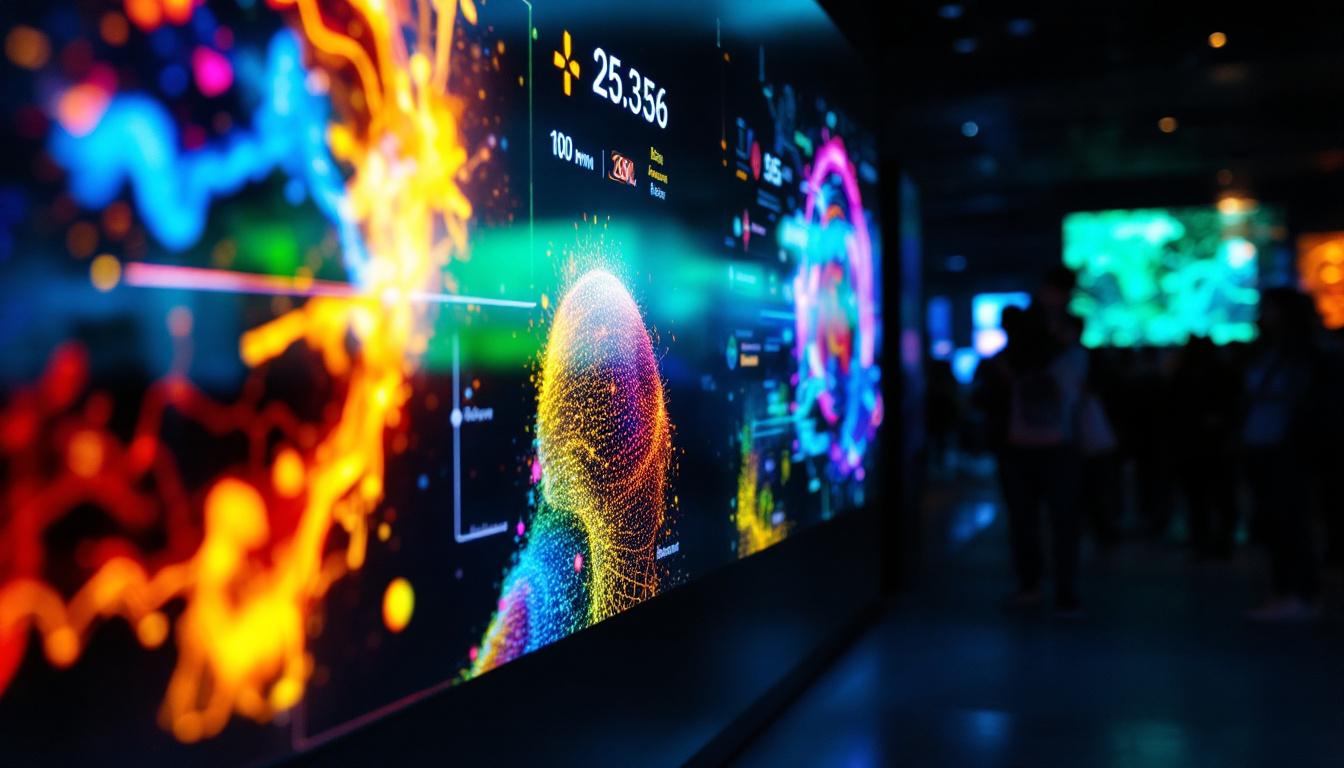
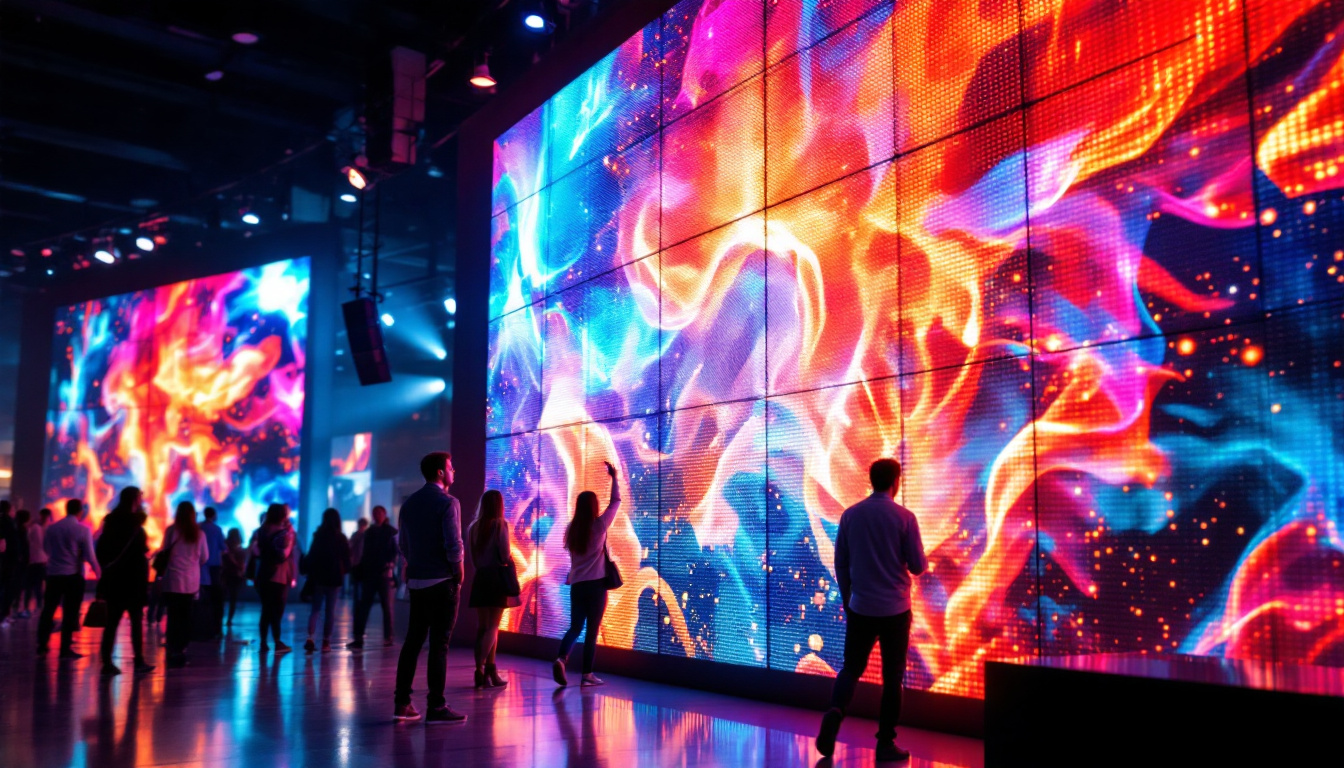
LED television walls consist of multiple modular panels seamlessly tiled together to form a large, continuous display surface. Each panel contains a matrix of LEDs arranged in a grid, with each LED representing a pixel or sub-pixel. The panels are connected to a control system that synchronizes the content across the entire wall, ensuring smooth and coherent visuals. This synchronization is crucial for creating immersive experiences, especially in environments like concert venues, sports arenas, and corporate events where dynamic content is displayed.
The resolution of an LED wall depends on the pixel pitch—the distance between the centers of two adjacent LEDs. Smaller pixel pitches mean higher resolution and finer image detail, which is particularly important for close viewing distances. For example, a 1.2mm pixel pitch LED wall can display ultra-high-definition content with crisp clarity, while larger pitches like 6mm or 10mm are suitable for viewing from farther away. Furthermore, advancements in LED technology have led to the development of flexible and transparent LED displays, allowing for innovative designs that can fit into unconventional spaces and applications, such as storefronts and art installations, enhancing the versatility of LED technology in modern visual communication.
Advantages of LED Television Walls
Exceptional Brightness and Contrast
One of the most significant benefits of LED television walls is their extraordinary brightness levels. LED displays can achieve brightness levels exceeding 1,000 nits, making them visible even in brightly lit environments or direct sunlight. This makes them ideal for outdoor advertising, stadiums, and retail settings where ambient light can be challenging.
In addition to brightness, LED walls offer superior contrast ratios. Because LEDs emit light individually, they can be turned off completely to produce true blacks, resulting in vibrant and dynamic images that enhance viewer engagement. This capability is particularly beneficial for applications such as movie theaters and art galleries, where the visual experience is paramount. The ability to display deep blacks alongside brilliant whites creates a more immersive viewing experience, drawing audiences into the content being presented.
Scalability and Flexibility
LED television walls are highly scalable, allowing for virtually any size or shape. Whether it’s a massive video wall spanning several meters in a control room or a curved display wrapping around a retail kiosk, LED panels can be custom-configured to meet specific spatial and design requirements. This adaptability is crucial in environments where space is at a premium, enabling creative solutions that maximize visual impact without sacrificing functionality.
Furthermore, LED walls can be designed with various pixel pitches to balance resolution and cost. This flexibility enables businesses to tailor their display solutions to their budget and intended use case without compromising visual quality. For instance, a higher pixel density may be ideal for close-up viewing in a conference room, while a lower pixel pitch can suffice for larger audiences in a stadium setting. This versatility allows organizations to strategically invest in technology that aligns with their specific needs and audience engagement goals.
Durability and Longevity
LED displays are known for their robustness and long operational life. High-quality LED panels can operate continuously for over 100,000 hours before significant brightness degradation occurs. This durability makes LED walls a cost-effective investment for businesses that require reliable, long-term digital signage solutions. The extended lifespan of LED technology also reduces the frequency of replacements, further lowering maintenance costs and minimizing downtime.
Additionally, LED panels are resistant to environmental factors such as moisture and temperature fluctuations, especially when designed for outdoor use. This resilience ensures consistent performance in diverse settings. For example, LED walls installed in outdoor venues can withstand rain, snow, and extreme heat without compromising image quality. Moreover, many LED displays come with protective coatings that enhance their durability against scratches and impacts, making them suitable for high-traffic areas. This combination of strength and adaptability not only enhances the longevity of the displays but also ensures that they continue to deliver stunning visuals regardless of the conditions they face.
Applications of LED Television Walls
Corporate and Control Rooms
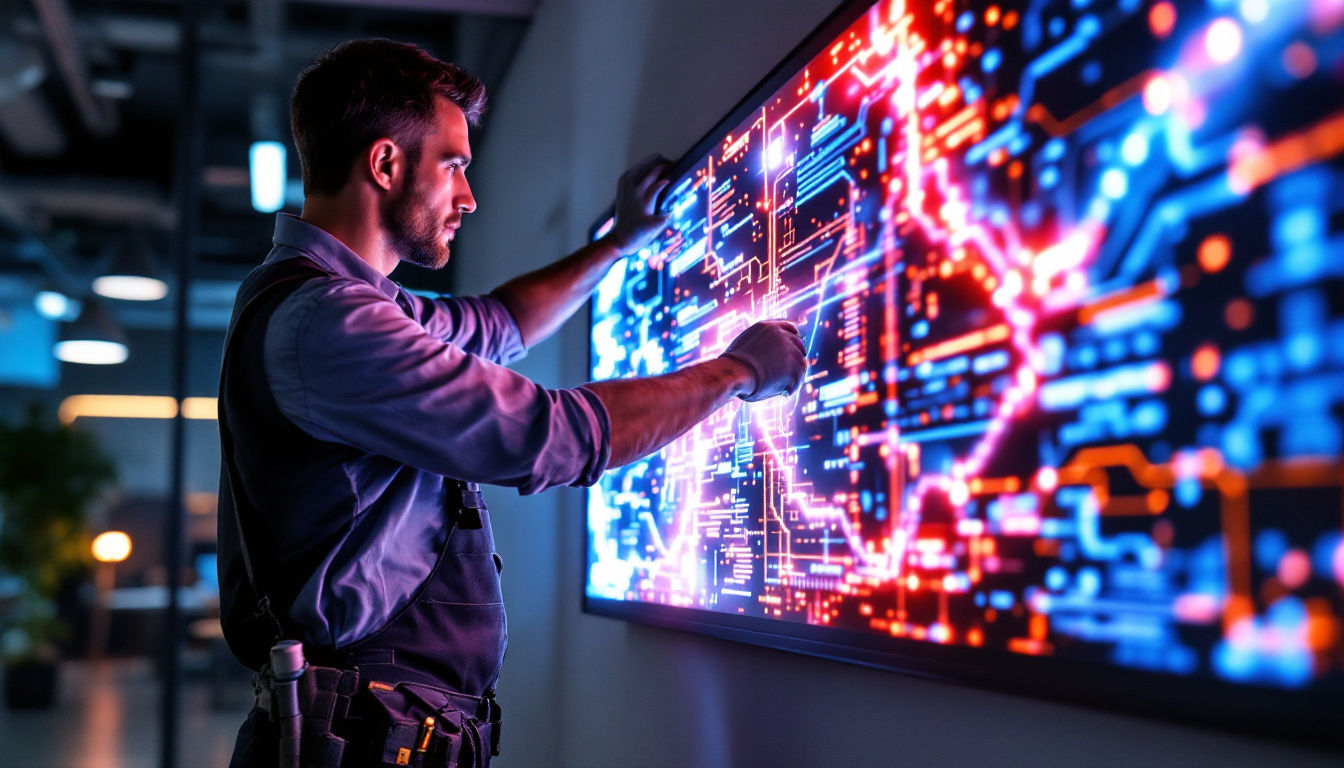
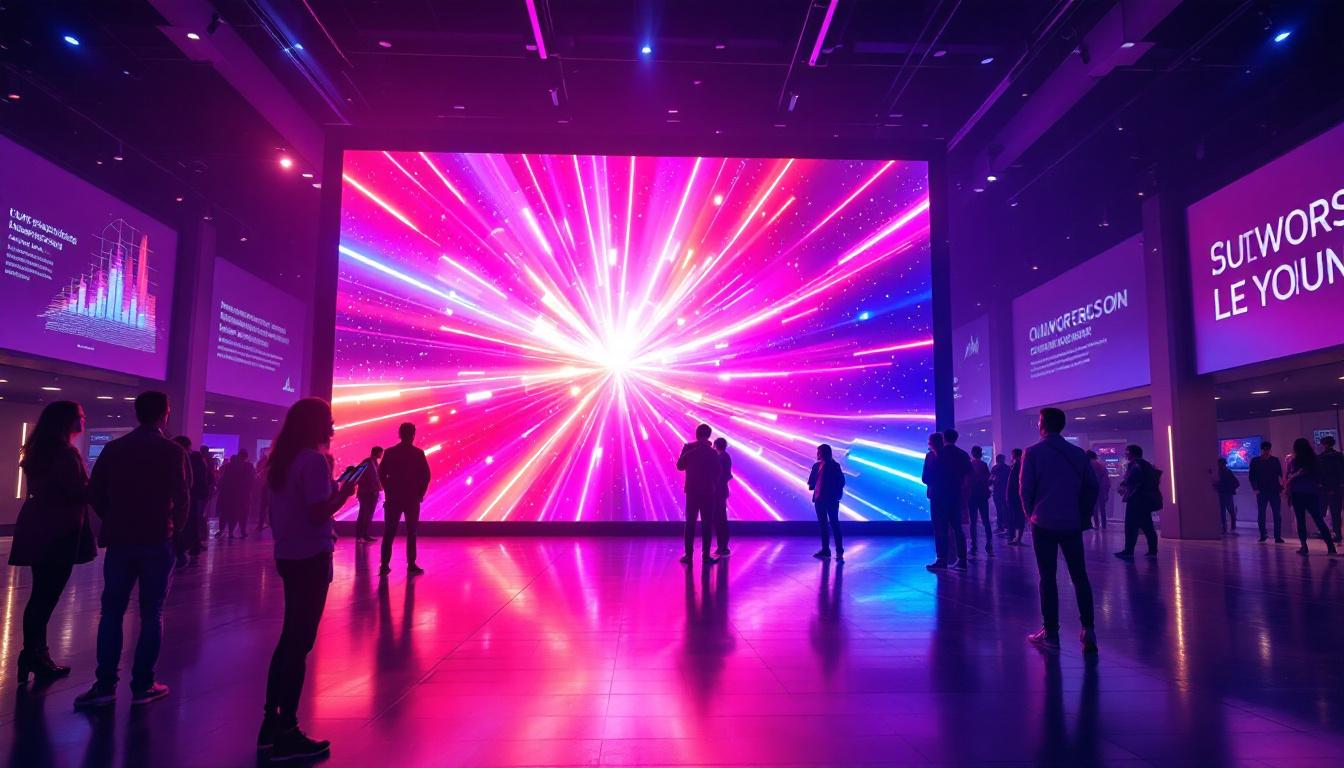
In corporate environments, LED television walls are commonly used in boardrooms, lobbies, and control centers. Their ability to display high-resolution data, presentations, and live feeds simultaneously enhances communication and decision-making processes.
Control rooms for utilities, transportation, and emergency services benefit from large LED walls that provide real-time monitoring and situational awareness. The clarity and brightness of LED displays ensure critical information is visible at all times.
Broadcast and Entertainment
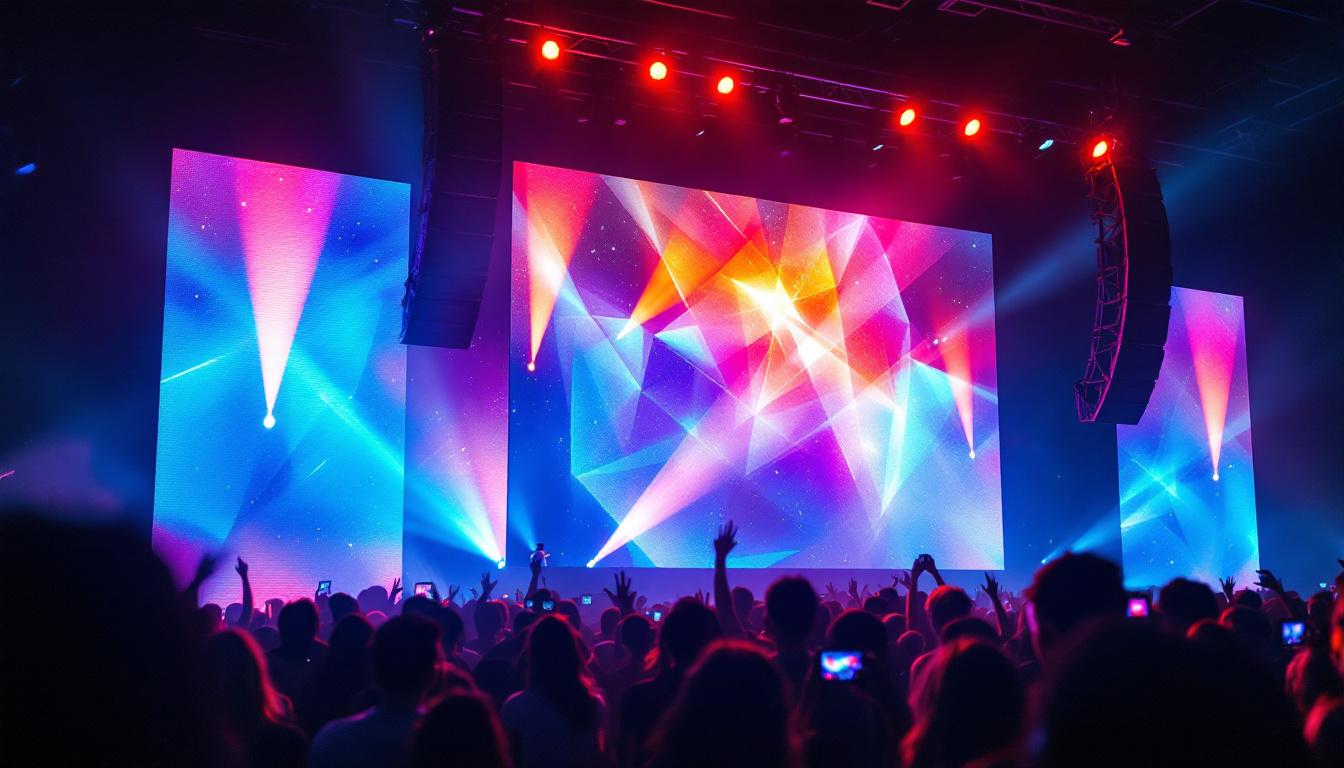
Television studios and entertainment venues have embraced LED walls as dynamic backdrops for shows, concerts, and events. LED walls offer creative freedom with customizable content, vivid colors, and smooth video playback that traditional sets cannot match.
For example, major award shows and live broadcasts frequently use LED walls to create immersive environments that captivate audiences both on-site and at home.
Retail and Advertising
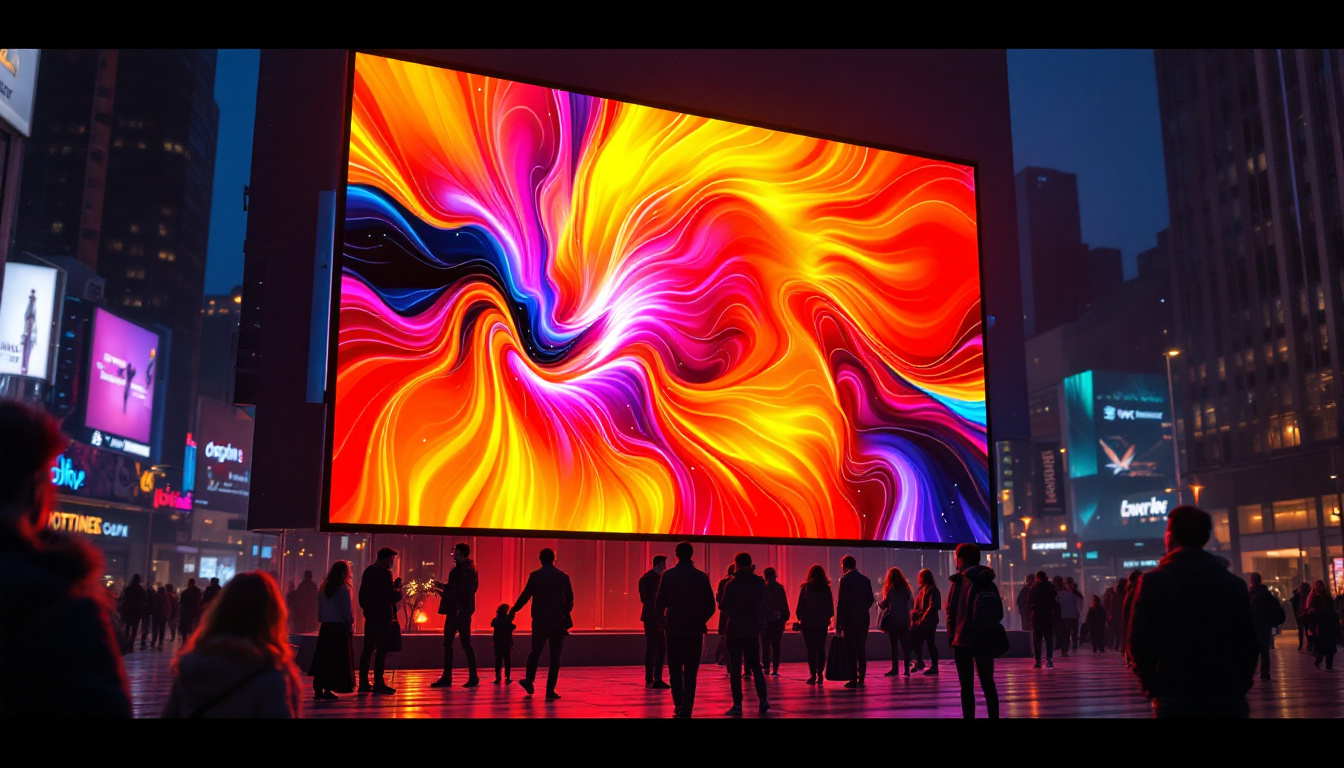
Retailers leverage LED television walls to attract customers and promote products through eye-catching digital signage. The high brightness and vibrant colors of LED walls make advertisements stand out, even in busy shopping centers or outdoor locations.
Digital billboards and public information displays also rely heavily on LED technology due to its visibility and adaptability to various content formats.
Sports Arenas and Public Venues
Sports stadiums and arenas utilize massive LED walls to display live game footage, replays, and advertisements. The ability to deliver crisp images visible from great distances enhances the spectator experience and offers additional revenue streams through advertising.
Public venues such as airports and convention centers use LED walls for wayfinding, announcements, and promotional content, benefiting from the technology’s scalability and brightness.
Key Considerations When Choosing an LED Television Wall
Pixel Pitch and Viewing Distance
Determining the appropriate pixel pitch is crucial for achieving optimal image quality. As a rule of thumb, the viewing distance should be at least 1.5 to 2 times the pixel pitch in millimeters. For example, a 3mm pixel pitch wall is best viewed from about 4.5 to 6 meters away.
Choosing a pixel pitch that is too large for close viewing distances results in a pixelated image, while unnecessarily small pixel pitches can increase costs without visible benefits if viewers are far away.
Indoor vs. Outdoor Use
LED walls designed for indoor use differ from outdoor models in terms of brightness, weatherproofing, and durability. Outdoor LED walls require higher brightness to combat sunlight glare and must be sealed against moisture and dust.
Indoor LED walls can focus more on color accuracy and finer pixel pitch since ambient lighting is controlled. Understanding the installation environment helps in selecting the right type of LED panels.
Resolution and Content Source
The resolution of the LED wall should align with the content you plan to display. Ultra-high-definition (UHD) content demands higher resolution walls with smaller pixel pitches, while simpler graphics or text can be effectively displayed on lower resolution walls.
Additionally, ensure that the control system and content management software support the desired resolution and content formats to avoid compatibility issues.
Installation and Maintenance
LED television walls require professional installation to ensure proper alignment, calibration, and safety. Modular panels must be securely mounted and connected to prevent visual inconsistencies and hardware failures.
Maintenance considerations include accessibility for repairs, availability of replacement parts, and ease of cleaning. Many LED walls feature front or rear serviceability options to facilitate upkeep without dismantling the entire structure.
Future Trends in LED Television Walls
MicroLED and MiniLED Technologies
Emerging technologies like MicroLED and MiniLED are pushing the boundaries of LED display performance. MicroLEDs are significantly smaller than traditional LEDs, enabling even higher resolutions and improved energy efficiency. This technology promises to deliver stunning image quality comparable to OLED but with better brightness and longevity.
MiniLEDs, which use smaller LEDs for backlighting in LCD panels, offer enhanced contrast and brightness at a lower cost, bridging the gap between traditional LED and MicroLED displays.
Flexible and Transparent LED Displays
Innovations in flexible and transparent LED panels are opening new possibilities for creative display designs. Flexible LED walls can curve around architectural features or be rolled for portability, while transparent LED displays allow for see-through effects, ideal for retail windows and augmented reality applications.
AI-Driven Content and Interactivity
Artificial intelligence is increasingly integrated into digital signage systems, enabling dynamic content adaptation based on audience behavior, time of day, or environmental factors. Interactive LED walls equipped with sensors and cameras can engage viewers in personalized experiences, enhancing marketing effectiveness and user engagement.
Conclusion
LED television walls represent a powerful and versatile medium for large-scale visual communication. Their superior brightness, scalability, and durability make them suitable for a wide range of applications, from corporate environments to public venues. Understanding the technology, benefits, and key considerations can help organizations make informed decisions when investing in LED display solutions.
As LED technology continues to advance, the potential for more immersive, flexible, and intelligent display systems grows, promising exciting opportunities for the future of visual media.
Discover LumenMatrix LED Display Solutions
Ready to elevate your visual communication with the brilliance of LED technology? LumenMatrix is at the forefront of LED display innovation, offering a diverse range of solutions tailored to your unique needs. From stunning Indoor and Outdoor LED Wall Displays to versatile Vehicle and Sports LED Displays, our products are designed to captivate your audience and amplify your message. Experience the future of digital signage with our Custom, All-in-One, and Transparent LED Displays. Check out LumenMatrix LED Display Solutions today and transform your space into a dynamic visual experience.