Understanding the specifications of LED displays is crucial for professionals in industries ranging from advertising to event management and digital signage. Among these specifications, pixel pitch — often expressed in millimeters — plays a vital role in determining display quality and viewing experience. One common pixel pitch size is 0.88mm, sometimes written as 0.88Mm, which can be confusing when converting to inches or when trying to grasp its practical implications.
This article delves into the meaning of 0.88mm in inches, why this measurement matters for LED displays, and how it impacts image clarity, installation, and overall performance. Whether you are a digital signage installer, a marketing professional, or simply curious about LED technology, this comprehensive guide will clarify the essentials and help you make informed decisions.
Understanding Pixel Pitch: What Does 0.88mm Mean?
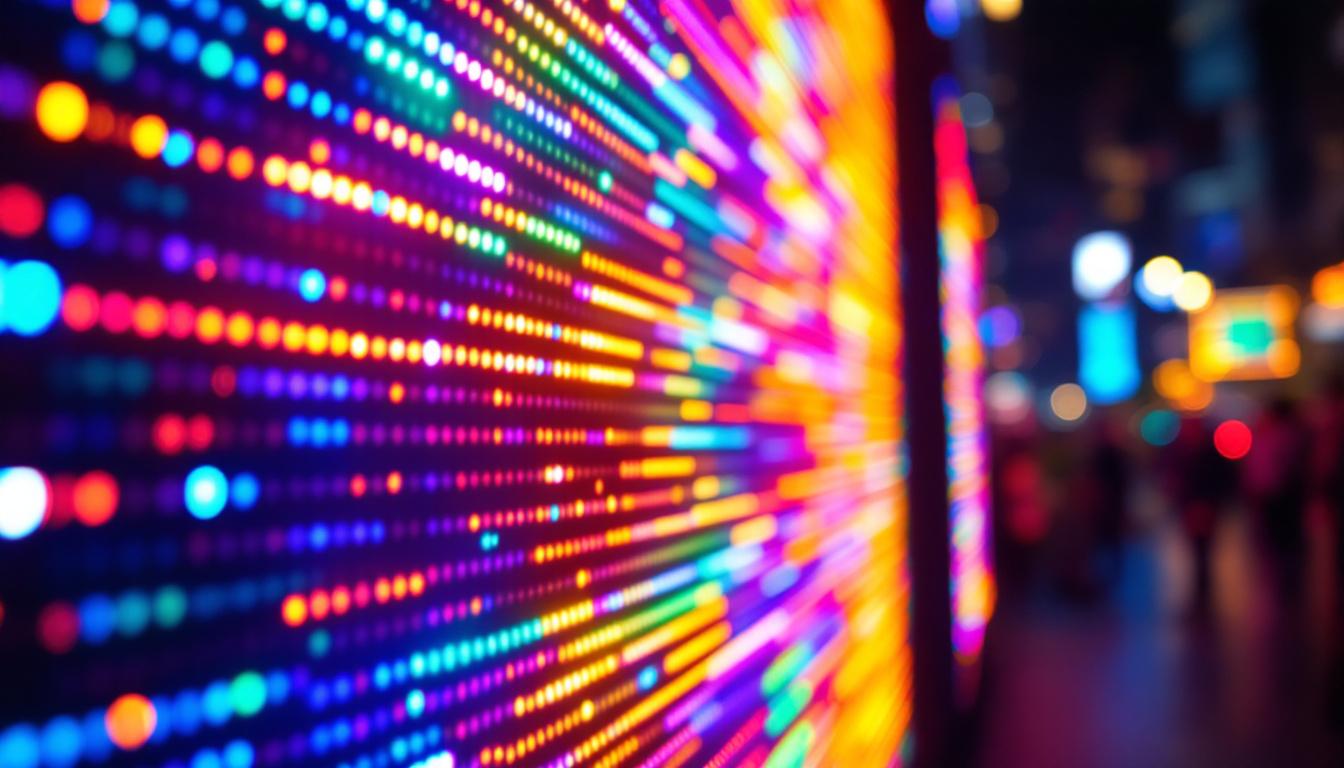
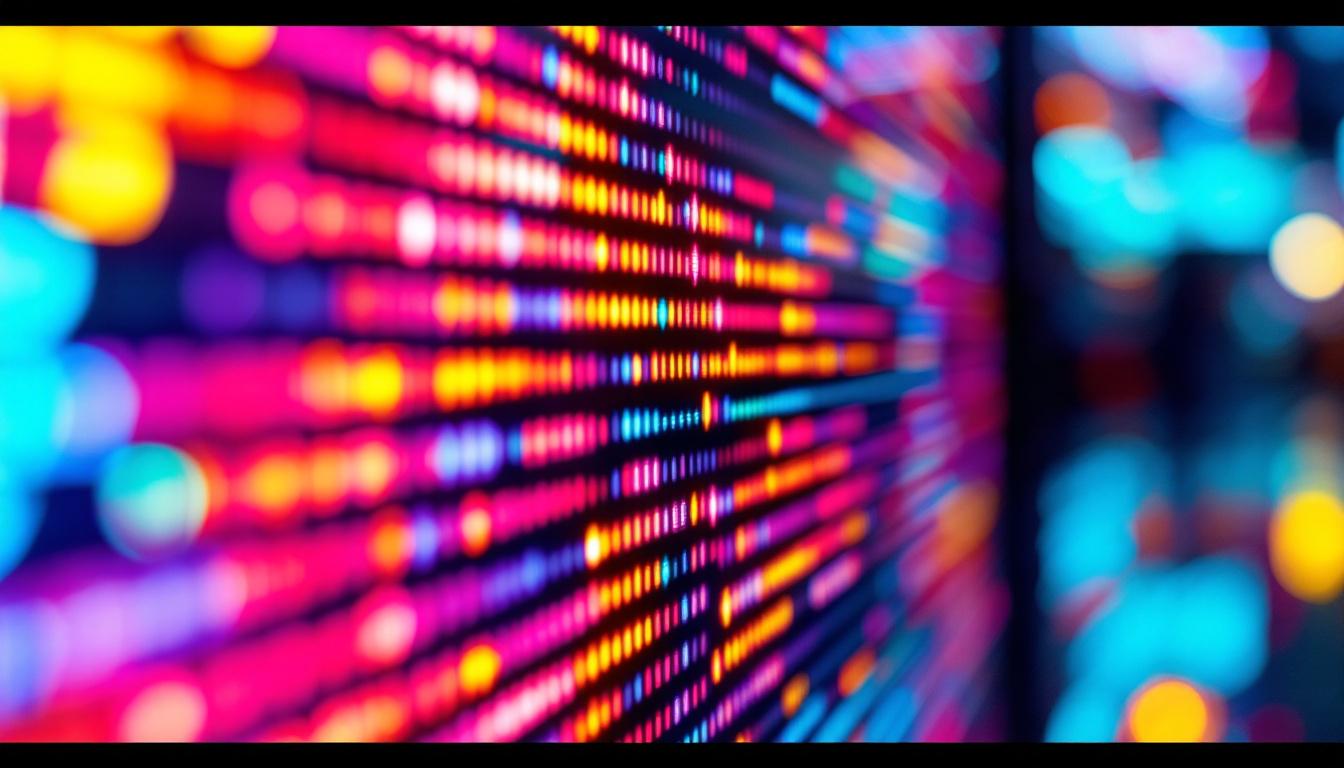
Pixel pitch refers to the distance between the centers of two adjacent pixels on an LED display. It is typically measured in millimeters. A smaller pixel pitch means the pixels are closer together, resulting in higher pixel density and sharper images. Conversely, a larger pixel pitch indicates fewer pixels per unit area, which can reduce image clarity but may be suitable for large-distance viewing.
When an LED display has a pixel pitch of 0.88mm, it means each pixel is spaced 0.88 millimeters apart from its neighbor. This is considered an ultra-fine pitch, often used in high-resolution indoor LED screens where viewers are close to the display surface. Such displays are increasingly popular in environments where detail is paramount, such as in high-end retail stores, museums, and corporate environments where presentations need to captivate audiences.
Conversion of 0.88mm to Inches
To better understand the scale, converting millimeters to inches is helpful, especially for those more familiar with imperial units. The conversion factor is:
- 1 millimeter = 0.0393701 inches
Using this, 0.88 millimeters equals approximately 0.0346 inches (0.88 × 0.0393701 = 0.0346). This tiny measurement highlights how densely packed the pixels are on such a display. For context, this pixel pitch is significantly smaller than the width of a human hair, which averages around 0.075mm, illustrating just how advanced LED technology has become in delivering high-quality visual experiences.
Why Pixel Pitch Matters
The pixel pitch directly influences the resolution and viewing distance of an LED display. A smaller pitch like 0.88mm allows for:
- High Resolution: More pixels per square inch mean finer details and smoother images.
- Close Viewing Distance: Ideal for indoor environments where viewers are near the screen, such as control rooms, retail displays, or broadcast studios.
- Enhanced Visual Experience: Sharp text, clear graphics, and vibrant videos without visible pixelation.
However, smaller pixel pitches also come with higher costs and more complex installation requirements. The technology behind these displays often involves advanced manufacturing processes and materials, which contribute to their premium price. Additionally, the calibration and maintenance of ultra-fine pitch displays can be more demanding, requiring specialized knowledge and tools to ensure optimal performance. This is particularly important in applications where the display is used for critical information, such as in medical imaging or financial trading floors, where clarity and accuracy are essential.
Moreover, the choice of pixel pitch can also affect the overall design and aesthetic of a space. For instance, in a retail environment, a display with a 0.88mm pixel pitch can create an immersive shopping experience, drawing customers in with high-quality visuals that showcase products in stunning detail. Similarly, in corporate settings, such displays can enhance presentations and video conferences, making remote communication feel more engaging and interactive. As technology continues to evolve, the implications of pixel pitch will remain a key consideration for designers and engineers alike, shaping the future of visual communication.
Applications of 0.88mm Pixel Pitch LED Displays
Ultra-fine pitch LED displays with pixel pitches around 0.88mm have become increasingly popular in various professional settings due to their exceptional image quality and versatility.
Indoor Digital Signage and Retail Environments
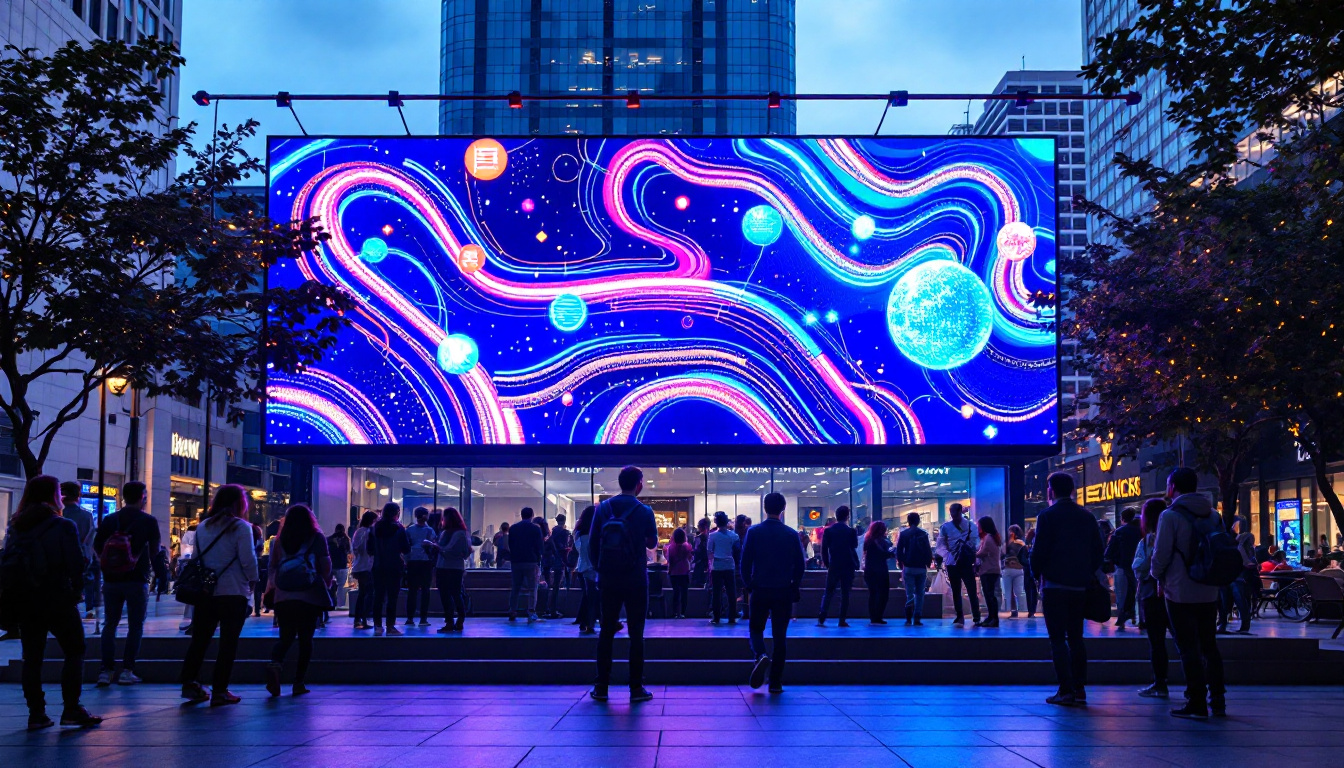
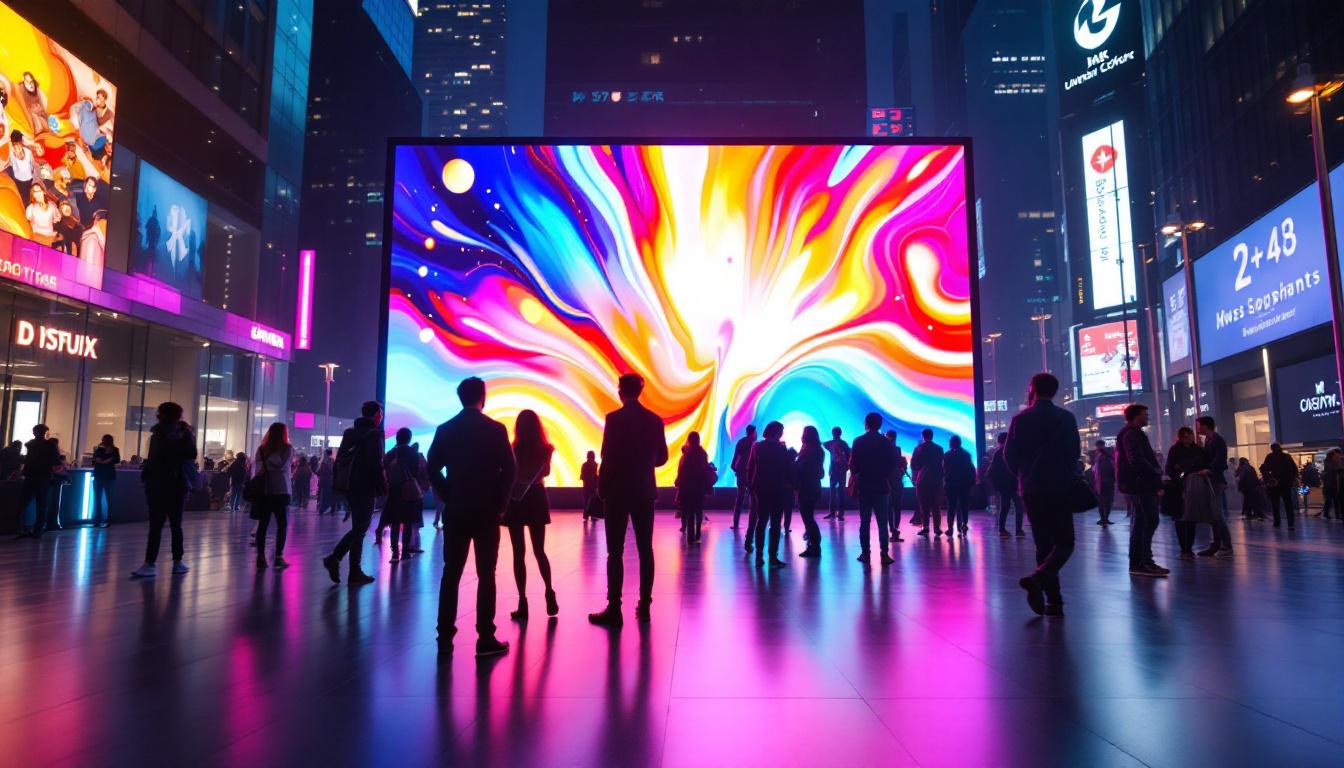
Retailers use 0.88mm pixel pitch LED displays to showcase products, promotions, and interactive content with stunning clarity. Because shoppers often view these displays from close range, the high resolution ensures that images and text are crisp and engaging.
For example, luxury brands and high-end boutiques benefit from such displays to create immersive brand experiences that captivate customers and convey premium quality. The ability to integrate dynamic content, such as videos or animations, allows retailers to tell a story about their products, making the shopping experience more memorable. Additionally, the vibrant colors and high contrast ratios of these displays can draw attention even in crowded environments, increasing foot traffic and encouraging impulse purchases.
Broadcast Studios and Control Rooms
Broadcast studios require displays that can render detailed graphics and real-time data without any distortion. The 0.88mm pixel pitch allows for seamless video walls that serve as backdrops or information panels, enhancing the production quality and viewer engagement.
Similarly, control rooms in transportation hubs, utilities, and emergency services rely on ultra-fine pitch LED displays to monitor multiple data streams clearly and efficiently. These displays can be configured to show a variety of information simultaneously, such as live feeds from security cameras, traffic updates, and operational metrics. The high resolution ensures that even the smallest details are visible, which is crucial in high-stakes environments where split-second decisions can have significant consequences.
Corporate and Conference Settings
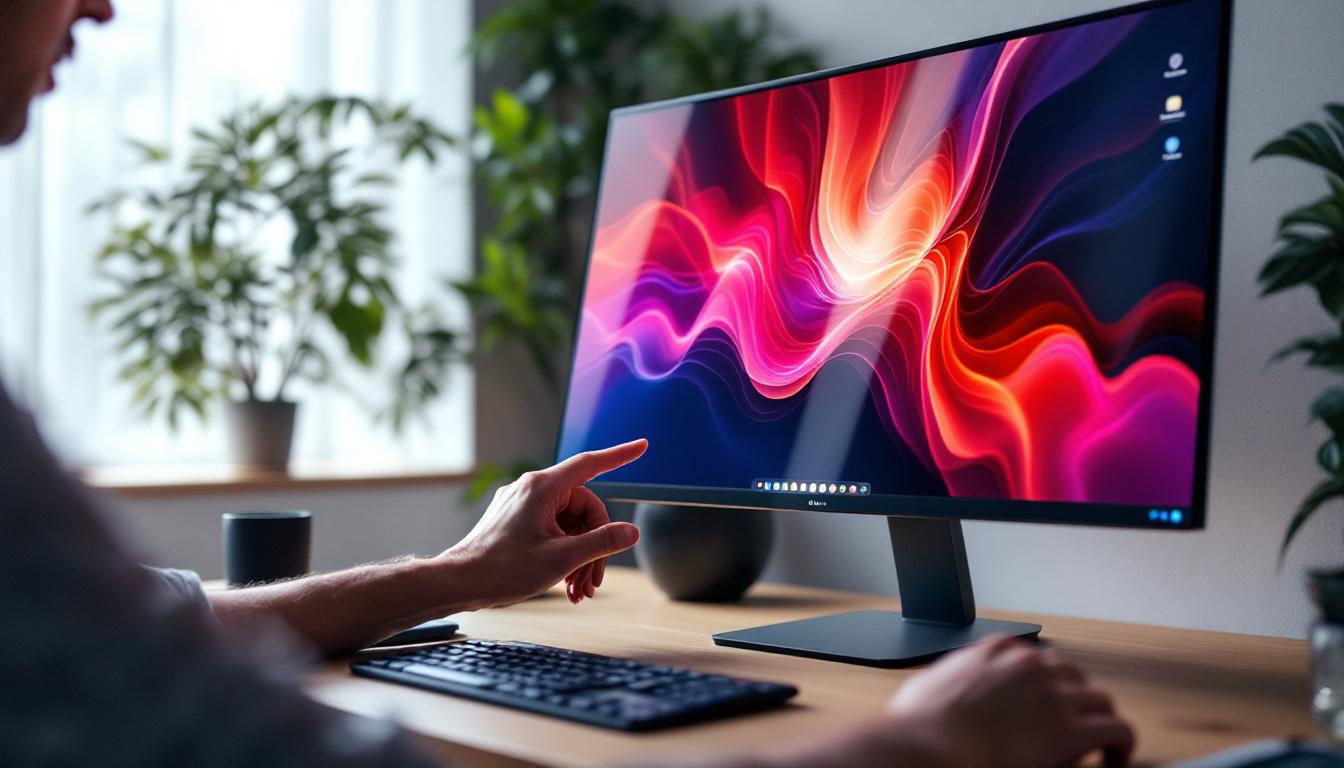
In corporate environments, LED displays with 0.88mm pixel pitch are used for presentations, video conferencing, and digital collaboration. The sharpness and brightness of these displays ensure that detailed charts, videos, and text are visible to all attendees, even in well-lit rooms.
Moreover, the versatility of these displays allows for easy integration with various multimedia sources, enabling seamless transitions between different types of content during meetings. This adaptability fosters a more engaging atmosphere, encouraging participation and interaction among attendees. Companies can also utilize these displays for training sessions, where high-resolution visuals can enhance learning by providing clearer illustrations of complex concepts. The ability to customize content in real-time further empowers organizations to tailor their messaging to specific audiences, making each presentation more impactful and relevant.
Technical Considerations When Choosing a 0.88mm LED Display
While the pixel pitch is a critical factor, several other technical aspects influence the performance and suitability of a 0.88mm LED display.
Resolution and Screen Size
The total resolution of an LED display depends on both its pixel pitch and physical size. For instance, a 55-inch screen with a 0.88mm pixel pitch can deliver a resolution comparable to 4K displays, making it ideal for detailed content.
However, as screen size increases, the number of pixels grows exponentially, which can impact cost and power consumption.
Brightness and Color Accuracy
LED displays with a 0.88mm pixel pitch typically offer high brightness levels, often exceeding 800 nits, which is sufficient for most indoor environments. Color accuracy is also paramount, especially for applications like broadcast and retail, where brand colors must be reproduced faithfully.
Refresh Rate and Viewing Angle
High refresh rates (above 3840Hz) ensure smooth video playback and reduce flicker, which is essential for camera filming and prolonged viewing. Wide viewing angles (often up to 160 degrees horizontally and vertically) guarantee consistent image quality from different positions.
Installation and Maintenance
Due to the dense pixel arrangement, 0.88mm LED displays require precise installation and calibration. Maintenance can be more demanding compared to larger pixel pitch displays, as individual LEDs are smaller and more delicate.
Cost Implications and ROI of Ultra-Fine Pitch LED Displays
LED displays with a 0.88mm pixel pitch represent a significant investment. The advanced technology, high resolution, and manufacturing complexity contribute to higher upfront costs compared to standard LED displays with larger pixel pitches.
Initial Investment
Prices for 0.88mm LED panels can range from $3,000 to $7,000 per square meter, depending on brand, features, and volume. This is notably higher than displays with pixel pitches of 2mm or more, which may cost less than half.
Operational Costs
Power consumption for ultra-fine pitch LED displays tends to be higher due to the increased number of LEDs. Cooling and maintenance also add to operational expenses. However, advances in LED efficiency and modular designs have helped mitigate these costs.
Return on Investment (ROI)
Despite the higher costs, the ROI can be substantial when the display is used effectively. High-resolution LED screens enhance brand perception, improve customer engagement, and provide versatile content delivery options. For broadcasters and control rooms, the improved data visualization can lead to better decision-making and operational efficiency.
Future Trends in LED Display Technology
The LED display industry continues to innovate, pushing the boundaries of pixel pitch and image quality. Displays with pixel pitches below 0.9mm were once rare and prohibitively expensive but are becoming more accessible due to manufacturing advancements.
MicroLED and Beyond
Emerging technologies like MicroLED promise even finer pixel pitches, higher brightness, and longer lifespans. These developments could eventually replace traditional LED displays in many applications, offering unparalleled image quality and energy efficiency.
Integration with Smart Technologies
Modern LED displays increasingly integrate with IoT and AI for dynamic content management, real-time analytics, and interactive experiences. Ultra-fine pitch displays like those with a 0.88mm pixel pitch are ideal platforms for these innovations due to their clarity and responsiveness.
Conclusion
Converting 0.88mm to inches reveals the incredibly small scale of pixel spacing in ultra-fine pitch LED displays—approximately 0.0346 inches. This fine pixel pitch enables stunning image clarity, making such displays ideal for indoor environments where viewers are close to the screen.
While the cost and installation complexity are higher, the benefits in resolution, brightness, and versatility make 0.88mm LED displays a compelling choice for retail, broadcast, corporate, and control room applications. As technology advances, these displays will continue to evolve, offering even greater performance and integration possibilities.
Understanding these technical details empowers businesses and professionals to select the right LED display solutions that meet their specific needs and maximize their investment.
Explore the Future of Visual Display with LumenMatrix
Ready to elevate your visual communication with ultra-fine pitch LED displays? LumenMatrix, a pioneer in LED display technology, offers a wide array of innovative solutions tailored to your needs. From Indoor and Outdoor LED Wall Displays to specialized options like Vehicle, Sports, and Floor LED Displays, LumenMatrix is committed to transforming your space with vibrant, high-resolution visuals. Discover how our Custom, All-in-One, and Transparent LED Displays can enhance your brand’s presence and captivate your audience. Check out LumenMatrix LED Display Solutions today and step into the future of immersive visual experiences.