How Much Energy Does An LED Use: LED Display Explained
Light Emitting Diodes (LEDs) have revolutionized the way we illuminate spaces and display information. From household lighting to massive digital billboards, LEDs are everywhere, praised for their efficiency and versatility. But how much energy does an LED actually consume, especially when used in LED displays? Understanding this is crucial for businesses, consumers, and environmental advocates aiming to optimize energy use and reduce costs.
Understanding LED Technology
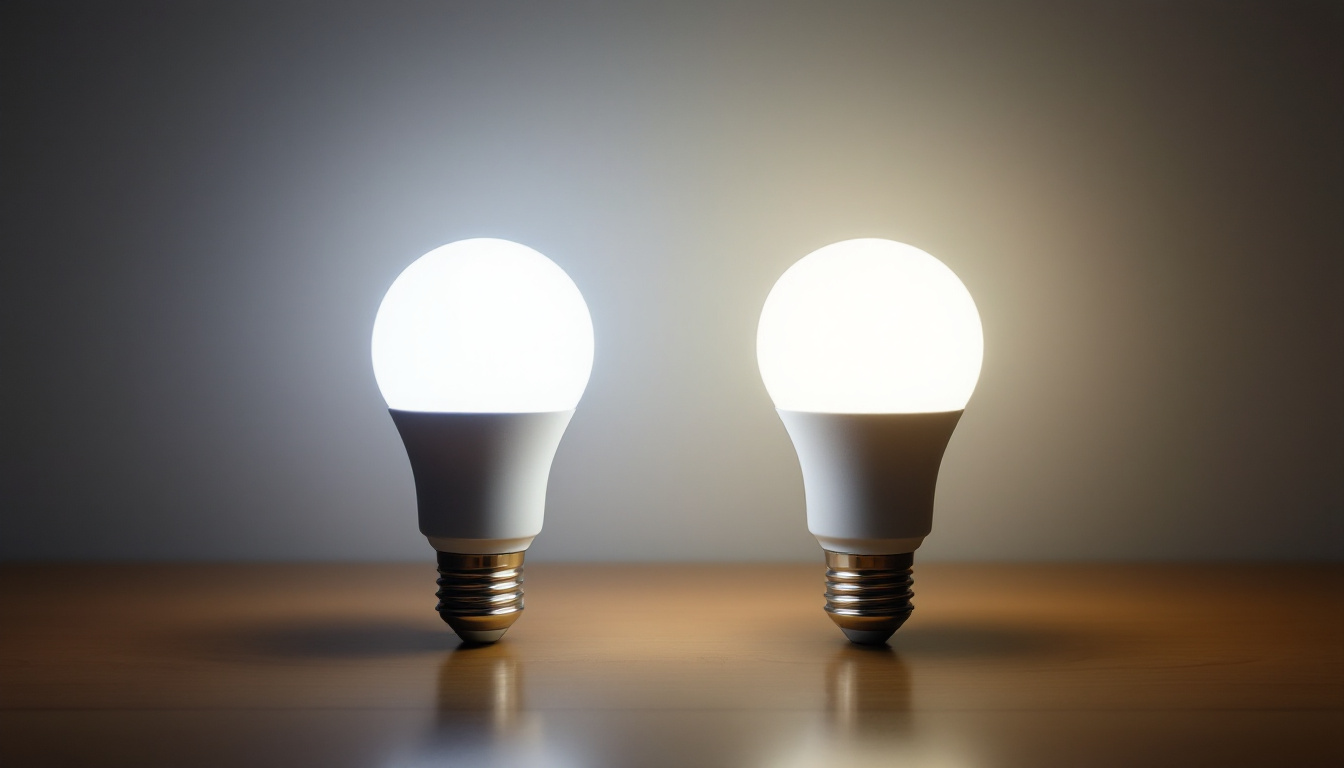
LEDs are semiconductor devices that emit light when an electric current passes through them. Unlike traditional incandescent bulbs that rely on heating a filament, LEDs produce light through electroluminescence, making them significantly more efficient.
One of the key advantages of LEDs is their ability to convert a higher percentage of electrical energy into visible light, with minimal heat loss. This efficiency translates directly into lower energy consumption for the same amount of light output compared to other lighting technologies. Furthermore, the longevity of LEDs is remarkable; they can last up to 25,000 hours or more, which is about 25 times longer than traditional incandescent bulbs. This durability not only reduces the frequency of replacements but also minimizes waste, making LEDs a more sustainable choice for both consumers and businesses.
LEDs vs. Traditional Lighting
Traditional incandescent bulbs typically convert only about 10% of the energy they consume into visible light, with the rest lost as heat. Compact fluorescent lamps (CFLs) improved on this, converting roughly 20-30% of energy into light. LEDs, however, can convert up to 40-50% or more, depending on the model and application.
This efficiency means that LEDs use significantly less power to produce the same brightness, which is especially important in large-scale applications such as LED displays. In addition to their energy efficiency, LEDs also offer versatility in design and functionality. They are available in a wide range of colors and can be easily dimmed or controlled remotely, allowing for dynamic lighting solutions that can enhance ambiance in homes, offices, and public spaces. Moreover, advancements in smart LED technology have led to the development of systems that can be programmed to adjust lighting based on time of day or occupancy, further optimizing energy use and enhancing user experience.
Energy Consumption of LED Displays
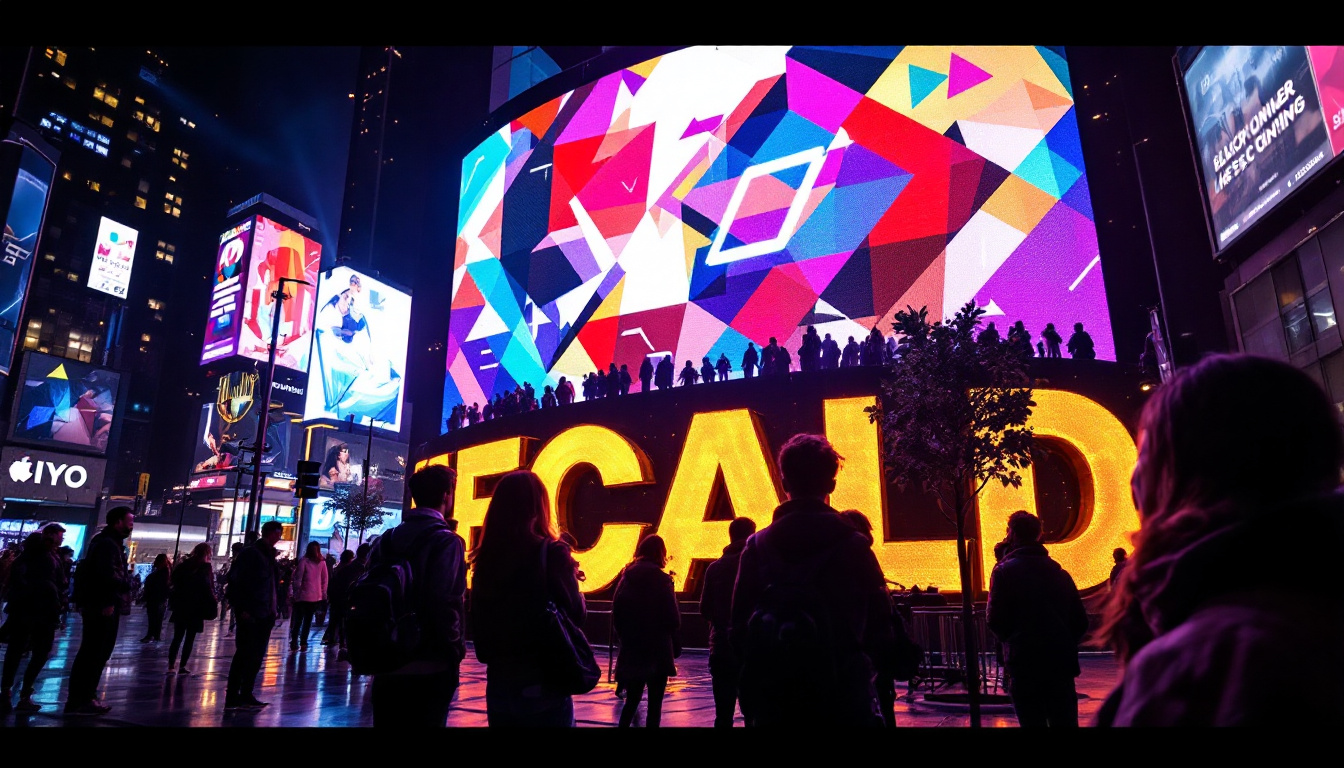
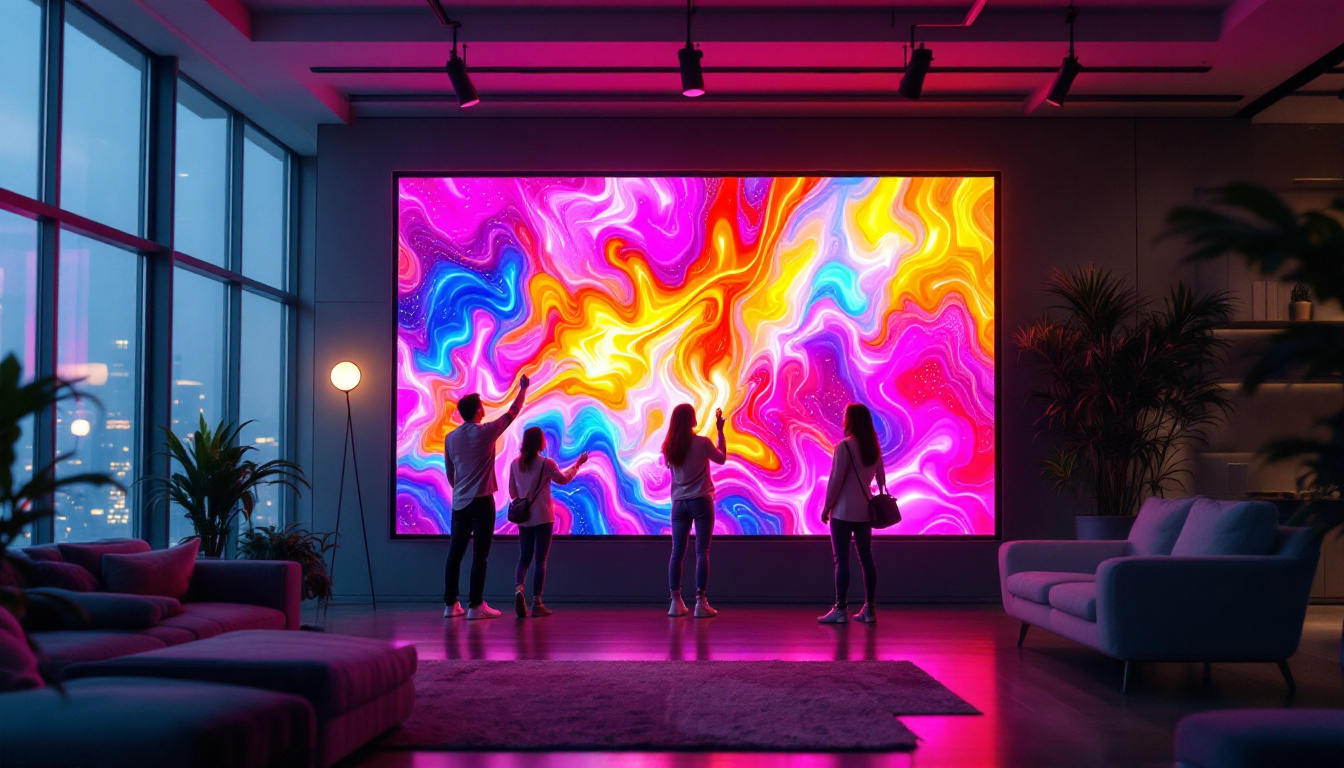
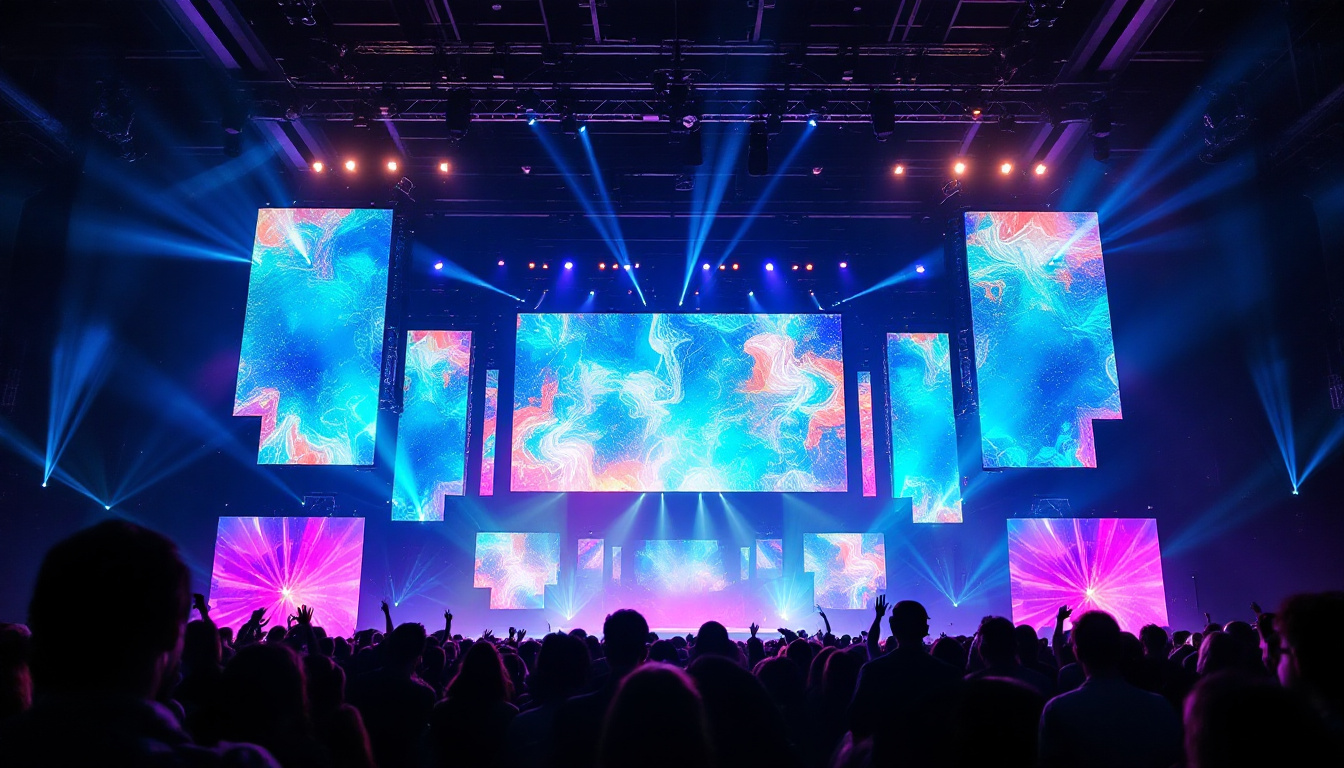
LED displays are commonly used in advertising, public information boards, stadium screens, and consumer electronics. These displays consist of thousands to millions of tiny LEDs arranged in a grid, each capable of producing different colors and brightness levels.
The energy consumption of an LED display depends on several factors including size, resolution, brightness, color depth, and usage patterns.
Factors Affecting Energy Use in LED Displays
- Size and Pixel Density: Larger displays with higher pixel densities have more LEDs, increasing total energy consumption.
- Brightness Levels: Outdoor displays often require higher brightness to combat sunlight, which increases power draw.
- Color and Content: Different colors and images consume varying amounts of power. For example, white light (which combines red, green, and blue LEDs at full intensity) uses more energy than a single color or darker images.
- Refresh Rate and Frame Rate: Higher refresh rates can marginally increase power consumption due to more frequent updating of pixels.
Typical Power Consumption Metrics
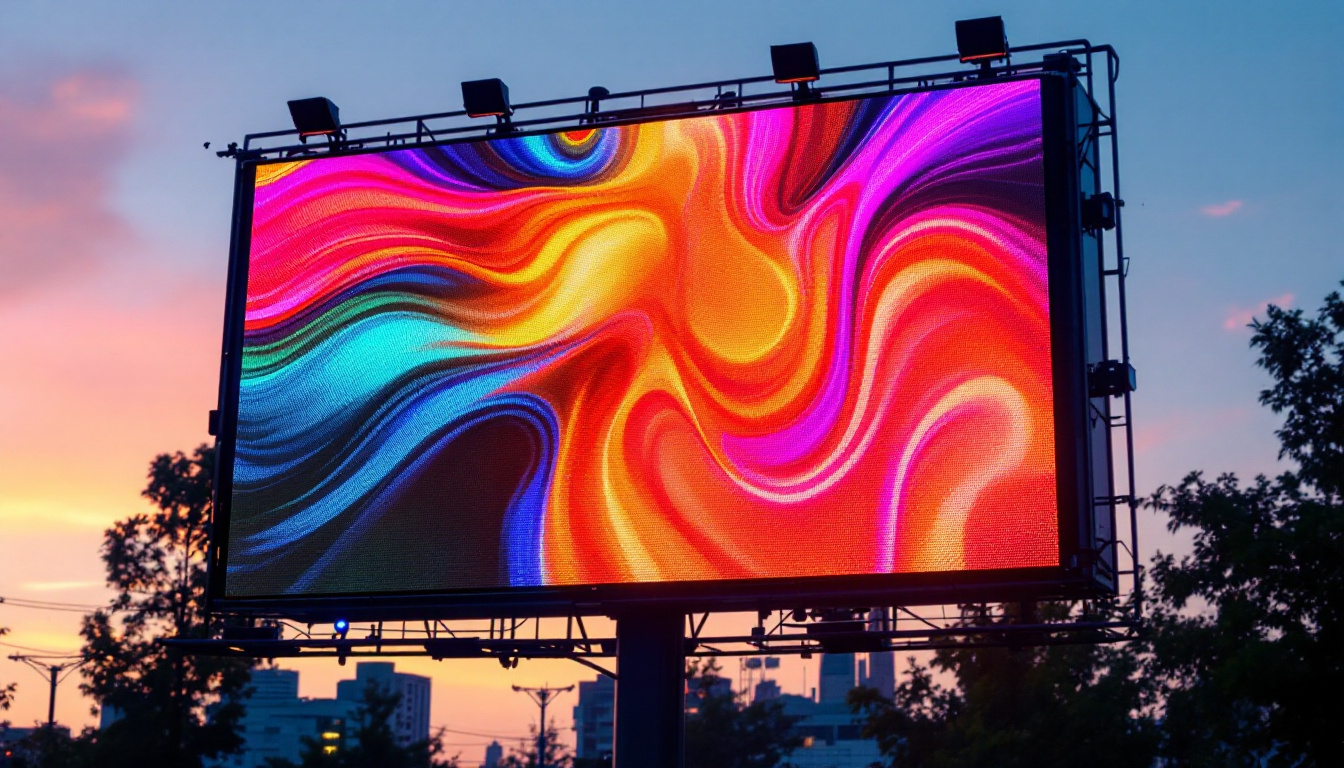
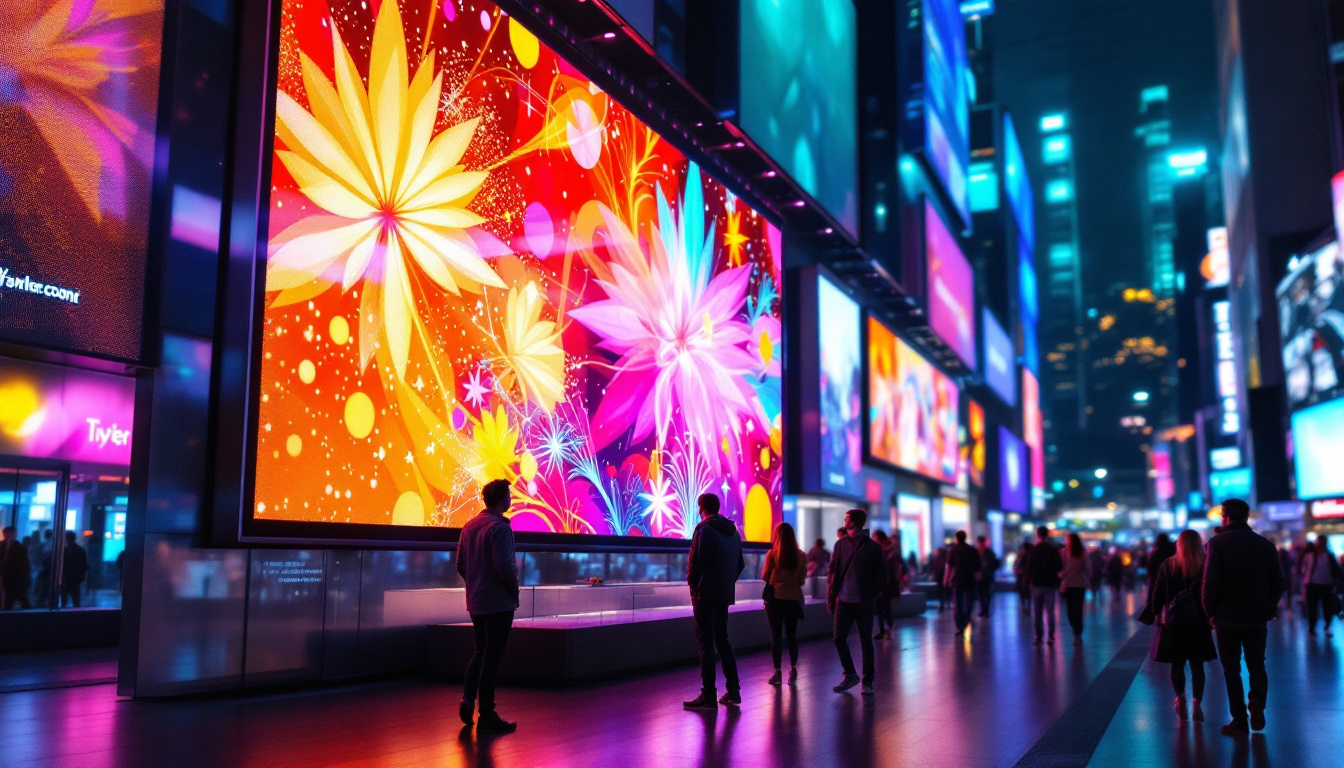
Power consumption for LED displays is often measured in watts per square meter (W/m²). For example, a standard outdoor LED billboard might consume between 200 to 600 W/m² depending on brightness and resolution. Indoor displays generally consume less, often in the range of 100 to 300 W/m².
To put this into perspective, a 10 m² outdoor LED billboard operating at 400 W/m² would consume approximately 4,000 watts (or 4 kW) when fully lit at maximum brightness.
In addition to the direct energy consumption, it’s important to consider the operational costs associated with running these displays. For businesses, this can translate into significant electricity bills, especially for high-traffic areas where displays are continuously in use. Many companies are now exploring energy-efficient technologies and practices, such as using smart controllers that adjust brightness based on ambient light conditions, which can lead to substantial savings over time. Furthermore, advancements in LED technology, such as organic LEDs (OLEDs) and quantum dot displays, promise to enhance energy efficiency while delivering superior image quality.
Moreover, the environmental impact of energy consumption from LED displays cannot be overlooked. As cities become more reliant on digital signage, the cumulative energy demand increases, raising concerns about sustainability. The shift towards renewable energy sources to power these displays is gaining traction, with some installations incorporating solar panels or wind turbines to offset their energy usage. This not only helps in reducing the carbon footprint but also aligns with the growing consumer preference for environmentally responsible practices in advertising and public communication.
Calculating Energy Use: Practical Examples
Understanding the actual energy consumption of an LED display requires considering the operational hours and usage patterns. Let’s explore a few practical scenarios to illustrate typical energy use.
Example 1: Small Indoor LED Display
Consider a 2 m² indoor LED display used in a retail store. If the display consumes 150 W/m², the total power draw is:
2 m² × 150 W/m² = 300 W
If the display operates 10 hours per day, the daily energy consumption is:
300 W × 10 hours = 3,000 Wh = 3 kWh
Over a 30-day month, this amounts to 90 kWh. At an average commercial electricity rate of $0.12 per kWh, the monthly cost is approximately $10.80.
This relatively low energy cost is one of the reasons many retailers opt for LED displays; they not only attract customers with vibrant visuals but also help keep operational costs manageable. Additionally, the longevity of LED technology means that these displays can last for years with minimal maintenance, further enhancing their cost-effectiveness. Retailers can also leverage these displays for dynamic advertising, showcasing promotions or new products, which can lead to increased sales and customer engagement.
Example 2: Large Outdoor LED Billboard
Now consider a 50 m² outdoor LED billboard consuming 400 W/m². The total power draw is:
50 m² × 400 W/m² = 20,000 W = 20 kW
If the billboard operates 24 hours a day, the daily energy consumption is:
20 kW × 24 hours = 480 kWh
Over a 30-day month, this totals 14,400 kWh. At the same electricity rate, the monthly cost would be $1,728.
This example highlights how energy costs can become significant for large, high-brightness displays. The investment in such billboards is often justified by their ability to reach a vast audience, especially in high-traffic areas. Advertisers can rotate multiple ads throughout the day, maximizing exposure and engagement. Moreover, advancements in LED technology have led to improved energy efficiency, meaning that newer models may consume less power while delivering even brighter and more vivid images, ultimately reducing the overall operational costs.
Energy Efficiency Strategies for LED Displays
Reducing energy consumption in LED displays is not only beneficial for lowering operational costs but also for minimizing environmental impact. Several strategies can help optimize energy use without compromising display quality.
Adaptive Brightness Control
Many modern LED displays incorporate sensors that adjust brightness based on ambient light conditions. During nighttime or overcast days, the display dims automatically, reducing power consumption significantly.
Content Optimization
Displaying darker images or limiting the use of full white backgrounds can reduce the number of LEDs operating at full intensity. Content creators can design visuals with energy efficiency in mind, balancing aesthetics and power use.
Improved LED Technology
Advancements in LED chip design and materials continue to improve luminous efficacy (lumens per watt). Newer LEDs can produce the same brightness with less power, making upgrades worthwhile for long-term savings.
Power Management Systems
Integrating intelligent power management allows for turning off or dimming sections of the display when not in use. For example, in multi-screen setups, only active screens consume full power.
Environmental Impact and Sustainability
LED displays, while more energy-efficient than older technologies, still contribute to electricity consumption and associated carbon emissions. Understanding and managing their energy use is vital for sustainable operations.
Carbon Footprint Considerations
Electricity generation methods vary by region, with fossil fuel-based sources producing higher greenhouse gas emissions. Reducing LED display energy consumption directly lowers the carbon footprint, especially in areas dependent on coal or natural gas.
Lifecycle Analysis
LEDs have a longer lifespan—often exceeding 50,000 hours—compared to traditional bulbs. This longevity reduces waste and the environmental impact of manufacturing and disposal. However, the energy consumed during operation remains a significant factor.
Future Trends in LED Energy Consumption
As technology evolves, the energy profile of LED displays is expected to improve further. Innovations in materials science, micro-LED technology, and integrated smart systems promise even greater efficiency.
Micro-LED and Mini-LED Technologies
Micro-LEDs, with their smaller size and higher pixel density, offer improved brightness and energy efficiency. They also enable thinner, lighter displays with better color accuracy and lower power consumption.
Integration with Renewable Energy
Some installations combine LED displays with solar panels or other renewable energy sources to offset electricity use. This approach is gaining traction in outdoor advertising and public information systems.
Conclusion
LED displays are a powerful and energy-efficient way to communicate visually, but their energy consumption varies widely based on size, brightness, and usage. Understanding these factors helps businesses and consumers make informed decisions about deployment and operation.
By adopting energy-saving strategies and keeping up with technological advancements, it is possible to enjoy the benefits of LED displays while minimizing costs and environmental impact. As LEDs continue to evolve, they will play an increasingly important role in sustainable lighting and display solutions worldwide.
Illuminate Your Space with LumenMatrix
Ready to harness the power of energy-efficient LED technology for your business or project? LumenMatrix is at the forefront of LED innovation, offering a vast array of solutions from Indoor and Outdoor LED Wall Displays to specialized options like Vehicle and Sports Displays. Embrace the future of visual communication with our LED displays that promise not only to enhance your brand’s visibility but also to create immersive experiences for your audience. Check out LumenMatrix LED Display Solutions today and take the first step towards transforming your visual engagement strategy.