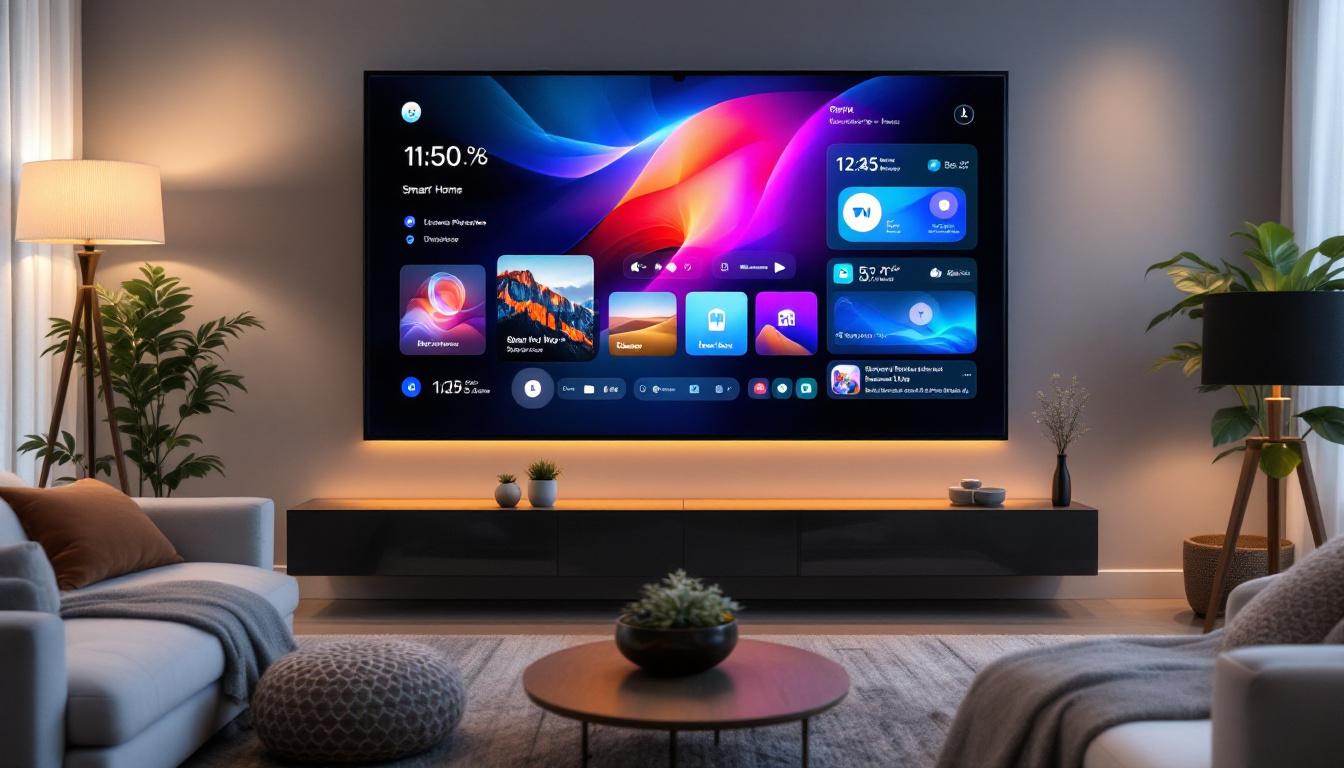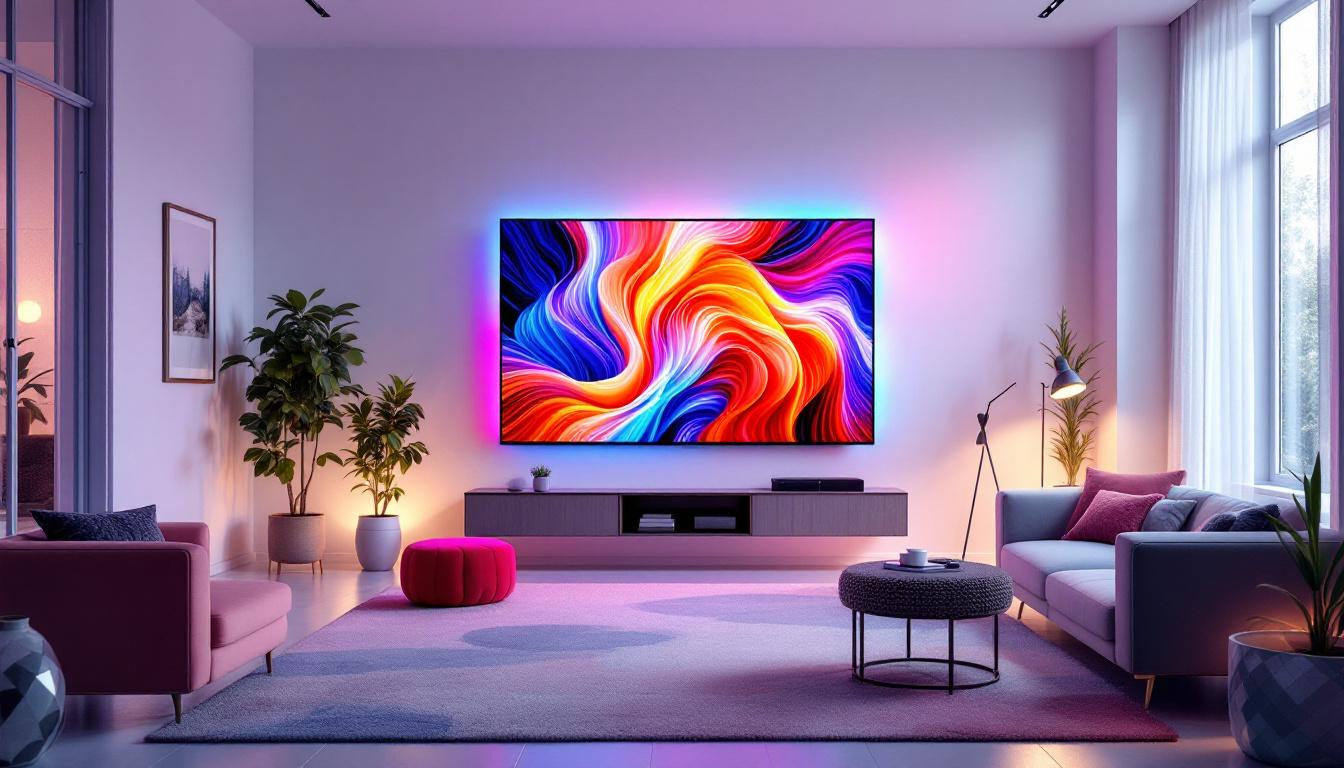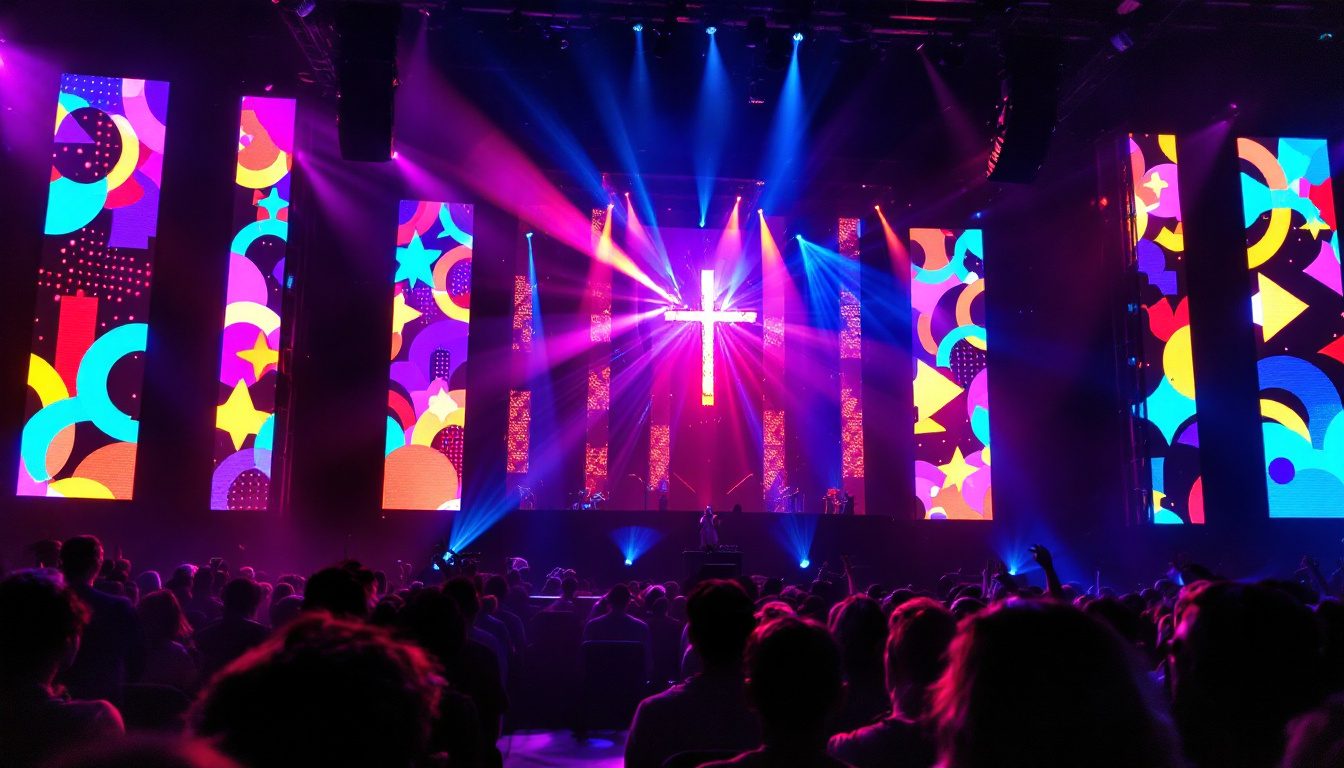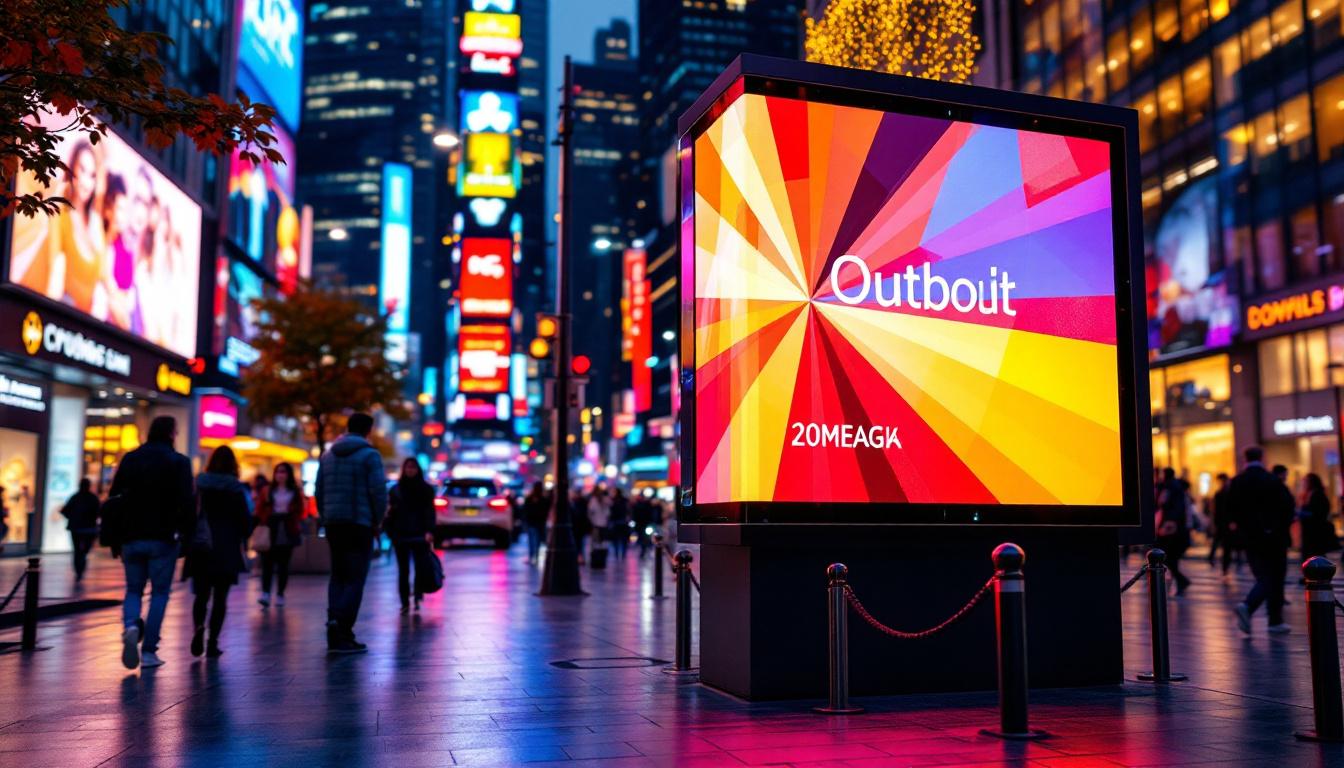
In the rapidly evolving world of digital displays, LED technology has become a cornerstone for everything from smartphones and televisions to large-scale advertising billboards and professional monitors. Understanding the fundamentals of LED displays is essential for consumers, designers, and professionals who rely on high-quality visuals for work and entertainment. This article delves into the intricacies of LED displays, exploring their technology, advantages, types, and practical applications, ensuring readers gain a comprehensive understanding of what makes LED displays a dominant force in modern visual technology.
What is an LED Display?
LED stands for Light Emitting Diode, a semiconductor device that emits light when an electric current passes through it. An LED display uses an array of these tiny diodes to create images and videos by controlling the brightness and color of each diode. Unlike traditional LCDs that rely on backlighting, LED displays generate their own light, resulting in superior brightness, contrast, and energy efficiency.
The core advantage of LED displays lies in their ability to produce vibrant colors and deep blacks, which significantly enhances image quality. This is because each LED can be turned on or off independently, allowing for precise control over the light emitted. This self-emissive property is why LED displays are often preferred for environments with varying lighting conditions, such as outdoor advertising or professional video editing suites.
How LED Displays Work
At the heart of an LED display is a matrix of LEDs arranged in rows and columns. Each LED acts as a pixel or part of a pixel, illuminating in different colors to form the overall image. Modern LED displays typically use red, green, and blue LEDs (RGB) to create a full spectrum of colors through additive color mixing. By adjusting the intensity of each RGB LED, the display can render millions of colors with high accuracy.
In larger LED screens, such as those used for stadiums or outdoor billboards, LEDs are often grouped into clusters called pixels. The resolution of the display depends on the number of these pixels per unit area, commonly measured in pixels per inch (PPI) or pixel pitch (distance between pixels). A smaller pixel pitch means higher resolution and sharper images, which is crucial for close-up viewing.
Types of LED Displays
LED technology has diversified into several types of displays, each optimized for specific use cases. Understanding these types helps in selecting the right display for particular needs, whether for personal computing, commercial use, or large-scale installations.
1. Direct View LED (DVLED) Displays
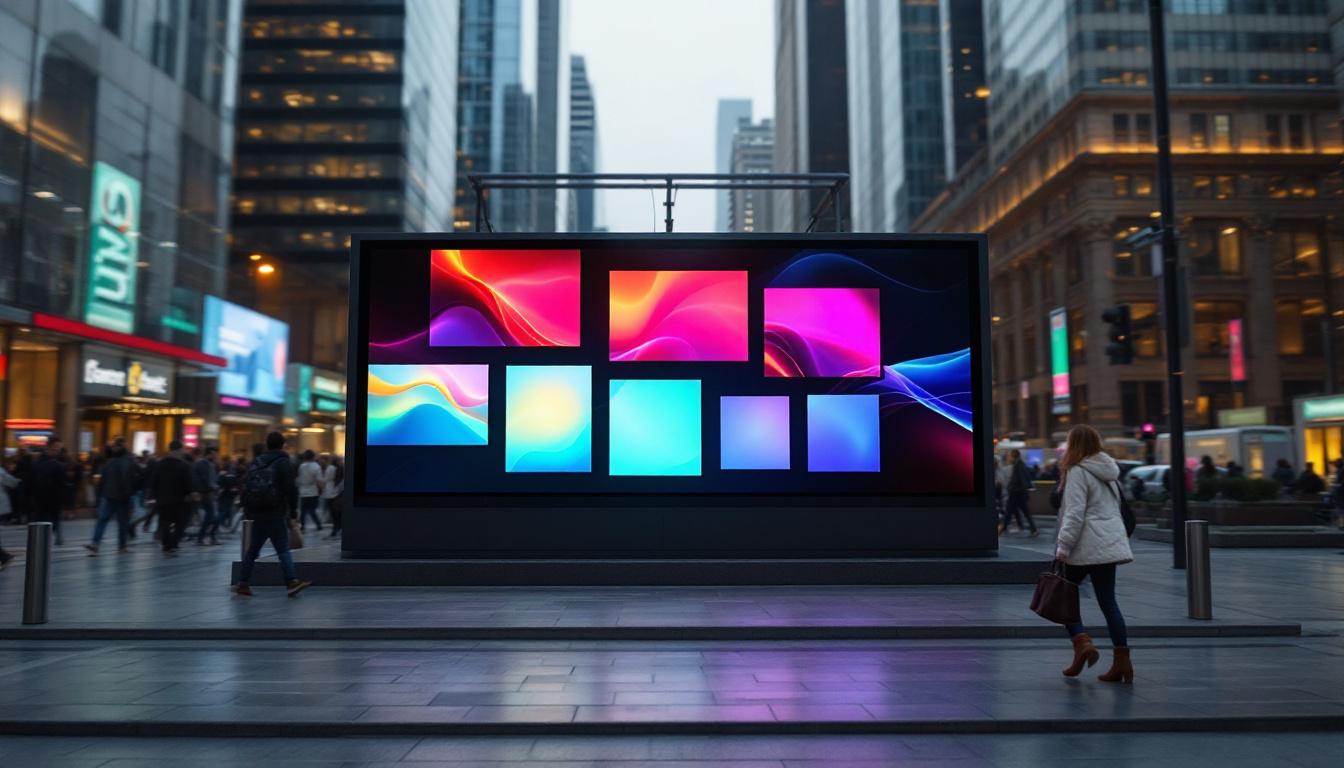
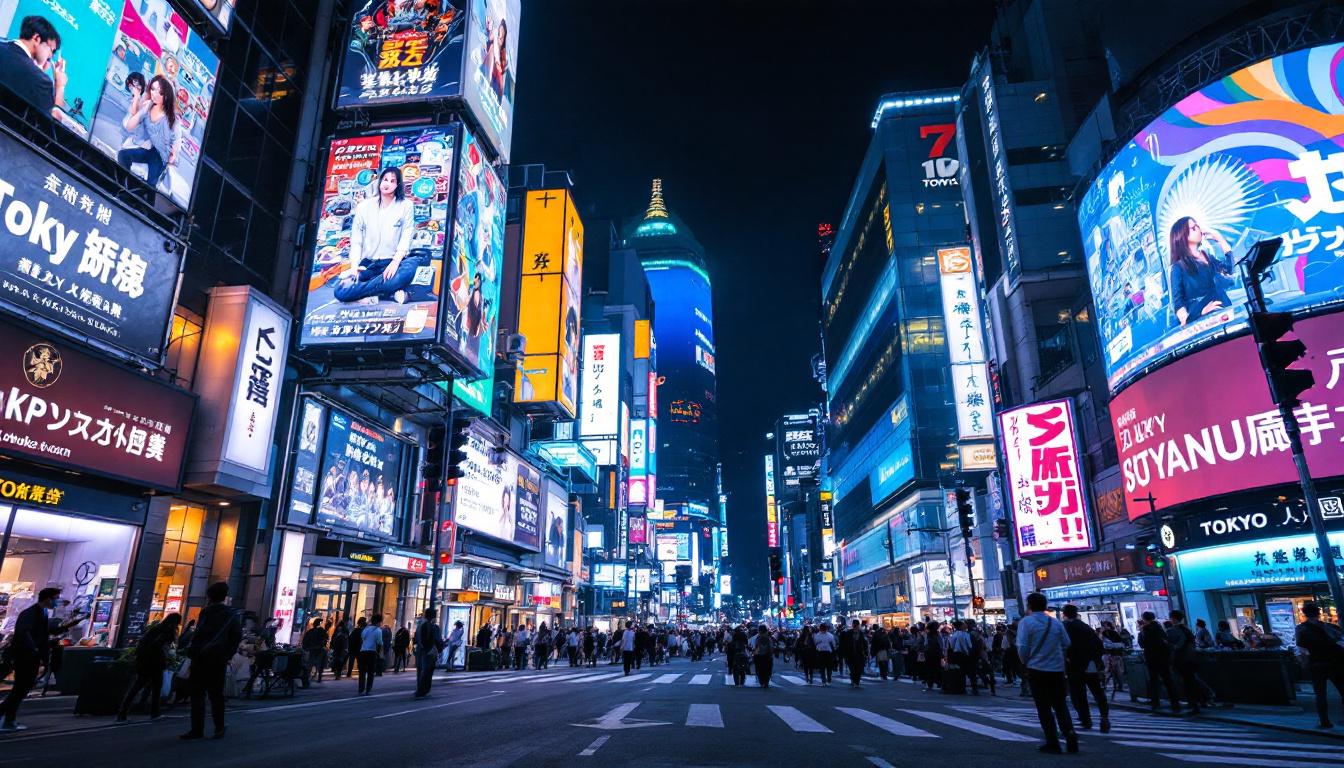
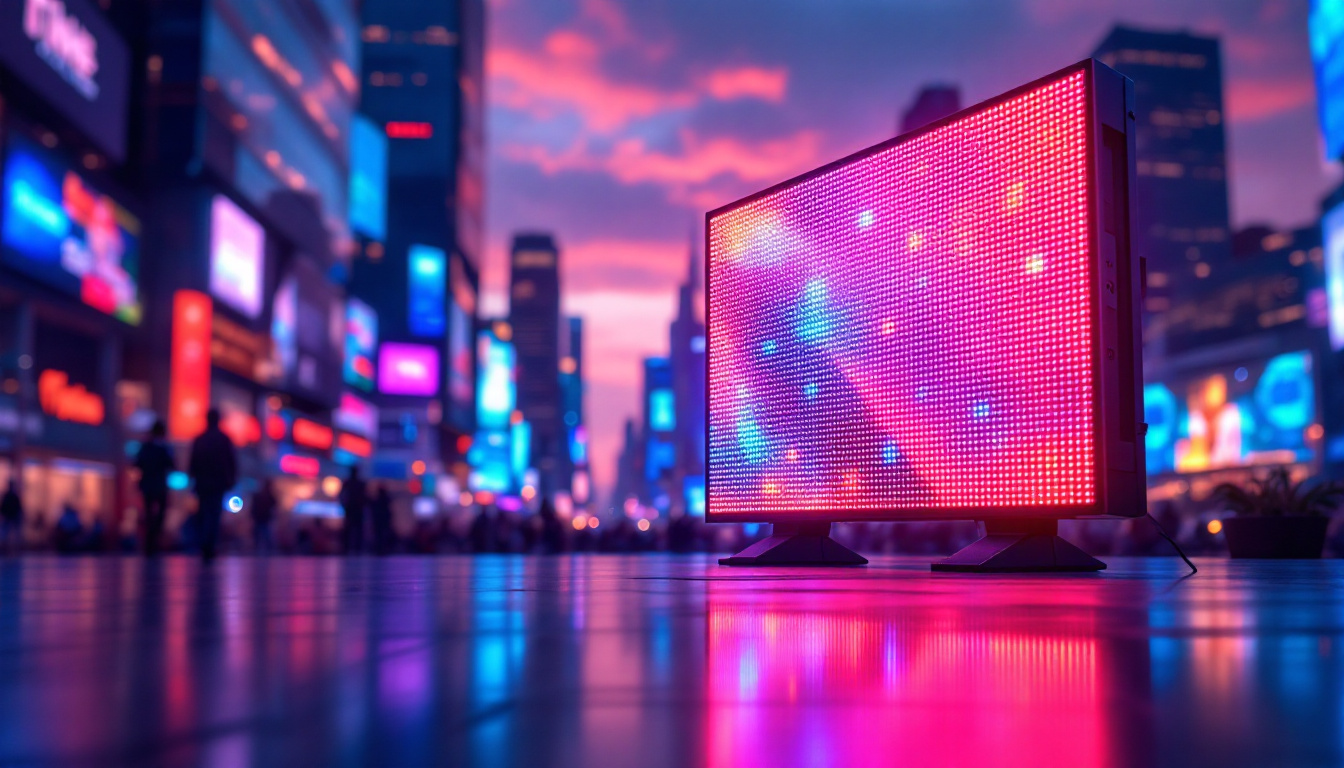
Direct View LED displays consist of LEDs that are directly visible to the viewer, without any intervening layers like LCD panels. These displays are commonly used in large outdoor screens, digital billboards, and stadium displays. Their brightness can exceed 5,000 nits, making them visible even in direct sunlight.
DVLED displays are highly durable and scalable, capable of forming massive screens with seamless image quality. However, their pixel pitch tends to be larger than indoor displays, which means they are best suited for viewing distances of several meters or more.
2. LED-Backlit LCD Displays
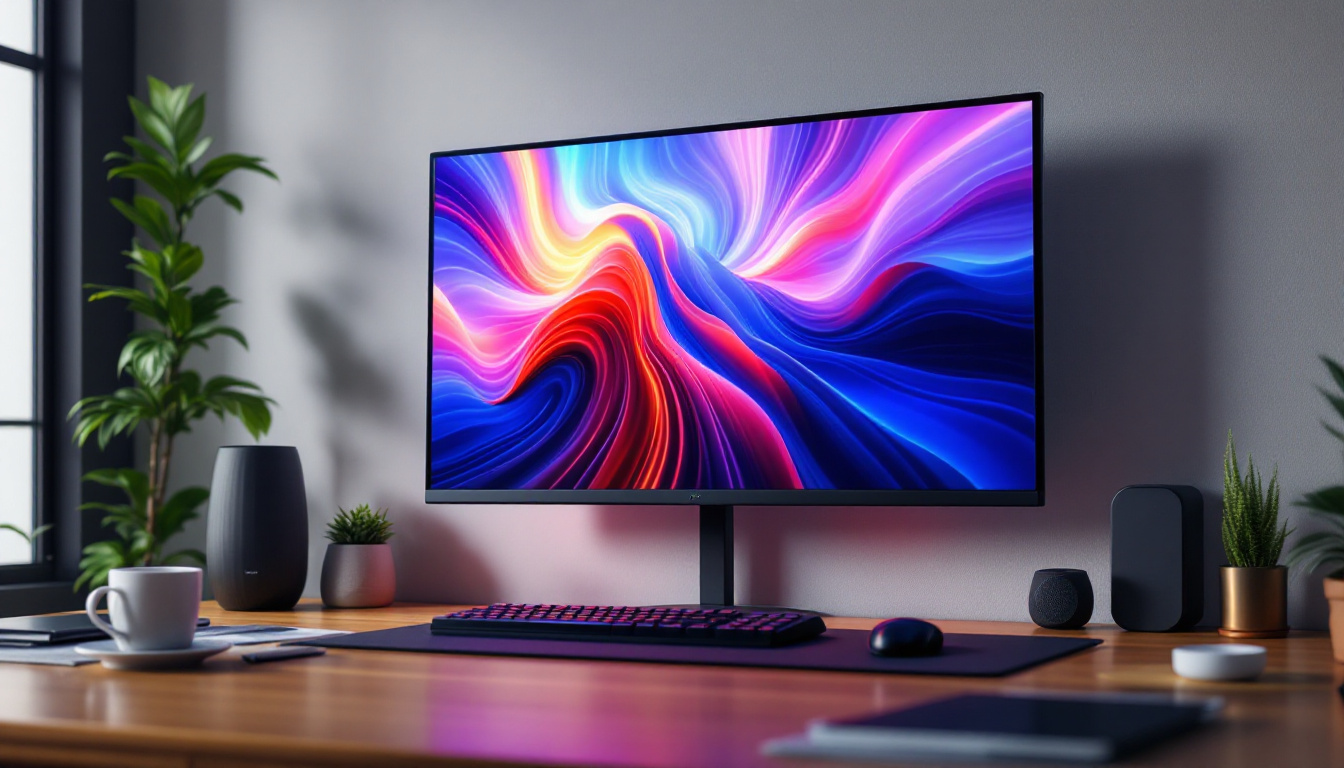
Most consumer monitors, laptops, and televisions use LED-backlit LCD technology. Here, the LED serves as a backlight behind an LCD panel that controls the color and brightness of each pixel. This combination allows for thinner and more energy-efficient screens compared to older CCFL-backlit LCDs.
While LED-backlit LCDs cannot achieve the perfect blacks of direct-view LEDs, advancements like local dimming and quantum dot enhancements have significantly improved contrast and color accuracy. These displays are ideal for everyday use, offering a balance between cost, image quality, and energy consumption.
3. OLED vs. LED Displays
Organic Light Emitting Diode (OLED) displays are often compared with LED displays because both technologies use self-emissive pixels. However, OLEDs use organic compounds that emit light when electrically stimulated, allowing for even thinner panels and better contrast ratios.
OLEDs excel in delivering perfect blacks and wide viewing angles but tend to be more expensive and susceptible to burn-in over time. LED displays, especially DVLEDs, offer greater brightness and longevity, making them preferable for outdoor and high-usage environments.
Advantages of LED Displays
LED displays have revolutionized the way visual content is presented across various industries. Their advantages extend beyond mere image quality, impacting energy consumption, durability, and user experience.
Superior Brightness and Contrast
One of the most significant benefits of LED displays is their ability to produce extremely bright images with high contrast ratios. This makes them ideal for environments with ambient light interference, such as outdoor advertising or well-lit offices. For example, LED billboards can maintain visibility even under direct sunlight, outperforming traditional LCD or projection displays.
Energy Efficiency and Longevity
LEDs consume less power than traditional backlighting methods, contributing to lower energy costs and reduced environmental impact. Additionally, LEDs have a longer operational life, often exceeding 50,000 hours, which translates to fewer replacements and maintenance efforts.
Thin and Lightweight Design
LED technology enables manufacturers to produce thinner and lighter displays without compromising on screen size or quality. This is particularly beneficial for portable devices like laptops and tablets, as well as for wall-mounted monitors and digital signage where space and weight are critical considerations.
Wide Viewing Angles and Fast Response Times
LED displays offer wide viewing angles with minimal color distortion, ensuring consistent image quality from different perspectives. Their fast response times reduce motion blur, which is essential for gaming, video editing, and other applications requiring smooth visuals.
Applications of LED Displays
The versatility of LED displays has made them integral to a broad range of applications, from personal computing to massive public installations. Understanding these applications highlights why LED technology continues to dominate the display market.
Consumer Electronics
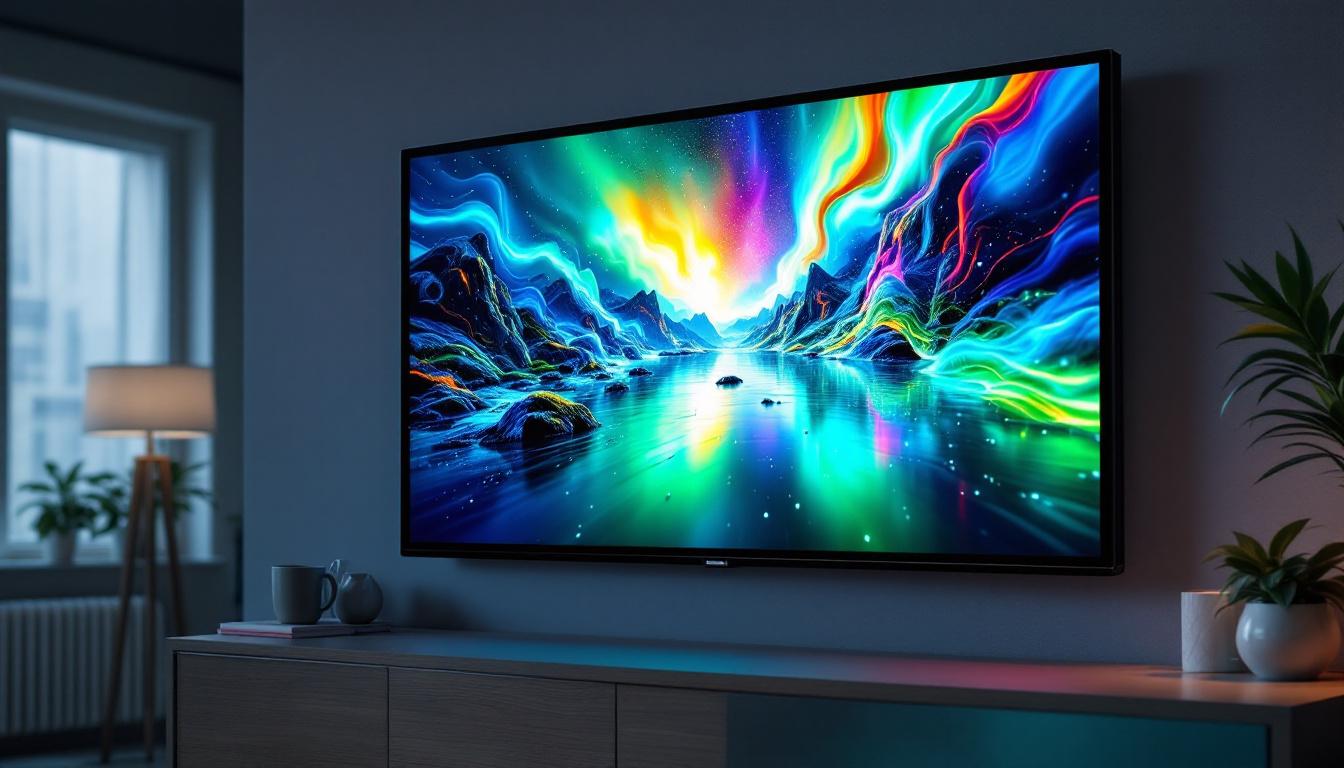
From smartphones to televisions and computer monitors, LED technology is ubiquitous in consumer electronics. The ability to deliver vivid colors, sharp images, and energy efficiency makes LED displays the preferred choice for manufacturers and consumers alike. The rise of 4K and 8K resolutions further underscores the demand for high-quality LED panels capable of rendering ultra-high-definition content.
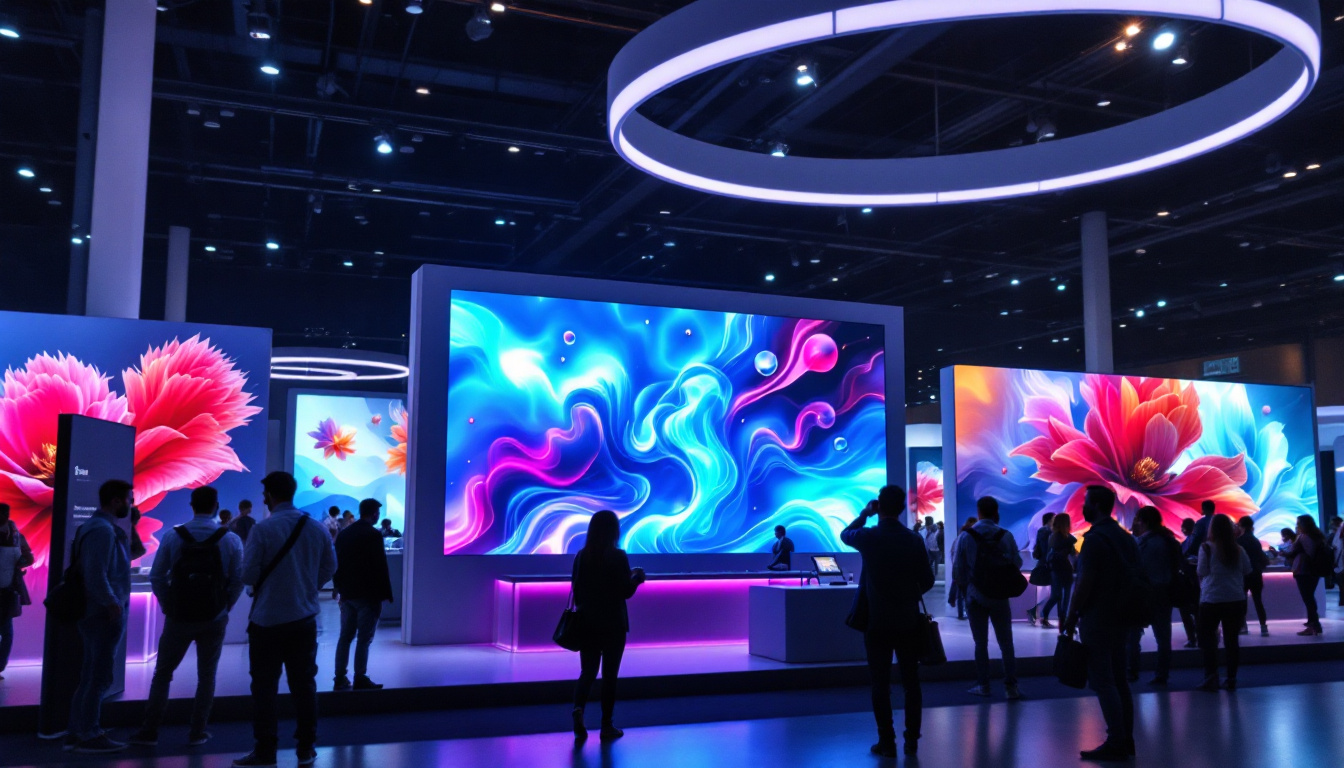
Commercial and Advertising Displays
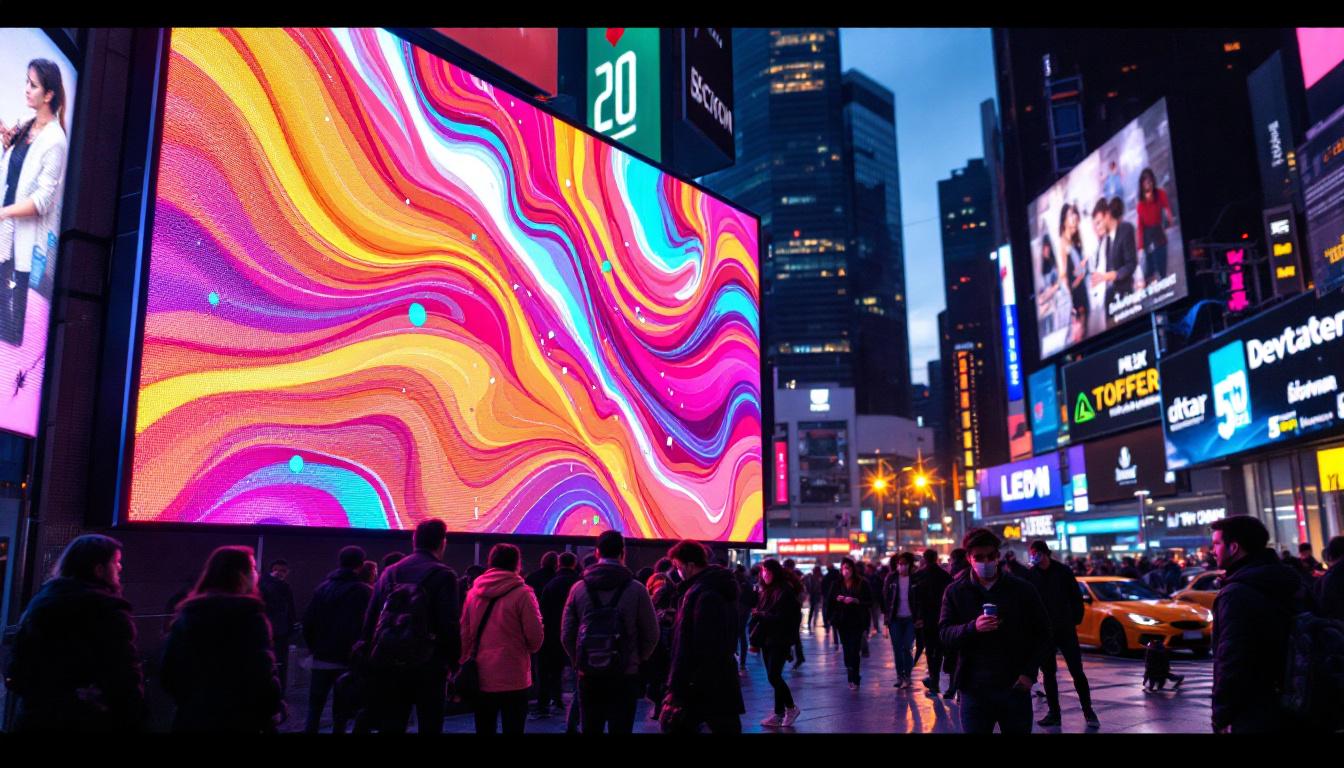
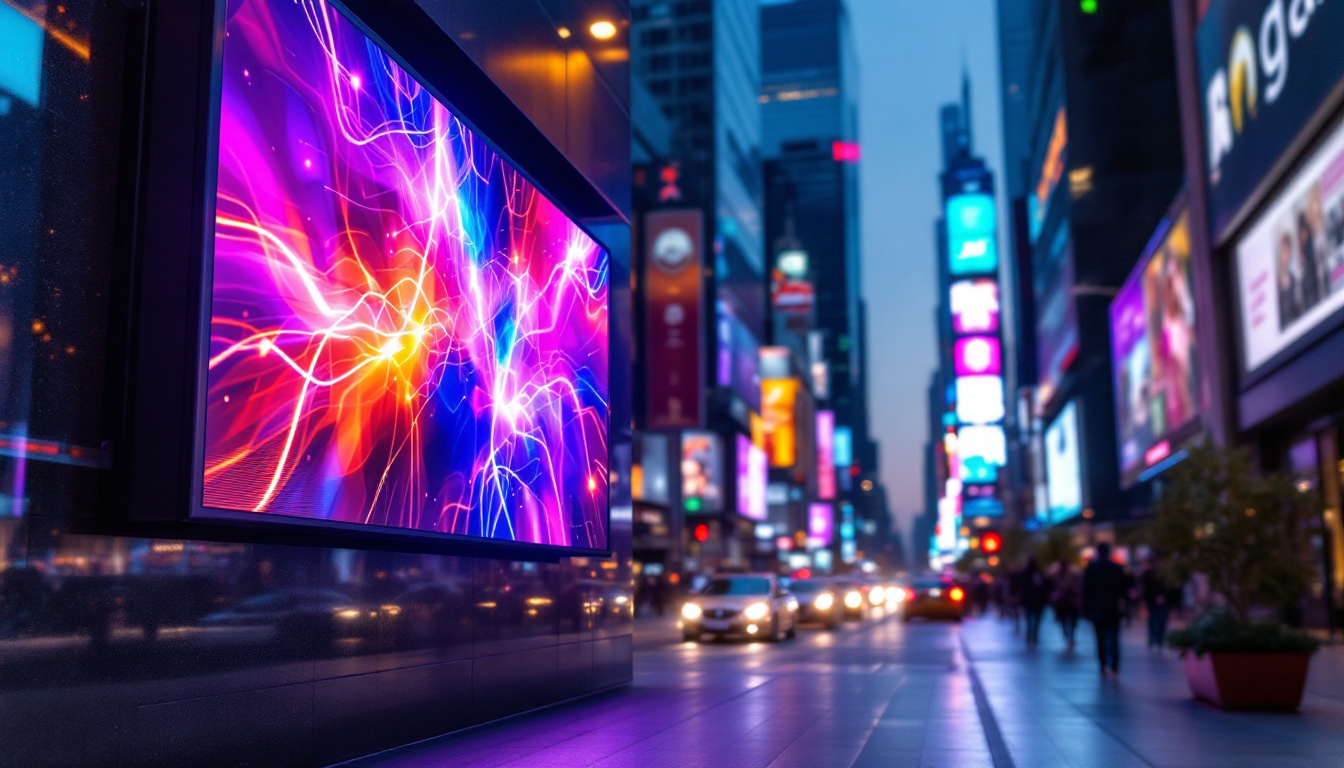
Outdoor digital billboards, retail signage, and event displays rely heavily on direct-view LED technology. These displays can be scaled to enormous sizes while maintaining image clarity and brightness, even in challenging lighting conditions. For instance, Times Square in New York City features some of the most advanced LED billboards, captivating millions of viewers daily.
Professional and Industrial Use
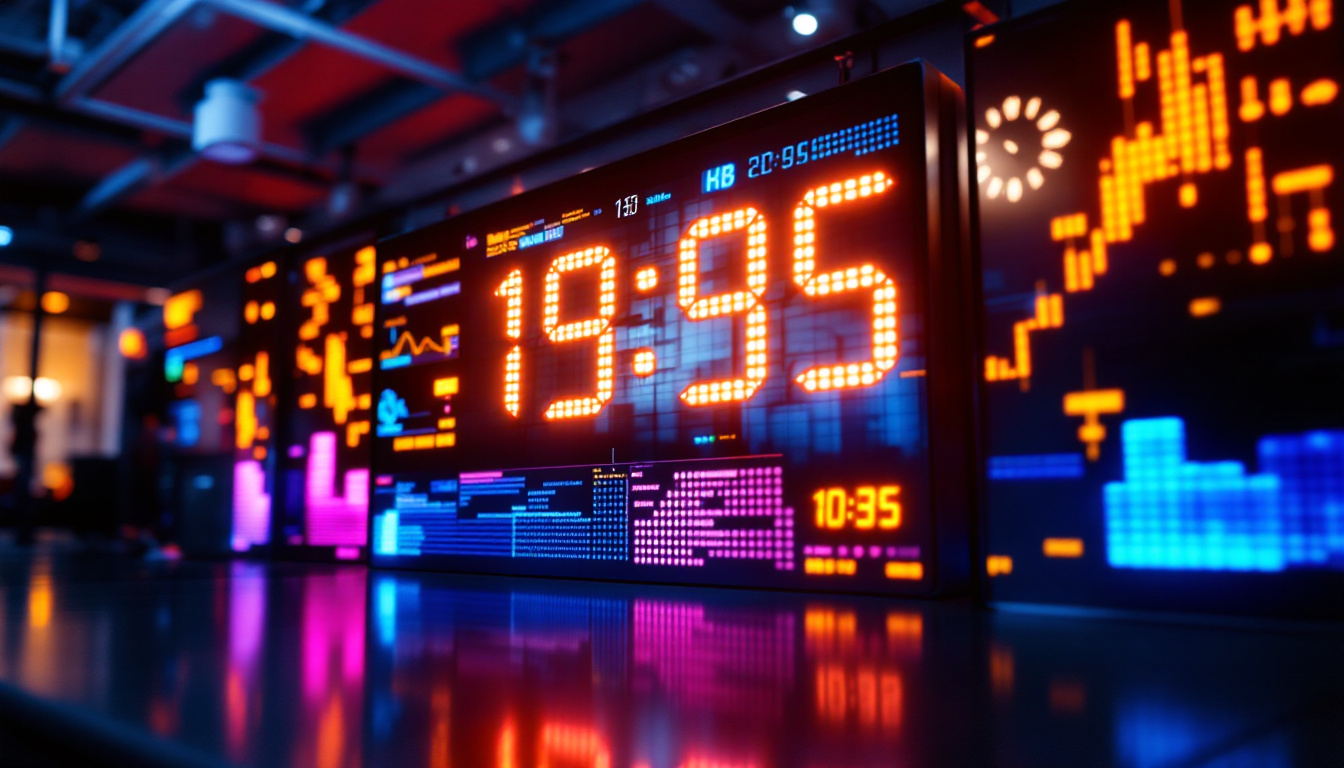
In professional environments such as broadcast studios, control rooms, and medical imaging, LED displays provide the precision and reliability required for critical tasks. High-end LED monitors offer color accuracy and resolution that meet the demanding standards of graphic designers, video editors, and healthcare professionals.
Public Information and Entertainment
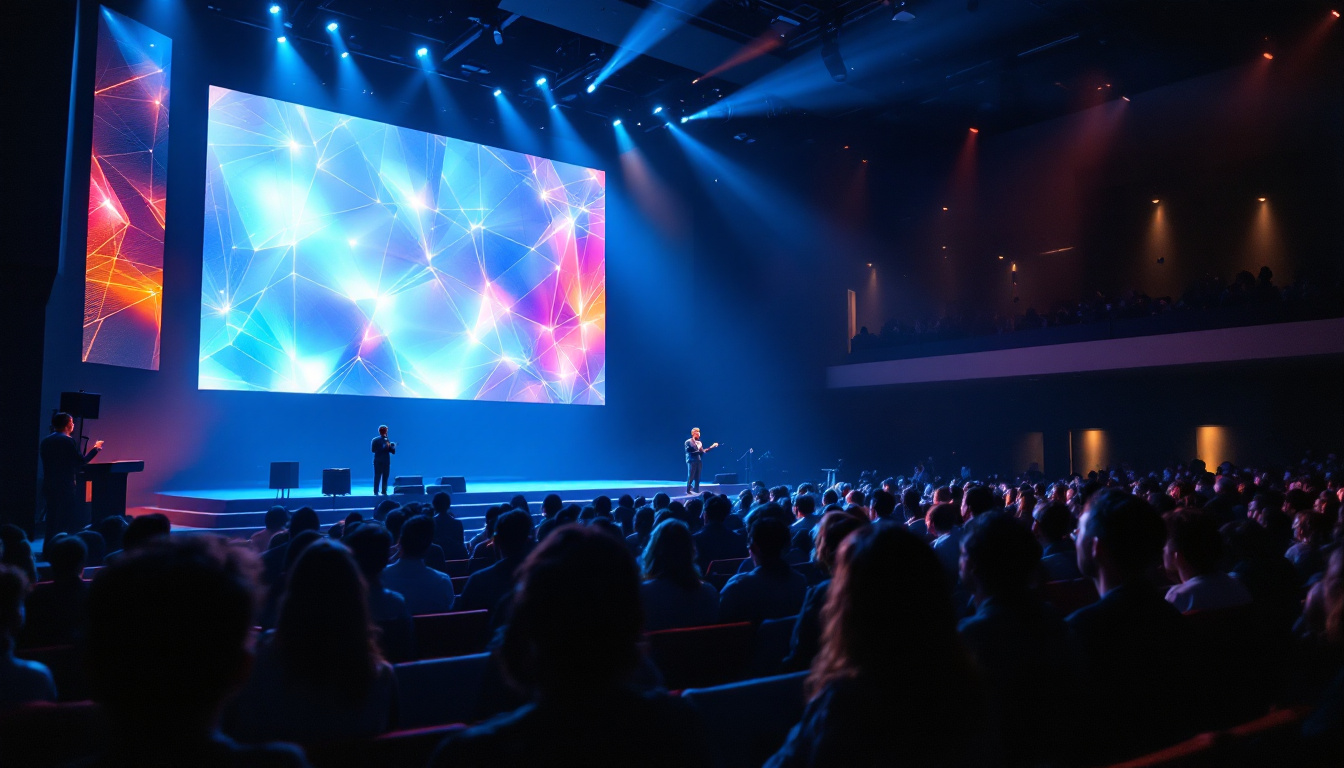
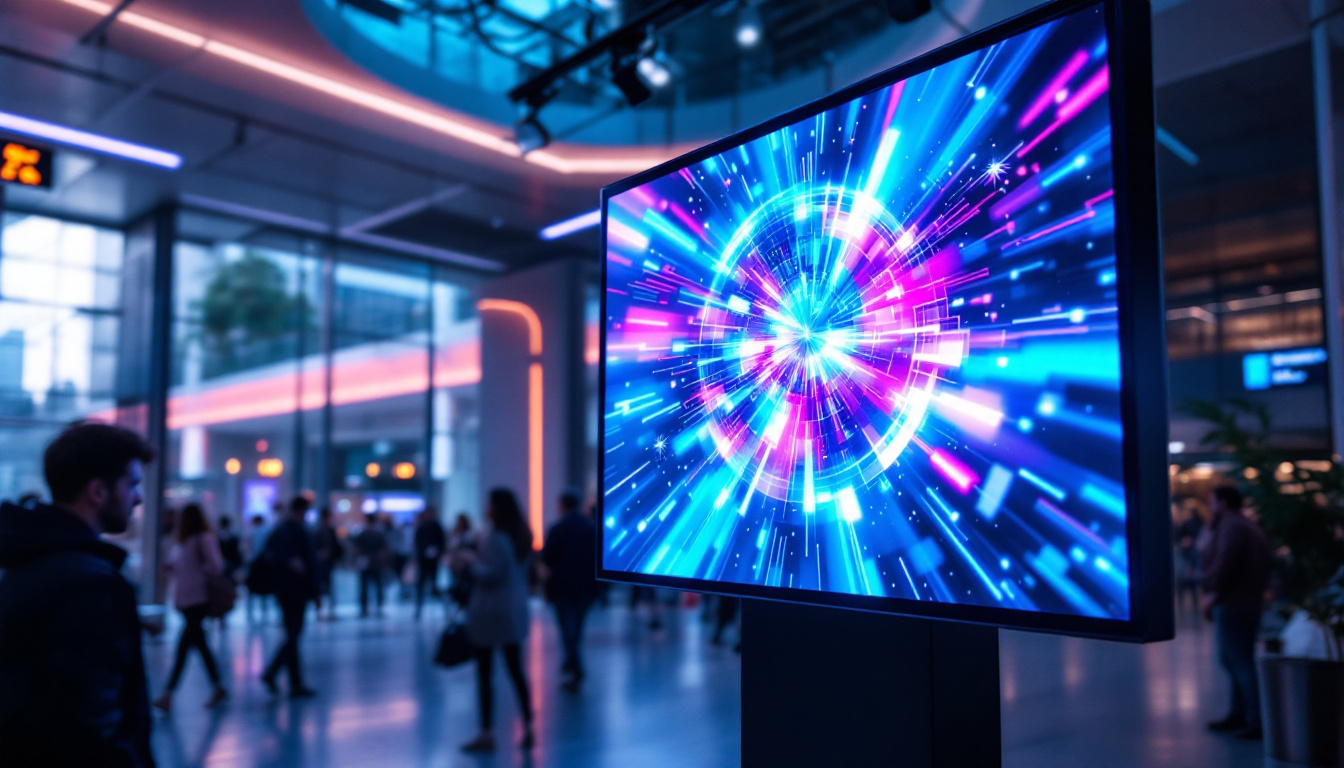
LED displays are also prevalent in stadiums, airports, and transportation hubs, providing real-time information and entertainment to large audiences. Their durability and visibility ensure that messages are conveyed clearly, enhancing both safety and experience.
Choosing the Right LED Display
Selecting the appropriate LED display depends on several factors, including intended use, environment, budget, and desired image quality. Evaluating these considerations helps ensure that the investment meets both current and future needs.
Resolution and Pixel Pitch
For close-up viewing, such as desktop monitors or indoor signage, a higher resolution with a smaller pixel pitch is essential to avoid visible pixelation. Conversely, outdoor displays intended to be viewed from a distance can use larger pixel pitches without sacrificing perceived image quality.
Brightness and Contrast Requirements
Understanding the ambient lighting conditions is critical. Bright environments demand displays with higher nit ratings to maintain visibility, while darker settings benefit from displays with excellent contrast ratios to enhance image depth.
Durability and Maintenance
Outdoor or industrial applications require displays that can withstand harsh weather, dust, and continuous operation. Features such as waterproofing, heat dissipation, and easy serviceability become important factors in these scenarios.
Budget Considerations
While LED displays offer numerous benefits, costs can vary widely based on size, resolution, and technology type. Balancing performance requirements with budget constraints ensures a cost-effective solution without compromising essential features.
The Future of LED Displays
As technology advances, LED displays continue to evolve, pushing the boundaries of what is possible in visual media. Innovations such as microLED and miniLED are poised to redefine display quality, combining the best aspects of LED and OLED technologies.
MicroLED displays use microscopic LEDs to create pixels, offering superior brightness, energy efficiency, and longevity without the burn-in issues associated with OLEDs. This technology promises to deliver unprecedented image quality for consumer electronics and large-scale displays alike.
Meanwhile, miniLED backlighting enhances traditional LCD panels by using thousands of tiny LEDs for more precise local dimming, resulting in better contrast and color accuracy. This hybrid approach is already gaining traction in premium laptops, monitors, and televisions.
With ongoing research and development, LED displays will likely become more affordable, versatile, and integrated into everyday life, from smart homes to immersive virtual reality environments.
Conclusion
LED displays represent a significant leap forward in display technology, offering unmatched brightness, color accuracy, energy efficiency, and versatility. Whether used in consumer electronics, commercial advertising, or professional applications, understanding the nuances of LED technology empowers users to make informed decisions and fully leverage the benefits these displays provide.
As the technology continues to advance, staying informed about developments such as microLED and miniLED will be essential for anyone invested in digital displays. The future of visual media is bright, vibrant, and illuminated by the power of LED technology.
Discover the Future of Visuals with LumenMatrix
Ready to experience the pinnacle of LED display technology? LumenMatrix is at the forefront of creating immersive and dynamic visual experiences. Whether you’re looking to enhance your brand’s presence with an Indoor LED Wall Display, captivate passersby with an Outdoor LED Wall Display, or innovate with Custom LED Display solutions, LumenMatrix has you covered. Embrace the future of visual communication and let your message shine with unparalleled clarity and impact. Check out LumenMatrix LED Display Solutions today and transform your visual storytelling.