When it comes to hosting a rock concert in a massive venue, delivering an unforgettable visual experience is as crucial as the music itself. One of the most transformative technologies enabling this is the LED display. From captivating stage backdrops to massive video walls that bring every band member into sharp focus, LED displays have revolutionized how audiences engage with live performances. This article explores the role of LED displays in huge rock concert venues, explaining their technology, benefits, and the considerations behind their effective use.
Understanding LED Display Technology
What Is an LED Display?
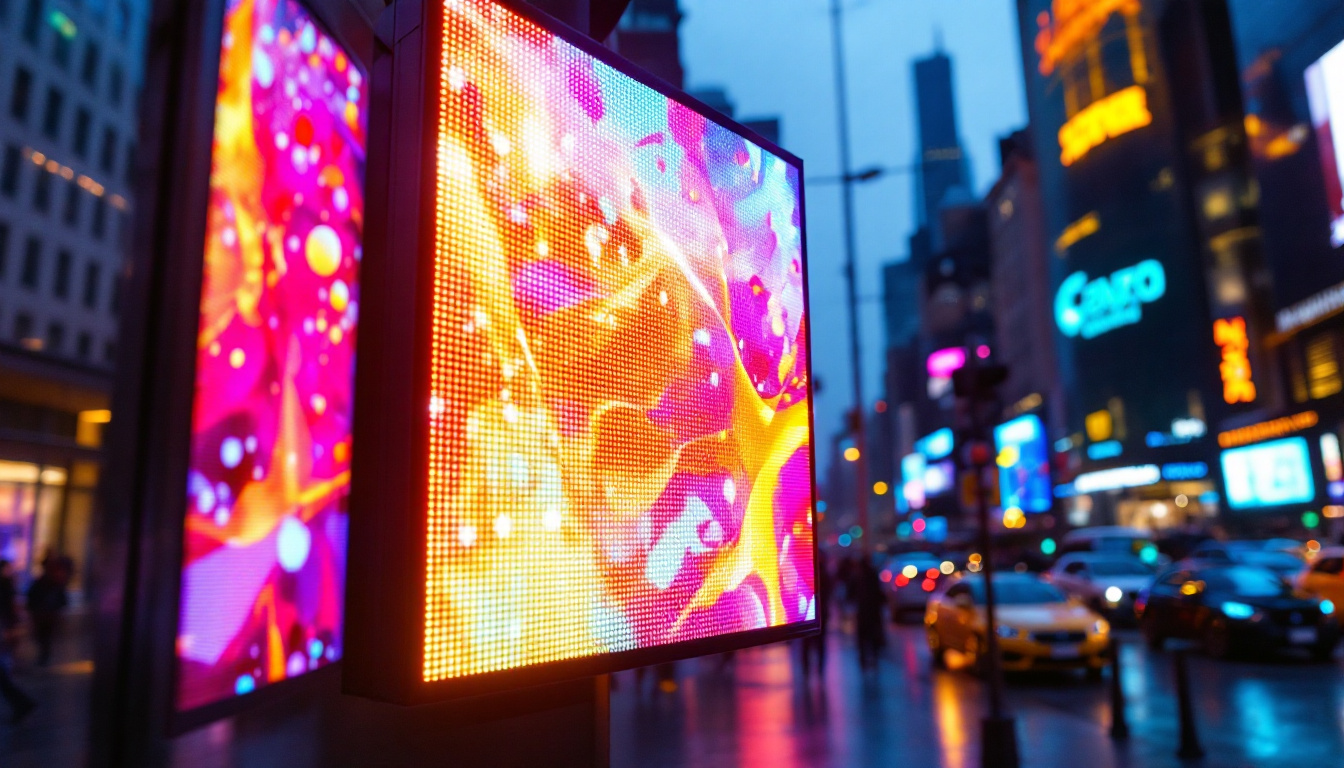
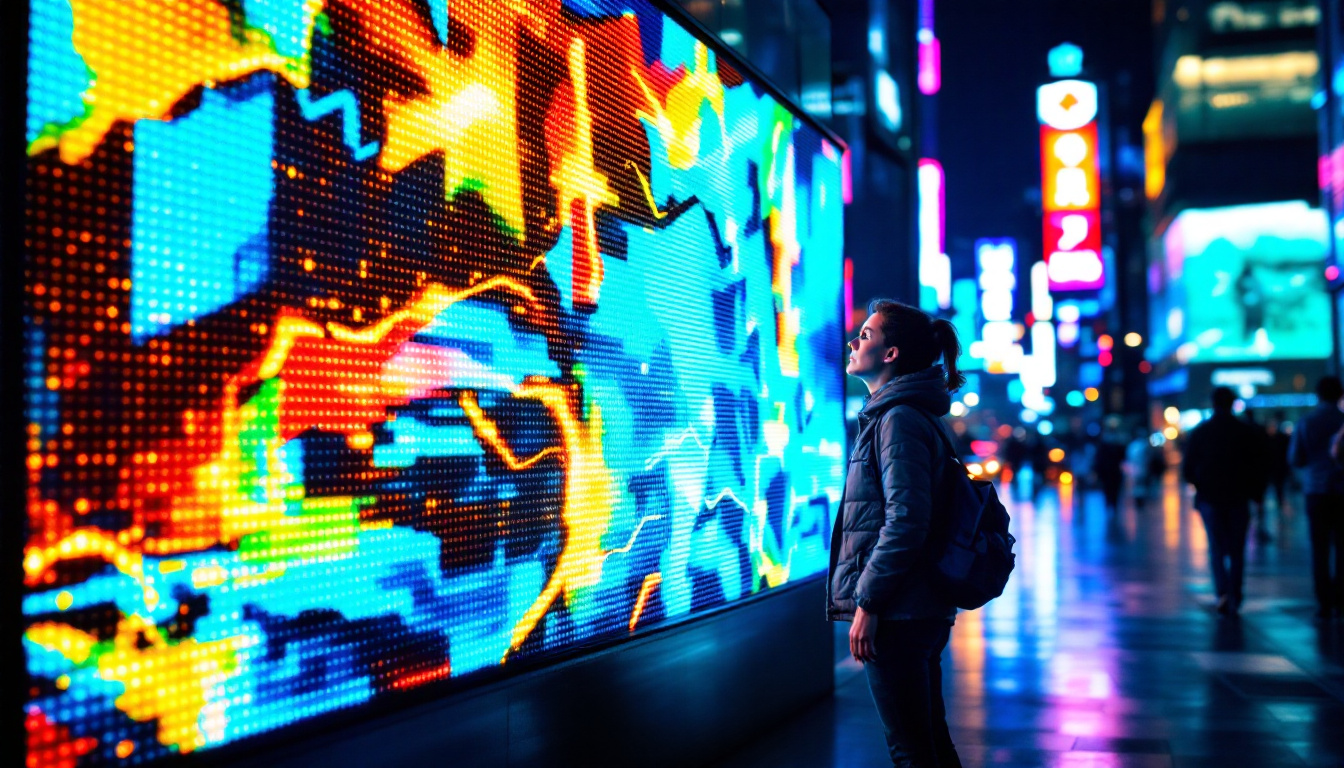
LED stands for Light Emitting Diode, a semiconductor device that emits light when an electric current passes through it. LED displays are made up of thousands to millions of these tiny diodes arranged in a grid to form screens capable of displaying images, videos, and animations. Unlike traditional projection systems, LED displays generate their own light, resulting in brighter, sharper visuals that remain clear even in well-lit environments. This self-illuminating characteristic not only enhances the viewing experience but also allows for greater versatility in various lighting conditions, making LED technology a preferred choice for both indoor and outdoor applications.
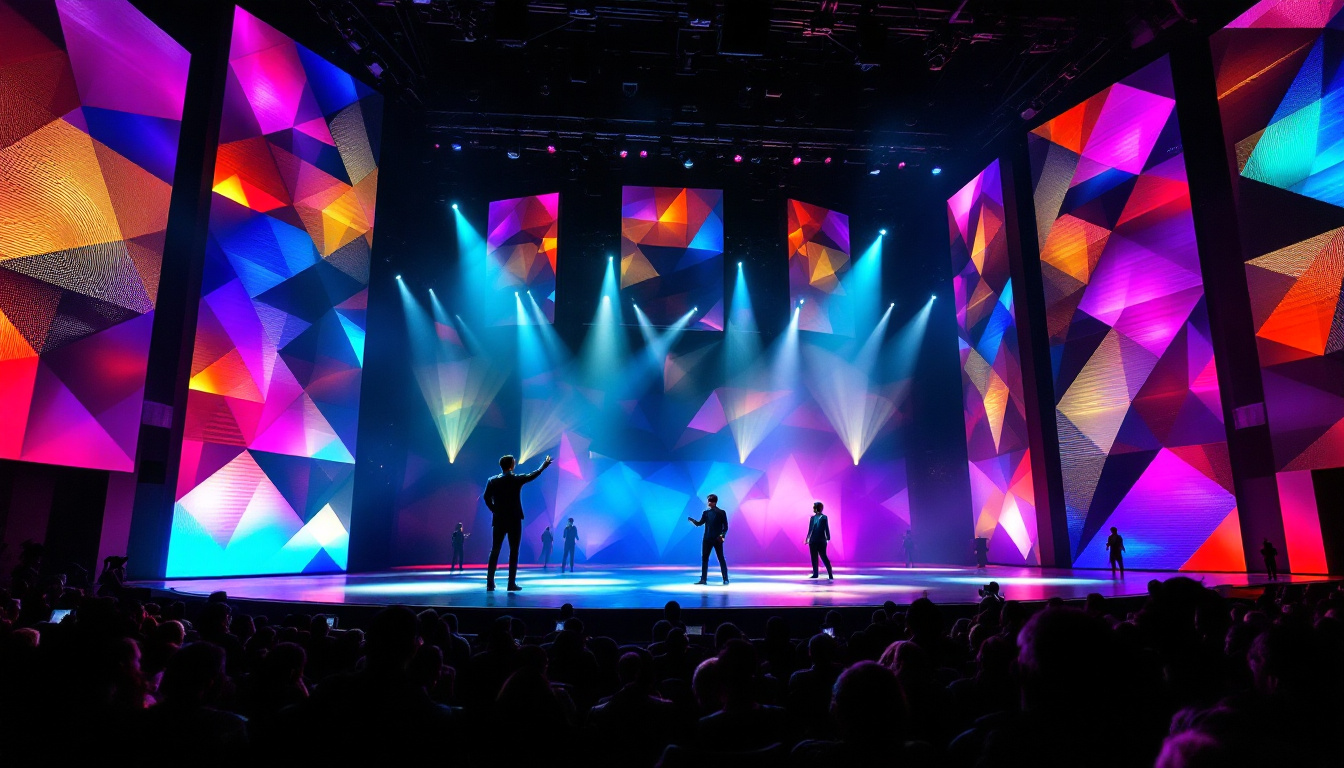
Modern LED screens used in concert settings are typically modular, allowing technicians to assemble large-scale displays by connecting multiple panels seamlessly. This modularity means that venues can customize screen size and shape to fit the stage design and audience sightlines perfectly. Furthermore, the lightweight nature of these panels facilitates easier transportation and setup, enabling quick changes between performances or events. As a result, LED displays have become a staple in the entertainment industry, providing a dynamic backdrop that can adapt to the artistic vision of the performers and the thematic elements of the show.
Key Technical Specifications
Several technical factors determine the quality and suitability of an LED display for a rock concert venue:
- Pixel Pitch: This is the distance between the centers of two adjacent pixels, usually measured in millimeters. Smaller pixel pitch means higher resolution and sharper images, essential for close-up viewing. For example, a pixel pitch of 2.5mm is ideal for audiences seated within a few meters, while a pitch of 10mm may suffice for larger venues where viewers are further away.
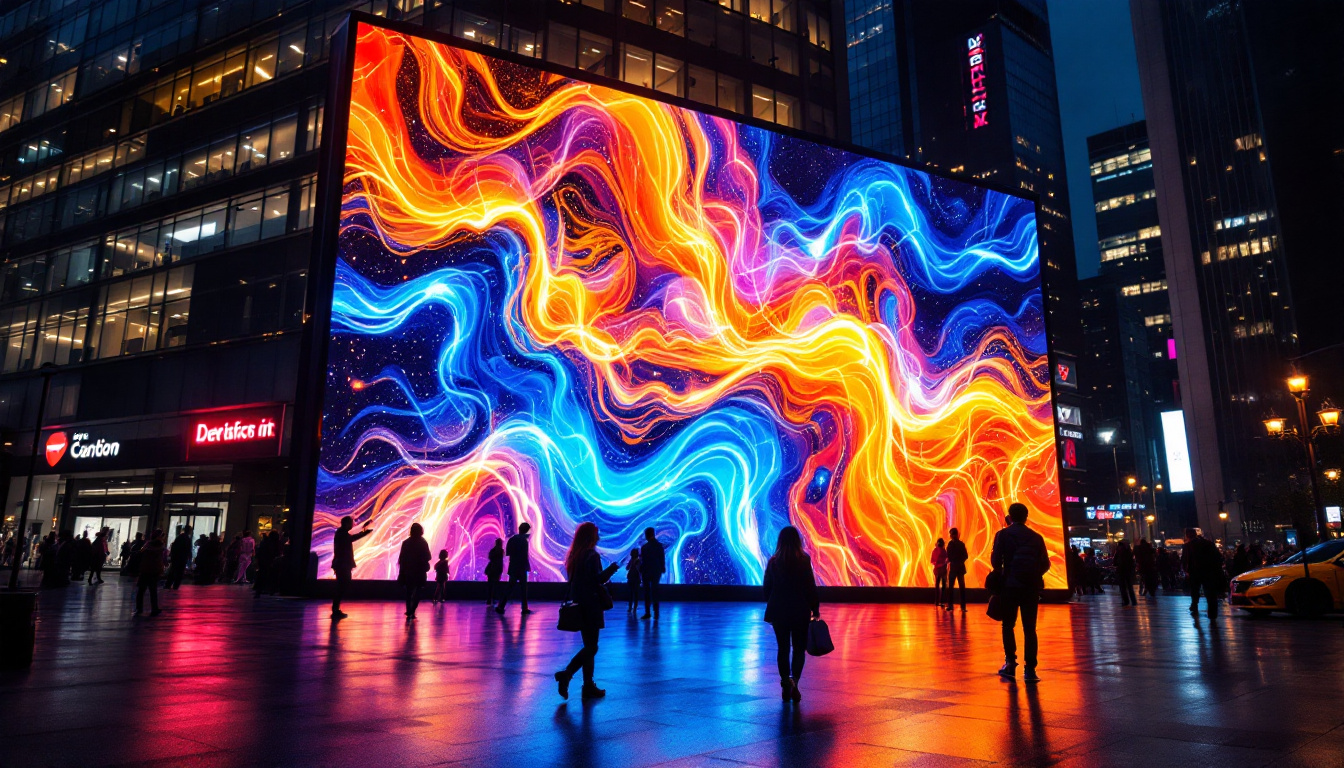
- Brightness: Measured in nits, brightness is crucial for outdoor concerts or venues with strong ambient lighting. LED displays can reach brightness levels exceeding 5,000 nits, ensuring visibility even under direct sunlight. This capability allows for vibrant colors and clear images that captivate audiences, regardless of the time of day or weather conditions.
- Refresh Rate: Higher refresh rates reduce flicker and motion blur, which is vital for capturing fast-moving performances and dynamic visuals. A refresh rate of 60Hz or higher is often recommended for live events, ensuring that the action on stage is mirrored seamlessly on the screen.
- Viewing Angle: Wide viewing angles ensure that the image quality remains consistent for audience members seated at various positions in the venue. Displays with a viewing angle of 160 degrees or more help maintain visual integrity, allowing everyone in attendance to enjoy the same high-quality experience, irrespective of their seating location.
In addition to these specifications, it’s also important to consider the durability and weather resistance of LED displays, especially for outdoor events. Many modern LED screens are designed to withstand harsh environmental conditions, including rain, wind, and extreme temperatures, ensuring that they perform reliably throughout the duration of a concert. This resilience not only protects the investment in display technology but also guarantees that audiences can enjoy uninterrupted performances, regardless of the elements. Moreover, the advancements in LED technology have led to the development of energy-efficient models that consume less power while delivering exceptional performance, making them a sustainable choice for the future of live entertainment.
The Role of LED Displays in Huge Rock Concert Venues
Enhancing Audience Engagement
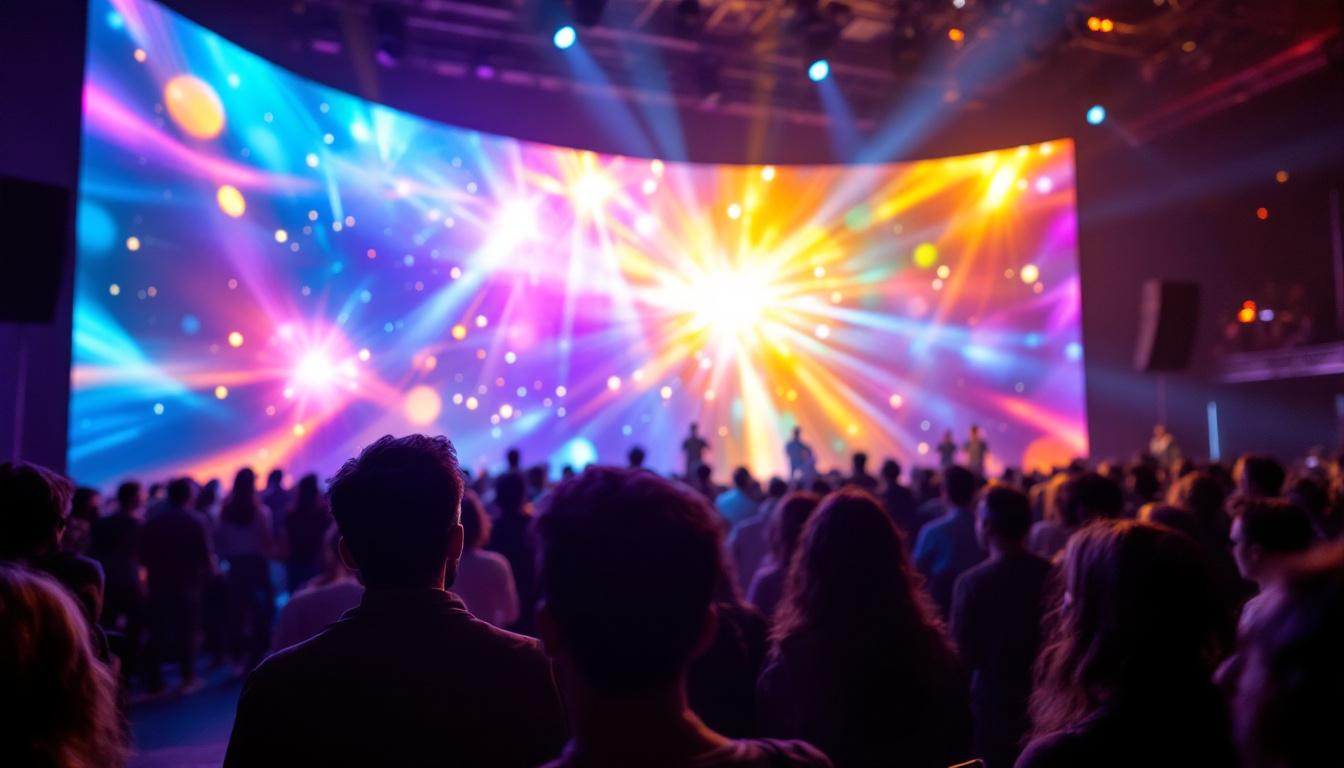
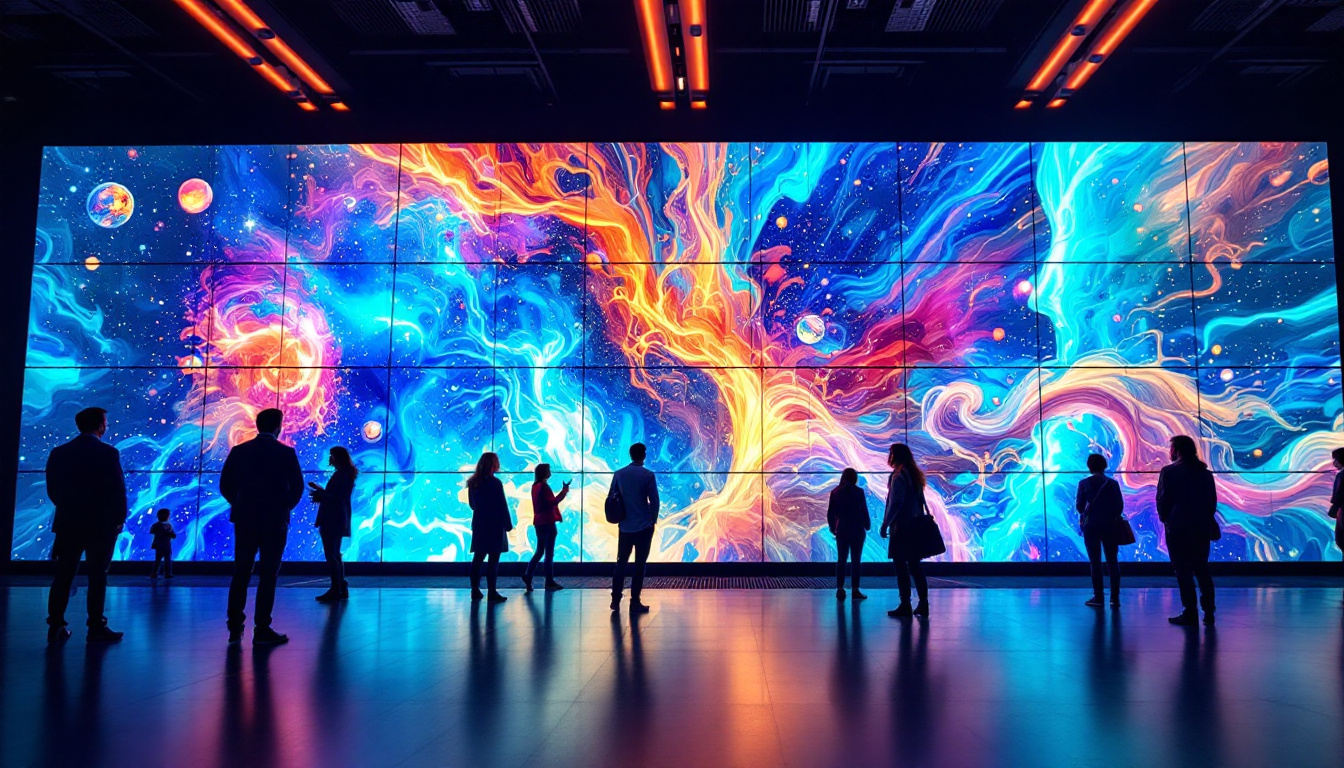
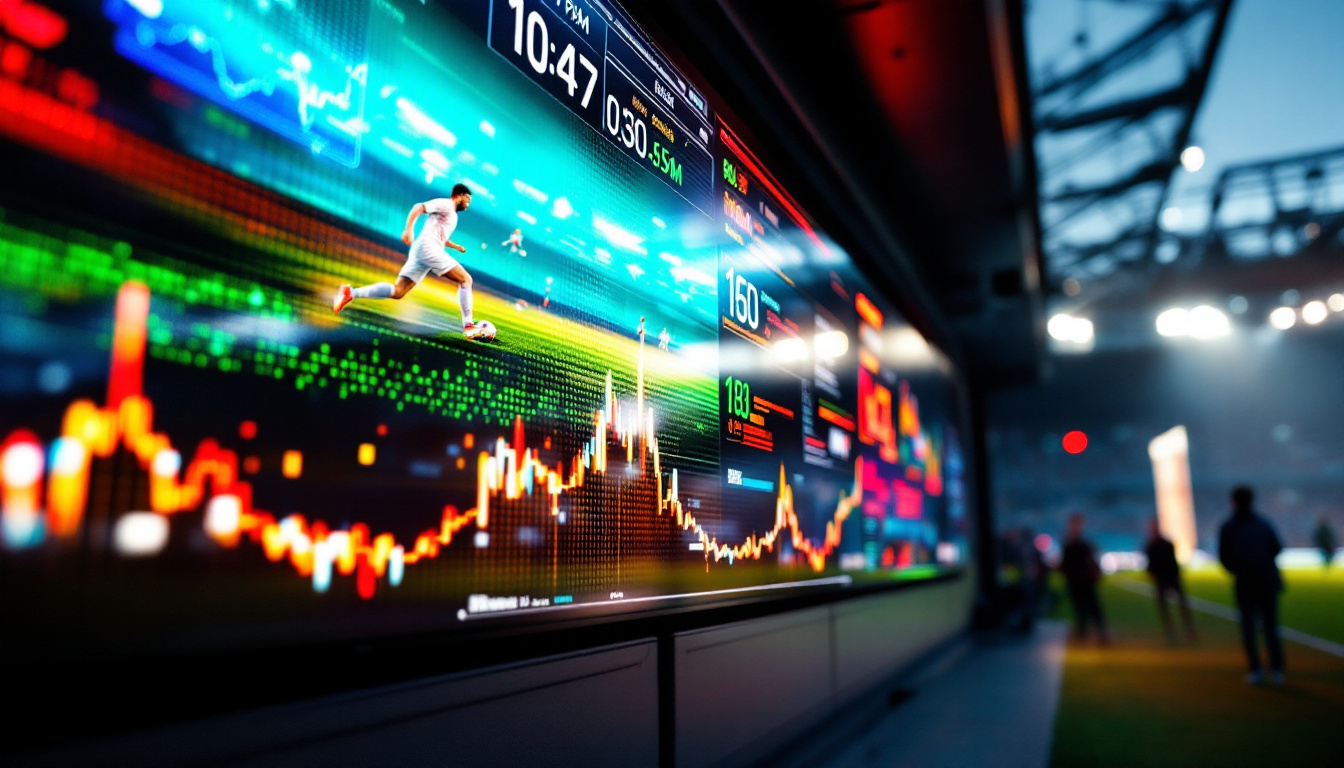
In large venues, the distance between the stage and many audience members can be significant. LED displays bridge this gap by projecting close-ups of performers, intricate stage visuals, and dynamic graphics that complement the music. This immersive experience helps maintain audience engagement, making every seat feel like the front row.
For example, during the 2023 Foo Fighters world tour, massive LED walls were used to display high-definition live feeds of the band, synchronized lighting effects, and thematic animations. Fans reported a heightened sense of connection with the performance, even from seats located hundreds of feet away from the stage.
Supporting Artistic Expression
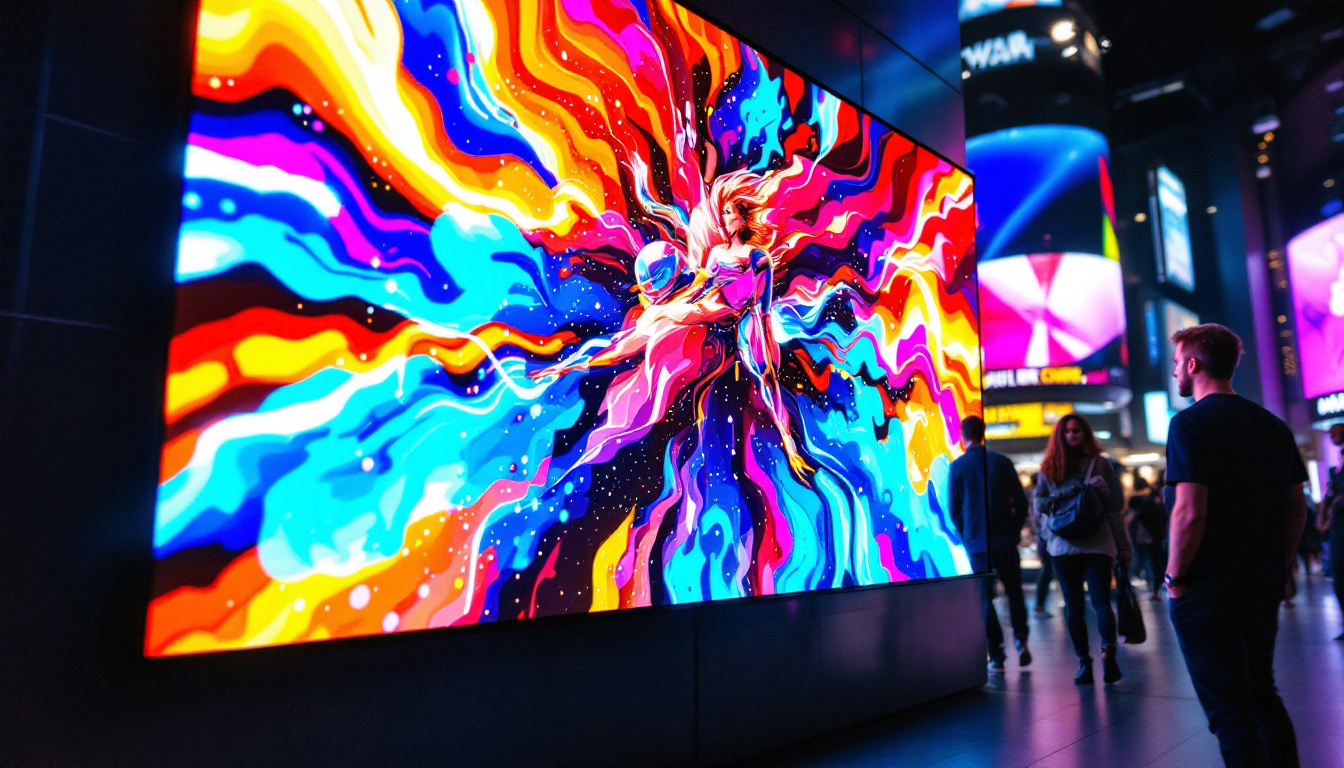
LED displays are not just functional; they are a medium for artistic creativity. Lighting designers and visual artists collaborate to produce content that enhances the concert’s narrative and emotional impact. From psychedelic patterns during guitar solos to story-driven animations accompanying ballads, LED visuals add a new dimension to the live music experience.
Rock bands like Muse and Coldplay have famously integrated LED technology into their stage designs, using the displays to create immersive environments that evolve throughout the show. This integration transforms concerts into multi-sensory spectacles, elevating the artistic value of live performances.
Advertising and Sponsorship Opportunities
Beyond entertainment, LED displays offer lucrative advertising and sponsorship possibilities. Brands can showcase their logos, promotional videos, or interactive content on the screens during breaks or pre-show periods. This visibility in front of thousands of concertgoers provides substantial marketing value.
For instance, during the 2022 Glastonbury Festival, LED screens featured sponsor messages that were seamlessly integrated without detracting from the concert experience. This balance between commercial content and entertainment is essential for maintaining audience satisfaction while generating additional revenue streams for event organizers.
Design and Installation Considerations for Large-Scale LED Displays
Venue Size and Layout
The physical dimensions and architectural features of a venue heavily influence LED display design. Large arenas and stadiums require expansive screens that can be viewed clearly from all seating areas. Designers must consider sightlines, potential obstructions, and the optimal height and angle for the displays.
For example, the iconic Wembley Stadium in London uses multiple LED screens strategically positioned to ensure that even fans in the upper tiers have an unobstructed view of the visuals. This approach maximizes audience satisfaction and safety by reducing the need for attendees to stand or move around to catch a glimpse of the stage.
Screen Resolution and Content Quality
High-resolution screens are essential to maintain image clarity, especially when displaying detailed video footage or intricate animations. However, increasing resolution also raises costs and technical complexity. Event planners must balance these factors based on budget, venue size, and expected audience proximity to the screens.
Content creators must also produce visuals tailored to the LED screen’s specifications, ensuring that colors, contrast, and motion appear as intended. This often involves collaboration between video producers, lighting designers, and LED technicians to synchronize the content with live performances.
Structural and Safety Requirements
Installing massive LED displays involves significant structural engineering. The screens must be securely mounted to withstand wind loads, vibrations from sound systems, and the dynamic movements of stage equipment. Safety regulations mandate rigorous testing and certification to protect both performers and audiences.
Temporary outdoor setups, common in music festivals, require additional considerations such as weatherproofing and rapid assembly/disassembly. Companies specializing in concert staging employ advanced rigging techniques and robust materials to meet these demands without compromising visual quality.
Technological Innovations Shaping the Future of Concert LED Displays
MicroLED and MiniLED Technologies
Emerging technologies like MicroLED and MiniLED promise even higher brightness, better color accuracy, and improved energy efficiency. MicroLED, in particular, offers pixel-level control with self-emissive properties, potentially surpassing OLED displays in performance and durability.
While still in the early stages of adoption for large-scale concert displays, these technologies could redefine the visual standards of live music events within the next decade, offering more vivid and immersive experiences.
Interactive and Augmented Reality Integration
Some concert productions are beginning to experiment with interactive LED displays that respond to audience movements or integrate augmented reality (AR) elements. These innovations create personalized and participatory experiences, making each concert unique.
For example, AR overlays projected via LED screens can add virtual stage elements or visual effects that interact with the performers in real-time, enhancing storytelling and audience immersion.
Energy Efficiency and Sustainability
As environmental concerns grow, the concert industry is increasingly focusing on sustainable practices. LED displays are more energy-efficient than traditional lighting and projection systems, but further advancements are driving down power consumption and material waste.
Recyclable components, low-power drivers, and smart control systems that adjust brightness based on ambient light help reduce the environmental footprint of large-scale LED installations at concerts.
Challenges and Solutions in Using LED Displays for Rock Concerts
Managing Visual Distractions
While LED displays enhance the concert experience, poorly designed visuals can distract from the music or overwhelm the audience. Striking the right balance between dynamic content and subtlety is critical.
Professional visual directors work closely with musicians to ensure that LED content complements rather than competes with the live performance. This collaboration helps maintain the concert’s emotional flow and artistic integrity.
Technical Reliability and Redundancy
Technical failures during a live concert can be disastrous. LED systems incorporate redundancy measures such as backup power supplies, duplicate signal paths, and real-time monitoring to minimize downtime.
Experienced technical crews conduct thorough rehearsals and stress tests to identify and address potential issues before the show, ensuring a seamless visual presentation.
Cost Considerations
High-quality LED displays and their installation represent a significant investment. However, the benefits in terms of audience engagement, artistic expression, and sponsorship revenue often justify the expense.
Event organizers can optimize costs by renting LED equipment, scaling display size according to venue and budget, and leveraging modular systems that can be reused across multiple events.
Conclusion: The Impact of LED Displays on Rock Concert Experiences
LED displays have become indispensable in delivering spectacular rock concerts in huge venues. By providing bright, high-resolution visuals that engage audiences and support artistic storytelling, these screens transform live music into a comprehensive sensory experience. As technology continues to evolve, the potential for even more immersive and interactive concerts grows, promising exciting developments for fans and performers alike.
For concert organizers, understanding the technical, artistic, and logistical aspects of LED displays is key to maximizing their impact. When executed thoughtfully, LED technology not only enhances the show but also strengthens the connection between artists and their audiences, making every rock concert a memorable event.
Illuminate Your Rock Concerts with LumenMatrix
Ready to electrify your audience with an unforgettable visual experience at your next rock concert? Look no further than LumenMatrix, a pioneer in LED display technology. Our extensive range of solutions, from Indoor and Outdoor LED Wall Displays to innovative LED Sports and Floor Displays, is designed to captivate and mesmerize. With LumenMatrix, you can create custom, vibrant visual stories that resonate with every beat. Don’t miss the opportunity to elevate your live events. Check out LumenMatrix LED Display Solutions today and transform your rock concert into a sensational spectacle.