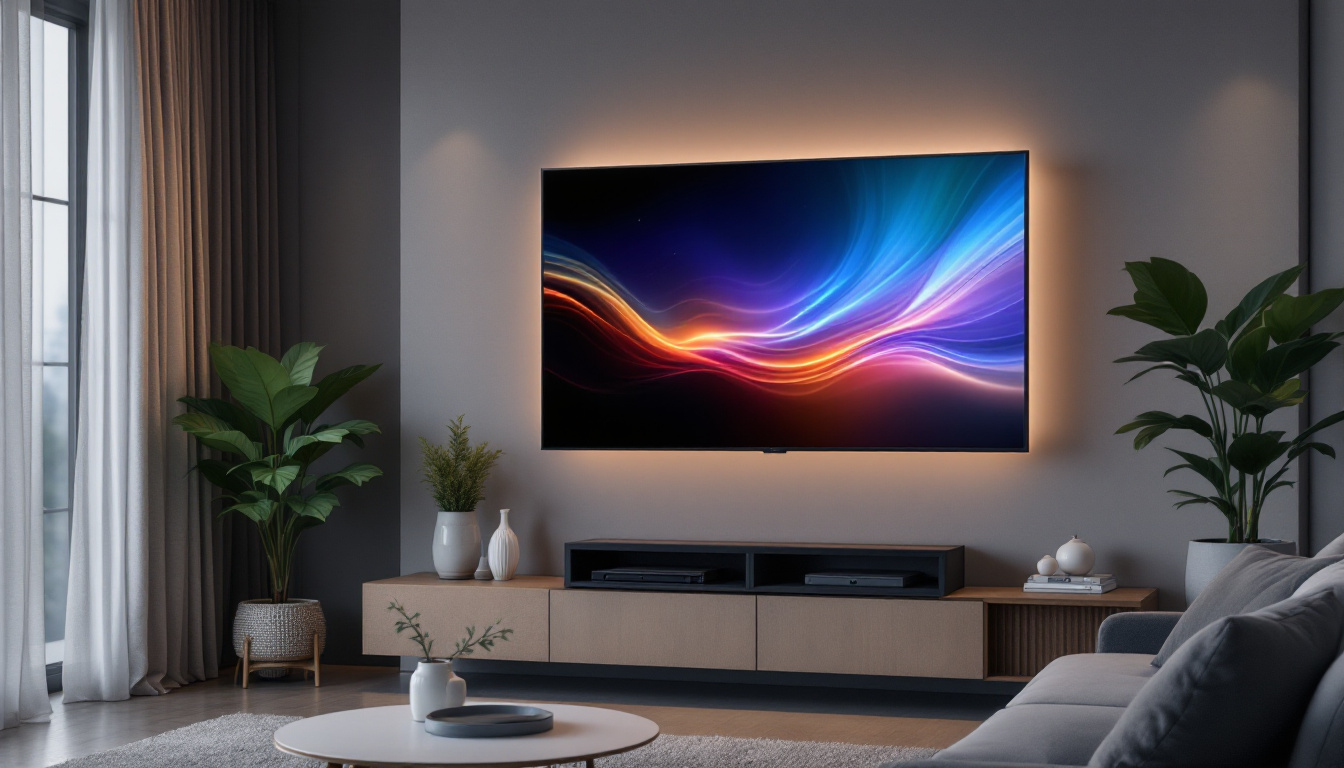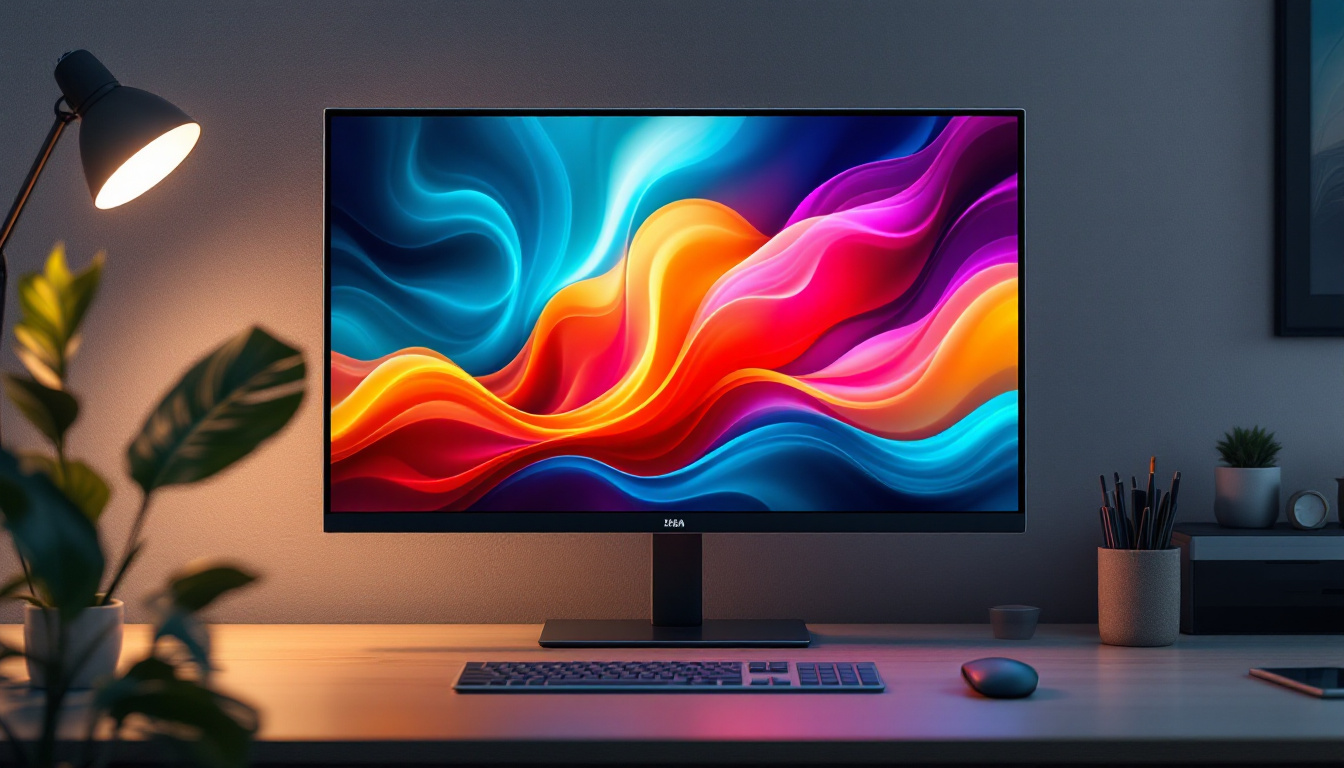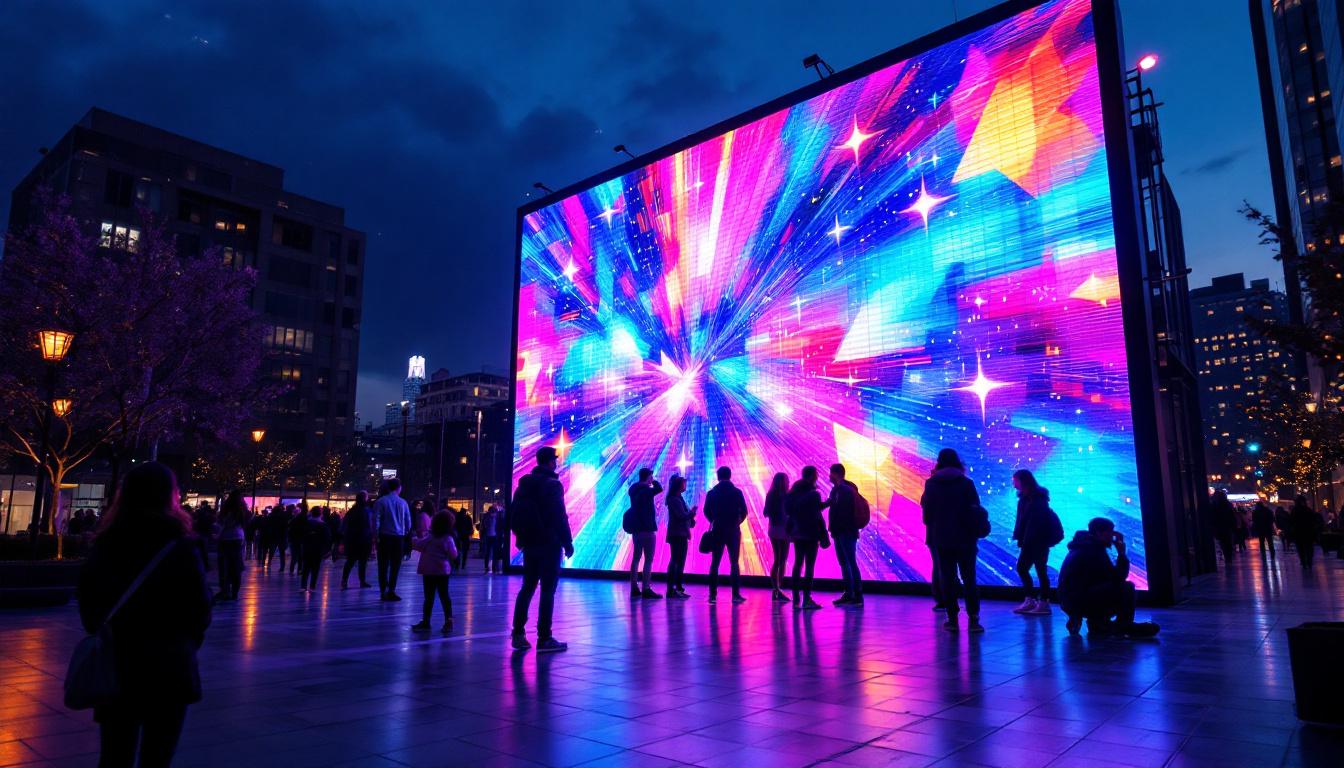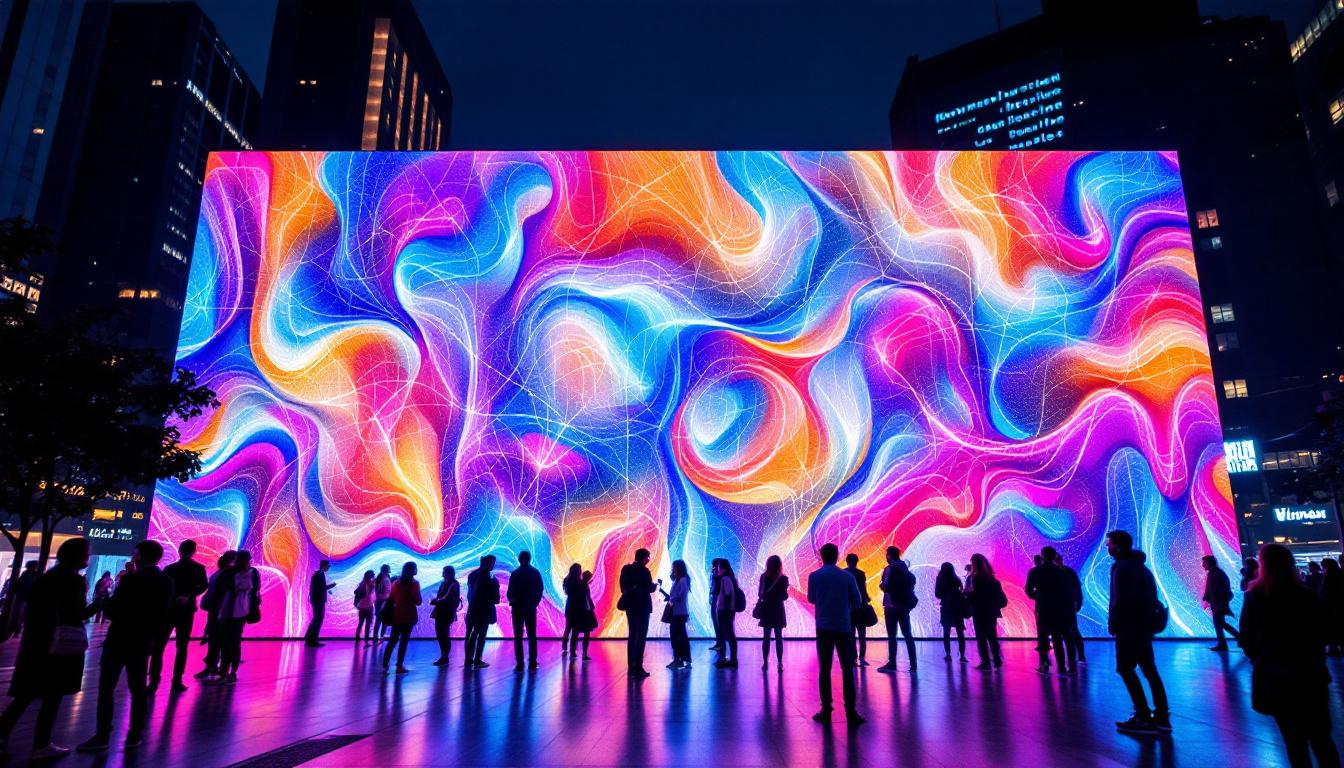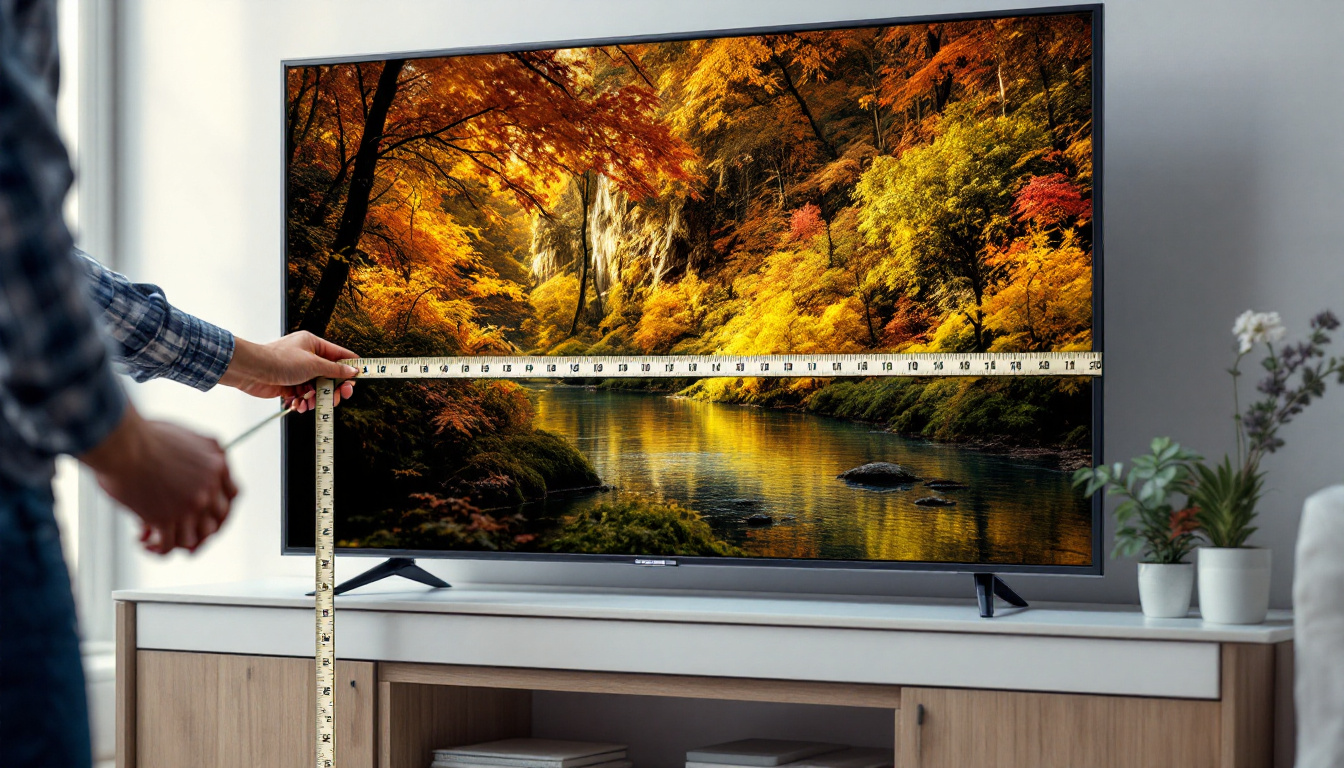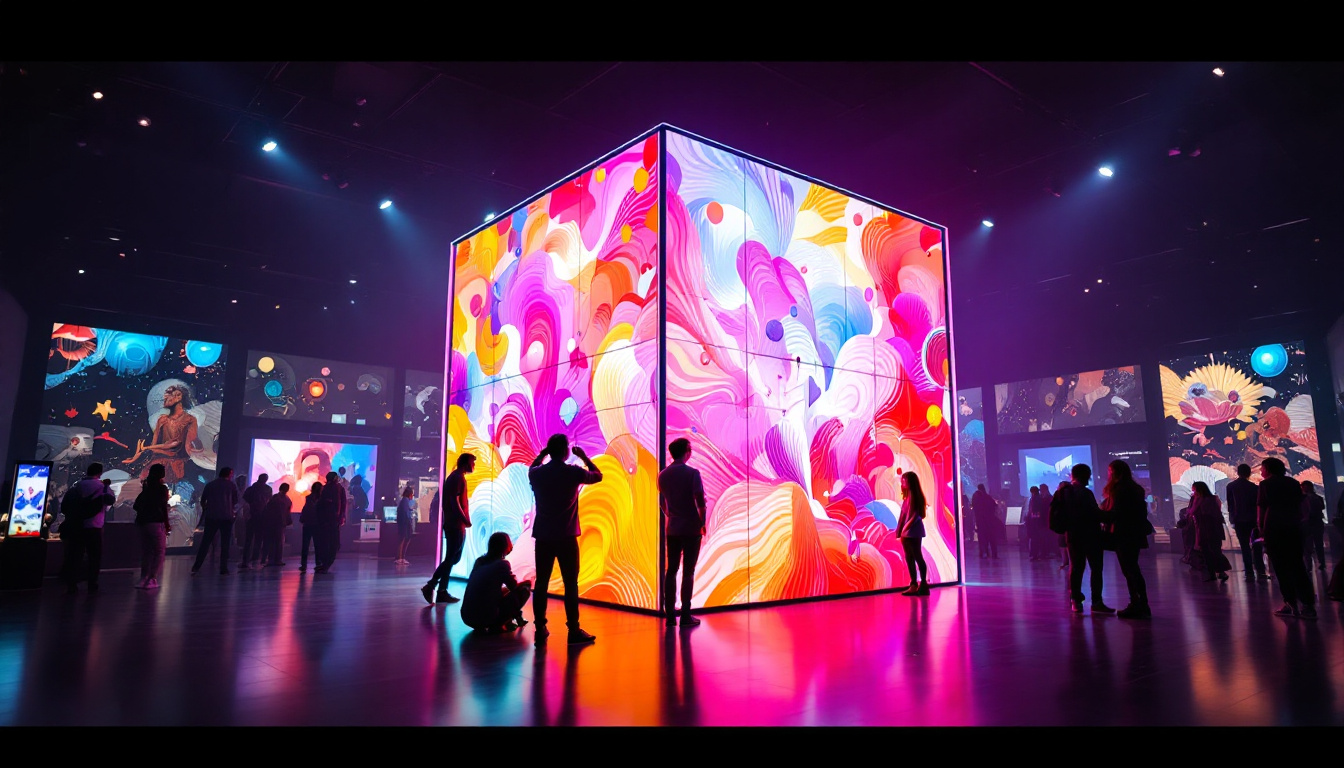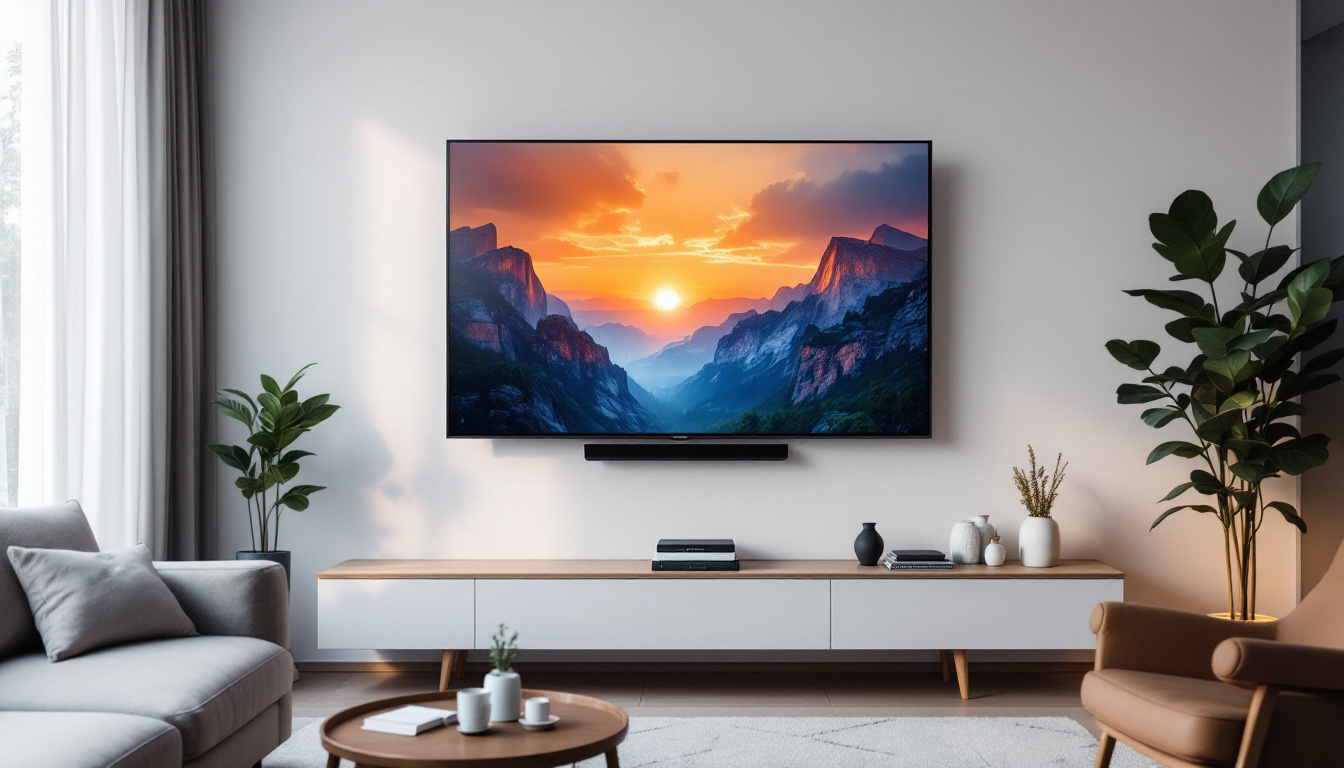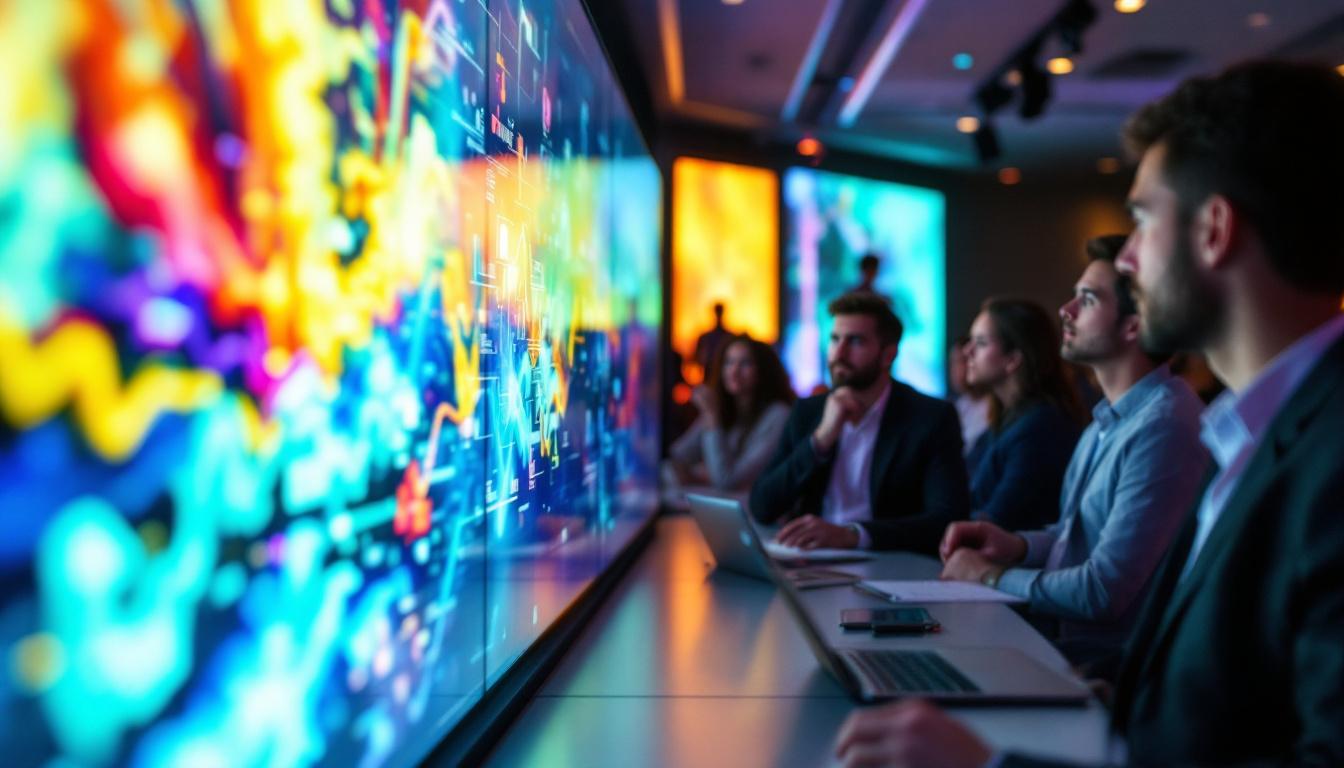
In today’s fast-paced business environment, effective communication during conferences and presentations is more critical than ever. The technology behind how we display information has evolved significantly, moving beyond traditional projectors and screens to advanced LED display systems. This article explores the intricacies of advanced conference projectors and LED display screens, highlighting their advantages, technological features, and why they are becoming the preferred choice for modern conference rooms worldwide.
Understanding the Evolution of Conference Display Technology
For decades, conference rooms have relied on traditional projectors paired with projection screens to deliver presentations, videos, and data visualizations. These systems, while functional, have limitations in terms of brightness, clarity, and flexibility. The advent of LED display technology has revolutionized how visual content is presented in professional settings.
Traditional projectors work by shining a light through a lens onto a screen, which can be affected by ambient lighting, distance, and screen quality. In contrast, LED displays use light-emitting diodes to produce images directly on a screen surface, offering superior brightness and color accuracy. This shift has been driven by the demand for more vivid, reliable, and scalable display solutions in conference environments.
The Rise of LED Displays in Corporate Settings
According to a 2023 report by MarketsandMarkets, the global LED display market is projected to grow at a compound annual growth rate (CAGR) of 14.5% from 2023 to 2030, driven largely by corporate and educational sectors adopting LED technology for presentations and collaboration. This trend reflects the increasing recognition of LED displays as a superior alternative to traditional projection systems.
Companies are investing in LED displays not only for their superior image quality but also for their durability and energy efficiency. Unlike projectors, which require bulb replacements and regular maintenance, LED displays offer longer lifespans and lower operational costs, making them an attractive long-term investment. Furthermore, the adaptability of LED technology allows for various configurations, including curved and modular designs, enabling organizations to create immersive environments tailored to their specific needs.
As the technology continues to evolve, features such as touch interactivity and integration with collaborative software are becoming standard in LED displays. This interactivity fosters engagement during meetings, allowing participants to annotate, share, and manipulate content in real-time. Additionally, the ability to connect multiple displays in a networked environment enhances the overall experience, making it easier to share information across larger spaces or multiple rooms. As a result, businesses are not just upgrading their visual tools; they are transforming the way teams communicate and collaborate, leading to more dynamic and productive meetings.
Technical Advantages of LED Displays Over Traditional Projectors
When selecting a display solution for a conference room, understanding the technical benefits of LED displays compared to traditional projectors is essential. These advantages impact not only the quality of presentations but also the overall user experience and operational efficiency.
Brightness and Visibility
One of the most significant challenges with traditional projectors is their dependence on ambient lighting conditions. Projectors often require dimmed rooms to ensure the image is visible and vibrant. LED displays, however, provide high brightness levels that maintain clarity even in well-lit environments. Typical LED panels can reach brightness levels of 1,000 to 2,000 nits or more, compared to projectors that generally operate around 2,000 to 4,000 lumens but lose effectiveness in bright rooms.
This capability makes LED displays ideal for conference rooms with large windows or open spaces where controlling lighting is difficult. The enhanced visibility ensures that every attendee, regardless of seating position, can clearly see the content being presented.
Color Accuracy and Image Quality
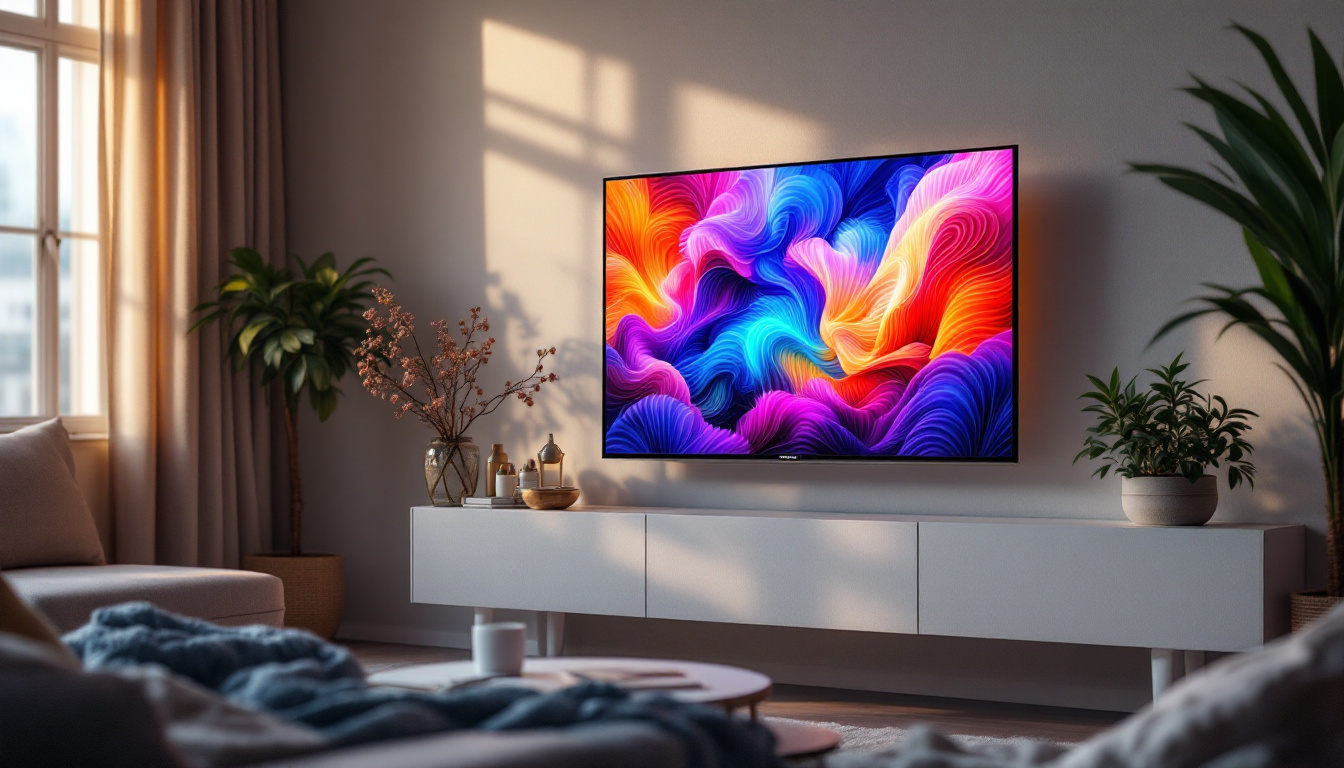
LED displays deliver superior color reproduction due to their ability to produce a wider color gamut and higher contrast ratios. This results in more vibrant and true-to-life images, which is critical when presenting detailed charts, videos, or brand-specific colors. Advanced LED panels support HDR (High Dynamic Range), enhancing the depth and realism of visuals.
In comparison, projectors often struggle with color accuracy, especially as their bulbs age and degrade. The consistent image quality of LED displays ensures that presentations maintain their intended impact throughout their lifespan.
Longevity and Maintenance
Projectors typically require regular maintenance, including bulb replacements every 2,000 to 5,000 hours and periodic cleaning of filters and lenses. In contrast, LED displays have an average lifespan exceeding 50,000 hours, with minimal maintenance required. This longevity reduces downtime and maintenance costs, which is particularly beneficial for organizations with frequent presentation needs.
Installation Flexibility and Scalability
LED display technology offers greater flexibility in installation. Modular LED panels can be configured into various sizes and shapes to fit unique room layouts and presentation requirements. This scalability allows organizations to customize their display systems to maximize audience engagement.
Projectors, on the other hand, require specific throw distances and screen sizes, limiting placement options. Additionally, LED displays can be installed as seamless video walls, providing immersive visual experiences that traditional projection cannot match.
Key Features of Advanced LED Display Screens for Conferences
Modern LED display screens come equipped with features designed to enhance the conference experience. Understanding these features helps organizations select the right technology to meet their specific needs.
High Resolution and Pixel Pitch
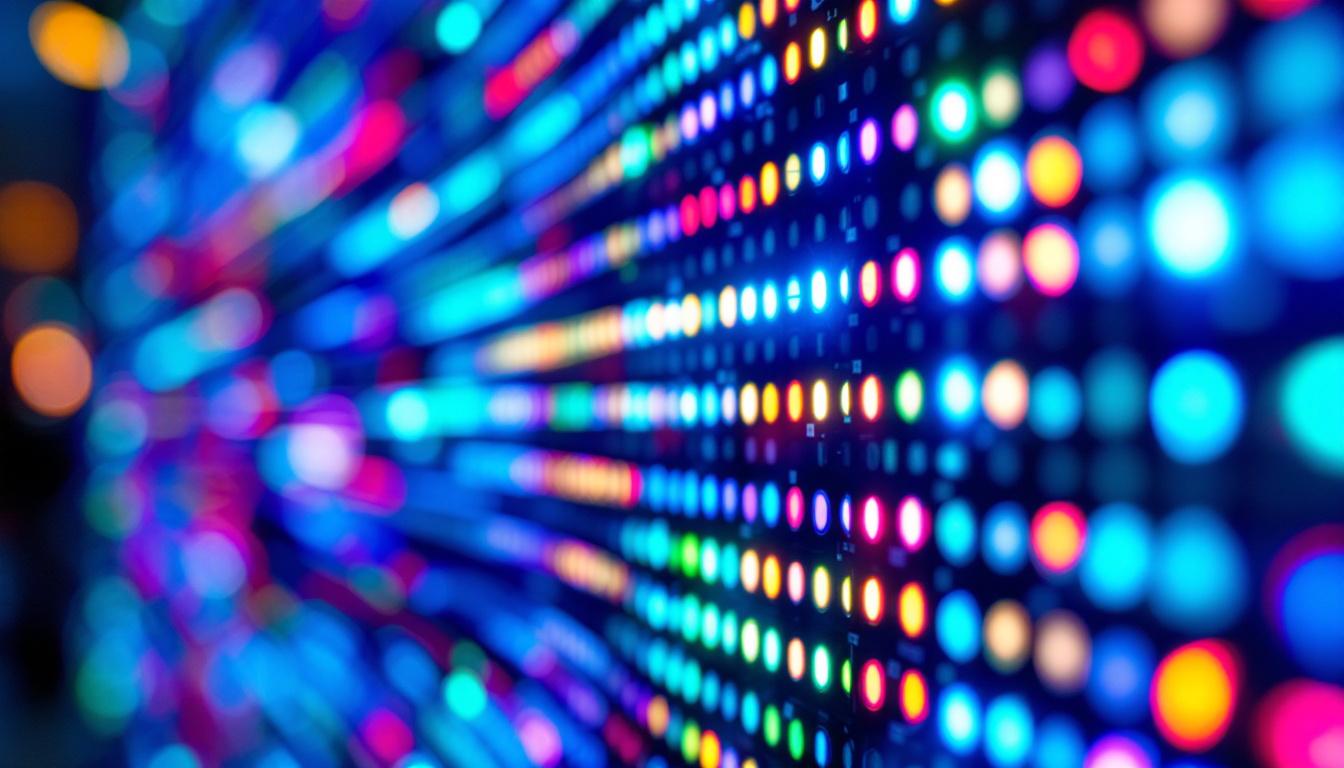
Resolution and pixel pitch are critical factors that determine image sharpness and clarity. Pixel pitch refers to the distance between individual LED pixels, with smaller pitches delivering finer detail. For conference rooms, LED displays with pixel pitches ranging from 1.2mm to 2.5mm are common, providing crisp images even at close viewing distances.
High-resolution displays are essential for detailed presentations, such as architectural plans, financial dashboards, or high-definition video content, ensuring that every detail is visible to the audience.
Seamless Video Wall Capability
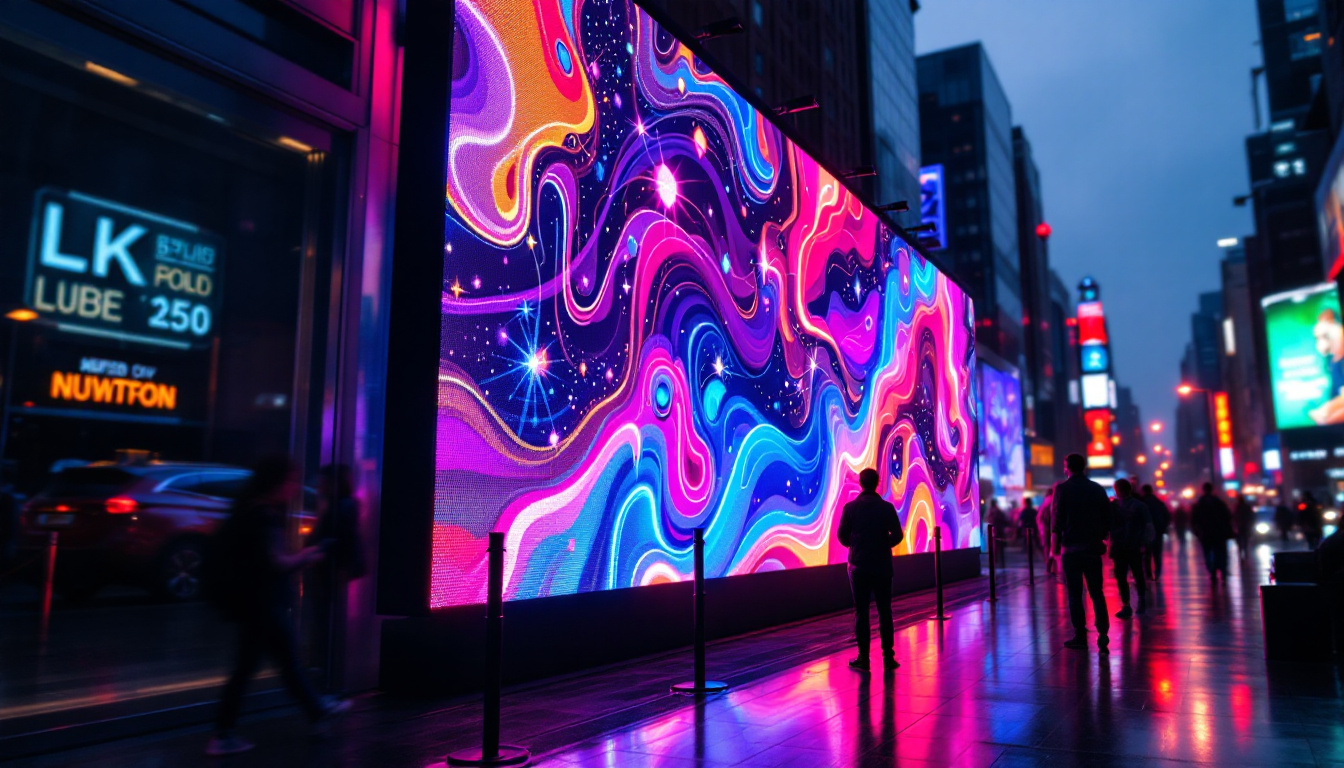
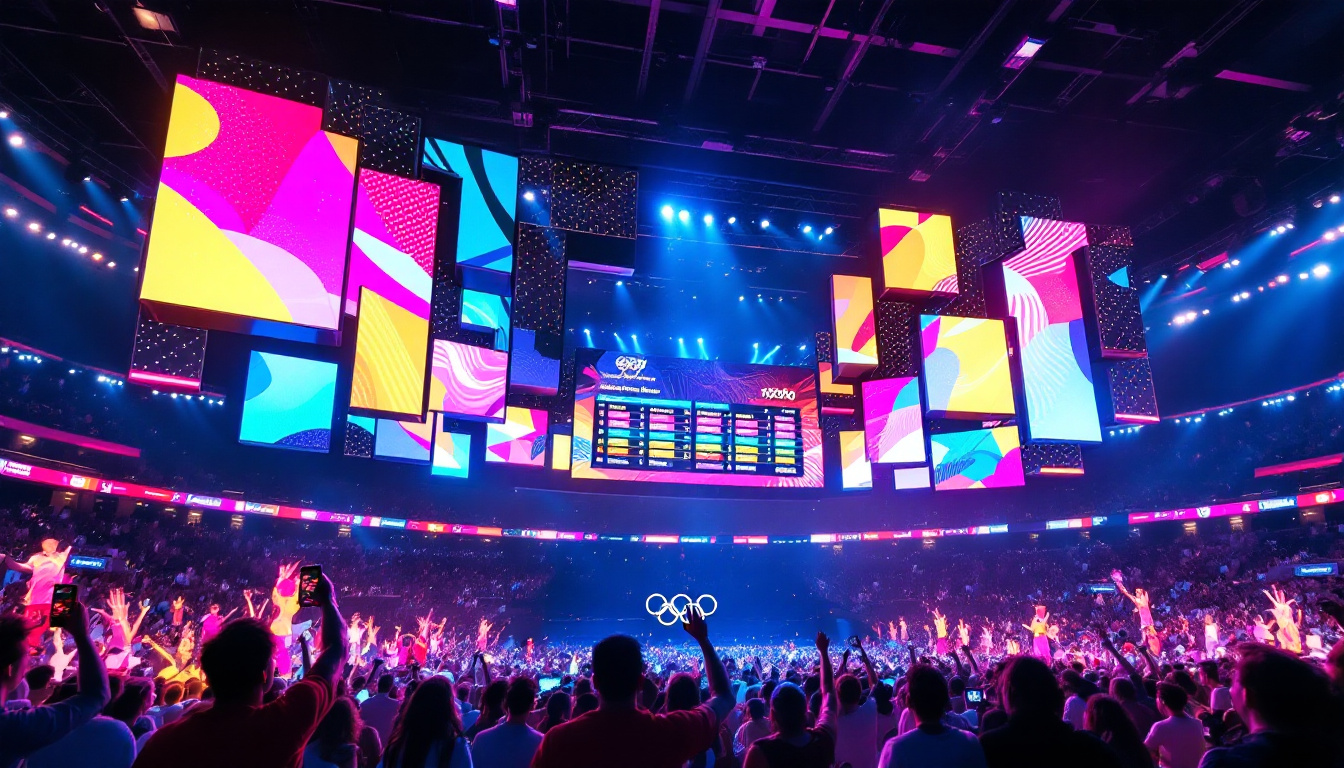
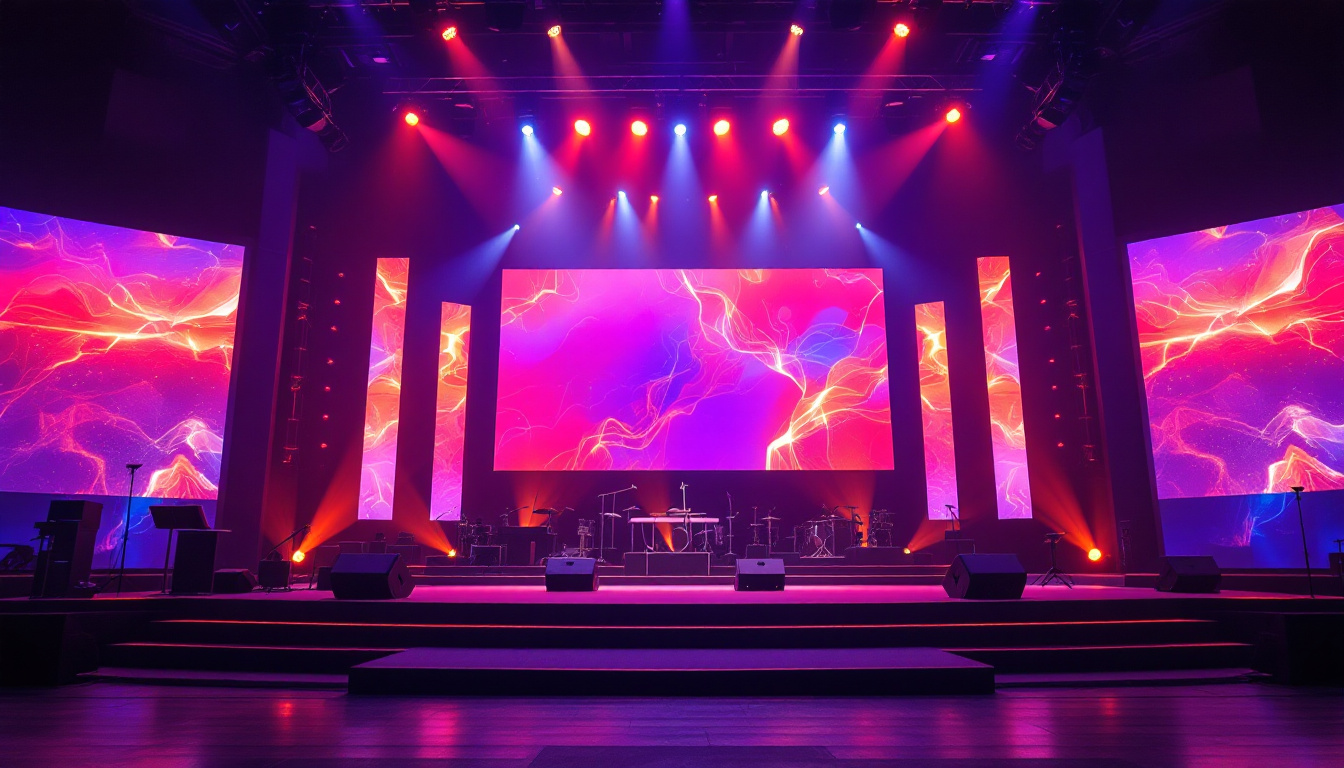
Advanced LED displays can be combined to form large video walls without visible bezels or gaps. This feature is particularly useful for large conference halls or auditoriums where a single display panel would be insufficient. Video walls create an immersive environment that enhances audience engagement and facilitates better communication.
Integrated Connectivity and Smart Features
Modern LED displays often include integrated connectivity options such as HDMI, DisplayPort, USB, and wireless casting capabilities. Many systems also support smart features like remote management, content scheduling, and multi-source input switching, streamlining the presentation process.
These features enable seamless integration with laptops, mobile devices, and conferencing software, making it easier for presenters to share content and collaborate effectively.
Energy Efficiency and Environmental Impact
Energy consumption is a growing concern for businesses aiming to reduce their environmental footprint. LED displays are significantly more energy-efficient than traditional projectors, consuming up to 50% less power. This efficiency not only lowers operating costs but also aligns with corporate sustainability goals.
Choosing the Right LED Display for Your Conference Room
Selecting the ideal LED display for a conference room involves evaluating several factors to ensure it meets the specific requirements of the space and usage patterns.
Room Size and Viewing Distance
The size of the conference room and the typical distance between the display and the audience are primary considerations. Larger rooms with audiences seated farther away may require bigger displays or video walls with higher brightness to ensure visibility. Conversely, smaller rooms benefit from displays with finer pixel pitches for close-up clarity.
Content Type and Presentation Style
Understanding the nature of the content presented is crucial. Static presentations with text and charts may not require the highest resolution, whereas video-heavy or graphic-rich presentations benefit from advanced LED displays with HDR support and wide color gamuts.
Budget and Total Cost of Ownership
While LED displays can have a higher upfront cost compared to traditional projectors, their lower maintenance costs and longer lifespan often result in a lower total cost of ownership over time. Organizations should consider both initial investment and ongoing expenses when making a decision.
Integration with Existing AV Systems
Compatibility with existing audio-visual infrastructure is essential for a smooth transition. Ensuring the LED display supports the necessary input types and control systems can prevent costly upgrades and technical difficulties.
Future Trends in Conference Display Technology
The landscape of conference display technology continues to evolve, with innovations aimed at enhancing interactivity, image quality, and user experience.
MicroLED and MiniLED Technologies
Emerging MicroLED and MiniLED technologies promise even higher brightness, better contrast, and improved energy efficiency. These advances will push the boundaries of image quality and durability, making LED displays even more attractive for professional use.
Interactive LED Displays
Touch-enabled LED displays are gaining traction, allowing presenters and participants to interact directly with the screen. This interactivity fosters collaboration and engagement, transforming passive presentations into dynamic discussions.
AI-Driven Content Optimization
Artificial intelligence is beginning to play a role in optimizing display settings based on ambient conditions and content type. AI can automatically adjust brightness, color balance, and layout to enhance visibility and viewer comfort.
Conclusion
Advanced LED display technology represents a significant leap forward in conference room presentation capabilities. Offering superior brightness, color accuracy, longevity, and flexibility, LED displays address many limitations of traditional projectors. As businesses increasingly prioritize effective communication and collaboration, investing in high-quality LED display systems becomes a strategic decision that can enhance meeting productivity and audience engagement.
By understanding the technical advantages, key features, and future trends, organizations can make informed choices that align with their operational needs and budget. The transition to LED display technology is not just an upgrade in hardware but a step towards more impactful and efficient communication in the modern workplace.
Explore Cutting-Edge LED Display Solutions with LumenMatrix
Ready to elevate your conference room experience with the latest in LED display technology? LumenMatrix is at the forefront of innovation, offering a diverse range of LED display modules tailored to your needs. From Indoor and Outdoor LED Wall Displays to specialized solutions like Vehicle LED Displays, LED Posters, and even Custom LED Displays, we have everything you need to transform your presentations and captivate your audience. Embrace the future of visual communication and check out LumenMatrix LED Display Solutions today to create unforgettable visual experiences and share your message with unparalleled clarity and impact.