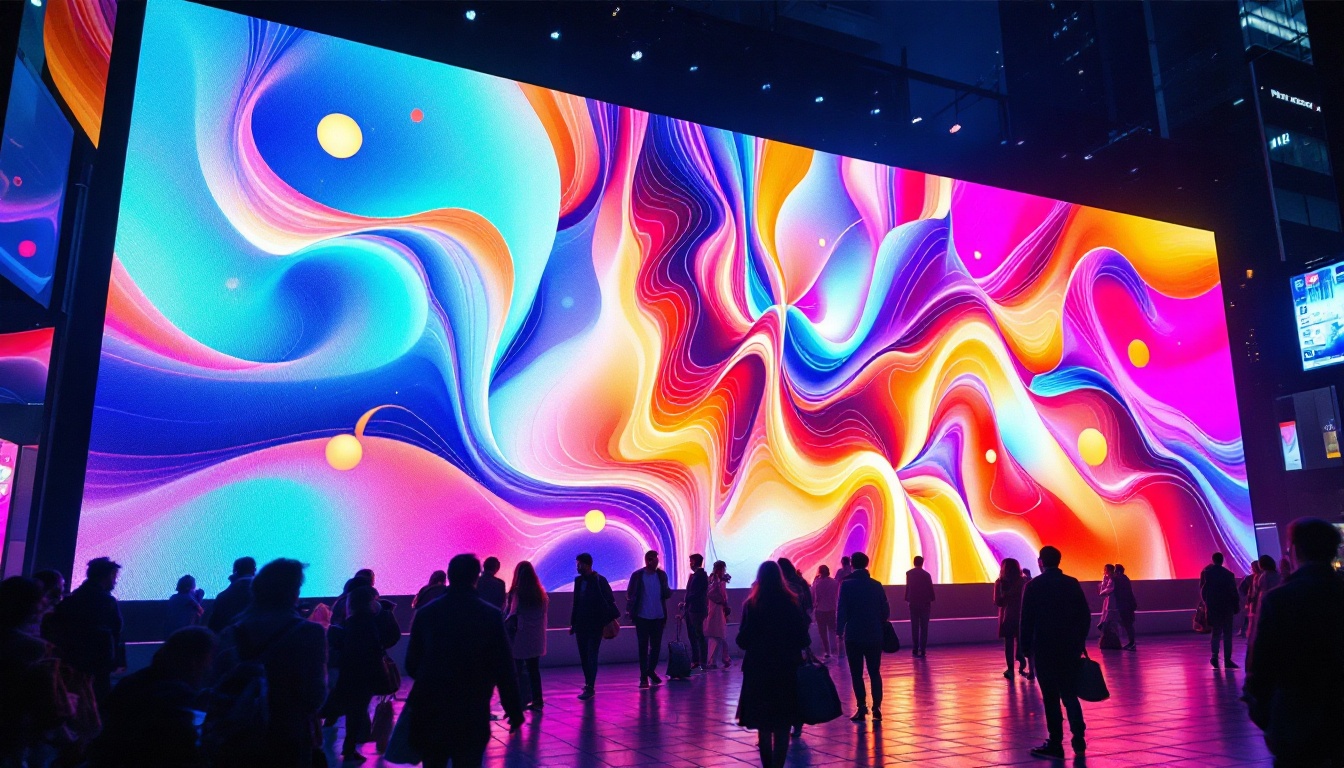
Outdoor LED screen panels have revolutionized the way information and advertising are displayed in public spaces. From vibrant billboards to dynamic event backdrops, these displays offer unmatched visibility and versatility. Understanding how outdoor LED screens work, their key features, and their practical applications can help businesses and event organizers make informed decisions when investing in this technology.
What Are Outdoor LED Screen Panels?
Outdoor LED screen panels are modular display units composed of numerous light-emitting diodes (LEDs) arranged in a grid. These panels combine to form large-scale screens capable of displaying images, videos, and text with exceptional brightness and clarity. Designed specifically for outdoor use, they are built to withstand harsh weather conditions such as rain, wind, and extreme temperatures. Their rugged construction and advanced technology make them ideal for various applications, from advertising and event broadcasting to public information displays.
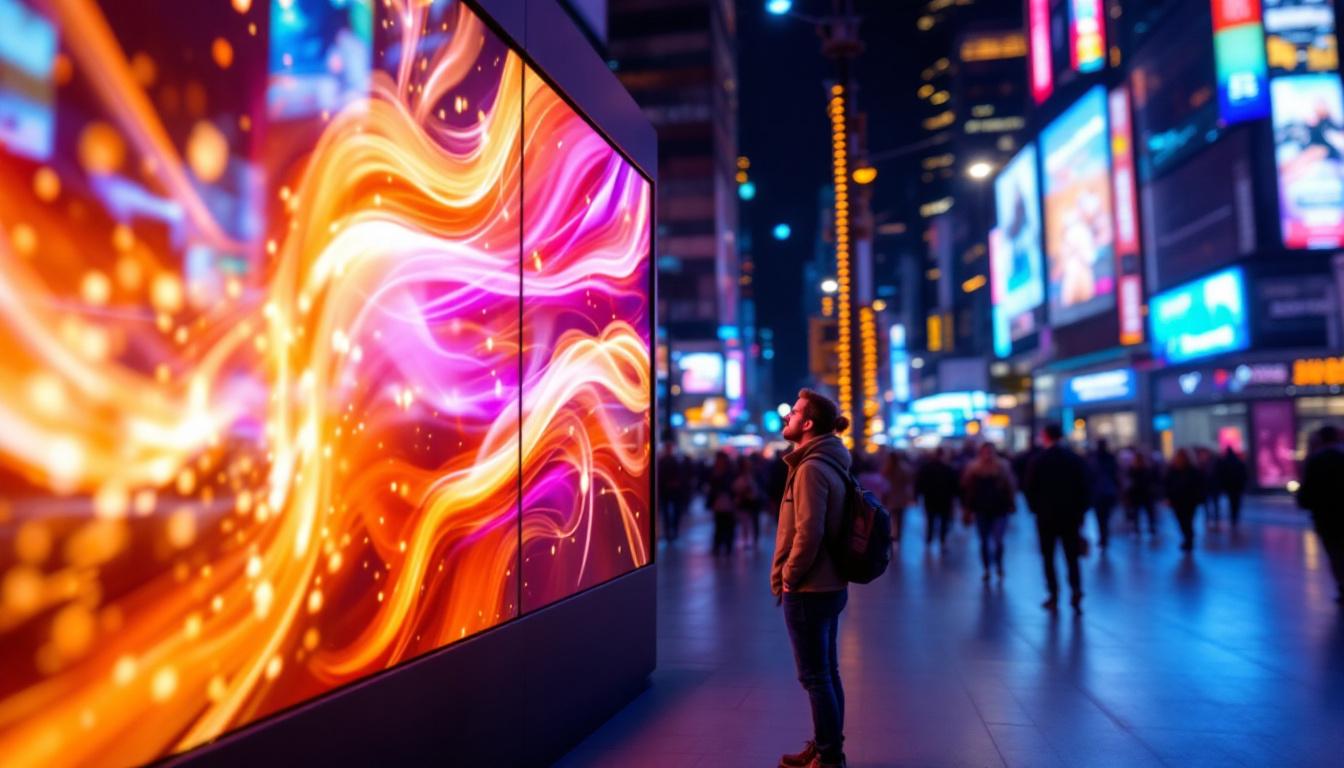
The primary distinction between outdoor and indoor LED screens lies in their brightness levels and durability. Outdoor panels typically offer brightness levels ranging from 5,000 to 10,000 nits, ensuring visibility even under direct sunlight. In contrast, indoor screens usually operate at much lower brightness levels, around 800 to 1,200 nits, as they do not need to compete with natural light. This high brightness capability not only enhances visibility but also allows for vibrant color reproduction, making outdoor LED screens a popular choice for concerts, sports events, and promotional displays in bustling urban environments.
Key Components of Outdoor LED Panels
Each outdoor LED screen panel consists of several essential components:
- LED Modules: These are the basic building blocks containing the LEDs themselves. They determine the screen’s resolution and pixel pitch.
- Cabinet: The protective casing that houses the LED modules, power supplies, and control systems. Cabinets are designed to be weatherproof and robust.
- Power Supply: Ensures consistent and reliable power delivery to the LEDs and control electronics.
- Control System: Manages the content displayed on the screen, often via software that allows real-time updates and scheduling.
Additionally, outdoor LED panels often incorporate advanced cooling systems to prevent overheating, which can be a significant concern in high-temperature environments. These cooling systems can include passive heat sinks or active cooling fans, ensuring that the panels operate efficiently over extended periods. Furthermore, many outdoor LED screens are equipped with sensors that automatically adjust brightness levels based on ambient light conditions, optimizing visibility while conserving energy. This adaptability not only enhances the user experience but also contributes to the longevity of the equipment, making outdoor LED panels a sustainable choice for businesses and organizations.
Another noteworthy aspect of outdoor LED screen panels is their versatility in installation. They can be mounted on various structures, including buildings, poles, and temporary stages, allowing for creative and dynamic advertising solutions. The modular design of these panels means that they can be easily expanded or reconfigured to suit different display sizes and formats, providing flexibility for event organizers and advertisers alike. As technology continues to evolve, we can expect to see even more innovative features integrated into outdoor LED screens, such as augmented reality capabilities and interactive elements that engage audiences in new and exciting ways.
Understanding Pixel Pitch and Resolution
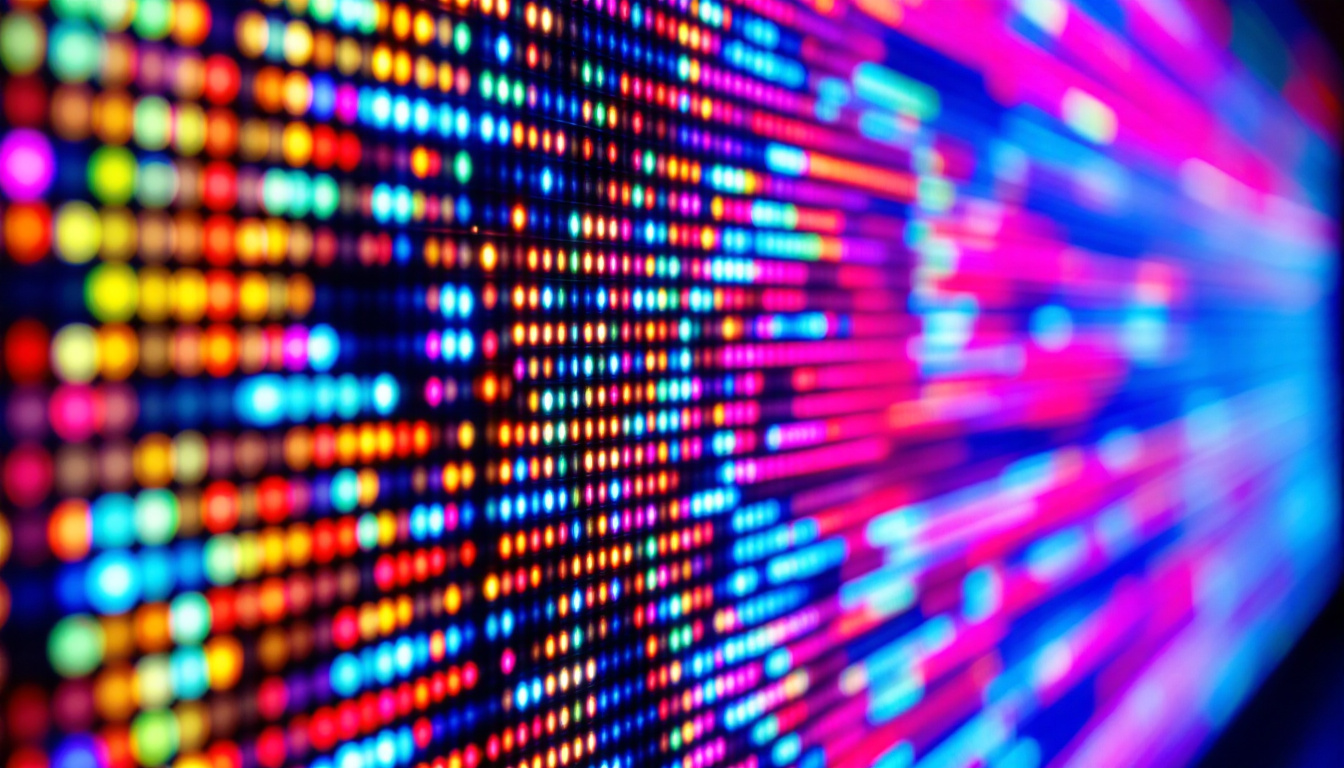
Pixel pitch is a fundamental concept when evaluating LED screen panels. It refers to the distance between the centers of two adjacent pixels, measured in millimeters. This measurement directly affects the screen’s resolution and viewing distance.
For outdoor LED screens, pixel pitches typically range from 2.5 mm to 20 mm or more. Smaller pixel pitches mean higher resolution and sharper images but also higher costs. Larger pixel pitches are suitable for displays viewed from greater distances, such as roadside billboards, where fine detail is less critical.
Choosing the Right Pixel Pitch
When selecting an outdoor LED screen, it’s essential to consider the typical viewing distance. A general rule of thumb is that the optimal viewing distance in meters is roughly equal to the pixel pitch in millimeters multiplied by 100. For example, a screen with a 10 mm pixel pitch is best viewed from about 10 meters or more.
For event displays or retail signage where viewers are closer, smaller pixel pitches (e.g., 4 mm or 6 mm) provide clearer images and text. Conversely, for large-scale advertising on highways or stadiums, pixel pitches of 10 mm or higher are more cost-effective and visually appropriate.
Brightness and Weather Resistance
Outdoor LED screens must maintain high brightness levels to remain visible under direct sunlight. Brightness is measured in nits, with typical outdoor panels offering between 5,000 and 10,000 nits. This ensures that content remains vibrant and legible regardless of ambient lighting conditions.
Weather resistance is equally critical. Outdoor LED panels are rated with an IP (Ingress Protection) code that indicates their ability to resist dust and water. For example, an IP65 rating means the panel is dust-tight and protected against water jets from any direction. Higher ratings like IP67 provide even greater protection, including temporary immersion in water.
Durability Features
In addition to IP ratings, outdoor LED panels are constructed using materials that resist corrosion and UV damage. Aluminum alloy cabinets are common due to their lightweight nature and resistance to rust. The LEDs themselves often include protective coatings to extend lifespan and maintain color accuracy over time.
Applications of Outdoor LED Screen Panels
Outdoor LED screens are incredibly versatile and have found applications across various industries. Their ability to deliver dynamic, eye-catching content makes them invaluable for marketing, entertainment, public information, and more.
Advertising and Digital Billboards
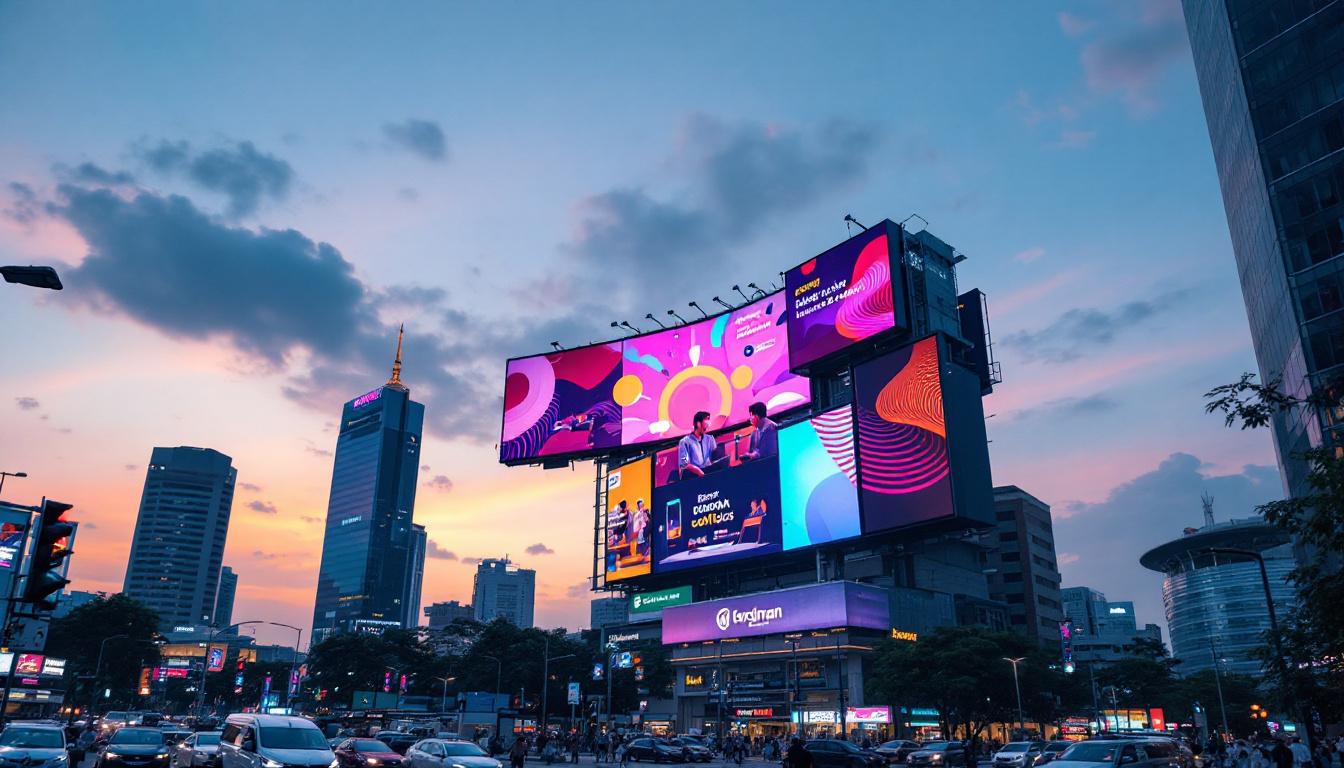
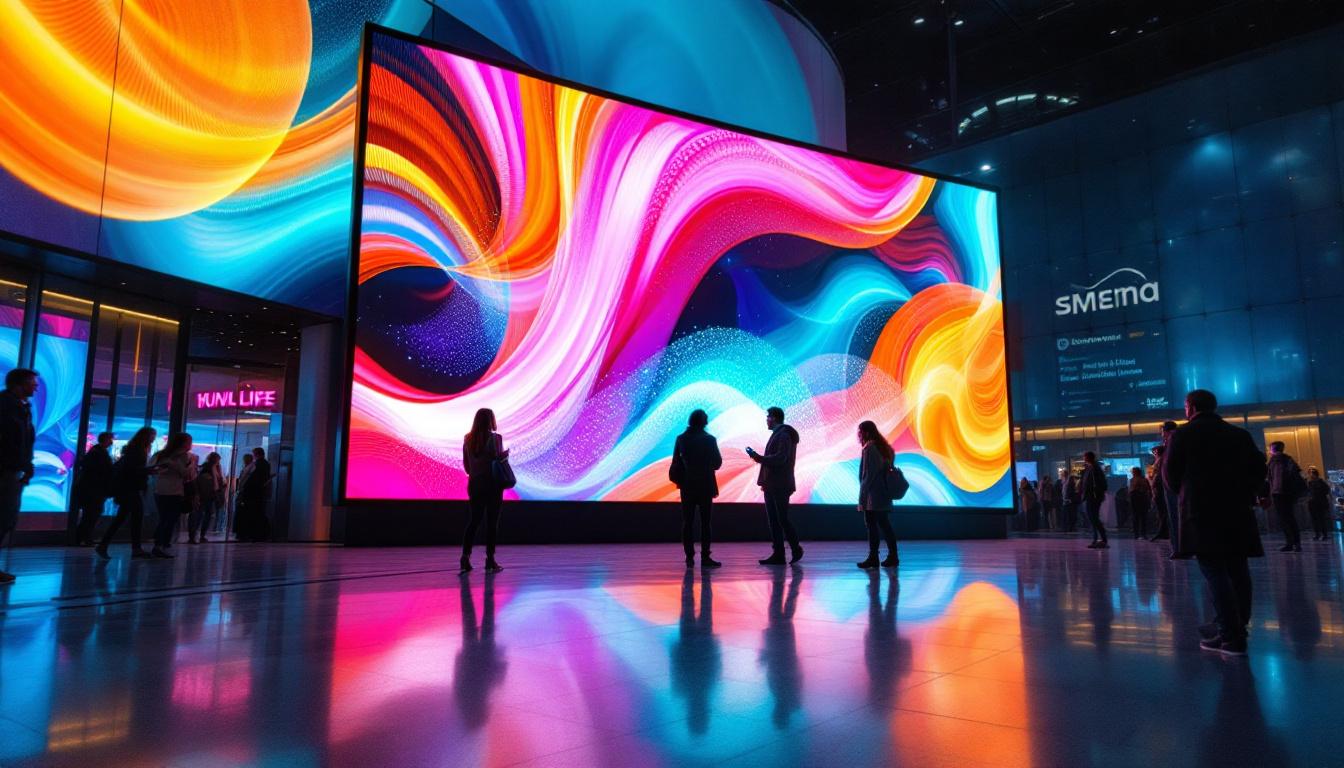
One of the most widespread uses of outdoor LED panels is in digital advertising. Traditional static billboards are increasingly being replaced by LED displays that can rotate multiple advertisements, update content remotely, and incorporate animations or video. This flexibility leads to higher engagement and better return on investment.
According to recent market research, the global digital billboard market is projected to grow at a compound annual growth rate (CAGR) of over 10% through 2028. This growth is driven by the increasing demand for dynamic advertising and the declining costs of LED technology.
Sports and Entertainment Venues
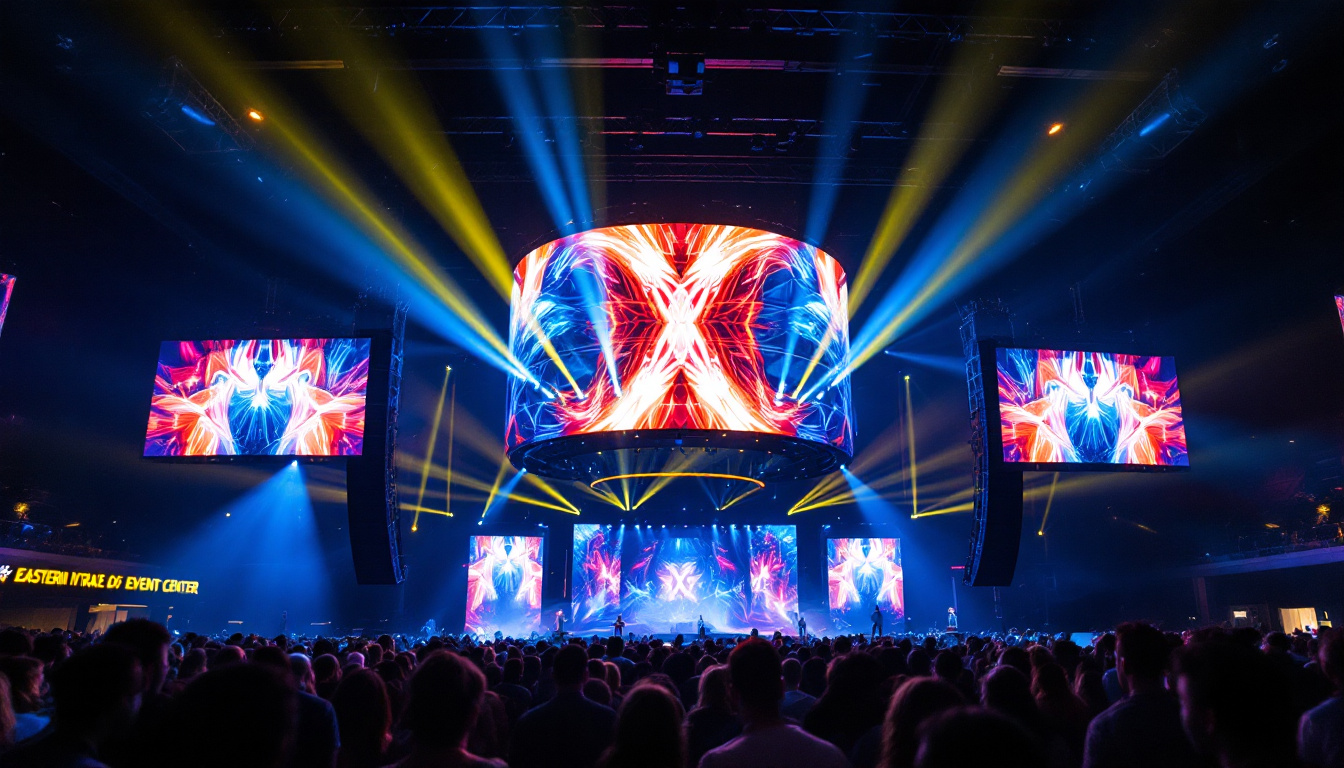
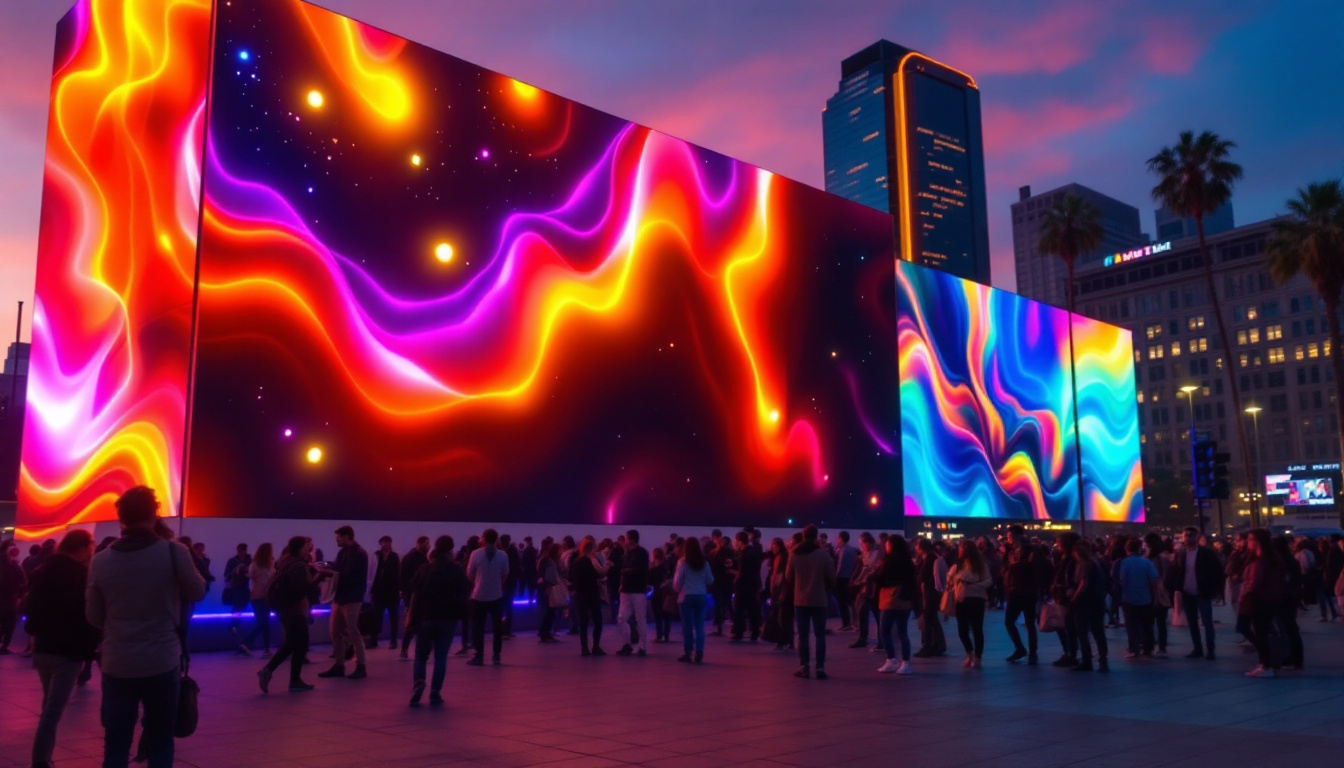
Stadiums and concert venues utilize large outdoor LED screens to enhance the spectator experience. These screens display live action, replays, scores, and interactive content, ensuring that even attendees seated far from the stage or field remain engaged.
Modern LED panels used in these settings are often designed for quick installation and dismantling, enabling them to be used for temporary events or tours. Their high refresh rates and color accuracy are critical for delivering smooth video playback and vibrant visuals.
Public Information and Transportation
Outdoor LED screens also play a vital role in public safety and information dissemination. Transit authorities use LED displays at bus stops, train stations, and airports to provide real-time updates on schedules, delays, and emergency announcements.
City governments deploy LED panels for public messaging, weather alerts, and community events. Their visibility and adaptability make them essential tools for effective communication in urban environments.
Installation and Maintenance Considerations
Installing outdoor LED screen panels requires careful planning to ensure optimal performance and longevity. Factors such as mounting structure, power supply, data connectivity, and environmental conditions must be addressed.
Mounting and Structural Support
Outdoor LED screens can be mounted on walls, poles, or custom-built frames. The mounting structure must support the weight of the panels and withstand wind loads, especially for large installations. Professional engineering assessments are often necessary to comply with local building codes and safety standards.
Power and Data Connectivity
Reliable power sources and data connections are essential for continuous operation. Many outdoor LED screens use Ethernet or fiber optic cables for data transmission, allowing for high-speed content updates. Backup power solutions, such as uninterruptible power supplies (UPS), can prevent downtime during outages.
Routine Maintenance
Maintaining outdoor LED panels involves regular cleaning to remove dust and debris, inspection of electrical components, and software updates. Many modern systems include remote monitoring capabilities that alert operators to potential issues before they cause failures.
LED lifespan is typically rated at 50,000 to 100,000 hours, but environmental factors can influence longevity. Proper maintenance helps maximize the investment and ensures consistent display quality over time.
Future Trends in Outdoor LED Display Technology
The outdoor LED display market continues to evolve rapidly, driven by technological advancements and changing user needs. Several trends are shaping the future of this industry.
Higher Resolution and Smaller Pixel Pitch
As manufacturing processes improve, outdoor LED panels with smaller pixel pitches are becoming more affordable. This enables ultra-high-definition displays that deliver crisp images even at closer viewing distances, expanding the range of possible applications.
Energy Efficiency and Sustainability
New LED technologies focus on reducing power consumption without sacrificing brightness or color quality. Energy-efficient designs not only lower operating costs but also support sustainability goals, which are increasingly important for public and private sector clients alike.
Integration with Smart Technologies
Outdoor LED screens are increasingly integrated with Internet of Things (IoT) devices and smart city infrastructure. This enables real-time data-driven content, such as traffic updates or personalized advertising based on audience demographics.
Flexible and Transparent LED Displays
Innovations in flexible and transparent LED panels are opening new possibilities for creative installations. Transparent LED screens can be installed on glass surfaces without obstructing views, while flexible panels allow for curved or irregular shapes, enhancing architectural aesthetics.
Conclusion
Outdoor LED screen panels are a powerful medium for communication, advertising, and entertainment. Their high brightness, durability, and versatility make them suitable for a wide range of environments and applications. Understanding key factors such as pixel pitch, brightness, weather resistance, and maintenance requirements is essential for selecting the right LED display solution.
As technology advances, outdoor LED screens will continue to offer improved resolution, energy efficiency, and integration capabilities, further expanding their impact across industries. Whether for digital billboards, event displays, or public information systems, investing in high-quality outdoor LED panels ensures vibrant, reliable, and engaging visual experiences.
Discover LumenMatrix’s Innovative LED Solutions
Ready to elevate your visual communication with high-quality LED displays? LumenMatrix is at the forefront of LED display technology, offering a wide array of solutions that cater to your unique needs. From dazzling Outdoor LED Wall Displays to versatile Vehicle LED Displays and beyond, our products are designed to captivate your audience and amplify your message. Embrace the future of digital signage with LumenMatrix and create unforgettable visual experiences. Check out LumenMatrix LED Display Solutions today and see the difference innovation can make.