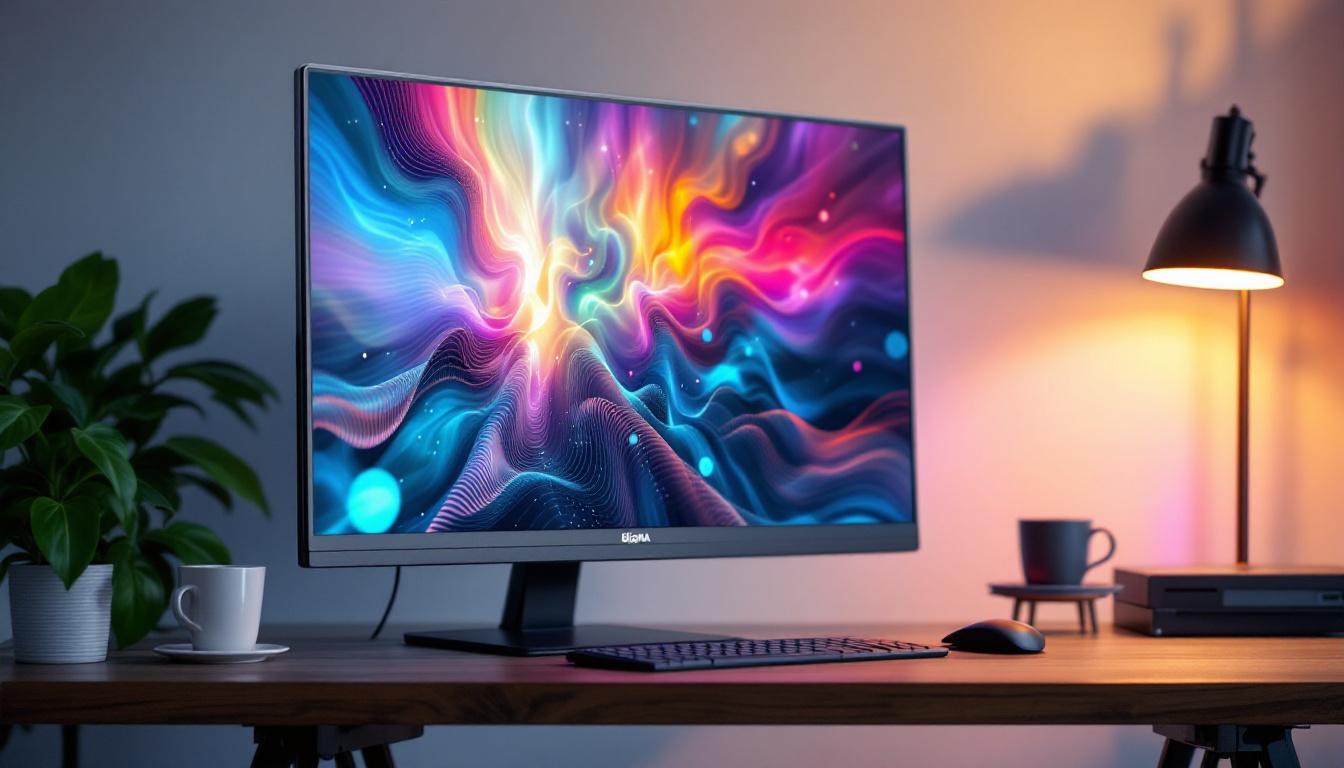
In today’s fast-evolving technology landscape, the choice of a computer monitor is more critical than ever. Whether for professional work, gaming, or casual browsing, understanding the display technology behind a monitor can significantly impact your user experience. Among the popular options available, LED displays have become a standard, especially in 17-inch monitors, balancing size, performance, and affordability. This article explores the fundamentals of LED display technology, its advantages, and what makes a 17-inch LED monitor a compelling choice for various users.
Understanding LED Display Technology
What is an LED Display?
LED stands for Light Emitting Diode, a semiconductor device that emits light when an electric current passes through it. In the context of monitors, LED displays refer to LCD (Liquid Crystal Display) screens that use LED backlighting instead of the older Cold Cathode Fluorescent Lamps (CCFL). This shift to LED backlighting has revolutionized display technology by offering better brightness, contrast, and energy efficiency.
Unlike OLED (Organic LED) displays, where each pixel emits its own light, LED monitors use a matrix of liquid crystals that modulate light from an LED backlight. This distinction is important because it affects the display’s color accuracy, power consumption, and overall performance. Moreover, LED displays are known for their longevity and durability, making them a popular choice for both consumer electronics and professional applications. As technology advances, LED displays are becoming increasingly versatile, accommodating various environments from brightly lit offices to dimly lit theaters.
Types of LED Backlighting
There are primarily two types of LED backlighting used in monitors: edge-lit and direct-lit (or full-array). Edge-lit LED monitors place LEDs along the edges of the screen, using light guides to distribute illumination evenly. This design allows for thinner and lighter monitors but can sometimes result in uneven brightness or “hot spots.” Additionally, edge-lit displays are often more affordable, making them a common choice for budget-conscious consumers.
Direct-lit LED monitors have LEDs placed directly behind the screen, providing more uniform lighting and better contrast. Some high-end models also feature local dimming, where specific zones of LEDs can be dimmed or brightened independently to enhance black levels and overall picture quality. This technology is particularly beneficial for watching movies or playing video games, where deep blacks and vibrant colors can significantly enhance the viewing experience. Furthermore, advancements in LED technology continue to push the boundaries, with innovations such as mini-LED and micro-LED displays emerging, promising even greater control over light and color, thereby elevating the visual experience to new heights.
Why Choose a 17-Inch LED Monitor?
Ideal Size for Various Applications
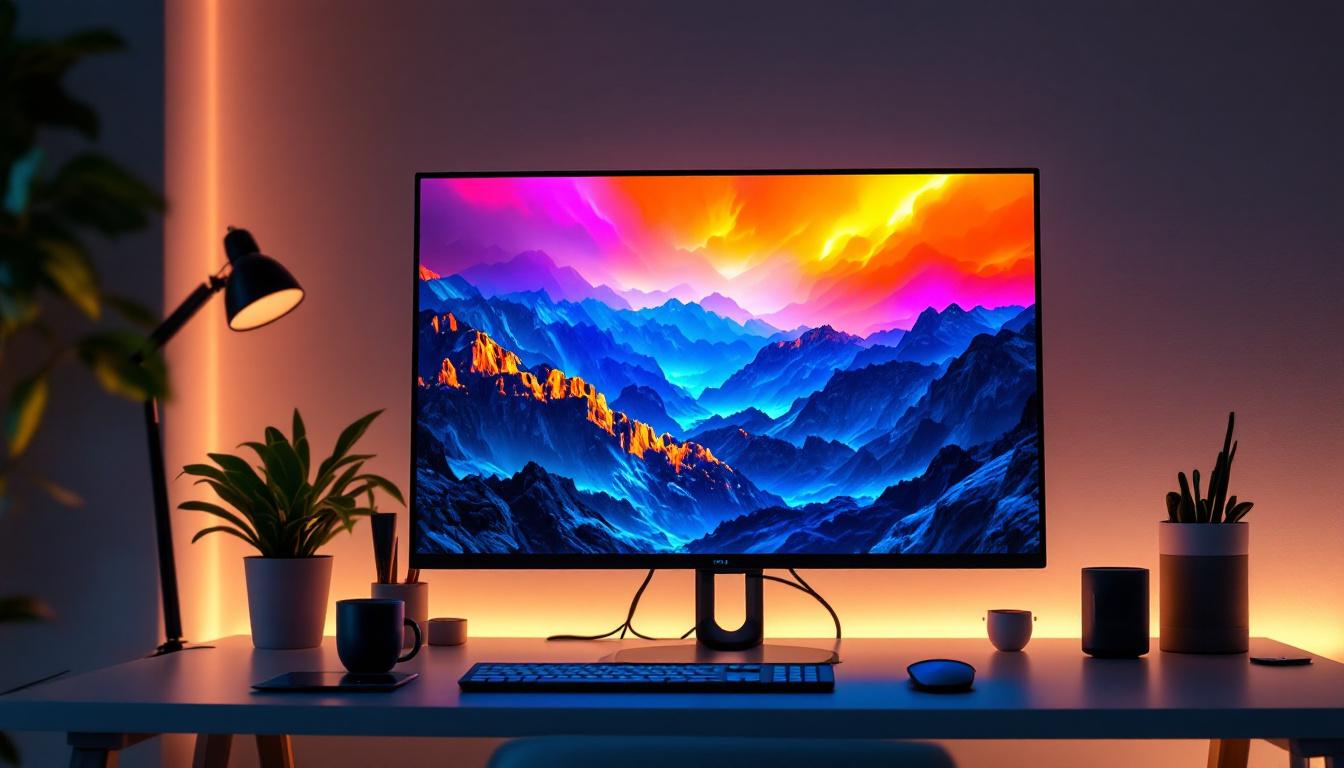
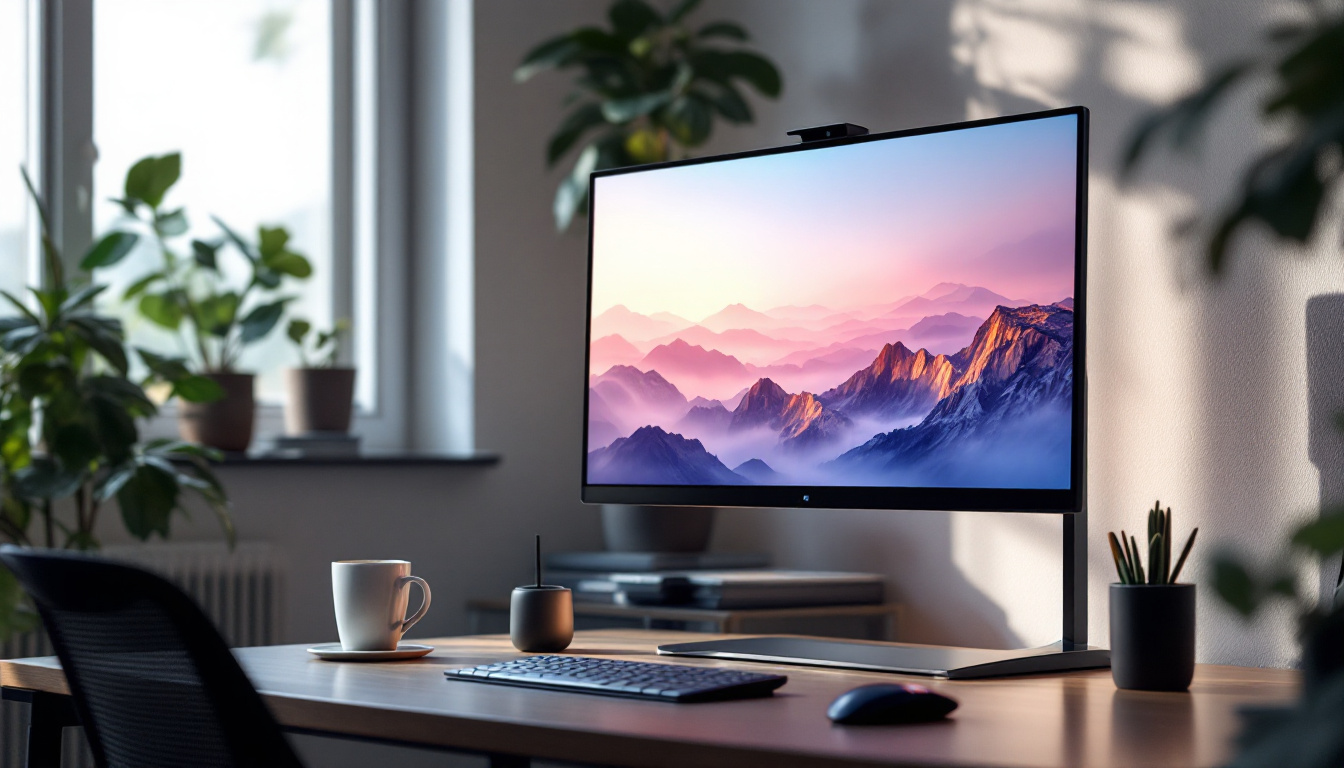
The 17-inch monitor size strikes a balance between portability and screen real estate. It is compact enough to fit comfortably on most desks and is often favored in environments where space is limited, such as small offices, classrooms, or home setups. At the same time, it provides sufficient display area for productivity tasks, multimedia consumption, and casual gaming.
For professionals working with spreadsheets, coding, or basic graphic design, a 17-inch LED monitor offers a clear and sharp visual experience without overwhelming the workspace. Additionally, its size makes it a popular choice for secondary monitors in multi-display setups, enhancing multitasking capabilities.
Energy Efficiency and Cost-Effectiveness
LED monitors are generally more energy-efficient than their CCFL counterparts. According to the U.S. Department of Energy, LED-backlit LCDs consume up to 40% less power than traditional CCFL-backlit displays. This efficiency translates to lower electricity bills and reduced environmental impact, which is increasingly important for both consumers and organizations aiming for sustainable operations.
Moreover, 17-inch LED monitors tend to be more affordable compared to larger screens or advanced display technologies like OLED. This affordability makes them accessible to a broad audience, from students to small business owners, without compromising essential display quality.
Key Features of 17-Inch LED Monitors
Resolution and Image Quality
Resolution is a critical factor in monitor selection, influencing clarity and detail. Most 17-inch LED monitors offer resolutions ranging from 1280×1024 pixels (SXGA) to 1920×1080 pixels (Full HD). Full HD resolution on a 17-inch screen results in sharp images and crisp text, ideal for everyday computing tasks.
Some specialized models may offer higher resolutions or support for advanced color spaces, catering to professional users who require precise color accuracy for photo editing or video production. However, for general use, a Full HD 17-inch LED monitor provides an excellent balance of clarity and performance.
Refresh Rate and Response Time
Refresh rate, measured in Hertz (Hz), indicates how many times the screen updates per second. A standard 17-inch LED monitor typically features a 60Hz refresh rate, sufficient for most office and multimedia applications. However, gamers or users engaging in fast-paced video editing might prefer monitors with higher refresh rates (75Hz or above) to reduce motion blur and improve responsiveness.
Response time, measured in milliseconds (ms), refers to how quickly a pixel can change from one color to another. Lower response times reduce ghosting effects in fast-moving images. Most LED monitors offer response times between 5ms and 8ms, which is adequate for casual gaming and general use.
Connectivity Options
Modern 17-inch LED monitors come equipped with a variety of connectivity ports to ensure compatibility with different devices. Common interfaces include HDMI, DisplayPort, DVI, and VGA. HDMI has become the standard for most users due to its ability to carry both video and audio signals through a single cable.
Some monitors also feature USB hubs, allowing users to connect peripherals directly to the monitor, reducing cable clutter on the desk. When selecting a 17-inch LED monitor, it is essential to consider the available ports to match your computer or laptop’s output options.
Advantages of LED Displays Over Other Technologies
Better Energy Efficiency and Longevity
Compared to CCFL-backlit LCDs, LED monitors consume significantly less power, which not only reduces operational costs but also contributes to a smaller carbon footprint. LEDs also have a longer lifespan, often exceeding 50,000 hours, meaning users can enjoy their monitors for many years without degradation in brightness or color quality.
Improved Color and Contrast
LED backlighting enables higher brightness levels and better contrast ratios than older technologies. This improvement results in more vibrant colors and deeper blacks, enhancing the overall viewing experience. While OLED displays offer superior contrast and color accuracy, LED monitors provide a cost-effective alternative with excellent performance for most users.
Slimmer and Lighter Designs
The compact size and low heat output of LEDs allow manufacturers to design thinner and lighter monitors. This feature is particularly beneficial for 17-inch monitors, making them highly portable and easy to fit into tight spaces. The sleek design also contributes to a modern aesthetic that complements contemporary work and gaming setups.
Potential Drawbacks and Considerations
Viewing Angles and Color Accuracy
One limitation of some LED monitors, especially those using TN (Twisted Nematic) panels, is narrower viewing angles and less accurate color reproduction compared to IPS (In-Plane Switching) panels. Users who require consistent color accuracy from different angles, such as photographers and designers, should look for 17-inch LED monitors with IPS technology.
Backlight Bleeding and Uniformity Issues
Edge-lit LED monitors can sometimes suffer from backlight bleeding, where light leaks around the edges of the screen, causing uneven brightness. This issue is less common in direct-lit or full-array LED monitors but may affect budget models. When possible, testing the monitor in person or reading detailed reviews can help identify these potential problems.
Limited Size for Certain Tasks
While 17-inch monitors are versatile, their smaller screen size might not be ideal for users who require extensive screen real estate, such as video editors, CAD designers, or financial analysts working with multiple windows simultaneously. In such cases, larger monitors or multi-monitor setups might be more appropriate.
Choosing the Right 17-Inch LED Monitor
Assessing Your Needs
Before purchasing a 17-inch LED monitor, it is crucial to evaluate your specific requirements. Consider the primary use cases—whether for office work, gaming, multimedia, or creative tasks—and prioritize features accordingly. For example, gamers might focus on refresh rate and response time, while professionals might emphasize color accuracy and resolution.
Budget Considerations
Price ranges for 17-inch LED monitors vary widely based on features and brand reputation. Entry-level models can be found for under $100, offering basic functionality suitable for everyday tasks. Mid-range monitors, priced between $150 and $250, often include better panel technology, higher resolutions, and additional connectivity options. Premium models with advanced features may exceed this range but are less common in the 17-inch category.
Brand Reputation and Warranty
Choosing a reputable brand ensures better build quality, customer support, and warranty coverage. Many manufacturers offer warranties ranging from one to three years, providing peace of mind against defects or early failures. Checking user reviews and professional evaluations can also help identify reliable models.
Conclusion: Is a 17-Inch LED Monitor Right for You?
17-inch LED monitors offer a compelling combination of compact size, energy efficiency, and solid performance. Their versatility makes them suitable for a wide range of users, from students and office workers to casual gamers and home users. Understanding the underlying LED display technology helps in making an informed decision, ensuring that the monitor meets your specific needs and budget.
While they may not replace larger screens for specialized professional tasks, 17-inch LED monitors remain a popular and practical choice for everyday computing. By carefully considering factors such as resolution, panel type, refresh rate, and connectivity, users can find a 17-inch LED monitor that delivers excellent value and a satisfying visual experience.
Discover LumenMatrix’s Advanced LED Solutions
If you’re inspired by the potential of 17-inch LED monitors and are curious about the latest advancements in LED display technology, LumenMatrix invites you to explore a world of innovative solutions. As a pioneer in the field, LumenMatrix offers an extensive range of products, from Indoor and Outdoor LED Wall Displays to specialized options like Vehicle LED Displays, LED Sports Displays, and even Custom LED Solutions tailored to your unique needs. Whether you’re looking to enhance your brand’s visibility or create immersive visual experiences, check out LumenMatrix LED Display Solutions today and see how they can transform your visual communication.