In today’s fast-paced world, keeping track of time efficiently is more important than ever. Whether in offices, schools, hospitals, or public spaces, large digital clocks have become essential tools for ensuring punctuality and coordination. Among the various types available, LED display clocks stand out for their clarity, energy efficiency, and versatility. This article delves into the technology behind large LED digital clocks for walls, exploring their design, benefits, and practical applications.
Understanding LED Technology in Large Digital Clocks
What is an LED Display?
LED stands for Light Emitting Diode, a semiconductor device that emits light when an electrical current passes through it. Unlike traditional incandescent bulbs, LEDs are highly energy-efficient and have a longer lifespan, making them ideal for continuous use in digital clocks.
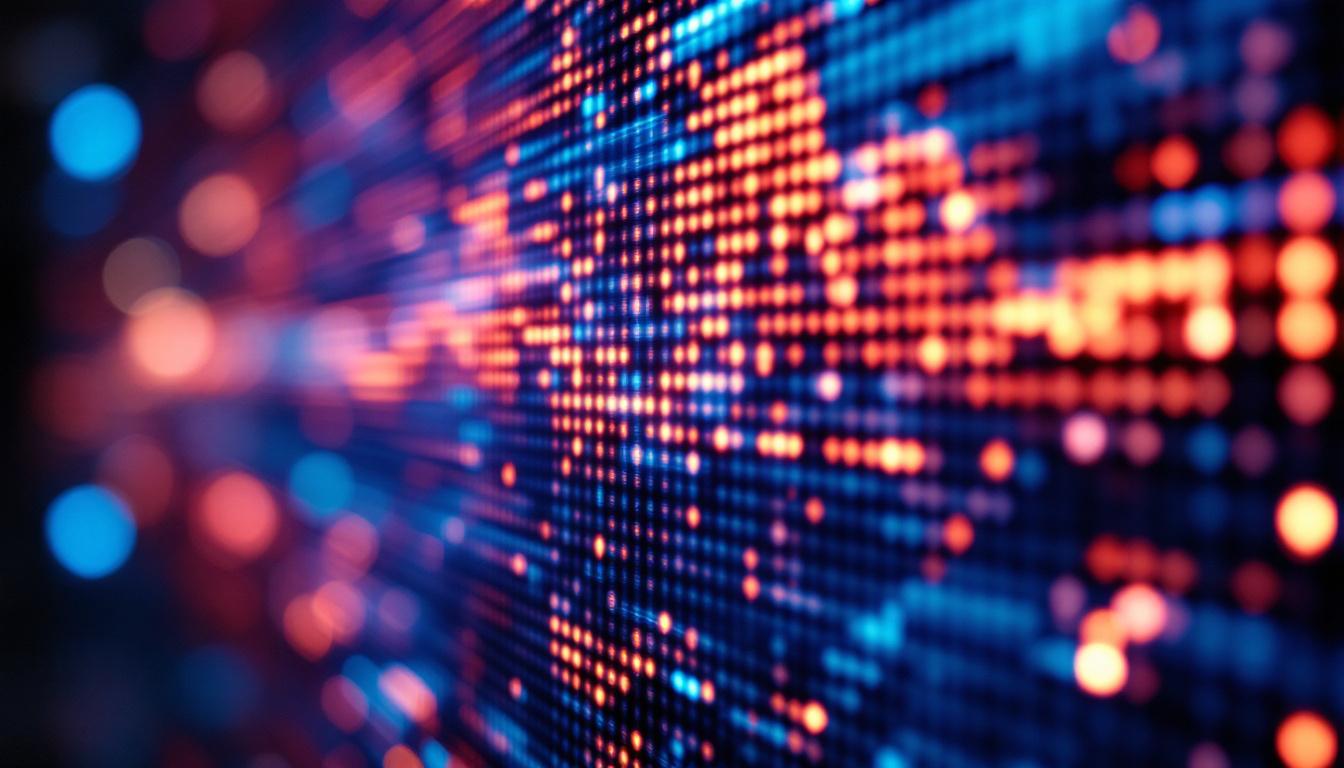
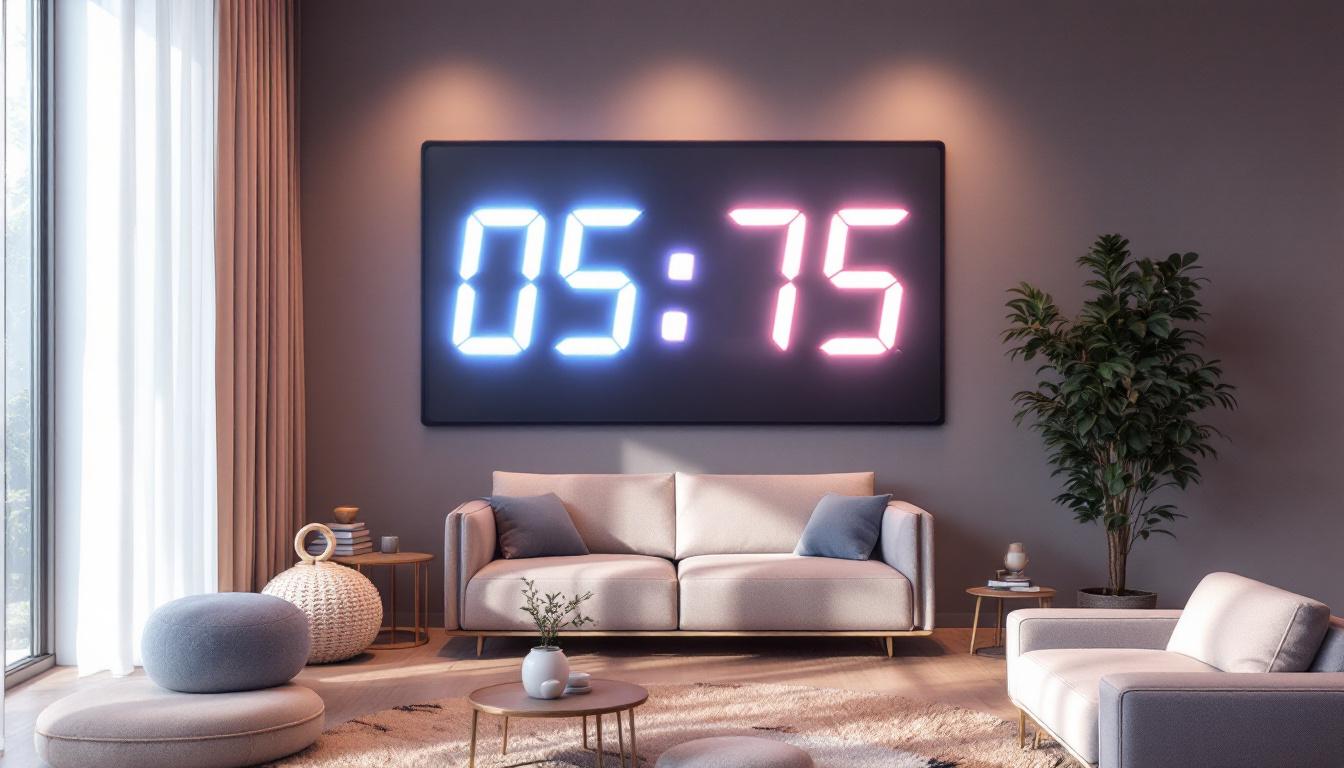
In large digital clocks, LEDs are arranged in segments or matrix patterns to form numbers and sometimes letters. The most common format is the seven-segment display, which uses seven individual LEDs to create digits from 0 to 9. For more complex displays, such as those showing seconds or additional information, a dot matrix or multi-segment LED configuration is used.
Types of LED Displays Used in Wall Clocks
Large digital clocks typically use one of two LED display types: seven-segment displays or dot matrix displays.
- Seven-Segment Displays: These are the most common and recognizable format for digital clocks. Each digit is formed by lighting specific segments to represent numbers. They are simple, cost-effective, and highly visible from a distance.
- Dot Matrix Displays: These consist of a grid of LEDs that can be individually controlled to display numbers, letters, or symbols. Dot matrix displays offer greater flexibility for displaying additional information such as dates, temperature, or messages.
Both types benefit from the inherent brightness and clarity of LEDs, making them suitable for large wall clocks in various lighting conditions.
Advantages of Large LED Digital Clocks for Walls
Visibility and Readability
One of the primary reasons LED clocks are favored for wall installations is their exceptional visibility. The bright, sharp light emitted by LEDs ensures that the time can be read easily from a distance and in diverse lighting environments, including bright sunlight or dimly lit rooms.
Large digits—often ranging from 2 to 12 inches in height—make these clocks ideal for large spaces such as auditoriums, factories, gyms, and public transportation hubs. This visibility reduces the need for individuals to approach the clock closely, saving time and improving efficiency.
Energy Efficiency and Longevity
LEDs consume significantly less power compared to traditional lighting technologies, such as incandescent or fluorescent bulbs. This energy efficiency translates into lower operating costs, especially important for clocks that run continuously 24/7.
Additionally, LED displays have a long operational life, often exceeding 50,000 hours. This durability reduces maintenance frequency and costs, making LED clocks a cost-effective choice over time.
Customization and Flexibility
Modern LED wall clocks offer extensive customization options. Users can choose digit size, color (commonly red, green, blue, or white), and display formats (12-hour or 24-hour). Some models also include additional features such as temperature display, countdown timers, or synchronized timekeeping via network protocols.
This flexibility allows organizations to tailor clocks to their specific needs, enhancing functionality and aesthetic appeal.
How Large LED Digital Clocks Work
Basic Components
A large LED digital clock consists of several key components:
- LED Display Panel: The visible part showing the time, composed of multiple LEDs arranged in segments or matrix form.
- Microcontroller or Processor: The brain of the clock, responsible for controlling the LED segments and managing timekeeping functions.
- Power Supply: Provides the necessary electrical power to the LEDs and control circuitry.
- Timekeeping Module: Often a quartz crystal oscillator or a network synchronization module (e.g., NTP or GPS) to ensure accurate time.
- Control Interface: Allows users to set or adjust the time, change display settings, or connect the clock to other systems.
Time Synchronization Methods
Accurate timekeeping is critical for large digital clocks, especially in professional environments. Various synchronization methods are employed:
- Internal Quartz Crystal: Most basic clocks use a quartz crystal oscillator for timekeeping. While accurate, these can drift slightly over time and may require manual adjustment.
- Network Time Protocol (NTP): Clocks connected to a network can synchronize with internet time servers, ensuring precise and automatic time updates.
- GPS Synchronization: Some high-end clocks receive time signals from GPS satellites, providing highly accurate time independent of network connectivity.
- Radio Time Signals: In some regions, clocks can synchronize with national radio time signals (e.g., WWVB in the USA, DCF77 in Germany), offering reliable and automatic updates.
Control and Programming
Many modern large LED clocks come with user-friendly interfaces, including remote controls, smartphone apps, or web-based dashboards. These allow users to:
- Set the time and date
- Switch between 12-hour and 24-hour formats
- Adjust brightness levels to suit ambient lighting
- Program alarms, timers, or countdowns
- Integrate with building management systems for synchronized operation
This level of control enhances the clock’s utility and adaptability across different settings.
Applications of Large LED Digital Wall Clocks
Commercial and Industrial Settings
In factories, warehouses, and offices, large LED clocks help maintain schedules and improve productivity. Their clear display reduces time-related errors and helps coordinate shifts, breaks, and deadlines.
Industrial environments often require clocks with rugged designs and high visibility to withstand harsh conditions such as dust, vibration, and temperature fluctuations. LED clocks meet these demands effectively.
Educational Institutions
Schools and universities benefit from large digital clocks by helping students and staff keep track of class periods and breaks. The bright LED display ensures visibility from any part of a classroom or hallway.
Some educational facilities also use clocks integrated with PA systems or bell schedules, automating routine announcements and transitions.
Healthcare Facilities
Hospitals and clinics require precise timekeeping for medication schedules, shift changes, and emergency coordination. Large LED clocks with synchronized time help maintain consistency and reduce errors.
Additionally, LED clocks with temperature and humidity displays can assist in monitoring environmental conditions critical to patient care.
Public Spaces and Transportation Hubs
Airports, train stations, and bus terminals rely on large digital clocks to provide travelers with accurate, easily readable time information. This aids in reducing confusion and improving the flow of passenger traffic.
Many of these clocks are network synchronized to ensure uniformity across multiple displays within a facility.
Choosing the Right Large LED Digital Clock for Your Wall
Considerations for Size and Visibility
The size of the digits is crucial for readability. As a general guideline, the height of the digits should correspond to the viewing distance. For example, a 2-inch digit is readable up to about 20 feet, while a 6-inch digit can be seen clearly from 60 feet or more.
Assess the size of the room and typical viewing distances to select an appropriately sized clock.
Color and Brightness Preferences
Red LEDs are the most common due to their high visibility and lower power consumption, but green, blue, and white LEDs are also available. Consider the ambient lighting and aesthetic preferences when choosing a color.
Brightness adjustment features are important to prevent glare in dark environments or ensure visibility in bright areas.
Power and Installation Requirements
Check the power source compatibility and wiring needs. Some clocks operate on standard AC power, while others may support PoE (Power over Ethernet) for easier installation.
Wall mounting hardware and environmental protection ratings (such as IP ratings for dust and moisture resistance) should also be considered based on the installation location.
Additional Features
Evaluate if you need extra functionalities such as:
- Temperature and humidity display
- Countdown timers or alarms
- Network synchronization capabilities
- Remote control or app-based management
These features can enhance the clock’s usefulness and integration with other systems.
Maintenance and Troubleshooting Tips
Routine Maintenance
LED clocks generally require minimal maintenance. Regular cleaning of the display surface with a soft, dry cloth helps maintain clarity. Avoid harsh chemicals that could damage the LEDs or casing.
Check power connections periodically to ensure stable operation.
Troubleshooting Common Issues
Common problems include:
- Flickering or dim LEDs: May indicate power supply issues or aging components.
- Incorrect time display: Check synchronization settings and battery backups if applicable.
- Unresponsive controls: Reset the clock or update firmware if supported.
Consult the manufacturer’s manual for specific troubleshooting steps or contact technical support for persistent issues.
Future Trends in Large LED Digital Clocks
Integration with Smart Building Systems
As smart buildings become more prevalent, large LED clocks are increasingly integrated with centralized control systems. This allows for synchronized time displays across multiple devices, automated brightness adjustments based on ambient light sensors, and remote management via IoT platforms.
Advancements in Display Technology
Emerging technologies such as OLED (Organic LED) and microLED offer potential for even brighter, thinner, and more energy-efficient displays. While currently more common in smaller devices, these technologies may soon influence large wall clocks, providing enhanced visual quality and design flexibility.
Enhanced Interactivity and Customization
Future digital clocks may feature touch-sensitive displays, customizable content beyond time (such as news or alerts), and voice control capabilities. These innovations will transform clocks from simple timekeepers into multifunctional communication hubs.
Conclusion
Large digital clocks with LED displays combine functionality, efficiency, and modern design to meet the diverse needs of today’s environments. Their superior visibility, energy savings, and adaptability make them an excellent choice for a wide range of applications, from industrial settings to public spaces.
Understanding the technology behind LED displays, synchronization methods, and installation considerations helps in selecting the right clock for any wall. With ongoing advancements, these clocks will continue to evolve, offering even greater utility and integration in the future.
Discover LumenMatrix’s Advanced LED Display Solutions
Ready to elevate your space with the latest in LED display technology? LumenMatrix offers a comprehensive range of innovative LED display modules designed to bring your environment to life. From vibrant Indoor LED Wall Displays to dynamic Outdoor LED Wall Displays, and from sleek LED Poster Displays to immersive LED Sports and Floor Displays, our solutions are tailored to create powerful visual experiences. Embrace the future of visual communication with LumenMatrix’s Custom, All-in-One, and Transparent LED Displays. Check out LumenMatrix LED Display Solutions today and transform your space with unparalleled clarity and impact.