In the rapidly evolving world of digital signage and display technology, understanding the technical specifications behind LED displays is crucial for making informed decisions. One of the most important parameters is the “Pp size,” often referred to as pixel pitch. This term directly impacts the quality, clarity, and viewing experience of LED screens, whether used for advertising, events, or informational purposes.
This article delves into the concept of Pp size, explaining what it means, why it matters, and how it influences the performance of LED displays. By the end, readers will have a comprehensive understanding of pixel pitch and be better equipped to select the right LED display for their specific needs.
What is Pp Size in LED Displays?
Defining Pixel Pitch
The term “Pp size” stands for pixel pitch, which is the distance from the center of one LED pixel to the center of the adjacent pixel, typically measured in millimeters (mm). This measurement determines the density of pixels on an LED screen and directly affects the resolution and image sharpness.
For example, a pixel pitch of 2.5mm means that each pixel is spaced 2.5 millimeters apart. The smaller the pixel pitch, the closer the pixels are to each other, resulting in a higher resolution and a clearer, more detailed image. This is particularly important in applications where fine detail is crucial, such as digital signage in high-end retail environments or in control rooms where precise data visualization is required.
How Pixel Pitch Affects Display Quality
Pixel pitch influences the viewing distance and image clarity. A smaller pixel pitch allows viewers to stand closer to the display without noticing individual pixels, making the image appear seamless. Conversely, a larger pixel pitch is suitable for displays intended to be viewed from a distance, where the pixels blend together naturally.
For instance, an LED display with a 1.2mm pixel pitch is ideal for indoor environments such as retail stores or control rooms, where viewers are close to the screen. On the other hand, a display with a 10mm pixel pitch might be used for outdoor billboards or stadium screens, where viewers are much farther away. Additionally, the choice of pixel pitch can also impact the overall cost of the display; smaller pixel pitches generally require more LEDs and more complex technology, which can lead to higher production costs. Therefore, understanding the intended use and viewing conditions is essential for selecting the appropriate pixel pitch.
Moreover, pixel pitch not only affects the visual experience but also plays a role in energy consumption and maintenance. Displays with smaller pixel pitches may require more power to operate due to the increased number of LEDs, which can lead to higher operational costs over time. Furthermore, maintenance can be more challenging with smaller pixel pitches, as the density of the components can make repairs more intricate. Thus, when selecting an LED display, it is crucial to consider not just the visual quality but also the long-term implications of pixel pitch on performance and upkeep.
Types of LED Displays Based on Pixel Pitch
Indoor LED Displays
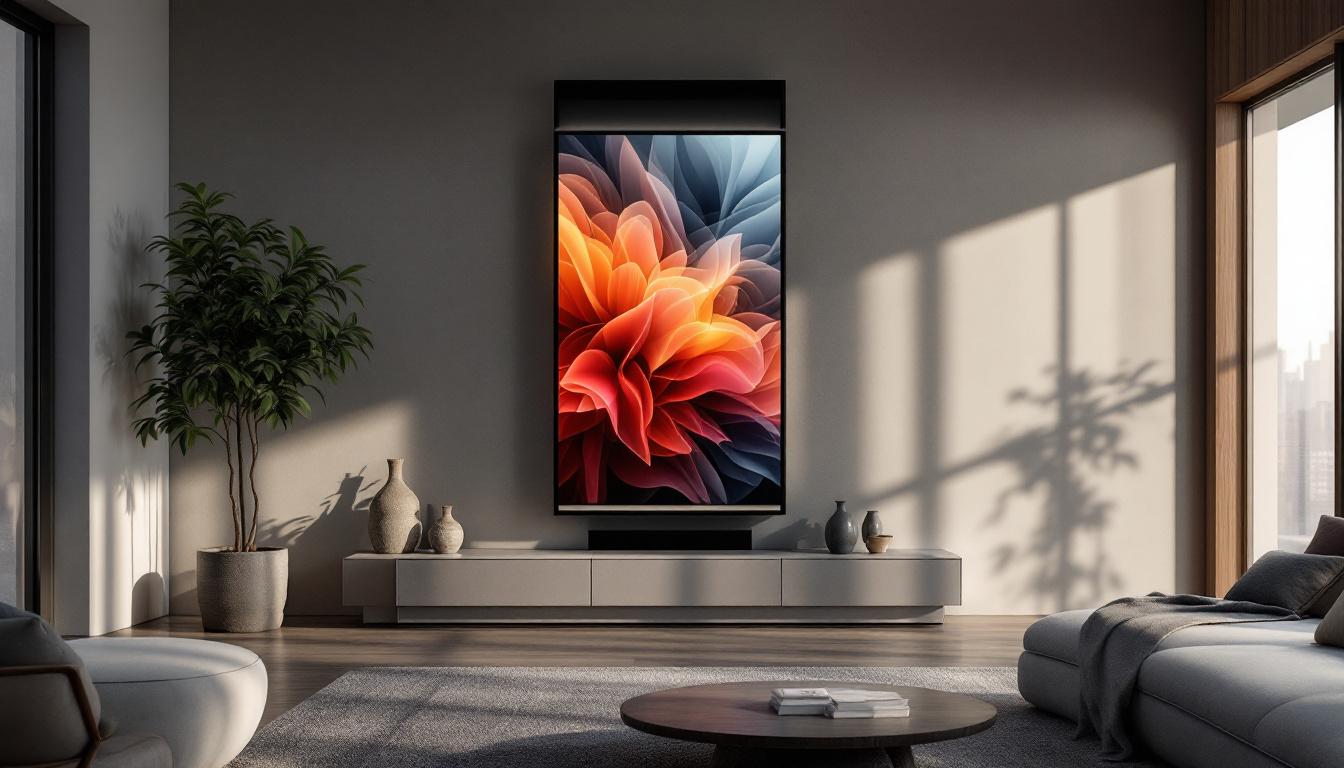
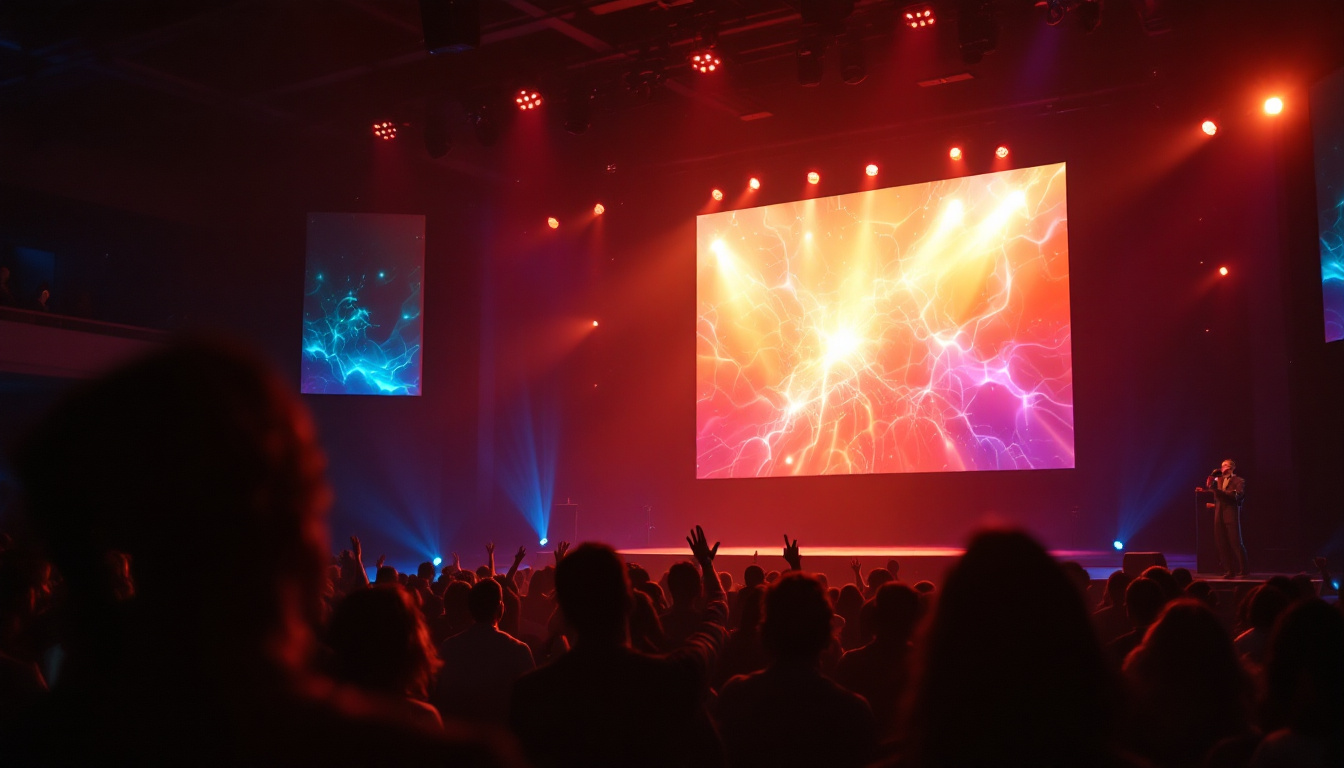
Indoor LED displays typically feature smaller pixel pitches, ranging from 0.9mm to 4mm. These displays are designed for close-range viewing and require high resolution to ensure crisp images and text.
Applications include conference rooms, shopping malls, airports, and broadcast studios. For example, a 1.5mm pixel pitch LED wall in a corporate lobby can display detailed graphics and videos that engage visitors effectively. The ability to showcase dynamic content, such as live social media feeds or interactive presentations, enhances the overall experience, making it not just a visual tool but a medium for communication and engagement. Furthermore, the modular design of many indoor LED displays allows for flexible configurations, enabling businesses to create custom shapes and sizes that fit their specific space requirements.
Outdoor LED Displays
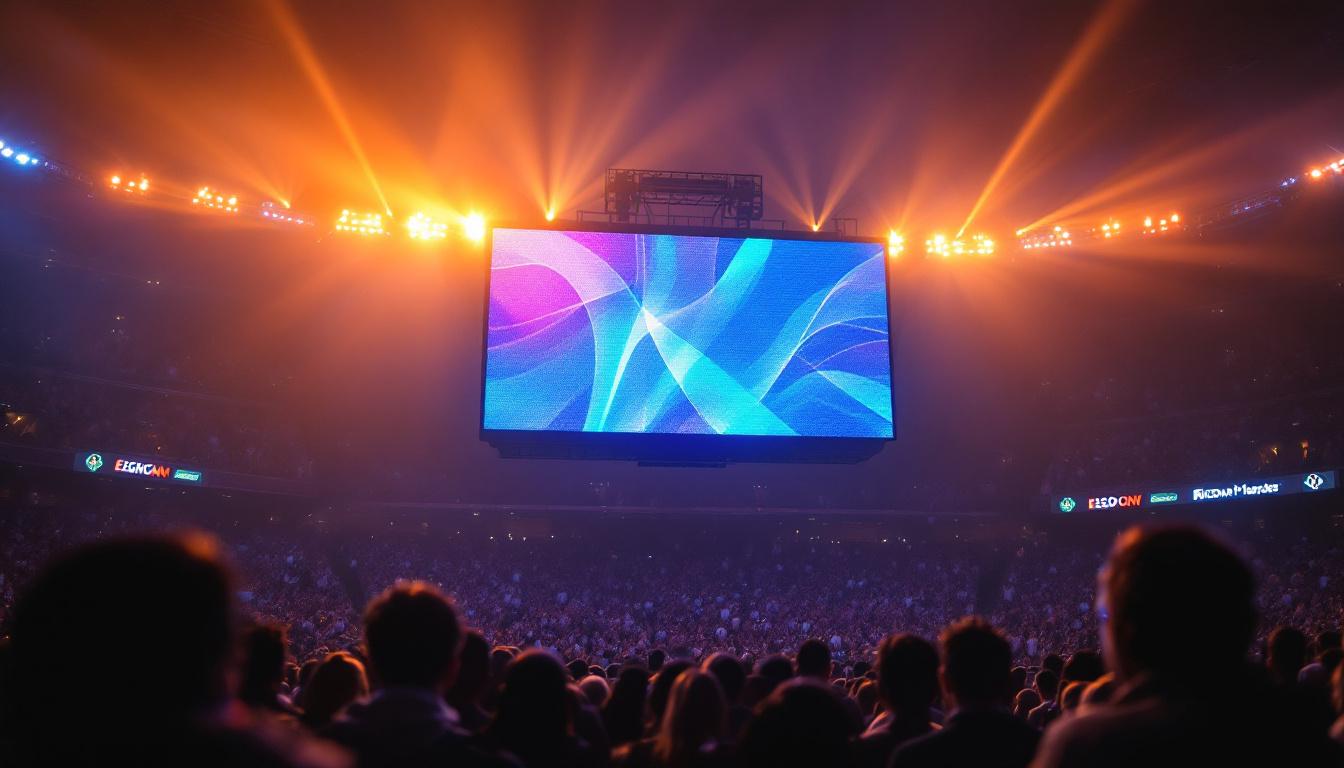
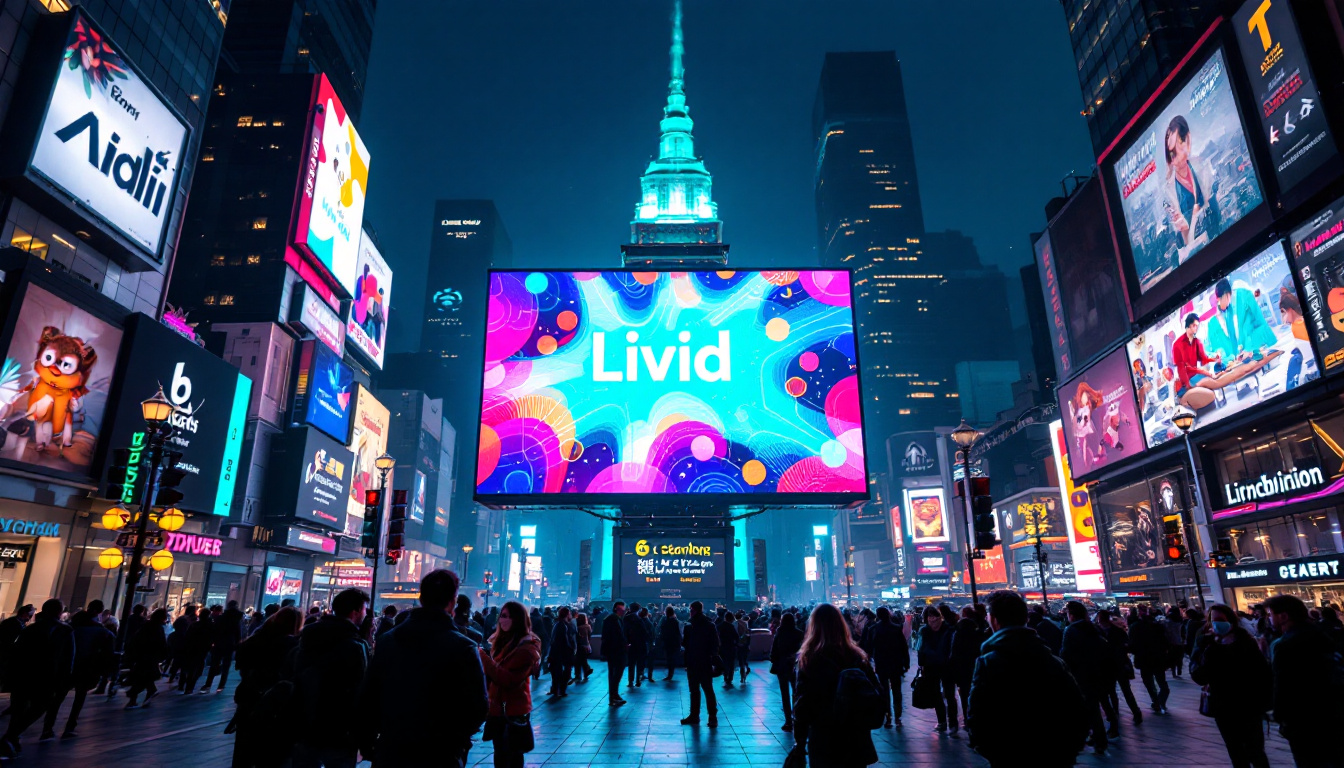
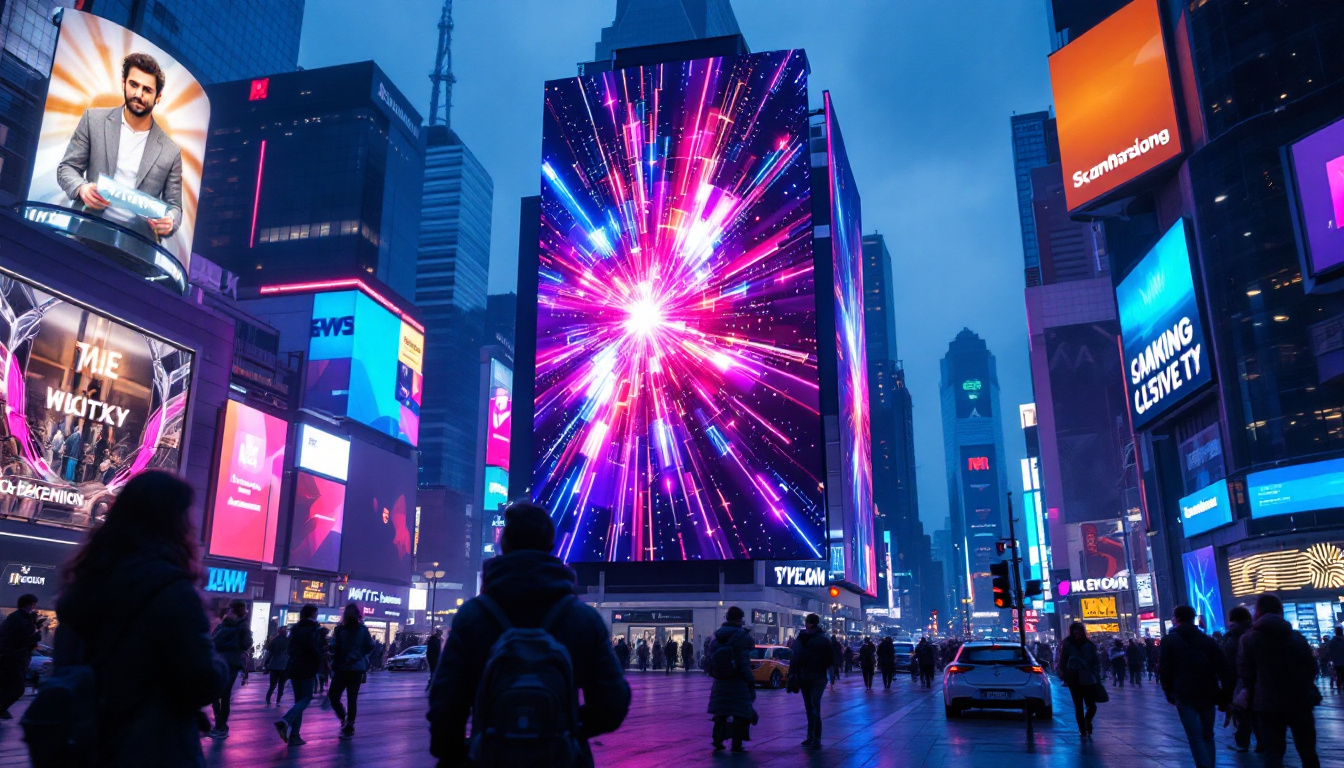
Outdoor LED displays generally have larger pixel pitches, usually between 6mm and 20mm, to accommodate longer viewing distances and harsher environmental conditions. These displays must be bright enough to be visible in direct sunlight and durable enough to withstand weather elements.
A common use case is digital billboards along highways, where a 16mm pixel pitch ensures visibility from hundreds of meters away. The larger pixel pitch also helps reduce production costs for large-scale installations. In addition to advertising, outdoor LED displays are increasingly being used for public announcements, event promotions, and even artistic installations in urban environments. Their ability to display vibrant colors and moving images makes them a powerful tool for capturing the attention of passersby, transforming ordinary spaces into dynamic visual experiences that can convey messages effectively and creatively.
Fine Pitch LED Displays
Fine pitch LED displays are a subset of indoor displays with pixel pitches below 1.5mm. These are cutting-edge solutions used in high-end applications such as control rooms, broadcast studios, and luxury retail environments.
Fine pitch technology offers near-retina display quality, providing exceptional detail and color accuracy. However, they come at a premium price due to the complexity of manufacturing and higher pixel density. The advanced technology behind fine pitch displays often includes features like HDR (High Dynamic Range) and wide color gamut, which enhance the visual experience even further. In environments where precision is key, such as medical imaging or high-resolution video production, these displays can make a significant difference in clarity and detail, allowing professionals to make informed decisions based on the content displayed. Additionally, the seamless integration of fine pitch LED displays into existing systems, such as video walls or interactive kiosks, further elevates their utility and appeal in modern applications.
How to Choose the Right Pixel Pitch for Your LED Display
Consider Viewing Distance
The most critical factor in selecting pixel pitch is the typical viewing distance. A general rule of thumb is that the optimal viewing distance (in meters) should be roughly 1.5 to 2 times the pixel pitch (in millimeters).
For example, a 3mm pixel pitch display is best viewed from about 4.5 to 6 meters away. If viewers are expected to be closer than this, a smaller pixel pitch is necessary to avoid visible pixelation.
Evaluate the Application Environment
Indoor environments demand higher resolution and finer pixel pitches due to closer viewing distances and controlled lighting conditions. Outdoor environments prioritize brightness, weather resistance, and larger pixel pitches to balance cost and visibility.
Additionally, consider ambient lighting. High ambient light levels require displays with higher brightness and potentially larger pixel pitches to maintain image clarity.
Budget and Maintenance Considerations
Smaller pixel pitch displays are more expensive due to the higher density of LEDs and more complex manufacturing processes. Maintenance can also be more demanding, as repairs require precision and specialized components.
For large-scale outdoor installations, a larger pixel pitch can reduce initial costs and simplify maintenance without compromising visibility at typical viewing distances.
Technical Aspects Influencing Pixel Pitch and LED Display Performance
LED Module Construction
The construction of LED modules affects pixel pitch and overall display quality. Modules consist of multiple LEDs arranged in a grid, with each LED representing a pixel or a sub-pixel depending on the display technology.
Advances in surface-mount device (SMD) technology have enabled manufacturers to produce smaller LEDs and tighter pixel arrangements, pushing pixel pitches below 1mm in some cases.
Resolution and Screen Size
Resolution is the total number of pixels displayed on the screen, often expressed as width x height (e.g., 1920×1080). Pixel pitch and screen size together determine resolution. For a fixed screen size, a smaller pixel pitch yields a higher resolution.
For example, a 2m x 1m LED display with a 2.5mm pixel pitch will have a resolution of approximately 800 x 400 pixels, while the same size display with a 5mm pixel pitch will have only 400 x 200 pixels.
Brightness and Color Accuracy
Pixel pitch also impacts brightness and color uniformity. Smaller pixel pitches can sometimes reduce brightness per pixel due to the compact arrangement of LEDs, but modern LED technology compensates for this through improved LED efficiency and advanced driving electronics.
Color accuracy is enhanced with higher pixel density, as more pixels allow for smoother gradients and finer color details, essential for applications like digital art displays or high-definition video playback.
Emerging Trends in Pixel Pitch and LED Display Technology
MicroLED and MiniLED Innovations
Recent advancements in MicroLED and MiniLED technologies are pushing the boundaries of pixel pitch. MicroLED displays, with pixel pitches as low as 0.5mm or less, offer extraordinary brightness, contrast, and energy efficiency.
These displays are poised to revolutionize markets such as virtual reality, augmented reality, and premium television screens, where ultra-high resolution and color fidelity are paramount.
Flexible and Transparent LED Displays
Innovations in LED module design have led to flexible and transparent LED displays, which often require specialized pixel pitch considerations. Flexible displays may use variable pixel pitches to balance flexibility with image quality, while transparent displays optimize pixel pitch to maintain see-through properties without sacrificing visibility.
AI-Driven Pixel Management
Artificial intelligence is increasingly integrated into LED display management, optimizing pixel performance dynamically based on content and environmental factors. This technology can adjust pixel brightness and color in real-time to enhance viewing experiences, especially in variable lighting conditions.
Conclusion: Why Understanding Pp Size Matters
Pixel pitch, or Pp size, is a fundamental specification that defines the quality and suitability of an LED display for any given application. It affects resolution, viewing distance, brightness, and overall visual experience.
Choosing the right pixel pitch ensures that the LED display delivers clear, vibrant images tailored to the environment and audience. Whether for indoor fine-detail applications or large-scale outdoor advertising, understanding pixel pitch empowers buyers and designers to make cost-effective, high-performance choices.
As LED technology continues to advance, keeping abreast of developments in pixel pitch and related innovations will remain essential for anyone involved in digital display solutions.
Discover the Perfect LED Display Solution with LumenMatrix
Now that you understand the importance of Pp size in selecting the right LED display, it’s time to put that knowledge into action. LumenMatrix offers a comprehensive range of LED display solutions tailored to meet your specific needs. From captivating Indoor LED Walls to dynamic Outdoor LED Displays and beyond, our innovative technology is designed to enhance engagement and bring your visual communications to life. Don’t just take our word for it; check out LumenMatrix LED Display Solutions today and see how we can help you create unforgettable visual experiences.