When your television screen starts showing signs of wear or damage, it can be frustrating to decide whether to repair or replace it. Among the most common issues is a malfunctioning LCD panel, which often leads to exploring TV LCD replacement options. This article delves into the intricacies of LCD and LED displays, helping you understand the technology behind your TV screen and guiding you through the replacement process.
Understanding LCD and LED Displays
To appreciate the nuances of TV LCD replacement, it’s essential to first understand what LCD and LED displays are and how they differ. Although these terms are often used interchangeably, they refer to distinct components and technologies within modern televisions.
What is an LCD Display?
LCD stands for Liquid Crystal Display. It is a flat-panel display technology that uses liquid crystals sandwiched between two layers of glass or plastic. When an electric current passes through these crystals, they align in a way that modulates light passing through them, creating images on the screen.
LCD panels require a backlight to illuminate the display since liquid crystals do not emit light by themselves. Traditionally, cold cathode fluorescent lamps (CCFLs) served as backlights, but modern TVs have largely transitioned to LED backlighting for improved brightness and energy efficiency. This evolution has not only enhanced the visual experience but has also contributed to the overall longevity of the devices, as LED backlights tend to have a longer lifespan than their CCFL counterparts.
In addition to their backlighting, LCD displays are known for their ability to produce vibrant colors and sharp images, making them a popular choice for a variety of applications, from televisions to computer monitors. The technology has also seen significant advancements over the years, including the introduction of IPS (In-Plane Switching) panels, which provide wider viewing angles and better color accuracy compared to traditional TN (Twisted Nematic) panels. This makes LCDs particularly appealing for group viewing scenarios, where multiple viewers can enjoy a consistent picture quality from different angles.
What is an LED Display?
LED stands for Light Emitting Diode. In the context of TVs, LED displays are essentially LCD panels that use LEDs as their backlight source instead of CCFLs. This distinction is crucial because the term “LED TV” is somewhat of a marketing term rather than a separate display technology.
LED backlighting offers several advantages, including thinner panels, better energy efficiency, improved brightness, and the ability to implement advanced lighting techniques like local dimming. These features enhance contrast ratios and overall picture quality. For instance, local dimming allows specific areas of the screen to be dimmed or brightened independently, resulting in deeper blacks and more vivid colors. This capability is particularly beneficial for watching movies or playing video games, where dynamic lighting can significantly impact the viewing experience.
Furthermore, LED technology has paved the way for new innovations such as OLED (Organic Light Emitting Diode) displays, which take the concept a step further by allowing each pixel to emit its own light. This results in even greater contrast and color accuracy, as well as the potential for ultra-thin designs. As the market continues to evolve, the competition between these technologies drives manufacturers to push the boundaries of display quality, ensuring that consumers have access to the best possible viewing experiences.
Why TV LCD Replacement May Be Necessary
Despite advances in display technology, LCD panels can still suffer from various issues that necessitate replacement. Understanding these problems can help you make an informed decision about repairing or replacing your TV.
Common Causes of LCD Panel Failure
Physical damage is one of the most frequent reasons for LCD panel failure. Cracks, scratches, or shattered glass can render the screen unusable. These damages often result from accidental impacts or pressure applied to the screen.
Other issues include dead pixels, where individual pixels no longer function correctly, leading to black or discolored spots on the screen. While a few dead pixels might be tolerable, extensive pixel failure can significantly degrade the viewing experience.
Backlight problems, such as uneven lighting or complete backlight failure, can also make the screen appear dim or dark. Since the backlight is integral to LCD operation, these issues often require component replacement or a full panel swap.
Signs You Need an LCD Replacement
Identifying the need for an LCD replacement involves observing the display’s performance closely. Persistent flickering, discoloration, lines across the screen, or complete blackouts are strong indicators of panel issues.
Additionally, if your TV shows no image but powers on, it might be a backlight problem, which sometimes can be fixed without full panel replacement. However, in many cases, replacing the entire LCD panel or the TV itself becomes the most practical solution.
The Process of TV LCD Replacement
Replacing an LCD panel is a delicate and technical process that requires precision and expertise. Understanding the steps involved can help you decide whether to attempt a repair yourself or seek professional assistance.
Assessing the Damage and Cost
Before initiating a replacement, it’s important to assess the extent of the damage and obtain an accurate cost estimate. LCD panels are among the most expensive components in a TV, often accounting for 50-70% of the device’s total value.
For example, replacing a 55-inch LCD panel can cost anywhere from $150 to $500 or more, depending on the brand and model. When labor costs are included, repairs can sometimes approach or exceed the price of a new TV, especially for older or lower-end models.
Disassembling the TV
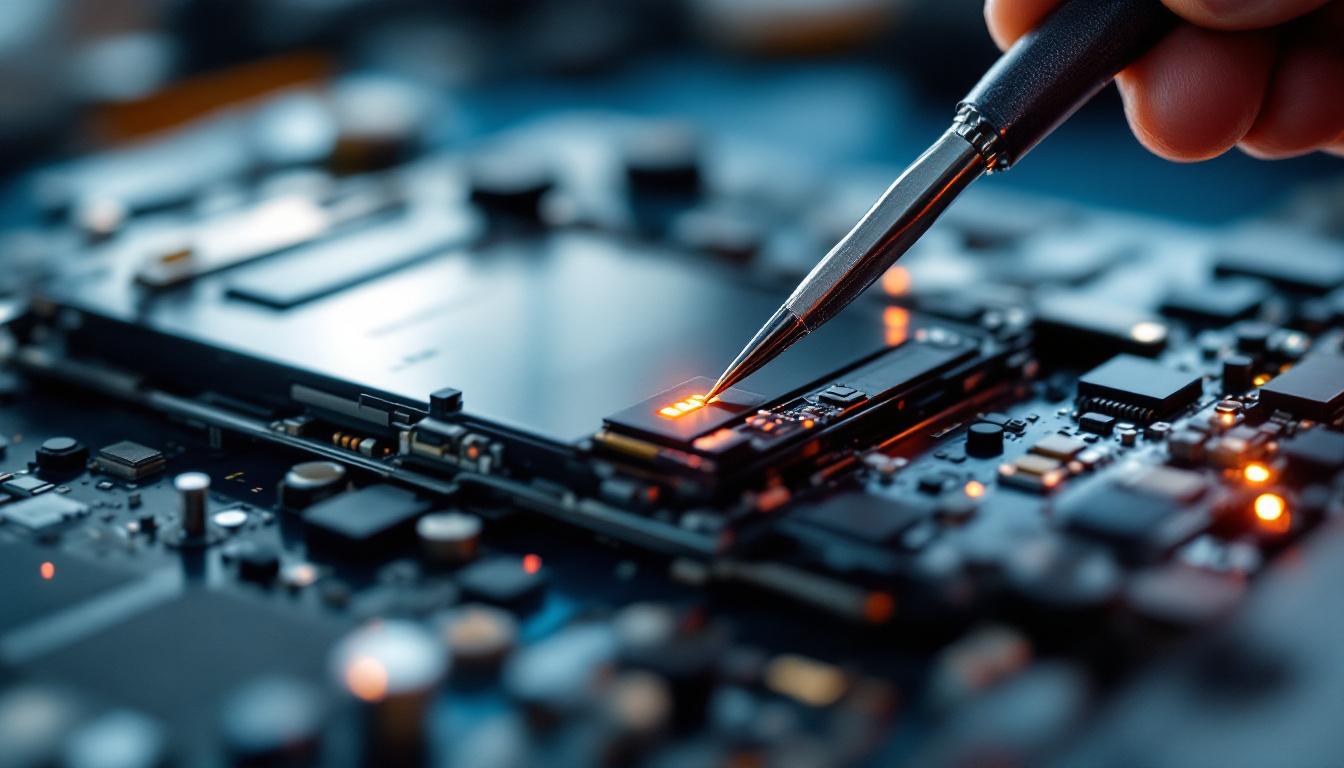
The replacement process begins with carefully removing the TV’s back cover and disconnecting all cables. This step requires specialized tools such as plastic pry tools and screwdrivers designed for electronics.
Once opened, the technician must detach the LCD panel from the frame, which involves disconnecting ribbon cables and other connectors. Extreme caution is necessary to avoid damaging delicate components.
Installing the New LCD Panel
The new panel is then aligned and secured within the TV frame. All connectors are reattached, ensuring proper electrical contact. After reassembly, the TV is tested for functionality, including image quality, color accuracy, and backlight performance.
Calibration may be necessary to optimize picture settings and ensure the new panel performs as intended.
LED Backlighting: Enhancing LCD Displays
One of the most significant advancements in LCD technology is the integration of LED backlighting. This innovation has transformed the viewing experience and influenced the repair and replacement landscape.
Types of LED Backlighting
LED backlighting comes in several configurations, each with unique benefits:
- Edge-Lit LED: LEDs are positioned along the edges of the screen, allowing for thinner panels but sometimes causing uneven lighting.
- Direct-Lit LED: LEDs are placed directly behind the LCD panel, offering more uniform brightness but resulting in thicker screens.
- Full-Array LED with Local Dimming: A grid of LEDs behind the screen can be dimmed individually or in zones, enhancing contrast and black levels dramatically.
Advantages of LED Backlighting
LED backlighting improves energy efficiency, reducing power consumption by up to 40% compared to CCFL backlights. This efficiency translates to lower electricity bills and a smaller environmental footprint.
Additionally, LED backlights support higher brightness levels, which is beneficial for viewing in well-lit rooms. The ability to implement local dimming also enhances picture quality, making dark scenes richer and more detailed.
Considerations Before Replacing Your TV’s LCD Panel
While LCD replacement is possible, several factors should be weighed before proceeding. These considerations help ensure you make a cost-effective and practical decision.
Age and Model of the TV
Older TVs may have discontinued parts, making LCD panels difficult or expensive to source. In such cases, investing in a new TV with modern features might be more sensible.
Newer models often have improved display technologies like OLED or QLED, which offer superior picture quality and longevity compared to traditional LCDs.
Cost-Benefit Analysis
Calculate the total cost of replacement, including parts and labor, and compare it with the price of a new TV. If the repair cost exceeds 50-60% of a new TV’s price, replacement is generally recommended.
Also, consider warranty coverage. Many manufacturers do not cover physical damage under warranty, which can increase out-of-pocket expenses.
Professional vs. DIY Replacement
While some technically skilled individuals might attempt LCD replacement themselves, the risk of further damage is significant. Professionals have the tools and expertise to handle delicate components safely.
DIY repair videos and guides are available online, but they should be approached with caution. Incorrect handling can void warranties or cause irreparable damage.
Future Trends in TV Display Technology
The television industry continues to evolve rapidly, with new display technologies emerging that may eventually replace or supplement LCD and LED displays.
OLED and MicroLED Technologies
Organic Light Emitting Diode (OLED) displays offer self-emissive pixels, eliminating the need for backlighting. This results in deeper blacks, wider viewing angles, and thinner panels. However, OLEDs are generally more expensive and can suffer from burn-in issues.
MicroLED technology, still in its early stages, promises the benefits of OLED without burn-in risks. It uses microscopic LEDs to create images, offering exceptional brightness and longevity.
Impact on Repairs and Replacements
As these technologies become more mainstream, the nature of TV repairs will change. OLED and MicroLED panels may require different replacement procedures and cost structures.
Consumers should stay informed about these advancements when considering repairs or new purchases to ensure compatibility and future-proofing.
Conclusion
TV LCD replacement is a viable option for restoring your television’s display, but it requires careful consideration of the technology involved, costs, and potential benefits. Understanding the role of LED backlighting in modern LCD TVs helps clarify what is being replaced and why it matters.
Evaluating the age of your TV, the extent of damage, and the cost of repair versus replacement will guide you toward the most practical decision. Whether opting for professional repair or investing in a new TV, staying informed about current and emerging display technologies ensures the best viewing experience for years to come.
Explore Cutting-Edge LED Display Solutions with LumenMatrix
As you consider the best path forward for your TV LCD replacement or upgrade, remember that the future of display technology is bright with LumenMatrix. Our commitment to innovation ensures that you have access to the most advanced LED display modules available. From captivating Indoor and Outdoor LED Wall Displays to dynamic Vehicle and Sports LED Displays, and even customizable solutions like Floor and Transparent LED Displays, LumenMatrix is at the forefront of creating visual experiences that truly stand out. Don’t settle for anything less than the best in digital signage and LED technology. Check out LumenMatrix LED Display Solutions today and see how we can enhance your brand visibility and audience engagement.