In the realm of modern interior design and technology integration, tall wall cabinets equipped with LED displays have become a popular feature in both residential and commercial spaces. These innovative units combine functionality with sleek aesthetics, offering more than just storage—they provide dynamic visual communication and ambient lighting solutions. This article delves into the details of tall wall cabinets with LED displays, exploring their design, technology, applications, and benefits.
Understanding Tall Wall Cabinets
What Defines a Tall Wall Cabinet?
Tall wall cabinets are vertical storage units mounted on walls, typically extending from near floor level up to ceiling height. Unlike traditional cabinets that sit on the floor, these are fixed at an elevated position, which optimizes space usage and enhances accessibility. They are commonly used in kitchens, offices, retail environments, and living rooms where maximizing vertical space is essential.
The height and slim profile of these cabinets make them ideal for storing items without occupying valuable floor area. Materials range from wood and metal to engineered composites, often finished with high-quality laminates or veneers to match interior decor. Additionally, many tall wall cabinets feature adjustable shelving, allowing users to customize the interior layout based on their storage needs. This flexibility is particularly beneficial in spaces where items of varying sizes need to be stored efficiently, such as in a kitchen filled with both small spices and large pots.
Integration of LED Displays
Incorporating LED displays into tall wall cabinets transforms them from static storage solutions into interactive or decorative elements. LED (Light Emitting Diode) technology offers bright, energy-efficient illumination and the capability to display images, text, or animations. This integration is achieved by embedding LED panels or strips within the cabinet doors or frames, often controlled via smart home systems or dedicated interfaces.
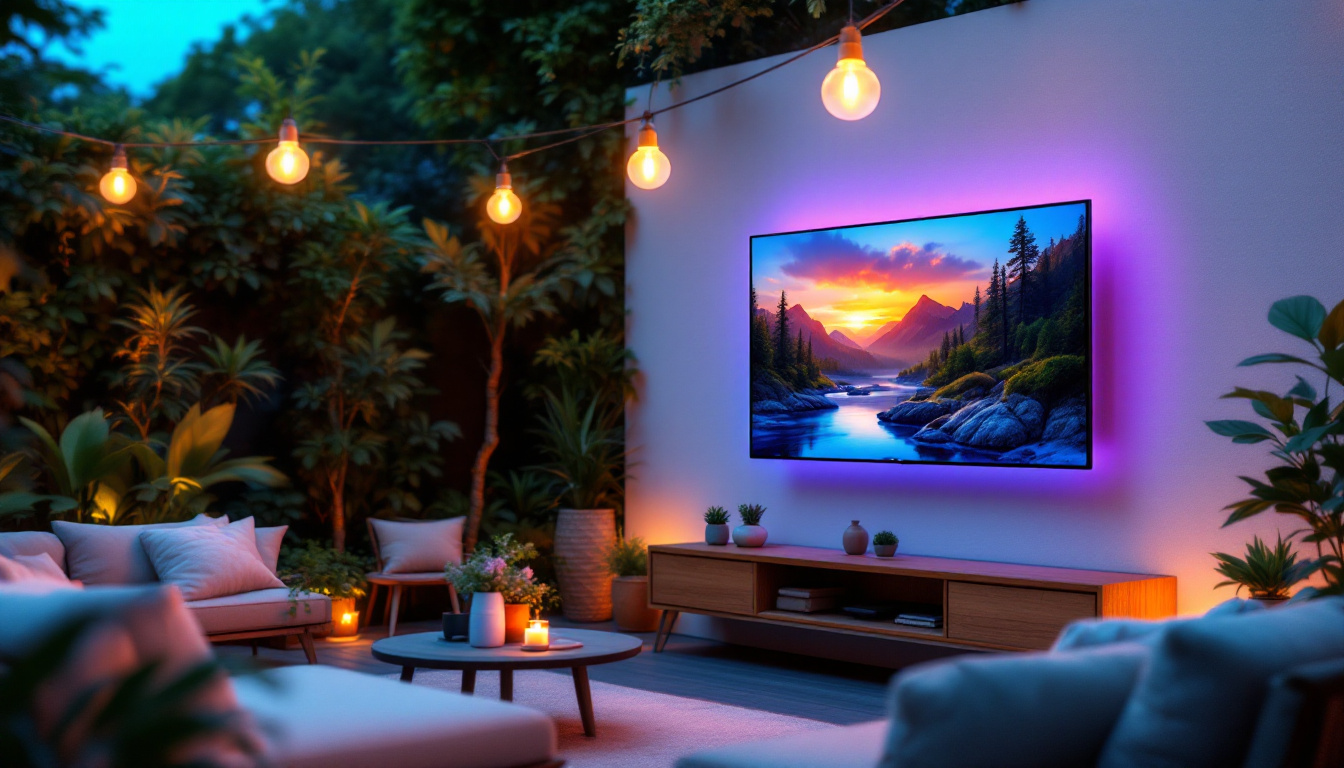
LED displays in cabinets can serve multiple purposes—from providing ambient lighting and enhancing the visual appeal to displaying information such as calendars, weather updates, or promotional content in commercial settings. For instance, in a retail environment, these displays can showcase featured products or sales, drawing customers’ attention and encouraging purchases. Furthermore, in a home setting, LED displays can be programmed to change colors or patterns, allowing homeowners to set the mood for different occasions, whether it’s a cozy family dinner or a lively gathering with friends. The versatility of these displays adds a modern touch, making tall wall cabinets not just functional, but also a focal point in any room.
The Technology Behind LED Displays in Cabinets
Types of LED Displays Used
Several types of LED displays are suitable for integration into tall wall cabinets, each with distinct characteristics:
- LED Strips: Flexible and easy to install, LED strips provide accent lighting along cabinet edges or inside shelves. They are often used to highlight contents or create mood lighting.
- LED Panels: These are flat, thin panels capable of displaying images or videos. They can be installed behind translucent cabinet doors to create a digital display surface.
- OLED Displays: While less common due to cost, OLED (Organic LED) panels offer superior contrast and flexibility, allowing for curved or uniquely shaped display areas within cabinetry.
Control Systems and Connectivity
Modern LED displays in cabinets are typically connected to control systems that allow users to customize lighting effects or display content. These systems include:
- Remote Controls: Basic LED setups often come with remote controls for adjusting brightness, color, and on/off functions.
- Smart Home Integration: More advanced cabinets connect to smart home ecosystems like Google Home, Amazon Alexa, or Apple HomeKit, enabling voice commands and automation.
- Wi-Fi and Bluetooth Connectivity: These allow for real-time content updates, syncing with smartphones or computers to display notifications, images, or videos.
Such connectivity enhances the cabinet’s functionality, making it a dynamic part of the living or working environment.
Applications of Tall Wall Cabinets with LED Displays
Residential Uses
In homes, tall wall cabinets with LED displays are increasingly popular in kitchens, living rooms, and home offices. In kitchens, LED lighting inside cabinets improves visibility and adds ambiance, while LED panels on cabinet doors can display recipes, timers, or family schedules.
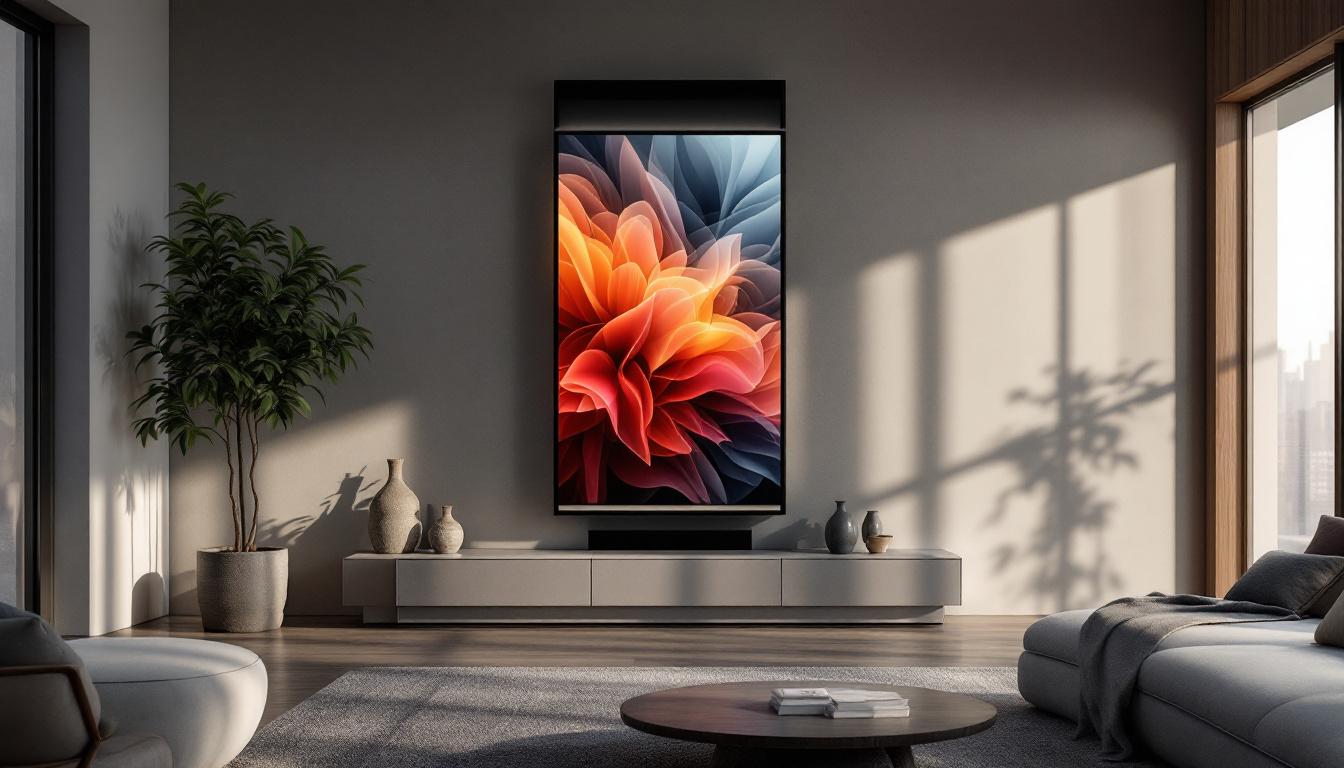
Living rooms benefit from these cabinets by integrating entertainment or decorative lighting. For example, a cabinet might feature an LED display that cycles through family photos or artwork, enhancing the room’s atmosphere without the need for additional wall hangings.
Commercial and Retail Environments
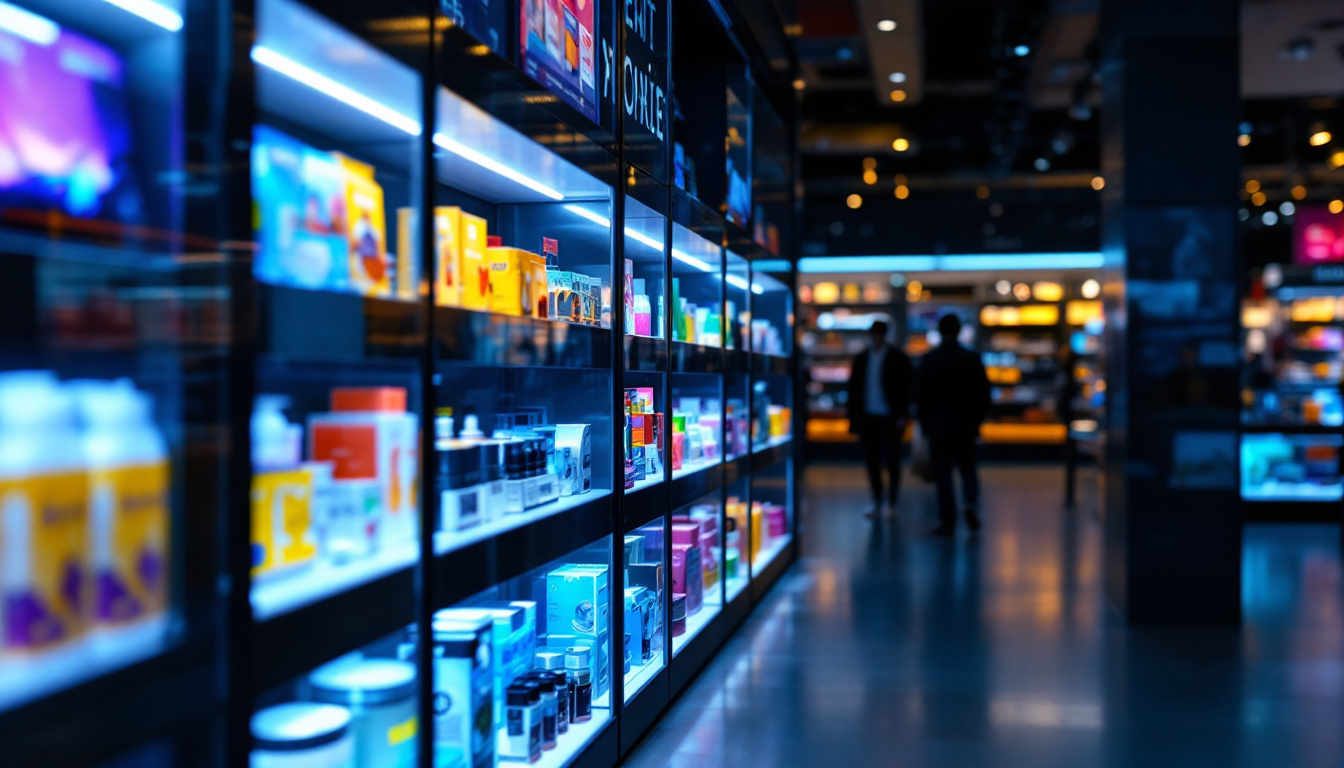
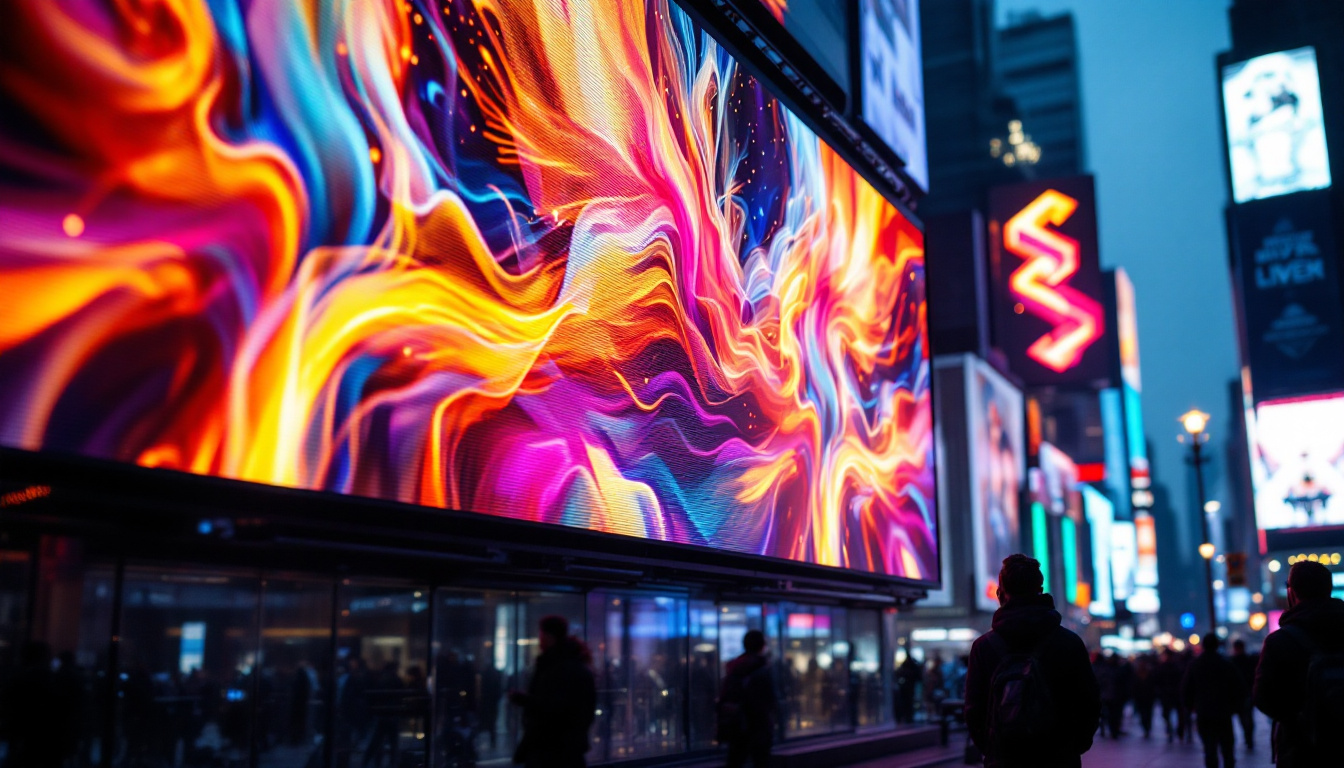
Retail stores and commercial offices leverage tall wall cabinets with LED displays for both storage and marketing purposes. In retail, these cabinets can showcase products illuminated by LED strips, while the display panels communicate promotions, pricing, or brand messages.
Offices utilize these units as part of their digital signage strategy, displaying company news, meeting schedules, or motivational content. The combination of storage and communication reduces clutter and increases the efficiency of workspace design.
Hospitality and Public Spaces
Hotels, restaurants, and public venues use tall wall cabinets with LED displays to enhance guest experience. For instance, hotel lobbies might feature cabinets with LED screens providing wayfinding information or event schedules. Restaurants can use them to display menus or daily specials in an eye-catching manner.
These applications demonstrate the versatility of combining storage with interactive or ambient LED technology.
Benefits of LED Displays in Tall Wall Cabinets
Energy Efficiency and Longevity
LED technology is renowned for its energy efficiency, consuming up to 80% less power than traditional incandescent bulbs. This efficiency translates into lower electricity bills and reduced environmental impact, which is increasingly important in both residential and commercial settings.
Moreover, LEDs have a long operational life, often exceeding 50,000 hours, meaning less frequent replacements and maintenance. This longevity enhances the overall value proposition of LED-integrated cabinets.
Enhanced Aesthetics and Customization
The ability to customize lighting colors, brightness, and display content allows for tailored aesthetics that complement any interior design style. Whether it’s a warm white glow to create a cozy atmosphere or vibrant colors for a modern look, LED displays provide flexibility that traditional lighting cannot match.
Additionally, digital displays embedded in cabinet doors can be personalized with images, animations, or information, making each unit unique and functional beyond simple storage.
Improved Functionality and User Experience
LED lighting improves visibility inside cabinets, making it easier to locate items, especially in deep or tall units. This practical benefit enhances user experience, reducing frustration and increasing convenience.
Interactive LED displays add another layer of functionality by providing real-time information or entertainment. For example, kitchen cabinets with integrated LED screens can display cooking tutorials, timers, or smart home notifications, seamlessly blending technology with everyday tasks.
Design Considerations for Integrating LED Displays
Material Selection and Durability
When integrating LED displays into tall wall cabinets, material choice is critical. Translucent or frosted glass panels are often used for cabinet doors to allow LED light to diffuse evenly without harsh glare. The cabinet frame must also support wiring and electronic components without compromising structural integrity.
Durability is essential, especially in high-traffic areas or commercial environments. Materials must withstand heat generated by LEDs, humidity (particularly in kitchens or bathrooms), and regular cleaning.
Electrical and Installation Requirements
Proper electrical planning is vital to ensure safety and functionality. LED displays require power sources, which may necessitate additional wiring or outlets behind the cabinet. Professional installation is recommended to comply with electrical codes and to integrate control systems seamlessly.
Designers and installers must also consider heat dissipation to prevent damage to LEDs and cabinet materials. Ventilation or heat sinks may be incorporated into the design to maintain optimal operating temperatures.
Smart Integration and User Interface
For cabinets featuring advanced LED displays, user interface design is a key consideration. Controls should be intuitive, whether through touch panels, remote controls, or voice commands. Integration with existing smart home systems enhances convenience but requires compatibility checks and sometimes custom programming.
Ensuring that the LED display content is easily updateable and customizable adds long-term value, allowing users to adapt the cabinet’s functionality to changing needs.
Future Trends in Tall Wall Cabinets with LED Displays
Advancements in Display Technology
Emerging technologies such as microLED and flexible OLED panels promise even thinner, brighter, and more energy-efficient displays. These innovations will enable more seamless integration of digital screens into cabinetry, potentially allowing entire cabinet surfaces to act as dynamic display areas.
Additionally, developments in transparent LED displays could allow for see-through cabinet doors that double as screens, merging storage visibility with digital content display.
Increased Smart Home Integration
The ongoing growth of smart home ecosystems will drive more sophisticated interactions between tall wall cabinets and other devices. Future cabinets may feature AI-powered displays that adapt content based on user behavior, environmental conditions, or voice commands, creating highly personalized living or working environments.
Sustainability and Eco-Friendly Designs
As sustainability becomes a priority, manufacturers are exploring eco-friendly materials and energy-saving designs for LED-integrated cabinets. Recyclable materials, low-impact manufacturing processes, and solar-powered LED systems are areas of active development, aligning with global efforts to reduce environmental footprints.
Conclusion
Tall wall cabinets with integrated LED displays represent a fusion of traditional storage solutions and cutting-edge technology. Their versatility, energy efficiency, and aesthetic appeal make them suitable for a wide range of applications, from enhancing home interiors to driving engagement in commercial spaces.
Understanding the technology, design considerations, and potential applications of these cabinets empowers consumers, designers, and businesses to make informed decisions. As LED and display technologies continue to evolve, tall wall cabinets will likely become even more dynamic, interactive, and integral to modern living and working environments.
Whether looking to improve functionality, add visual interest, or integrate smart technology, tall wall cabinets with LED displays offer a compelling solution that meets contemporary demands for innovation and style.
Discover LumenMatrix LED Display Solutions
Ready to elevate your space with the latest in LED display technology? Explore LumenMatrix’s comprehensive range of innovative LED display solutions, designed to bring your tall wall cabinets to life. From ambient indoor lighting to engaging outdoor displays, our products are crafted to transform your environment and captivate your audience. Experience the future of visual communication with LumenMatrix and make a statement that can’t be ignored. Check out LumenMatrix LED Display Solutions today and see the difference cutting-edge technology can make.