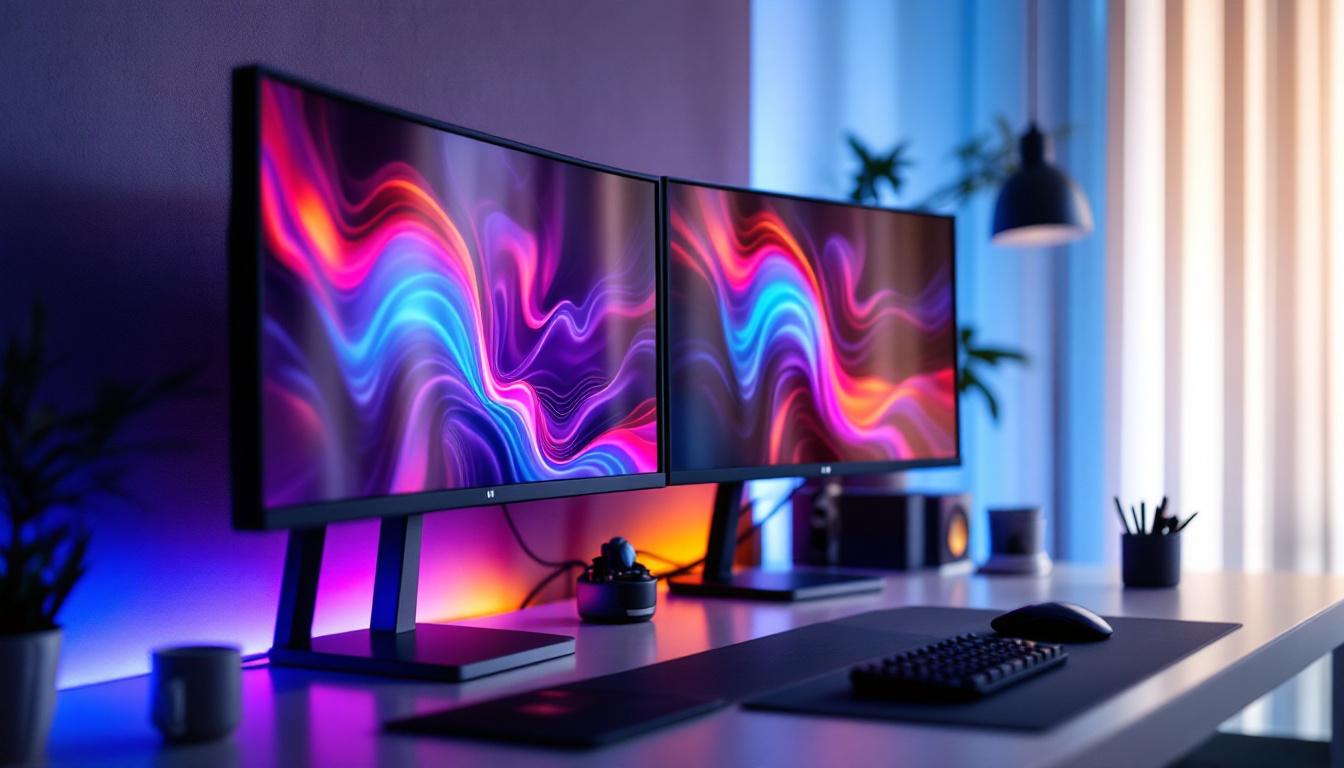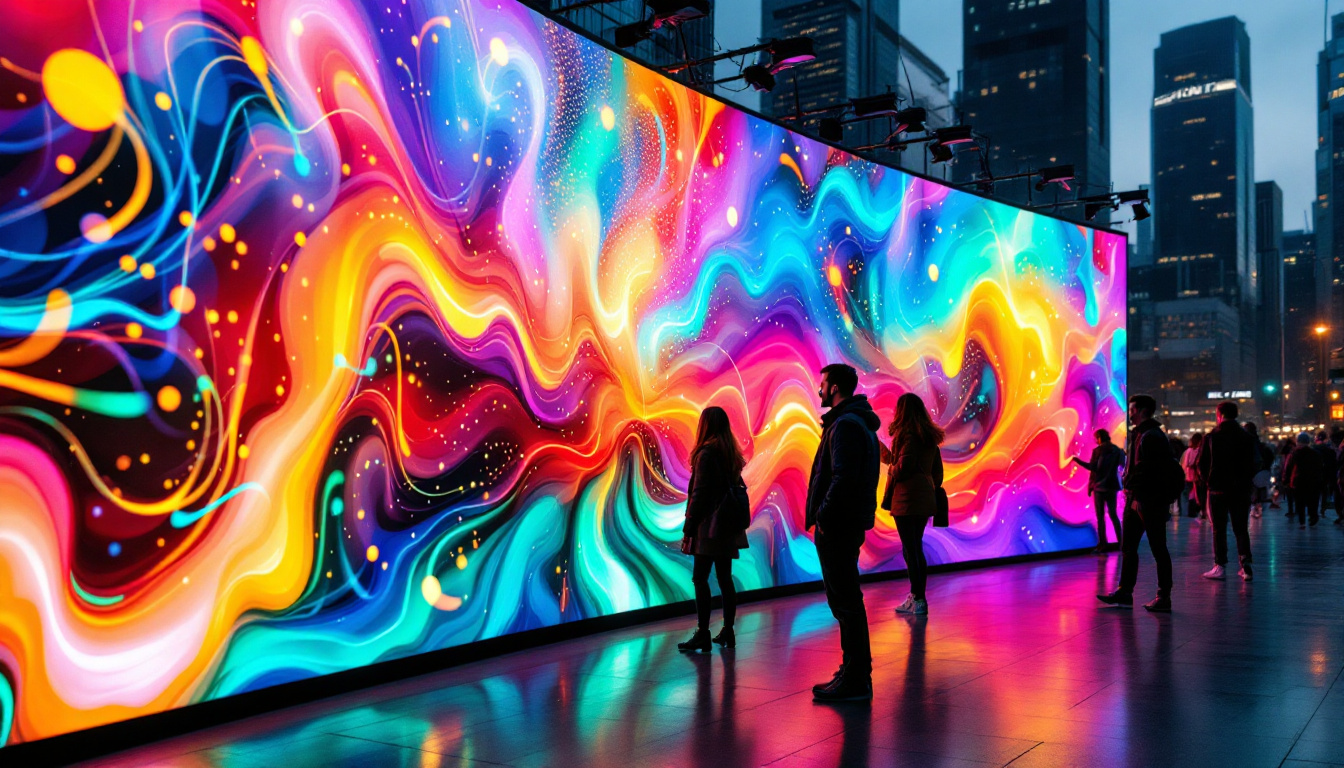
In today’s fast-paced and open office environments, privacy has become a premium commodity. Whether in corporate offices, healthcare facilities, or upscale residential spaces, the demand for innovative privacy solutions continues to grow. Interior screens equipped with LED displays have emerged as a versatile and modern approach to balancing openness with discretion. This article explores the technology behind LED display interior screens, their practical applications, benefits, and considerations for implementation.
Understanding LED Display Technology in Interior Screens
LED, or Light Emitting Diode, technology has revolutionized the way we think about digital displays. Unlike traditional LCD screens, LED displays use an array of tiny light-emitting diodes to produce vibrant images with high brightness and contrast. This makes them particularly suitable for interior screens that need to be visible in various lighting conditions. The efficiency of LED technology also contributes to lower energy consumption, making it an environmentally friendly choice for businesses looking to reduce their carbon footprint while enhancing their visual communications.
How LED Displays Work
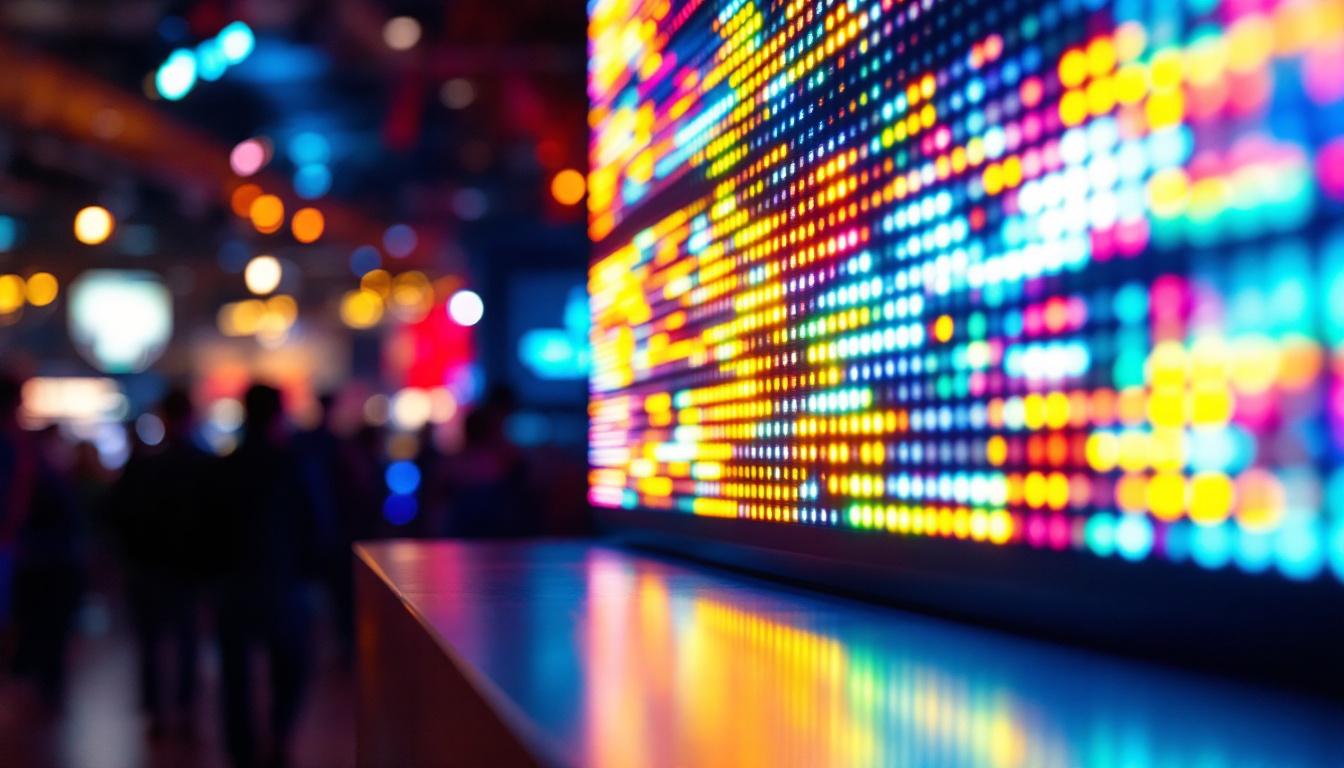
At the core of LED display technology are semiconductor diodes that emit light when an electric current passes through them. These diodes are arranged in a grid pattern, allowing the screen to display images, videos, or text by controlling the intensity and color of each diode. The result is a bright, dynamic display that can be customized to suit different environments and needs. Additionally, advancements in LED technology have led to improvements in color accuracy and refresh rates, which are crucial for applications such as live events and interactive installations where real-time visuals are essential.
Interior LED screens often utilize either direct-view LED panels or LED-backlit LCDs. Direct-view LED panels provide superior brightness and color saturation, making them ideal for spaces with high ambient light. LED-backlit LCDs, while slightly less vivid, offer thinner profiles and can be integrated into traditional screen designs. This versatility allows designers and architects to seamlessly incorporate LED technology into various settings, from corporate offices to retail spaces, enhancing the overall aesthetic while providing functional benefits.
Types of LED Interior Screens
When selecting LED interior screens for privacy, several types are commonly used:
- Transparent LED Screens: These screens allow light to pass through, maintaining a sense of openness while displaying digital content. They are perfect for glass partitions or windows, enabling businesses to showcase advertisements or information without sacrificing natural light.
- Opaque LED Panels: These provide full coverage and can completely obscure the view behind them, offering maximum privacy. They are often used in conference rooms or private offices where confidentiality is paramount, allowing for a professional environment.
- Flexible LED Screens: Made from bendable materials, these screens can conform to curved surfaces, expanding design possibilities. Their adaptability makes them ideal for creative installations, such as artistic displays or unique architectural features that require a non-traditional approach.
Each type offers unique advantages depending on the intended use and aesthetic preferences. Moreover, as technology continues to evolve, we can expect to see even more innovative applications of LED displays in interior design, such as interactive walls that respond to viewer engagement or screens that integrate seamlessly with smart home systems. This ongoing evolution not only enhances the functionality of spaces but also opens up new avenues for creative expression in digital environments.
Applications of LED Interior Screens for Privacy
Interior LED screens are not just about technology; their real value lies in the diverse applications that enhance privacy without sacrificing style or functionality.
Corporate Offices and Meeting Rooms
Open-plan offices have become the norm, but they often lack private spaces for confidential discussions. LED interior screens can be installed as movable partitions or integrated into glass walls, allowing teams to create temporary private zones. The screens can display calming visuals, company branding, or meeting agendas while blocking visual distractions.
According to a 2023 survey by Steelcase, 72% of employees reported that having access to private spaces improved their productivity and job satisfaction. LED screens enable companies to respond to this need flexibly and stylishly.
Healthcare Facilities
Privacy is critical in healthcare settings, where patient confidentiality and comfort are paramount. LED privacy screens can be used in waiting rooms, consultation areas, and patient rooms to provide discreet separation. The ability to display health information, appointment schedules, or calming imagery adds functional value beyond simple privacy.
Furthermore, LED screens can be sanitized easily, making them suitable for environments where hygiene is a top priority.
Hospitality and Retail Environments
Hotels, restaurants, and retail stores benefit from LED interior screens by creating intimate spaces without permanent construction. For example, a restaurant can use LED screens to separate dining areas while displaying menus or promotional content. Retailers can use transparent LED partitions to highlight products while subtly guiding customer flow.
These dynamic screens also allow businesses to update content quickly, adapting to changing promotions or events.
Residential Use
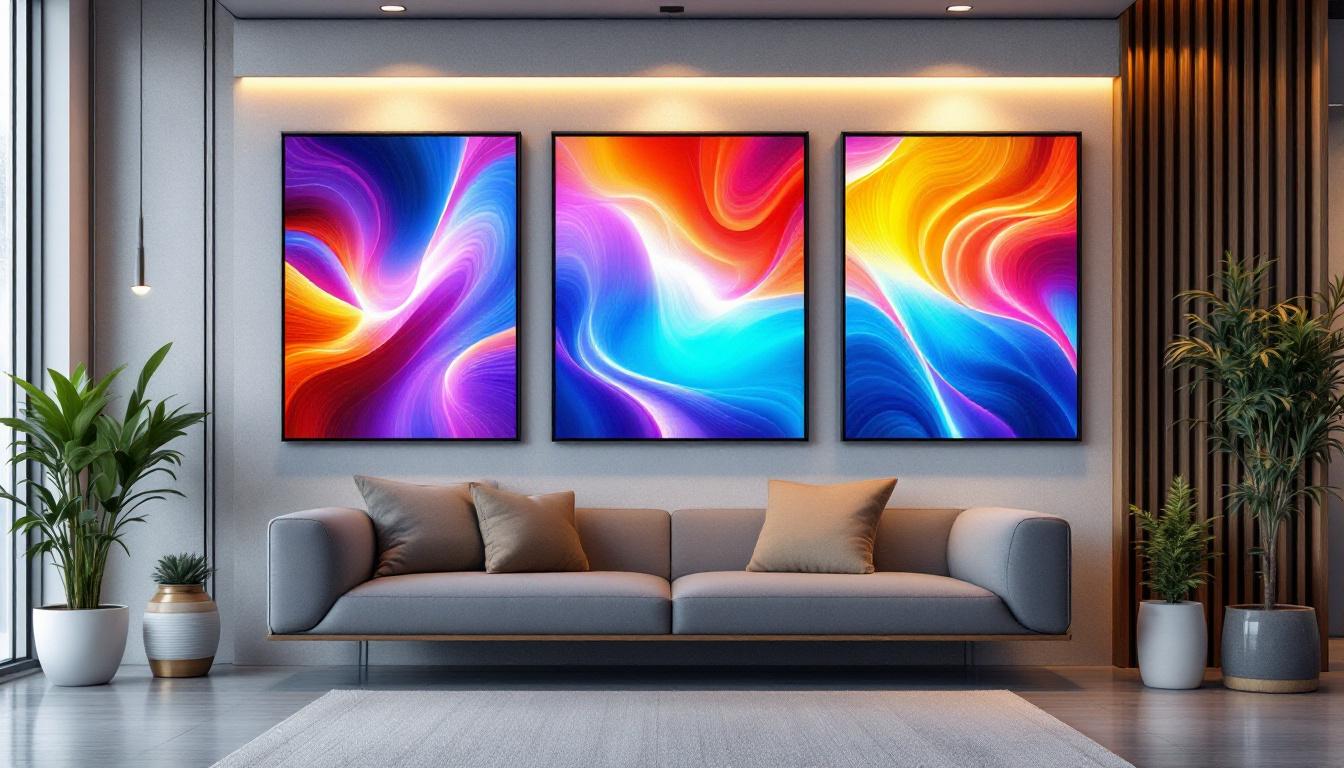
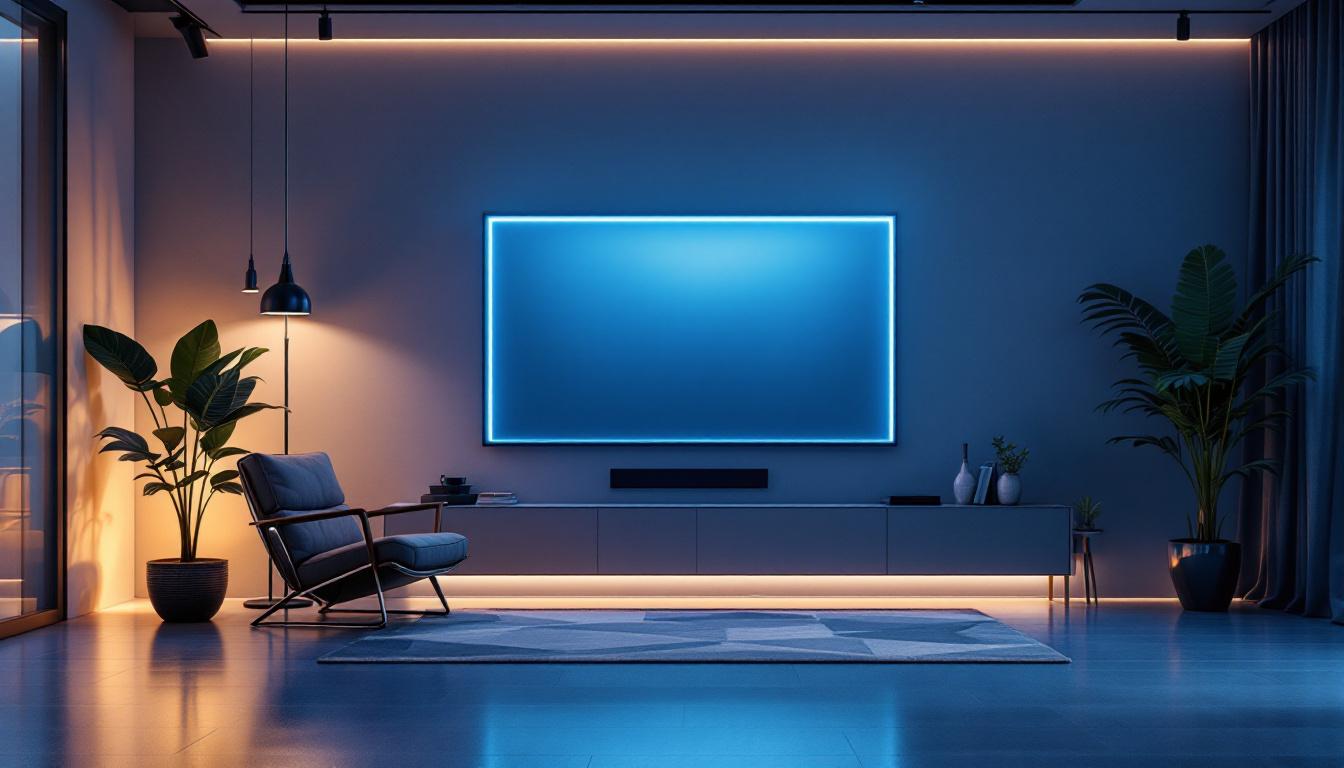
In modern homes, especially in urban apartments and lofts, LED interior screens offer a stylish way to partition spaces without sacrificing light. Homeowners can use transparent LED screens to create private zones in open living areas or display art and family photos digitally.
The integration of smart home technology with LED screens further enhances their appeal, allowing users to control privacy and ambiance with ease.
Benefits of Using LED Display Interior Screens for Privacy
The adoption of LED display interior screens offers several compelling benefits that make them attractive for various settings.
Enhanced Privacy with Flexibility
Traditional privacy solutions like curtains or frosted glass are static and often lack versatility. LED screens provide a dynamic alternative, enabling users to switch between transparent and opaque states or display custom content as needed. This flexibility supports multiple functions within the same space.
Visual Appeal and Customization
LED screens can display high-resolution images, videos, and animations, allowing businesses and homeowners to customize the look and feel of their interiors. This capability transforms privacy screens from mere functional elements into engaging design features that can reinforce branding or create desired moods.
Space Optimization
Because LED screens can be integrated into existing architectural elements like glass walls or partitions, they help optimize space usage. Movable or retractable LED screens further enhance this benefit by allowing spaces to be reconfigured quickly.
Energy Efficiency and Longevity
Modern LED technology is energy-efficient, consuming significantly less power than traditional lighting or display options. Additionally, LED screens have a long operational lifespan, reducing maintenance costs and environmental impact.
Key Considerations When Choosing LED Interior Screens for Privacy
While LED interior screens offer many advantages, careful planning is essential to ensure they meet the specific needs of a space.
Brightness and Ambient Light Conditions
The effectiveness of an LED screen depends heavily on its brightness relative to ambient light. Spaces with large windows or strong overhead lighting require screens with higher brightness levels to maintain visibility and privacy. Conversely, in dimmer environments, screens with adjustable brightness settings can prevent glare and eye strain.
Resolution and Pixel Pitch
Pixel pitch—the distance between individual LED pixels—affects the clarity and sharpness of the display. For interior privacy screens, a fine pixel pitch is preferable to ensure crisp images and text, especially when viewed up close. However, finer pixel pitches typically increase cost, so balancing quality and budget is important.
Installation and Integration
LED screens can be surface-mounted, embedded within glass, or used as freestanding partitions. The choice depends on the architectural features of the space and the desired permanence of the installation. Collaboration with architects and interior designers ensures seamless integration that complements the overall design.
Control Systems and Content Management
Advanced LED screens come with software platforms that allow users to schedule and customize content remotely. For privacy applications, the ability to quickly switch between transparent and opaque modes or display specific messages enhances functionality. Ensuring the control system is user-friendly and compatible with existing infrastructure is critical.
Cost and Return on Investment
Initial investment in LED interior screens can be significant, especially for high-resolution or large-format installations. However, the long-term benefits—including increased productivity, enhanced customer experience, and energy savings—often justify the expense. Conducting a thorough cost-benefit analysis helps stakeholders make informed decisions.
Future Trends in LED Interior Screens for Privacy
The evolution of LED display technology continues to open new possibilities for interior privacy solutions.
Integration with Smart Building Systems
As smart building technology advances, LED screens are increasingly integrated with sensors, lighting, and HVAC systems. This integration allows screens to respond automatically to occupancy, lighting changes, or user preferences, creating adaptive environments that optimize comfort and privacy.
Advancements in Transparent and Flexible Displays
Research into ultra-thin, transparent, and flexible LED materials promises even greater design freedom. Future interior screens may become nearly invisible when not in use or conform to complex architectural shapes, further blurring the line between technology and interior design.
Interactive and Augmented Reality Features
Interactive LED screens that respond to touch or gestures are becoming more common. Combined with augmented reality (AR) technologies, these screens could provide immersive privacy solutions that also serve educational or entertainment purposes in public and private spaces.
Conclusion
Interior screens equipped with LED displays represent a sophisticated and adaptable solution for privacy in a variety of environments. Their ability to combine functionality, aesthetic appeal, and technological innovation makes them a valuable asset for offices, healthcare facilities, hospitality venues, and modern homes alike. By understanding the technology, applications, and key considerations, decision-makers can effectively leverage LED interior screens to create spaces that are both private and visually engaging.
As LED technology continues to advance, the potential for interior privacy screens will only expand, offering exciting opportunities for designers and users to redefine how privacy is achieved in contemporary interiors.
Discover LumenMatrix’s Innovative LED Display Solutions
Ready to elevate your space with the ultimate in privacy and visual appeal? Explore LumenMatrix’s comprehensive range of LED display solutions tailored to meet your specific needs. From captivating Indoor LED Wall Displays to versatile Transparent LED options, LumenMatrix is at the forefront of transforming environments with dynamic and energy-efficient LED technology. Check out LumenMatrix LED Display Solutions today and experience the future of interior design and visual communication.