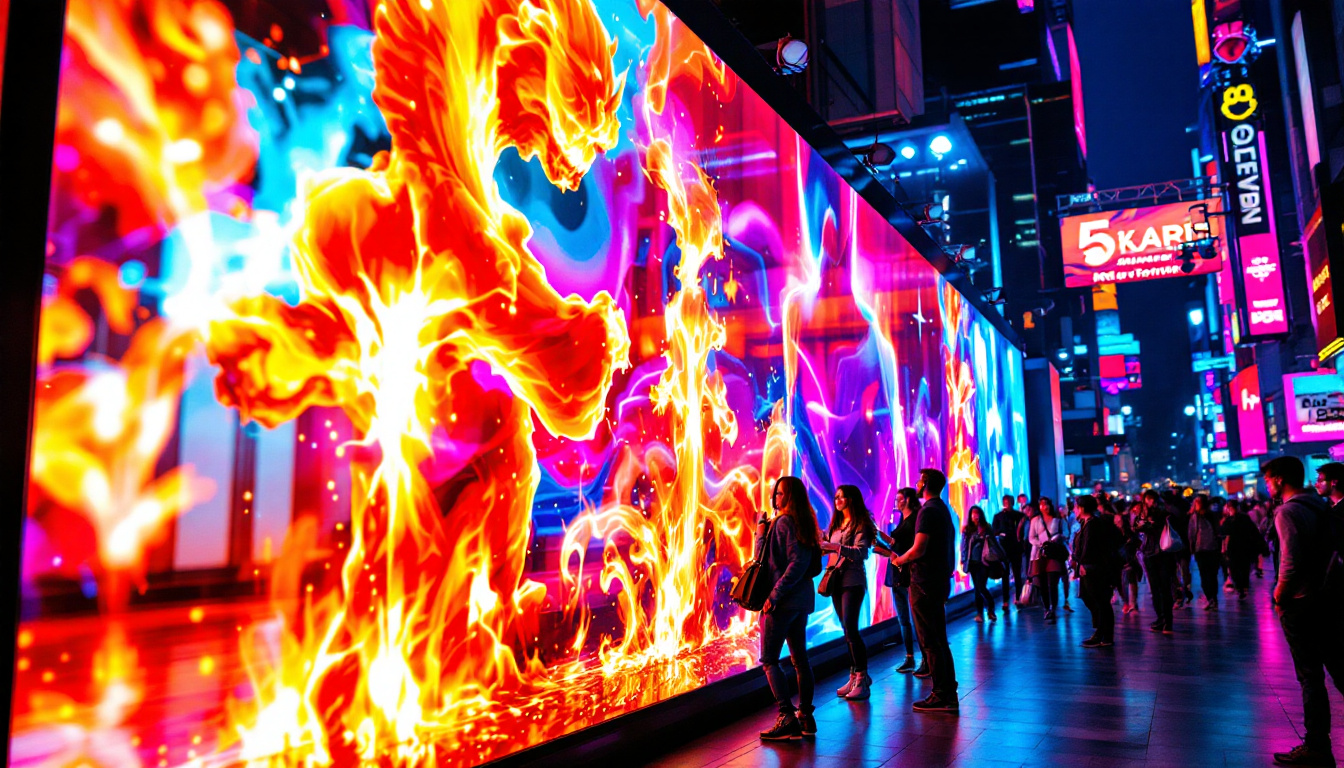
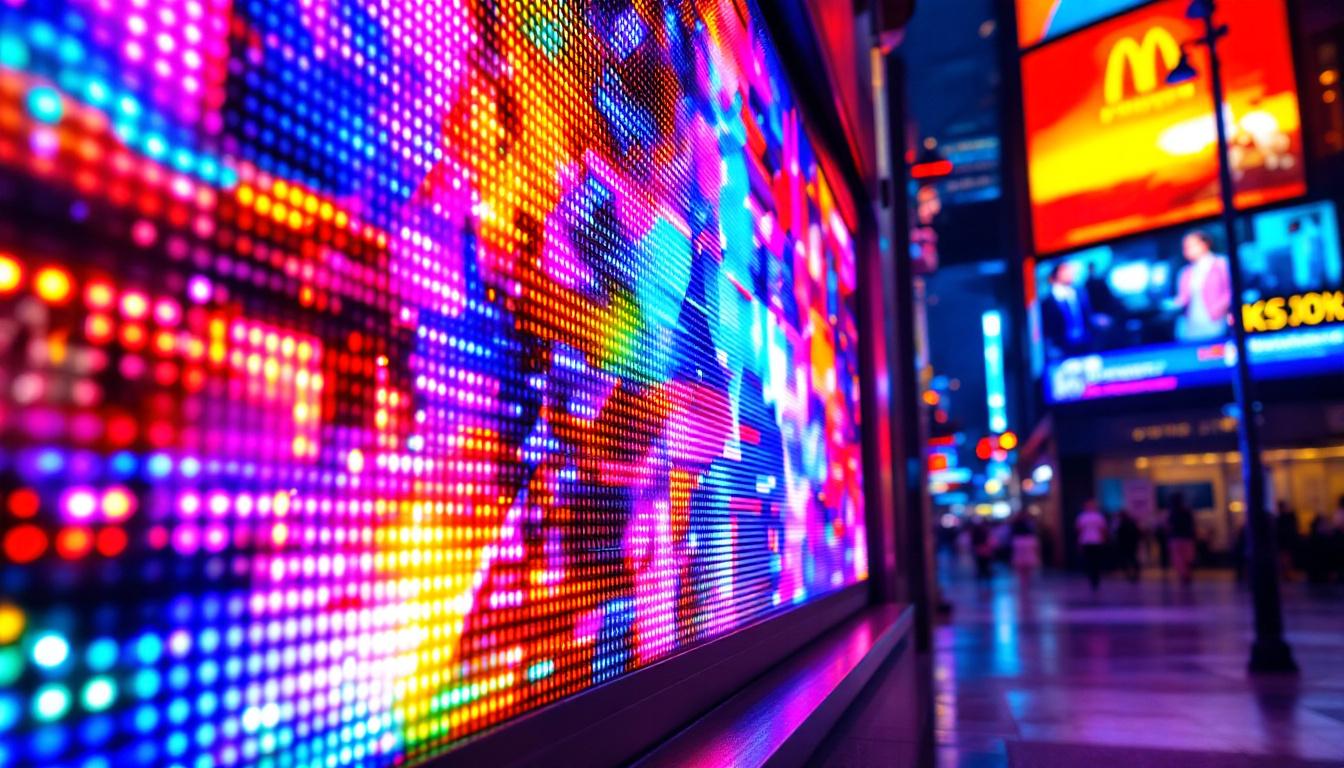
In an era where visual communication dominates marketing, advertising, and entertainment, LED displays have emerged as a pivotal technology. From vibrant billboards in Times Square to dynamic screens in stadiums and retail spaces, LED displays offer unmatched brightness, clarity, and versatility. Bright Edge Solutions is at the forefront of this revolution, delivering cutting-edge LED display technology tailored to diverse applications.
Understanding LED Display Technology
LED, or Light Emitting Diode, displays consist of numerous tiny diodes that emit light when an electric current passes through them. Unlike traditional display technologies such as LCD or plasma, LEDs produce their own light, eliminating the need for backlighting and enabling superior brightness and contrast. This intrinsic property not only enhances the visual experience but also contributes to energy efficiency, as LED displays consume significantly less power than their predecessors, making them a more sustainable choice in the long run.
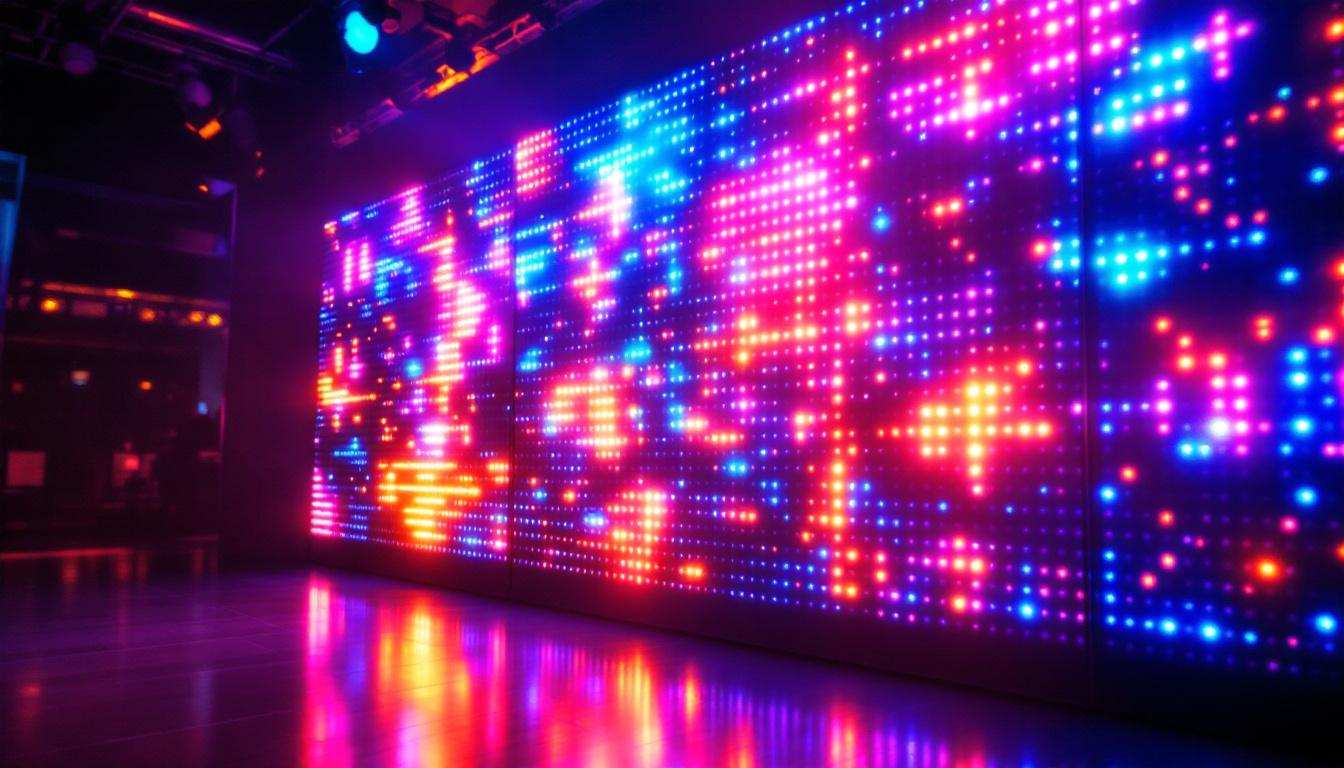
The core advantage of LED displays lies in their modular design. Individual LED modules can be combined seamlessly to create large-scale screens of virtually any size and shape. This scalability makes LED displays ideal for both indoor and outdoor environments, from small retail signage to massive outdoor advertising boards. Furthermore, the ability to customize the configuration of these displays allows businesses to create unique visual experiences tailored to their specific branding and marketing needs, thereby maximizing viewer engagement and impact.
Types of LED Displays
LED displays come in various configurations, each suited for specific use cases:
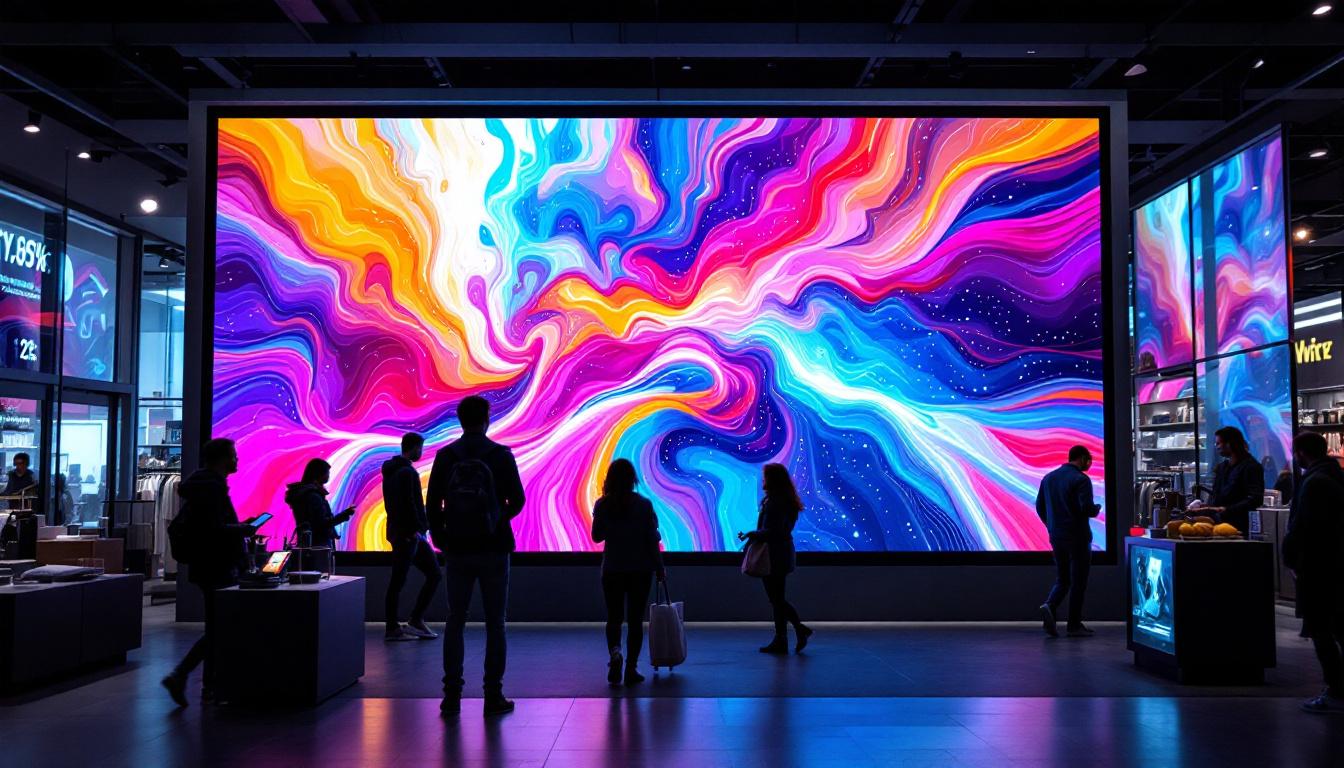
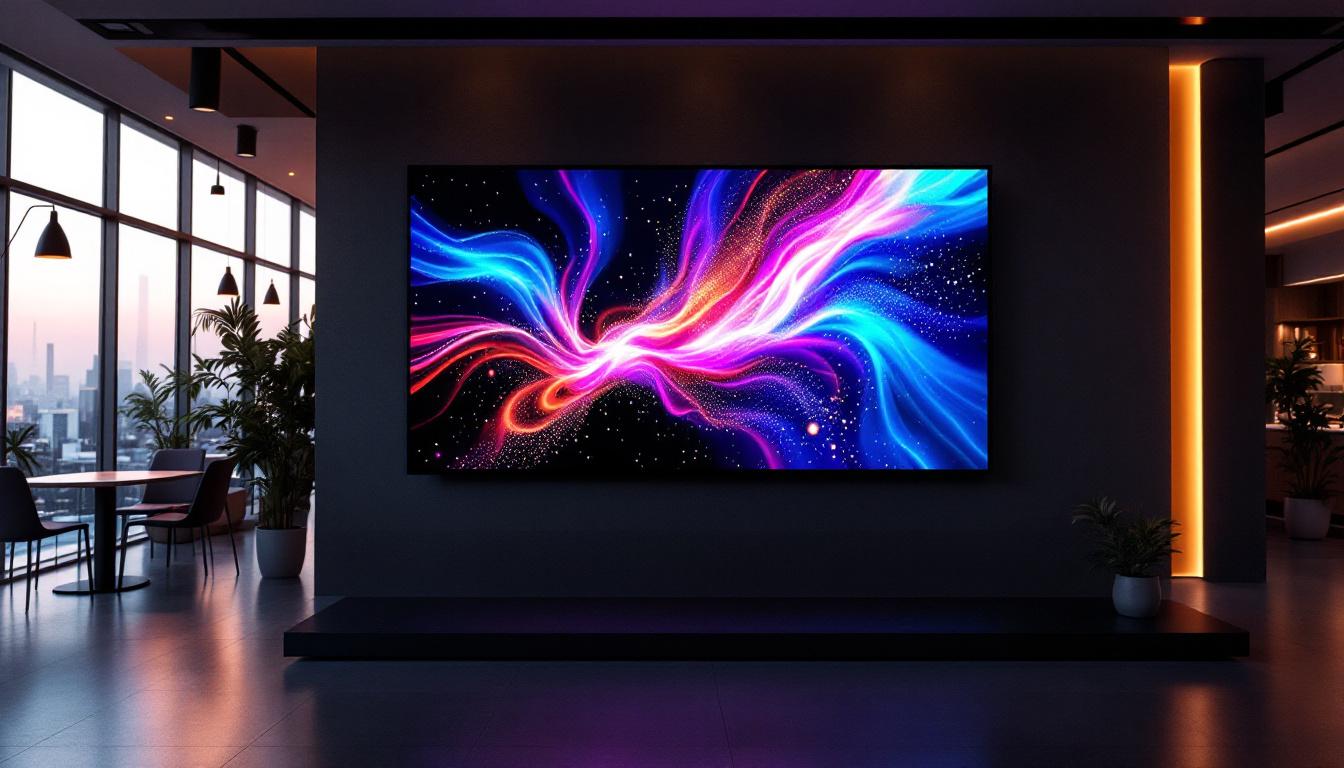
- Indoor LED Displays: Designed for close viewing distances, these displays feature smaller pixel pitches (the distance between individual LEDs), resulting in higher resolution and sharper images. They are commonly used in venues such as shopping malls, airports, and conference centers, where clarity and detail are paramount for effective communication.
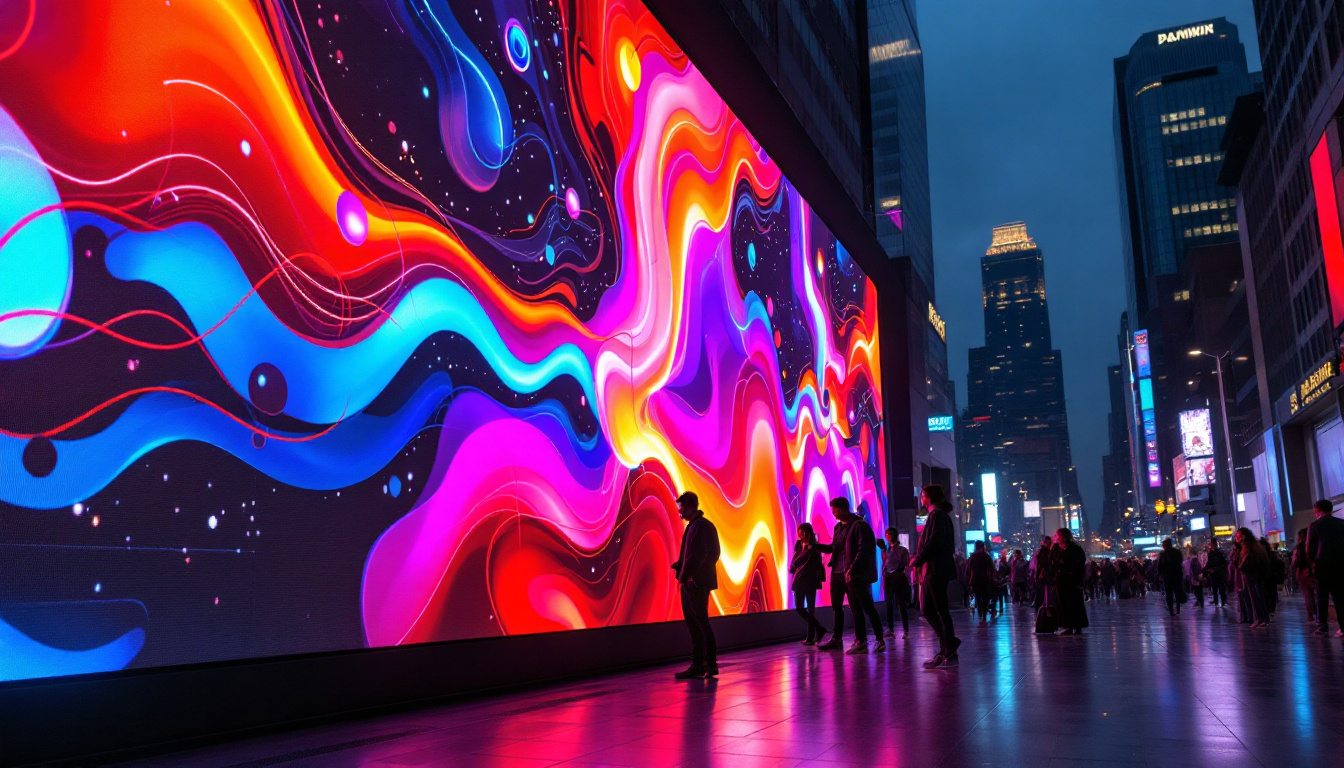
- Outdoor LED Displays: Built to withstand harsh weather conditions, these displays are brighter to combat sunlight glare and have larger pixel pitches suitable for viewing from greater distances. They are often employed in billboards, sports arenas, and public transportation hubs, where visibility and durability are essential for capturing the attention of passersby.
- Flexible and Transparent LED Displays: Emerging technologies allow for curved, bendable, or see-through LED panels, expanding creative possibilities in architecture and design. These innovative displays can be integrated into windows, walls, and other surfaces, allowing for dynamic advertising and artistic installations that can transform ordinary spaces into captivating visual experiences.
In addition to their diverse applications, LED displays are also evolving with advancements in technology. For instance, the integration of smart features such as IoT connectivity enables real-time content updates and remote management, providing businesses with greater control over their messaging. This adaptability not only enhances operational efficiency but also allows for targeted advertising strategies that can respond to changing consumer behaviors and preferences. As the demand for high-quality visual displays continues to rise, the future of LED technology promises even more exciting developments that will further revolutionize the way we communicate and engage with our surroundings.
Key Components and How They Work
To appreciate the sophistication behind LED displays, it’s essential to understand their main components and operational principles.
LED Modules and Pixels
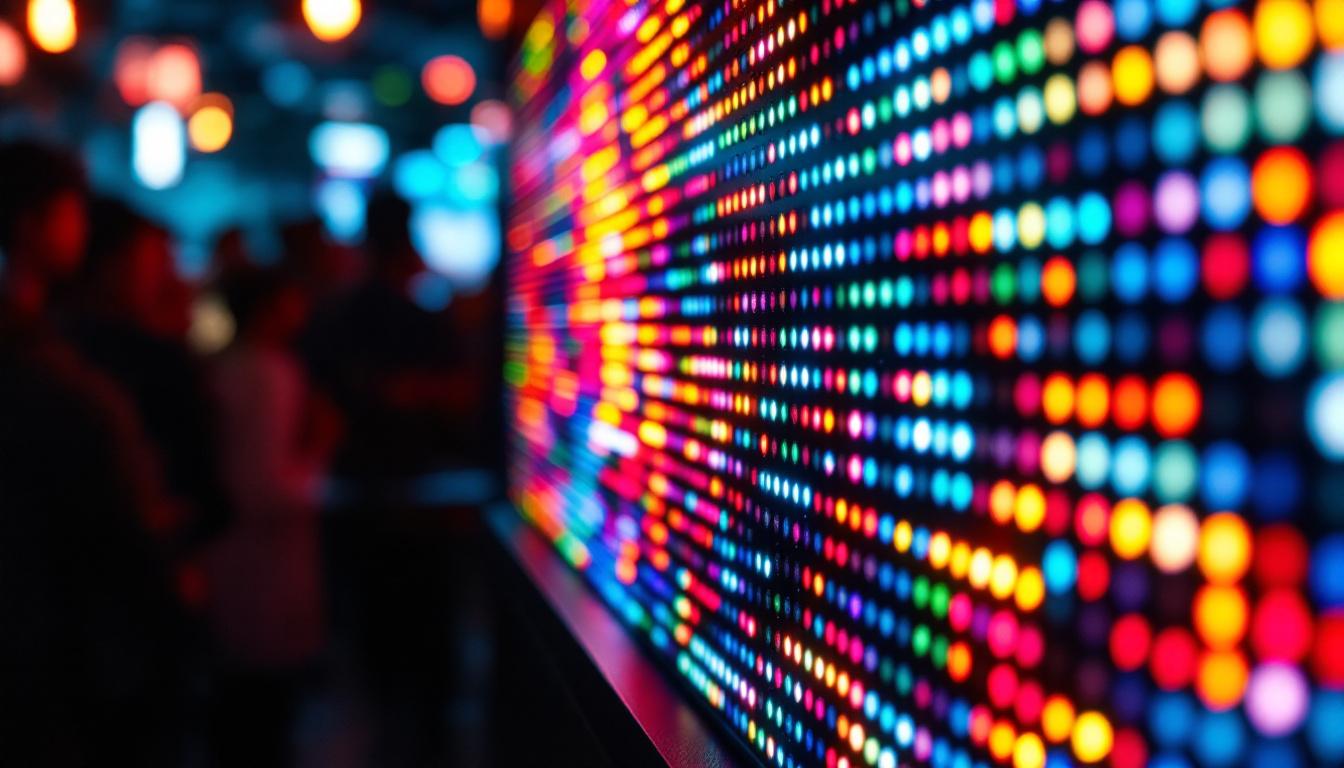
Each LED module contains multiple pixels, with each pixel comprising red, green, and blue LEDs. By adjusting the intensity of these three colors, the display can render millions of colors, producing vivid and lifelike images. The pixel pitch determines the display’s resolution; smaller pitches mean higher pixel density and finer image quality. For instance, a pitch of 2.5mm is ideal for indoor environments where viewers are closer, while a pitch of 10mm is more suited for outdoor displays where the viewing distance is greater. This flexibility allows for a wide range of applications, from advertising billboards to high-definition video walls in concert venues.
Driving Circuits and Controllers
LED displays rely on sophisticated driving circuits that manage the electrical current through each LED, ensuring consistent brightness and color accuracy. Controllers process incoming video signals and translate them into commands that illuminate the appropriate LEDs in real-time. Advanced controllers support high refresh rates, crucial for smooth video playback and reducing flicker. Some modern controllers even incorporate features like automatic brightness adjustment based on ambient light conditions, enhancing visibility and energy efficiency. This adaptability is particularly beneficial in environments where lighting conditions can change rapidly, such as outdoor events or sports arenas.
Power Supply and Cooling Systems
Given the high brightness levels and large surface areas, LED displays consume significant power. Efficient power supplies are essential to maintain stable operation. Additionally, LED modules generate heat, especially in outdoor installations exposed to sunlight. Integrated cooling systems, such as fans or heat sinks, help dissipate heat and prolong the lifespan of the display. Moreover, some advanced LED displays utilize thermal management technologies that monitor temperature fluctuations and adjust cooling mechanisms accordingly. This proactive approach not only enhances performance but also minimizes the risk of overheating, ensuring that the display remains operational even under demanding conditions. Furthermore, the design of these cooling systems can be crucial for maintaining aesthetic appeal, especially in installations where the display is a focal point of the environment.
Advantages of LED Displays Over Traditional Technologies
LED displays offer numerous benefits that make them the preferred choice for modern visual communication.
Superior Brightness and Visibility
One of the most notable advantages of LED displays is their exceptional brightness. Outdoor LED screens can reach brightness levels exceeding 5,000 nits, making them clearly visible even under direct sunlight. This capability is critical for outdoor advertising and public information displays, where visibility can directly impact effectiveness.
Energy Efficiency and Longevity
Compared to incandescent and fluorescent lighting, LEDs consume significantly less energy while delivering higher luminance. Modern LED displays can operate for over 100,000 hours before requiring replacement, translating to lower maintenance costs and reduced environmental impact.
Flexibility and Customization
LED displays can be customized in size, shape, and resolution to fit specific needs. Whether it’s a curved screen wrapping around a building facade or a transparent display integrated into a storefront window, LED technology offers unmatched design flexibility.
Dynamic Content and Interactivity
Unlike static signage, LED displays support dynamic content, including video, animations, and real-time data feeds. This dynamic capability enables businesses to engage audiences more effectively and update messaging instantly. Some LED displays also incorporate touch or sensor technology, facilitating interactive experiences.
Applications of LED Displays in Various Industries
The versatility of LED displays has led to widespread adoption across multiple sectors, each leveraging the technology to meet unique communication challenges.
Advertising and Marketing
LED billboards and digital signage have transformed advertising by enabling vibrant, eye-catching campaigns that can be updated remotely and instantly. According to a 2023 report by the Digital Signage Federation, digital out-of-home advertising, predominantly LED-based, has grown by over 15% annually, underscoring its effectiveness and popularity.
Sports and Entertainment Venues
Stadiums and arenas use massive LED screens to enhance spectator experience, displaying live action, replays, and interactive content. The ability to produce high-resolution images visible from any seat improves engagement and atmosphere.
Retail and Hospitality
Retailers utilize LED displays for promotional messaging, product showcases, and immersive brand experiences. Hotels and restaurants use LED screens for ambiance, menus, and event information, creating a modern and inviting environment.
Transportation and Public Spaces
Airports, train stations, and bus terminals deploy LED displays for real-time schedules, alerts, and wayfinding. Their high visibility and reliability are crucial for managing large volumes of travelers efficiently.
Choosing the Right LED Display: Factors to Consider
Selecting an LED display that aligns with specific requirements involves evaluating several critical factors.
Viewing Distance and Resolution
The pixel pitch must correspond to the typical viewing distance. For close-range indoor applications, a pixel pitch of 1.2mm to 2.5mm is common, ensuring crisp images. For outdoor billboards viewed from hundreds of feet away, pixel pitches of 10mm or more are appropriate.
Brightness and Environmental Conditions
Outdoor displays require higher brightness levels to combat sunlight and weather exposure. Additionally, IP ratings indicating dust and water resistance are essential for durability.
Content Management and Connectivity
Modern LED displays often integrate with content management systems (CMS) that allow remote control and scheduling. Connectivity options such as Wi-Fi, Ethernet, and 4G/5G support flexible deployment and real-time updates.
Budget and Total Cost of Ownership
While initial investment in LED displays can be substantial, factors like energy efficiency, maintenance costs, and lifespan influence total cost of ownership. It’s important to balance upfront costs with long-term benefits.
Future Trends in LED Display Technology
The LED display industry continues to evolve rapidly, driven by advances in materials, manufacturing, and software integration.
MicroLED and MiniLED Innovations
MicroLED technology, featuring even smaller LEDs than traditional displays, promises higher resolution, improved color accuracy, and enhanced energy efficiency. MiniLED backlighting is also gaining traction in hybrid display solutions, combining the best of LED and LCD technologies.
Integration with Augmented Reality (AR) and IoT
Future LED displays are expected to integrate more seamlessly with AR applications and Internet of Things (IoT) devices, enabling interactive and context-aware content delivery. This integration will open new avenues for personalized advertising and immersive experiences.
Sustainability and Eco-Friendly Designs
As environmental concerns grow, manufacturers are focusing on sustainable materials, recyclable components, and energy-saving designs. Innovations in LED technology aim to reduce carbon footprints while maintaining performance.
Conclusion
LED displays represent a transformative technology in visual communication, offering unparalleled brightness, flexibility, and dynamic content capabilities. Bright Edge Solutions exemplifies leadership in this space by delivering tailored LED display solutions that meet the demands of various industries and applications.
Understanding the technical aspects, advantages, and application possibilities of LED displays empowers businesses and organizations to make informed decisions that maximize impact and return on investment. As the technology advances, LED displays will continue to illuminate the future of digital communication with greater innovation and sustainability.
Illuminate Your Space with LumenMatrix
Ready to elevate your visual communication with the brilliance of LED technology? Discover LumenMatrix’s wide array of innovative LED display solutions, from Indoor and Outdoor LED Wall Displays to specialized options like Vehicle, Sports, and Floor LED Displays. Whether you’re looking to create a custom LED display or seeking an All-in-One solution, LumenMatrix is committed to transforming your space with displays that captivate and engage. Don’t miss the chance to enhance your brand’s visibility and impact. Check out LumenMatrix LED Display Solutions today and step into the future of digital signage.